Hotels in Waldrach
Discover your perfect stay in Waldrach.
Waldrach(Germany) Travel 2026: Cheap Flights, Hotels & Top Attractions
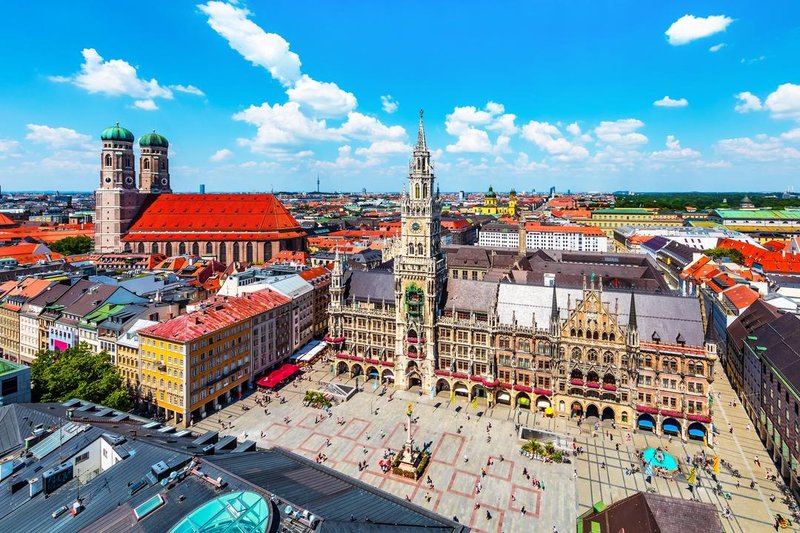
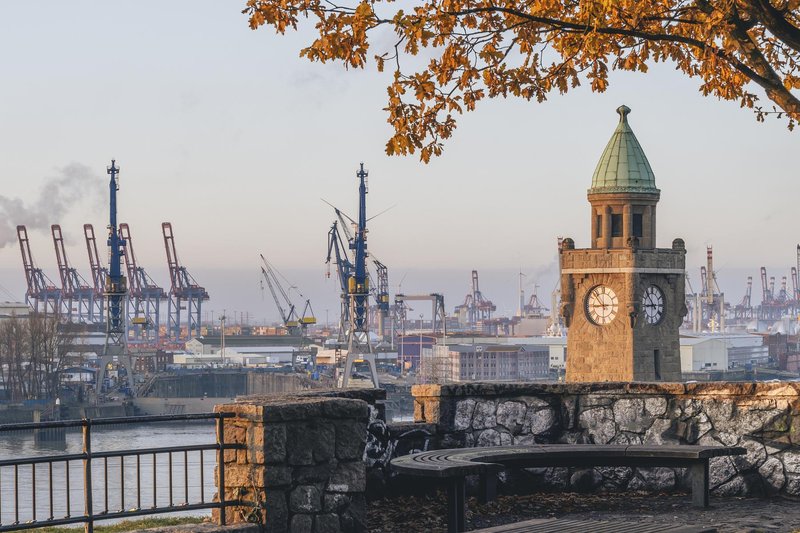
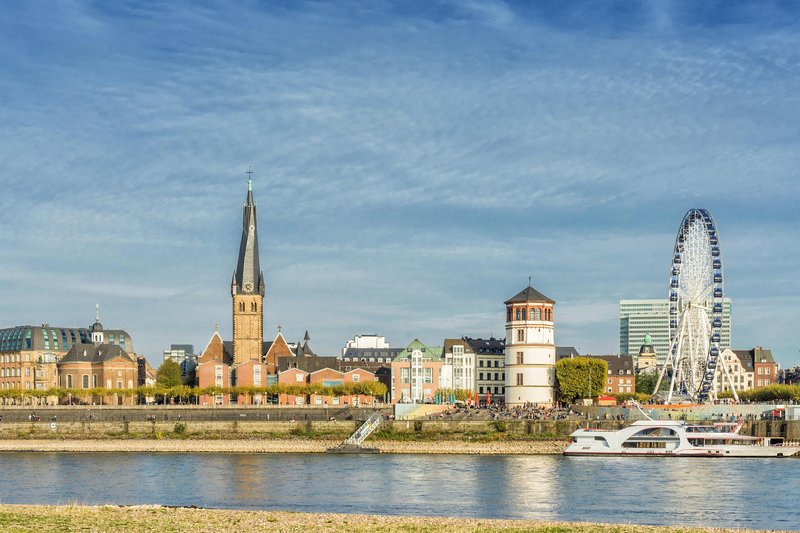
Popular Landmarks in Waldrach
Discover the most iconic attractions in Waldrach
Recommended Hotels in Waldrach
Find the perfect place to stay in Waldrach
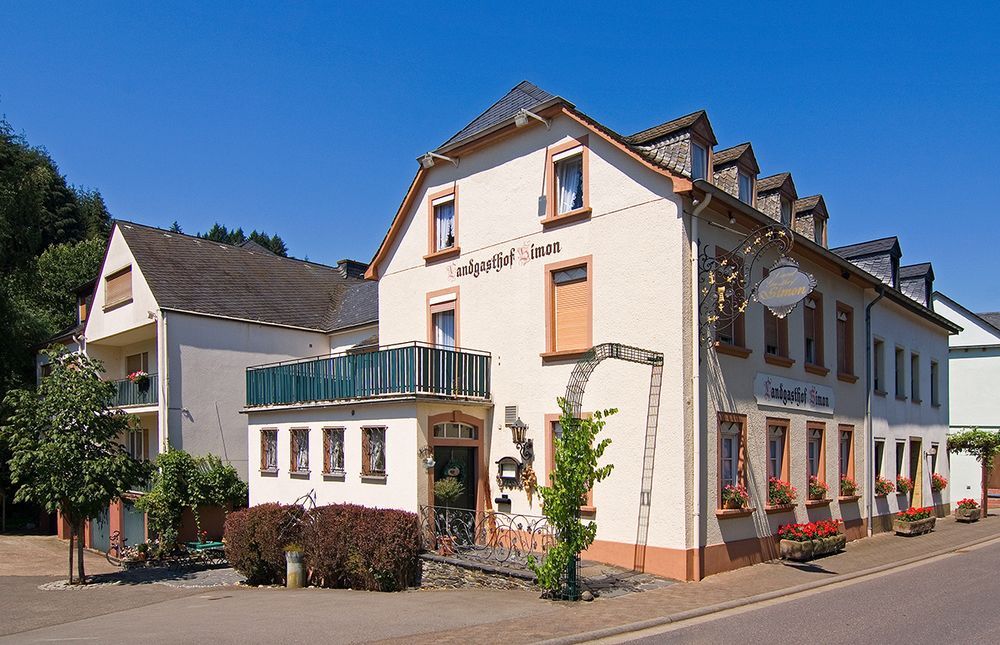
Hotel Landgasthof Simon
Frequently Asked Questions about Traveling to Waldrach
Questions You Might Need to Know About Traveling to Waldrach
In Wodrach, the standout boutique option is Hotel zur Post, a beautifully restored 18th-century inn blending traditional Rhineland architecture with modern comfort. Located steps from the Marktplatz, it features hand-carved wooden interiors and a cozy wine cellar bar. Guests enjoy locally sourced breakfasts, including regional rye bread and house-made jams. Another gem is Gasthof Römer, famed for its garden terrace and authentic German roast pork, offering an immersive rural experience.
The Altstadt (Old Town) district is perfect for first-time visitors, offering easy access to key sights like the Rathaus (Town Hall), Marktplatz, and artisan shops. With cobbled streets and historic facades, it exudes charm and tranquility. Many guesthouses here, such as Weinhaus am Markt, combine period details with modern amenities, making it an ideal base for exploring Rhineland-Palatinate's cultural heartland.
Don’t miss the annual Weinfest (Wine Festival) in summer, when the town transforms with grapevine-covered stalls, live folk music, and tastings of local Riesling wines. Guided tours of the Old Clock Tower run daily at 10 AM, offering insights into medieval clock mechanisms and panoramic views. These events highlight Wodrach’s deep-rooted traditions and warm community spirit.
Yes, Familienhotel Rheinhöhe is a top choice for families, featuring a children’s playroom, family cooking workshops, and extra beds in spacious rooms. It’s just minutes from the nature trail entrance leading to the cascading stream waterfall. Many restaurants offer kid-friendly menus with organic ingredients, ensuring a stress-free stay for parents and enjoyable meals for children.
Wodrach offers a quiet, intimate nightlife. Head to Brauerei Kornblume, a centuries-old brewery with nightly folk music performances and house-brewed dark beer paired with sauerkraut and bratwurst. For a more serene evening, sip mulled wine at a riverside café, watching the reflection of lanterns on the Rhine tributary. The atmosphere is peaceful—ideal for travelers seeking relaxation over crowds.
Near Wodrach, hike the Brunnerburg Waldweg Trail (3 km), passing through ancient oak forests and ending at the ruins of Brunnerburg Castle, with sweeping valley views. The Klausenbach Valley is another must-visit, especially in spring when wildflowers bloom and birdsong fills the air. Both locations offer excellent opportunities for photography, birdwatching, and reconnecting with nature.
Savor Kartoffelpuffer (potato pancakes) with sauerkraut and smoked sausage—a staple at local eateries. Try the Honig-Nuss-Kuchen (honey-nut cake) from Bäckerei Mühle, made with Alsatian honey and fresh walnuts. Many restaurants also serve organic vegetable soup and wild mushroom pasta, showcasing the region’s commitment to sustainable, farm-to-table cuisine.
Yes, despite being a small town, Wodrach has reliable transport. Free shuttle buses connect major sites and the train station. Regional trains from Trier or Mainz run hourly, with a 15-minute walk to the center. Car rentals are also available nearby, ideal for exploring wine routes and castles along the Rhine River.
Capture the St. Mary’s Church spire silhouetted against morning light, the colorful half-timbered houses glowing in autumn foliage, and the stone bridge by the river reflecting sunset hues. Don’t miss the frescoes on the old Rathaus wall, depicting medieval market scenes—rich in detail and perfect for photographers seeking historical ambiance.
Most hotels provide bike rentals, including Hotel zur Post and Gasthof Römer, which offer electric and mountain bikes for €15/day. Well-marked routes lead to the Rhine Valley Greenway and scenic wine trails, with rest stops and maps provided. Some even supply GPS devices, making it easy to explore safely and sustainably.
Waldrach Overview
City Summary
Waldrach, a picturesque village in Germany's Rhineland-Palatinate state, is nestled along the Ruwer River tributary of the Moselle. Known for its terraced vineyards, medieval heritage, and centuries-old winemaking tradition, this tranquil town offers authentic wine tourism experiences. As part of the Mosel wine region, visitors can explore family-run wineries producing acclaimed Rieslings. The surrounding hiking trails and bike routes through vine-covered hills provide immersive nature encounters.
Must-See Attractions
Top attractions include St. Nikolaus Church, a Gothic structure with Baroque altarpieces, and the Wine Museum showcasing traditional viticulture tools. The Ruwer Valley Trail offers panoramic vineyard views. Don't miss the monthly farmers' market for local crafts, while autumn's Wine Festival features live music and tastings. Day trips to Roman-era Trier (15km west) are easily arranged.
Food Guide
Waldrach's cuisine highlights wine-pairing menus. Sample estate-bottled Rieslings alongside Mosel trout with almond butter or "Winzerbraten" (wine-marinated roast). Cozy weinstuben (wine taverns) serve seasonal dishes like "Dampfnudel" (steamed dumplings). Look for "Vinum Bonum" seals indicating top-quality local wines. Many wineries offer vineyard picnics by reservation.
Transportation Guide
Regional trains (RB line) and buses (routes 200/210) connect to Trier Hauptbahnhof (25 mins). The B52 highway provides road access with free village parking. E-bike rentals are ideal for vineyard exploration, with guided tours available. Note reduced Sunday transit schedules. For intercity travel, use Trier's station for ICE high-speed rail connections.
Best Time to Visit
Prime visiting months are May-October when vineyards flourish (18-25°C). Harvest season (Sept-Oct) offers grape-stomping events but requires accommodation bookings. December brings charming Christmas markets, though some attractions operate limited hours.
Travel Tips
- Swirl wine gently before tasting when visiting wineries
- Modest attire preferred for church visits
- Wear sturdy shoes for steep vineyard paths
- Carry €1 coins for public restrooms
- Separate trash into paper/glass/organic bins
- Book winery tours 48+ hours in advance
- Quiet hours enforced after 10pm in residential areas
Useful Information
German is primary language, with basic English spoken in tourism sectors. 4G coverage is reliable; free WiFi at Tourist-Info center. Cash preferred (ATMs at Sparkasse bank), though cards accepted at hotels. Emergency: 112 (general), 110 (police). Pharmacies display red "A" signs; Sunday service rotates in Trier. Tap water is potable. Voltage 230V (Type F plugs). Basic medical clinic available; serious cases transfer to Trier University Hospital.