Hotels in Waldstetten
Discover your perfect stay in Waldstetten.
Waldstetten(Germany) Travel 2026: Cheap Flights, Hotels & Top Attractions
Popular Landmarks in Waldstetten
Discover the most iconic attractions in Waldstetten
Recommended Hotels in Waldstetten
Find the perfect place to stay in Waldstetten
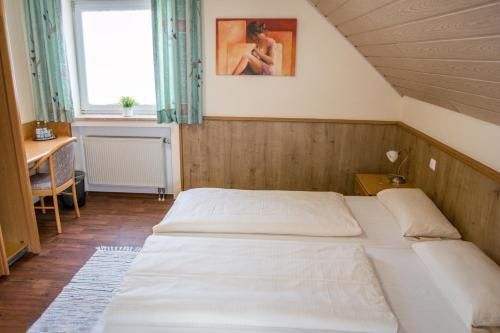
Gasthof Zum Ochsen
Frequently Asked Questions about Traveling to Waldstetten
Questions You Might Need to Know About Traveling to Waldstetten
In Walzstetten, the Hotel Alpenhof stands out for its panoramic alpine views and traditional Bavarian architecture. Perched above the valley, it offers floor-to-ceiling windows overlooking the Allgäu Alps, with private balconies featuring heated seating. The hotel blends rustic charm with modern comforts—each room includes a wood-burning fireplace and locally sourced linen. Guests enjoy access to a wellness center with an indoor thermal pool and sauna. Its restaurant serves Bavarian roast pork with sauerkraut and seasonal forest mushrooms, sourced from nearby farms. A true mountain retreat.
The historic town center of Walzstetten is ideal for first-time visitors. Located near the St. John’s Church and Rathaus Square, it offers easy access to museums, cafés, and local markets. Quiet tree-lined streets lead to the Waldeck Castle Ruins, while the central square hosts weekend farmers' markets and live folk music. Most accommodations here are family-run guesthouses with authentic Bavarian décor, making it perfect for cultural immersion and convenient exploration on foot.
To experience authentic Bavarian culture in Walzstetten, attend the annual Bayerisches Volksfest, featuring folk dancing, handmade crafts, and local beer tasting. Join a family-owned brewery tour at Hofbrauerei Walzstetten to brew your own Weißbier using traditional methods. Visit the Waldstätten Heimatmuseum, which displays vintage farming tools, regional costumes, and agricultural history. Don’t miss the yodeling workshop offered by local elders—perfect for capturing the spirit of Alpine traditions.
Key landmarks in Walzstetten include the Waldeck Castle Ruins, a 13th-century fortress offering sweeping views of the Allgäu Valley and the Alps. Nearby, St. John’s Church features Gothic arches and stained-glass windows depicting biblical scenes. For nature lovers, the Waldeck Forest Trail is a scenic hiking path with interpretive signs about local flora and fauna. The trail ends at a hidden waterfall, accessible only by foot—ideal for photographers and solitude seekers.
Yes, Walzstetten is highly family-friendly. The Alpental Zoo allows kids to interact with goats, rabbits, and wild hares in a safe, open environment. Seasonal programs like Nature Discovery Workshops teach children how to identify plants and build bird feeders. Many hotels offer free cribs, high chairs, and kid-sized menus. The town also has a network of safe bike paths, connecting villages and forests—perfect for family rides. Plus, the forest playground near the castle ruins keeps children entertained with wooden climbing structures and natural slides.
Walzstetten specializes in hearty Bavarian cuisine. Must-try dishes include Schweinshaxe with sauerkraut—slow-roasted pork knuckle served with tangy fermented cabbage—and Kartoffelpuffer (potato pancakes) topped with apple sauce. At Gasthaus Zur Alten Mühle, chefs use organic ingredients from local farms, cooking over open fire for authentic flavor. In winter, try Glühwein paired with Lebkuchen (gingerbread) and walnut cake at the seasonal market. Every meal reflects the region’s seasonal harvests and rural heritage.
Walzstetten is well-connected via public transit. Take the S-Bahn line S1 from Munich Airport to Walzstetten Station, a journey of about 70 minutes. Free electric shuttle buses run between the station and the town center, covering major attractions. The town also offers bike rental services with guided routes through the countryside. For those driving, the A9 highway provides quick access, with ample parking near hotels and tourist spots. Public transport is reliable year-round, even during winter months.
The best time to visit Walzstetten is from May to September, when temperatures range from 15–25°C and skies are clear. This period features blooming alpine meadows, especially in July, with wildflowers like purple orchids and mountain thyme. Autumn brings the porcini mushroom hunt, led by local experts. Winter is serene with snow-covered landscapes, ideal for skiing and spa retreats—but some mountain roads may close due to snow. Spring offers lush greenery and fewer crowds, perfect for quiet exploration.
In Walzstetten, try the Forest Mindfulness Retreat, where you meditate among ancient pine trees at sunrise, guided by local healers. Attend a night sky observation event at the castle ruins, equipped with telescopes and star maps. Another highlight is the handmade pottery workshop, where you craft a personalized mug using local clay. These immersive experiences blend nature, tradition, and creativity—offering unforgettable memories beyond typical sightseeing.
For authentic souvenirs in Walzstetten, visit the Handwerkmarkt every Saturday at Rathaus Square, featuring local artisans selling Bavarian embroidery scarves, wooden toys, and handwoven wool blankets. The Alte Mühle Shop offers limited-edition honey wine, wild blueberry jam, and herbal teas—all made on-site. Each item comes with a tag detailing its origin and craftsmanship. These sustainable, locally crafted goods make meaningful gifts that support regional traditions and small producers.
Waldstetten Overview
City Summary
Waltsotten is a tranquil town in Bavaria, Germany, known for its charming rural scenery and rich historical heritage. With well-preserved medieval architecture, a long-standing brewing tradition, and beautiful natural landscapes, it is an ideal destination for those seeking a peaceful retreat.
Must-See Attractions
Must-See Attractions include the historic St. Martin Church and local breweries where visitors can sample traditional German beer. The surrounding countryside trails and nature reserves offer excellent hiking and cycling opportunities to enjoy Bavaria's pastoral beauty.
Food Guide
Food Guide: Try local Bavarian specialties like sausages, pretzels, and dark beer. Traditional restaurants and beer gardens in town are perfect for authentic German cuisine, especially paired with freshly brewed beer.
Transportation Guide
Transportation: Waltsotten is best explored on foot, but renting a car or using local buses is recommended for visiting nearby villages. The nearest airport is in Munich, with train and bus connections available.
Best Time to Visit
Best Time to Visit: Spring and autumn offer pleasant weather and fewer crowds. Summer has more activities but is busier, while winter is ideal for snow lovers.
Travel Tips
Travel Tips: 1. Respect local customs, especially when entering churches. 2. Wear comfortable shoes for cobblestone streets. 3. Book restaurants in advance, especially during festivals. 4. Learn basic German greetings to communicate with locals. 5. Carry cash, as some small shops may not accept cards.
Useful Information
Useful Info: German is the main language, but some locals speak English. WiFi coverage is limited; consider a local SIM card. Medical facilities are available, and the emergency number is 112. Most shops and restaurants accept cards, but cash is preferred for small transactions.