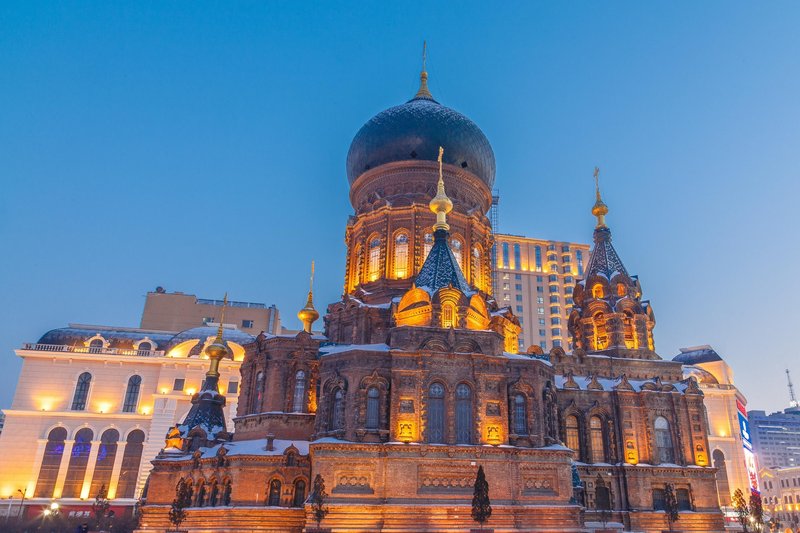
Hotels in Wanayasa
Discover your perfect stay in Wanayasa.
Wanayasa(Indonesia) Travel 2026: Cheap Flights, Hotels & Top Attractions

Popular Landmarks in Wanayasa
Discover the most iconic attractions in Wanayasa
Recommended Hotels in Wanayasa
Find the perfect place to stay in Wanayasa
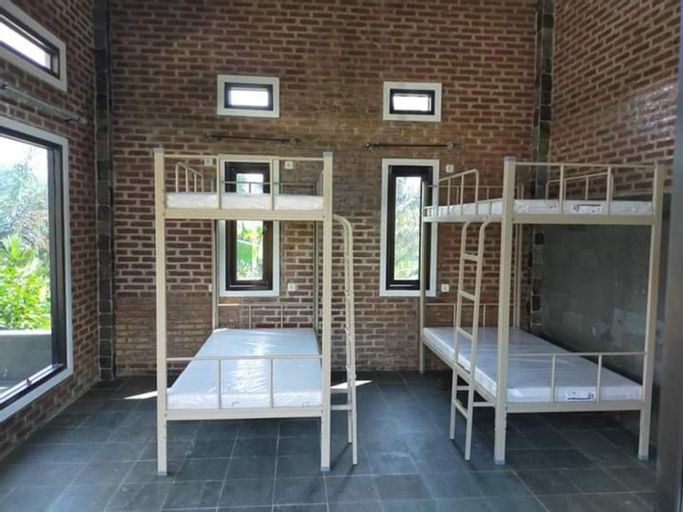
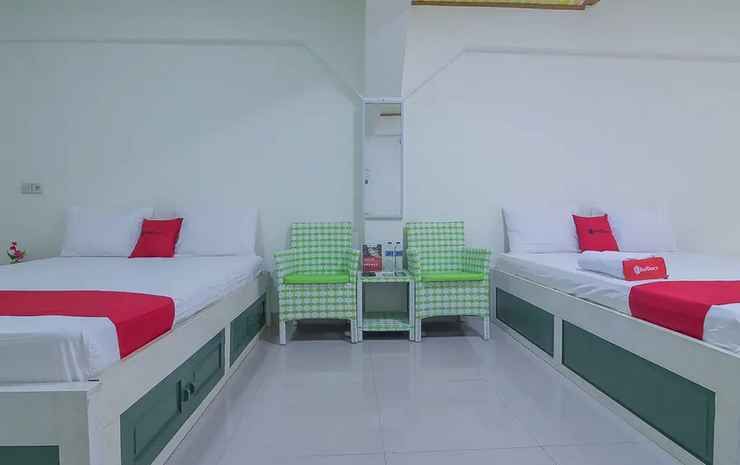
Frequently Asked Questions about Traveling to Wanayasa
Questions You Might Need to Know About Traveling to Wanayasa
Wanayasa Overview
City Summary
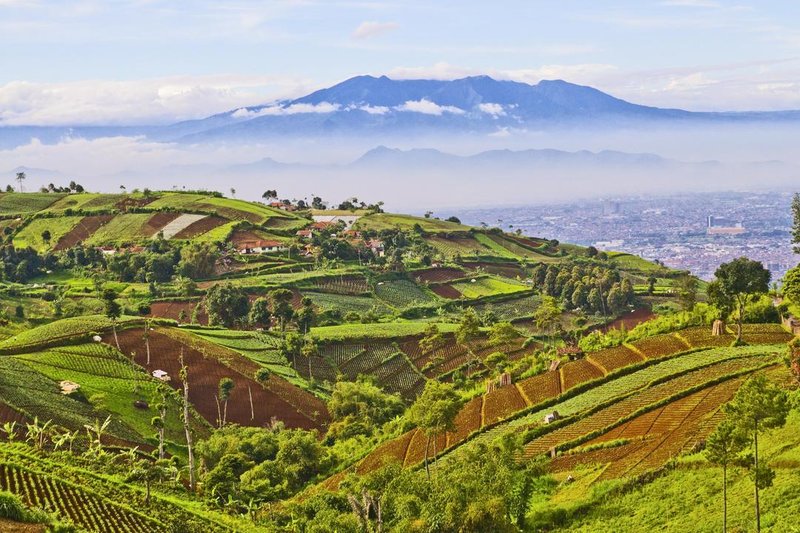
Wanayasa is a tranquil town in West Java, Indonesia, renowned for its lush rice terraces and traditional Sundanese culture. Offering an escape from urban chaos, it immerses visitors in authentic agrarian life and handicraft traditions. The surrounding volcanic landscapes and waterfalls attract adventure seekers, making it a hidden gem for nature lovers.
Must-See Attractions
Top attractions include Curug Cimahi Waterfall, a secluded cascade perfect for hiking and photography. Pasir Pogor Mountain offers breathtaking sunrise views for trekkers. Don't miss visiting traditional Sundanese villages to witness handwoven textiles and bamboo crafts, showcasing local heritage.
Food Guide
Savor authentic Sundanese cuisine like Nasi Timbel (steamed rice in banana leaves) with fried chicken or grilled fish. Street snacks such as Serabi (coconut pancakes) and Cireng (cassava fritters) are must-tries. Local markets sell exotic tropical fruits like mangosteens and durians.
Transportation Guide
Motorbike rentals and local minibuses are primary options. Motorbikes provide flexibility for rural exploration. From Bandung or Jakarta, take intercity buses/trains to nearby towns, then transfer to local transport. Note that public transport schedules are infrequent. Rural roads may be rough—drive cautiously.
Best Time to Visit
Visit during the dry season (May-September) for optimal outdoor activities. The rainy season (October-April) may render some areas inaccessible. Cultural festivals like Eid al-Fitr offer vibrant experiences but draw larger crowds.
Travel Tips
- Respect customs: Dress modestly when entering mosques; women should carry headscarves.
- Cash essential: Most rural vendors accept only cash (IDR).
- Mosquito protection: Use repellent in village areas.
- Eco-consciousness: Avoid single-use plastics to preserve nature.
- Basic phrases: Learn Indonesian greetings (e.g., "Terima kasih" for thank you).
- Hiking safety: Hire local guides for waterfall/volcano treks.
Useful Information
Language: Indonesian and Sundanese are spoken; basic English understood in tourist spots. Internet: 4G available in towns but spotty in villages. Payment: Cash dominates; credit cards accepted only at larger establishments. Medical care: Nearest hospital is in Purwakarta (~1.5-hour drive). Voltage: 220V, two-round-pin plugs. Emergency: Dial 112. Travel insurance covering rural medical evacuation is strongly advised.