Hotels in Wang Muang
Discover your perfect stay in Wang Muang.
Wang Muang(Thailand) Travel 2026: Cheap Flights, Hotels & Top Attractions
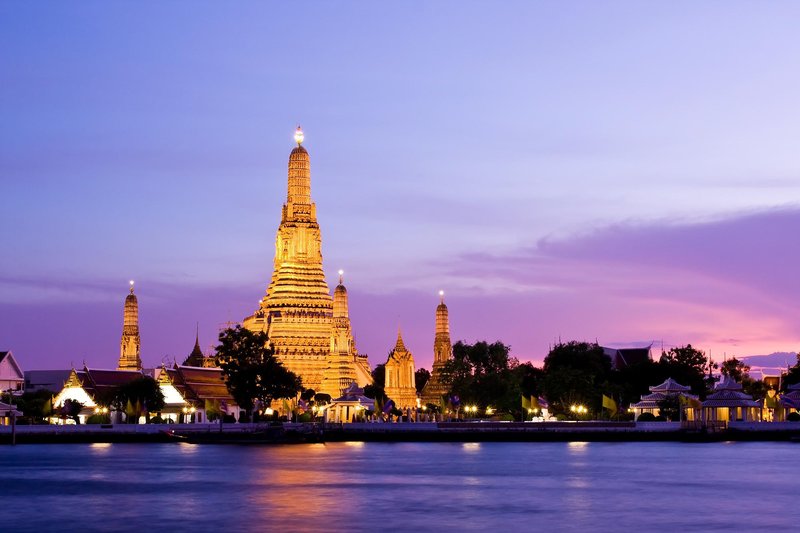
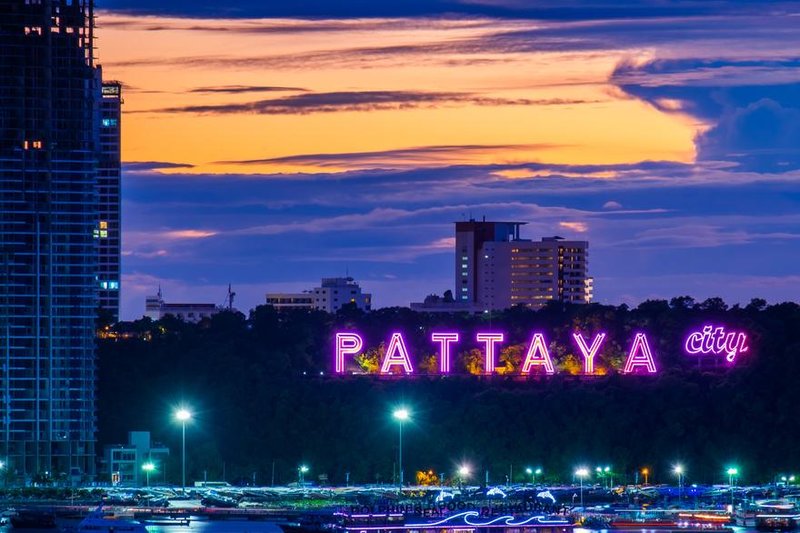
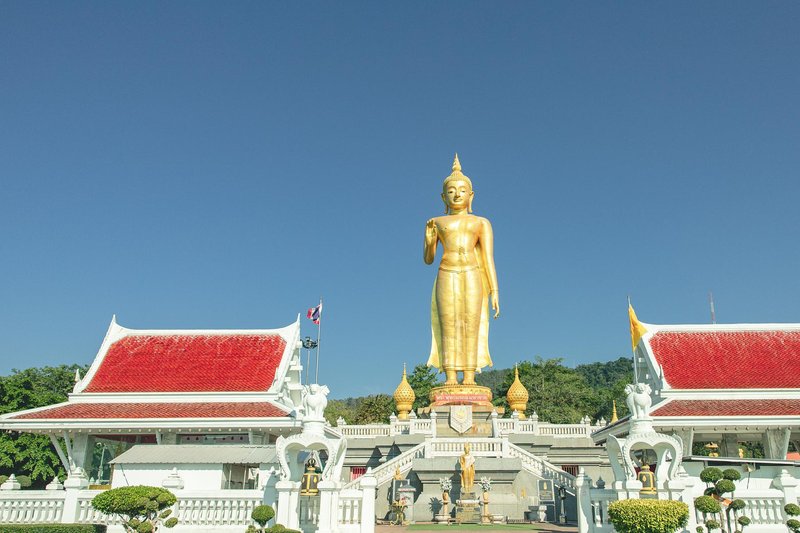
Popular Landmarks in Wang Muang
Discover the most iconic attractions in Wang Muang
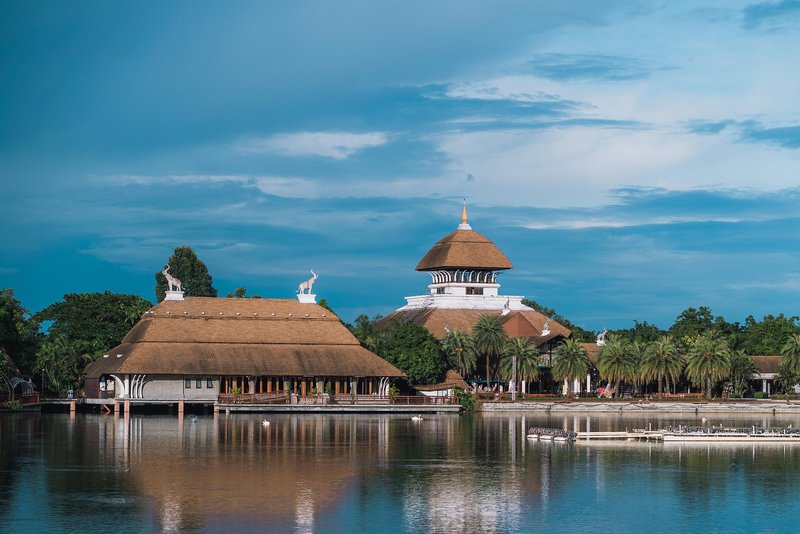
Recommended Hotels in Wang Muang
Find the perfect place to stay in Wang Muang
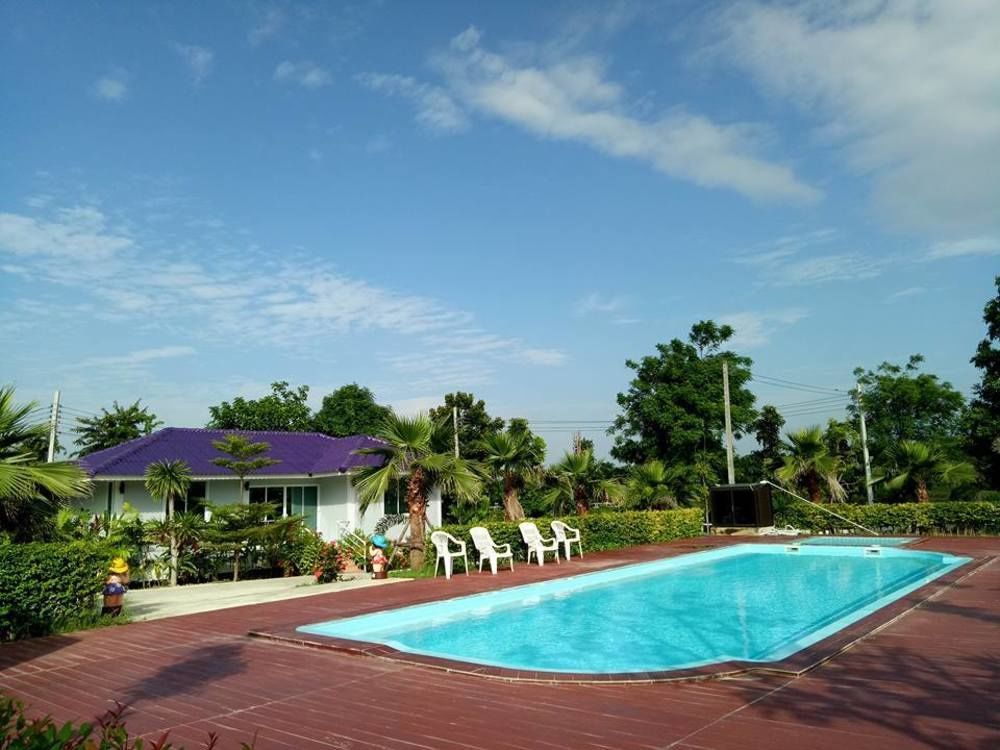
Supatta Resort
Best Hotels in Wang Muang
Discover curated hotel collections in Wang Muang
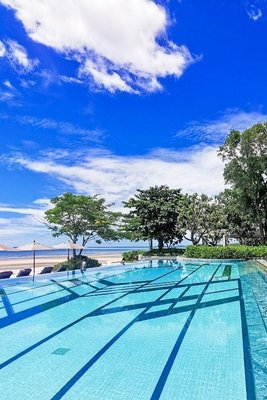
Baba Beach Club Hua Hin Luxury Pool Villa by Sri Panwa
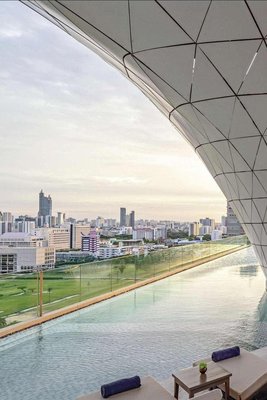
Waldorf Astoria Bangkok
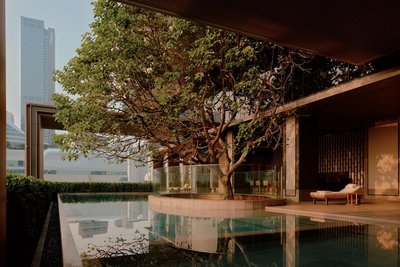
Aman Nai Lert Bangkok
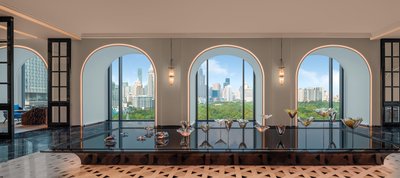
The Ritz-Carlton, Bangkok

Te Mata Glamping
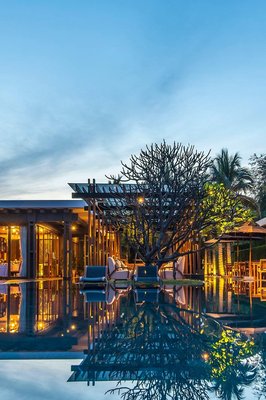
V Villas Hua Hin, MGallery Hotel Collection
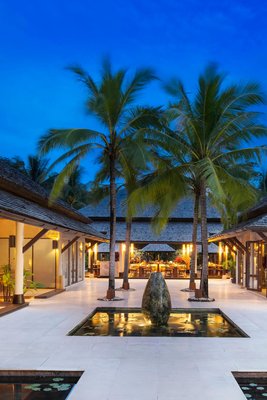
Sheraton Hua Hin Pranburi Villas
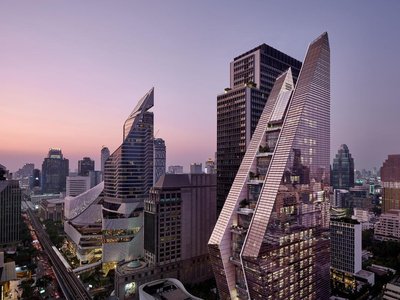
Rosewood Bangkok
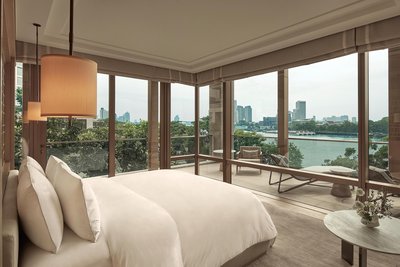
Capella Bangkok
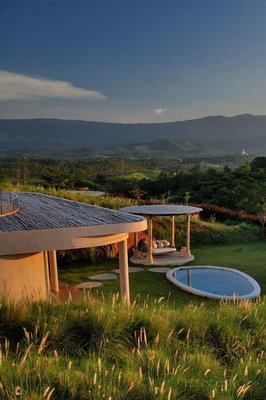
Sala Khaoyai
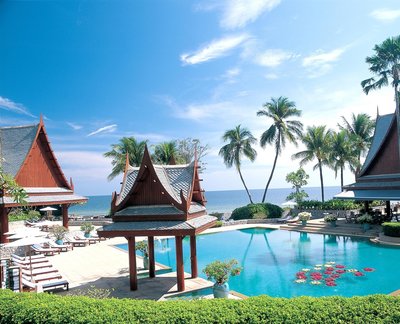
Chiva-Som International Health Resort
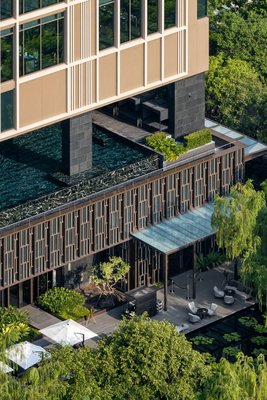
Kimpton Maa-Lai Bangkok
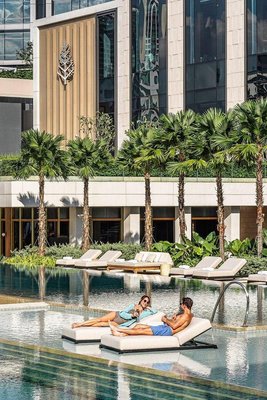
Four Seasons Hotel Bangkok at Chao Phraya River
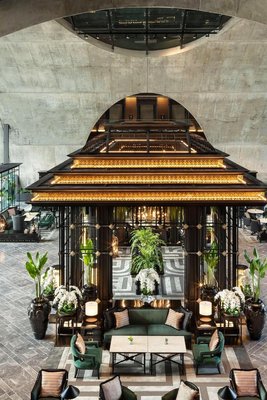
Sindhorn Kempinski Hotel Bangkok
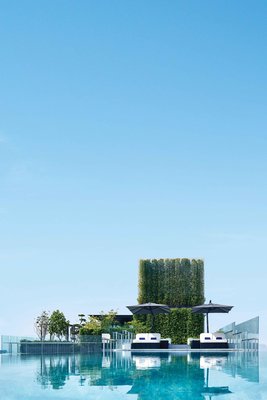
137 Pillars Suites Bangkok
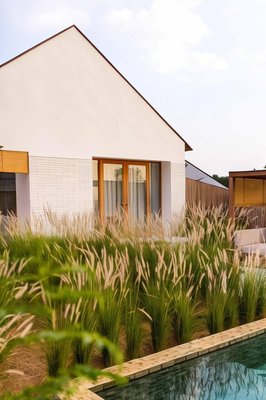
Roukh Kiri Khaoyai, The Centara Collection
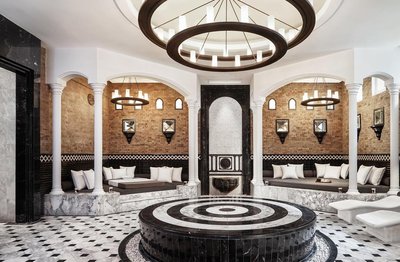
The Siam
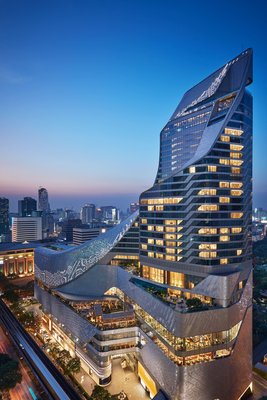
Park Hyatt Bangkok

The Peninsula Bangkok
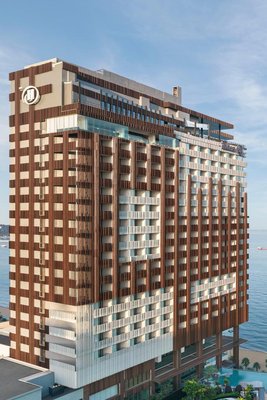
Hilton Pattaya
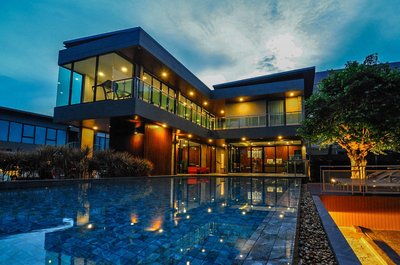
The S Block Condotel
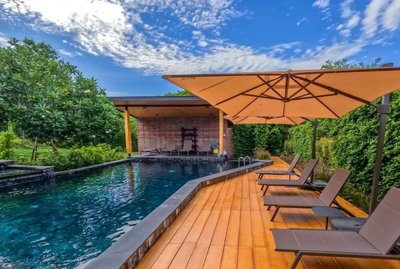
La Levée Resort
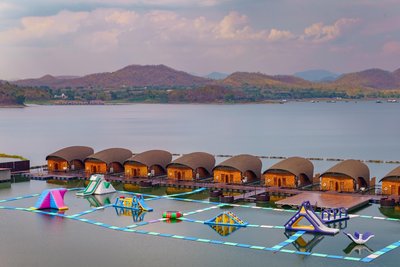
Leaf Lake Kan Resort
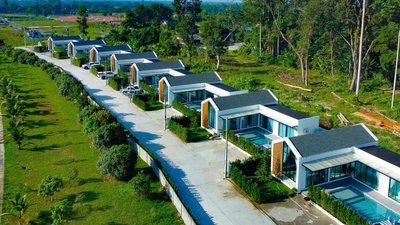
Villa Paramount 2
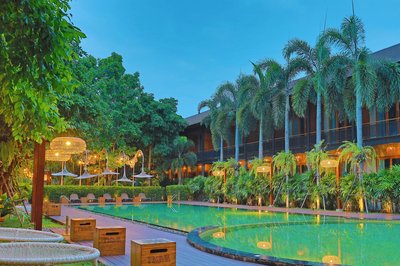
The Buffalo Amphawa
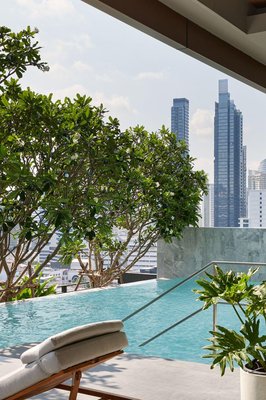
dusitD2 Samyan Bangkok
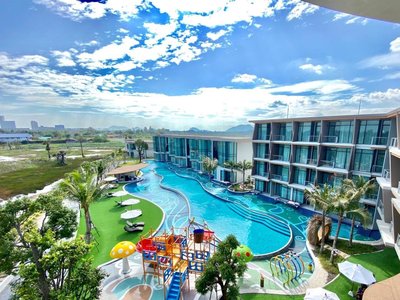
Elmas Cha am Design Hotel
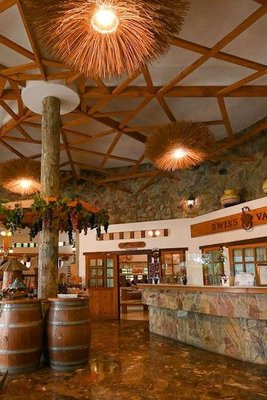
Swiss Valley Hip Resort
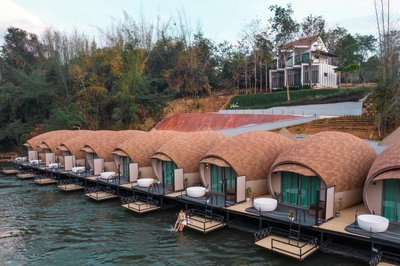
VeeVaree Riverkwai Resort

Samed Tamarind Beach Resort
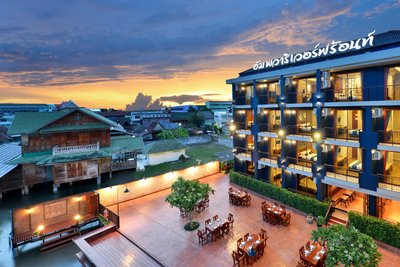
Amphawa Riverfront Hotel
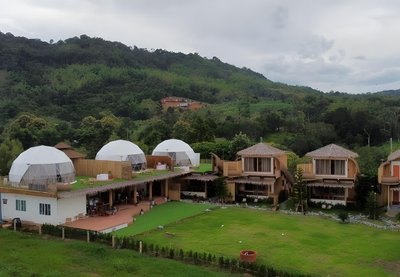
Cirrus Valley Hill Resort
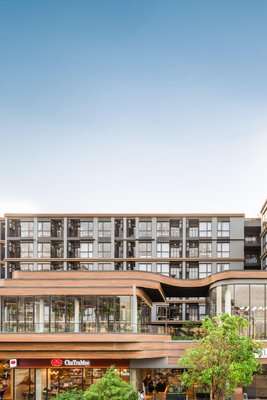
Salaya One Hotel & Service Apartment

Centara Ayutthaya
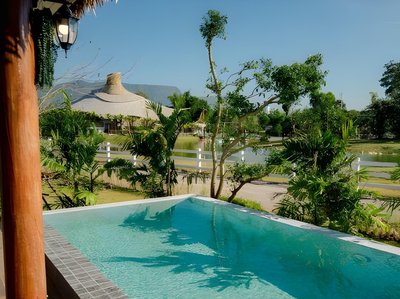
Plenary Khaokho
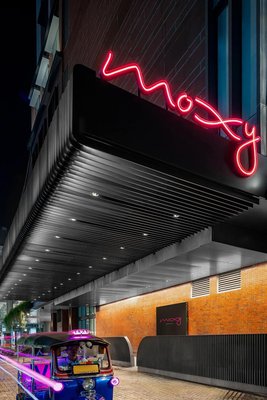
Moxy Bangkok Ratchaprasong
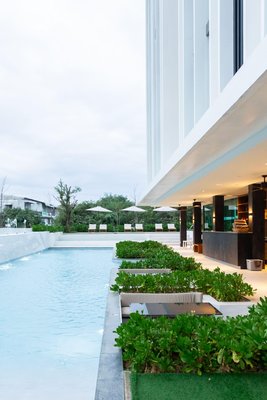
GOOD Nakhonsawan Hotel
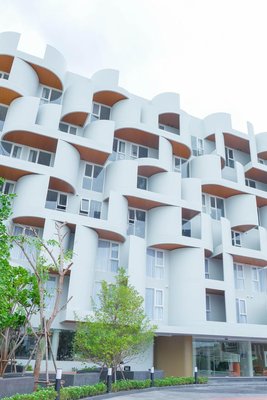
Maybis Hotel
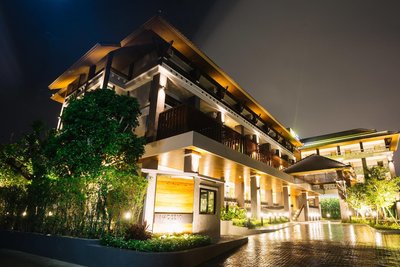
Nadee 10 Resort & Hotel
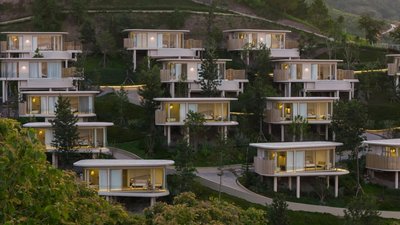
Kirirhom Khao Kho
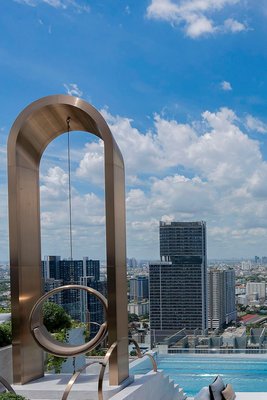
INNSiDE by Meliá Bangkok Sukhumvit
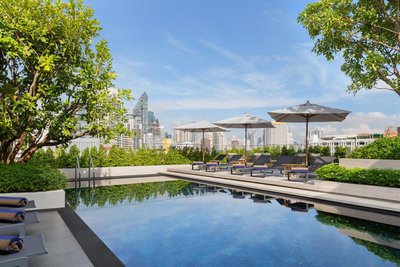
Madi Paidi Bangkok, Autograph Collection (Marriott international)
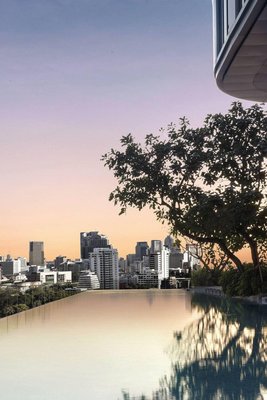
SO/ Bangkok
Waldorf Astoria Bangkok
The Ritz-Carlton, Bangkok
V Villas Hua Hin, MGallery Hotel Collection
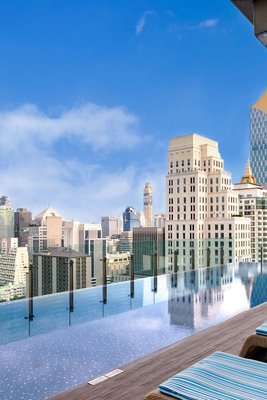
Hotel Indigo Bangkok Wireless Road
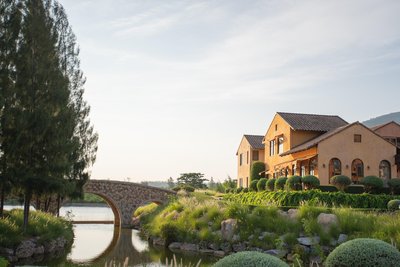
Toscana Hotel la Casetta
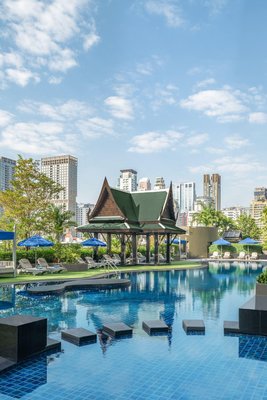
The Athenee Hotel, a Luxury Collection Hotel, Bangkok
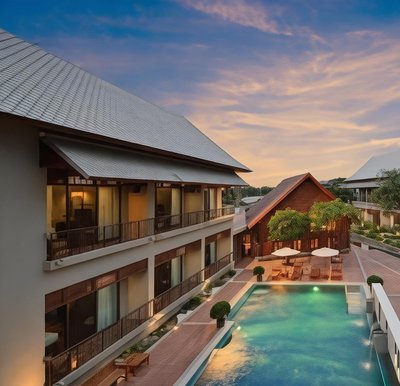
Plakan Resort
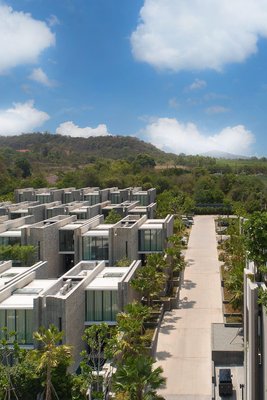
Oceanphere Pattaya Villa by Elite Suites
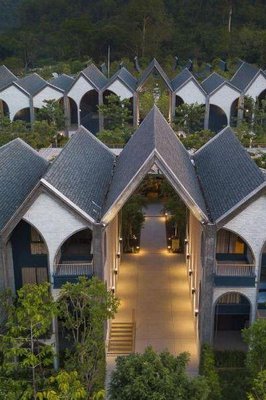
Hotel Labaris Khao Yai
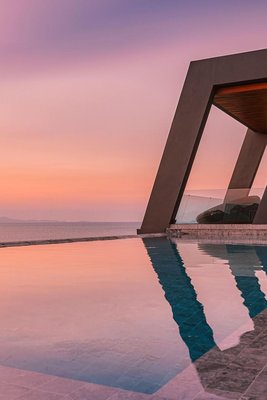
MASON
Rosewood Bangkok
Capella Bangkok
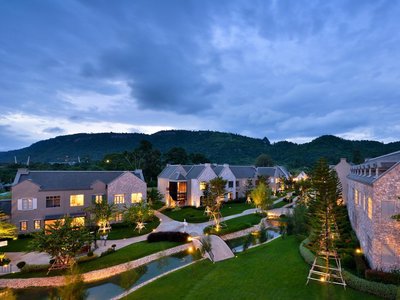
Thames Valley Khao Yai
Sala Khaoyai
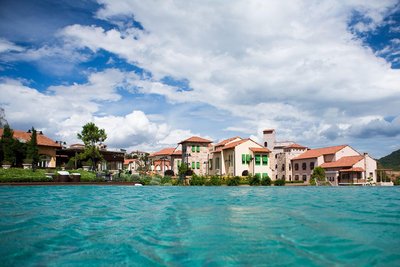
Toscana Town Square Suites
Kimpton Maa-Lai Bangkok
Four Seasons Hotel Bangkok at Chao Phraya River
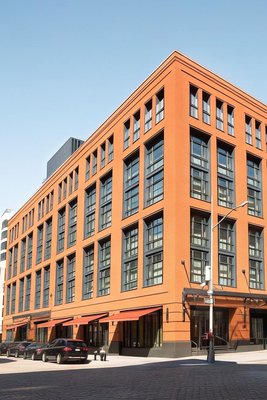
Hotel Barrière Fouquet's New York
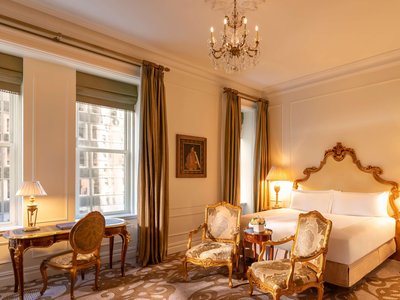
The Plaza - A Fairmont Managed Hotel
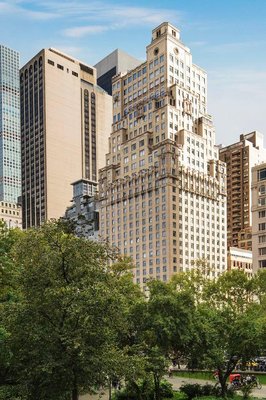
The Ritz-Carlton New York, Central Park
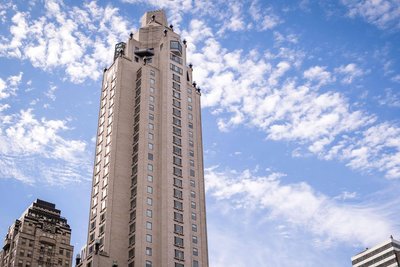
Four Seasons Hotel New York
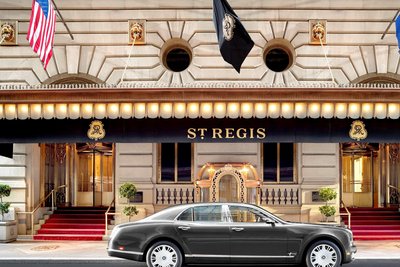
The St. Regis New York
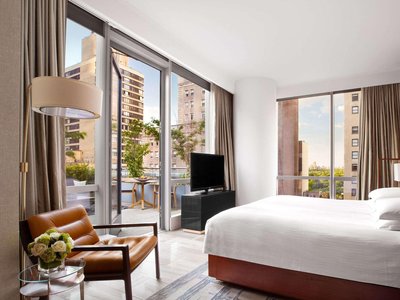
Park Hyatt New York
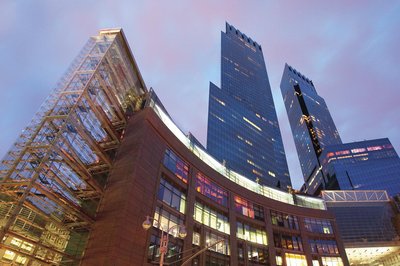
Mandarin Oriental New York
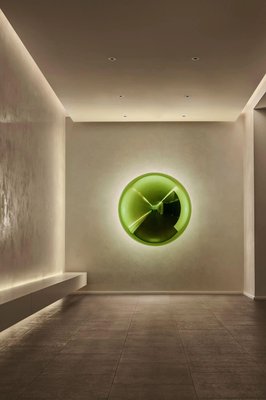
Times Square Edition New York

Loews Regency New York Hotel
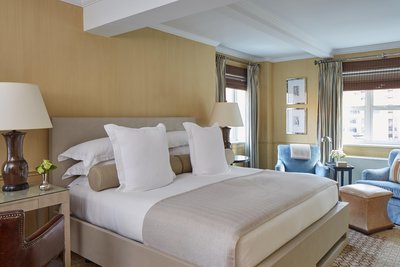
Lowell Hotel
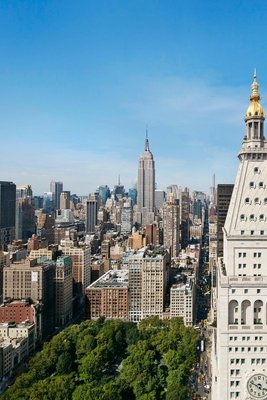
New York Edition
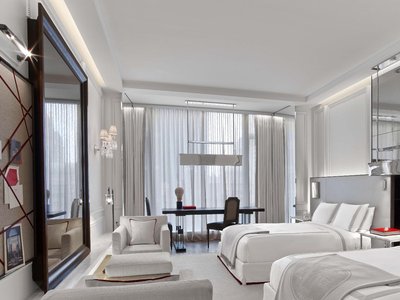
Baccarat Hotel New York
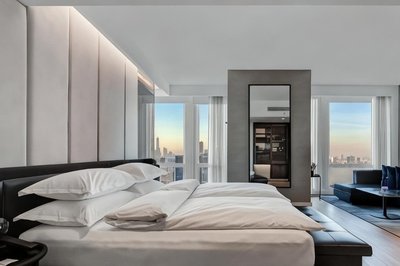
Equinox Hotel New York
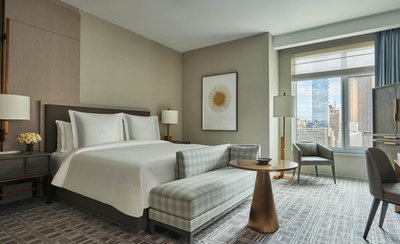
Four Seasons Hotel New York Downtown
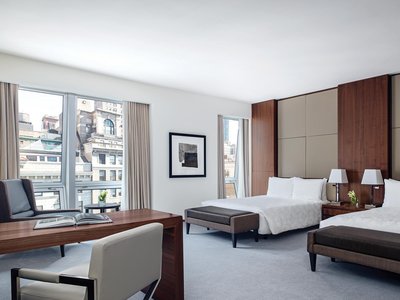
The Langham, New York, Fifth Avenue
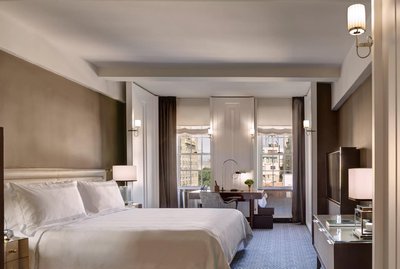
The Carlyle, A Rosewood Hotel

The Chatwal, in the Unbound Collection by Hyatt
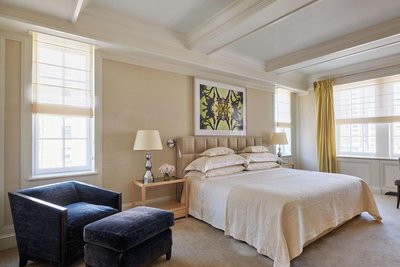
The Mark New York
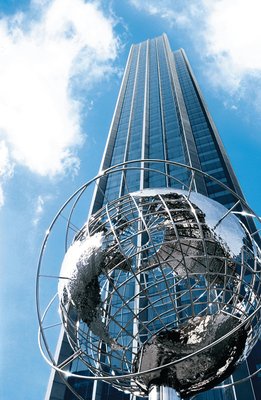
Trump International Hotel & Tower® New York
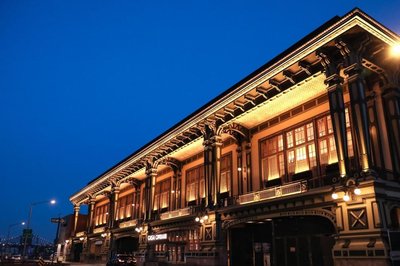
Casa Cipriani New York
Frequently Asked Questions about Traveling to Wang Muang
Questions You Might Need to Know About Traveling to Wang Muang
In Wang Wen District, the standout choice is Chiang Rai Resort, a boutique retreat blending traditional Northern Thai architecture with modern comfort. Nestled along the Mae Klang River, it offers panoramic mountain views, an outdoor pool, and authentic Thai massage services. The property hosts cultural workshops like handloom weaving and cooking classes, allowing guests to connect deeply with local heritage. Nearby attractions include the historic Wat Leng Temple and the scenic Hill Tribe Village, making it ideal for travelers seeking immersive, peaceful experiences in rural Thailand.
The central district of Wang Wen is the prime area for lodging, offering easy access to key attractions such as Wat Leng Temple and the Mae Klang River Trail. This vibrant hub features cozy guesthouses and family-run lodges like Chiang Rai Home, known for warm hospitality and homemade Thai breakfasts. Strolling along the riverside path at dusk reveals tranquil reflections of lantern lights, while nearby night markets and local farms provide authentic cultural immersion. It’s perfect for travelers who value convenience and community connection.
Visitors to Wang Wen District should not miss the traditional Northern Thai weaving workshop, where skilled artisans teach handloom techniques using age-old patterns passed down through generations. Participate in a Buddhist blessing ceremony at Wat Leng Temple, witnessing monks chant and light oil lamps—an experience rich in spiritual atmosphere. During seasonal festivals, join the rice harvest celebration, engaging in communal farming rituals and sharing meals with locals, gaining profound insight into hill tribe life and sustainable living practices.
Must-try dishes in Wang Wen District include Northern Thai spicy sour soup (Tom Yum Kung Na) and chicken curry rice (Khao Mok Gai). Head to the Mae Klang Night Market for crispy fried pork skin, fresh green papaya salad, and chilled Thai tamarind tea—perfectly balanced flavors. Don’t miss handmade coconut candy and yam root porridge, made with locally sourced ingredients. Some hotels offer "local dining" experiences, serving meals in farm courtyards, giving you a true taste of authentic Northern Thai cuisine.
Yes, Wang Wen District is highly suitable for families. With clean air, safe walking paths like the Mae Klang Riverside Trail, and child-friendly facilities, it offers a relaxing, nature-rich environment. Resorts such as Chiang Rai Resort provide family suites, kids’ playrooms, and interactive farm experiences. Seasonal events like the Lantern Festival and Lunar New Year Market feature craft booths and performances tailored for children, creating memorable, educational moments for all ages—ideal for a meaningful, low-stress family getaway.
While Wang Wen District is rural, connectivity has improved. Travelers can reach it via taxi or private car from Chiang Rai Airport or Saraburi City, taking about 1 hour. Within town, electric scooters are available for rent, ideal for short trips. For exploring remote villages and temples, hiring a local guide or shared shuttle is recommended. Though public transit is limited, the compact layout of attractions allows for easy walking or cycling, enhancing the slow-travel experience without hassle.
Wang Wen District boasts stunning natural landscapes, particularly the lush Mae Klang River corridor and surrounding mountain forests. Hike the Mist Forest Trail, home to ferns, wild orchids, and diverse birdlife. In summer, visit the Kun Mountain Waterfalls, where cascading streams create refreshing pools perfect for swimming. During winter, mist blankets the peaks, creating ethereal scenes. The bamboo pathways and terraced rice fields also offer breathtaking photo opportunities, appealing to nature lovers and photographers alike.
Nightlife in Wang Wen District is serene and community-focused. Enjoy evening drinks at riverside cafés overlooking the Mae Klang River, where soft lantern lights reflect on the water. Weekends often feature open-air markets and live folk music by local performers. Some resorts organize stargazing sessions and bonfire gatherings, where guests share stories under the stars. The overall ambiance is quiet and intimate, perfect for unwinding, connecting with nature, and embracing a slower, more mindful rhythm of life.
For genuine keepsakes, explore the Central Market in Wang Wen District, where artisans sell handwoven textiles, natural-dye fabrics, and carved wooden sculptures. Local pottery and handmade ceramics make unique gifts. You’ll also find fresh spices, herbal teas, and organic coconut sugar—perfect for gifting. Several guesthouses host small craft boutiques selling limited-edition items created by local women’s cooperatives, supporting sustainable tourism and preserving traditional craftsmanship.
The ideal time to visit Wang Wen District is from November to February, when the weather is cool and dry, with temperatures ranging between 20–25°C. This period offers clear skies, ideal for hiking, photography, and enjoying outdoor festivals. It coincides with major local celebrations like the Lantern Festival and Water Lantern Ceremony, providing rich cultural immersion. Compared to the humid rainy season, this dry spell ensures comfortable exploration and unobstructed views of the surrounding mountains and valleys.
Wang Muang Overview
City Summary
Wangbon District, located in Saraburi Province (central Thailand), is renowned for its rustic countryside charm and unspoiled natural landscapes. This area offers an authentic glimpse into traditional Thai village life, with rice fields, fruit orchards, and a peaceful atmosphere that attracts travelers seeking refuge from urban bustle. The cultural heritage of eastern Thailand permeates its daily rhythms.
Must-See Attractions
Key attractions include Wat Wangbon Temple showcasing classic Thai Buddhist architecture, and adjacent areas of Khao Yai National Park ideal for hiking and wildlife spotting. Agricultural tourism opportunities abound in the district's vast rice paddies and fruit plantations where visitors can experience rural livelihoods firsthand.
Food Guide
Gastronomy highlights include northeastern Thai specialties like Gai Yang (grilled chicken) and Som Tum (spicy papaya salad) at local markets. Street food stalls offer delicious Khao Niew (sticky rice) with grilled pork. The region's fertile soil produces exceptionally sweet mangoes and durians worth sampling.
Transportation Guide
Public buses connect Wangbon with Saraburi city (1-1.5hrs ride). No metro system exists – motorbike rentals or private cars are recommended for exploring. Note that rural roads are narrow; exercise caution when driving. Limited public transport between attractions necessitates advance itinerary planning.
Best Time to Visit
November-February offers cool, dry weather ideal for outdoor activities. March-May can be intensely hot while June-October brings monsoon rains. Tourist crowds remain manageable compared to Thailand's major destinations.
Travel Tips
- Observe temple etiquette: remove shoes and wear clothes covering shoulders/knees.
- Carry mosquito repellent for rural areas.
- Cash (THB) dominates transactions; credit cards rarely accepted.
- Basic Thai greetings foster goodwill.
- Avoid touching heads – culturally insensitive in Thailand.
- Drink bottled water for hygiene.
Useful Information
Language: Thai predominates; English proficiency low. Translation apps helpful. Network: 4G available in town; spotty in countryside. Tourist SIMs sold at convenience stores. Currency: Baht cash essential. Alipay rarely accepted. Healthcare: Wangbon Hospital handles basic needs; serious cases require transfer to Saraburi. Voltage: 220V, plug types A/B/C. Bring adapters. Emergency: Tourist Police 1155 (English-speaking), Ambulance 1669.