Hotels in Wassamu
Discover your perfect stay in Wassamu.
Wassamu(Japan) Travel 2026: Cheap Flights, Hotels & Top Attractions
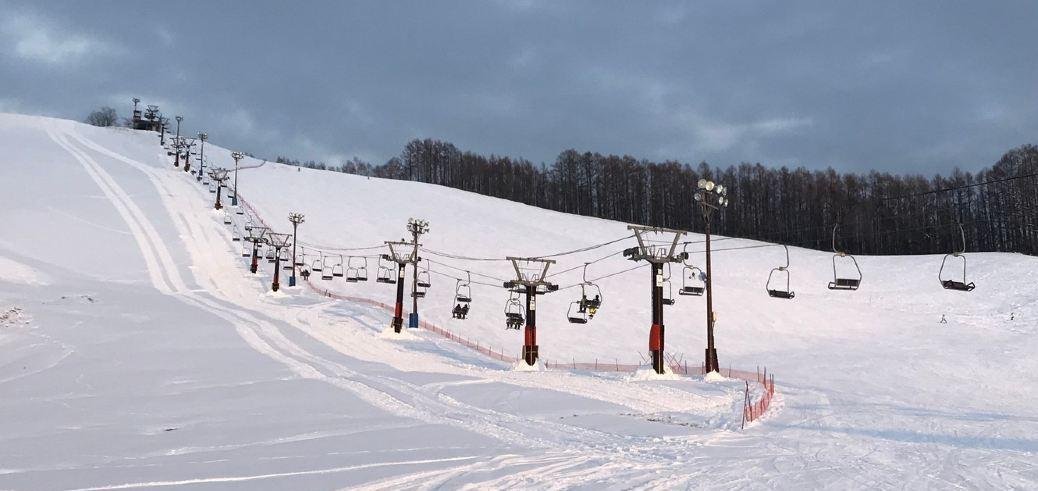
Popular Landmarks in Wassamu
Discover the most iconic attractions in Wassamu
Recommended Hotels in Wassamu
Find the perfect place to stay in Wassamu
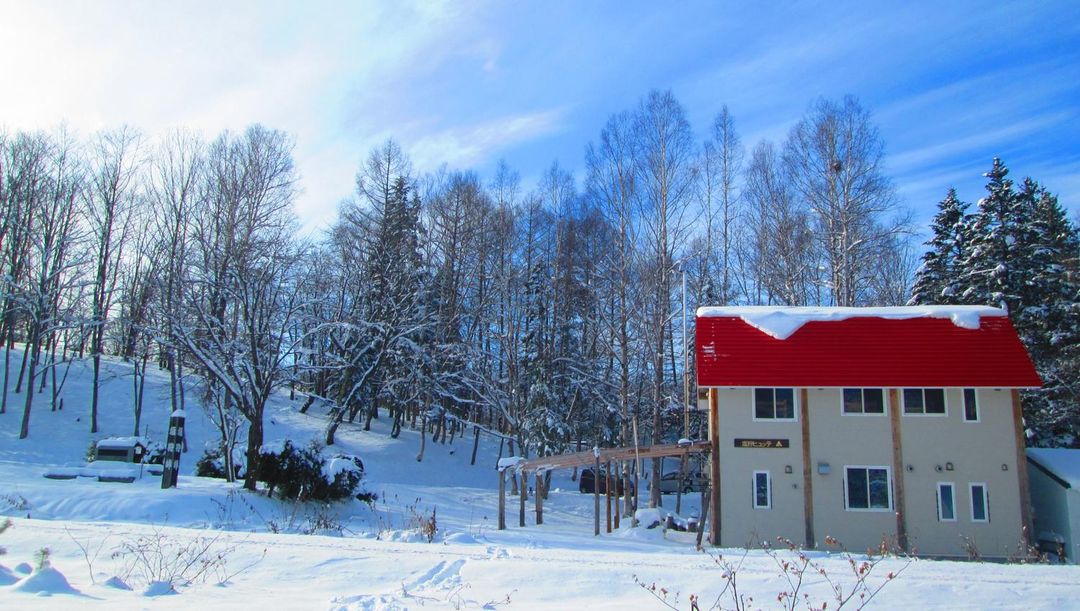
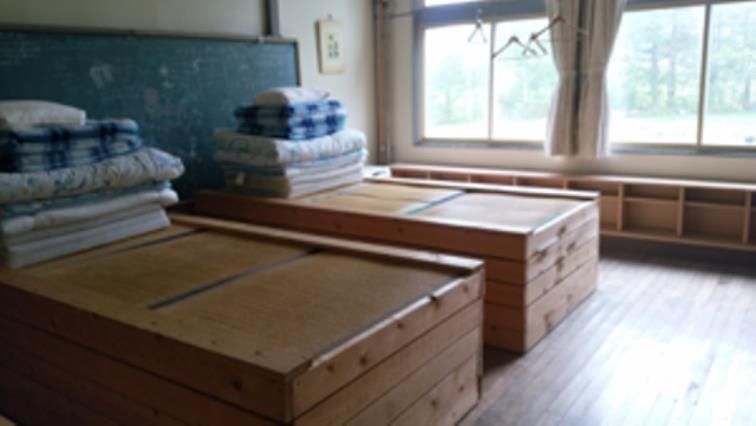
Best Hotels in Wassamu
Discover curated hotel collections in Wassamu
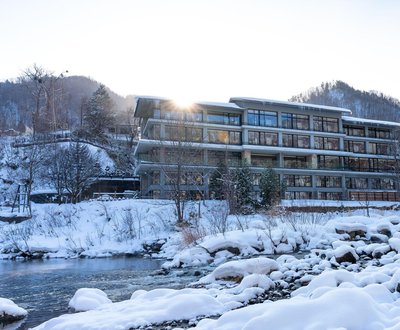
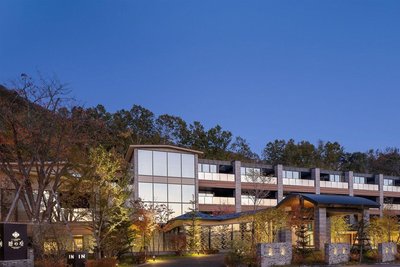
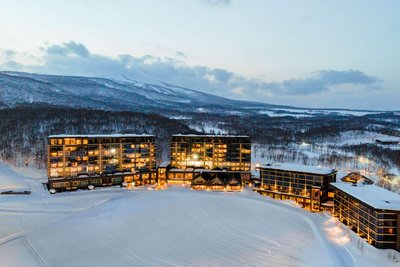
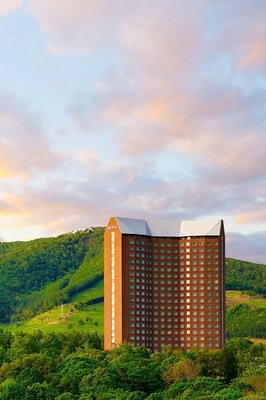
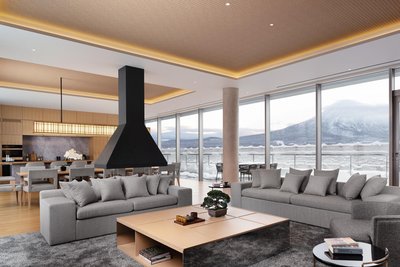
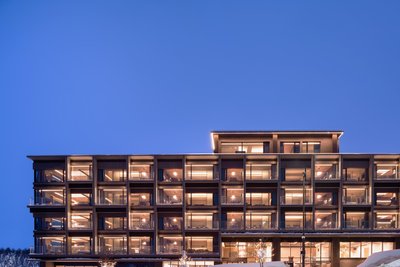
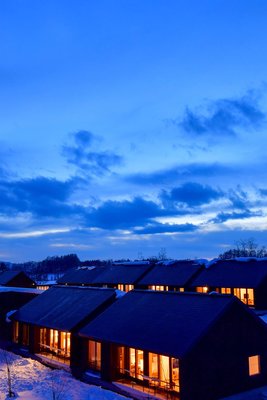
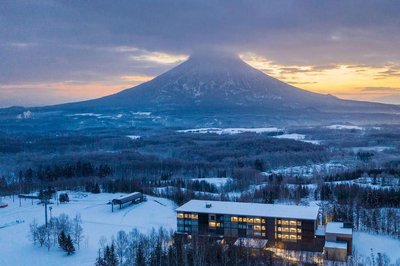
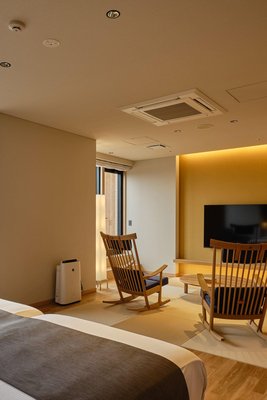
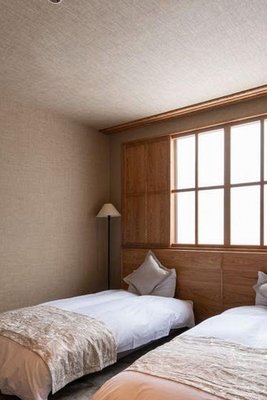
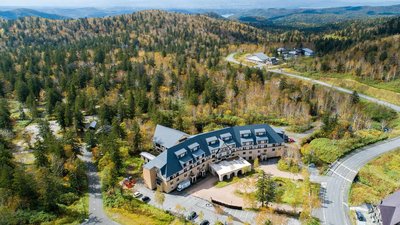
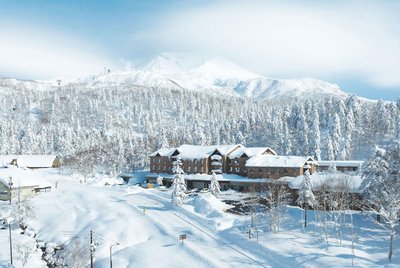
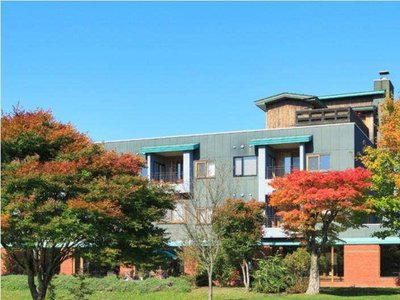
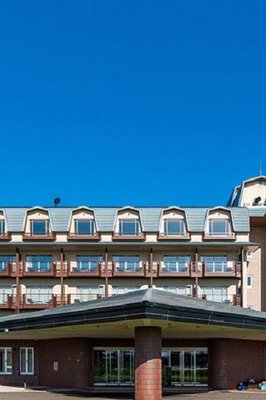
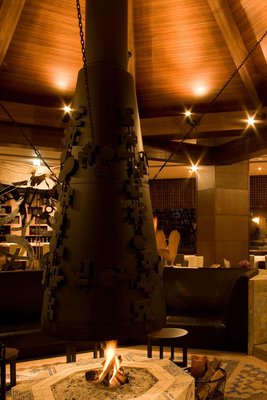
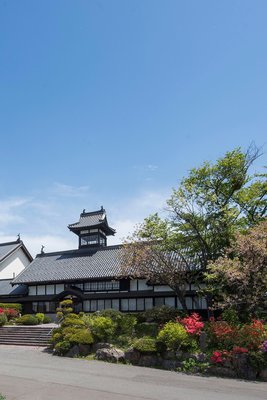
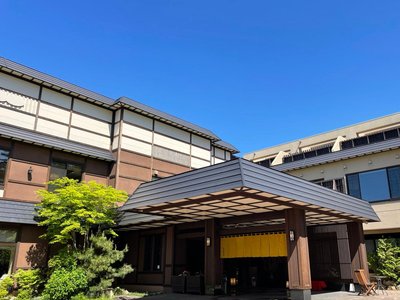
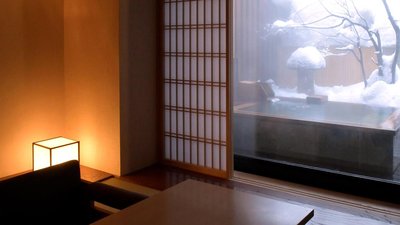
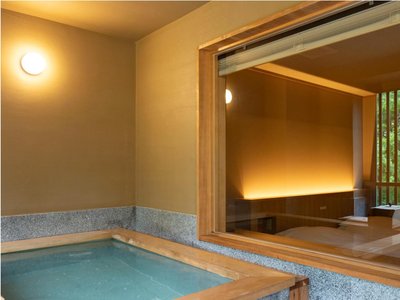
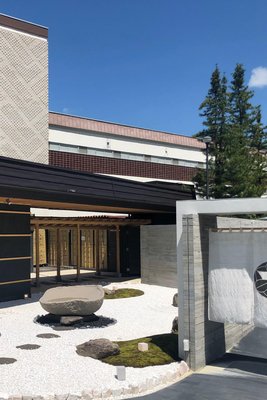
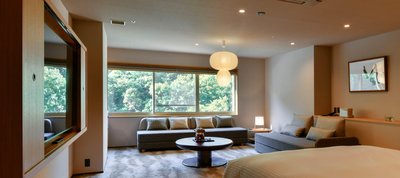
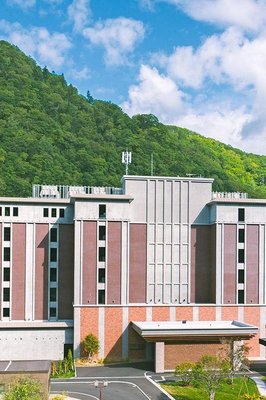
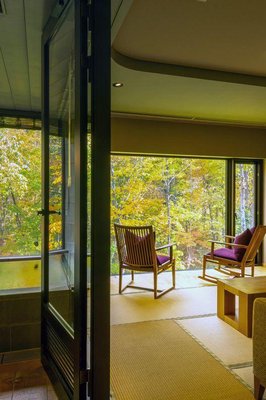
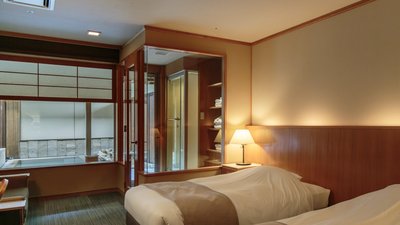
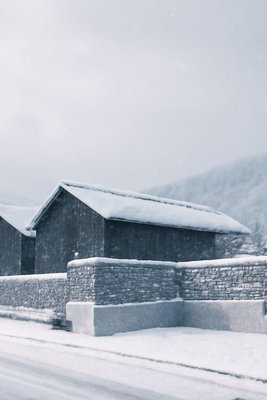
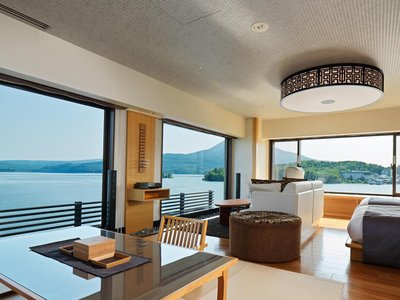
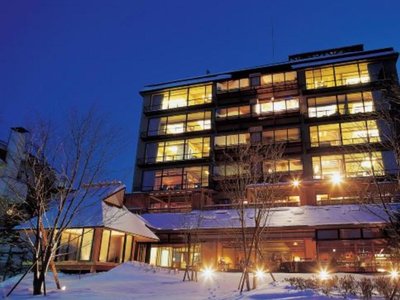
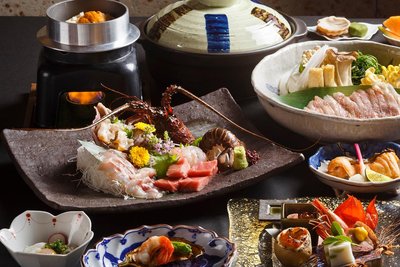
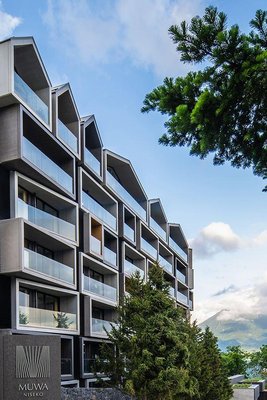
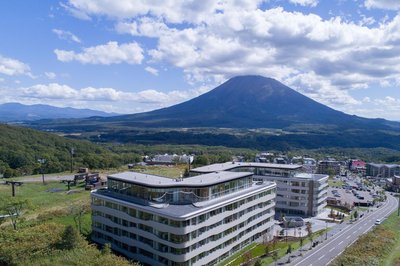
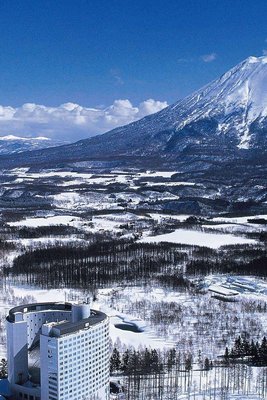
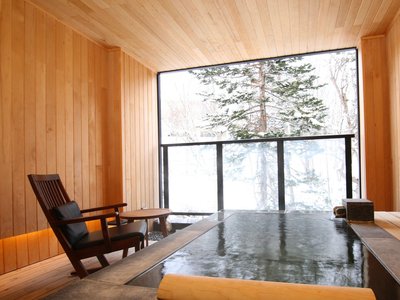





Frequently Asked Questions about Traveling to Wassamu
Questions You Might Need to Know About Traveling to Wassamu
Wassamu Overview
City Summary
Wassamu is a town in Kamikawa Subprefecture, Hokkaido, Japan, renowned for its winter aurora phenomena and ice sculpture art. With a population of around 3,000, this small town features pristine snowfields and is one of the few areas in Hokkaido where natural auroras can be observed. The highlight is the annual "Wassamu Winter Monogatari" festival in February, offering unique experiences like igloo bars and snowmobile rides.
Must-See Attractions
Must-see spots include "Wassamu Aurora Forest," where green auroras dance across winter nights. The town's "Ice and Snow Museum" showcases transparent ice sculptures by local artists (indoor temperature: -15°C, warm gear required). Summer visitors should explore "Lake Shumarinai" for canoeing and fishing, featuring Hokkaido's longest wooden pier (1.2 km). Cultural enthusiasts can visit "Old Shibetsu Line Ruins," preserving Showa-era railway equipment.
Food Guide
Culinary highlights center on Hokkaido produce. Don't miss Wassamu potato croquettes, made with local starchy potatoes. The winter-exclusive "Aurora Hot Pot" features venison and wild vegetables in miso broth. For dessert, try "Igloo Pudding"—caramel pudding served in an igloo develops frost crystals. At the roadside station "Michinoeki," buy haskap berry juice, a Hokkaido specialty berry rich in anthocyanins.
Transportation Guide
Transport options vary by season: Winter visitors should rent snow-tire vehicles from Asahikawa Airport (90-minute drive)—4WD is essential with 2-meter snow accumulations. Summer travelers can take JR Soya Line to "Wassamu Station" (only 4 daily trains). No taxis operate in town; book shuttle services through Wassamu Tourism Association (3-day advance required). Rent e-bikes for summer sightseeing (June-September) or use the association's snow bus in winter.
Best Time to Visit
Best visiting periods are January-February (auroras/winter festival) or July-August (cool-weather outdoor activities). Winter temperatures can drop to -25°C requiring thermal gear; summer averages 22°C with significant diurnal variation. Note: February festival accommodations require 6-month advance bookings.
Travel Tips
- Aurora viewing: Optimal during moonless nights (22:00-02:00); three official observation sites provide hot drinks
- Igloo safety: No running inside ice structures—body heat can melt floors causing slips
- Wildlife: Ezo deer frequently cross summer roads; maintain speeds under 60 km/h
- Onsen etiquette: "Wassamu Onsen" prohibits tattooed guests; confirm beforehand
- Waste disposal: Strict town-wide recycling; convenience stores don't provide plastic bags
- Photography: Oral permission required when photographing Ainu cultural displays
Useful Information
Practical info:
- Language: Primarily Japanese; tourist facilities have simplified Chinese manuals
- Internet: Free Wi-Fi in town center (SSID: Wassamu_Free); weak signals in outskirts
- Payment: Cash-dominated; only Michinoeki and major hotels accept cards
- Emergencies: Town clinic operates 9:00-17:00 on weekdays; dial #9110 for Asahikawa Hospital
- Voltage: 100V two-pin outlets; bring adapters
- Water: Tap water is potable; carry thermos bottles during winter outings









