Hotels in Watari
Discover your perfect stay in Watari.
Watari(Japan) Travel 2026: Cheap Flights, Hotels & Top Attractions
Popular Landmarks in Watari
Discover the most iconic attractions in Watari
Recommended Hotels in Watari
Find the perfect place to stay in Watari
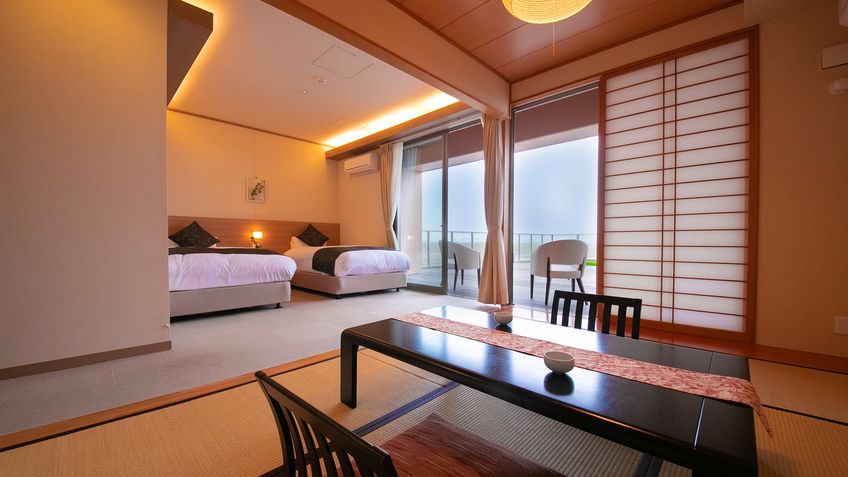
Torinoumi
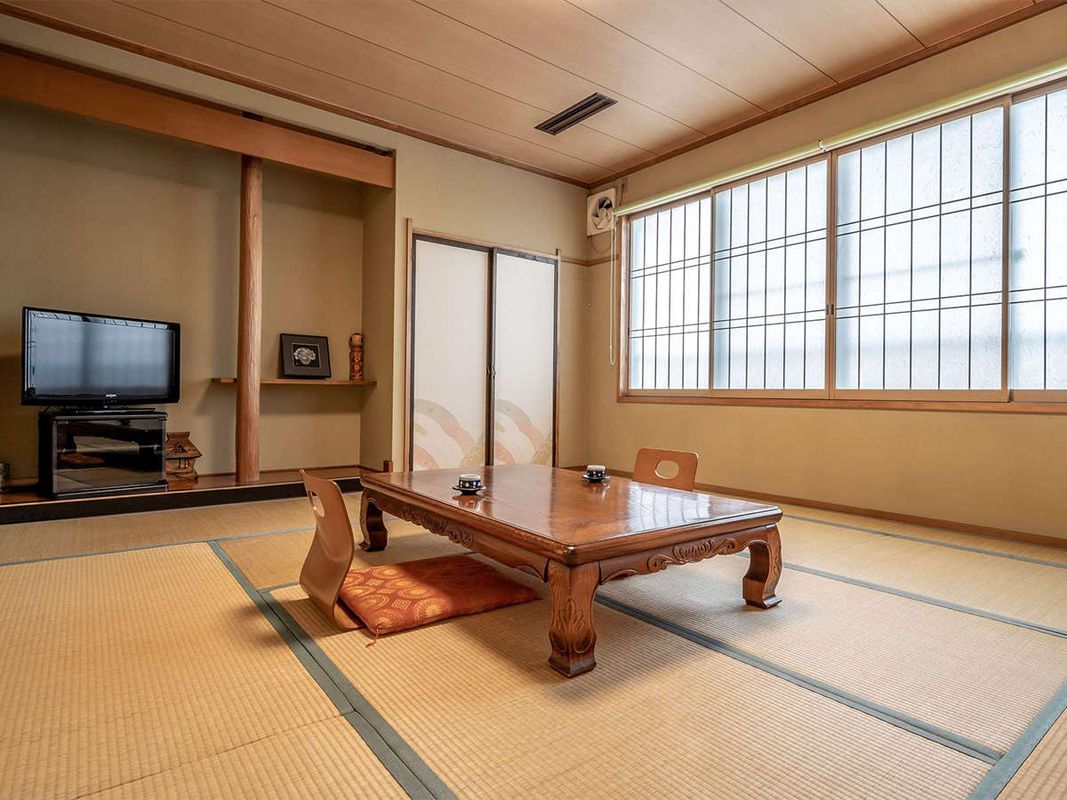
Nakashou Ryokan
Frequently Asked Questions about Traveling to Watari
Questions You Might Need to Know About Traveling to Watari
In Narita Town, the top choice for families is Narita Onsen Ryokan, a traditional Japanese inn offering spacious family rooms, private outdoor baths, and a serene riverside location near the Narita River Trail. The inn features tatami-matted rooms with wooden sliding doors, warm lighting, and breakfast featuring local dishes like Miyagi sweet potato stew and Washizuka beef sukiyaki. For modern comfort, consider Narita Shiki Hotel, which includes a children’s playroom, wheelchair-accessible facilities, and on-site laundry services. Both properties offer guided nature walks and seasonal festivals—ideal for creating lasting memories. Reservations are recommended, especially during cherry blossom season (late March–early April) and autumn foliage (mid-November).
The central district of Narita Town is ideal for lodging, offering easy access to Narita Station (5-minute walk), convenience stores, restaurants, and local markets. This area hosts most mid-to-high-end ryokans and guesthouses, such as Narita Minshuku House, known for its clean, cozy rooms and homemade breakfast. It’s also close to Narita City Park and the Narita Sports Center, perfect for morning strolls or evening relaxation. For a quieter stay surrounded by nature, consider the upstream riverfront residential zone, where several boutique inns provide views of the Narita River and nearby mountains. Some even offer farm tours and craft workshops, ideal for travelers seeking a slow-paced, immersive experience.
Visitors to Narita Town should not miss the annual Miyagi Folk Festival (held in August), featuring traditional taiko drumming, fireworks displays, and local street food like Narita grilled skewers and tofu mochi. The Narita Town Museum offers exhibits on Jōmon-era pottery and Edo-period farming tools, providing insight into the region’s ancient roots. For hands-on culture, try a bamboo weaving workshop led by local artisans, where you’ll create small baskets or decorative pieces. Many guesthouses also offer kimono rental and tea ceremony sessions, allowing guests to immerse themselves in the refined aesthetics of northeastern Japan. These experiences blend history, craftsmanship, and hospitality in a deeply authentic way.
Yes, Narita Onsen Goshuku no Sato is a standout hot spring inn in the town. Its natural mineral-rich alkaline carbonated spring water is renowned for soothing muscles and improving skin health. The inn features open-air baths with panoramic views of the Narita River and surrounding mountains—especially magical in winter when snow blankets the landscape. Rooms are standard Japanese-style with futons, heated floors, and private bathrooms. Dinner includes multi-course kaiseki meals centered around Miyagi wagyu beef and locally made tofu, paired with regional sake. Breakfast is equally exquisite, often featuring fresh seafood and rice from local farms. HopeGoo ahead is essential, especially during peak seasons like fall foliage and New Year celebrations.
Absolutely, Narita Town offers excellent hiking opportunities. The Narita River Eco Trail (approx. 3 km) winds through forests of maple and beech trees, offering sightings of Japanese salamanders and white egrets. In autumn, the trail becomes a vibrant tapestry of red and gold leaves. For a more challenging route, hike the Mount Yama-Oyama Trail, taking about 1.5 hours to reach the summit, where panoramic views of the Narita Basin and distant Iwate Mountain await. Along the way, rest stops with interpretive signs explain local flora and geology. For longer treks, consider the Narita–Furukawa Connecting Route (~8 km), passing through farmland and forest paths, ending at Furukawa Shrine. Bring insect repellent, lightweight gear, and check weather forecasts—summer rains are common. Early morning hikes are ideal for clear skies and fewer crowds.
Narita Town boasts stunning photography locations. The Narita River Bridge at dusk creates a mirror-like reflection under soft lights—perfect for long-exposure shots. The ginkgo tree avenue in front of Narita Town Library turns golden in autumn, forming a breathtaking backdrop with modern glass architecture. The old Narita Village Office ruins, with their white brick walls and arched windows, evoke a nostalgic Shōwa-era aesthetic. At sunrise, Yama-Oyama Lookout offers ethereal sea-of-clouds views, while the bamboo grove path along the river provides dappled light and serene textures. Use a wide-angle lens and tripod for optimal results. Visit during the golden hour (1 hour after sunrise or before sunset) to capture depth and mood. Don’t forget to explore hidden alleyways for candid street photography.
Must-try dishes in Narita Town include Miyagi sweet potato soup, made with locally grown Kyobashi sweet potatoes, simmered until creamy and served with red bean paste and glutinous rice balls. Another highlight is Narita grilled fish skewers, featuring fresh yellowtail and sea bream, brushed with a savory soy-based glaze. For a delicate taste, sample Washizuka beef cold platter, thinly sliced and marinated in yuzu vinegar. Don’t miss Narita tofu, known for its silky texture—available as miso tofu stew or chilled with green onions. Visit the Narita Central Market to try all flavors in one place, and pick up souvenirs like sweet potato chips and umeboshi rice balls. Local eateries often feature seasonal ingredients, so timing your visit with festivals enhances the culinary experience.
Yes, Narita Town offers several romantic stays. Starlight Forest: Love Cabin (Hoshizora no Mori Koi Tabiya) is a secluded boutique guesthouse nestled in a forest, with each room featuring a private outdoor bath and a rooftop star-gazing deck. Candlelit dinners, custom love letters, and private cooking classes with Miyagi wagyu beef make it ideal for couples. Another option is Narita River Lover's Pavilion, perched on a hill overlooking the river, with floor-to-ceiling windows that frame sunsets. Couples can enjoy sunrise rituals, handmade wagashi sweets, or a night lantern walk along the riverbank. Both properties offer exclusive packages, including spa treatments and private photography sessions. Book at least two weeks in advance, especially during Valentine’s Day or cherry blossom season.
Public transport in Narita Town is efficient and accessible. Narita Station is served by JR East trains connecting to Sendai Station (~40 minutes). Upon arrival, take the free Narita Community Shuttle Bus or walk 15 minutes to the city center. For those driving, the Tōhoku Expressway has an Narita Interchange, just 10 minutes from downtown. The town also operates an eco-friendly tourist shuttle linking major attractions like the Narita Museum, Onsen District, and Central Market, with frequent departures and low fares. Use the Miyagi Kotsu Card for discounts across venues. Download the Narita Town Tour Guide App for real-time maps, audio guides, and multilingual support—ideal for first-time visitors navigating the area with ease.
Narita Town offers many engaging activities for children. The Narita River Kids Nature Classroom runs monthly workshops on insect observation, water quality testing, and plant specimen making, taught by trained educators. Nearby, Narita Town Zoo houses gentle animals like Japanese short-tailed cats, deer, and rabbits—kids can feed them and join interactive games. For hands-on fun, try the rice paddy experience, where children can wear straw sandals, plant seedlings, or harvest rice, then turn it into family rice cakes. Art lovers can attend pottery workshops to craft their own bowls or cups. The Narita Citizen Plaza Playground features large slides, swings, and sand pits—perfect for unstructured play. Avoid weekends during holidays; arriving early in the morning ensures quieter, more relaxed experiences.
Watari Overview
City Summary
Watari Town is located in the southeastern part of Miyagi Prefecture, Japan, known for its agriculture and fishing industries. The town is famous for its cherries and strawberries, attracting visitors during spring for fruit-picking. With its beautiful Pacific coastline and sandy beaches, Watari is a perfect summer getaway. The town also preserves traditional festivals like the "Watari Arao Shrine Festival," showcasing its rich local culture.
Must-See Attractions
Key attractions in Watari Town include the Watari Arao Shrine, a historic shrine hosting grand festivals. Watari Hot Spring offers relaxation with mineral-rich waters. Nature lovers can visit Torinoumi, a prime bird-watching spot, especially in winter. The town's farms are open for fruit-picking, with cherries and strawberries being family favorites.
Food Guide
Watari Town's cuisine features seafood and local produce. Don't miss fresh sea urchin and oysters caught locally. The town's strawberry desserts, like daifuku and ice cream, are also popular. Traditional dishes such as "imoni" (potato stew) and "sake meshi" (salmon rice) reflect homely flavors.
Transportation Guide
Watari Town is accessible via the JR Joban Line, with a 1-hour train ride from Sendai. Local transport relies on buses and taxis, but services are limited, so plan ahead. Renting a car is convenient, with ample parking. Bicycles are ideal for exploring coastal areas and farms.
Best Time to Visit
The best time to visit Watari Town is spring (April-May) for cherry blossoms and strawberry-picking, and summer (June-August) for beach activities. Autumn (September-November) is cool and great for bird-watching, while winter can be chilly with some attractions closed.
Travel Tips
- Respect local customs: Follow shrine etiquette, like purifying hands.
- Carry cash: Many shops don't accept cards.
- Sun protection: Summer sun can be intense.
- Transport planning: Check bus schedules in advance.
- Eco-consciousness: Avoid littering at beaches.
- Language: English is rare; use a translation app.
Useful Information
Language: Japanese is primary; English is limited. Internet: Free Wi-Fi in town; consider a pocket Wi-Fi for rural areas. Payment: Cash is king; some stores accept IC cards (e.g., Suica). Emergency: Dial 119 for medical help. Voltage: 100V, two-pin plugs (same as Taiwan). Etiquette: Remove shoes in restaurants/shrines; keep noise low in public.









