Hotels in Wennigsen
Discover your perfect stay in Wennigsen.
Wennigsen(Germany) Travel 2026: Cheap Flights, Hotels & Top Attractions
Popular Landmarks in Wennigsen
Discover the most iconic attractions in Wennigsen
Recommended Hotels in Wennigsen
Find the perfect place to stay in Wennigsen
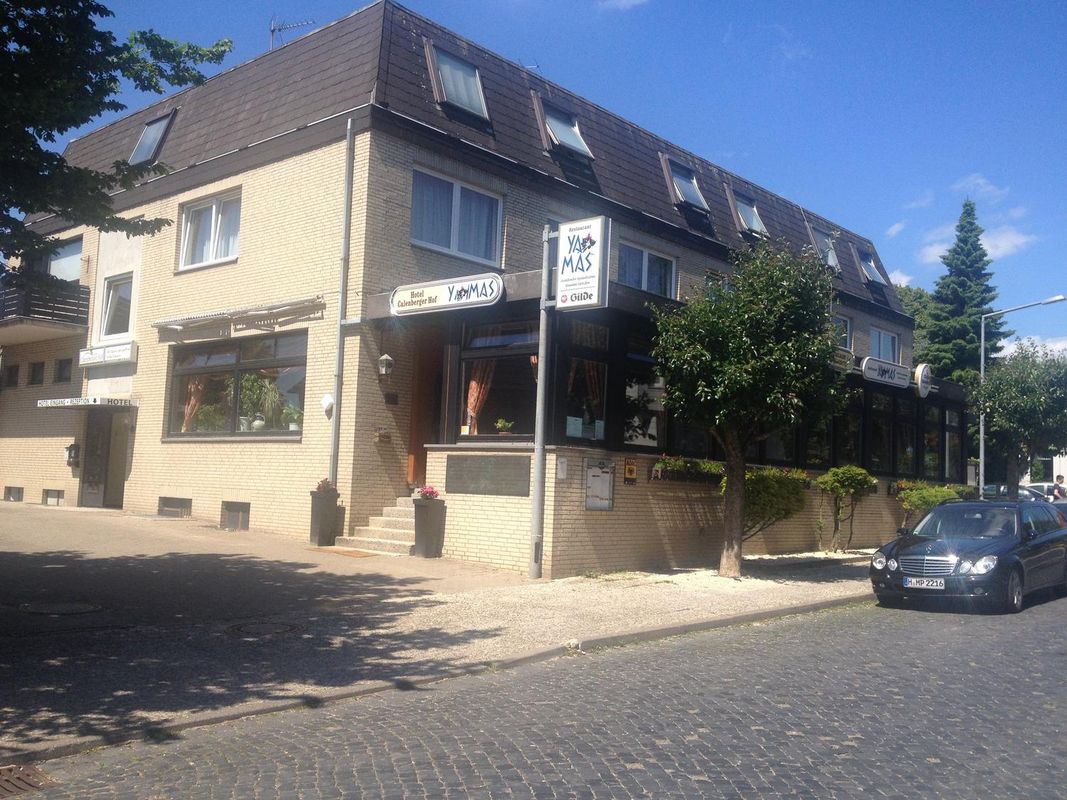
Hotel Calenberger Hof
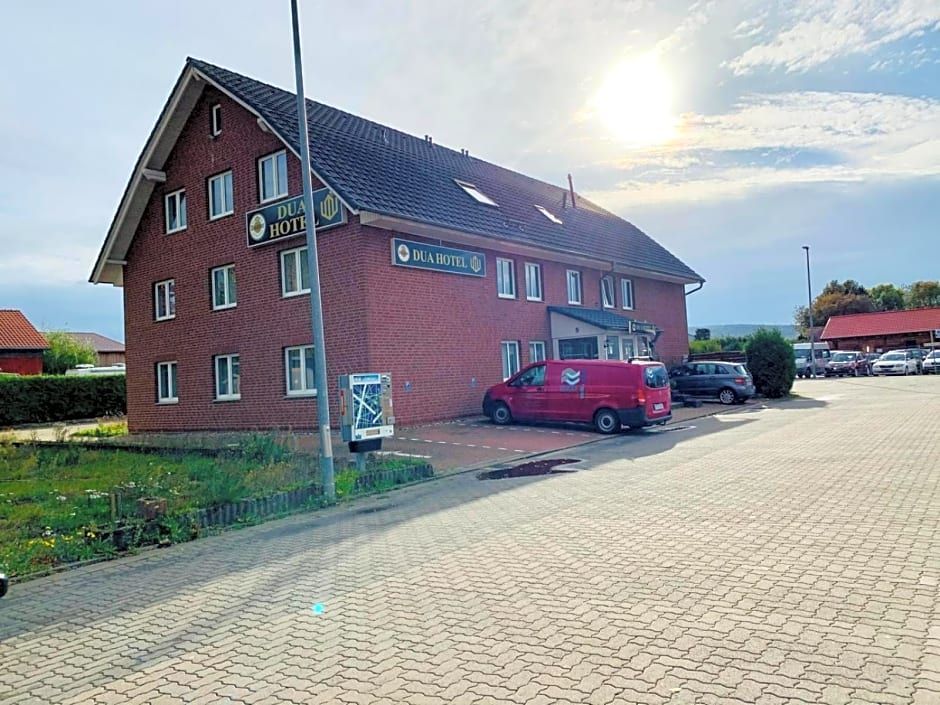
Dua Hotel
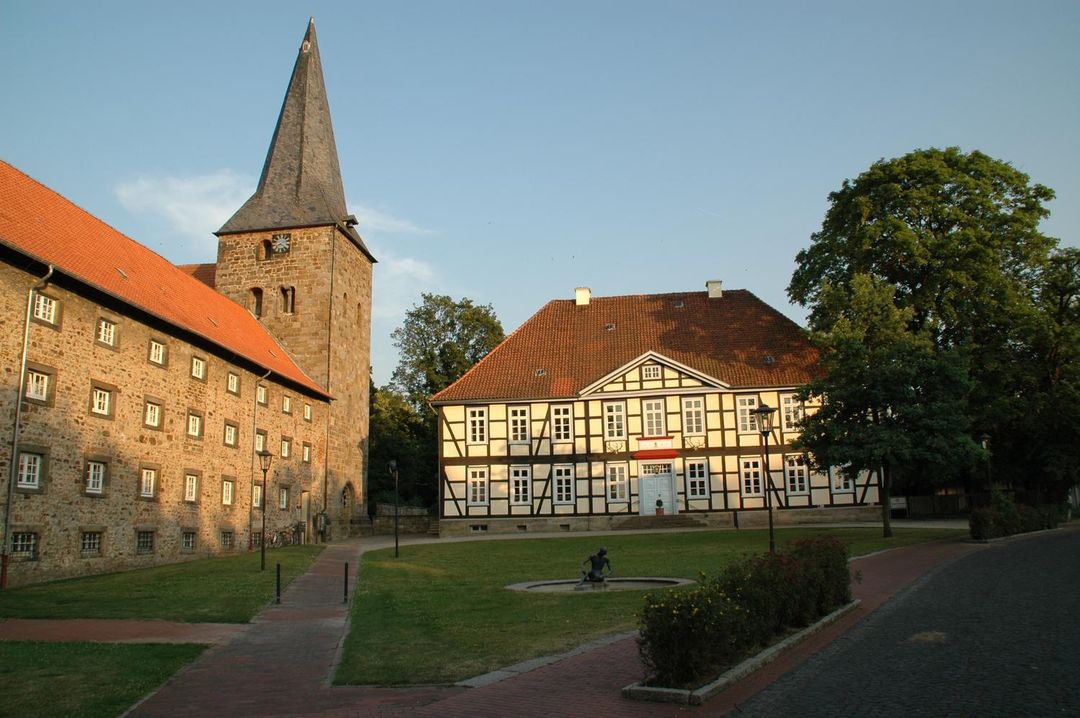
Johanniterhaus Kloster Wennigsen
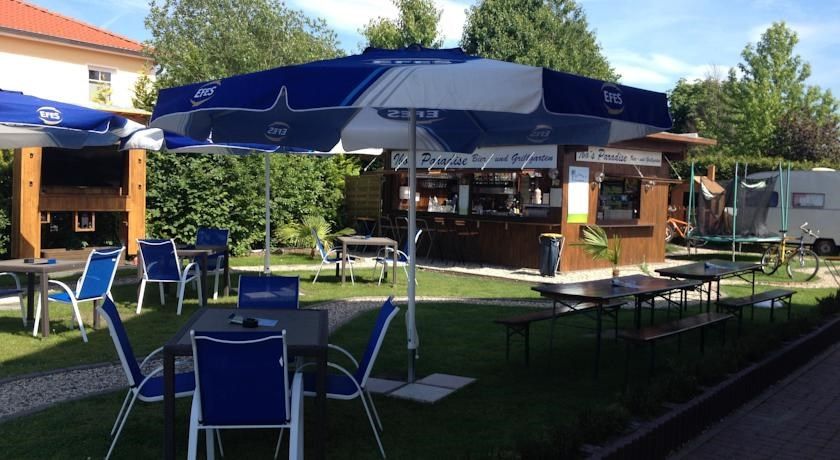
Hotel Marjani
Frequently Asked Questions about Traveling to Wennigsen
Questions You Might Need to Know About Traveling to Wennigsen
For a rich cultural experience, stay in the historic Old Town (Altstadt) of Wernigerode, where cobbled streets and half-timbered houses reflect the town's medieval charm. The area is centered around Wernigerode Castle (Schloss Wernigerode), a striking Renaissance fortress offering panoramic views and guided tours.
Stay at Hotel am Schloss, a boutique hotel housed in a former 16th-century townhouse, blending historic architecture with modern comforts. Its restaurant serves regional specialties like Saxony-style sausages and hearty potato dishes, using ingredients from local farms.
The neighborhood also hosts seasonal events such as the Wernigerode Christmas Market, one of Germany’s most picturesque holiday festivals. Walking distance to the castle, museums, and the Harz Mountains hiking trails, this district offers an authentic glimpse into Lower Saxony’s heritage.
For guests seeking mountain views and direct access to nature, choose Hotel Alpenrose or Gasthof Bergwacht in Wernigerode. Both are located near the Harz National Park entrance, offering panoramic vistas of the Brocken Peak and surrounding forested slopes.
Hotel Alpenrose features spacious rooms with large windows facing the mountains, plus a private hiking trail leading directly to the Rothaargebirge Trail. The hotel also provides free rental gear for hiking, cycling, and snowshoeing.
Gasthof Bergwacht, a family-run guesthouse nestled in the woods, boasts a cozy fireplace lounge and a garden with wildflower meadows. It’s ideal for families or couples wanting to immerse themselves in the Harz Mountains’ pristine environment. Many guests use it as a base for climbing the Brocken, Germany’s highest peak in the region.
In Wernigerode, visitors can take part in hands-on workshops to learn traditional crafts rooted in Lower Saxony’s heritage. One highlight is wood carving, taught by master artisans at the Harz Craft Studio, where guests carve small figures using hand tools and local pine wood—perfect for souvenirs.
Another popular activity is candle making, held at the historic Wernigerode Candle House, where participants mold beeswax candles in classic shapes inspired by 19th-century designs. These candles are often used during the town’s famous Christmas Market.
Additionally, visitors can join folk weaving sessions at the Old Town Weaving Hall, learning how to create traditional patterns on foot looms. These experiences not only preserve cultural traditions but also allow travelers to connect deeply with the craftsmanship and history of the Harz region.
Wernigerode transforms into a winter wonderland with a range of festive and outdoor activities. The highlight is the Wernigerode Christmas Market, one of Germany’s largest open-air markets, set in the Castle Square with illuminated stalls selling handmade ornaments, mulled wine, and traditional Saxon breads.
For adventure seekers, head to the Harz Ski Resort, where you can enjoy downhill skiing, snowboarding, and snowshoeing trails surrounded by snowy forests. Nighttime sleigh rides through the Harz National Park offer breathtaking views of glowing lanterns and the illuminated Brocken Peak.
The town also hosts ice skating performances at the Old Town Ice Rink and choir concerts in historic churches, featuring classic carols and folk music. These seasonal events blend tradition, nature, and community spirit, making winter in Wernigerode truly magical.
Visitors to Wernigerode should try Sachsenwurst, a dense smoked sausage made from beef and rye flour, traditionally served with sauerkraut and boiled potatoes. Another must-try is Harzer Hühnchen, a slow-roasted chicken dish prepared with honey mustard and seasonal vegetables using free-range poultry from the Harz region.
At Gasthaus Zum Ritter, locals and tourists alike enjoy hearty Lentil Soup with Black Bread, a warming winter staple. The town’s breweries also offer Schwarzbier (dark beer) and Apfelwein (apple wine), both crafted with regional ingredients and served in rustic taverns.
For a hands-on experience, join a farm cooking workshop to learn how to bake traditional sourdough bread and preserve fruits into jam. These dishes showcase the agricultural roots and culinary heritage of Lower Saxony.
Schloss Wernigerode, originally built in the 12th century as a defensive fortress, was later transformed into a Renaissance palace during the 15th and 16th centuries. It served as a residence for the Dukes of Brunswick-Wolfenbüttel, playing a key role in the political and cultural life of northern Germany.
In the 19th century, the castle underwent major restoration, preserving its original stone walls and Gothic spires while adding intricate frescoes and tapestries. Today, it functions as a historical museum, housing rare artifacts including medieval armor, ancient manuscripts, and ethnographic exhibits from Lower Saxony.
The castle’s courtyard and rose garden host seasonal events like classical concerts and literary readings. From the tower, visitors enjoy panoramic views of Wernigerode’s old town and the distant Harz Mountains, making it a symbol of both regional heritage and architectural grandeur.
Wernigerode is well-connected via public transport, making it an ideal base for exploring Lower Saxony and the Harz region. The train station offers regular services on Deutsche Bahn, with direct connections to Hanover (~1 hour), Braunschweig (~30 minutes), and Berlin (~3 hours).
Local bus lines link the town to key entry points of the Harz National Park and nearby towns like Rothenburg ob der Tauber. Most hotels provide bicycle rentals and access to electric scooter sharing services for short-distance travel.
Travelers can also use the Eurail Pass or DB City Ticket for cost-effective and flexible journeys across Germany. Whether by train, bus, or bike, getting around Wernigerode and beyond is convenient and efficient, supporting seamless exploration of central Germany.
The best times to visit Wernigerode are spring (April to June) and autumn (September to October). During these seasons, the weather is mild, rainfall is low, and conditions are ideal for hiking and cycling through the Harz National Park trails.
Spring brings blooming rhododendrons and fresh greenery, while autumn showcases vibrant red and gold foliage across the forests. Summer (July–August) sees higher tourist numbers, especially during festival periods, though it remains lively with events like the Medieval Festival.
Winter is famed for the Christmas Market and snow-based activities, but temperatures drop significantly. For a quieter, more immersive experience, avoid public holidays and plan visits on weekdays. Regardless of season, Wernigerode offers a unique blend of natural beauty and cultural richness.
Top photo spots in Wernigerode include the Gothic spires and stone façade of Schloss Wernigerode, especially at sunrise or sunset when light enhances the architectural details. The Old Town Square (Altstadtplatz) offers a fairytale-like scene with colorful timber-framed houses and ornate windows.
Capture the Christmas Market lighting display in the Castle Square during winter—glowing lanterns, snowflakes, and the illuminated castle create cinematic moments. The terrace of historic cafés also provides perfect angles for candid shots of locals enjoying warm drinks and lively conversations.
For nature photography, hike to the summit of Hölderberg, where panoramic views of the town, forested valleys, and distant peaks unfold—especially stunning at dawn with morning mist. These locations combine history, culture, and scenic beauty, making them ideal for unforgettable travel photos.