Discover your perfect stay in West of the city.
Discover the most iconic attractions in West of the city
Find the perfect place to stay in West of the city


Discover curated hotel collections in West of the city



Questions You Might Need to Know About Traveling to West of the city
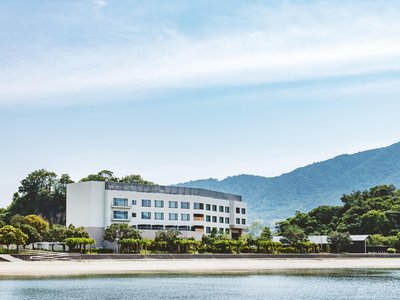
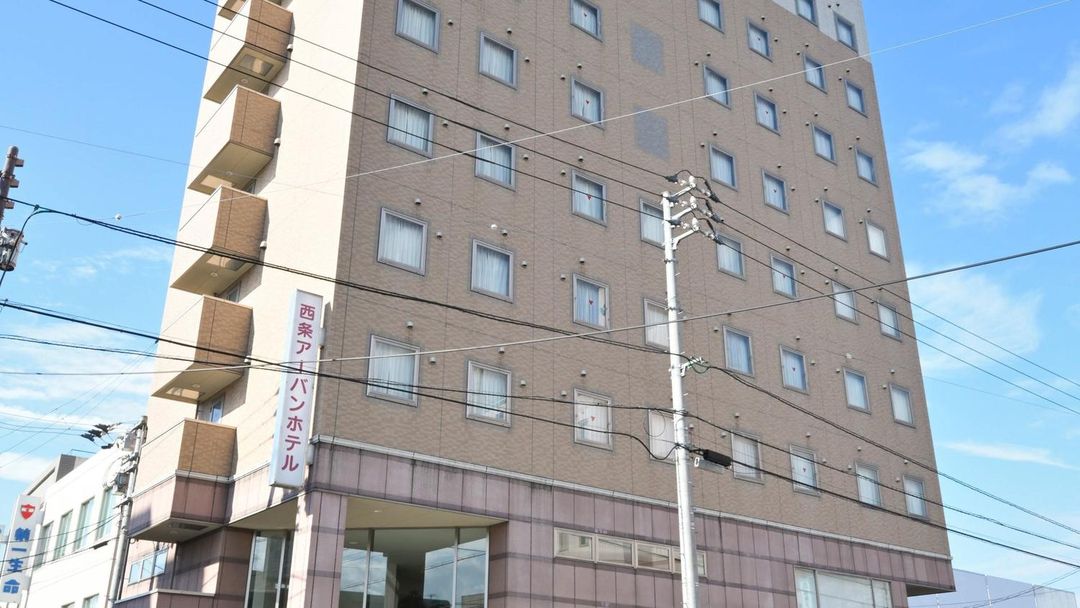
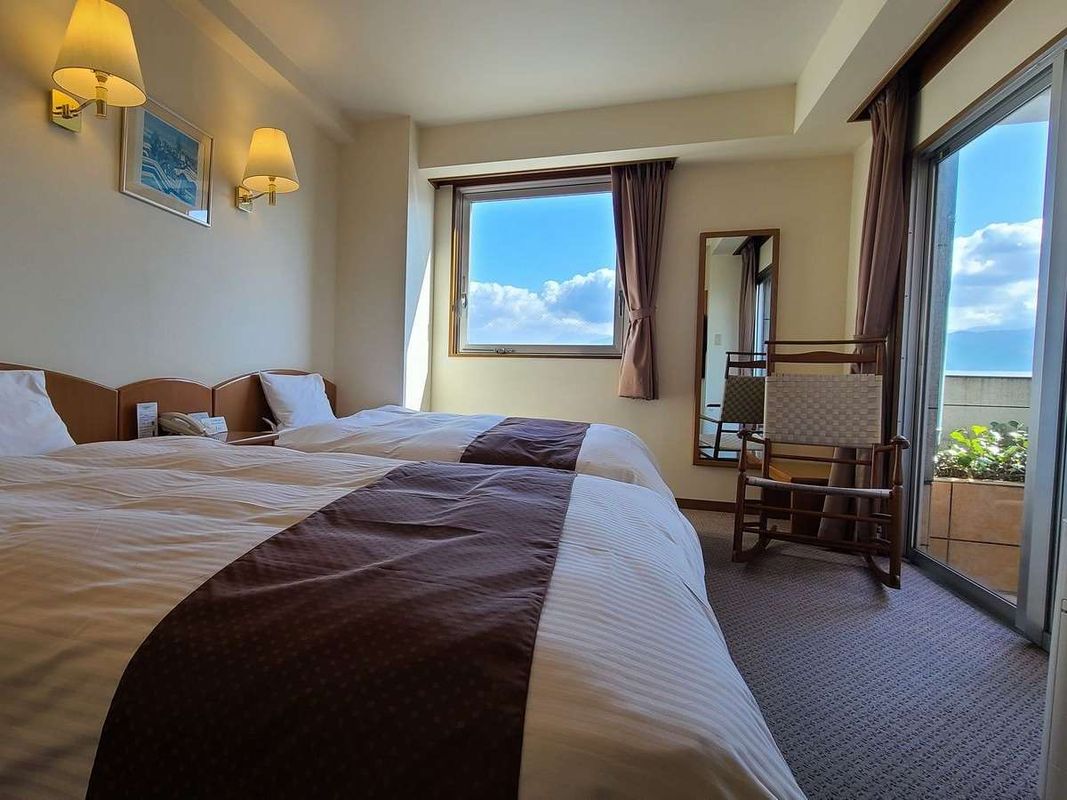
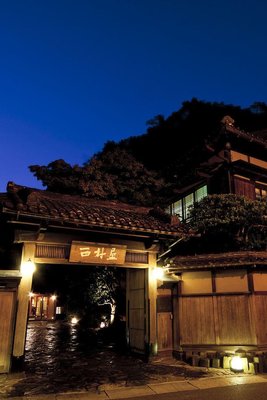
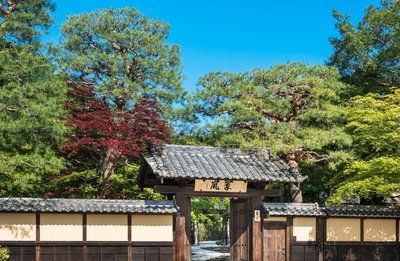
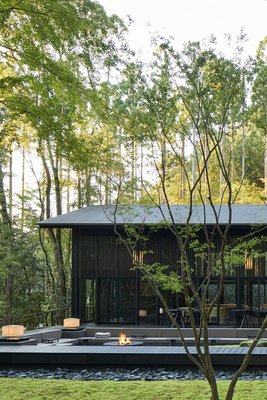
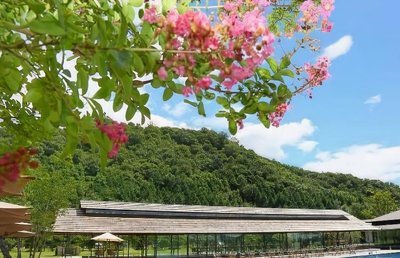
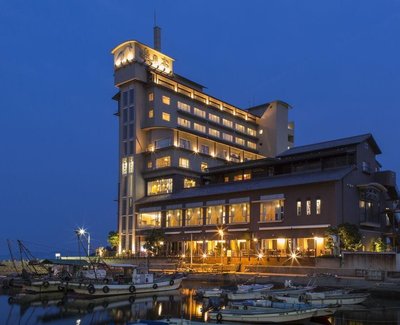
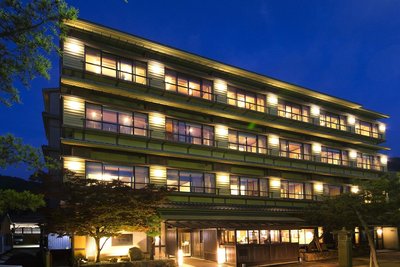
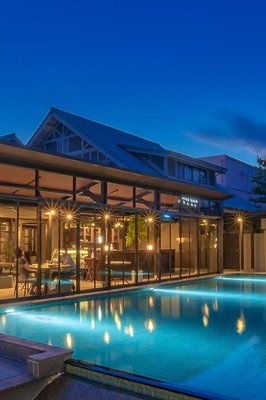
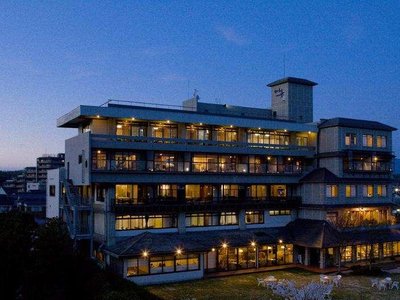
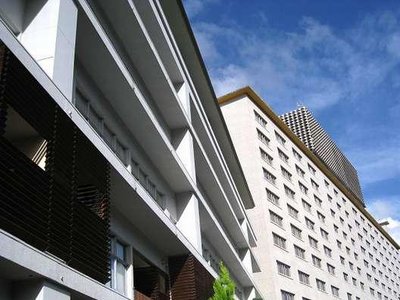
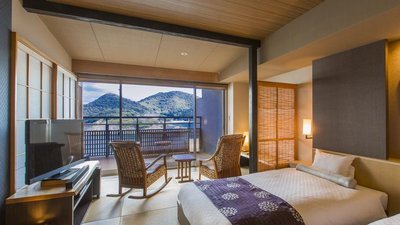
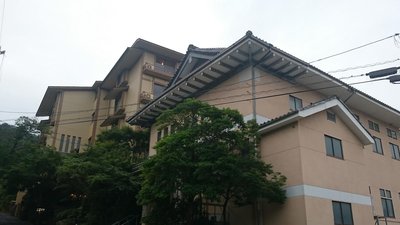
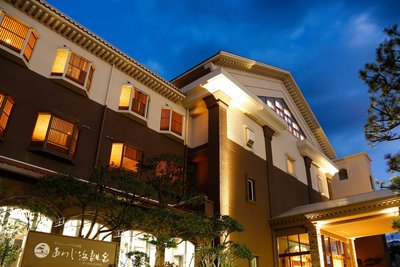
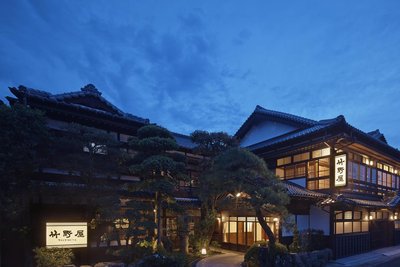
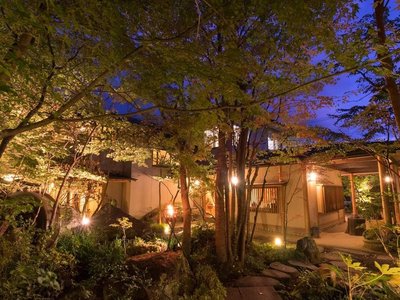
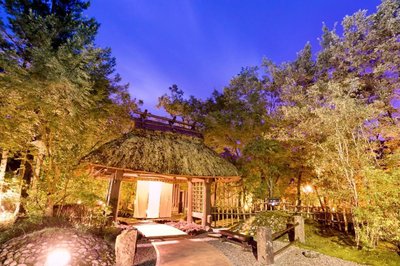
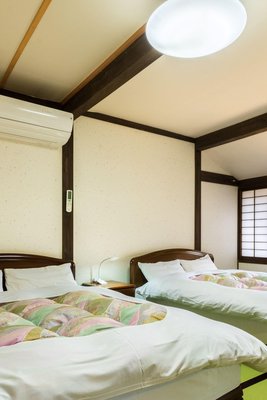
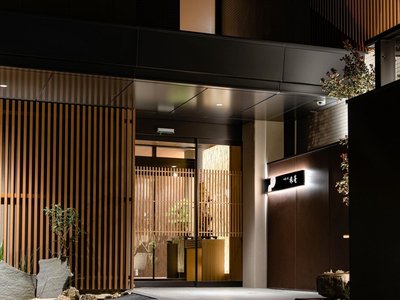
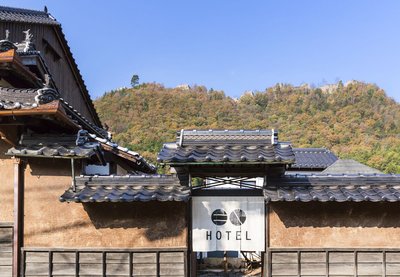
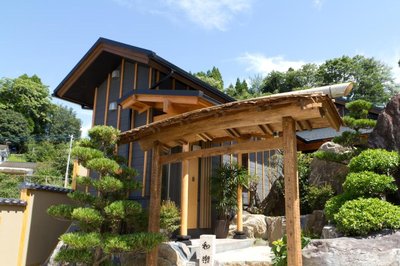
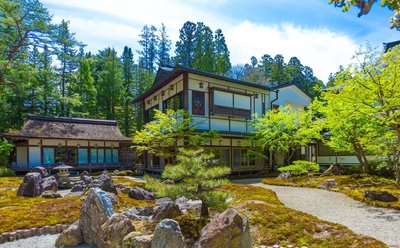
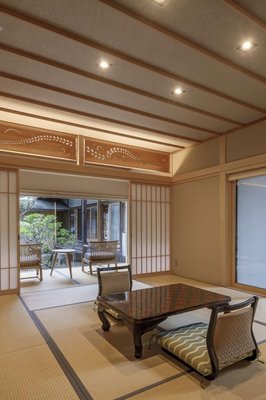
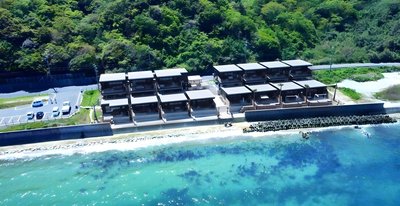
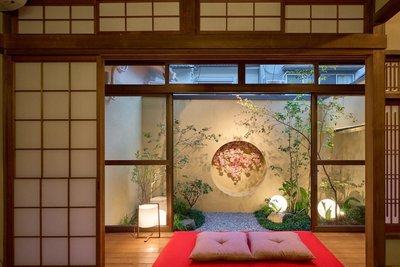
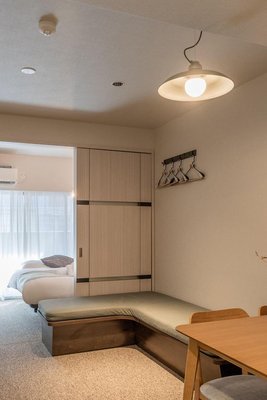
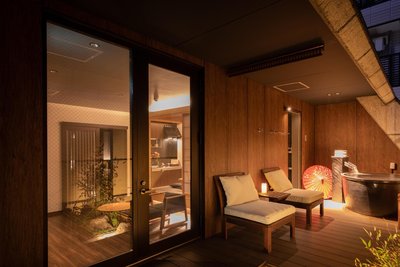
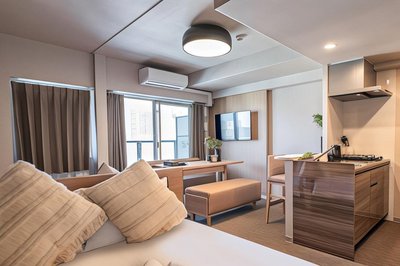
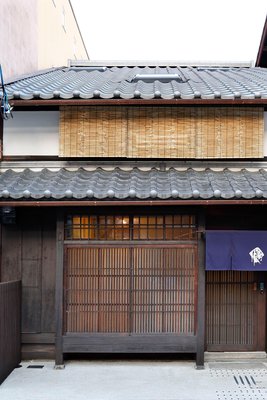
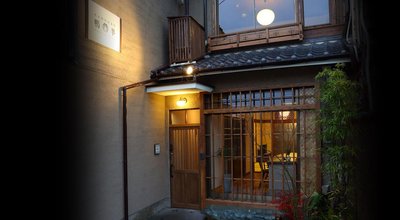
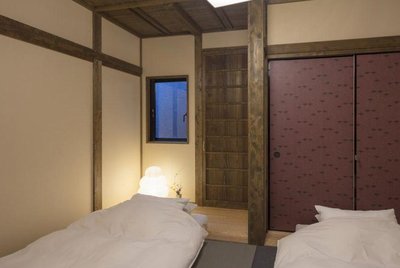
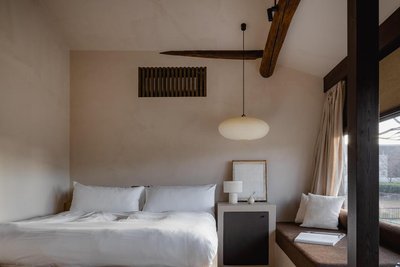
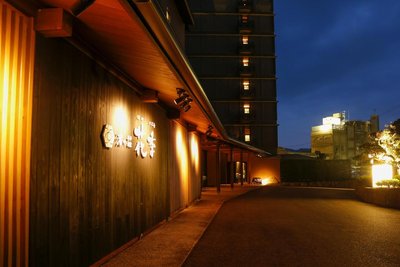
In Nishi-cho, the standout choice is Nishi-cho Onsen Ryokan, a traditional Japanese inn blending authentic onsen culture with modern comfort. Guests enjoy natural hot springs, kaiseki meals featuring local Ehime cuisine like sea bream sushi and citrus-infused chicken, and serene tatami rooms with wooden interiors. Located near Nishi-cho Castle Ruins and Daizō-ji Temple, it offers deep cultural immersion. For a contemporary option, Nishi-cho City Hotel provides accessible rooms, free parking, and proximity to Nishi-cho Station, ideal for business or family travelers seeking convenience and quality service.
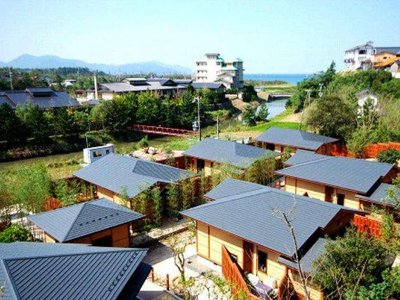
The city center (Hommachi district) is the optimal area for lodging in Nishi-cho. It’s just steps from Nishi-cho Station and bustling shopping streets, offering easy access to restaurants, drugstores, and souvenirs. Within walking distance are key attractions like Nishi-cho Castle Ruins and Daizō-ji Temple, perfect for history lovers and slow travelers. The area hosts several highly rated ryokans and boutique inns, including Nishi-cho Onsen Ryokan, known for its onsen baths and regional dining. For tranquility, consider residential areas near Matsuyama, slightly farther but quieter—ideal for those seeking peaceful retreats away from crowds.
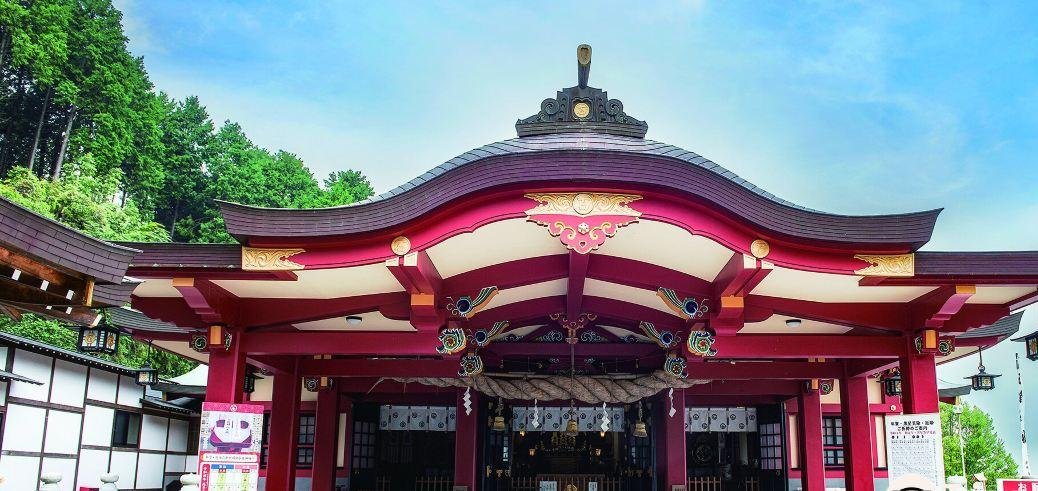
Visitors to Nishi-cho should explore Daizō-ji Temple, a historic site on the Shikoku 88 Temple Pilgrimage, home to a thousand-year-old camphor tree designated as a National Natural Monument. The temple’s serene atmosphere and ancient architecture offer profound spiritual insight. Another highlight is citrus-picking at local orchards, especially popular in winter when guests harvest fresh Iyo tangerines and learn to make marmalades and teas. At Nishi-cho Castle Ruins, guided historical tours reveal stories of Edo-period feudal lords and castle design. During festivals like Nishi-cho Matsuri, experience traditional taiko drumming and lantern parades, deeply rooted in local heritage and community pride.
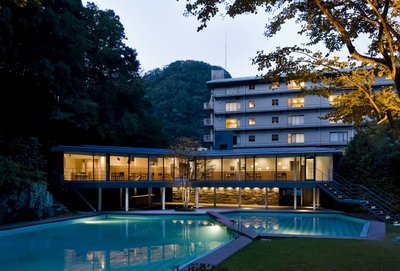
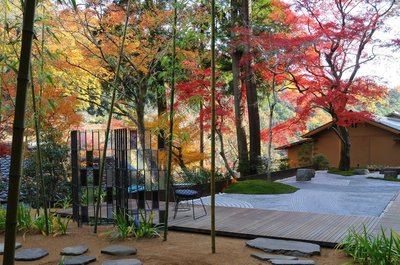
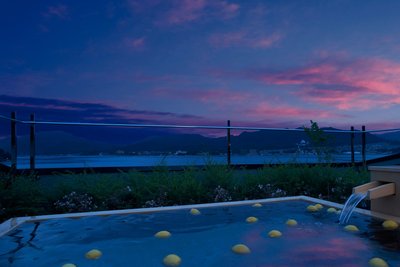
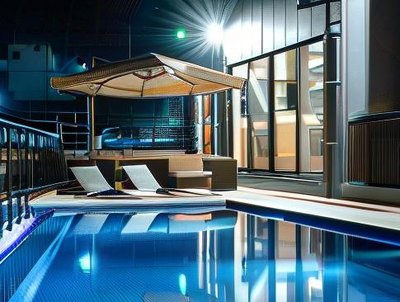
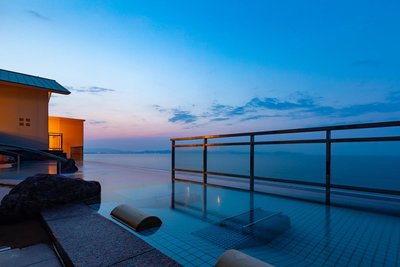
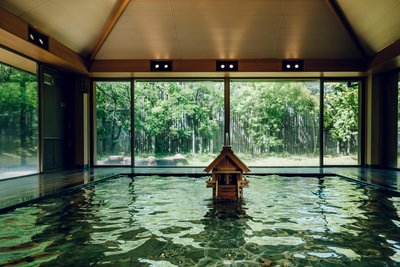
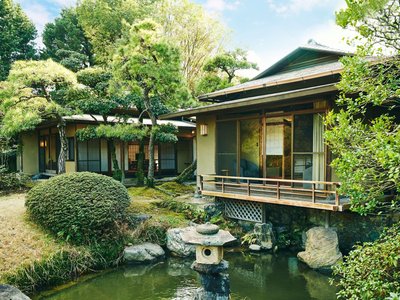
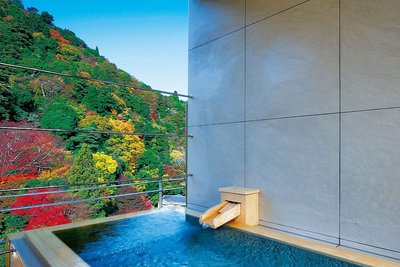
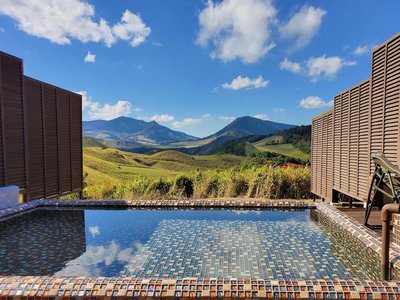
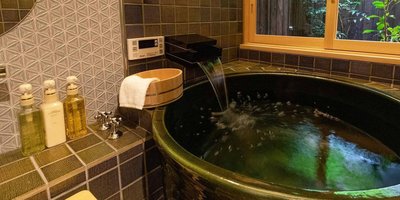
While not a major onsen resort, Nishi-cho boasts rich geothermal resources centered around Nishi-cho Onsen. This mild alkaline carbonated spring is renowned as a "beauty bath" for skin health. Stay at Nishi-cho Onsen Ryokan, a century-old ryokan offering private outdoor baths, full-course kaiseki dinners, and tatami rooms with traditional woodwork. Its garden features elements inspired by the Shikoku 88 Temple Pilgrimage, enhancing cultural authenticity. The hotel also hosts tea ceremonies and onsen workshops. For modern comforts, Nishi-cho Onsen Resort features indoor and outdoor pools, massage facilities, and family-friendly amenities—perfect for groups or travelers seeking relaxation with scenic views.
The top historical site in Nishi-cho is Nishi-cho Castle Ruins, once the residence of the Edo-period Nishi-cho Domain Lords. Today, remnants include stone walls and a watchtower platform offering panoramic views of the city and Yoshino River. A small museum on-site displays period weapons, armor, and models of the original castle. Nearby, Daizō-ji Temple dates back to the 7th century and is part of the Shikoku 88 Temple Pilgrimage. Its sacred camphor tree, over a millennium old, is a national treasure. The temple complex includes well-preserved halls and stone pagodas, making it a profound destination for history and spirituality enthusiasts. Both sites are easily accessible on foot from the city center.
Tourists visiting Nishi-cho must try sea bream sushi (Tai Sushi), made with fresh fish caught daily from nearby ports—delicate, sweet, and perfectly balanced with vinegared rice. Another must is Iyo tangerine cuisine, such as grilled chicken with citrus glaze or tangerine sauce steak, highlighting Ehime’s famed Iyo tangerines. Don’t miss Nishi-cho Ramen, a rich pork-bone broth served with thin noodles, chashu, soft-boiled egg, and nori—popular for breakfast. At Nishi-cho Market, sample freshly fried tofu skewers and red bean mochi, all crafted with local ingredients. These dishes reflect the region’s agricultural abundance and culinary tradition.
Yes, Nishi-cho is highly suitable for families. Key attractions like Nishi-cho Castle Ruins offer children’s guidebooks and interactive games that turn history into fun exploration. Yoshino River Park features playgrounds, bike rentals, picnic areas, and gentle river paths—ideal for family walks or canoeing. The Nishi-cho Municipal Library has a dedicated children’s reading corner and weekend storytelling sessions with craft workshops. Many inns, including Nishi-cho Onsen Ryokan, provide kids’ yukata, baby beds, and indoor playrooms. Public transport via JR Yosan Line and city buses connects major sites, and rental bikes allow easy travel. Consider using the Shikoku Rail Pass or Ehime Prefecture Tourist Bus Ticket to reduce costs and maximize convenience.
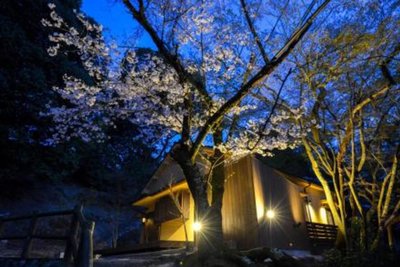
Nishi-cho hosts vibrant seasonal events throughout the year. The Nishi-cho Festival in summer features taiko drum performances, illuminated lantern processions, and night illuminations, celebrating local spirit. In autumn, the Ehime Citrus Festival brings stalls to Nishi-cho Market and Daizō-ji Temple, where visitors can taste fresh tangerines, participate in carving contests, and craft citrus soaps. Springtime brings the Cherry Blossom Festival at Nishi-cho Castle Ruins, with blooming cherry trees, tea ceremonies, and kimono photo booths. Winter hosts the Onsen Blessing Ceremony at Nishi-cho Onsen Ryokan, combining meditation, onsen bathing, and wellness rituals—perfect for a calming retreat during colder months.
Transportation in Nishi-cho is highly convenient. Travelers can reach Nishi-cho Station from Matsuyama via the JR Shikoku Railway’s Yosan Line in just 25 minutes, with frequent and reliable service. The city bus system connects major sites like Nishi-cho Castle Ruins, Daizō-ji Temple, and Nishi-cho Onsen Ryokan, with IC card payments accepted. Bike-sharing services are available for short trips along riverside trails. For self-drivers, take the Shikoku Expressway from Matsuyama Interchange—approximately 30 minutes. Use the Shikoku Rail Pass or Ehime Prefecture Tourist Bus Ticket to save on travel costs and enhance journey flexibility.

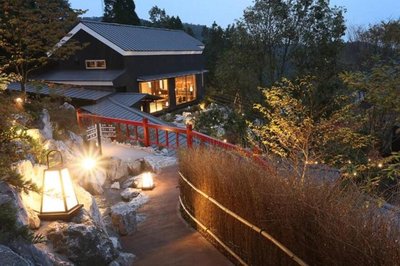
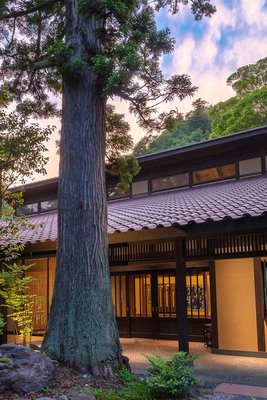
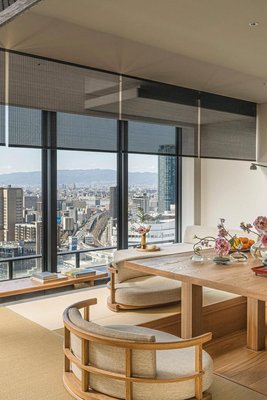
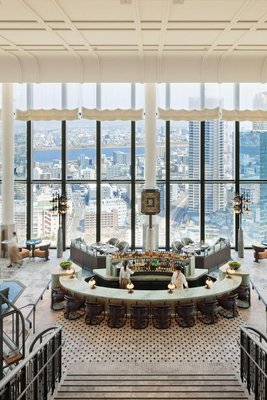
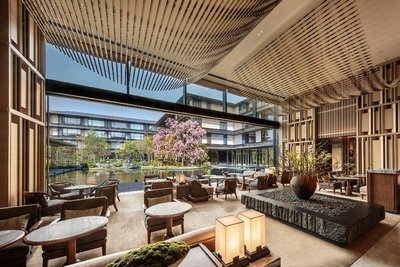
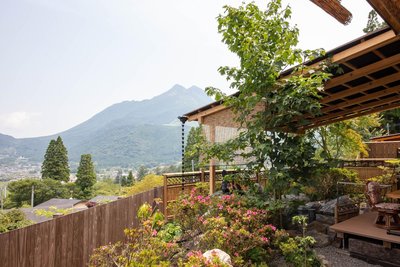
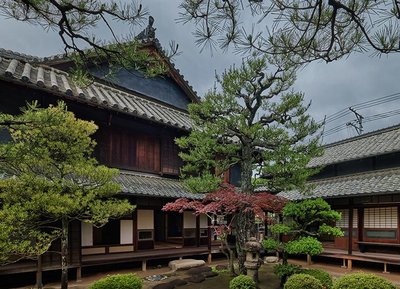
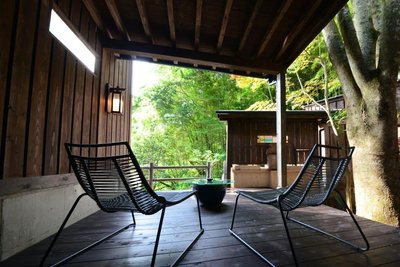
Top photogenic spots in Nishi-cho include the Nishi-cho Castle Ruins tower platform, framed by sky and greenery—ideal for dramatic historical shots. Daizō-ji Temple’s ancient camphor tree, with dappled sunlight and long shadows, creates ethereal, nature-inspired photos. The Yoshino River Park’s wooden bridge reflects beautifully in calm waters—perfect for golden hour or twilight shots. Nishi-cho Onsen Ryokan’s garden, with bamboo groves, stone lanterns, and sliding doors, offers classic Japanese aesthetic. The glass-roofed café at Nishi-cho City Hotel captures cityscapes through large windows. Finally, Nishi-cho Market’s colorful stalls and steaming food carts deliver lively street photography with rich textures and vibrant colors.
Saijo City in Ehime Prefecture, Japan is renowned as the "City of Water" with over 1,000 natural springs. The majestic Mt. Ishizuchi (1,982m), one of Shikoku's sacred peaks, and the 1,300-year-old Isono Shrine form its cultural core. The annual Saijo Festival in October features elaborate mikoshi processions, recognized among Shikoku's top three festivals.
Start with Mt. Ishizuchi's breathtaking trails - the Omote route (3hrs ascent) passes the dramatic Jyozenji temple. Isono Shrine's vermilion gate houses a National Treasure-tier wooden Buddha. The Saijo Sake Breweries (6 active sites) offer tastings of award-winning junmai. Don't miss Shikoku Railway Museum's vintage steam locomotives and the cherry blossom-lined canal at dusk.
Try "Saijo Tempura" - feather-light batter fried in spring water, best enjoyed at Nakata Shokudo. Local sea bream rice (tai-meshi) stewed in iron pots showcases Seto Inland Sea bounty. Traditional wagashi at Sensui-do feature spring-water jelly with seasonal flavors. Craft beer lovers should sample Ishizuchi Beer's limited-edition ales brewed with mountain mineral water.
From Matsuyama Airport, take JR Yosan Line to Saijo Station (70min). The city center is walkable; rent bicycles (¥500/3hrs) for the scenic waterway route. Community buses (¥800 day pass) cover all major sites including Ishizuchi Ropeway. Taxis to mountain areas cost ¥3,000-4,000. Note: Last train departs at 11:30pm for Matsuyama.

Ideal months are April for cherry blossoms and October for festivals (15-20°C). Summer (July-Aug) sees mountain hikers - book lodgings early. Winter ascents require gear; some trails close December-March. Avoid Golden Week (early May) for fewer crowds.
English signage is limited; download Google Translate's offline Japanese pack. Free WiFi (SSID:Saijo_Free) covers 30 locations including train stations. ICOCA cards work on all transport in Ehime. Saijo General Hospital (0877-56-1111) has English-speaking staff. ATMs at 7-Eleven accept foreign cards. Post offices sell international stamps until 5pm weekdays.