Hotels in Westkapelle
Discover your perfect stay in Westkapelle.
Westkapelle(Netherlands) Travel 2026: Cheap Flights, Hotels & Top Attractions
Popular Landmarks in Westkapelle
Discover the most iconic attractions in Westkapelle
Recommended Hotels in Westkapelle
Find the perfect place to stay in Westkapelle
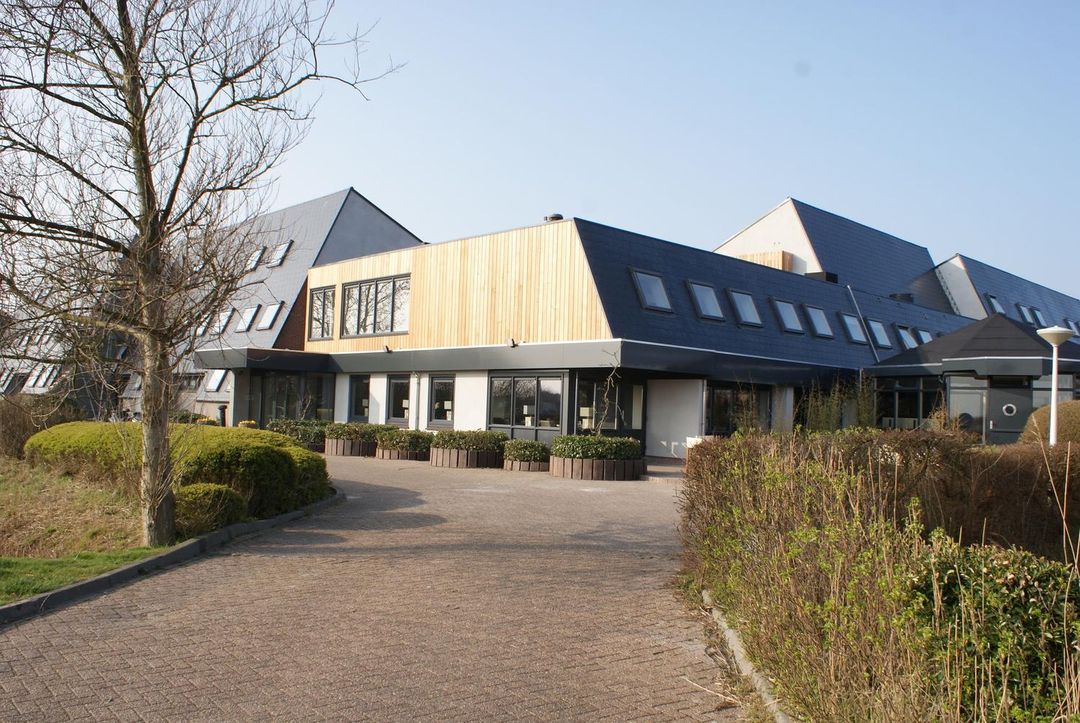
Fletcher Zuiderduin Beachhotel

Vakantiepark de Boomgaard
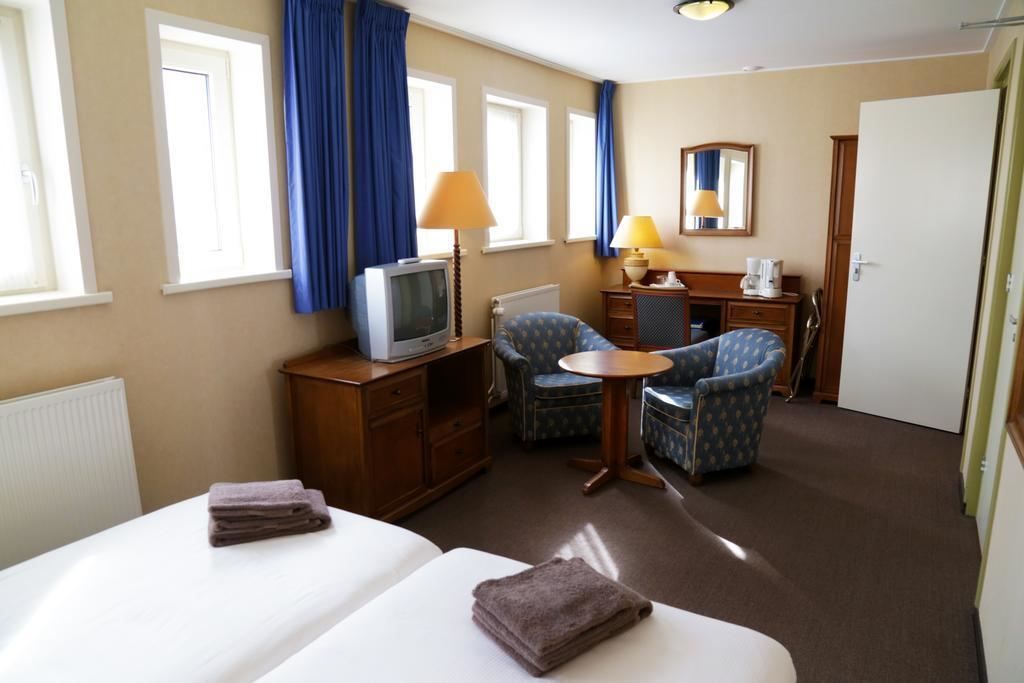
Boutique Hotel Charley's
Best Hotels in Westkapelle
Discover curated hotel collections in Westkapelle
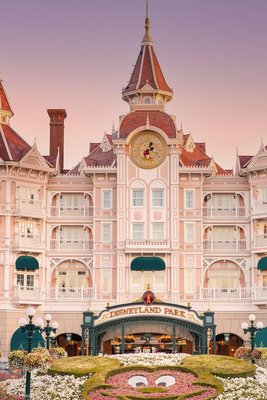
Disneyland Hotel
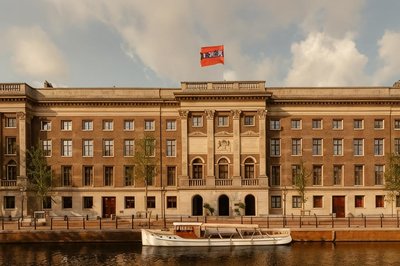
Rosewood Amsterdam
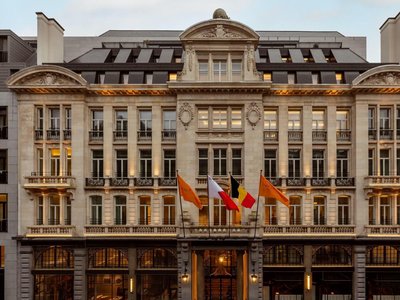
Corinthia Grand Hotel Astoria Brussels
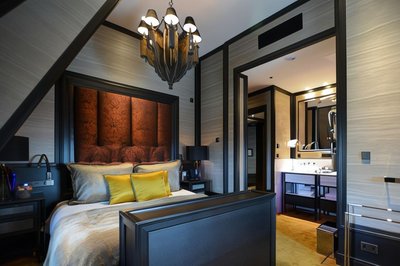
Hotel TwentySeven - Small Luxury Hotels of the World
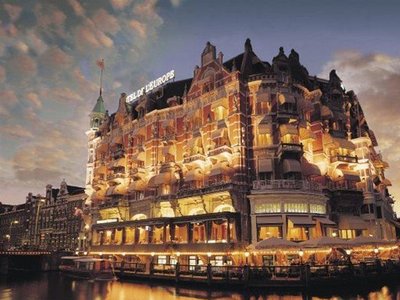
De L’Europe Amsterdam – the Leading Hotels of the World
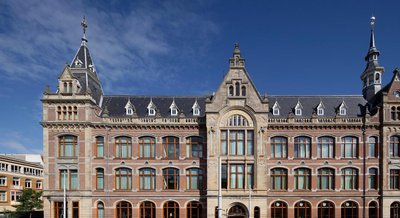
Conservatorium Hotel (Operated by Mandarin Oriental)
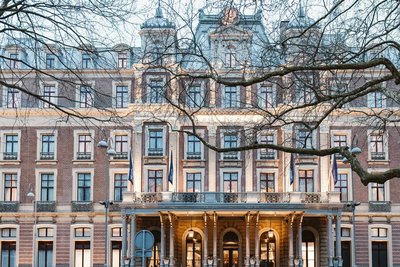
InterContinental Amstel Amsterdam
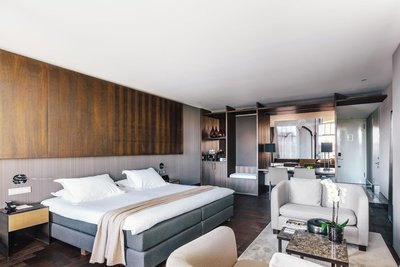
The Dylan Amsterdam
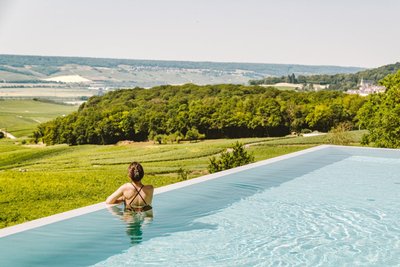
Royal Champagne Hotel & Spa
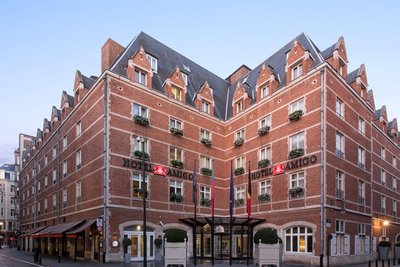
Rocco Forte Hotel Amigo
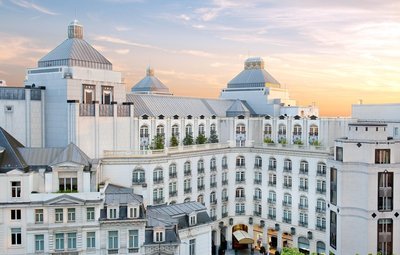
Steigenberger Icon Wiltcher's
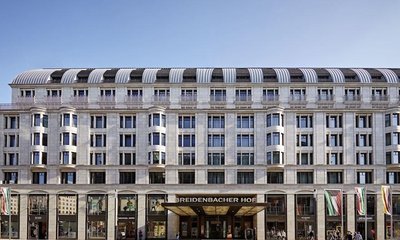
Small Luxury Hotels of the World - Breidenbacher Hof
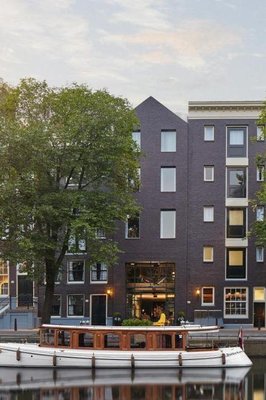
Pulitzer Amsterdam
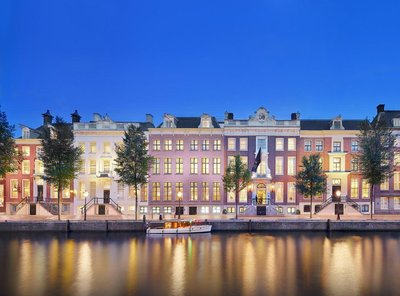
Waldorf Astoria Amsterdam
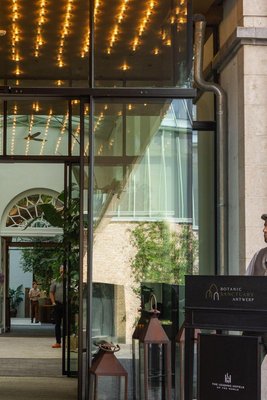
Botanic Sanctuary Antwerp
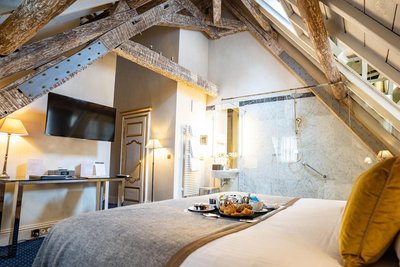
Hotel le Place d'Armes - Relais & Châteaux
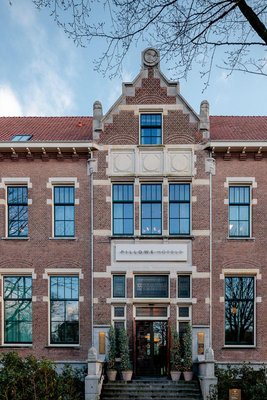
Pillows Grand Boutique Hotel Maurits at the Park - Small Luxury Hotels

Mercure Dunkerque Centre Gare
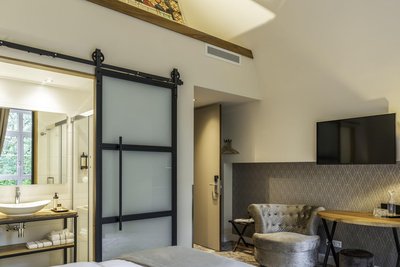
KerkHotel Biervliet
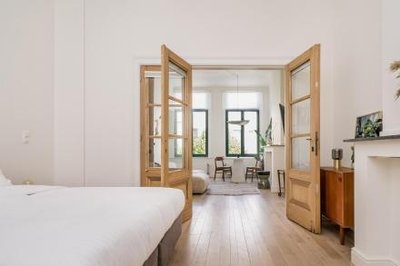
Quartier le Sud
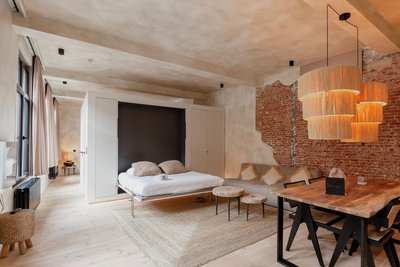
Btfl Living Antwerp, Zirkstraat
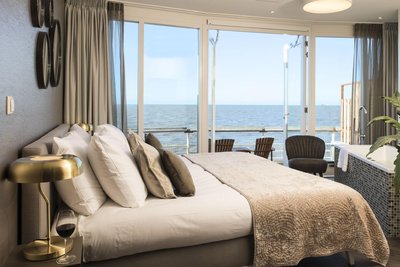
De Pier Suites
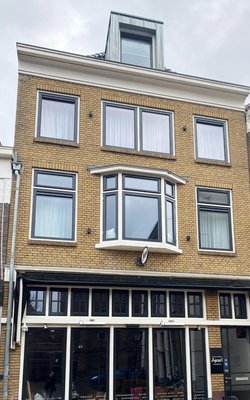
Apart! Food & Drinks Apartments
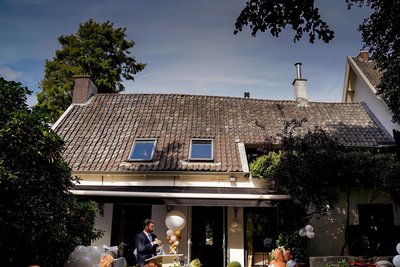
Villa Beukenhof

Van der Valk Hotel Eindhoven-Best
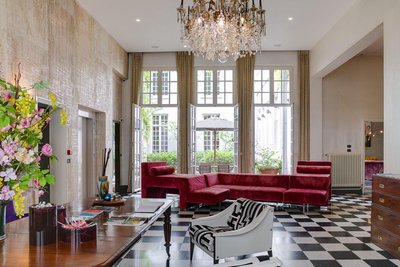
De Witte Lelie

U Eat & Sleep Antwerp
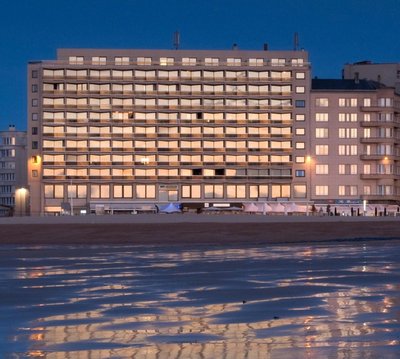
C-Hotels Andromeda
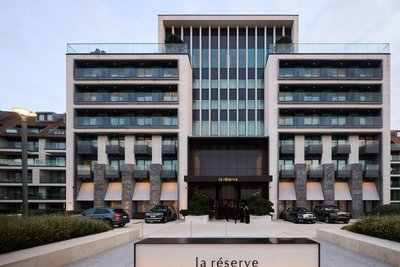
La Réserve Resort
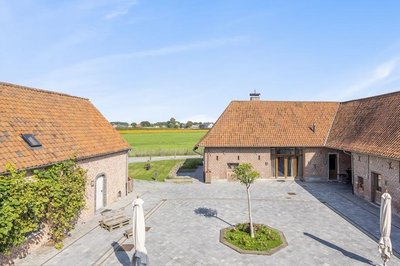
Burgemeestershof

1898 the Post
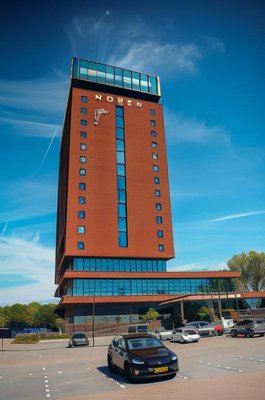
Van der Valk Hotel Schiedam
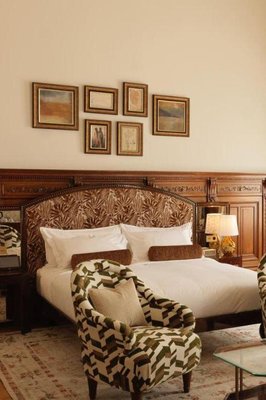
Hotel Fleur de Ville
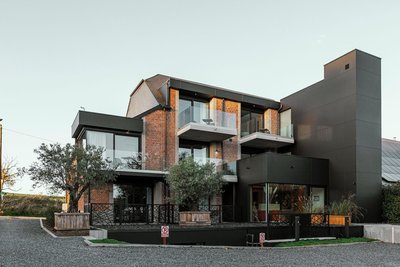
CC Nomie Hôtel Restaurant
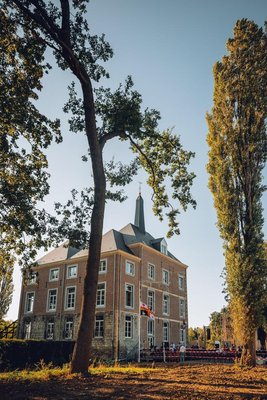
Van Oys Maastricht Retreat
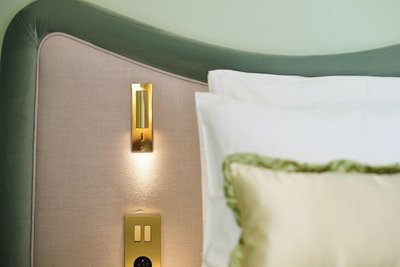
Les Bains De Spa
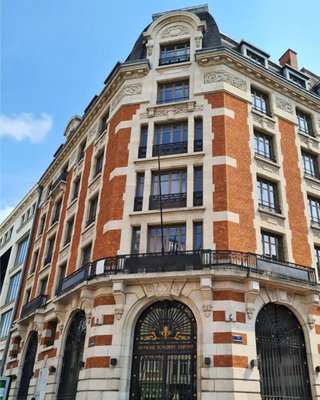
Hotel & Spa Oceania Lille Les Augustins
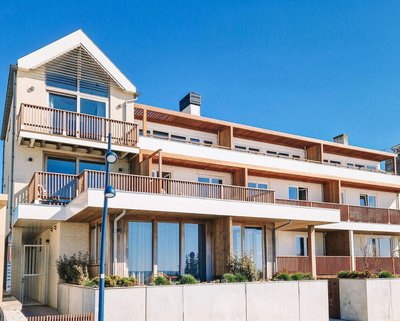
Boulevard 5
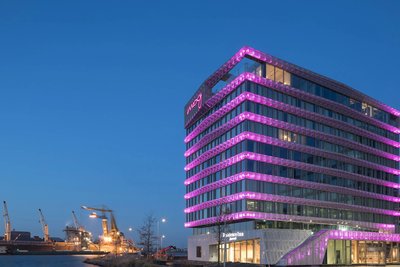
Residence Inn by Marriott Amsterdam Houthavens
De L’Europe Amsterdam – the Leading Hotels of the World
InterContinental Amstel Amsterdam
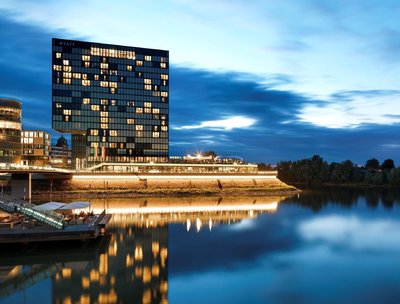
Hyatt Regency Dusseldorf
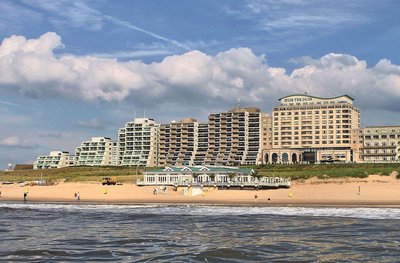
The Historic Huis Ter Duin
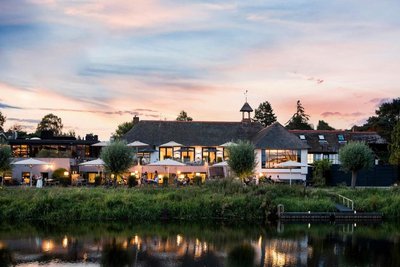
Mooirivier
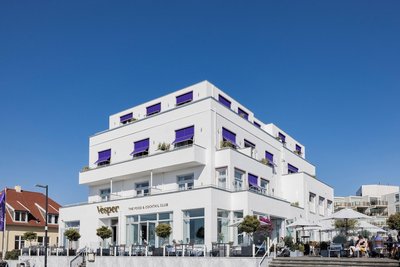
Vesper Hotel
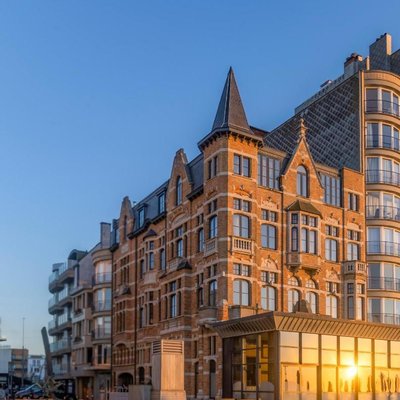
Hotel Villa Select

Inntel Hotels Den Haag Marina Beach
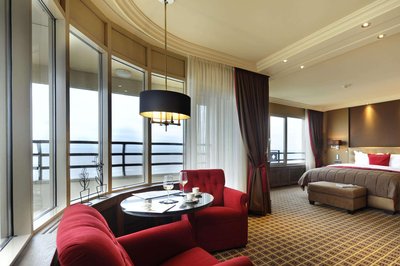
Grand Hotel Huis Ter Duin
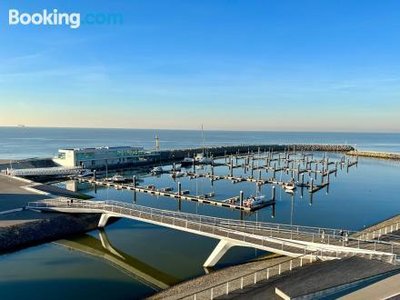
Hotel de Schelde
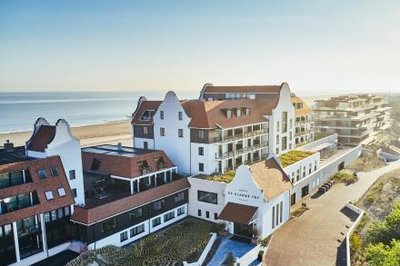
Hotel de Blanke Top

Hotel de Milliano
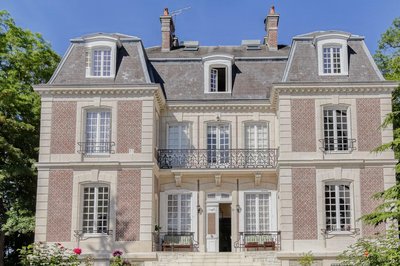
Château d'Avesnes - le Castelet
Grand Hotel Bellevue - Grand Place
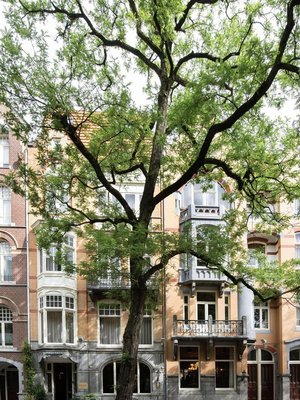
Jan Luyken Amsterdam
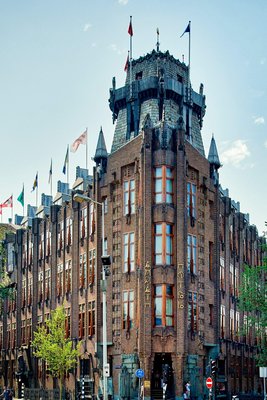
Grand Hotel Amrâth Amsterdam
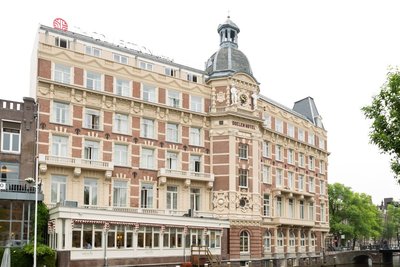
Tivoli Doelen Amsterdam Hotel
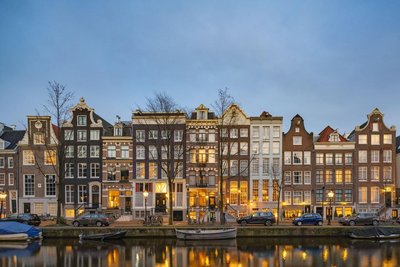
Ambassade Hotel
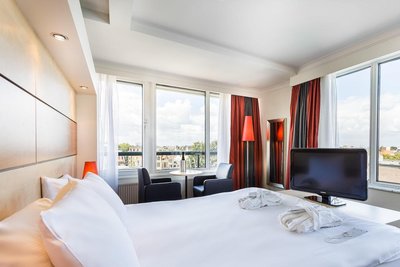
Hotel Die Port Van Cleve
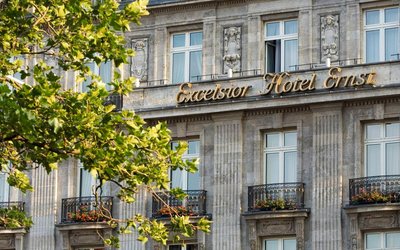
Excelsior Hotel Ernst am Dom
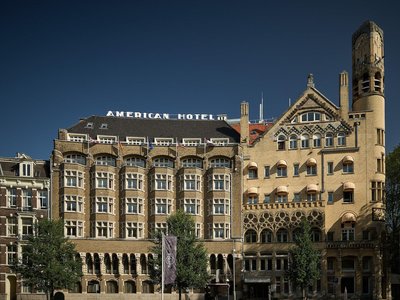
Clayton Hotel Amsterdam American
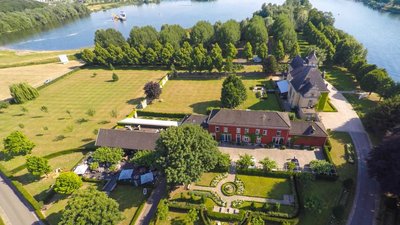
Landgoed Kasteel de Hoogenweerth
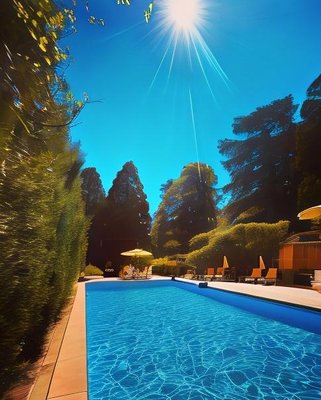
Manoir des Cavaliers - Bnb
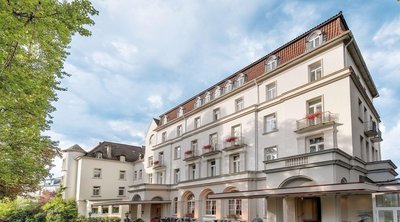
Rheinhotel Dreesen
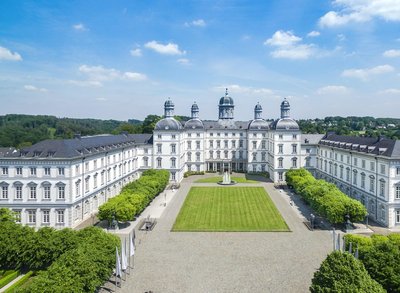
Althoff Grandhotel Schloss Bensberg
Pulitzer Amsterdam
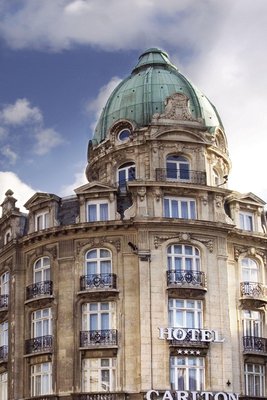
Hotel Carlton Lille
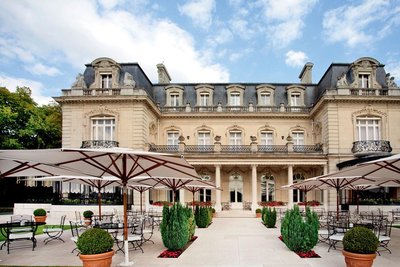
Domaine les Crayères
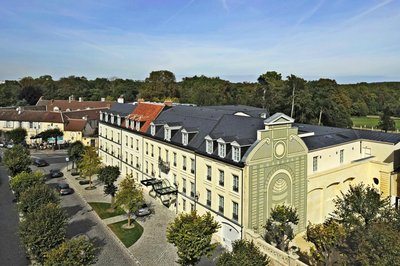
Auberge du Jeu de Paume
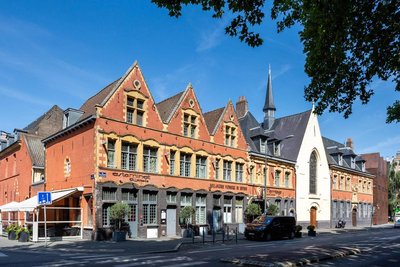
L'Hermitage Gantois, Autograph Collection
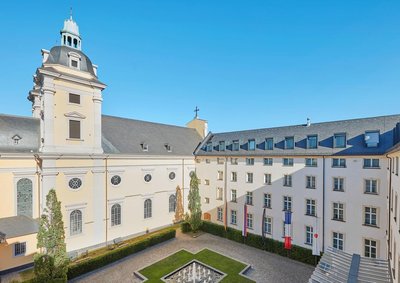
Living Hotel de Medici
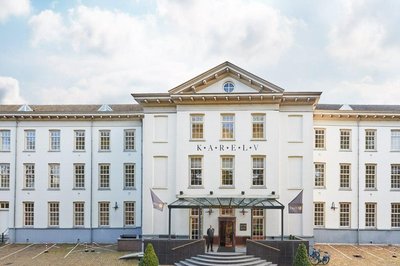
Grand Hotel Karel V
1898 the Post

Andaz Amsterdam Prinsengracht, by Hyatt
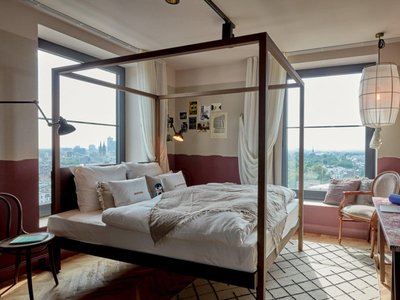
25Hours Hotel Duesseldorf Das Tour
Pulitzer Amsterdam
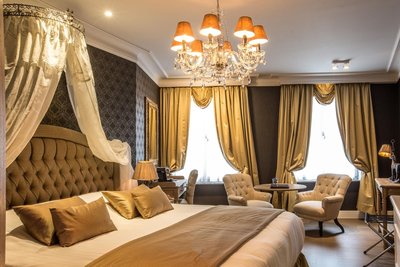
Luxury Boutique Hotel de Castillion
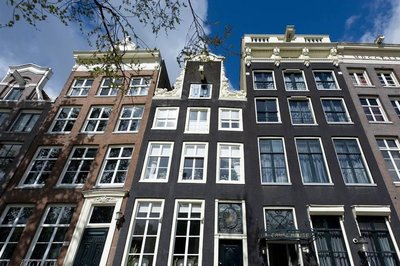
Small Luxury Hotels of the World - Canal House
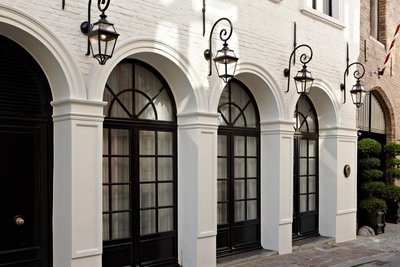
Hotel de Orangerie by CW Hotel Collection
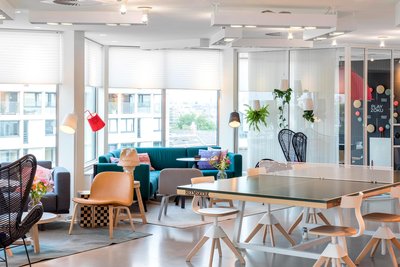
Zoku Amsterdam
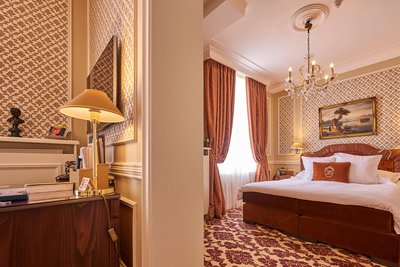
Relais & Châteaux Hotel Heritage
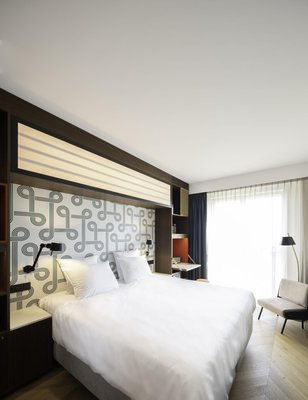
Yalo Urban Boutique Hotel Gent
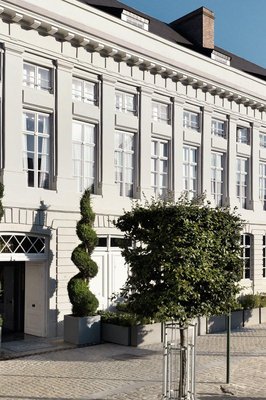
Juliana Hotel Brussels
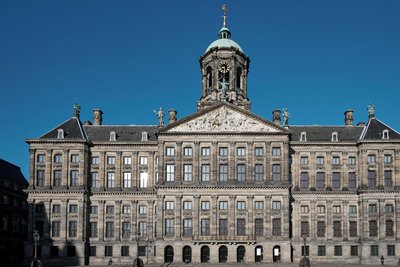
The Pavilions Amsterdam, The Toren
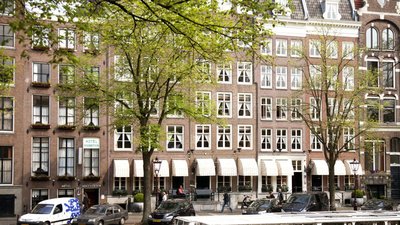
Hotel Estheréa
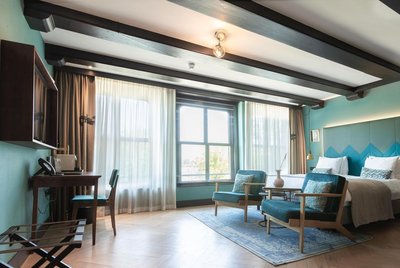
The Hendrick's Hotel
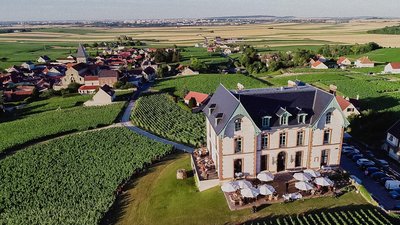
Chateau de Sacy
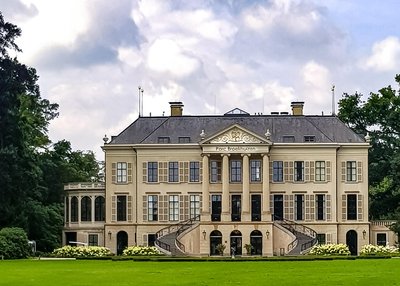
Parc Broekhuizen l Culinair Landgoed

The Wellem Dusseldorf, Part of Hyatt
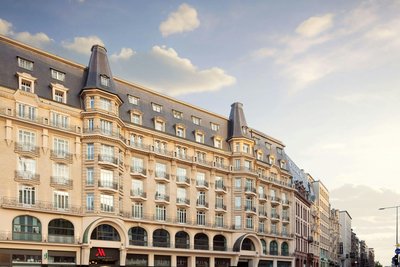
Luxembourg Marriott Hotel Alfa
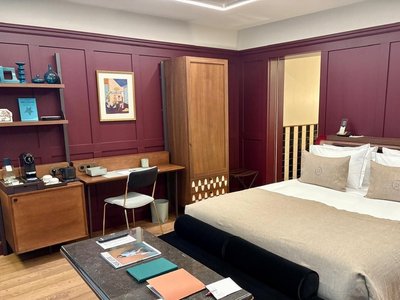
Faubourg 21
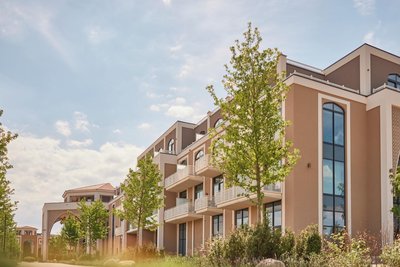
Hotel Thermen Berendonck
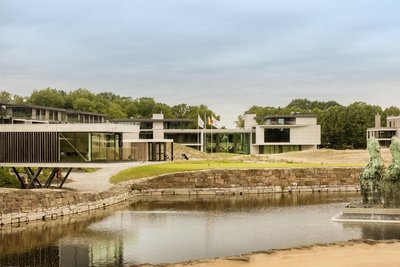
Radisson Collection Hotel, The National Brussels
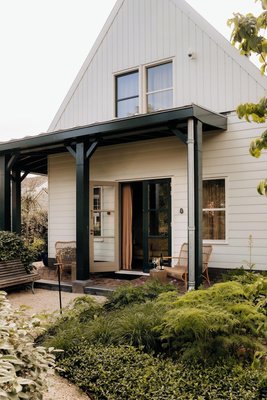
De Durgerdam, Amsterdam
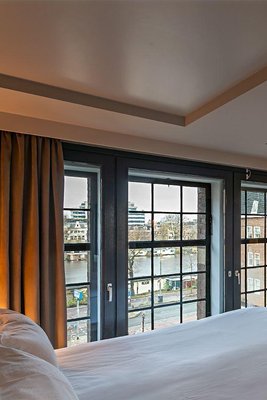
Pestana Amsterdam Riverside
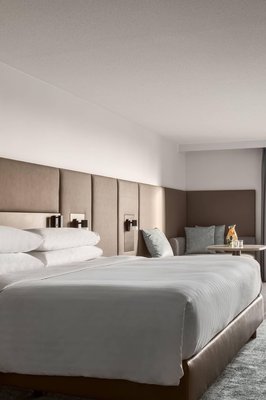
Amsterdam Marriott Hotel
Grand Hotel Amrâth Amsterdam
Tivoli Doelen Amsterdam Hotel

Rotterdam Marriott Hotel
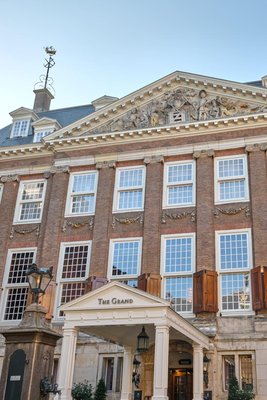
Sofitel Legend the Grand Amsterdam
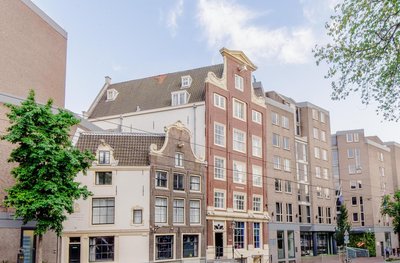
Kimpton de Witt Amsterdam
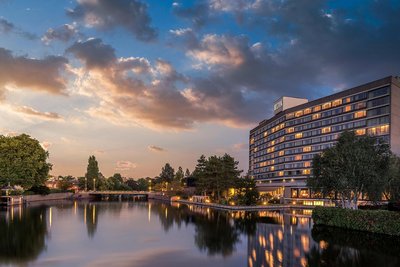
Hilton Amsterdam
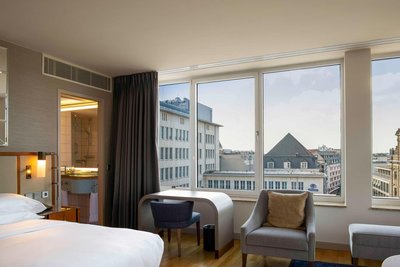
Hilton Cologne
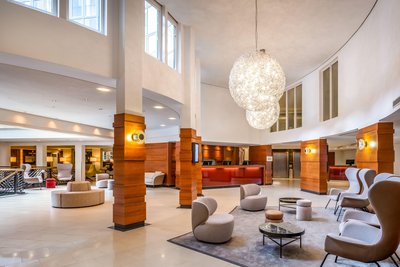
Cologne Marriott Hotel
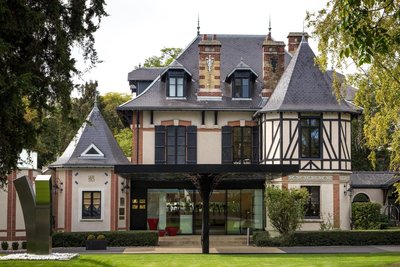
Relais & Châteaux l'Assiette Champenoise
Excelsior Hotel Ernst am Dom
Hotel TwentySeven - Small Luxury Hotels of the World
De L’Europe Amsterdam – the Leading Hotels of the World
The Dylan Amsterdam
Waldorf Astoria Amsterdam
Hyatt Regency Dusseldorf
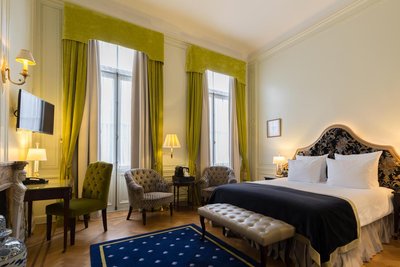
Stanhope Hotel Brussels by Thon Hotels
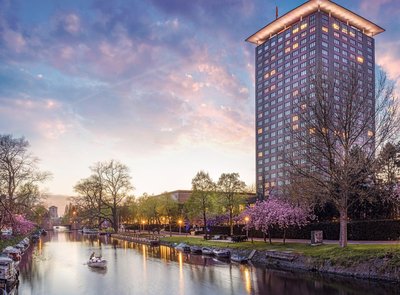
Hotel Okura Amsterdam – the Leading Hotels of the World
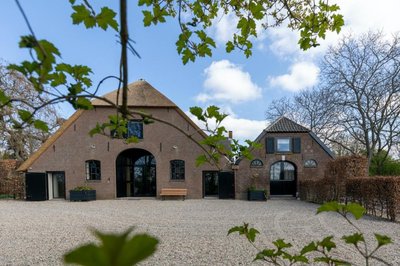
Het Rentmeestershuis
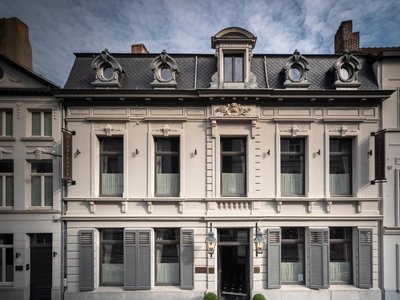
CH Longstay 2
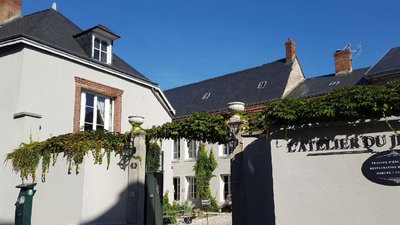
Au Jeu de Paume
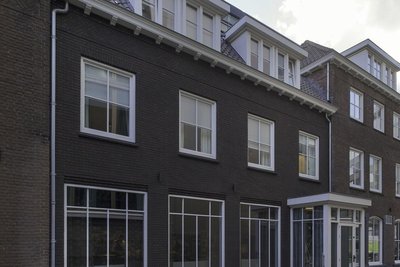
Little Grand
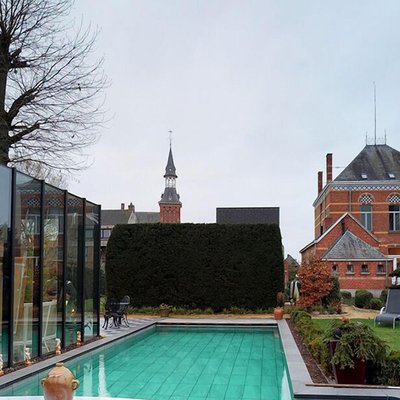
Art of Dreams Deluxe 4 Stars
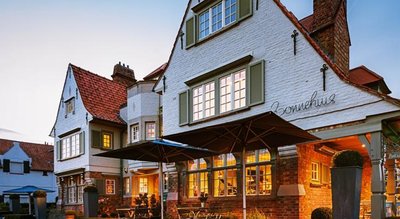
Romantik B&B Zonnehuis
Frequently Asked Questions about Traveling to Westkapelle
Questions You Might Need to Know About Traveling to Westkapelle
For a peaceful countryside retreat in Westerveld, stay near Het Oude Huis B&B, a charming 18th-century farmhouse turned boutique guesthouse. Nestled among rolling meadows and reed-filled wetlands, it offers authentic Dutch rural charm with handcrafted furnishings, locally sourced breakfasts, and serene nature walks right outside your door. The surrounding area is perfect for cycling along quiet country lanes and spotting birds like herons and kingfishers.
Alternatively, choose De Vliegende Hollander Hotel, located in the heart of Westerveld, featuring modern architecture with floor-to-ceiling windows overlooking protected wetlands. This eco-conscious hotel emphasizes sustainability, serving organic meals made from regional produce. Both properties provide free bicycle rentals—ideal for exploring the hidden trails and historic villages of eastern Netherlands. Located just 20 minutes from Arnhem, you’ll enjoy tranquility without sacrificing accessibility.
Near Westerveld, the highlight is the expansive wetland and reed marsh ecosystem, especially vibrant during spring and autumn when migratory birds such as white storks and kingfishers gather. Visit Natuurreservaat Westerveld, a protected nature reserve offering elevated wooden boardwalks and observation towers for close-up wildlife viewing.
A short drive away, Hoge Veluwe National Park (35 km) features pristine forests, sandy dunes, and the renowned Kröller-Müller Museum, whose outdoor sculpture garden blends art seamlessly with nature. Locally, hike through Bosch en Duin, a network of forest trails where wild goats and deer roam freely. Early morning or late afternoon visits offer ideal lighting for photography and increased chances of spotting wildlife. These areas exemplify the untouched beauty of eastern Netherlands.
To immerse yourself in authentic Dutch countryside life in Westerveld, stay at a family-run farm B&B like De Gouden Koe, where hosts prepare traditional Dutch breakfasts: fried potatoes with homemade jam, local cheese platters, and freshly baked bread. Some farms offer hands-on experiences such as milking cows, feeding chickens, and harvesting vegetables—perfect for families seeking meaningful connection with rural traditions.
Visit weekend craft markets in nearby villages like Oosterbeek or Bergen op Zoom to discover handmade pottery, woven baskets, and wooden carvings from local artisans. In the evening, enjoy a pint of regional craft beer at a traditional village tavern, often featuring live folk music. Many B&Bs also organize night sky tours—due to minimal light pollution, the starry skies here reveal the Milky Way clearly. These activities offer a genuine taste of the slow, rooted rhythm of Dutch rural living.
For family travel, Het Oude Huis B&B stands out with spacious family suites, child-safe doors, and a dedicated play area. The hosts design fun scavenger hunts using hand-drawn maps and nature-themed challenges that spark curiosity in children. Outside, a small farm lets kids feed rabbits and collect fresh eggs—hands-on learning in a safe environment.
Another top pick is De Vliegende Hollander Family Lodge, offering private wooden cabins with kitchens, backyards, and playground equipment including slides and swings. Daily family activities include building Dutch windmills and singing local folk rhymes. Nearby, child-friendly trails and wetland viewing platforms allow parents to relax while kids explore safely. All facilities are wheelchair-accessible, making it ideal for multigenerational stays. Plus, the hotel offers cribs and customized kid meals—ensuring comfort for every member of the family.
In Westerveld, must-try local dishes include Stamppot met worst—a hearty dish of mashed potatoes layered with smoked sausage and kale, rich in flavor and perfect for cold days. Try it at De Gouden Koe Restaurant, run by local farmers who source ingredients directly from their own farm and garden.
Another regional specialty is Haring van de Veluwe, salt-cured herring served raw with onions and pickles—a classic northern Dutch delicacy. Available at weekly farmers’ markets on Wednesdays and local stalls.
Don’t miss Honingschouw, a traditional honey cake made with lavender and apple pieces by local beekeepers. Many B&Bs serve it with homemade jam and warm milk during afternoon tea. Each bite reflects the terroir of the region and the craftsmanship of its rural producers. These dishes are more than food—they’re stories of land, labor, and heritage.
The best times to visit Westerveld are spring (April–June) and autumn (September–November). Spring brings renewed life to the wetlands and farmlands, with migratory birds returning and lush greenery emerging—ideal for birdwatching and photography. Temperatures are mild, perfect for hiking and cycling.
Autumn offers crisp air and stunning foliage, as trees turn golden across the forests and wetlands. Late October provides dramatic lighting, creating painterly scenes. This is also mushroom-foraging season; some B&Bs offer guided forest walks to find wild fungi, followed by a seasonal meal prepared on-site.
Summer (July–August) sees higher tourist numbers and warmer days, better suited for midday rest. Winter is cold and damp, with many trails closed due to flooding. For optimal balance of weather, scenery, and solitude, plan your trip in late spring or early autumn.
Westkapelle Overview
City Summary
Westpolder is a tranquil village in the Netherlands, renowned for its pastoral landscapes and traditional Dutch culture. With vast farmlands, windmills, and canals, it epitomizes the classic Dutch countryside. Visitors can experience a slow-paced life and enjoy the serenity away from urban hustle.
Must-See Attractions
Key attractions in Westpolder include traditional windmills and canal systems, iconic symbols of the Dutch countryside. Visitors can also explore local farms to learn about Dutch agricultural culture. The village's bike paths are perfect for cycling, offering a deep dive into the surrounding natural beauty.
Food Guide
In Westpolder, you can savor traditional Dutch cuisine, such as Poffertjes (mini pancakes) and Hutspot (stewed beef). Local farmhouse cheese is another highlight, known for its freshness and unique flavor. The village's cafes and restaurants provide a cozy dining experience with authentic Dutch flavors.
Transportation Guide
Transportation in Westpolder primarily relies on bicycles and cars. The village has well-maintained bike paths, making cycling the best way to explore. If arriving from other cities, you can take a train or bus to nearby major towns and then transfer to local transport. Self-driving is also a good option, given the well-developed road network around the village.
Best Time to Visit
The best time to visit is spring and summer (April to September), when the weather is mild and the countryside is at its most beautiful. Autumn (October to November) is also a good choice, with fewer tourists and a peaceful atmosphere.
Travel Tips
- Respect local culture: Dutch people value privacy and politeness; avoid disturbing residents.
- Bike etiquette: Follow traffic rules and watch for pedestrians when cycling.
- Environmental awareness: The Dutch are eco-conscious; do not litter.
- Weather preparation: Dutch weather is unpredictable; carry rain gear.
- Language: While English is widely spoken, learning a few Dutch phrases is appreciated.
Useful Information
The primary language in Westpolder is Dutch, but most residents speak fluent English. Internet coverage is excellent, with free Wi-Fi available in most cafes and restaurants. For payments, credit cards and cash are widely accepted, but cash is preferred for small transactions. Emergency services can be reached by dialing 112, and local medical facilities are well-equipped. Travel insurance is recommended for unexpected situations.