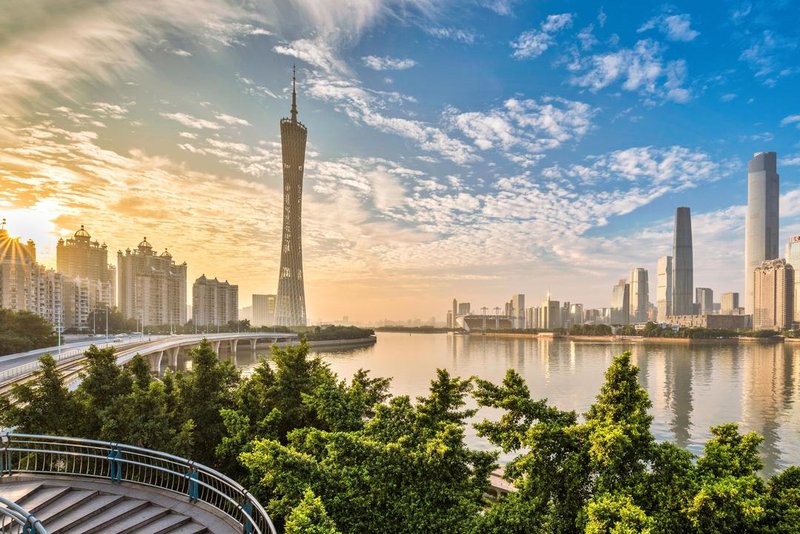
Hotels in Wetzlar
Discover your perfect stay in Wetzlar.
Wetzlar(Germany) Travel 2026: Cheap Flights, Hotels & Top Attractions
Popular Landmarks in Wetzlar
Discover the most iconic attractions in Wetzlar
Recommended Hotels in Wetzlar
Find the perfect place to stay in Wetzlar
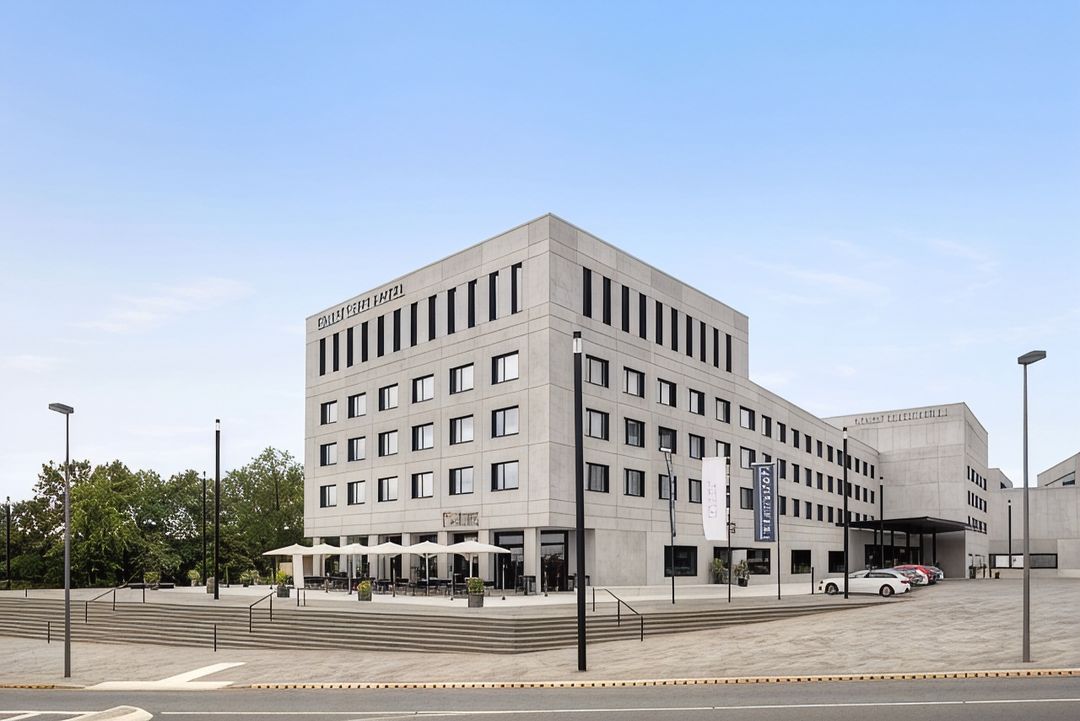
Vienna House by Wyndham Ernst Leitz Wetzlar
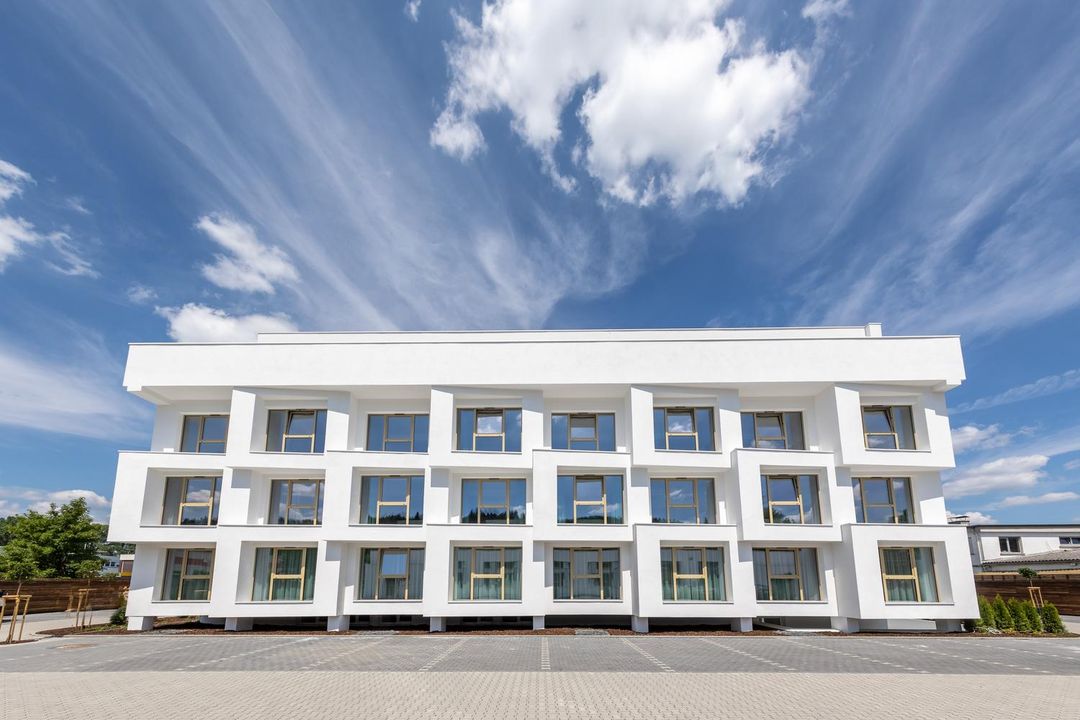
Trip Inn Conference Hotel & Suites
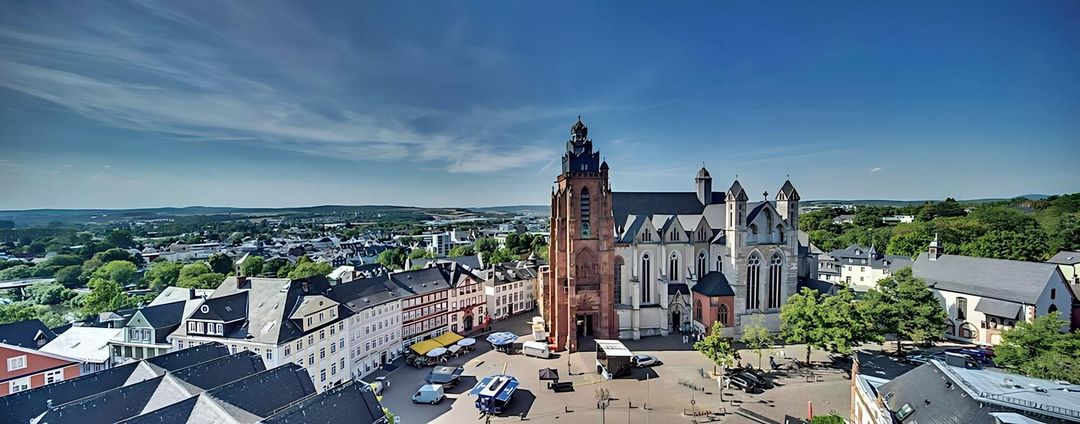
Best Western Hotel Wetzlar
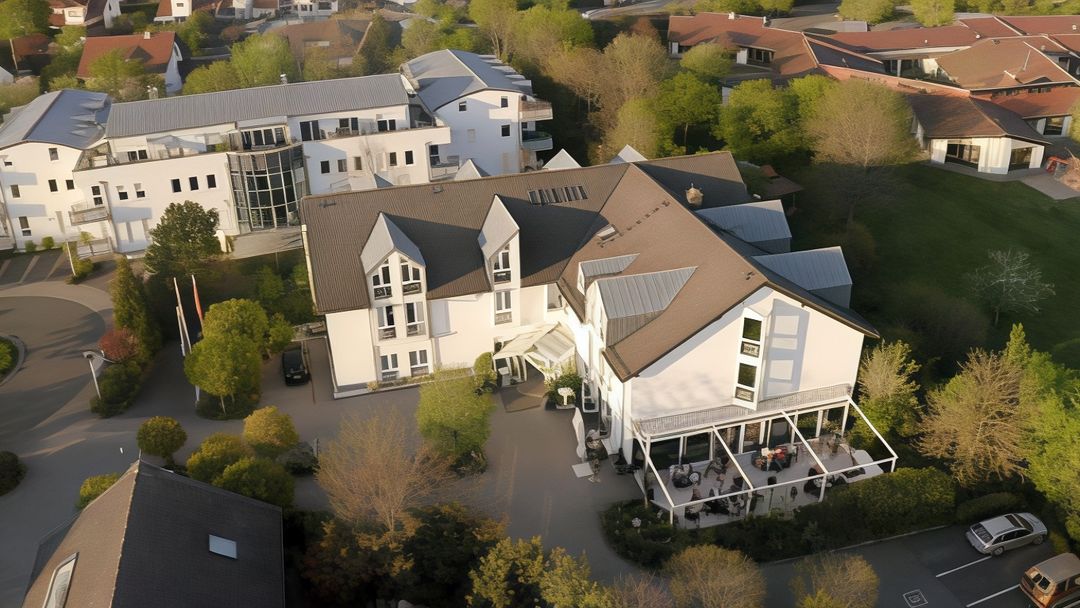
Hotel Blankenfeld
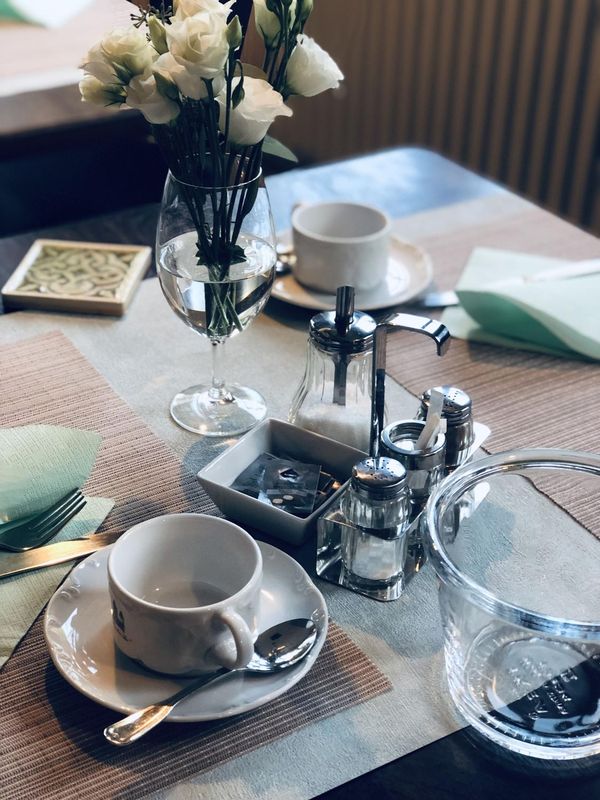
Hotel Altstadt Wöllbacher Tor
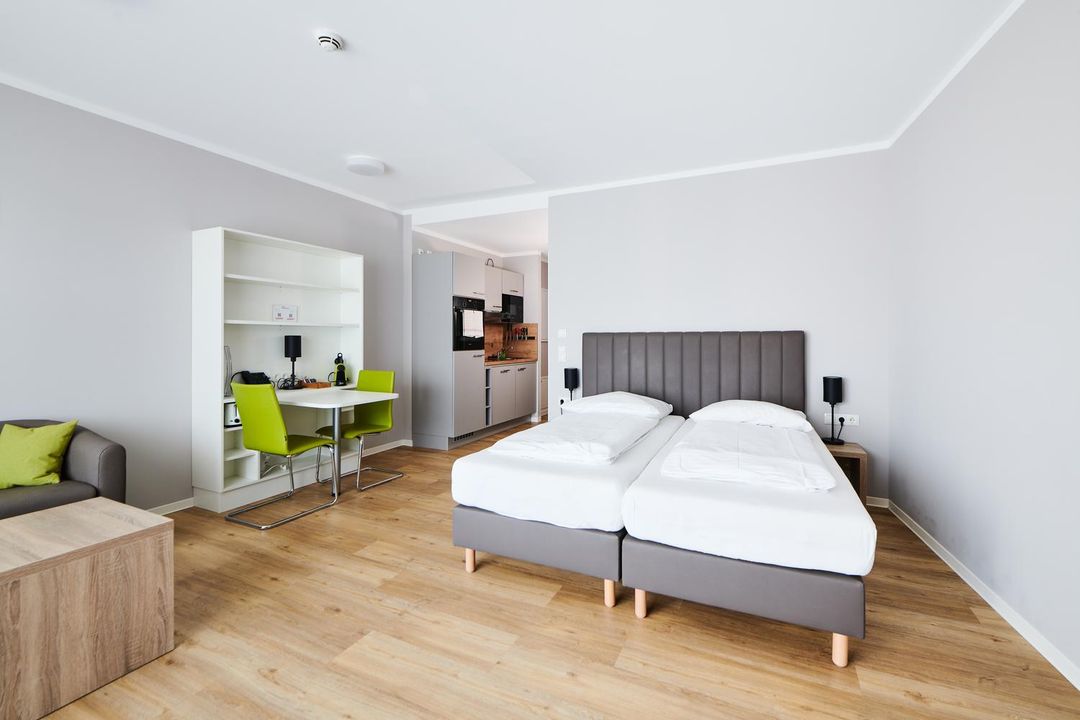
Adapt Apartments Wetzlar
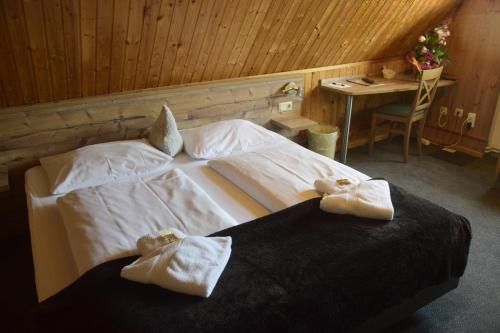
Pension Domblick
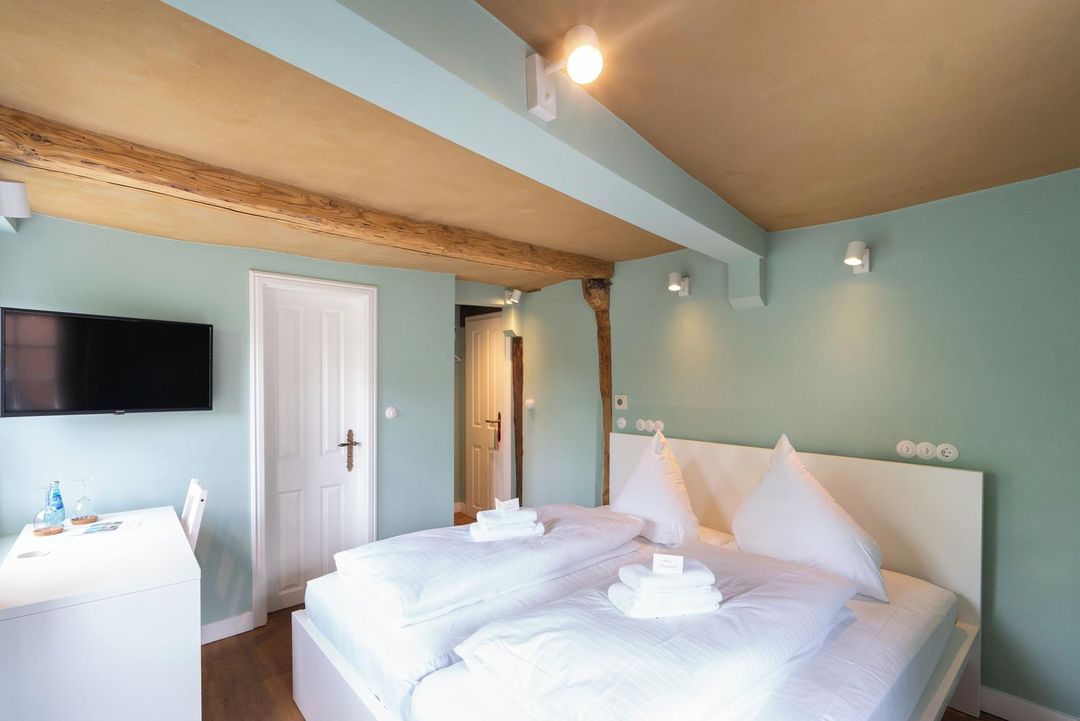
Boutique-Hotel Stadtherberge Wetzlar
Best Hotels in Wetzlar
Discover curated hotel collections in Wetzlar
Corinthia Grand Hotel Astoria Brussels
Rocco Forte Hotel Amigo
Steigenberger Icon Wiltcher's
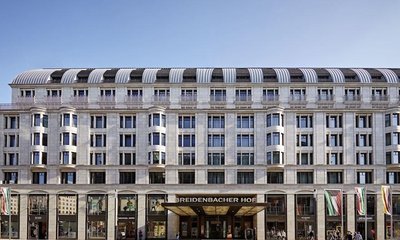
Small Luxury Hotels of the World - Breidenbacher Hof
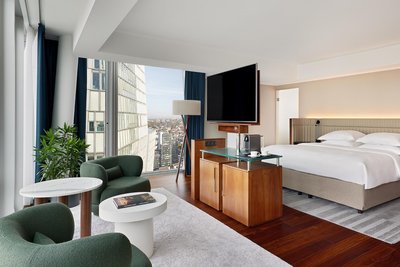
JW Marriott Hotel Frankfurt
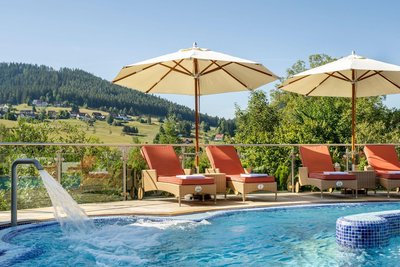
Hotel Bareiss
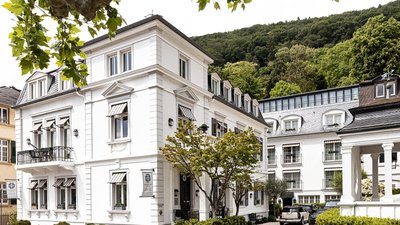
House of Hütter - Heidelberg Suites & Spa
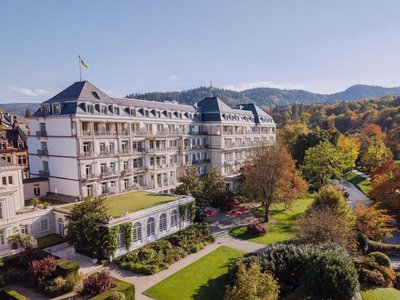
Brenners Park-Hotel & Spa - an Oetker Collection Hotel
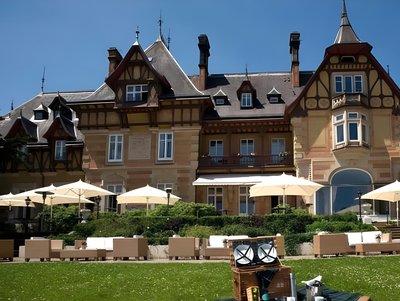
Villa Rothschild, Autograph Collection

Der Öschberghof - Die 101 Besten Hotels
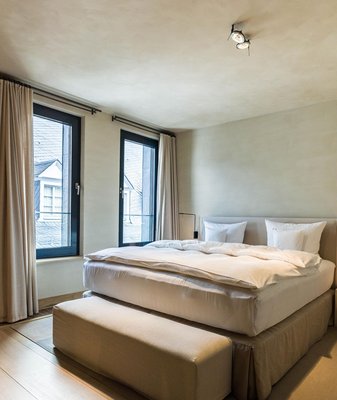
Hotel Purs
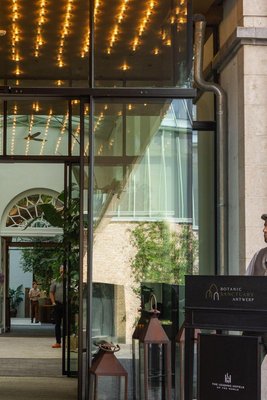
Botanic Sanctuary Antwerp
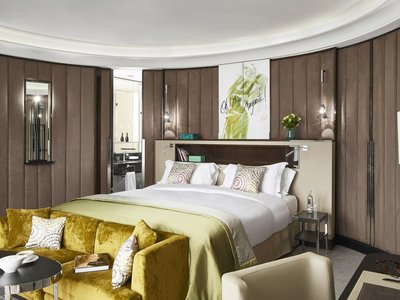
Sofitel Frankfurt Opera
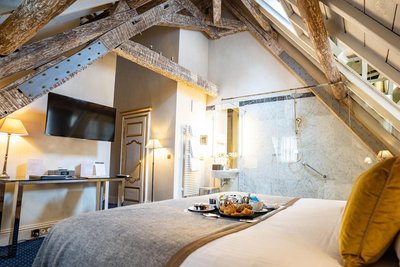
Hotel le Place d'Armes - Relais & Châteaux
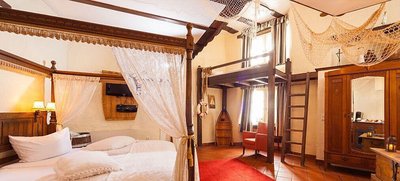
Märchenhotel
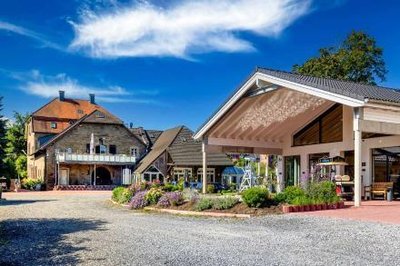
Landhaus Grum
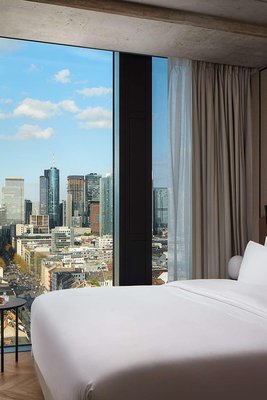
NH Collection Frankfurt Spin Tower
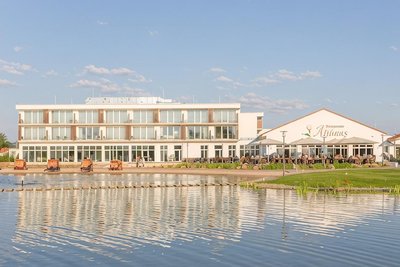
Hotel Absolute
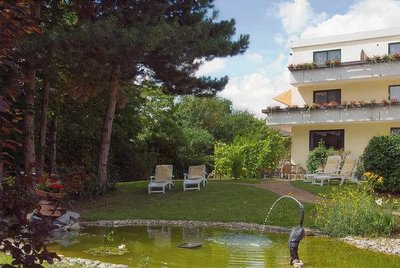
Parkhotel Sonnenberg
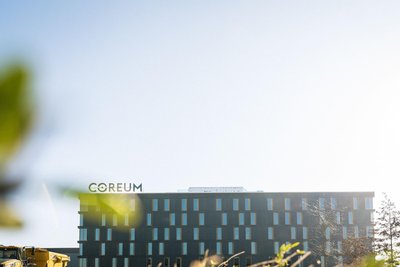
Coreum Hotel
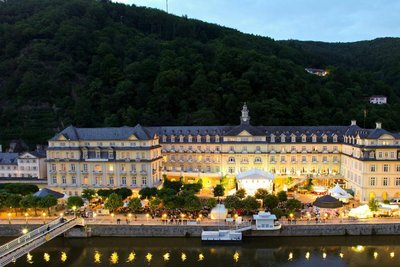
Häcker's Hotel
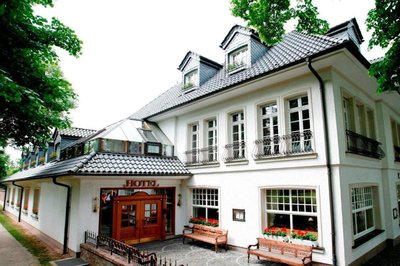
Hotel "Schloss Friedestrom"
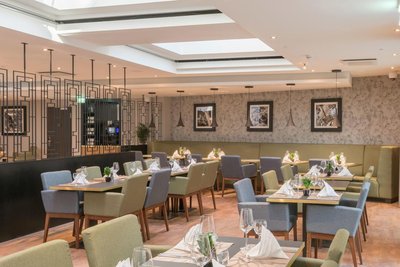
Hilton Garden Inn Frankfurt City Centre
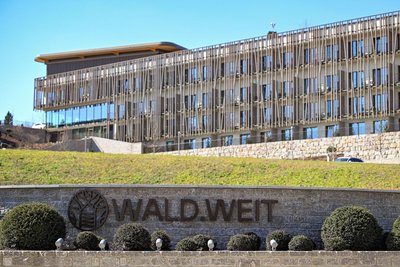
WALDWEIT Rheingau Hotel und Retreat
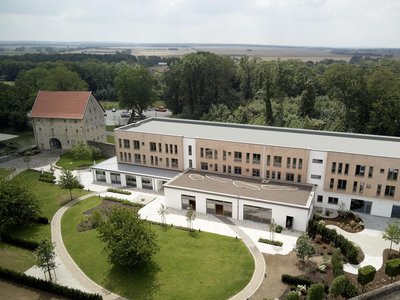
Hotel Rittergut Stoermede
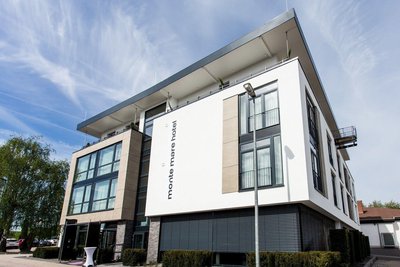
Monte Mare Sauna-Spa-Sports-Hotel
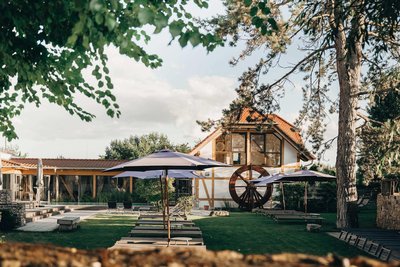
Jordan's Untermühle
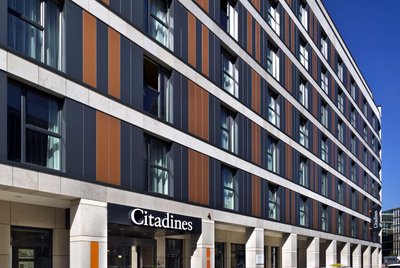
Citadines City Centre Frankfurt
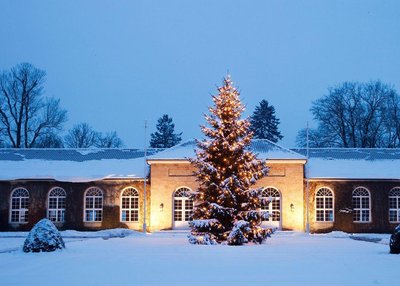
Gräflicher Park Health & Balance Resort
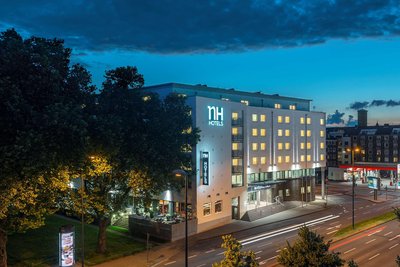
NH Koeln Altstadt
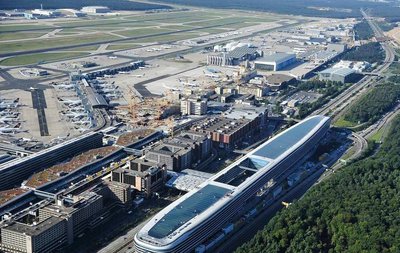
Hilton Garden Inn Frankfurt Airport
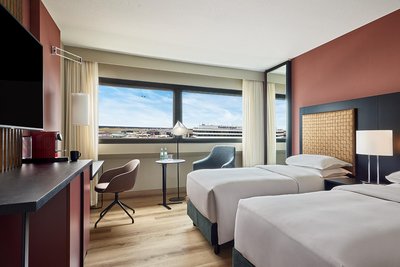
Sheraton Frankfurt Airport Hotel & Conference Center
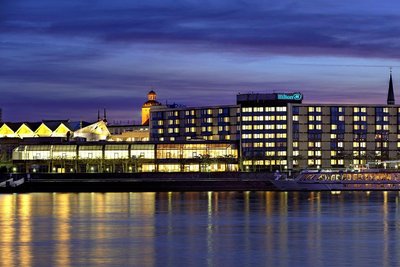
Hilton Mainz
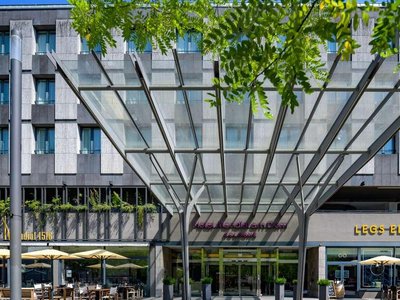
Mondial am Dom Hotel Cologne - MGallery Collection
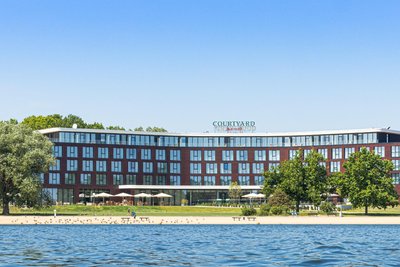
Courtyard Wolfsburg
Hilton Mainz
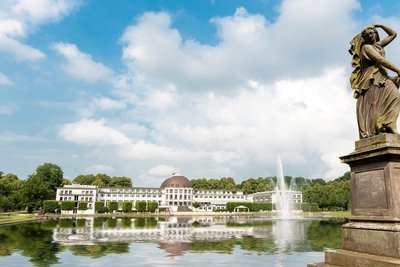
Parkhotel Bremen – ein Mitglied der Hommage Luxury Hotels Collection
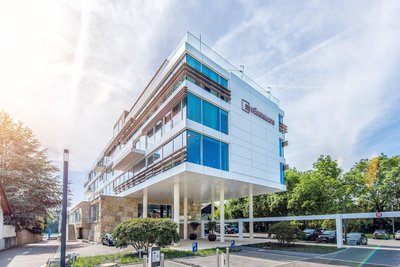
Fährhaus
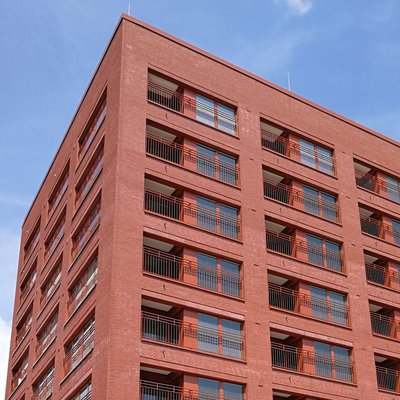
The Flag Oskar M.
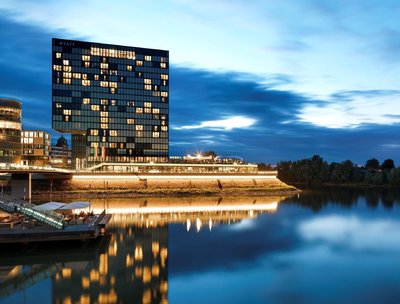
Hyatt Regency Dusseldorf
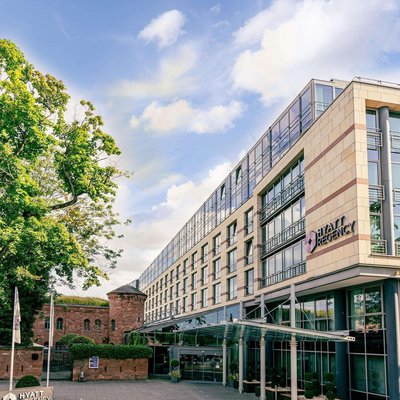
Hyatt Regency Mainz
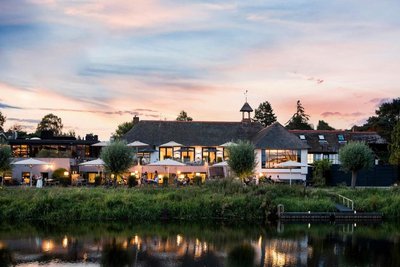
Mooirivier
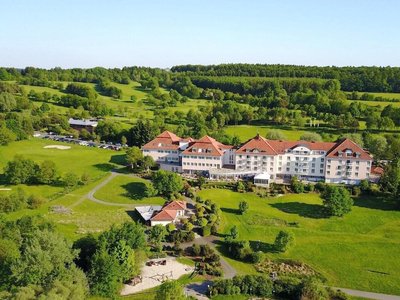
Golf- Und Sporthotel Wiesensee
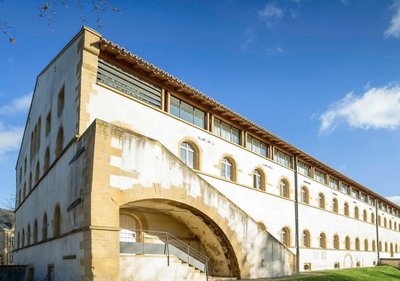
Hôtel la Citadelle Metz - MGallery Collection
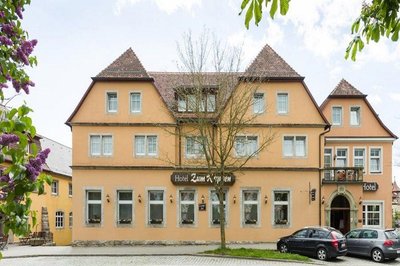
Hotel Rappen Rothenburg ob der Tauber
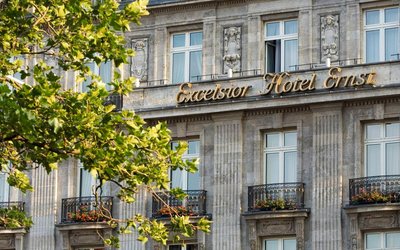
Excelsior Hotel Ernst am Dom
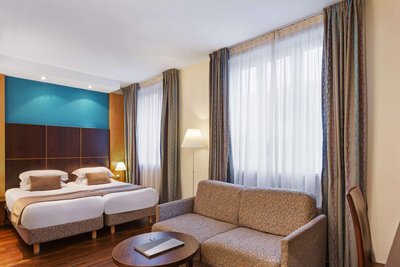
Best Western Plus Monopole Metropole
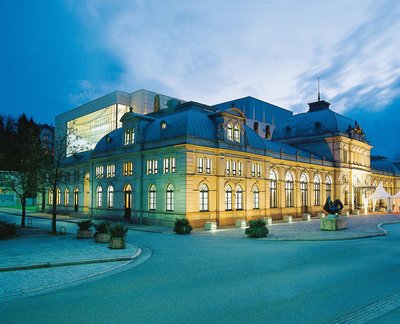
Hotel der Kleine Prinz
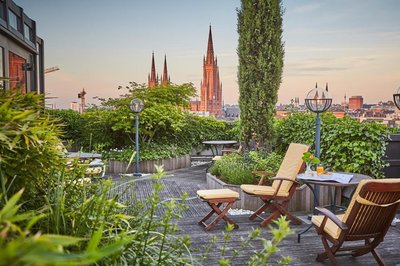
Hotel Nassauer Hof
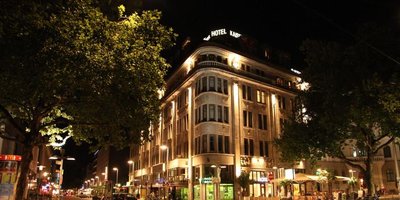
Central-Hotel Kaiserhof
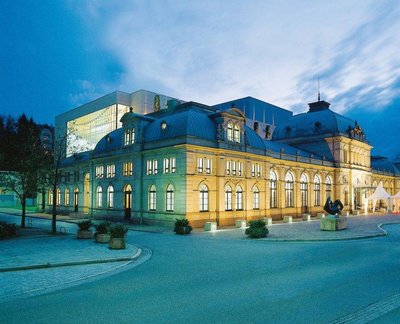
Hotel Belle Epoque
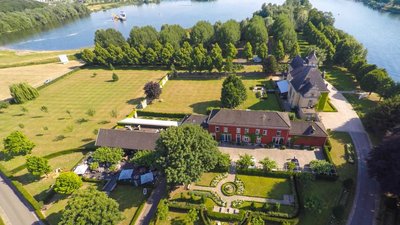
Landgoed Kasteel de Hoogenweerth
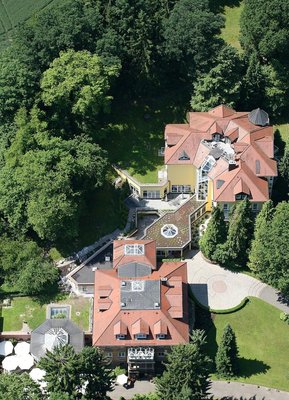
Hotel-Restaurant Villa Hammerschmiede
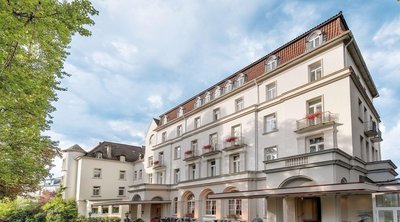
Rheinhotel Dreesen
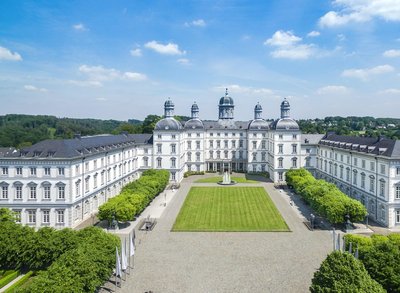
Althoff Grandhotel Schloss Bensberg
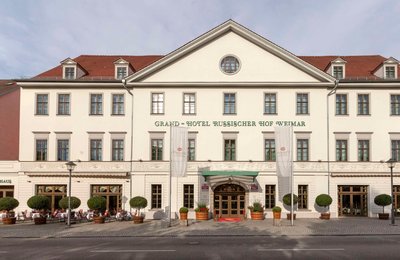
Best Western Premier Grand Hotel Russischer Hof
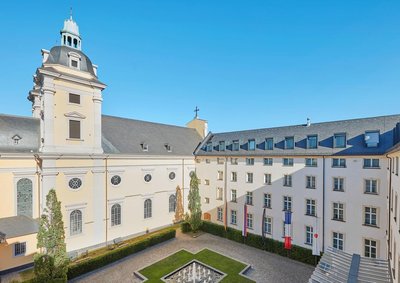
Living Hotel de Medici
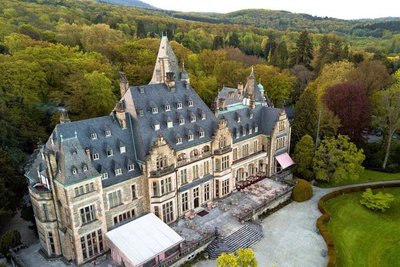
Schlosshotel Kronberg - Hotel Frankfurt
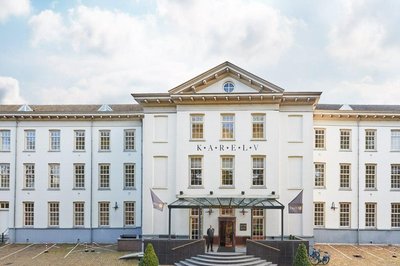
Grand Hotel Karel V
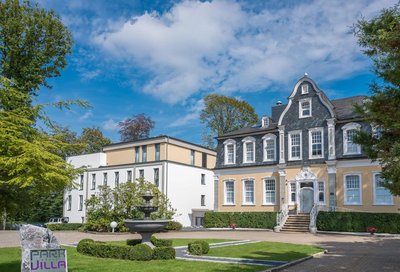
Park Villa
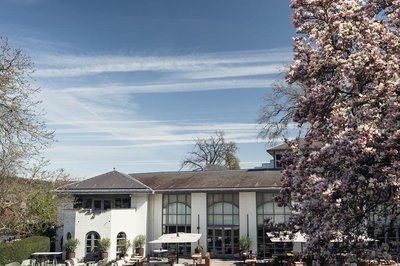
Hotel Bloemendal
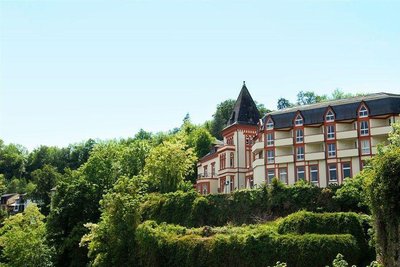
Hotel Schloss Rheinfels
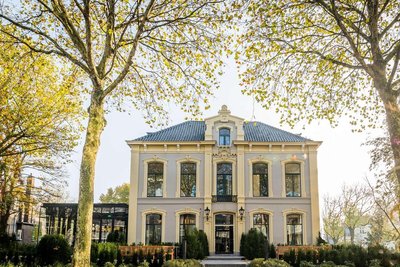
Pillows Grand Boutique Hotel Ter Borch Zwolle
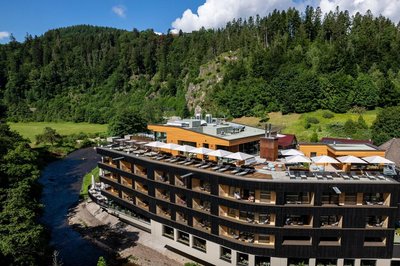
Sackmann Genuss Und Spa Resort
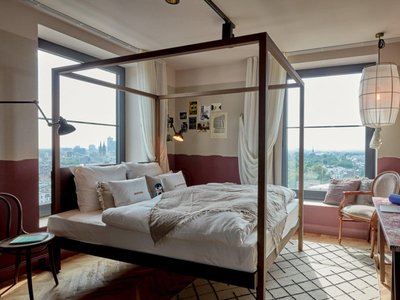
25Hours Hotel Duesseldorf Das Tour
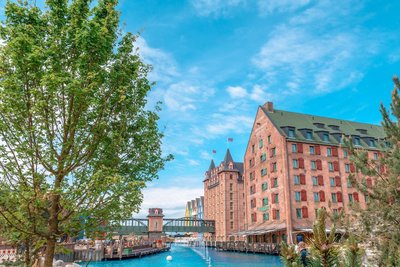
Europa-Park Freizeitpark & Erlebnis-Resort, Hotel Krønasår
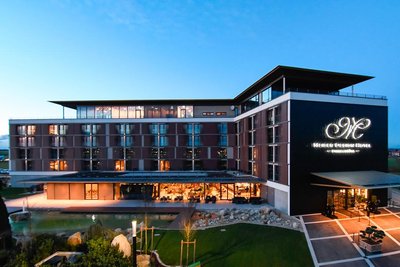
Meiser Design Hotel
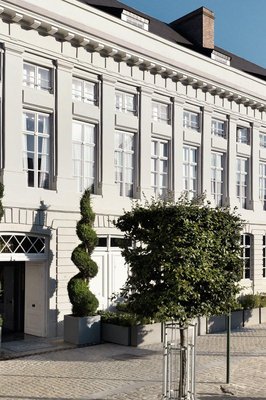
Juliana Hotel Brussels
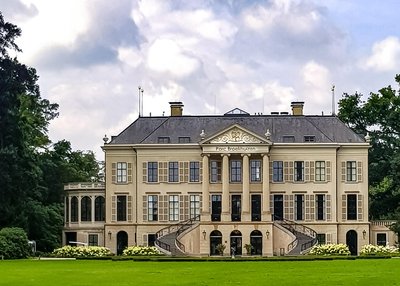
Parc Broekhuizen l Culinair Landgoed
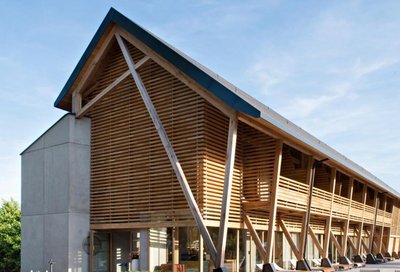
Hotel des Berges, Restaurant Gastronomique & Spa
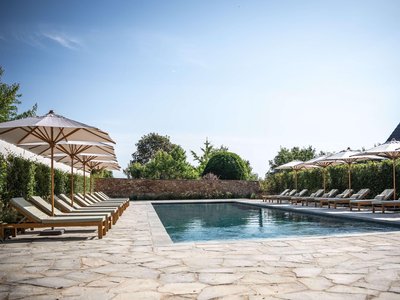
5 Terres Hôtel & Spa - MGallery
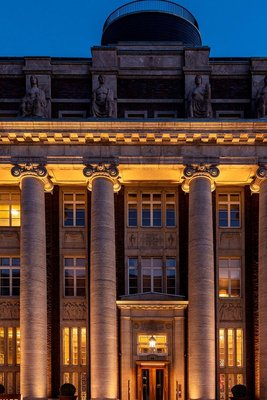
The Wellem Dusseldorf, Part of Hyatt
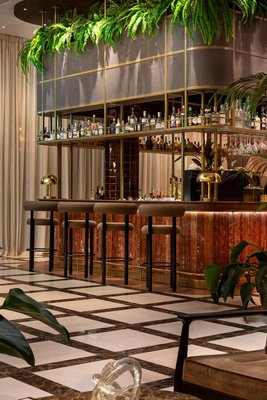
Brunfels Hotel, in the Unbound Collection by Hyatt
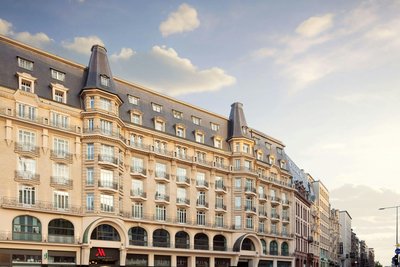
Luxembourg Marriott Hotel Alfa
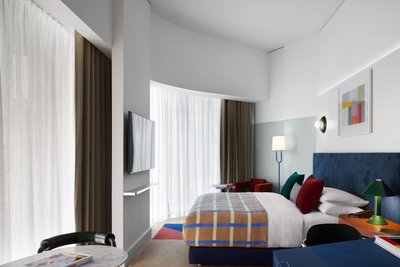
Kimpton Main Frankfurt
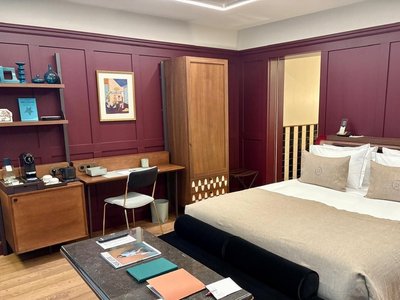
Faubourg 21
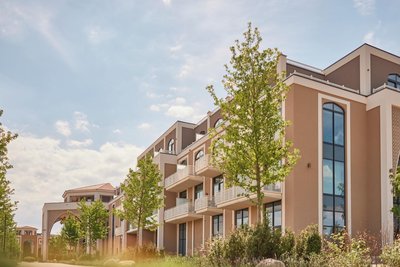
Hotel Thermen Berendonck
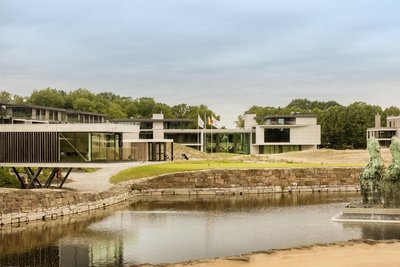
Radisson Collection Hotel, The National Brussels
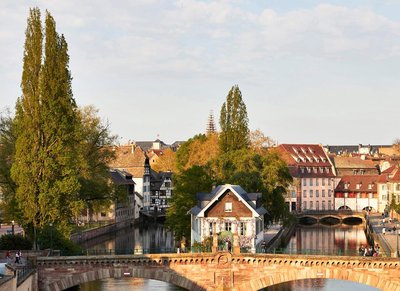
Hôtel & Spa RÉGENT Petite France
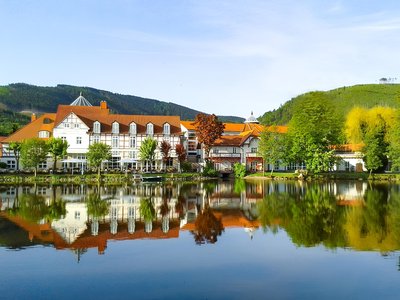
Landhaus Zu Den Rothen Forellen
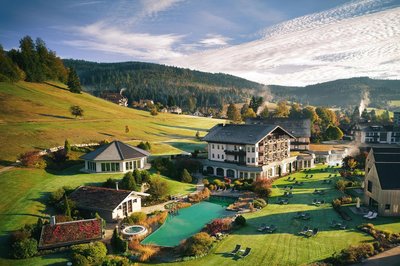
Wellness & Genuss Resort - Engel Obertal
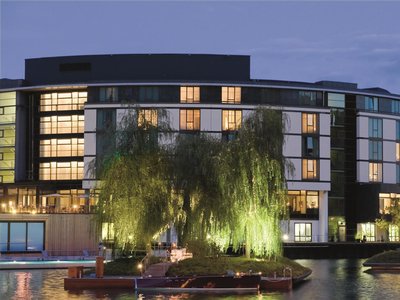
The Ritz-Carlton, Wolfsburg
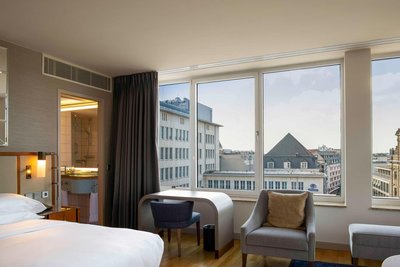
Hilton Cologne
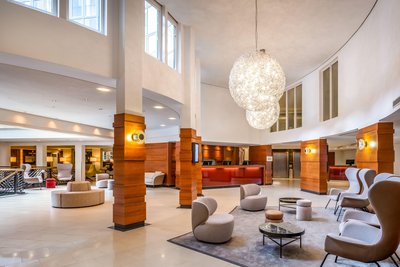
Cologne Marriott Hotel
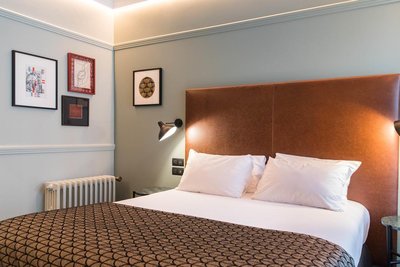
Maison Rouge Strasbourg Hotel & Spa, Autograph Collection
Excelsior Hotel Ernst am Dom
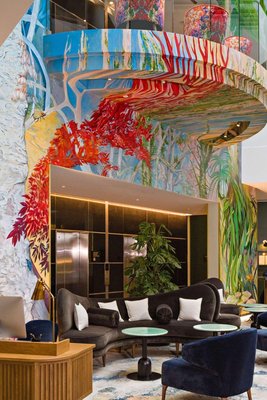
Sofitel Brussels Europe
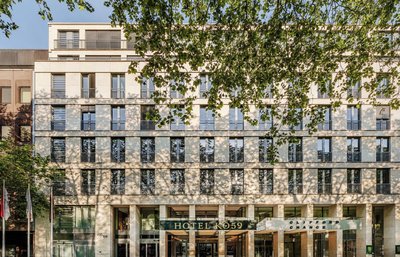
Hotel Ko59 Dusseldorf - Member of Hommage Luxury Hotels Collection
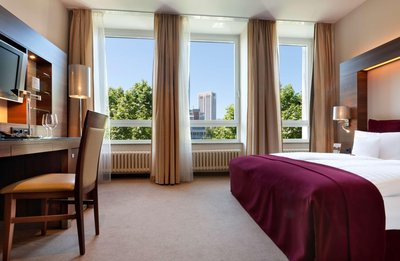
Flemings Selection Hotel Frankfurt-City
Hyatt Regency Dusseldorf
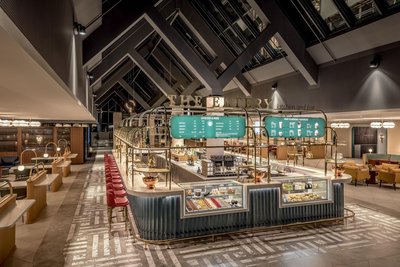
Frankfurt Airport Marriott Hotel
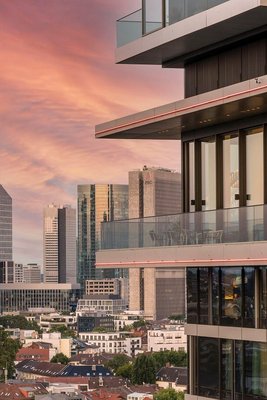
Melia Frankfurt City
Sofitel Frankfurt Opera
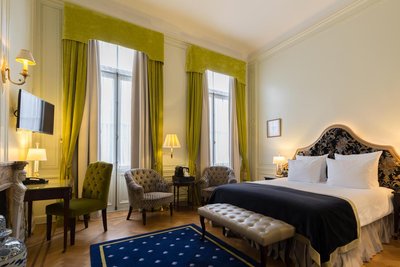
Stanhope Hotel Brussels by Thon Hotels
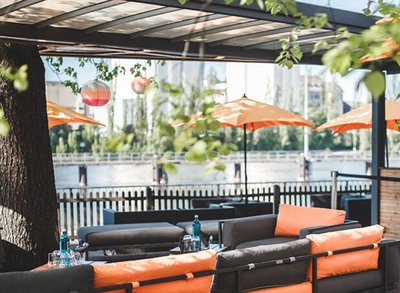
Hotel Gerbermühle
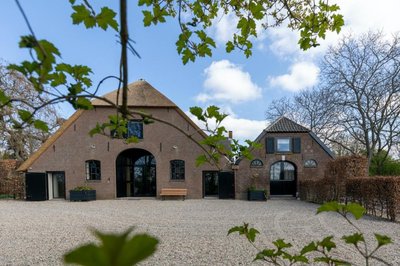
Het Rentmeestershuis
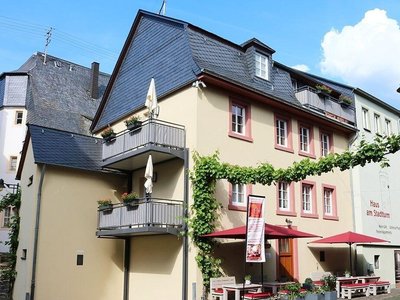
Haus am Stadtturm
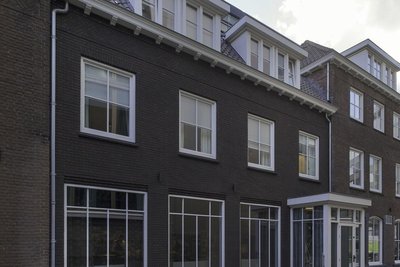
Little Grand
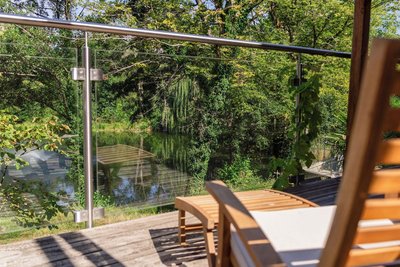
Domaine de la Résidence Hotel Spa & Restaurant
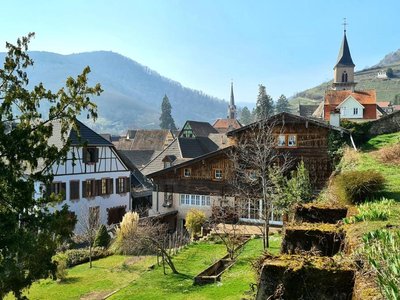
La Grange du Couvent B&B
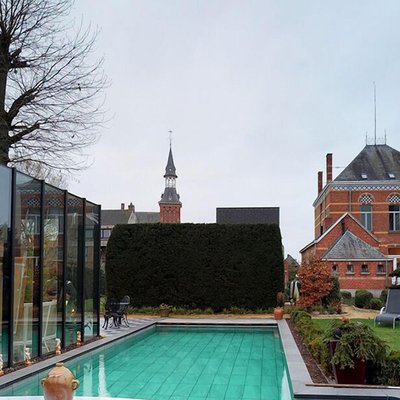
Art of Dreams Deluxe 4 Stars

Hotel Barrière Fouquet's New York

The Plaza - A Fairmont Managed Hotel

The Ritz-Carlton New York, Central Park

Four Seasons Hotel New York

The St. Regis New York

Park Hyatt New York

Mandarin Oriental New York
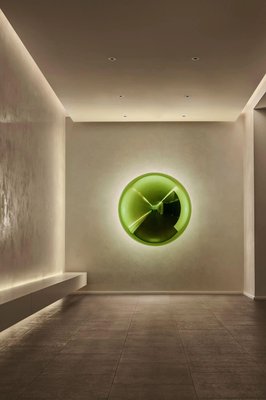
Times Square Edition New York
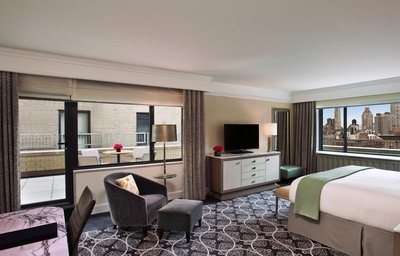
Loews Regency New York Hotel

Lowell Hotel

New York Edition

Baccarat Hotel New York
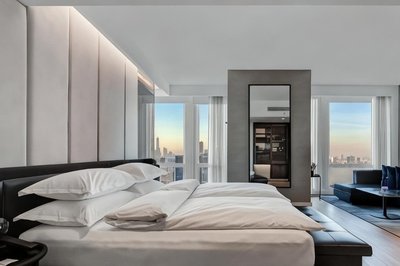
Equinox Hotel New York
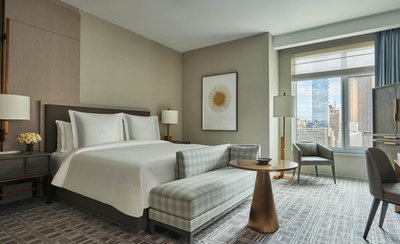
Four Seasons Hotel New York Downtown
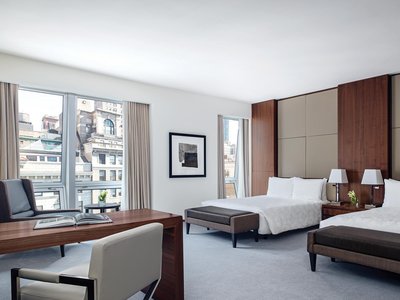
The Langham, New York, Fifth Avenue
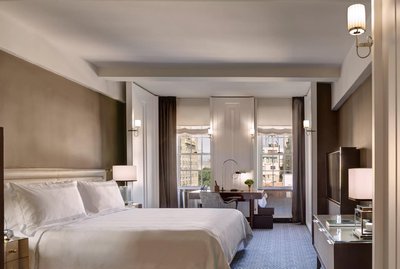
The Carlyle, A Rosewood Hotel

The Chatwal, in the Unbound Collection by Hyatt
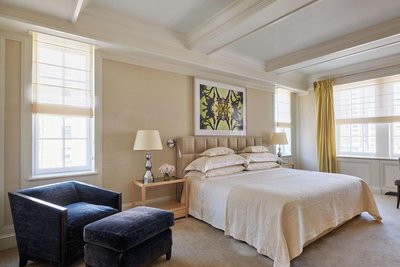
The Mark New York
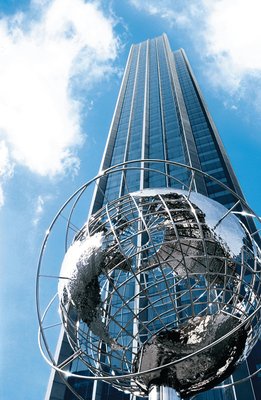
Trump International Hotel & Tower® New York
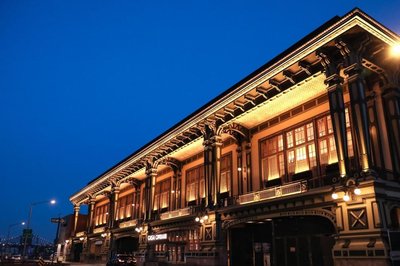
Casa Cipriani New York
Frequently Asked Questions about Traveling to Wetzlar
Questions You Might Need to Know About Traveling to Wetzlar
For first-time visitors, staying in the historic city center of Wetzlar is ideal. This area offers easy access to landmarks like the Wetzlar Cathedral (St. Mary's Church) and the Municipal Palace, with charming cobblestone streets and boutique cafés. Many guesthouses, such as Hotel am Markt, combine traditional German architecture with modern comforts. Walking distance to the Ludwig Museum and the Zum Kranz cultural quarter makes it perfect for exploring local heritage and craftsmanship—especially the famed Carl Zeiss optics history.
Hotel Alte Post provides exceptional views of Wetzlar’s old town from its upper-floor windows. Located just steps from the Market Square and St. Nicholas Church, this 19th-century building blends period charm with contemporary amenities. Guests can enjoy panoramic vistas of half-timbered houses, church spires, and the Moselle River valley. The hotel also hosts guided heritage walks focusing on the city’s role in optical innovation and medieval trade routes.
Yes, Carl Zeiss Hotel Wetzlar is uniquely themed around the city’s legacy in optical engineering. Housed in a former employee residence of the Carl Zeiss company, the hotel features exhibits of vintage microscopes, lenses, and camera prototypes throughout its corridors. Guests can participate in "Optics Discovery" workshops, including hands-on sessions with restored 19th-century telescopes. The hotel’s design incorporates industrial motifs with modern sustainability features, making it a must-stay for tech and history enthusiasts.
For authentic Hessian cuisine, visit Zum Kranz in the Klausburg Square area. This historic tavern serves traditional dishes like Hessian pork knuckle with sauerkraut, wild mushroom dumplings, and local craft beer aged in century-old oak barrels. Every evening, live folk music performances feature regional melodies from the Rhineland and Black Forest. Along Schlossstraße, restaurants such as Gasthaus zur Alten Mühle offer innovative takes on Hessian classics using ingredients sourced directly from nearby farms, including wild mushrooms and free-range quail eggs.
Wetzlar is highly accessible via public transit. The city operates a light rail (Stadtbahn) connecting central districts with surrounding neighborhoods, seamlessly integrating with regional rail lines to Frankfurt, Cologne, and Mainz. Wetzlar Hauptbahnhof station offers frequent high-speed services across Germany’s rail network. Most attractions lie within a 15-minute walk from the city center. For drivers, the A3 and A4 motorway junction is just 1 km away, with ample free parking available near major sites like the Moselle Valley and Hirschberg Castle.
Familienhotel Wetzlar Park is ideal for families, located next to a lush green park with playgrounds, sand pits, and a children’s gardening zone. The hotel offers complimentary cribs, baby cutlery, and spacious rooms accommodating up to four guests. Daily "Young Scientist Workshops" let kids experiment with simple lenses and optical toys, celebrating Wetzlar’s legacy in optics. Nearby attractions include a children’s zoo and scenic trails along the Moselle River, perfect for picnics and nature walks. Safe, educational, and welcoming—ideal for multi-generational travel.
The highlight of spring in Wetzlar is the Rosenfest (Rose Festival) held over the first weekend of May in the Market Square. The entire city blooms with vibrant rose displays, flower-covered arches, and illuminated lanterns. Craft markets showcase traditional Hessian pottery, embroidery dolls, and handmade soaps. Live performances include folk dances, operatic excerpts, and concerts by the Carl Zeiss Orchestra. The Klausburg Castle hosts special night tours and a themed costume ball, "Night of Roses," where visitors can dress in medieval attire and experience a romantic celebration of German rural spring traditions.
Near Wetzlar, the Moselsteig Trail offers breathtaking views of limestone cliffs and terraced vineyards along the Moselle River, with panoramic overlooks of the Klausburg ruins. For hiking and tranquility, Hirschberg Forest features ancient woodlands, clear streams, and rare flora like the Cornus sanguinea (bloodtwig dogwood). Guided ecological tours reveal native species such as the European red squirrel. For quiet reflection, the lakeside path near St. Peter’s Abbey Ruins provides serene walking amid morning mist and echoing church bells—perfect for spiritual or creative inspiration.
Shopping in Wetzlar centers on handcrafted goods and historical replicas. Around the Market Square, independent boutiques sell authentic Hessian ceramics, embroidered textiles, and replica optical instruments from the Carl Zeiss era. The Zeiss-Museum Shop offers limited-edition models of 19th-century microscopes—ideal for collectors or gifts. On weekends, the Old Town Market features local farmers selling fresh strawberries, blackberries, and artisanal honey. Along Buchhandlungsgasse, dozens of specialty bookshops specialize in rare manuscripts and vintage prints—making it a haven for bibliophiles.
Wetzlar boasts rich cultural institutions. The Ludwig Museum houses significant works of German Expressionism, including original pieces by Kirchner and Munch. The Carl Zeiss Museum chronicles the evolution of optical technology—from the first microscope built in 1860 to modern astronomical lenses. Inside the Klausburg Ruins, a medieval artifact gallery displays weapons, clothing, and daily tools from the 13th century. Additionally, the city hosts an annual contemporary artist residency program, inviting international creators to develop interactive installations, transforming Wetzlar into a dynamic fusion of historical depth and modern creativity.
Wetzlar Overview
City Summary
Wetzlar is a historic city in Hesse, Germany, renowned for its medieval architecture and optical industry. Situated on the Lahn River, the city boasts rich cultural heritage and natural scenery. Wetzlar is the birthplace of the famous Leica camera and was once home to Goethe, blending literary and industrial charm.
Must-See Attractions
Must-see attractions in Wetzlar include the Wetzlar Cathedral, a Gothic masterpiece reflecting the city's religious history, and the Old Town (Altstadt), with its medieval streets and half-timbered houses. The Leica Camera Museum showcases the evolution of optical technology, a paradise for photography enthusiasts. The scenic Lahn River is perfect for hiking or cycling.
Food Guide
Wetzlar's cuisine combines traditional Hessian flavors. Try Handkäse mit Musik (cheese with onions and vinegar) and Grüne Soße (green sauce served with potatoes and eggs). Street food like Bratwurst (grilled sausage) and Apfelwein (apple wine) are also popular. Local breweries and wineries offer authentic drinks.
Transportation Guide
Wetzlar's public transport relies on buses, covering major attractions. The train station (Wetzlar Bahnhof) connects to other German cities. Walking or biking is ideal for exploring the Old Town. Taxis are expensive; consider public transport or car rentals. The Lahn River has dedicated bike paths for outdoor enthusiasts.
Best Time to Visit
The best times to visit are spring (April-June) and autumn (September-October), with mild weather and beautiful scenery. Summer (July-August) is crowded, while winter (December-February) is cold but festive with Christmas markets.
Travel Tips
- Wetzlar's Old Town has narrow streets; wear comfortable shoes.
- Respect local culture by staying quiet in churches.
- Apfelwein is a local specialty but has high alcohol content; drink moderately.
- Cash and cards are accepted, but small shops may only take cash.
- Germans value punctuality; arrive on time for reservations.
- Bike lanes are separate from sidewalks; follow signage when cycling.
Useful Information
Language: German is primary, but English is understood in tourist areas. Internet: Free Wi-Fi hotspots are available but limited; consider a local SIM card. Payment: Credit cards (Visa/Mastercard) are widely accepted, but carry some cash. Emergency: Dial 112 for medical help; pharmacies are marked with a red "A". Voltage: 230V, with European two-pin plugs; bring an adapter. Time zone: CET (UTC+1), CEST (UTC+2) during daylight saving time.