Hotels in Wiang Chai
Discover your perfect stay in Wiang Chai.
Wiang Chai(Thailand) Travel 2026: Cheap Flights, Hotels & Top Attractions

Wiang Chai Overview
City Summary
Chiang Rai, located in northern Thailand, is renowned for its rich cultural heritage and natural landscapes. As the cradle of Lanna culture, the city boasts numerous ancient temples and traditional handicrafts. The most famous attraction is the White Temple (Wat Rong Khun), a modern temple that attracts global visitors with its pure white architecture and unique artistic style. Additionally, Chiang Rai is known for its serene rural scenery and ethnic minority cultures, making it an ideal destination to explore northern Thai风情.
Must-See Attractions
Must-see attractions in Chiang Rai include the White Temple (Wat Rong Khun), Blue Temple (Wat Rong Suea Ten), and Black House (Baan Dam Museum). The White Temple is a perfect blend of modern art and Buddhist architecture, while the Blue Temple is famous for its vibrant blue decorations and intricate murals. The Black House is an art museum showcasing the fusion of traditional northern Thai art with modern elements. The Chiang Rai Night Bazaar is also a great place to experience local culture and purchase handicrafts.
Food Guide
Chiang Rai's cuisine is dominated by northern Thai flavors. Recommended dishes include "Khao Soi," a rich and slightly spicy coconut curry noodle soup. Street food such as "Sai Oua" (northern Thai sausage) and "Nam Prik Noom" (green chili dip) are also must-tries. The night bazaar is the best place to sample these local delicacies.
Transportation Guide
Transportation in Chiang Rai mainly consists of tuk-tuks, taxis, and motorbike rentals. Tuk-tuks are a convenient option for short trips, but prices should be negotiated in advance. Taxis are suitable for longer distances or group travel, and it's recommended to use taxi apps for bookings. Motorbike rentals are an economical way to explore the surrounding areas, but traffic safety should be noted. Chiang Rai International Airport offers flights to and from Bangkok and other cities, serving as the main gateway to the region.
Best Time to Visit
The best time to visit Chiang Rai is from November to February, when the weather is cool and dry, ideal for outdoor activities. March to May is hotter, while June to October is the rainy season with more rainfall but fewer tourists, making it suitable for those who prefer a quieter experience.
Travel Tips
- Respect local culture by dressing modestly when entering temples.
- Avoid touching people's heads, as it is considered impolite in Thai culture.
- Drink bottled water to ensure hygiene.
- Bargaining at night markets is acceptable, but remain polite.
- Wear helmets and follow traffic rules when renting motorbikes.
- Learning a few basic Thai greetings can help with local interactions.
Useful Information
The official language in Chiang Rai is Thai, but basic English is commonly spoken in tourist areas. Downloading a translation app is recommended. WiFi is widely available, and local SIM cards can be purchased for mobile data. Cash is the primary payment method, though some businesses accept credit cards. For emergencies, Chiang Rai has several internationally standard hospitals, and travel insurance is advised. The voltage is 220V, with plug types A, B, and C, so a converter may be necessary.
Popular Landmarks in Wiang Chai
Discover the most iconic attractions in Wiang Chai
Recommended Hotels in Wiang Chai
Find the perfect place to stay in Wiang Chai

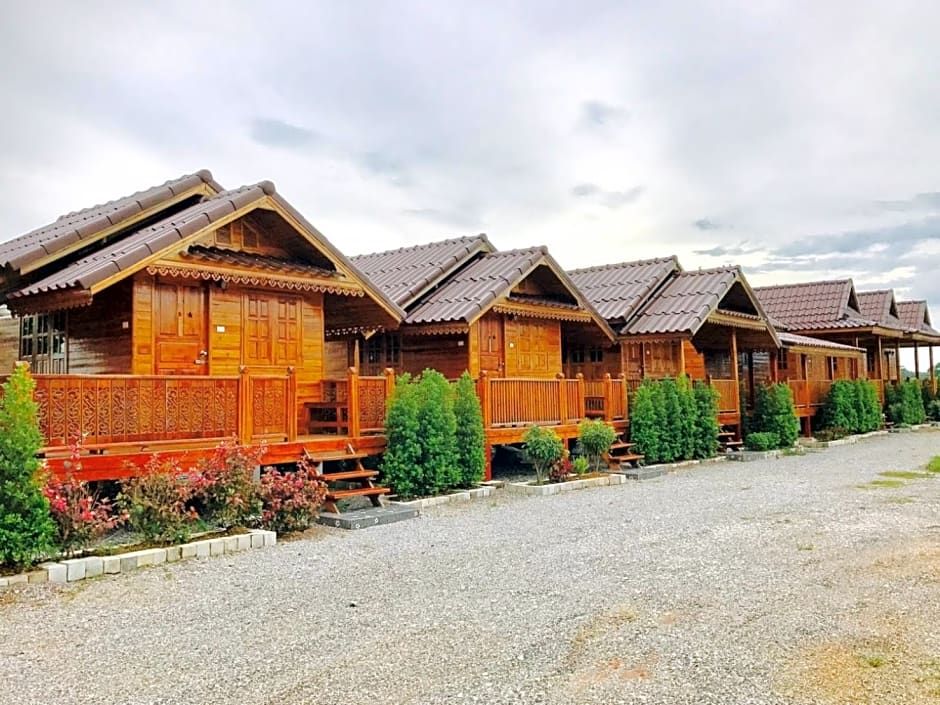
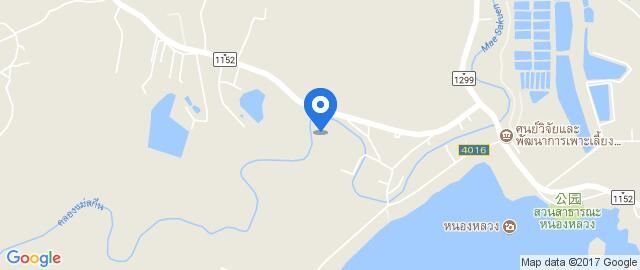
Best Hotels in Wiang Chai
Discover curated hotel collections in Wiang Chai
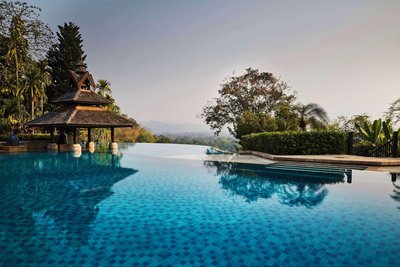

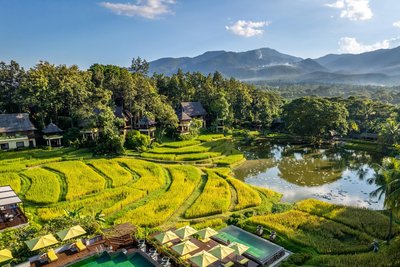
































Wiang Chai Overview
City Summary
Chiang Rai, located in northern Thailand, is renowned for its rich cultural heritage and natural landscapes. As the cradle of Lanna culture, the city boasts numerous ancient temples and traditional handicrafts. The most famous attraction is the White Temple (Wat Rong Khun), a modern temple that attracts global visitors with its pure white architecture and unique artistic style. Additionally, Chiang Rai is known for its serene rural scenery and ethnic minority cultures, making it an ideal destination to explore northern Thai风情.
Must-See Attractions
Must-see attractions in Chiang Rai include the White Temple (Wat Rong Khun), Blue Temple (Wat Rong Suea Ten), and Black House (Baan Dam Museum). The White Temple is a perfect blend of modern art and Buddhist architecture, while the Blue Temple is famous for its vibrant blue decorations and intricate murals. The Black House is an art museum showcasing the fusion of traditional northern Thai art with modern elements. The Chiang Rai Night Bazaar is also a great place to experience local culture and purchase handicrafts.
Food Guide
Chiang Rai's cuisine is dominated by northern Thai flavors. Recommended dishes include "Khao Soi," a rich and slightly spicy coconut curry noodle soup. Street food such as "Sai Oua" (northern Thai sausage) and "Nam Prik Noom" (green chili dip) are also must-tries. The night bazaar is the best place to sample these local delicacies.
Transportation Guide
Transportation in Chiang Rai mainly consists of tuk-tuks, taxis, and motorbike rentals. Tuk-tuks are a convenient option for short trips, but prices should be negotiated in advance. Taxis are suitable for longer distances or group travel, and it's recommended to use taxi apps for bookings. Motorbike rentals are an economical way to explore the surrounding areas, but traffic safety should be noted. Chiang Rai International Airport offers flights to and from Bangkok and other cities, serving as the main gateway to the region.
Best Time to Visit
The best time to visit Chiang Rai is from November to February, when the weather is cool and dry, ideal for outdoor activities. March to May is hotter, while June to October is the rainy season with more rainfall but fewer tourists, making it suitable for those who prefer a quieter experience.
Travel Tips
- Respect local culture by dressing modestly when entering temples.
- Avoid touching people's heads, as it is considered impolite in Thai culture.
- Drink bottled water to ensure hygiene.
- Bargaining at night markets is acceptable, but remain polite.
- Wear helmets and follow traffic rules when renting motorbikes.
- Learning a few basic Thai greetings can help with local interactions.
Useful Information
The official language in Chiang Rai is Thai, but basic English is commonly spoken in tourist areas. Downloading a translation app is recommended. WiFi is widely available, and local SIM cards can be purchased for mobile data. Cash is the primary payment method, though some businesses accept credit cards. For emergencies, Chiang Rai has several internationally standard hospitals, and travel insurance is advised. The voltage is 220V, with plug types A, B, and C, so a converter may be necessary.
Frequently Asked Questions about Traveling to Wiang Chai
Questions You Might Need to Know About Traveling to Wiang Chai