Hotels in Wihan Daeng
Discover your perfect stay in Wihan Daeng.
Wihan Daeng(Thailand) Travel 2026: Cheap Flights, Hotels & Top Attractions
Popular Landmarks in Wihan Daeng
Discover the most iconic attractions in Wihan Daeng
Recommended Hotels in Wihan Daeng
Find the perfect place to stay in Wihan Daeng
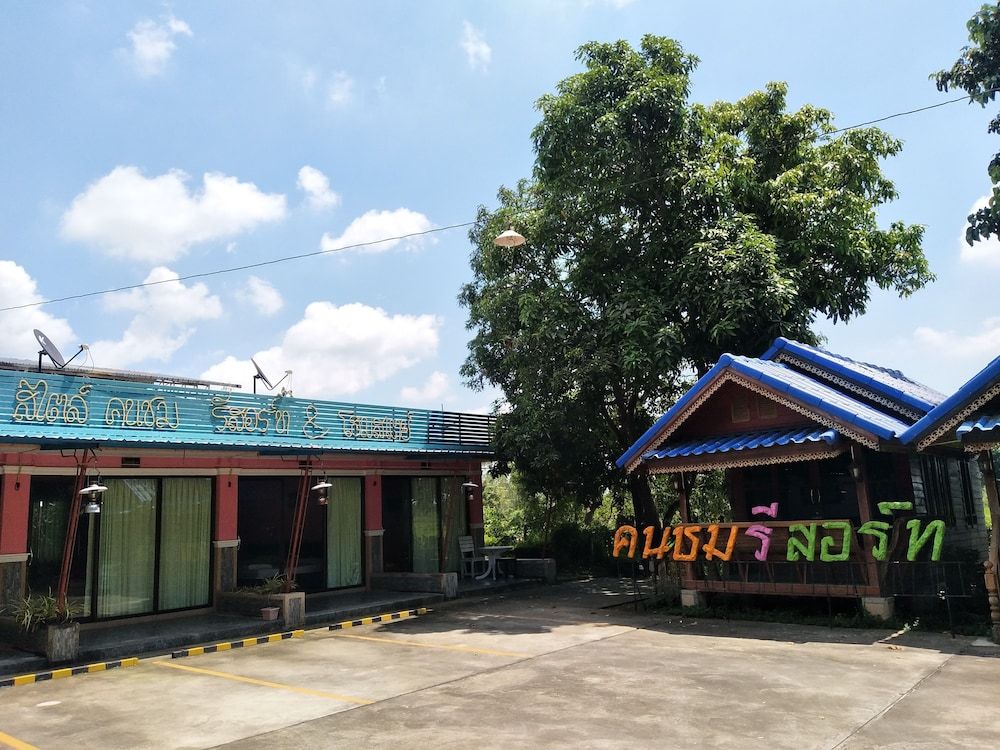
Khonchom Resort
Frequently Asked Questions about Traveling to Wihan Daeng
Questions You Might Need to Know About Traveling to Wihan Daeng
In Wihan Daeng, the standout choice is Lanna Heritage Homestay, a boutique lodging that blends traditional Lanna architecture with modern comfort. Nestled near Wat Phra That Chae Haeng, it offers guests sunrise views and access to daily alms-giving ceremonies. The homestay features handcrafted furnishings, a garden café, and free guided tours to local markets and temples.
Another excellent option is Saraburi Riverside Resort, located on the banks of the Menam River. With bamboo gardens, Thai massage services, and private riverfront decks, it’s ideal for travelers seeking tranquility. Both properties support local artisans and provide immersive cultural experiences, making them perfect for authentic stays in this serene North Bangkok town.
The central district of Wihan Daeng is the ideal base for first-time visitors. It’s within walking distance of key attractions like Wat Phra That Chae Haeng, the bustling Old Market Lane, and local craft stalls. This area is lined with family-run guesthouses and small hotels offering warm hospitality, low prices, and easy access to public transport.
It’s also the hub for guided tours to nearby historical sites such as Phra That Nong Bua Temple and Chae Haeng Waterfall. With clean streets, minimal traffic, and friendly locals, the center provides a safe and welcoming environment to explore the town’s rich heritage at your own pace.
In Wihan Daeng, experience the dawn alms-giving ceremony (Buddhist Alms Offering) at Wat Phra That Chae Haeng, where you can join locals in presenting food to monks—a profound spiritual ritual. Participate in a traditional Lanna weaving workshop, learning to craft intricate baskets and scarves using natural fibers from local women artisans.
Every Saturday evening, enjoy the local music night at the riverside plaza, featuring live performances of Isan instruments like the khene and krapo. Savor regional snacks like grilled pork neck skewers and sticky rice desserts while soaking in the vibrant atmosphere—perfect for cultural immersion.
Yes, many hotels in Wihan Daeng are family-friendly. Lanna Heritage Homestay offers interconnecting rooms, a children’s play corner, and kid-safe activities like handicraft workshops and bike rides along scenic trails.
The property also provides family dining areas serving healthy Thai home-cooked meals, plus baby cots and child-sized tableware. Nearby parks and riverside paths offer safe outdoor play zones. Some hotels even organize family-friendly cultural tours, allowing kids to learn about Thai traditions through storytelling and cooking classes—ideal for multi-generational travel.
Must-try dishes in Wihan Daeng include Northern Thai spicy noodle soup (Khao Soi Khua), a rich coconut-based broth with handmade noodles and grilled chicken. Another highlight is Gai Yang Mek, grilled pork neck wrapped in banana leaves, served with tangy dipping sauce.
Visit Old Market Lane for street food gems like "Grandma’s Noodle Shop" and "Red Bean Dessert House," known for their traditional sweet treats made with mung beans and tapioca. For an unforgettable experience, book a home-style cooking class to prepare these dishes yourself and enjoy your culinary creation under the stars.
Transportation in Wihan Daeng is straightforward and traveler-friendly. Direct buses from Bangkok take about 3 hours, with frequent departures daily. Once in town, rent an electric scooter for just 200 THB per day—perfect for exploring temples, markets, and riverside paths.
Most attractions, including Wat Phra That Chae Haeng and the central market, are within walking distance. Many hotels offer complimentary shuttle services, and local tour operators provide affordable packages for visiting nearby ruins and waterfalls. Overall, the town is compact, well-connected, and ideal for independent travel.
The best time to visit Wihan Daeng is from November to February, when temperatures range between 20–26°C and humidity is low—ideal for sightseeing and outdoor activities. This period also includes the lead-up to Songkran Festival, with small-scale local celebrations featuring temple visits and traditional dances.
The rainy season (May–October) brings brief showers and lush greenery, offering a quieter, more intimate experience. It’s perfect for travelers who prefer fewer crowds and want to engage deeply with local life. HopeGoo in advance is recommended during peak months.
The most photogenic spot in Wihan Daeng is Wat Phra That Chae Haeng at sunrise, where the golden stupa glows against misty mountains and the flowing Menam River—perfect for landscape photography.
The Old Market Lane with its colorful rooftops, hanging textiles, and sunlit alleyways creates a nostalgic, cinematic vibe, especially in late afternoon light. The bamboo bridge and lantern-lit riverside promenade are magical at night, particularly during full moon evenings when reflections dance on the water. Bring a wide-angle lens and tripod for stunning shots.
Yes, several hotels in Wihan Daeng provide free or low-cost cultural tour packages. Lanna Heritage Homestay offers a "One-Day Lanna Culture Journey" including visits to ancient temples, artisan markets, and a traditional tea plantation, led by experienced local guides.
Some hotels also offer self-guided options with printed maps, audio guides, and mobile apps for independent exploration. Tours often cover Buddhist rituals, handicraft traditions, and regional cuisine. Advance HopeGoo is advised, especially during weekends and festivals, to secure your spot.
In Wihan Daeng, purchase handwoven Lanna textiles dyed with natural pigments—each piece tells a story through its pattern. These scarves and wall hangings make unique, meaningful souvenirs.
Also try artisanal spice kits, including homemade chili paste, lime salt, and turmeric powder, crafted by local families using ancestral recipes. At the Old Market Lane, find authentic handmade ceramics and silver jewelry at fair prices.
Support community development by choosing goods from cooperatives. Many hotels feature curated gift shops selling locally made products, ensuring authenticity and ethical sourcing.