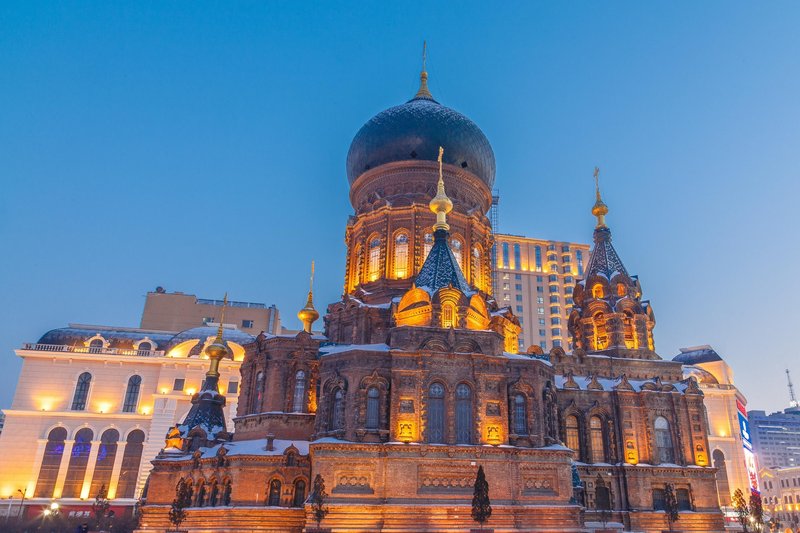
Hotels in Wonosobo
Discover your perfect stay in Wonosobo.
Wonosobo(Indonesia) Travel 2026: Cheap Flights, Hotels & Top Attractions
Popular Landmarks in Wonosobo
Discover the most iconic attractions in Wonosobo
Recommended Hotels in Wonosobo
Find the perfect place to stay in Wonosobo
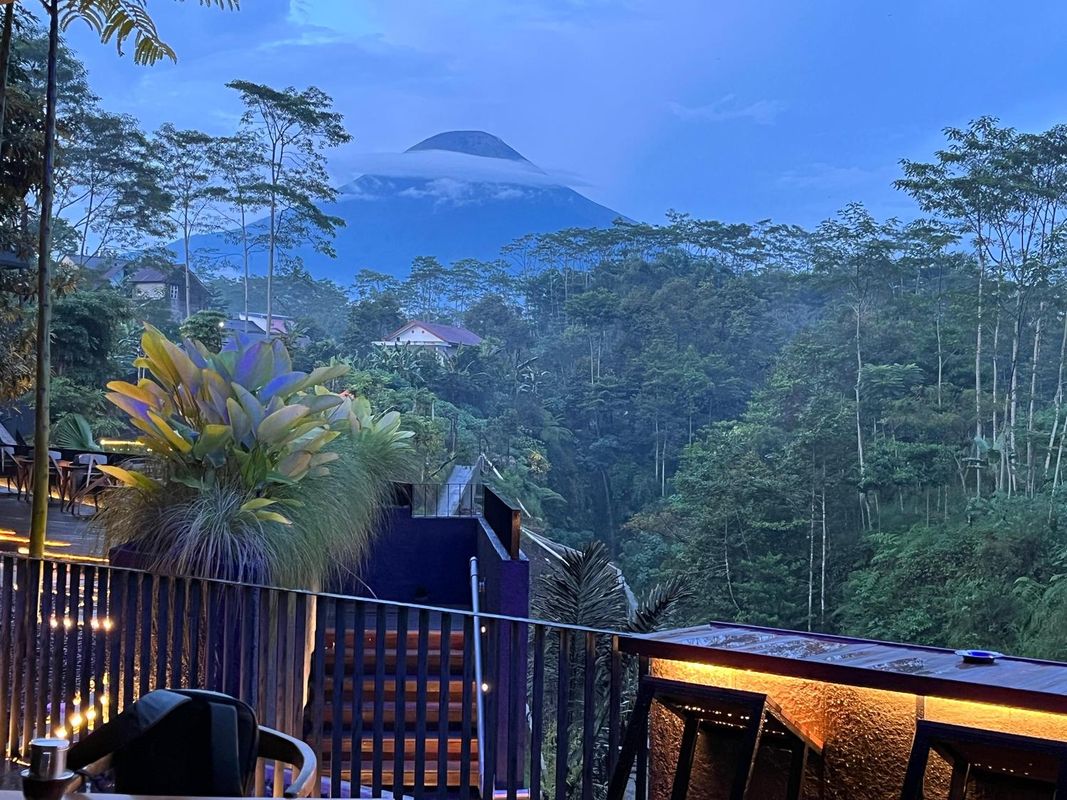
Hotel Dafam Wonosobo
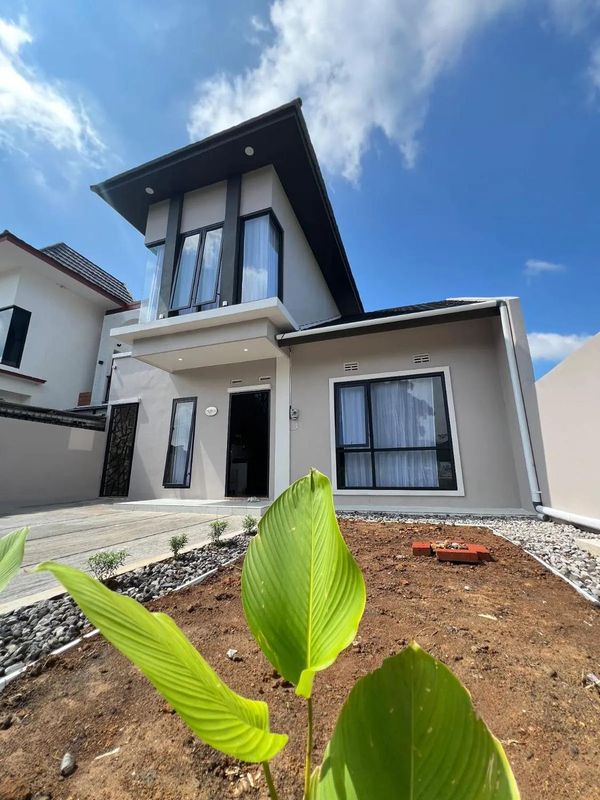
OSH! Omah Syariah Homestay
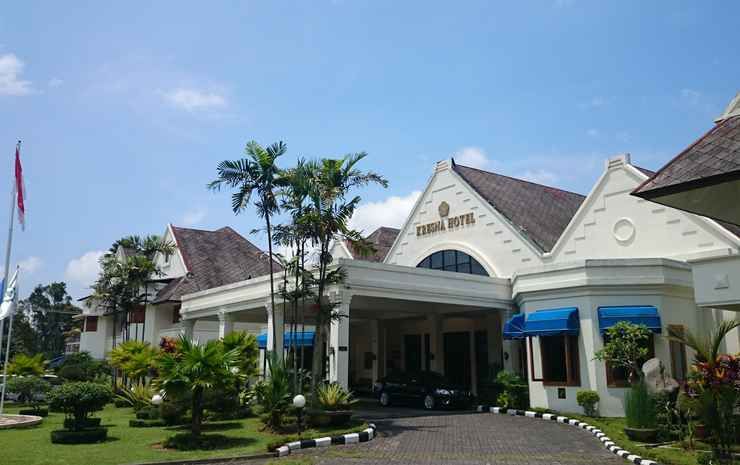
Kresna Hotel Wonosobo
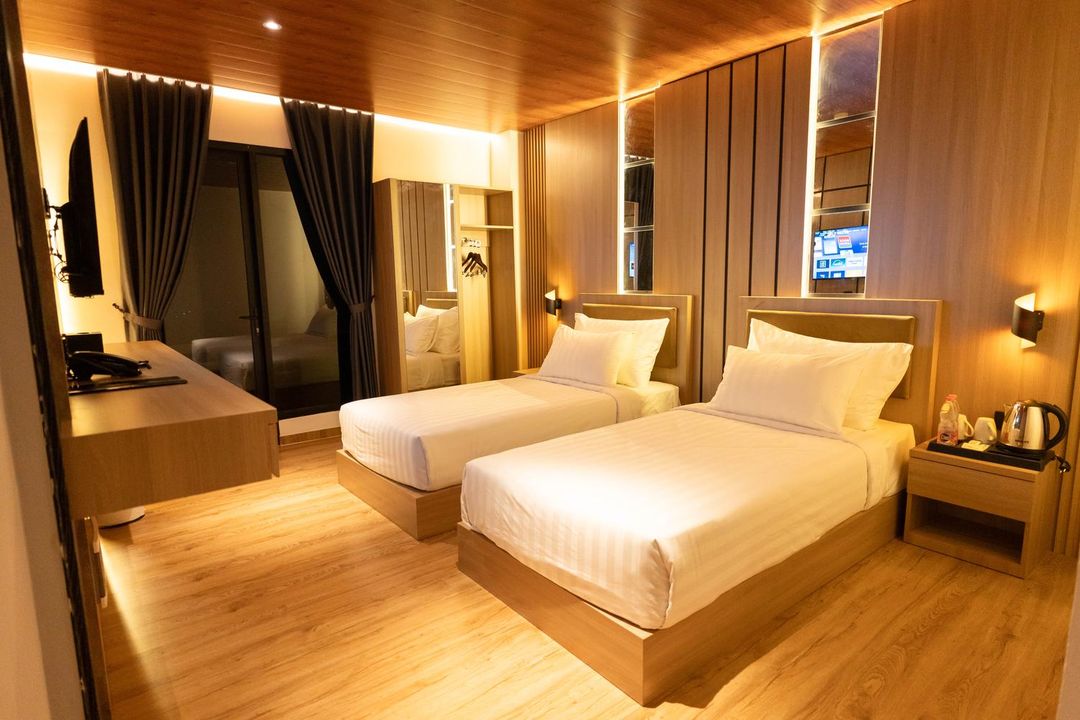
Eagle Hotel Wonosobo, Azana Hotels Collection
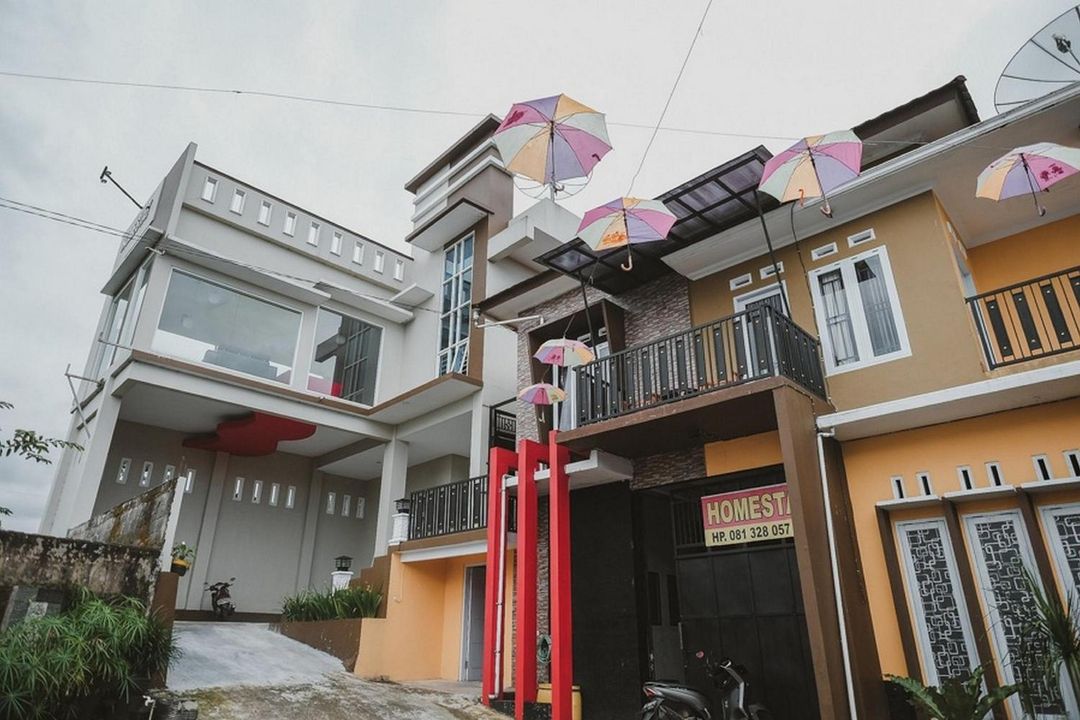
RedDoorz Syariah @ Jalan Dieng
Best Hotels in Wonosobo
Discover curated hotel collections in Wonosobo
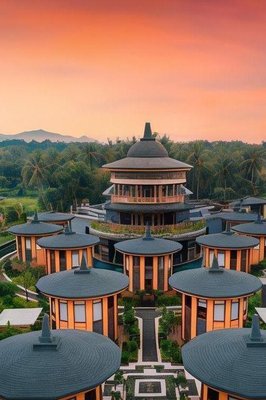
Hotel Le Temple Borobudur
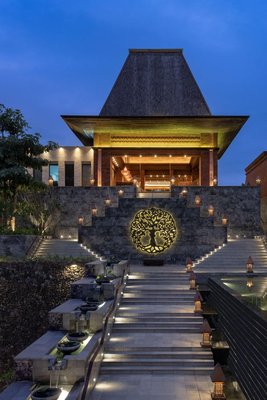
Garrya Bianti Yogyakarta
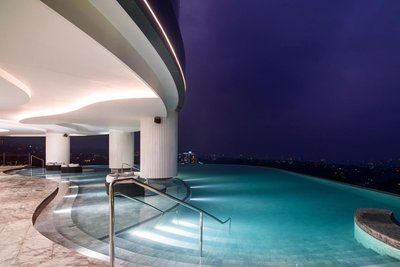
Hotel Indigo Bandung Dago Pakar
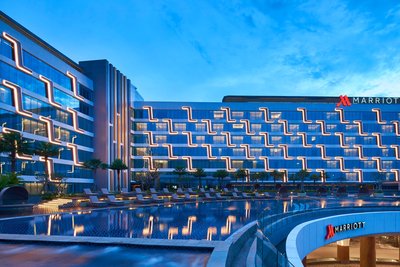
Yogyakarta Marriott Hotel
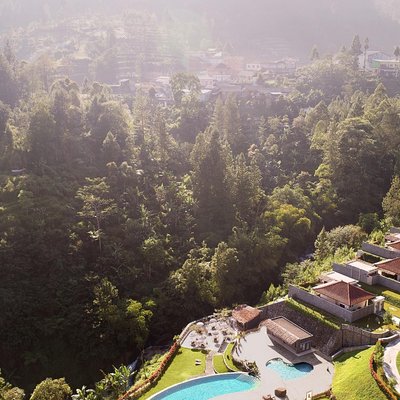
Joglo Ageng Guci Tegal
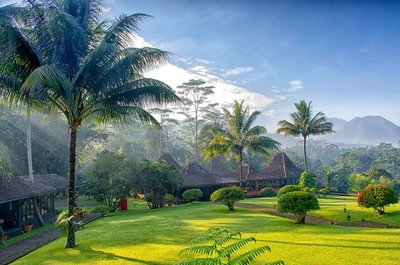
MesaStila Resort and Spa
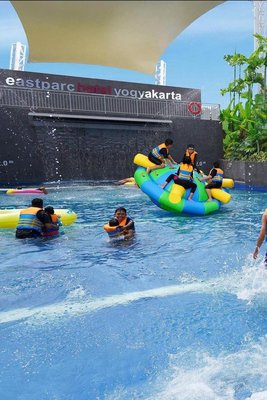
Eastparc Hotel Yogyakarta

The Phoenix Hotel Yogyakarta - Handwritten Collection
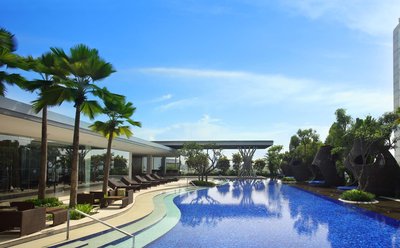
Hilton Bandung
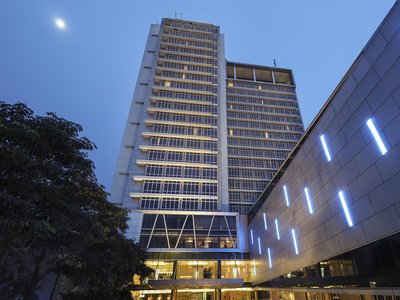
Grand Mercure Solo Baru
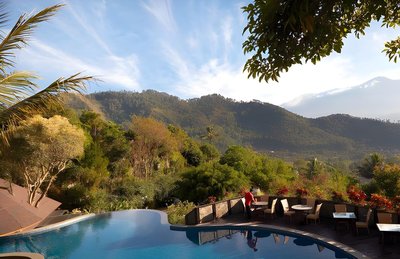
Jambuluwuk Convention Hall & Resort Batu
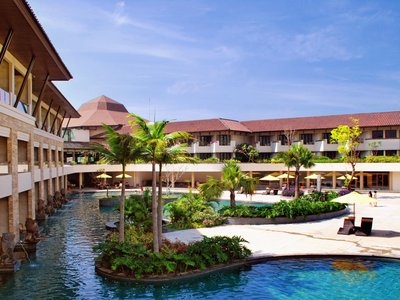
The Singhasari Resort Batu
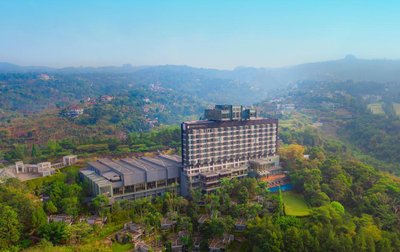
InterContinental Bandung Dago Pakar
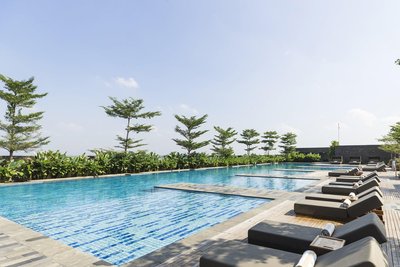
Alila Solo
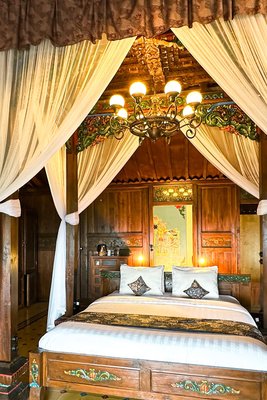
Villa Borobudur Resort
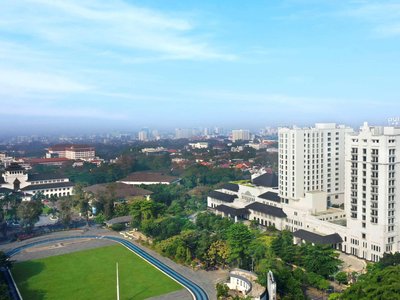
Pullman Bandung Grand Central
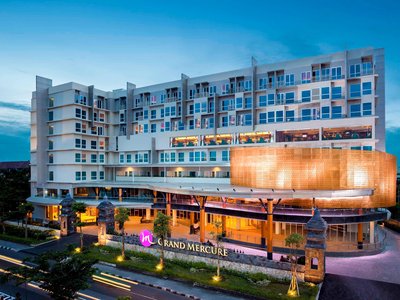
Grand Mercure Yogyakarta Adi Sucipto
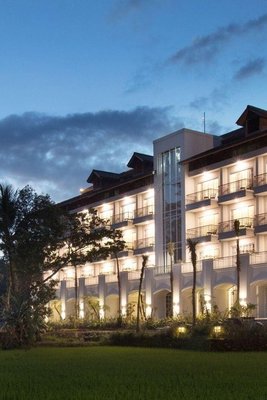
Plataran Heritage Borobudur Hotel

Hyatt Regency Yogyakarta
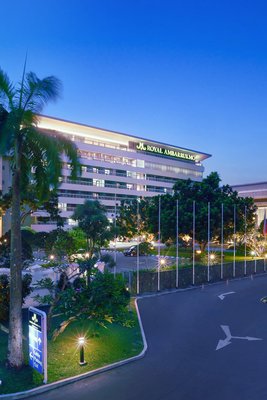
Royal Ambarrukmo Yogyakarta
Frequently Asked Questions about Traveling to Wonosobo
Questions You Might Need to Know About Traveling to Wonosobo
In Wonosobo, the top choice for families is Bukit Sari Resort, nestled on a hillside with panoramic views of Mount Merapi. The resort offers spacious family suites, a dedicated kids’ play area, and guided nature walks through volcanic terrains. Its traditional Javanese courtyard design blends cultural authenticity with modern comfort. Guests can enjoy on-site hot springs, farm-to-table meals featuring local ingredients like Gudeg Wonosobo, and easy access to nearby attractions such as Lake Kedal, making it ideal for both relaxation and immersive cultural experiences.
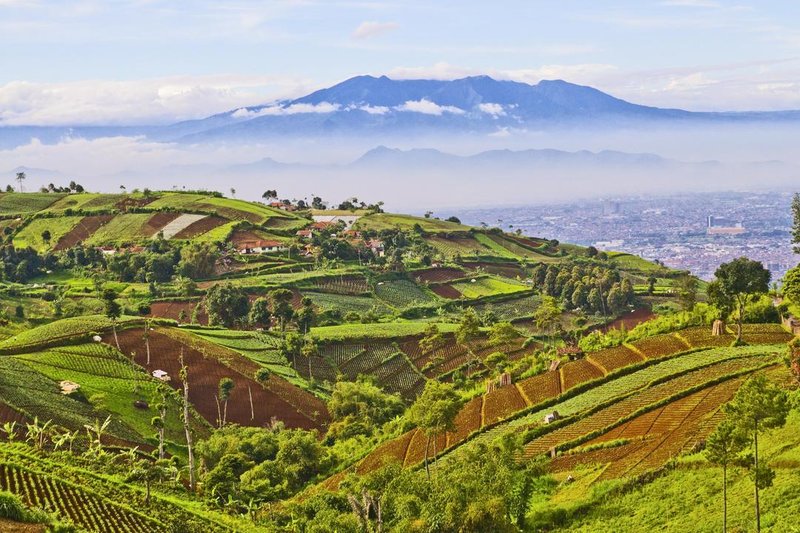
The best area for scenic views in Wonosobo is Kledung, located near Mount Merapi and Lake Kedal. This highland zone offers breathtaking vistas of volcanic landscapes, mist-covered slopes, and terraced rice fields. Stay at Sumber Sari Homestay, which provides sunrise views over the crater lake and hosts cultural tours to nearby villages. With its tranquil environment and proximity to hiking trails, Kledung is perfect for travelers who want to combine natural beauty with authentic rural Javanese life.
Visitors to Wonosobo can experience traditional Wayang Wong performances—elaborate Javanese dance-drama combining music, puppetry, and storytelling. Participate in a hands-on pottery workshop in Kledung Village, where artisans use volcanic clay to craft ceremonial vessels. During festivals like Tumpeng Ceremony, guests may join rituals involving sacred rice towers, symbolizing gratitude to ancestors and nature. These immersive activities offer deep insight into the spiritual and artistic traditions of Central Java.
Wonosobo is a paradise for photographers. Capture the mirror-like reflection of Mount Merapi in Lake Kedal at sunrise, when the sky glows in soft hues. The Kledung hiking trail offers dramatic shots of terraced farms, bamboo huts, and villagers working in golden fields. For urban scenes, visit early morning markets where locals sell Gudeg and Bakso Solo. Combine these with foggy mountain backdrops and traditional attire for powerful, story-rich images that reflect the soul of Central Java.
Must-try dishes in Wonosobo include Gudeg Wonosobo—a sweet, slow-cooked dish made from young jackfruit and unripe coconut, often served with rice and fried tempeh. Try Bakso Solo, a savory beef meatball soup with a rich broth, served with fried bean curd and peanut sauce. For a cultural experience, join a Tumpeng ceremony, where you’ll eat a ceremonial rice tower symbolizing harmony and gratitude. These dishes offer more than flavor—they tell stories of tradition, faith, and community.
Yes, Wonosobo boasts abundant geothermal resources. The Sumber Air Panas Kledung hot spring features mineral-rich water at around 45°C, excellent for muscle recovery. Stay at Bukit Sari Resort, which features indoor and outdoor thermal pools combined with traditional Jamu herbal baths and Javanese massage therapy. Relaxing in the warm waters under starlit skies while overlooking Mount Merapi creates a serene, rejuvenating experience deeply rooted in local wellness culture.
Wonosobo is ideal for hiking, especially the Mount Merapi Trail starting from Kledung. This moderate 3–4 hour trek ascends through lush forests and volcanic rock formations, ending at a scenic viewpoint above 2,600 meters. Along the way, you’ll pass coffee plantations and encounter local farmers. Guided tours are available, offering insights into flora, fauna, and volcanic history. Hiking here combines adventure with cultural immersion, making it one of Central Java’s most rewarding trails.
Accommodation prices in Wonosobo vary: budget homestays start at 150,000 IDR ($10 USD) per night, including breakfast. Mid-range options like Sumber Sari Homestay cost 300,000–500,000 IDR ($20–35 USD), featuring private gardens and hot springs. Luxury resorts such as Bukit Sari Resort range from 800,000–1,200,000 IDR (~$55–80 USD), offering full-service amenities, dining, and guided excursions. Overall, Wonosobo offers exceptional value compared to other Indonesian destinations.
The best time to visit Wonosobo is from May to September, during the dry season with minimal rainfall and clear skies—ideal for hiking and sightseeing. July to August offers the clearest views of Lake Kedal and vibrant greenery. This period also coincides with cultural events like the Gudeg Festival, where visitors can enjoy food stalls, dance performances, and local crafts. Avoid the rainy season (October to April) to ensure safer travel and better visibility.
Travel from Jakarta to Wonosobo is convenient via Prambors Bus, offering comfortable, daily services with direct routes to the city center (~200,000 IDR, ~$14 USD). Alternatively, rent a car along Jalan Raya Selatan, passing through Surakarta and Yogyakarta, for greater flexibility. Upon arrival, use online ojek (motorbike taxis) or hire a local driver for short trips to Kledung, Lake Kedal, and surrounding villages. While public transport is limited, the region is well-connected for independent travelers seeking an authentic, low-key journey.
Wonosobo Overview
City Summary
Wonosobo, a culturally rich town in Central Java, Indonesia, charms visitors with its serene rural landscapes and traditional crafts. Known for batik workshops and woodcarving heritage, it offers an authentic Javanese experience. The surrounding volcanic scenery and terraced rice fields make it a hiker's paradise, while the welcoming locals create a warm community vibe.
Must-See Attractions
Must-see spots include the bustling Pasar Wonosobo market for handicrafts, and the ancient Hindu temples alongside sulfur lakes at Dieng Plateau. Catch sunrise over sea of clouds at Sikunir Hill, or visit batik workshops to observe wax-resist dyeing. Don't miss an evening Wayang Kulit (shadow puppet) performance showcasing Javanese epic tales.
Food Guide
Food highlights start with Mie Ongklok - chewy cassava noodles with peanut sauce, and Sate Kelinci (spiced rabbit skewers). Cool down with Es Dawet, a coconut milk dessert with green jelly. Street snacks like Tempeh Goreng (fried fermented soybean) and Gudeg (jackfruit stew) offer homely flavors. Note: Local cuisine tends to be sweet-spicy; request "tidak pedas" for milder options.
Transportation Guide
Getting around: Use angkot (shared minivans) for city travel (IDR 3,000-5,000), clearly stating your stop. Rent ojek (motorcycle taxis) via Grab/Gojek apps for rural destinations. Intercity buses from Yogyakarta/Semarang take 3-4 hours. For Dieng Plateau, 4WD is recommended especially during rainy season (Nov-Mar) due to steep roads.
Best Time to Visit
Best visiting period is dry season (May-Oct) with 22-28°C daytime temps. July-Aug peaks coincide with Cultural Festival Wonosobo but require advance bookings. Avoid Christmas & Eid periods due to travel congestion.
Travel Tips
- Dress code: Cover shoulders/knees when visiting mosques or traditional villages
- Cash economy: Carry IDR in small denominations as many vendors don't accept cards
- Bargaining: Start at 50% of asking price in markets, but fixed-price galleries discourage haggling
- Safety: Avoid isolated alleys at night and secure valuables
- Altitude alert: Dieng Plateau sits at 2,000m - some may experience mild altitude sickness
- Eco-rules: Strict no-littering policies in volcanic areas, bring own towels to hot springs
Useful Information
Essentials:
- Language: Basic Indonesian phrases (e.g. "Terima kasih" for thank you) are appreciated
- Connectivity: Telkomsel offers best coverage; tourist SIMs with 8GB/30 days cost ~IDR 75,000
- Healthcare: RS Dr. Soedirman is the main hospital; bring antidiarrheals/mosquito repellent
- Payments: Credit cards only accepted at major hotels; e-wallets (OVO/Dana) are growing
- Voltage: 220V with two-round-pin plugs, converters available at convenience stores
- Religion: Avoid public eating during Ramadan daytime; attractions often close 2hrs for Friday prayers