Hotels in Wuppertal
Discover your perfect stay in Wuppertal.
Wuppertal(Germany) Travel 2026: Cheap Flights, Hotels & Top Attractions
Popular Landmarks in Wuppertal
Discover the most iconic attractions in Wuppertal
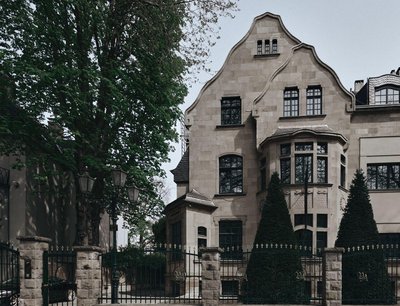
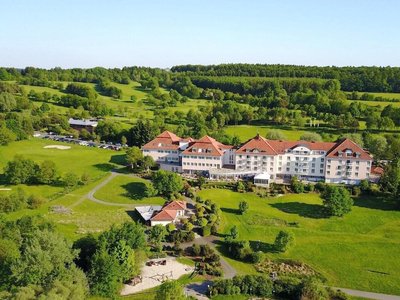
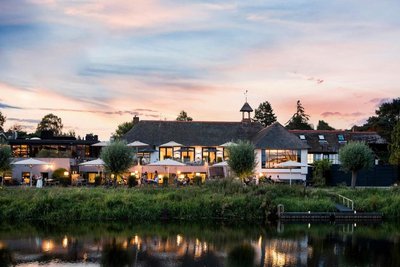
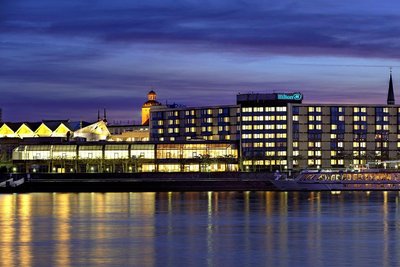
Recommended Hotels in Wuppertal
Find the perfect place to stay in Wuppertal
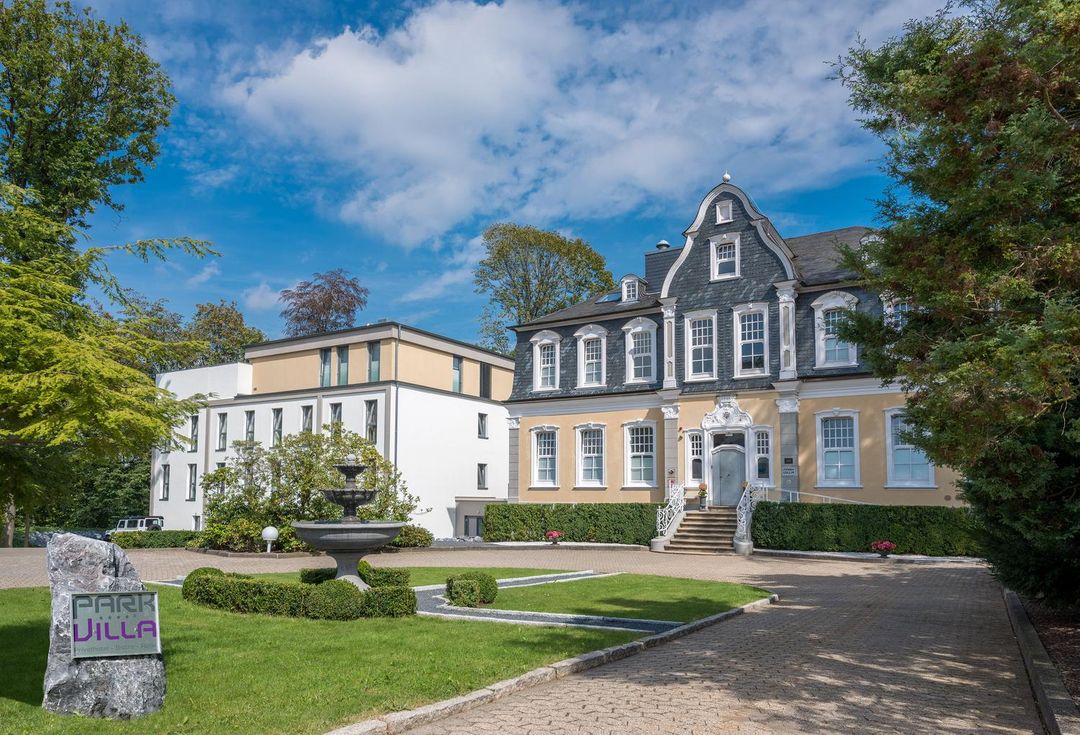
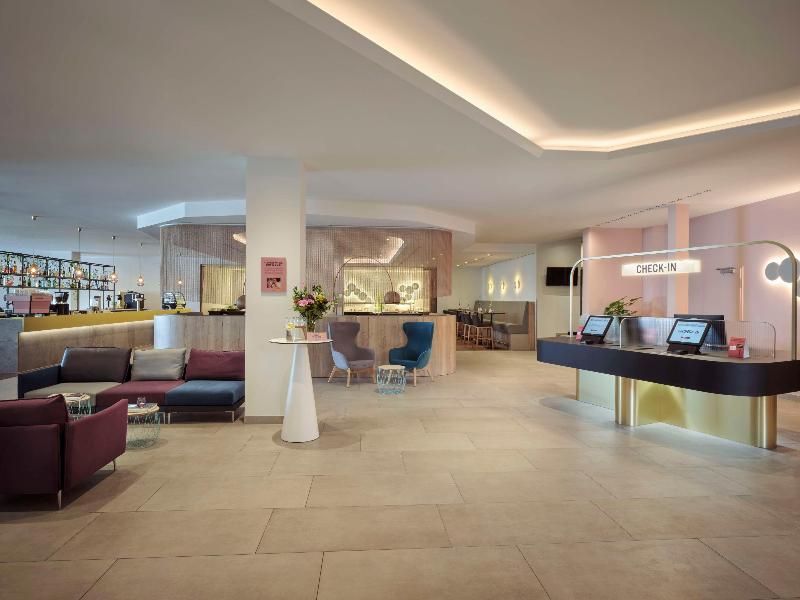
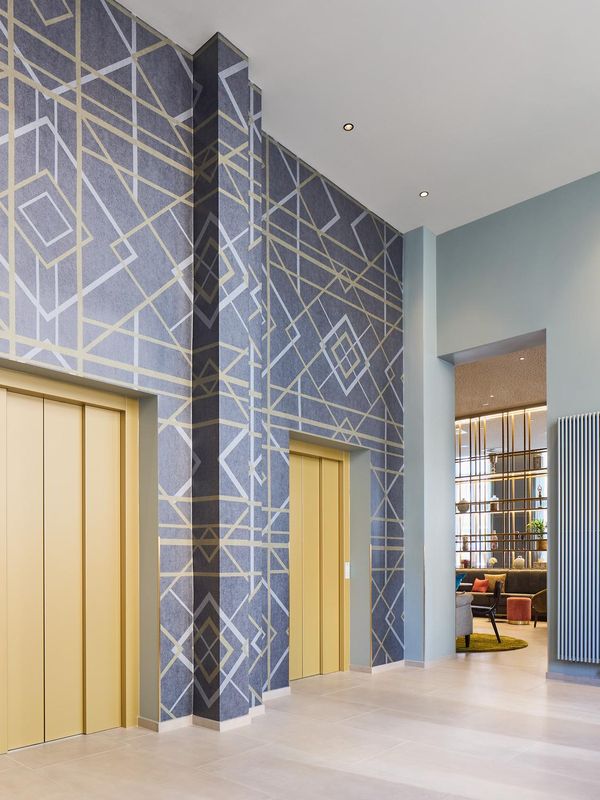
Best Hotels in Wuppertal
Discover curated hotel collections in Wuppertal
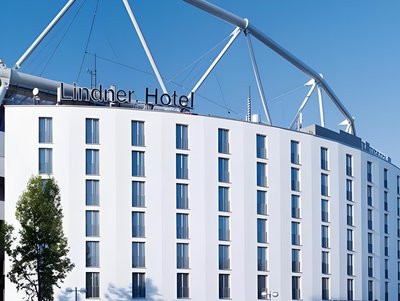
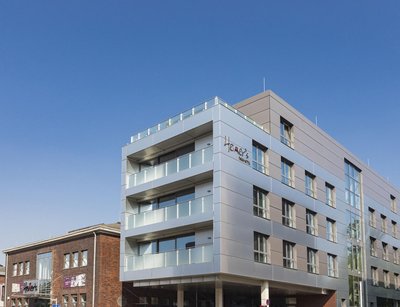
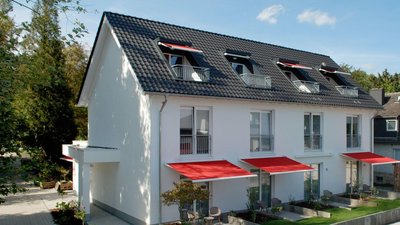
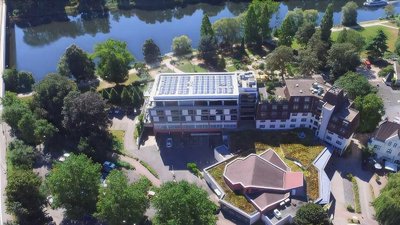

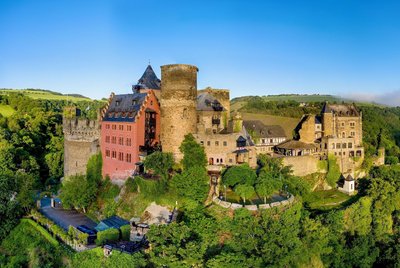
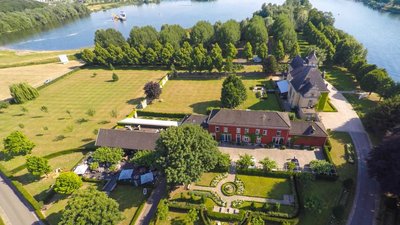
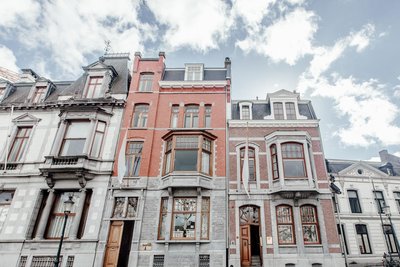
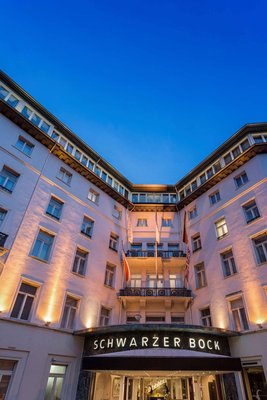
Frequently Asked Questions about Traveling to Wuppertal
Questions You Might Need to Know About Traveling to Wuppertal
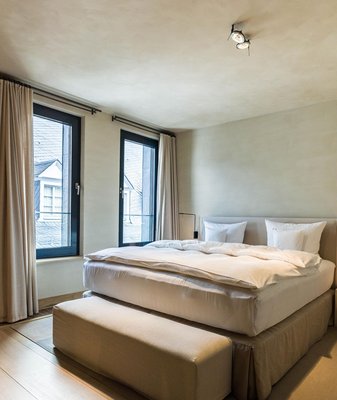
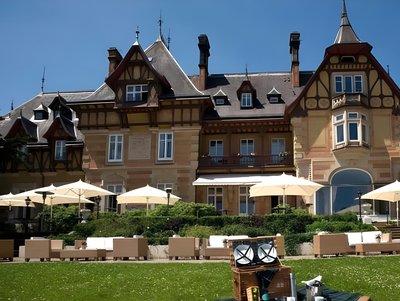
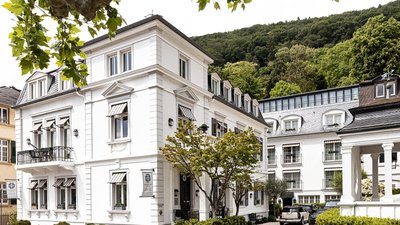
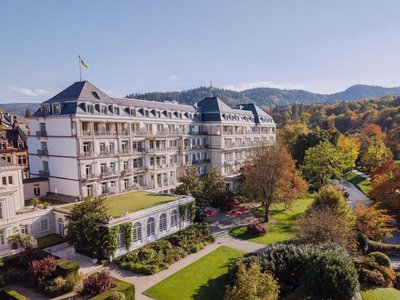
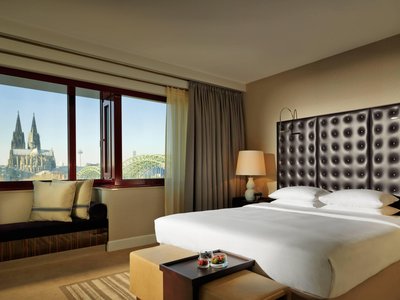
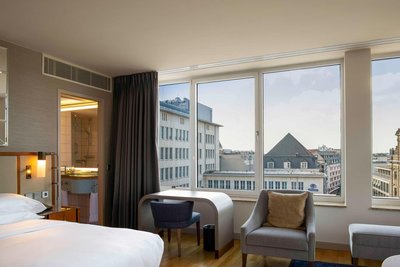
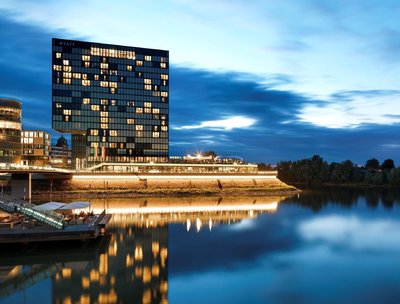
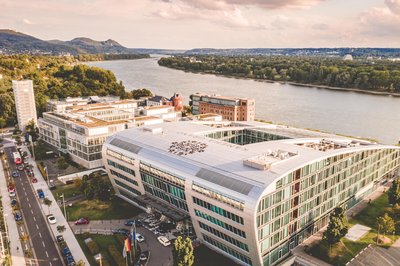
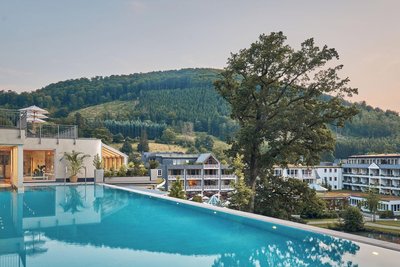
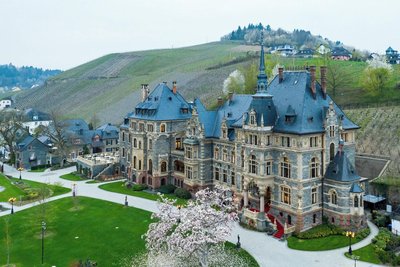
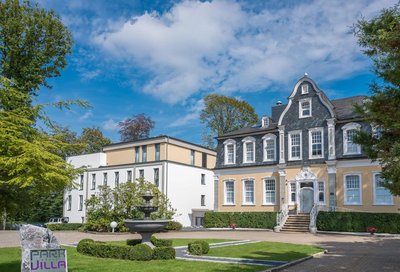
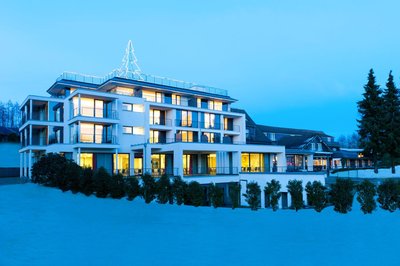
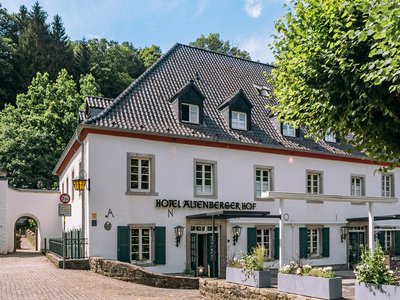
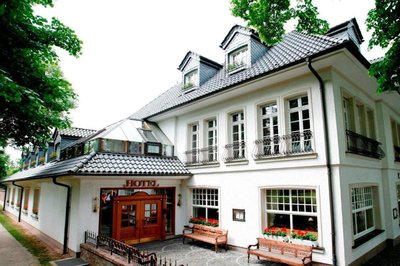
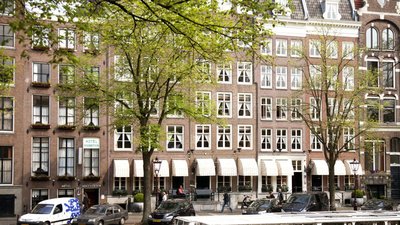
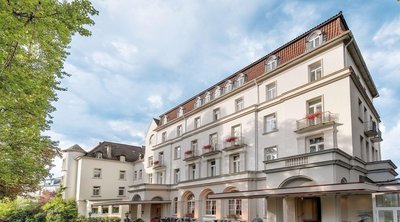
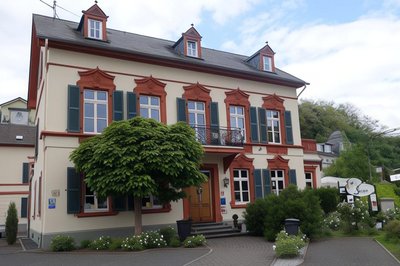
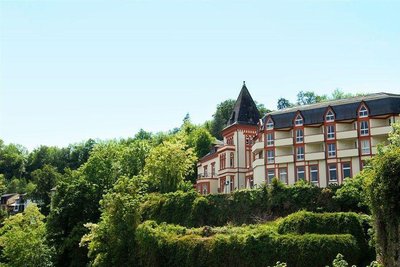
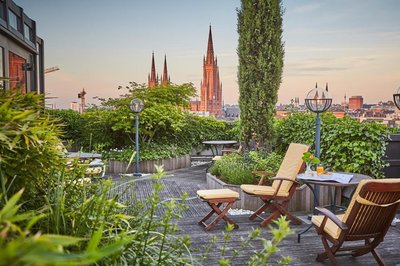
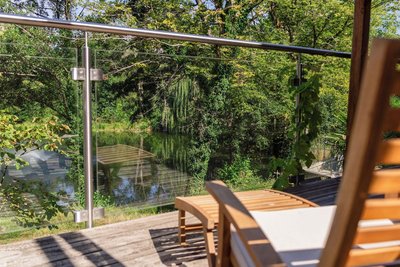
For scenic views in Wuppertal, stay at Hotel am Wupperpark, located near the Wupper River and adjacent to the lush Wupperpark green space. The hotel’s large windows offer panoramic views of the river and surrounding forest, especially stunning during sunrise and autumn foliage. It also features a rooftop terrace ideal for evening relaxation. Its central location provides easy access to the iconic Schwebebahn suspension railway and the historic city center. Guests enjoy free Wi-Fi, modern rooms, and a breakfast buffet with local specialties like Black Forest cake and regional sausages.
The Innenstadt (City Center) district is the prime choice for visitors due to its central location and proximity to major attractions. It’s just steps from multiple Schwebebahn stations, allowing seamless travel across the city. You’ll find walking distance to landmarks such as St. Mary’s Church and the Wuppertal City Hall, along with numerous restaurants serving traditional German cuisine and international dishes. Stay near Schwabstraße, known for its tree-lined streets, low traffic, and vibrant local atmosphere—perfect for both daytime exploration and peaceful evenings.
The Schwebebahn is the world’s only operating suspended monorail system, running since 1898. It glides above the Wupper River on steel beams, with passenger cars hanging beneath the track—an engineering marvel that blends functionality with visual drama. Unlike typical railways, it traverses city streets and forested areas, offering breathtaking views of urban architecture and natural landscapes. Riding it is an unforgettable experience, especially at dusk when golden light reflects off the river. Designated a UNESCO World Heritage Site candidate, it symbolizes Wuppertal’s innovation and industrial identity.
Immerse yourself in Wuppertal’s industrial roots at the Deutsches Industriemuseum in Frauenberg, housed in a former textile factory. The museum showcases machinery, historical archives, and interactive exhibits on 19th-century manufacturing, including spinning looms and early automation systems. Guided tours reveal stories of laborers and entrepreneurs who shaped the region. Don’t miss the Industrial Art Trail (Industrie-Kunst-Pfad) nearby, featuring large-scale metal sculptures inspired by industrial design. Workshops on hand-weaving and metal crafting allow hands-on engagement with the city’s legacy.
Don’t miss the Wupperpfad trail, a 30-kilometer riverside path winding through forests and parks, perfect for hiking, cycling, or simply enjoying nature. The Kreuzburg Wald forest, nestled within the city, offers serene walks among ancient oaks and babbling brooks, often visited by deer. Spring brings cherry blossoms along the riverbanks, while autumn paints the trees in fiery hues. For a tranquil retreat, visit Bergpark Wuppertal, a hidden gem with manicured gardens and a small zoo. These green spaces highlight Wuppertal’s balance between urban life and natural beauty.
Try Sauerbraten mit Klößen at Zum alten Ritter, a classic Wuppertal dish of marinated beef served with dumplings and red cabbage. For a local brew, visit Brauerei Schmitz, a family-owned brewery offering fresh Schwarzbier (Black Beer) straight from the tap. Savor artisanal pastries at Café Mühle, famous for its homemade cakes and European-style afternoon tea. All establishments emphasize locally sourced ingredients, reflecting the city’s commitment to sustainability and regional flavor—"from farm to fork" in every bite.
While not a party hub, Wuppertal offers a relaxed yet vibrant nightlife scene centered around Schwabstraße. This lively street hosts cozy bars like Jazz & Blues Club Wuppertal, where live music fills the air on weekends. The Theater Wuppertal stages contemporary plays and dance performances in the evenings, appealing to culture lovers. For a quiet drink with a view, head to Hafenkeller, a riverside bar with outdoor seating and craft cocktails. The atmosphere is intimate and welcoming—ideal for meeting locals or unwinding after a day of sightseeing.
Yes, Wuppertal is highly family-friendly. The KinderMuseum Wuppertal, located in a restored train station, offers interactive science and art workshops perfect for children. The Wuppertal Zoo features diverse animals, including kangaroos and jaguars, plus a dedicated kids’ zone with feeding sessions. The Schwebebahn is child-friendly—parents can bring strollers—and provides panoramic views ideal for young travelers. With safe streets, clean facilities, and abundant green spaces, Wuppertal is one of Germany’s most welcoming cities for families seeking a relaxed, enriching trip.
Travel from Düsseldorf to Wuppertal easily via regional trains (Regionalbahn) operated by NRW-Bahn or DB Regio, taking about 30 minutes with frequent departures from Düsseldorf Hauptbahnhof. Tickets can be purchased onboard or via the DB App. Upon arrival, transfer directly to Wuppertal Hauptbahnhof, a short walk from the city center. The station connects seamlessly with the Schwebebahn, making onward travel effortless. Alternatively, take a bus through scenic Rhine Valley routes, offering beautiful views of rural North Rhine-Westphalia.
Wuppertal hosts several annual events. The Wuppertaler Kunstfest in summer transforms the riverbanks into an open-air art gallery, featuring installations, live performances, and light shows. During winter, the Weihnachtsmarkt Wuppertal at Rathaus Square fills the air with festive cheer, offering handmade gifts, mulled wine, and seasonal treats. Every even-numbered year, the Tag der Industriekultur celebrates industrial history with factory tours, exhibitions, and public talks. These festivals reflect Wuppertal’s blend of tradition, creativity, and civic pride.
Wuppertal Overview
City Summary
Wuppertal, a unique hillside city in Germany's North Rhine-Westphalia, is globally famed for its suspended monorail (Schwebebahn). This former textile powerhouse of the Industrial Revolution now brilliantly blends industrial heritage with contemporary art, hosting one of Europe's densest artist communities. Built along the winding Wupper River, its terraced hillside residences contrast dramatically with green parks, earning it the title "Germany's greenest city".
Must-See Attractions
Top attraction is the 1901 suspended railway spanning 13.3km over the river. Engels-Haus Museum documents the philosopher's friendship with Marx, while Von der Heydt Museum displays 6,000 artworks from Renaissance to modern. The zoo-botanical garden complex houses 5,000 plant species and 1,200 animals. The Briller Viertel artist quarter features 19th-century villas converted into galleries.
Food Guide
Try Rheinischer Sauerbraten (beef marinated 3 days in vinegar/raisins). Wuppertaler Kottenbutter sandwiches with smoked ham pair perfectly with Altbier. Saturday markets serve fresh Flönz blood sausage and Reibekuchen potato pancakes. For dessert, sample Black Forest cake variations with cherry brandy.
Transportation Guide
The Schwebebahn is the most efficient option (€2.9 per ride). Color-coded buses (blue to Engels-Haus/red to zoo) cost €8/day. Taxis start at €3.5 but hills increase fares. Drivers note: central one-way streets and parking (€2-4/hour); use Park+Ride (€5/day).
Best Time to Visit
May-September (15-25°C) is ideal, though July's Schwebebahn Festival draws crowds. October beer season raises hotel prices 30%. Winter Christmas markets are charming but snowy.
Travel Tips
- No eating/drinking on Schwebebahn (€60 fine)
- Most museums close Mondays; Engels-Haus also Tuesdays
- Wear anti-slip shoes for hilly paths
- Stores closed Sundays; stock up
- Round up bills by 5% for tips
- Strict recycling (€35+ fines for errors)
- Public smoking bans include e-cigarettes
Useful Information
Language: English works at attractions but basic German pleases locals. Internet: Free WUP-WLAN downtown; local SIMs (€10/5GB) perform better. Payment: 70% card acceptance; carry under €50 cash. Emergencies: Medical 112/police 110. Bergisches Krankenhaus offers 24hr ER. Pharmacies (red "A" signs) post Sunday rotations. Voltage: 230V; bring adapters.