Hotels in Xuancheng
Discover your perfect stay in Xuancheng.
Xuancheng(China) Travel 2026: Cheap Flights, Hotels & Top Attractions
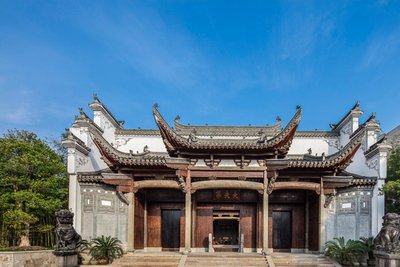
Popular Landmarks in Xuancheng
Discover the most iconic attractions in Xuancheng
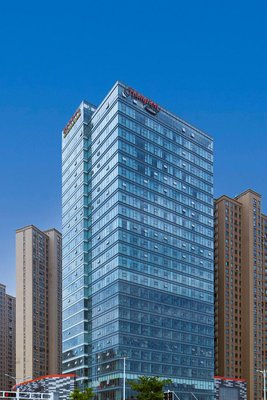
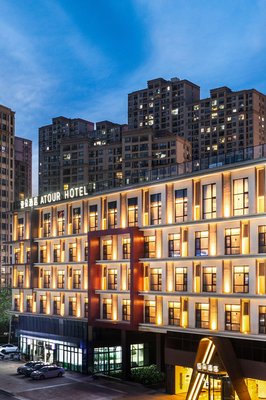
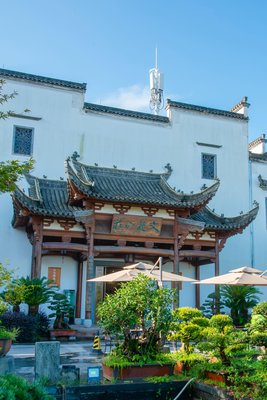
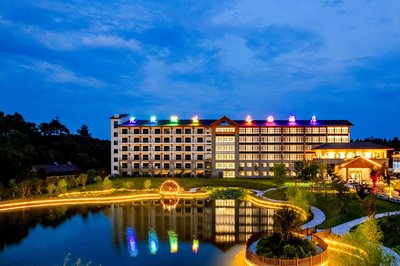
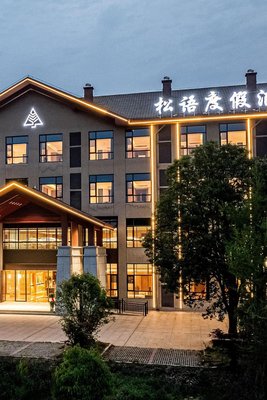
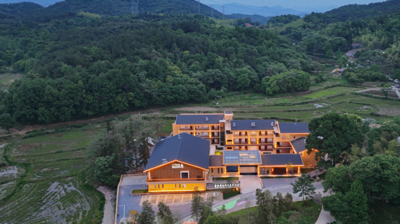
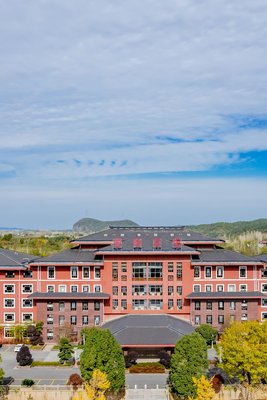
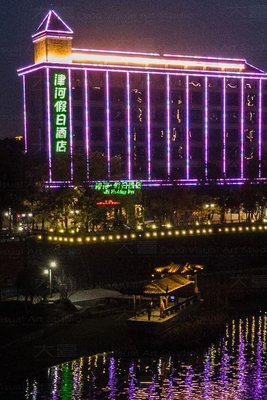
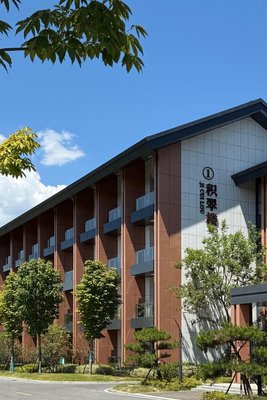
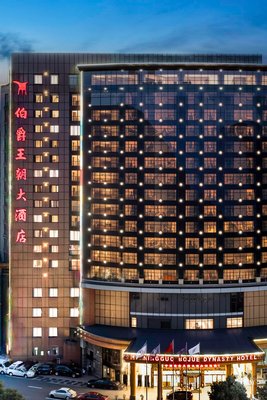
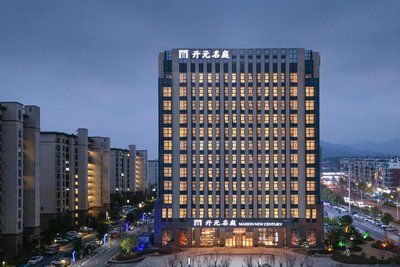
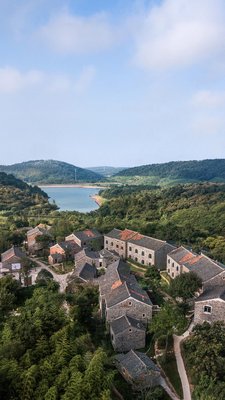
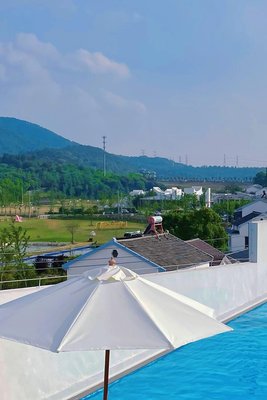
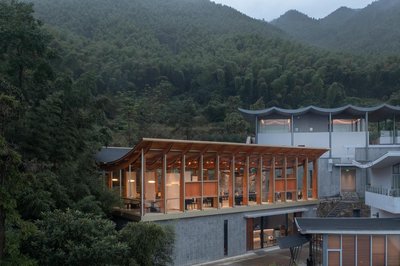
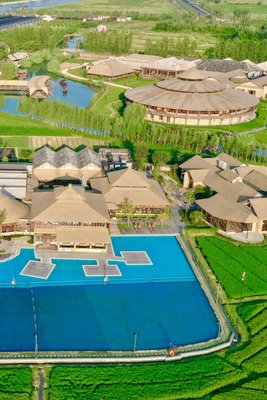
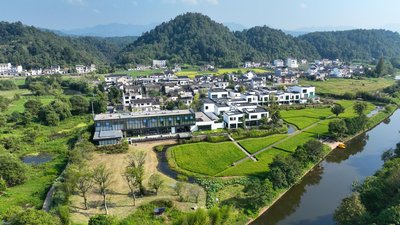
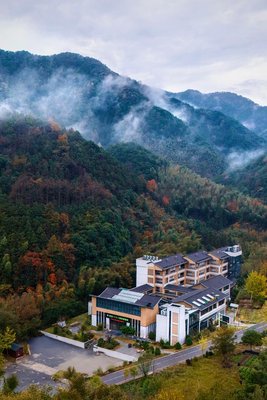
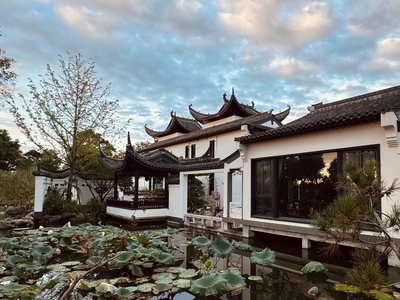
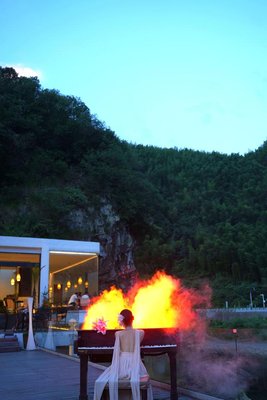
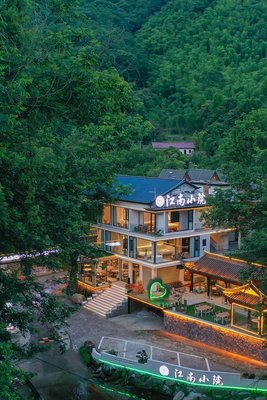
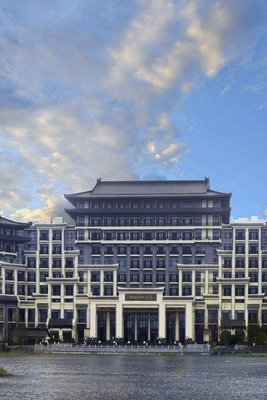
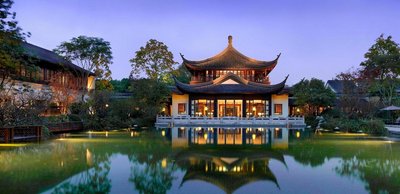
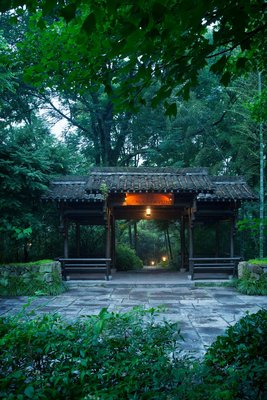
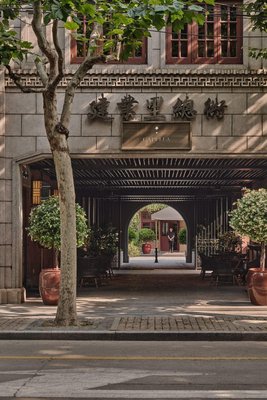
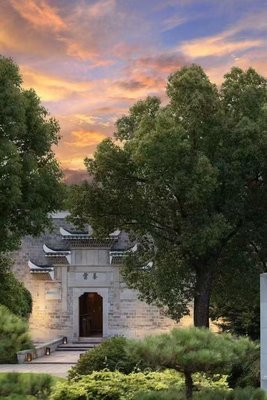
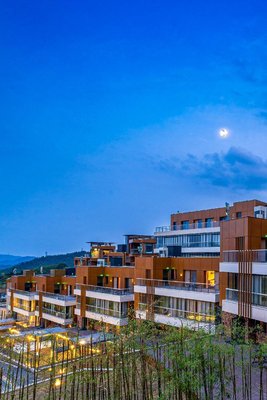
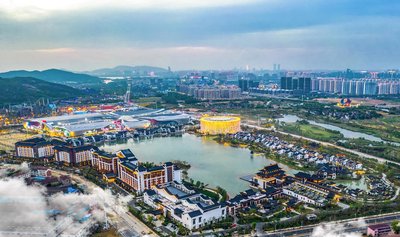
Recommended Hotels in Xuancheng
Find the perfect place to stay in Xuancheng

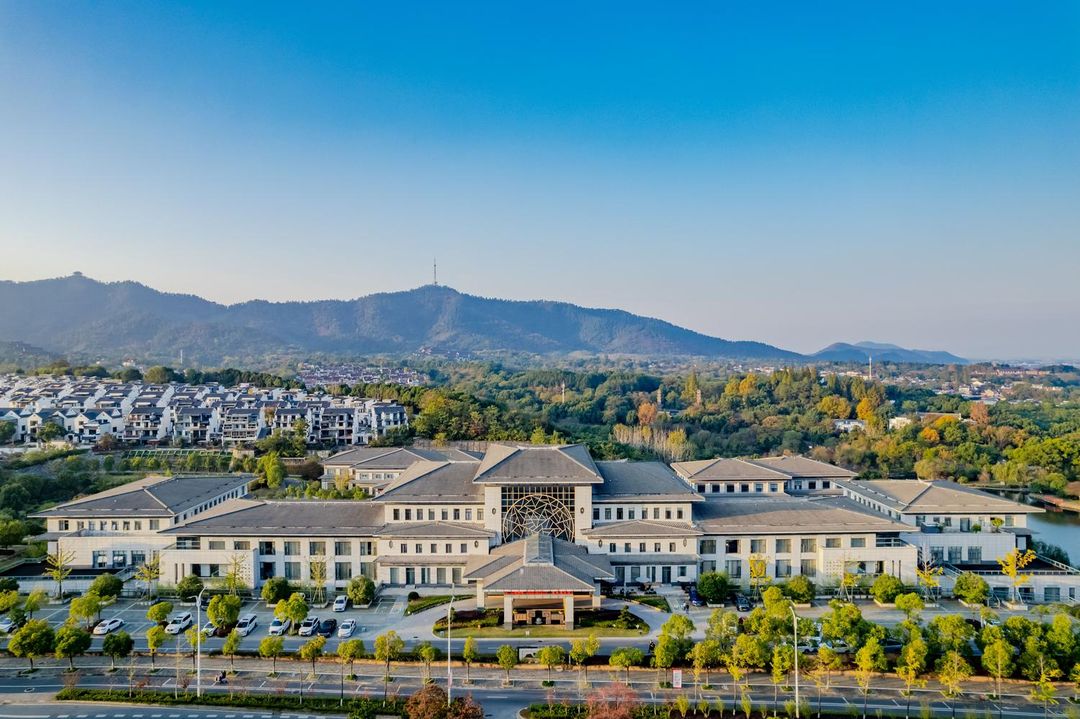
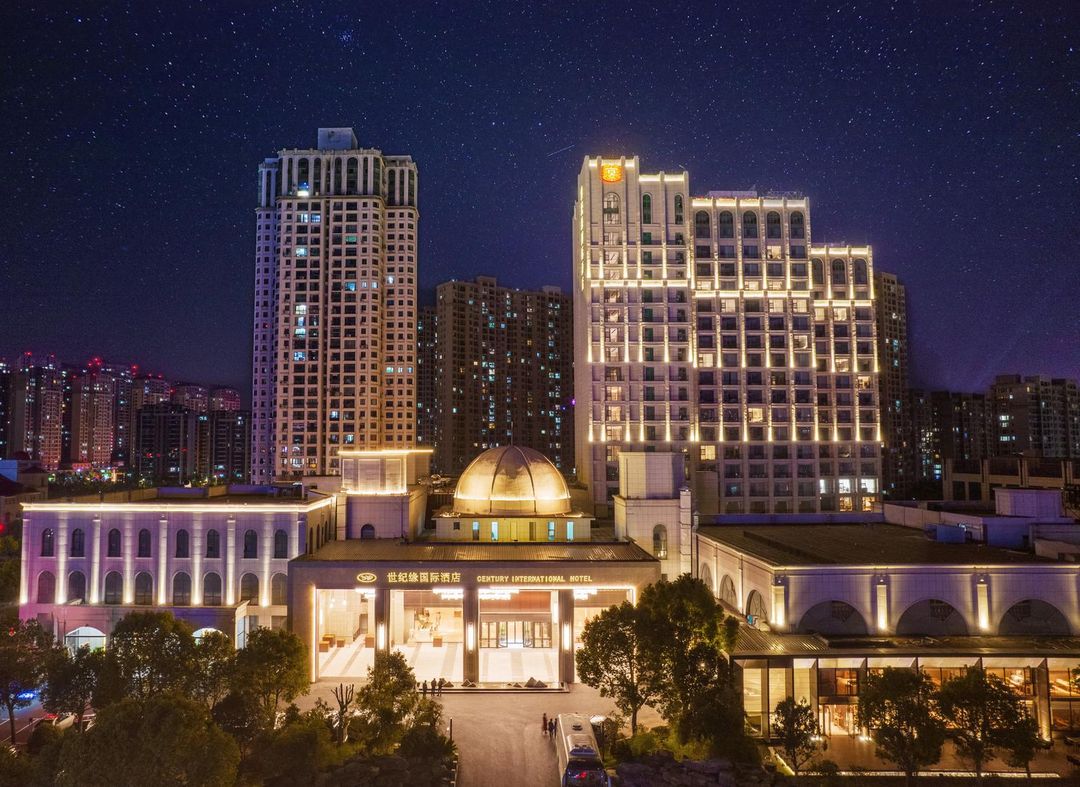
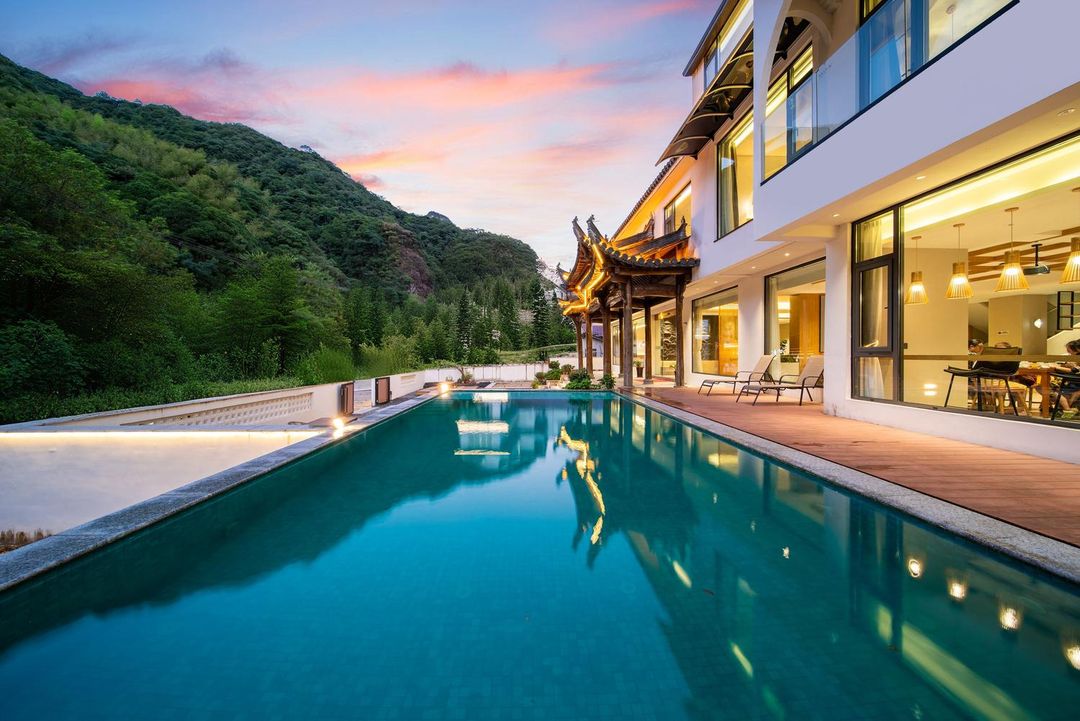
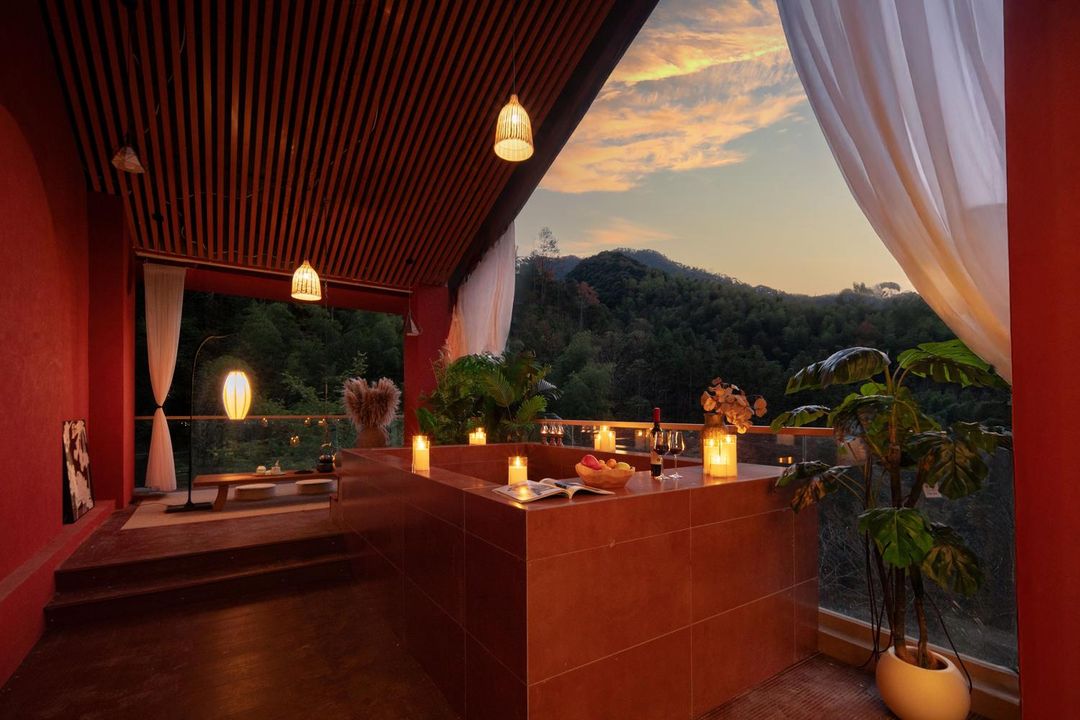
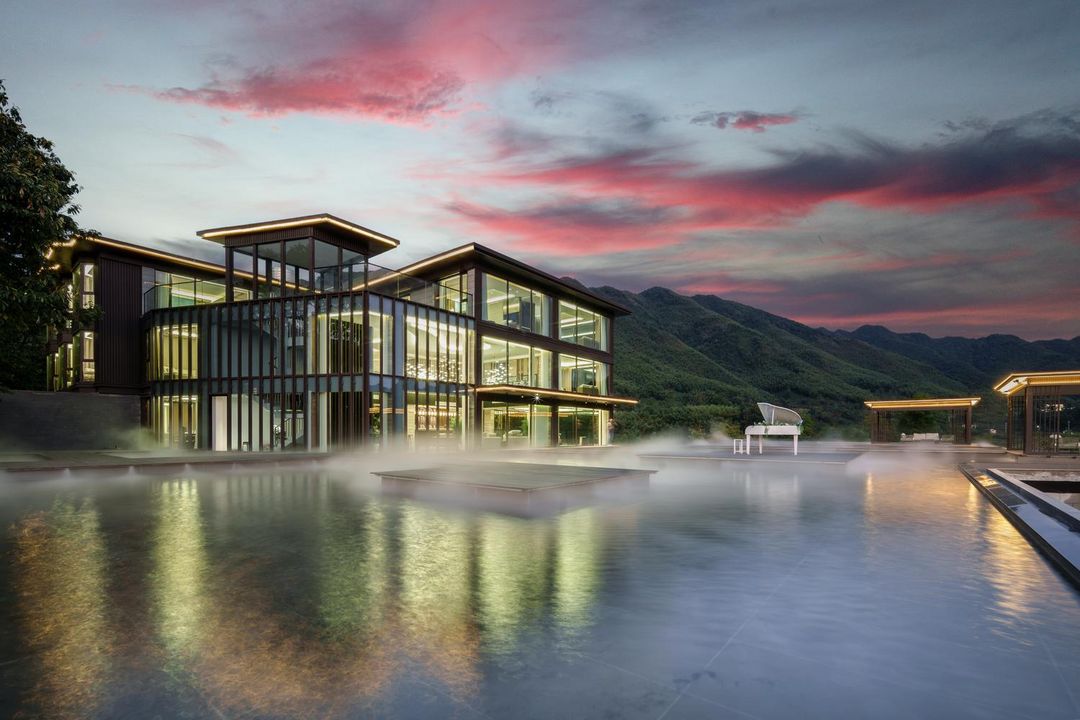
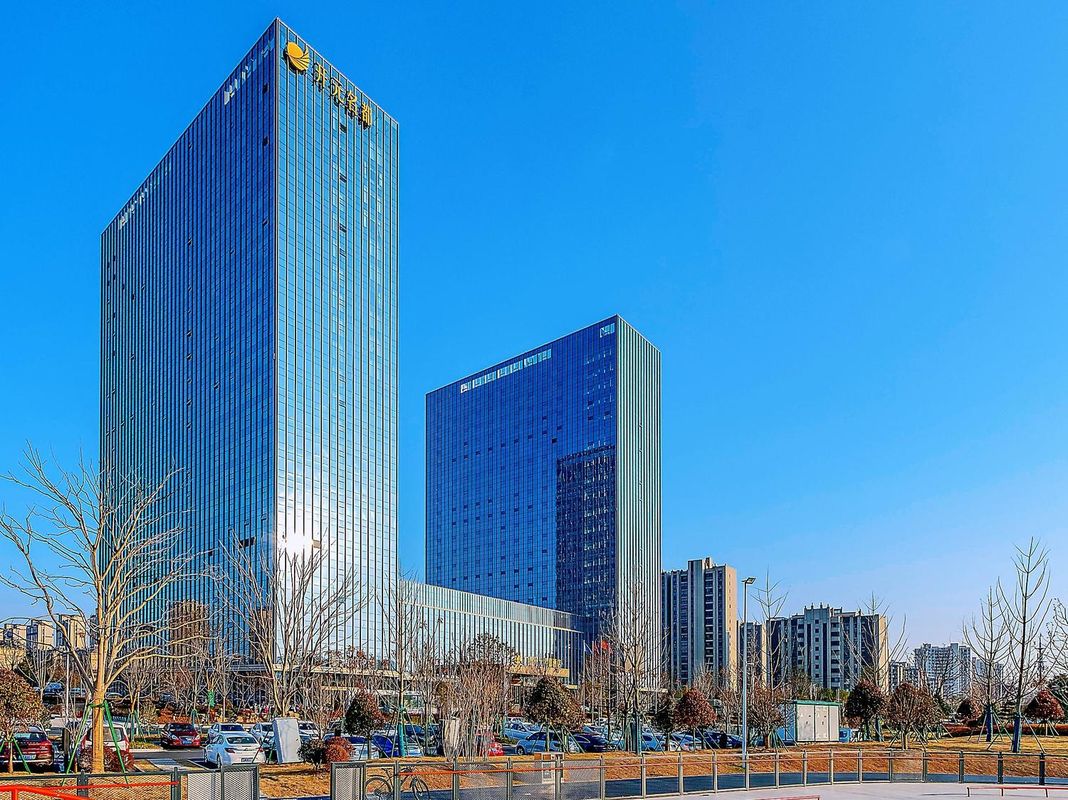

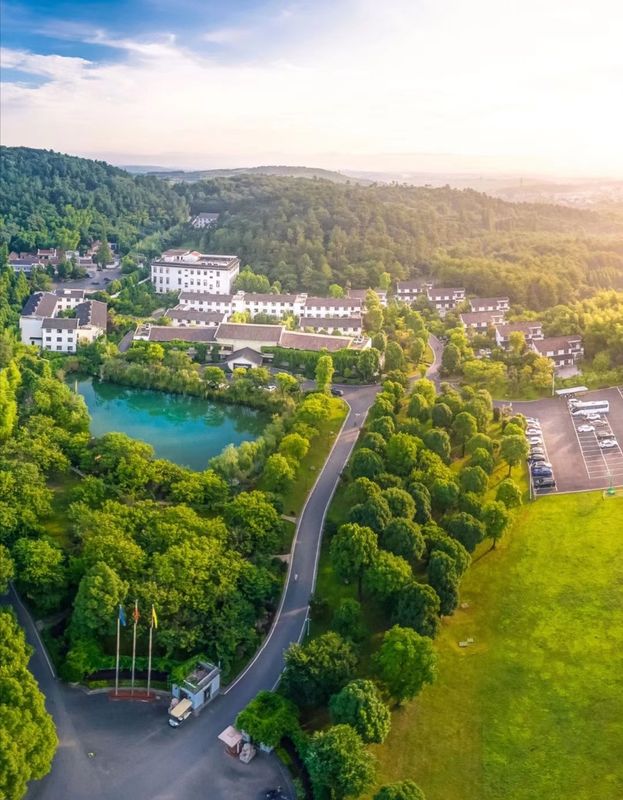
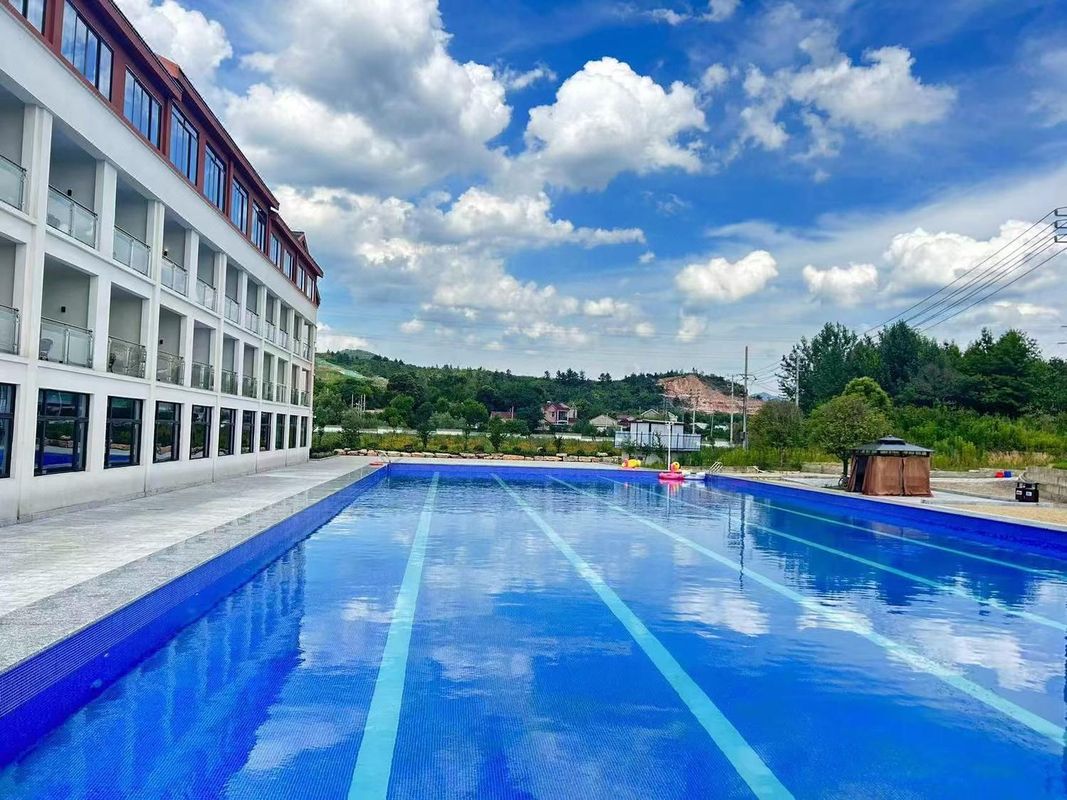
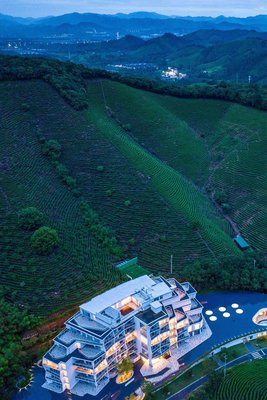
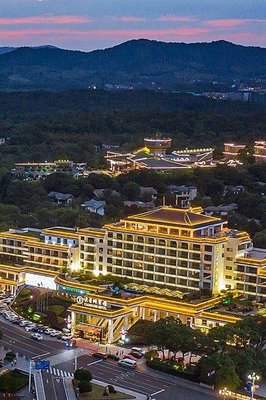
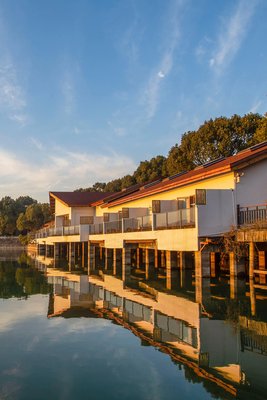
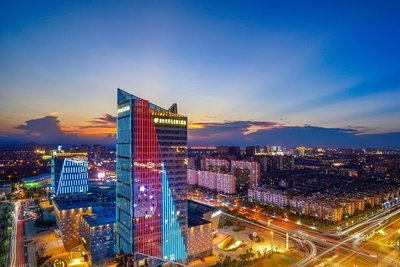
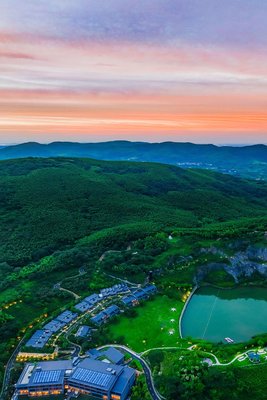
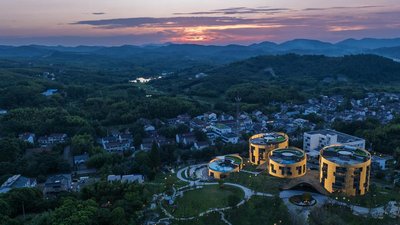
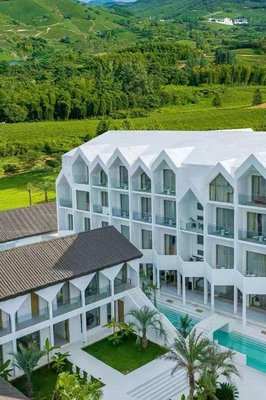
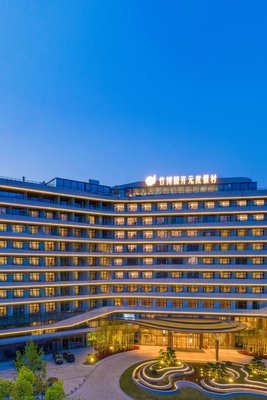
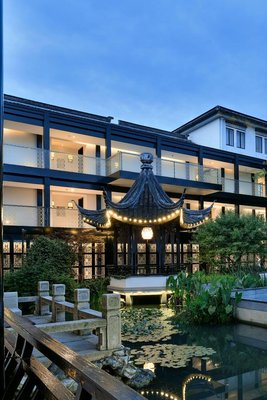
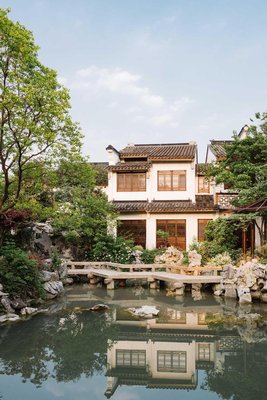
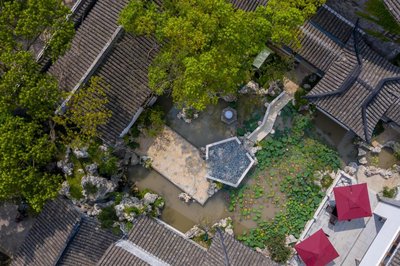
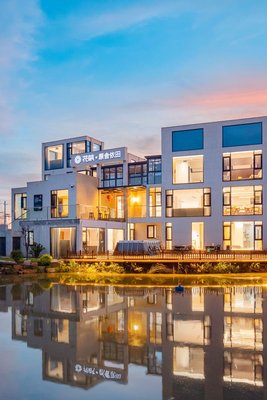
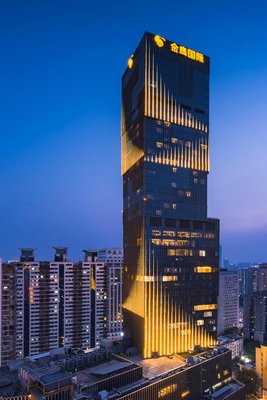
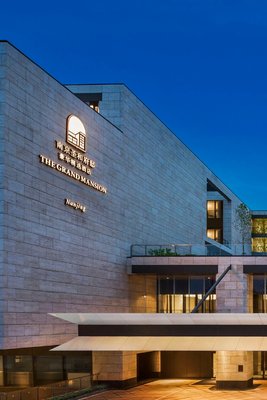
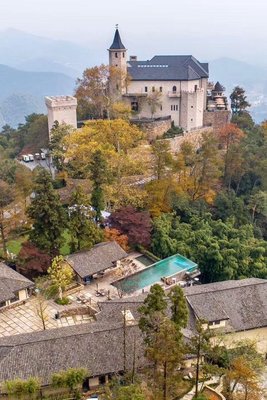
Best Hotels in Xuancheng
Discover curated hotel collections in Xuancheng










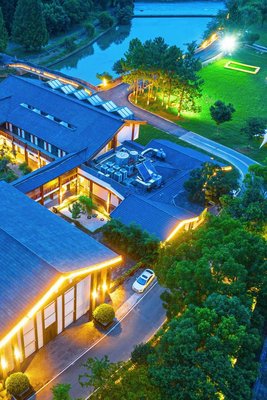



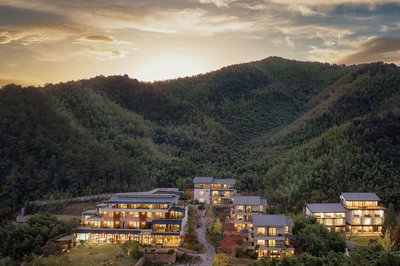
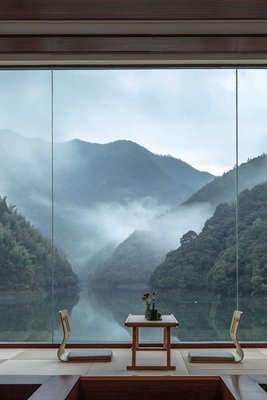
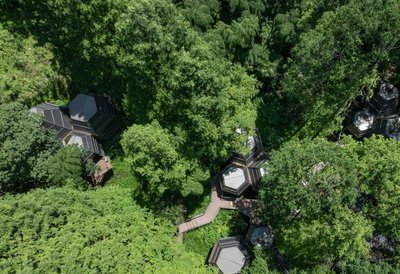






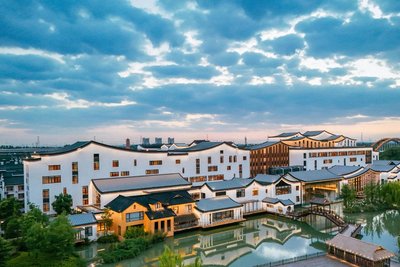

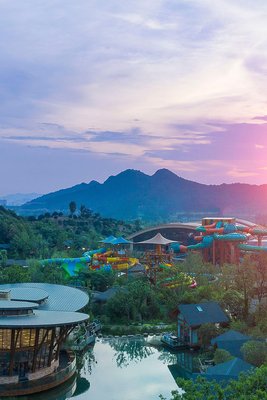

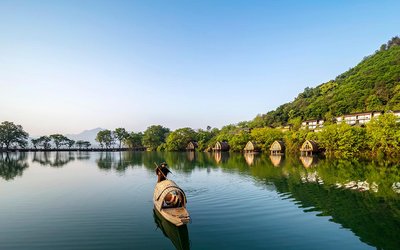

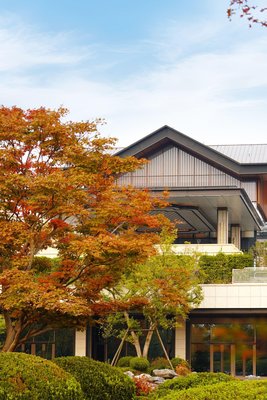





























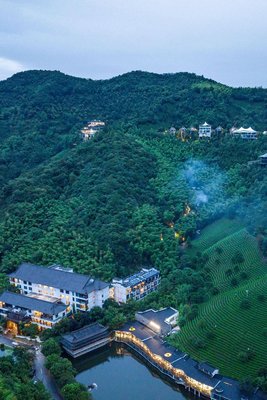



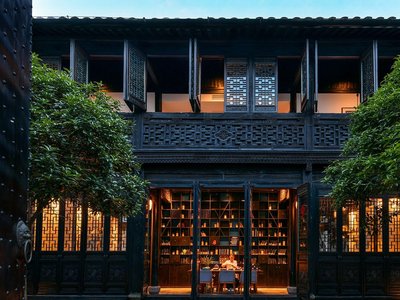
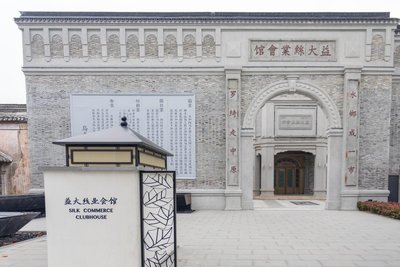
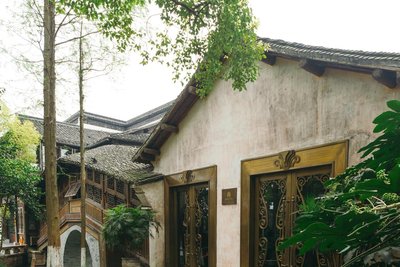



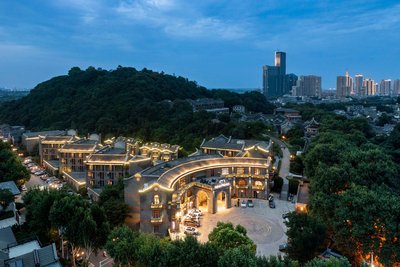
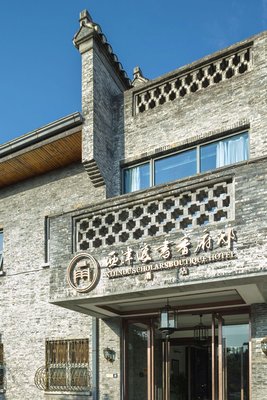
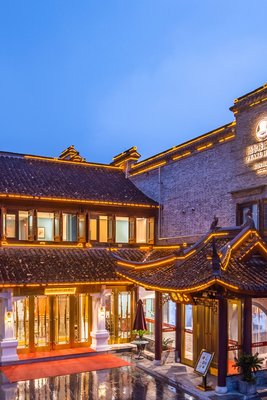

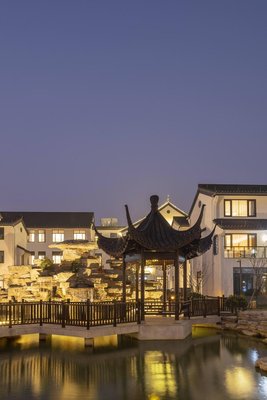

































Frequently Asked Questions about Traveling to Xuancheng
Questions You Might Need to Know About Traveling to Xuancheng
Xuancheng Overview
City Summary
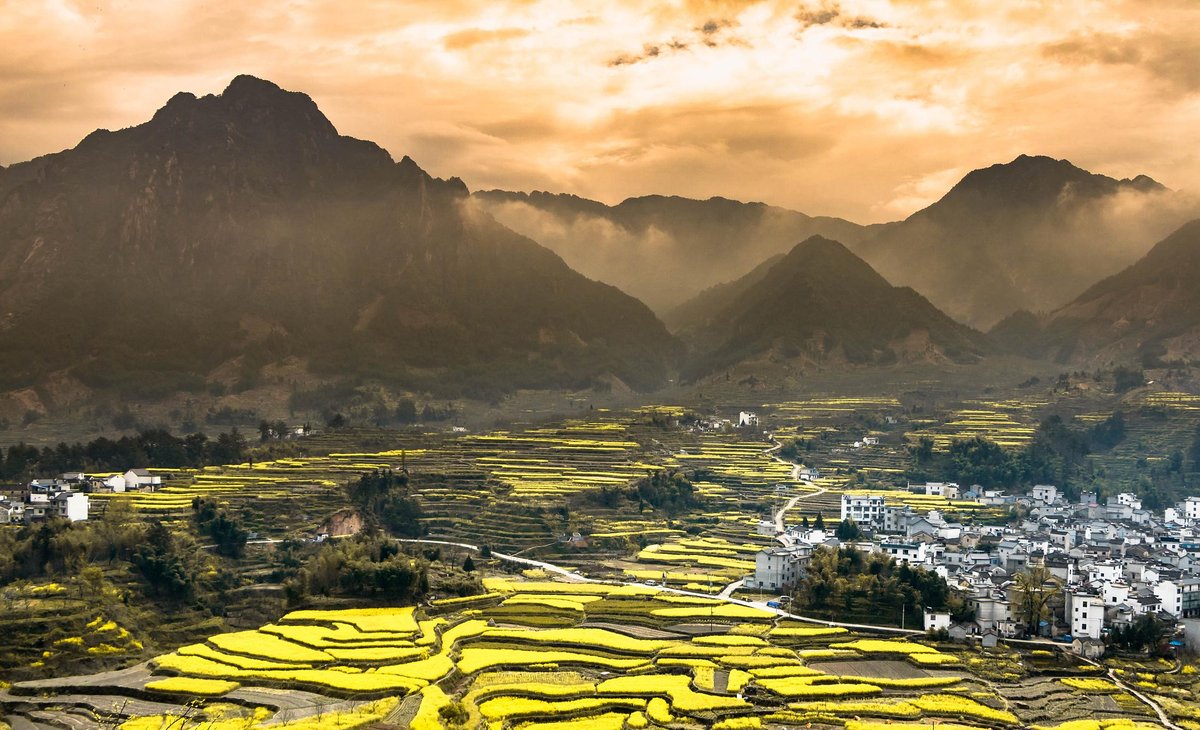
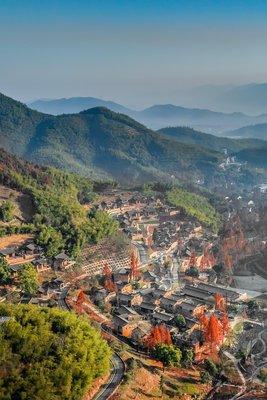
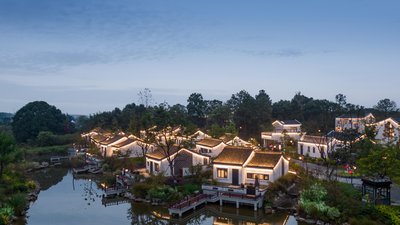
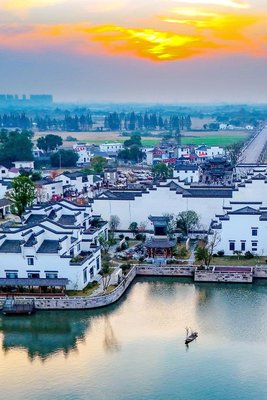
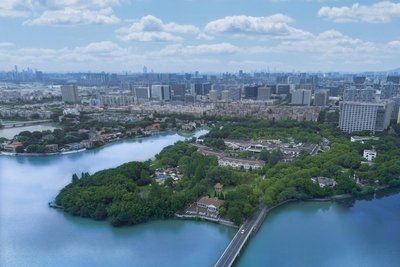
Xuancheng is a city in southeastern Anhui Province, China, renowned for its profound Huizhou culture heritage. It is famous for ancient villages, traditional architecture, and scenic landscapes. Key attractions include Longchuan in Jixi and Taohuatan in Jing County, which exemplify the harmony between Hui-style buildings and nature.
Must-See Attractions
Must-see spots include UNESCO-listed Xidi and Hongcun villages (near Xuancheng), and Jingting Mountain within the city, celebrated in Li Bai's poetry. Longchuan in Jixi features the exquisite Hu Clan Ancestral Hall, while Taohuatan in Jing County offers poetic lakeside views. The Huihang Ancient Trail is a hiker's paradise with breathtaking scenery.
Food Guide
Xuancheng cuisine centers on Hui dishes. Try stinky mandarin fish (fermented fish with a unique flavor), hairy tofu (fermented tofu with a furry surface), and Jixi stir-fried vermicelli. For street food, don't miss Huizhou sesame cakes—crispy and fragrant.
Transportation Guide
Public buses and taxis are the main transport within Xuancheng, though bus frequencies are limited. Renting a car or hiring a driver is ideal for visiting nearby ancient villages like Xidi and Hongcun. Long-distance buses connect Xuancheng to Jixi and Jing County (1-2 hours). High-speed trains arrive at Xuancheng Station, linking to Hefei and Hangzhou.
Best Time to Visit
Best seasons are spring (March-May) and autumn (September-November), with mild weather perfect for hiking and sightseeing. Spring offers rapeseed flower fields, while autumn adorns villages with red leaves. Summers are hot, and winters may see snow-blocked paths.
Travel Tips
- Respect local customs: Ancient villages are residential—avoid intruding when photographing.
- Wear comfortable shoes: Cobblestone paths and trails require non-slip footwear.
- Carry cash: Some rural spots may not accept digital payments.
- Mosquito protection: Mountainous areas have more insects in summer.
- Book accommodation early: Village homestays fill up quickly in peak seasons.
- Protect the environment: Pack out trash to preserve natural sites.
Useful Information
Language: Mandarin is widely spoken; some elders use Huizhou dialects. Internet: 4G coverage in urban areas and attractions, weaker in mountains. Payment: Alipay/WeChat Pay are common, but cash is safer in rural areas. Emergency care: City hospitals and township clinics are available. Voltage: 220V, with Type A (two-flat-pin) sockets. Emergency numbers: Police 110, ambulance 120.