Hotels in Yūki
Discover your perfect stay in Yūki.
Yūki(Japan) Travel 2026: Cheap Flights, Hotels & Top Attractions
Popular Landmarks in Yūki
Discover the most iconic attractions in Yūki
Recommended Hotels in Yūki
Find the perfect place to stay in Yūki
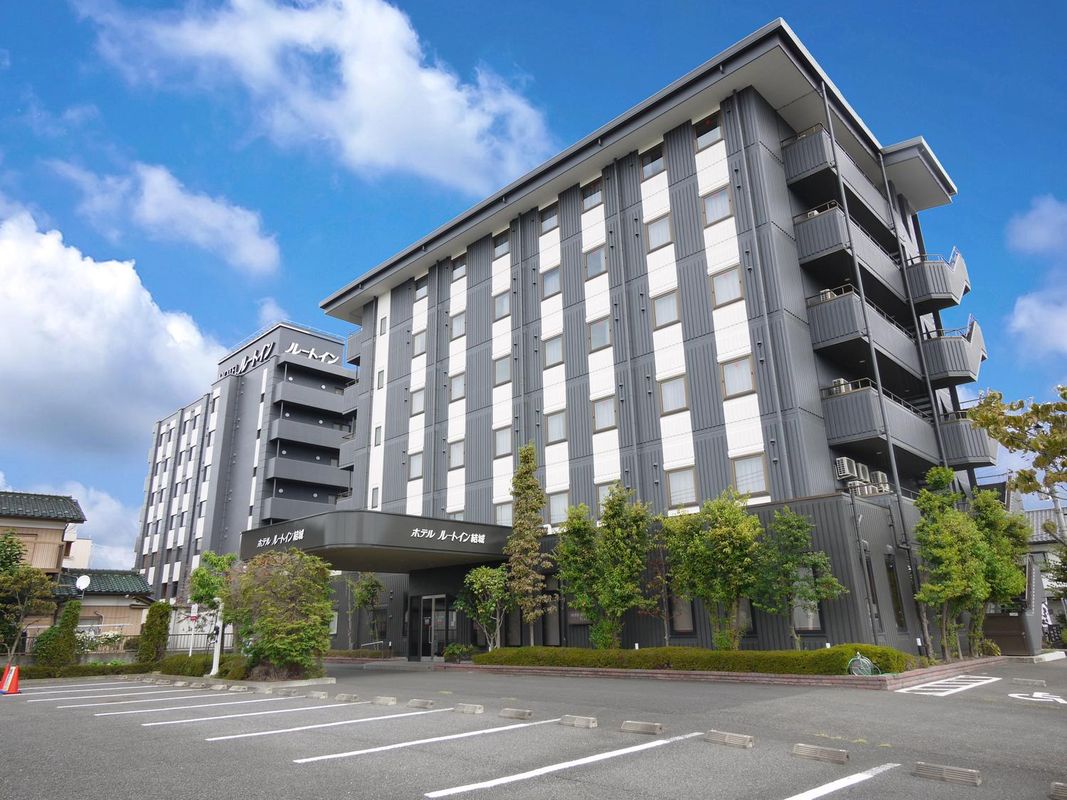
Hotel Route-Inn Yuuki
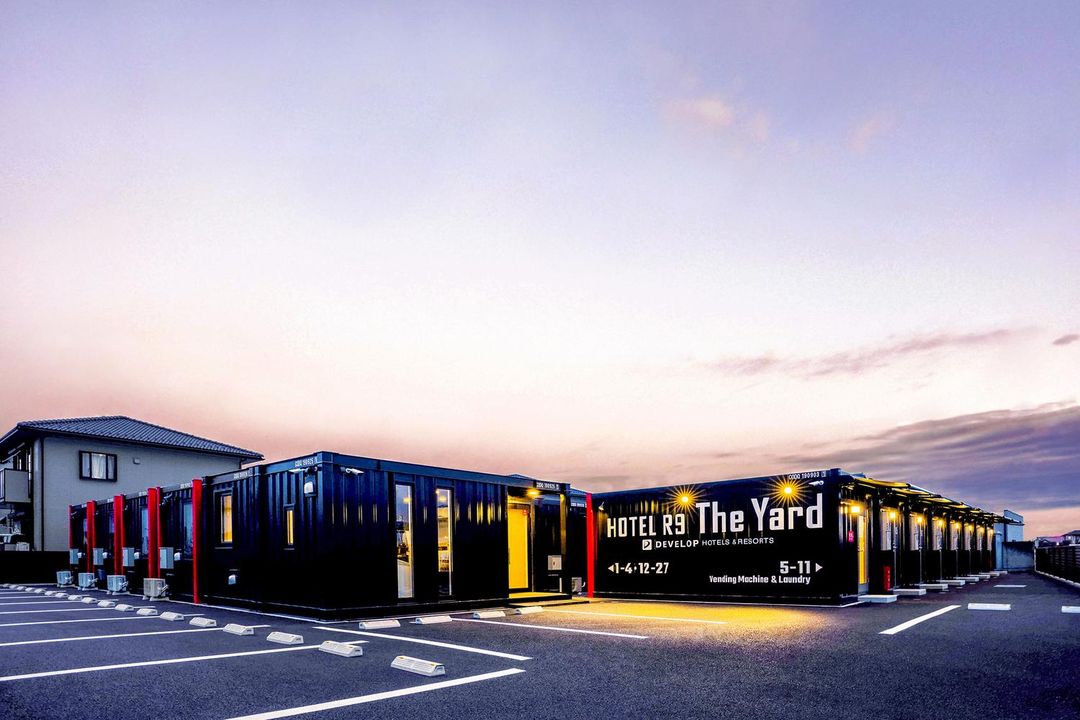
Hotel R9 the Yard Yuki
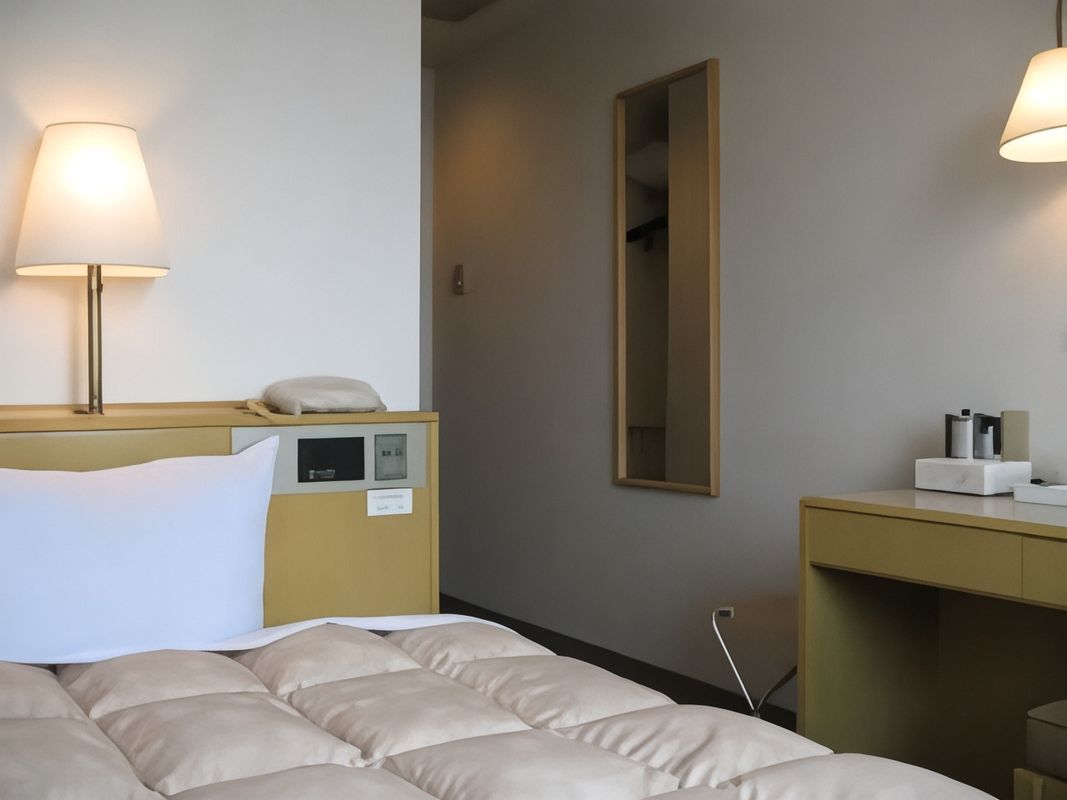
Hotel Crown Hills Yuki
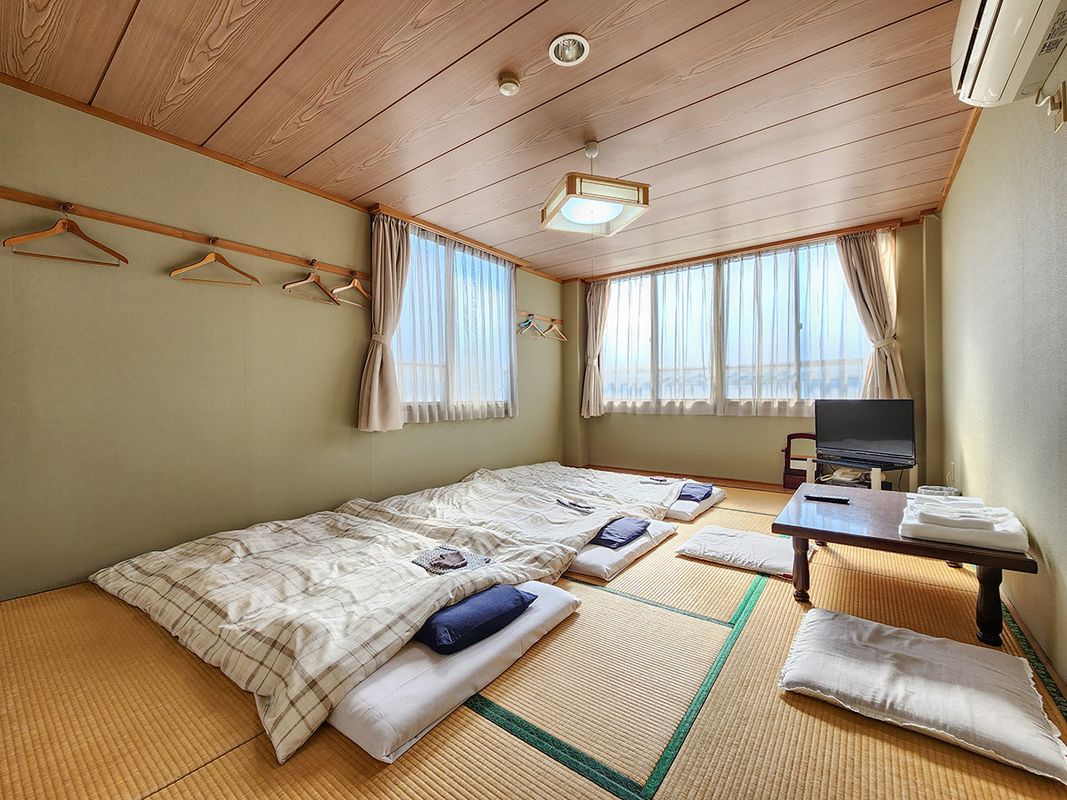
Yukikan
Best Hotels in Yūki
Discover curated hotel collections in Yūki
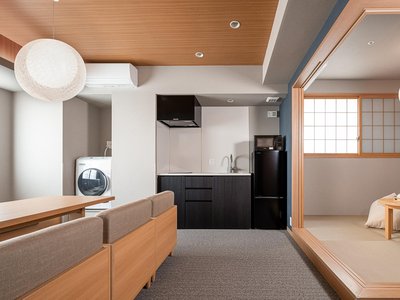
MIMARU SUITES Tokyo Asakusa
karaksa hotel colors Tokyo Yaesu
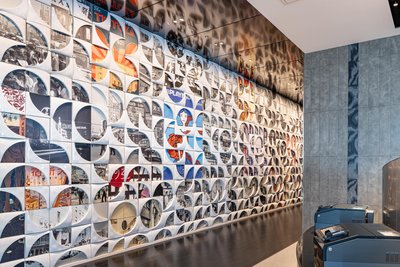
HOTEL GROOVE SHINJUKU, A PARKROYAL Hotel
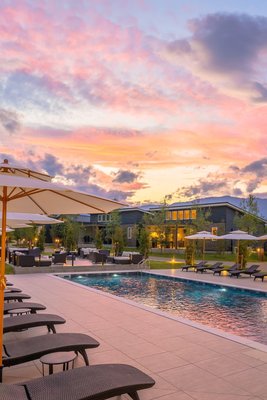
Awaumi Fujikawaguchiko Resort
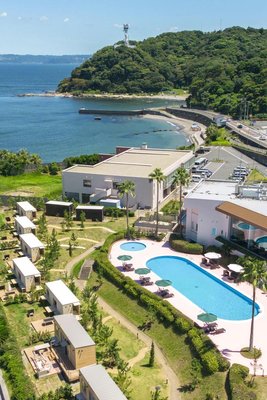
La vista Yokosuka Kannonzaki Terrace
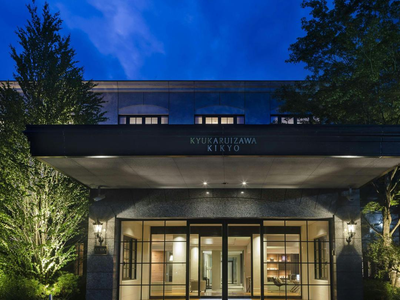
Fufu Karuizawa Wind of Sunshine
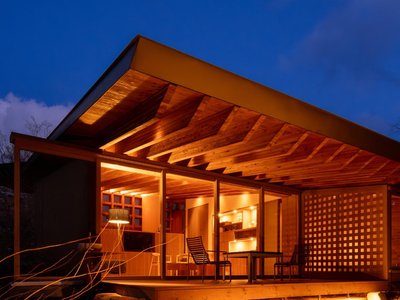
Nasu Mukunone
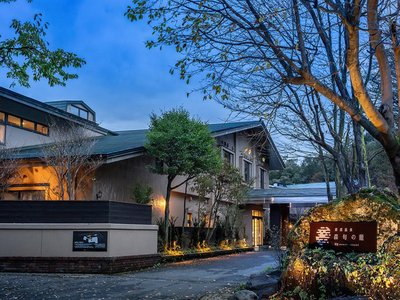
Nasu Onsen Shinshun no Kago Hewitt Resort

Scapes the Suite
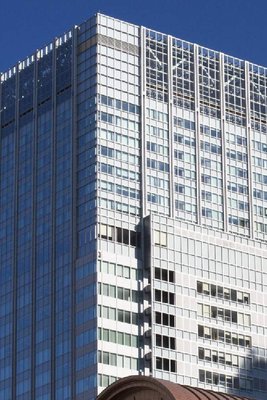
Hotel Metropolitan Tokyo Marunouchi
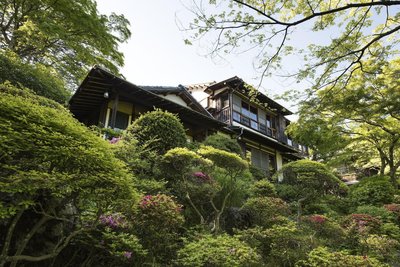
Gora Kansuiro
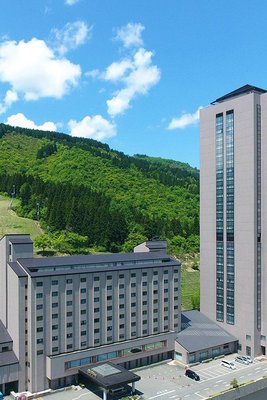
Naspa New Otani
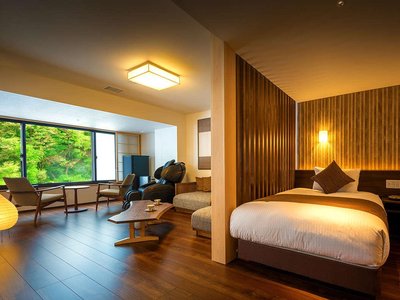
Harataki
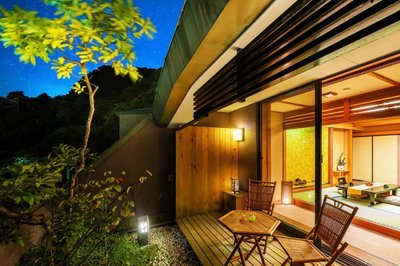
Konjakutei
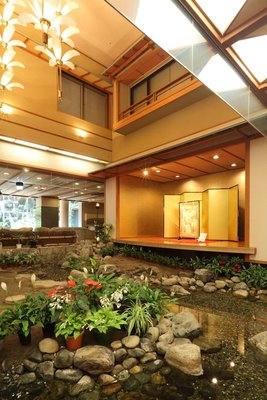
Hotel Futaba
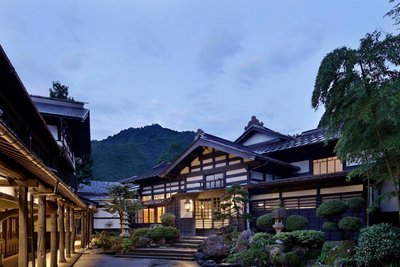
Ryugon
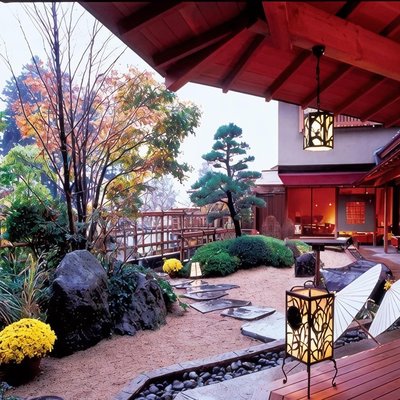
Oyado Tamaki

Tokinoniwa
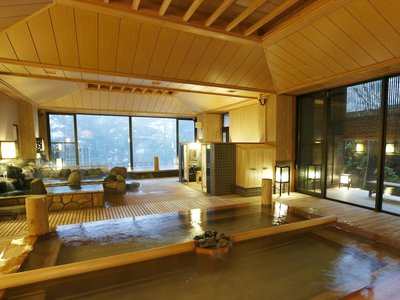
Konoha
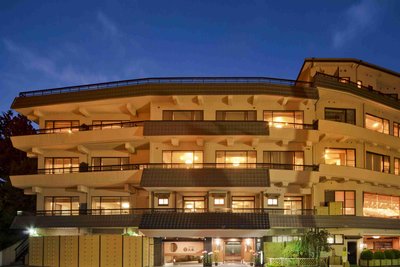
Maruei
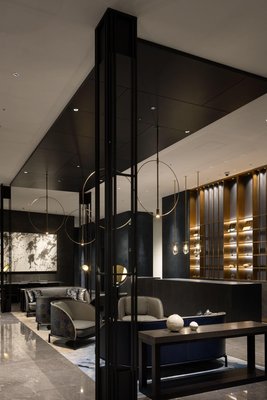
Bellustar Tokyo, A Pan Pacific Hotel
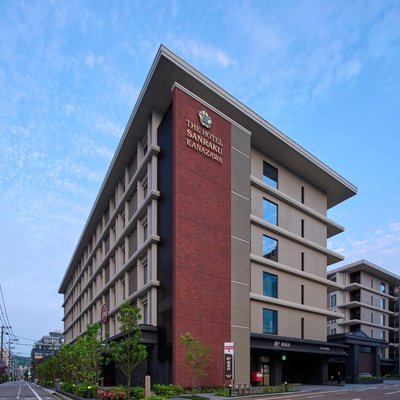
The Hotel Sanraku Kanazawa 21th December 2022 Open
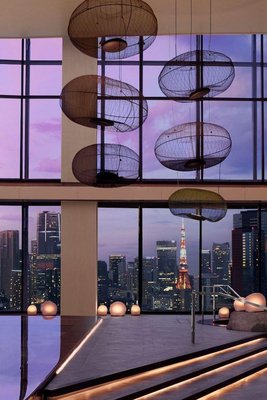
JW Marriott Hotel Tokyo
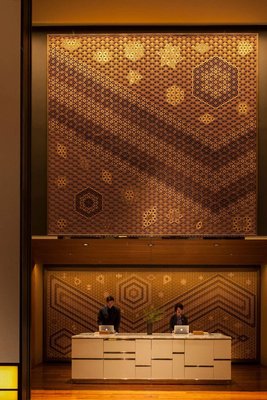
Andaz Tokyo Toranomon Hills- A Concept by Hyatt
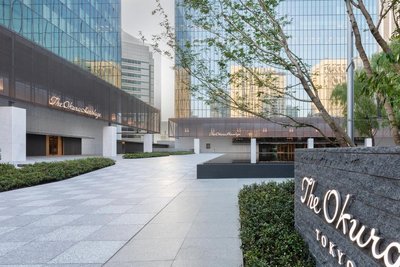
The Okura Tokyo
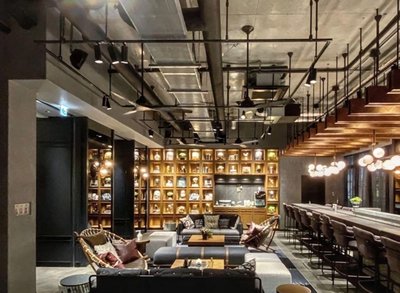
The Lively Azabujuban Tokyo
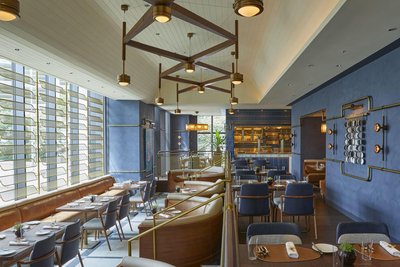
Kimpton Shinjuku Tokyo

HOTEL K5
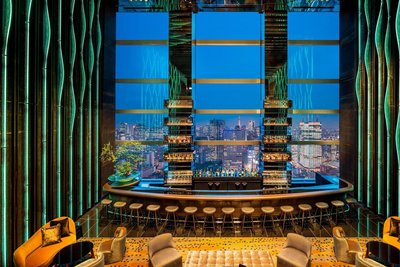
The Prince Gallery Tokyo Kioicho, a Luxury Collection Hotel
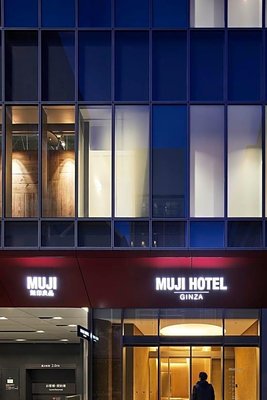
Muji Hotel Ginza
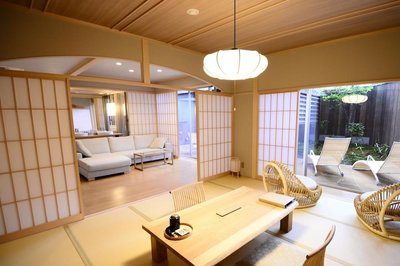
Hakone Gora Byakudan
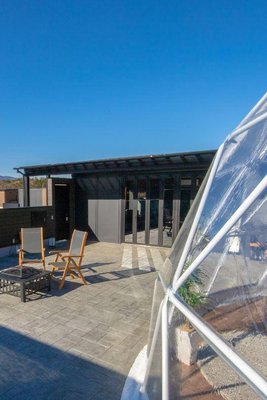
Panoramic Mt. Fuji Views from All Rooms – Vision Glamping Resort & Spa Yamanakako
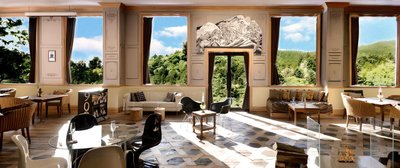
Shelter Garden Nikko
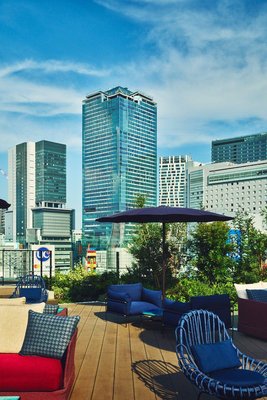
Hotel Indigo Tokyo Shibuya
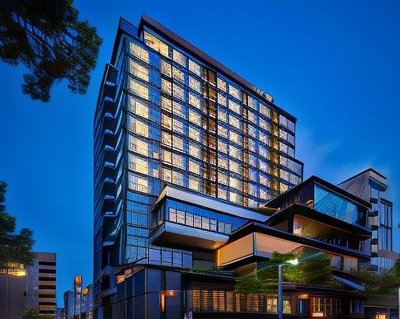
TIAD, AUTOGRAPH COLLECTION
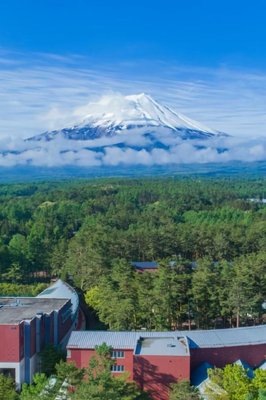
Forest Village (Fuji Premium Resort)
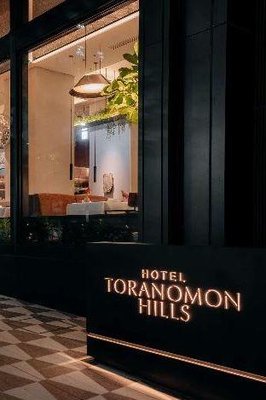
Hotel Toranomon Hills
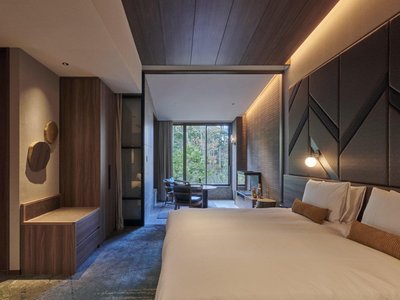
Fufu Kyu-Karuizawa Restful Forest
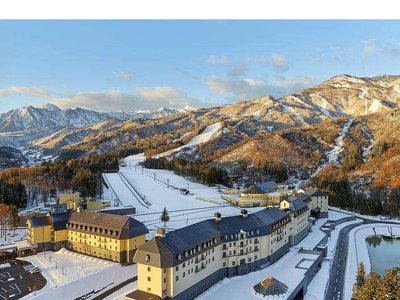
Lotte Arai Resort
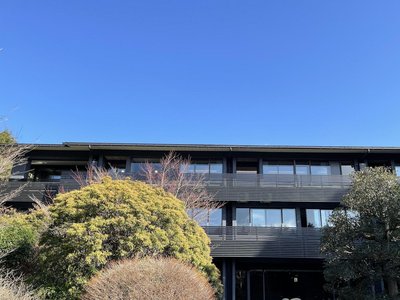
Sengokubara Cocon
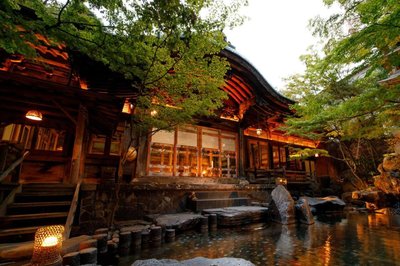
Shoraiso
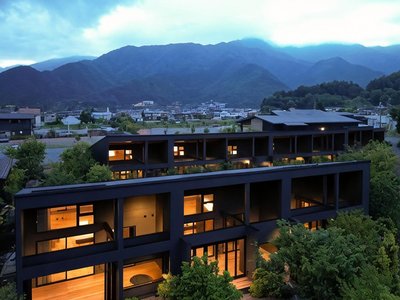
7C Villa and Winery
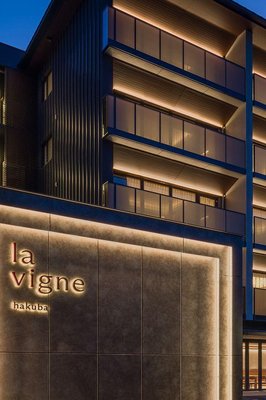
Hotel la Vigne Hakuba by Onko Chishin
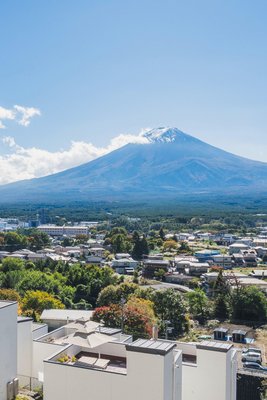
THE TOKI FujiKawaguchiko
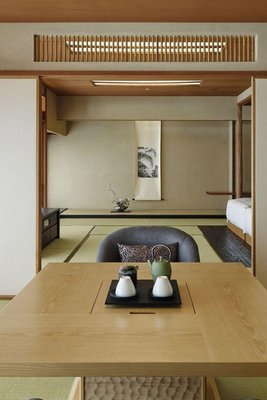
Takanawa Hanakohro (in Grand Prince Hotel Takanawa)
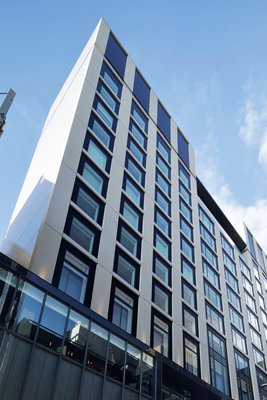
Hyatt Centric Ginza Tokyo
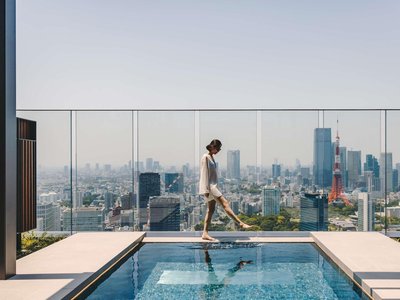
Fairmont Tokyo
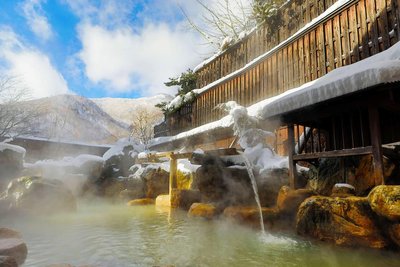
Miyamaouanbekkan yumegurinoyado hirayukan
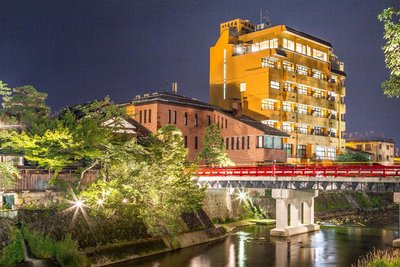
HONJIN HIRANOYA BEKKAN
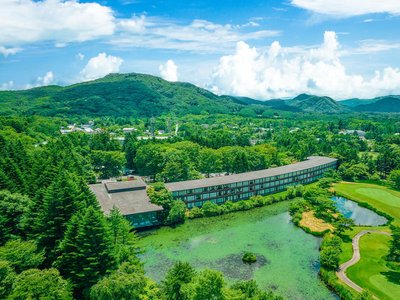
The Prince Karuizawa
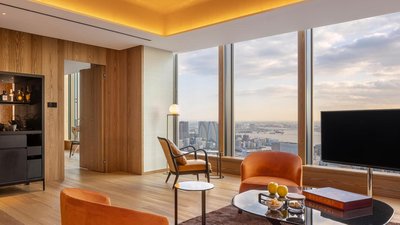
Bvlgari Hotel Tokyo
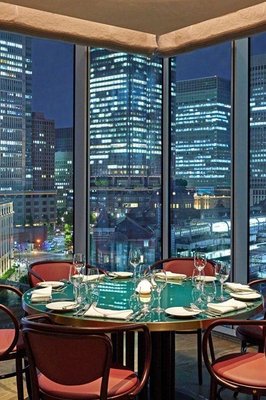
Four Seasons Hotel Tokyo at Marunouchi

Mandarin Oriental, Tokyo
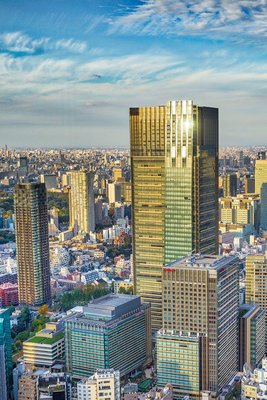
The Ritz-Carlton, Tokyo
Andaz Tokyo Toranomon Hills- A Concept by Hyatt
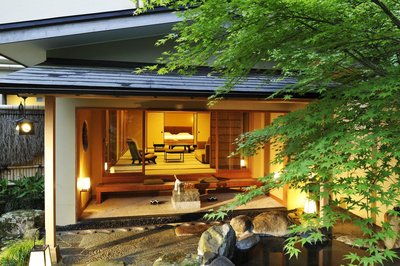
Gora Kadan

Hotel New Otani Tokyo the Main
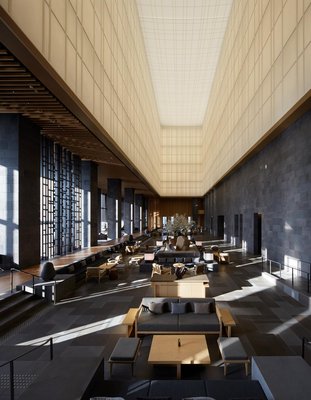
Aman Tokyo
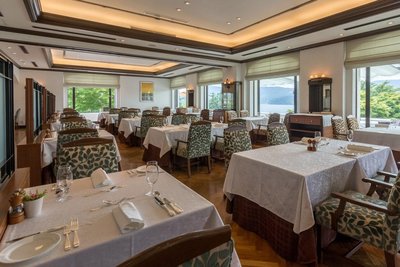
Odakyu Hotel de Yama
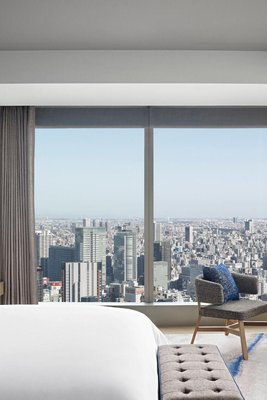
Four Seasons Hotel Tokyo at Otemachi
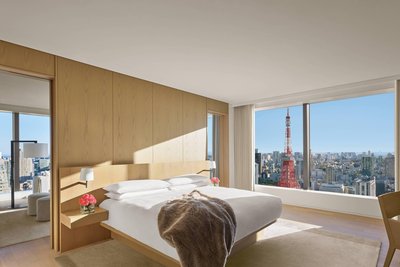
The Tokyo Edition, Toranomon
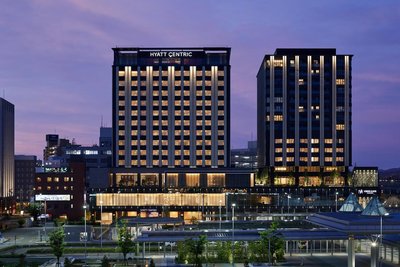
Hyatt Centric Kanazawa
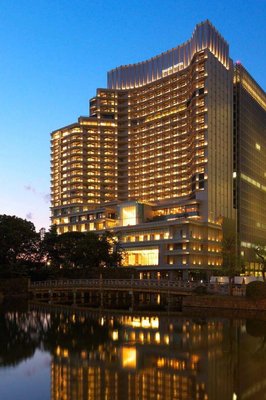
Palace Hotel Tokyo
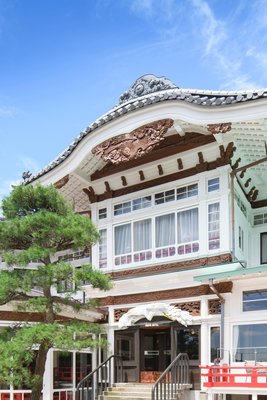
Fujiya Hotel
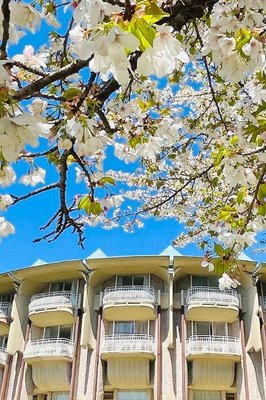
The Prince Hakone Lake Ashinoko
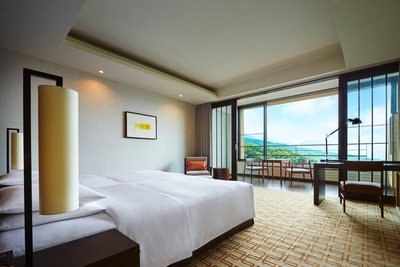
Hyatt Regency Hakone Resort and Spa
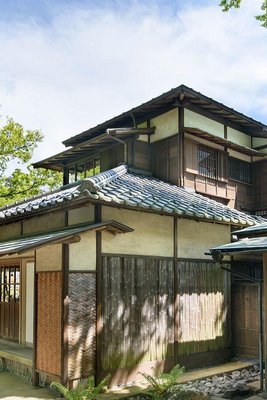
Hakone Suishoen
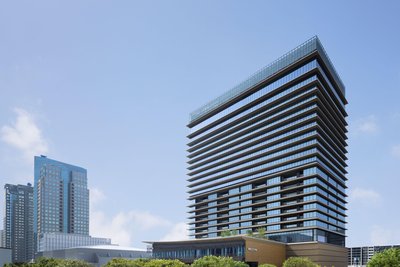
The Westin Yokohama
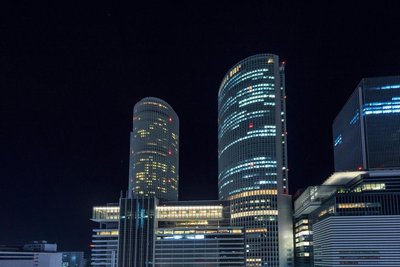
Nagoya Marriott Associa Hotel
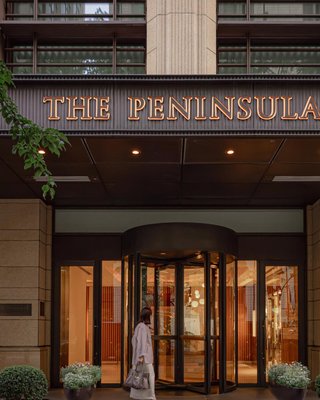
The Peninsula Tokyo
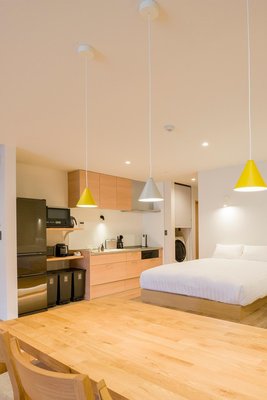
Rakuten STAY VILLA Nasu
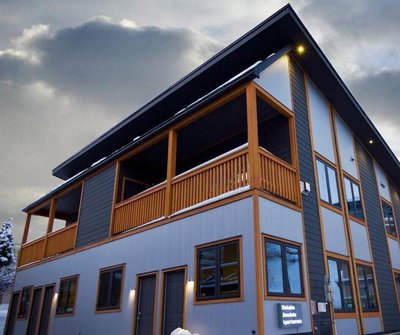
Hakuba Gondola Apartments
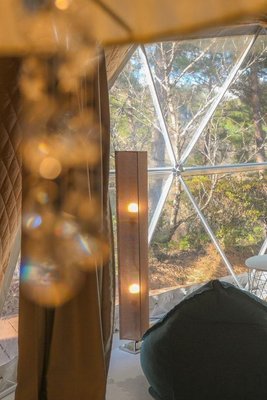
glampark Gekkabijin Nagano
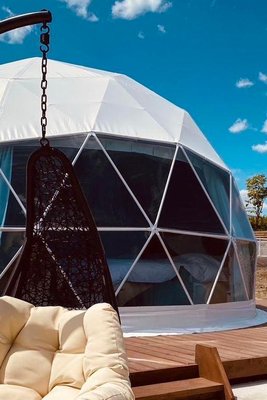
chillout glamping zao
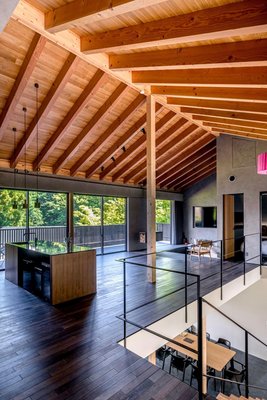
MONS GORA
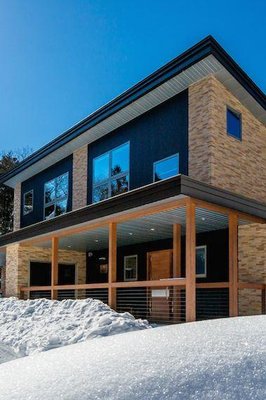
Phoenix Chalets by Hhg
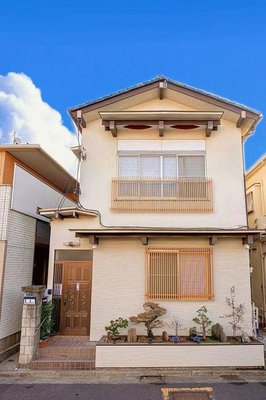
Tokyo Star House-Shinkoiwa
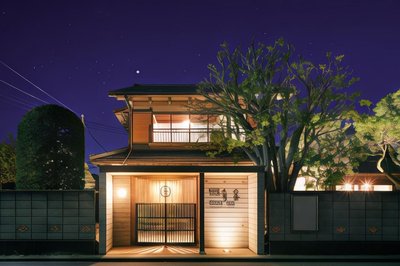
Machi-Jyu
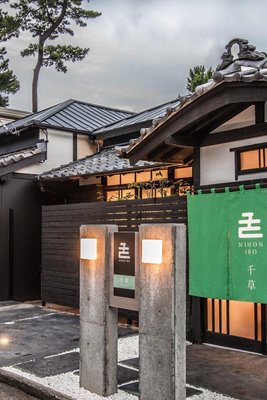
Nihon Iro
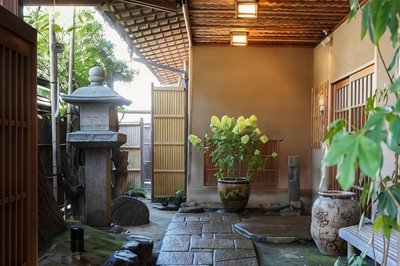
Ryokan Asadaya
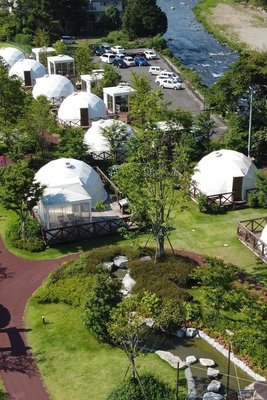
Ufufu Village
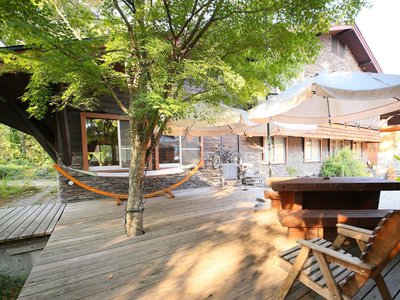
Kunugi Relaxation with 4 Modern Rooms
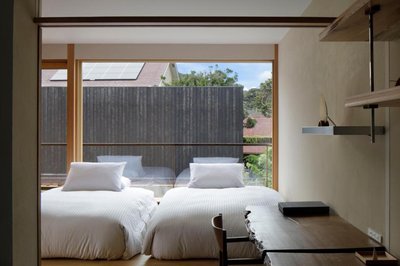
Modern Ryokan Kishi-ke
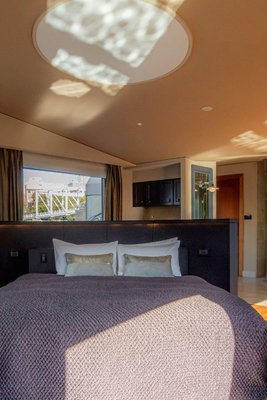
Petals Tokyo - Floating Hotel
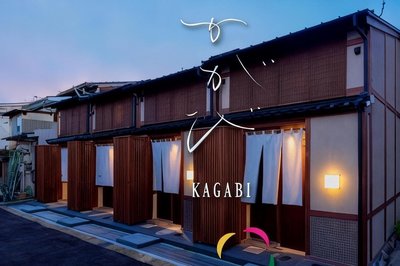
Kagabi Machiya House
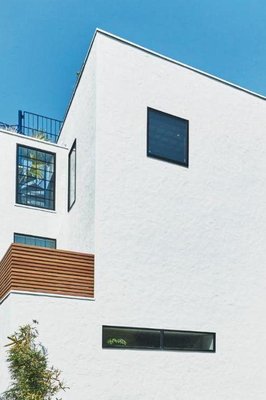
The Flow Kamakura
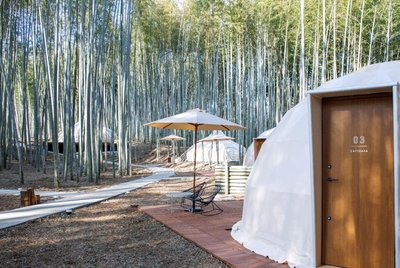
THE BAMBOO FOREST
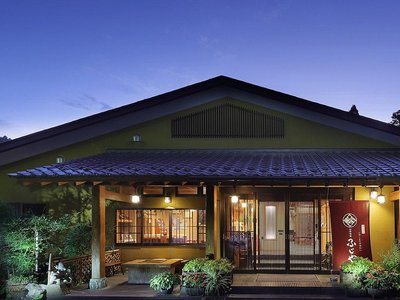
Shikimitei Fujiya
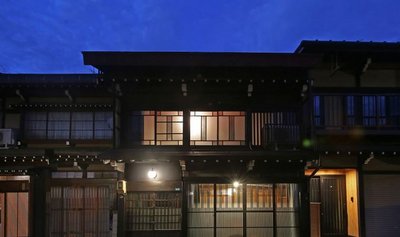
Iori Stay Hida
Bellustar Tokyo, A Pan Pacific Hotel
Bvlgari Hotel Tokyo
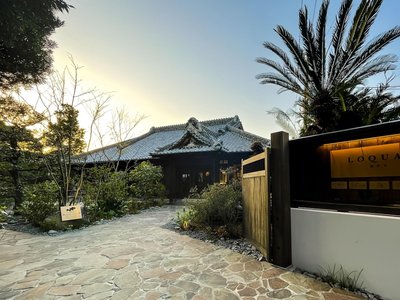
Loquat Nishiizu
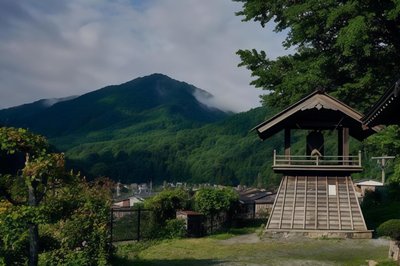
Byaku Narai
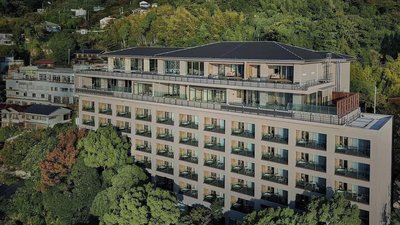
Atami Izusan Karaku
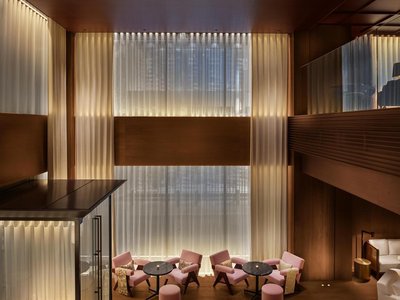
The Tokyo Edition, Ginza
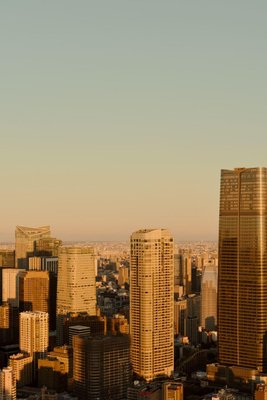
Janu Tokyo
JW Marriott Hotel Tokyo
Four Seasons Hotel Tokyo at Marunouchi
Mandarin Oriental, Tokyo
The Ritz-Carlton, Tokyo
Andaz Tokyo Toranomon Hills- A Concept by Hyatt
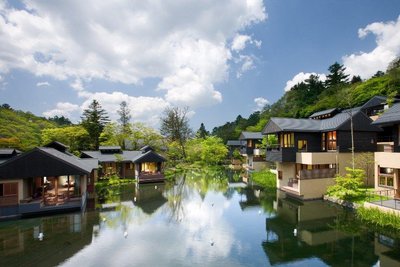
Hoshinoya Karuizawa
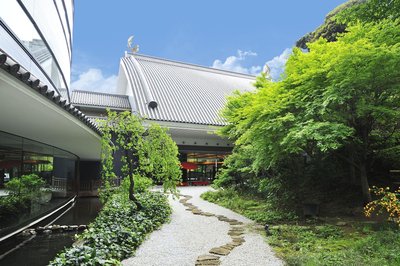
Hotel Gajoen Tokyo
Gora Kadan
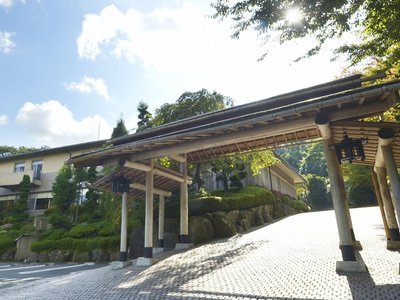
Gora Hanaougi
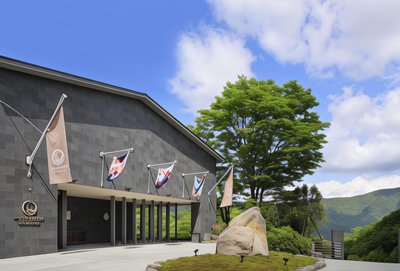
The Hiramatsu Hotels & Resorts Sengokuhara Hakone
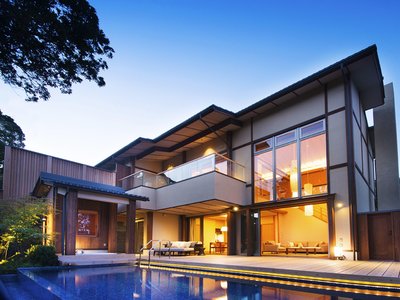
Abba Resorts Izu - Zagyosoh
Aman Tokyo
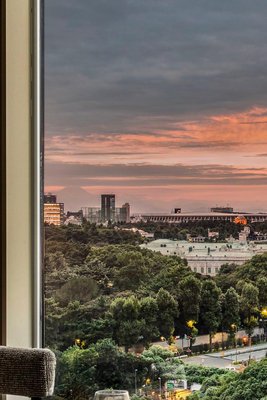
Hotel New Otani Tokyo, Executive House Zen
Frequently Asked Questions about Traveling to Yūki
Questions You Might Need to Know About Traveling to Yūki
In Naka City, the top choice for families is Ibaraki Naka East Japan Hotel. Located near Naka Castle Ruins Park, this hotel offers a children’s playroom, hot spring baths, and spacious family suites. Its design blends Edo-era aesthetics with modern comfort, and guests can easily walk to Naka Inari Shrine to experience local Shinto traditions.
The hotel also provides free shuttle service to the train station and serves authentic regional meals like "Naka Beef" and fresh melons from nearby farms. Opt for breakfast-inclusive packages to enjoy traditional Japanese breakfasts with local ingredients, making your stay both convenient and culturally enriching.
For breathtaking views, stay at Sakura-no-Sato Inn, nestled beside Naka Castle Ruins Park. This boutique inn offers panoramic views of the historic castle grounds and surrounding cherry blossoms during spring, creating a serene atmosphere reminiscent of ukiyo-e paintings.
Each room features floor-to-ceiling windows, allowing guests to enjoy sunrise over the rice fields or evening city lights. The owner, a local historian, offers guided talks on ancient burial mounds and feudal history. Book a room with a cultural tour package to deepen your understanding of Naka’s rich heritage.
Immerse yourself in Naka City’s culture by staying at Kuroushi Minka Minshuku, a renovated 100-year-old merchant house from the Edo period. This traditional wooden home retains original lattice windows, earthen walls, and large eaves.
Guests can participate in daily tea ceremony workshops led by local masters and join handmade paper umbrella crafting sessions using locally produced washi paper. Dinner includes kaiseki-style meals made with local ingredients like "Naka Chicken" and Ibaraki rice, paired with regional sake. These immersive experiences offer a genuine taste of Naka’s slow-paced, heritage-rich lifestyle.
For tranquility, head to the rice field district in western Naka, an area characterized by low-density housing and lush farmland near the Naka River and Senbon Matsuri Forest. The air is crisp, and natural sounds dominate the landscape.
Stay at Tsuchi no Mori Villa, a private wooden cottage with a secluded garden and outdoor onsen. Rooms feature natural wood finishes and minimalist Japanese design, evoking a forest retreat. Enjoy morning walks along riverside paths or watch golden sunsets paint the rice paddies—perfect for recharging your spirit in a peaceful setting.
Key historical sites in Naka City include:
-
Naka Castle Ruins Park: A National Historic Site, this former castle complex features stone walls, a keep foundation, and hosts the annual "Naka Cherry Blossom Festival" in spring.
-
Naka Inari Shrine: Home to a centuries-old vermilion torii gate and stone lanterns, it’s a sacred site for prosperity and business success.
-
Naka Kofun Cluster: A group of keyhole-shaped burial mounds designated as a National Historic Site, offering insights into Japan’s ancient burial customs.
All sites are within walking distance or reachable by bike, ideal for exploring Naka’s deep historical roots.
Must-try dishes in Naka City include:
-
Naka Beef: Premium Wagyu from local black cattle, best enjoyed grilled at Naka Wagyu Tei.
-
Ibaraki Melons: Sweet summer harvests available at Naka Farm Fresh Market.
-
Naka Pickles (Naka-zuke): Fermented cucumbers and mustard greens aged for 30 days—crisp and tangy, perfect with rice.
-
Matcha Mochi: Made with local matcha powder, these soft, slightly bitter sweets are sold at Naka Cha-ya Tea House.
These culinary delights reflect Naka’s agricultural excellence and traditional craftsmanship.
The best times to visit Naka City are spring (March–May) and autumn (October–November).
Spring: Cherry blossoms bloom across Naka Castle Ruins Park, turning the city into a sea of pink. The annual "Naka Sakura Festival" celebrates the season with lantern displays and street food.
Autumn: Cool weather and golden rice fields create stunning photo opportunities. The "Naka Autumn Festival" features taiko drumming, folk dances, and seasonal markets. Both seasons are ideal for cycling through rural landscapes and experiencing Naka’s natural beauty.
Plan your day as follows:
-
9:00 AM: Visit Naka Castle Ruins Park, explore the keep foundation and stone walls.
-
11:00 AM: Walk to Naka Inari Shrine, photograph the red torii gate and lantern-lined path.
-
12:30 PM: Lunch at Naka Wagyu Tei, savor grilled Naka Beef.
-
2:00 PM: Head to Kuroushi Minka Minshuku for a tea ceremony and handmade paper umbrella workshop.
-
4:00 PM: Stroll through Senbon Matsuri Forest for peaceful views.
-
6:00 PM: Return to town and enjoy matcha desserts at Naka Cha-ya Tea House.
This full-day journey blends history, cuisine, and hands-on tradition for a memorable cultural immersion.
Yes, Naka City is excellent for cycling. The city has well-maintained bike lanes connecting major attractions like Naka Castle Ruins Park, Naka River Path, and Senbon Matsuri Forest—all flat and safe for riders.
Many hotels and inns offer free bicycle rentals and provide maps with curated routes and cultural notes. Start at Naka Station and follow the "Greenway Link" westward through rice fields and villages, where you’ll see locals harvesting crops and brewing sake. A full loop takes about two hours, making it ideal for experiencing Naka’s rural charm and peaceful pace of life.
Top photogenic spots in Naka City:
-
Naka Castle Ruins Cherry Blossom Avenue: Pink blossoms frame ancient stone walls—perfect for portrait and landscape shots.
-
Naka Inari Shrine Torii Gate: A long red corridor beneath old stone lanterns creates dramatic contrast.
-
Senbon Matsuri Forest Path: Tall pine trees form a natural tunnel with dappled light—ideal for dreamy, ethereal photos.
-
Kuroushi Minka Minshuku Garden: Traditional wooden architecture meets Zen rock gardens—great for artistic compositions.
-
Naka River Sunset View: Golden reflections on the water at dusk—ideal for still and time-lapse photography.
Each location offers a distinct visual story, making Naka a favorite among travel photographers.
Yūki Overview
City Summary
Yuki City, located in Ibaraki Prefecture, Japan, is a city that blends tradition and modernity. Known for its agriculture, especially rice and vegetable cultivation, Yuki City boasts a rich historical culture with ancient temples and shrines like Yuki Shrine. The city's natural scenery is stunning, with distinct seasons, particularly the cherry blossoms in spring and autumn foliage, attracting many visitors.
Must-See Attractions
Key attractions in Yuki City include Yuki Shrine, a historic shrine hosting various traditional festivals. Yuki Castle Ruins is another must-visit, offering a glimpse into the past despite the castle's absence. The Yuki City Museum showcases local history and culture. Nature lovers will enjoy the riverside views of Kinugawa River and the cherry blossoms at Yuki Park.
Food Guide
Yuki City's culinary culture revolves around agricultural products, with rice and vegetable dishes being highlights. Street food favorites include Yuki Gyoza, known for its thin skin and flavorful filling. Ibaraki Beef is another must-try, prized for its tenderness. For desserts, traditional Japanese sweets like red bean soup and mochi are popular among visitors.
Transportation Guide
Transportation in Yuki City primarily relies on buses and trains. From Tokyo, take the JR Joban Line to Yuki Station, about 1.5 hours away. The city's bus network is extensive, making it easy to reach major sights. Taxis are convenient but costly. Consider a one-day bus pass for savings. Renting a car is also an option, though parking may be limited.
Best Time to Visit
The best times to visit are spring (March-May) and autumn (September-November), when cherry blossoms and fall foliage are at their peak. Summers are hot and humid, while winters can be chilly. Avoid Golden Week and Obon to escape crowds.
Travel Tips
- Etiquette: Purify hands and mouth before entering shrines as a sign of respect.
- Safety: Stick to well-lit areas when out at night.
- Payment: Cash is king; carry sufficient yen.
- Language: English isn't widely spoken; basic Japanese phrases help.
- Internet: Limited WiFi; consider a local SIM card.
- Emergencies: Dial 119 for ambulance or fire services.
Useful Information
Language: Japanese dominates; English signage is rare—download a translation app. Internet: Few WiFi hotspots; opt for a local SIM or pocket WiFi. Payment: Cash is preferred, though some shops accept cards. Emergencies: Dial 119; medical facilities are well-equipped. Voltage: 100V, Type A plugs; bring an adapter. Water: Tap water is safe, but bottled water is handy.









