Hotels in Yūki
Discover your perfect stay in Yūki.
Yūki(Japan) Travel 2026: Cheap Flights, Hotels & Top Attractions
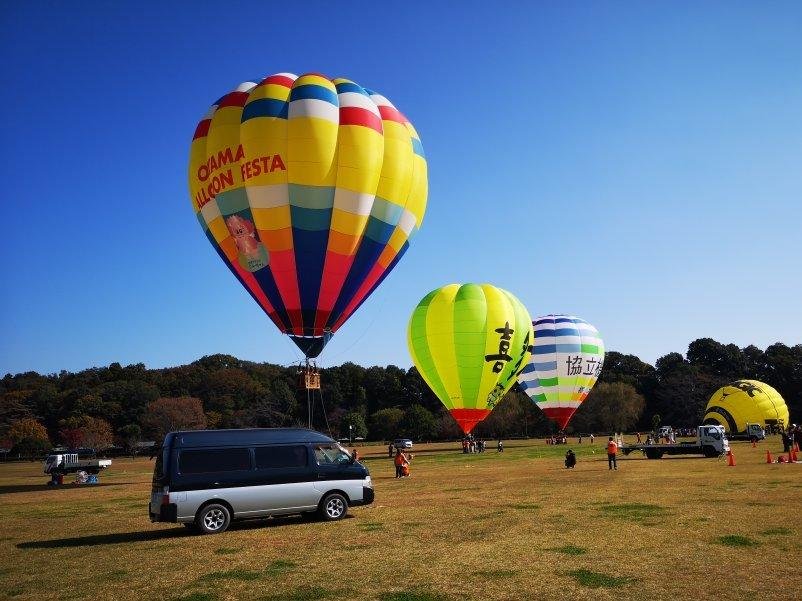
Popular Landmarks in Yūki
Discover the most iconic attractions in Yūki
Recommended Hotels in Yūki
Find the perfect place to stay in Yūki
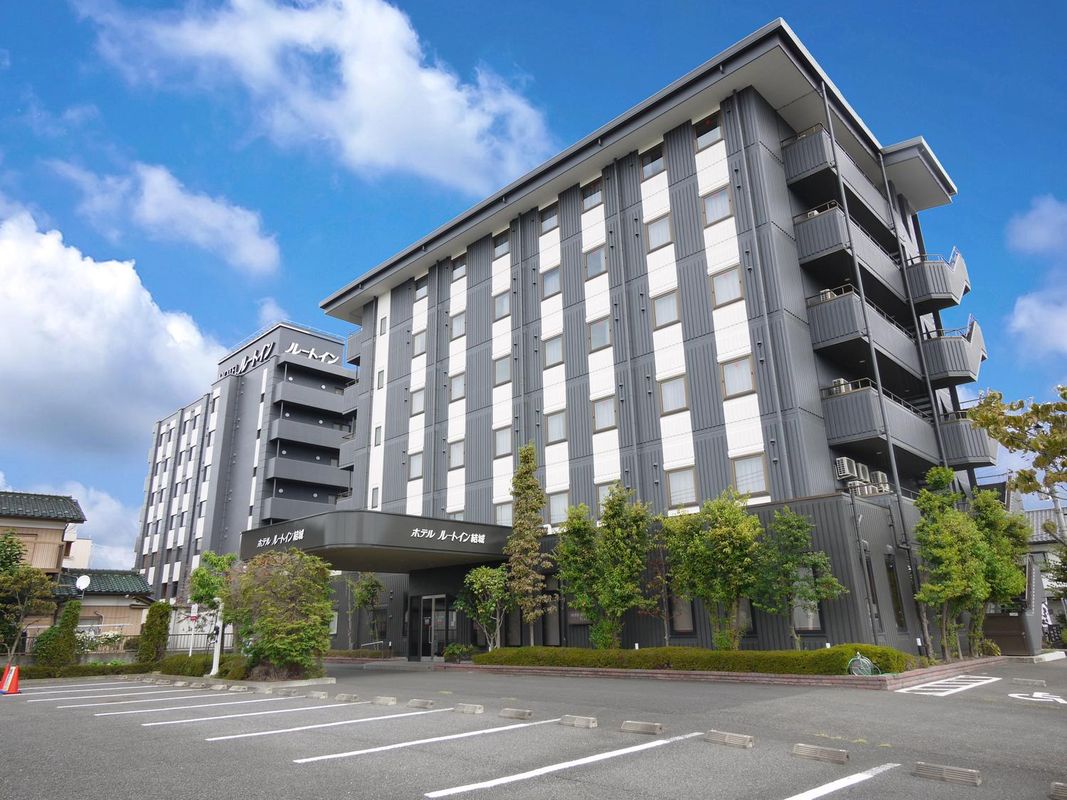

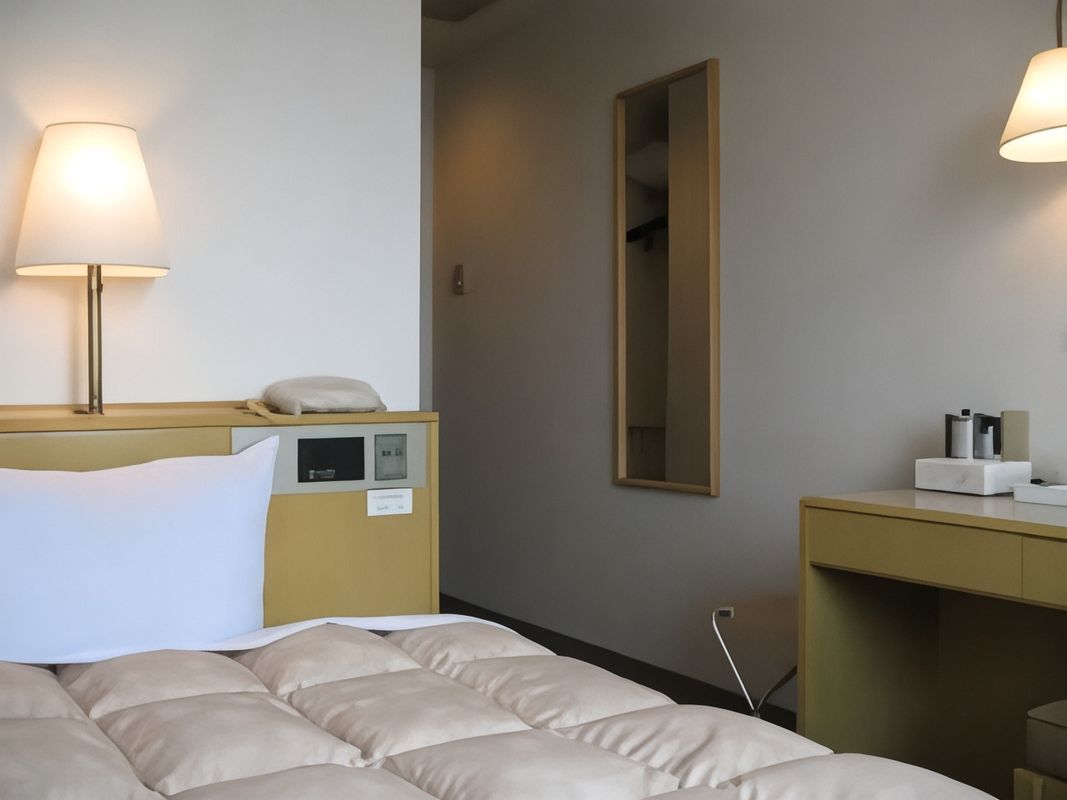
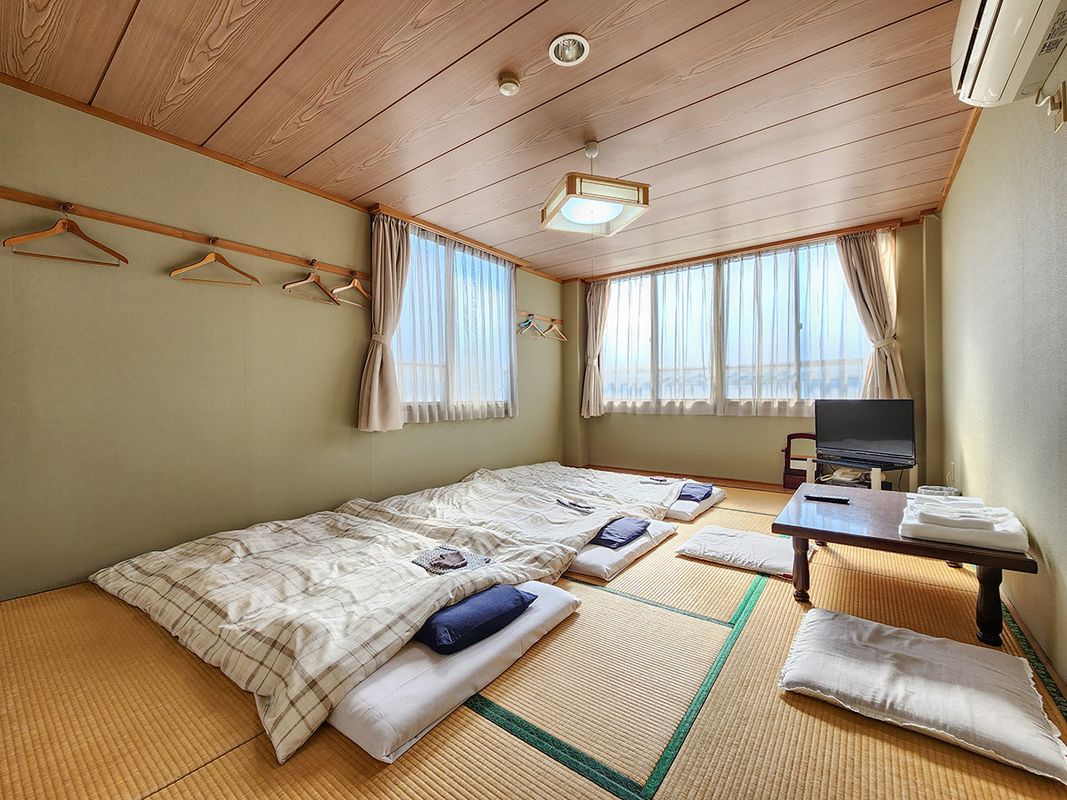
Best Hotels in Yūki
Discover curated hotel collections in Yūki
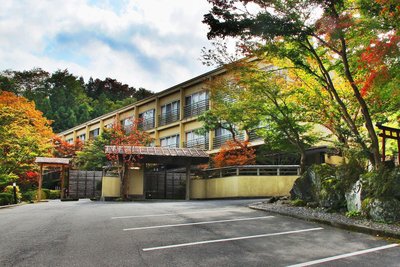



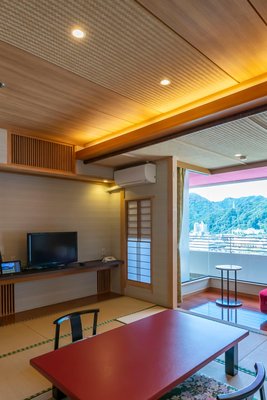
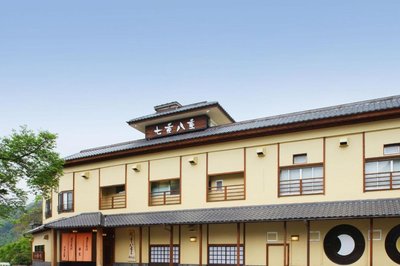
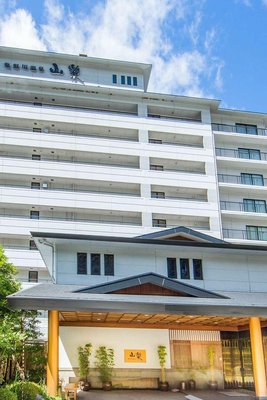














































Frequently Asked Questions about Traveling to Yūki
Questions You Might Need to Know About Traveling to Yūki
Yūki Overview
City Summary
Yuki City, located in Ibaraki Prefecture, Japan, is a city that blends tradition and modernity. Known for its agriculture, especially rice and vegetable cultivation, Yuki City boasts a rich historical culture with ancient temples and shrines like Yuki Shrine. The city's natural scenery is stunning, with distinct seasons, particularly the cherry blossoms in spring and autumn foliage, attracting many visitors.
Must-See Attractions
Key attractions in Yuki City include Yuki Shrine, a historic shrine hosting various traditional festivals. Yuki Castle Ruins is another must-visit, offering a glimpse into the past despite the castle's absence. The Yuki City Museum showcases local history and culture. Nature lovers will enjoy the riverside views of Kinugawa River and the cherry blossoms at Yuki Park.
Food Guide
Yuki City's culinary culture revolves around agricultural products, with rice and vegetable dishes being highlights. Street food favorites include Yuki Gyoza, known for its thin skin and flavorful filling. Ibaraki Beef is another must-try, prized for its tenderness. For desserts, traditional Japanese sweets like red bean soup and mochi are popular among visitors.
Transportation Guide
Transportation in Yuki City primarily relies on buses and trains. From Tokyo, take the JR Joban Line to Yuki Station, about 1.5 hours away. The city's bus network is extensive, making it easy to reach major sights. Taxis are convenient but costly. Consider a one-day bus pass for savings. Renting a car is also an option, though parking may be limited.
Best Time to Visit
The best times to visit are spring (March-May) and autumn (September-November), when cherry blossoms and fall foliage are at their peak. Summers are hot and humid, while winters can be chilly. Avoid Golden Week and Obon to escape crowds.
Travel Tips
- Etiquette: Purify hands and mouth before entering shrines as a sign of respect.
- Safety: Stick to well-lit areas when out at night.
- Payment: Cash is king; carry sufficient yen.
- Language: English isn't widely spoken; basic Japanese phrases help.
- Internet: Limited WiFi; consider a local SIM card.
- Emergencies: Dial 119 for ambulance or fire services.
Useful Information
Language: Japanese dominates; English signage is rare—download a translation app. Internet: Few WiFi hotspots; opt for a local SIM or pocket WiFi. Payment: Cash is preferred, though some shops accept cards. Emergencies: Dial 119; medical facilities are well-equipped. Voltage: 100V, Type A plugs; bring an adapter. Water: Tap water is safe, but bottled water is handy.









