Hotels in Yabu
Discover your perfect stay in Yabu.
Yabu(Japan) Travel 2026: Cheap Flights, Hotels & Top Attractions
Popular Landmarks in Yabu
Discover the most iconic attractions in Yabu
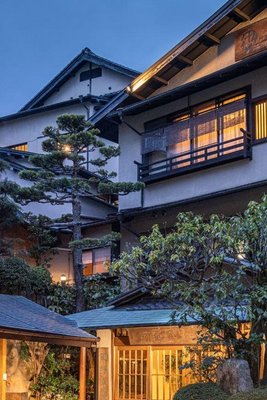
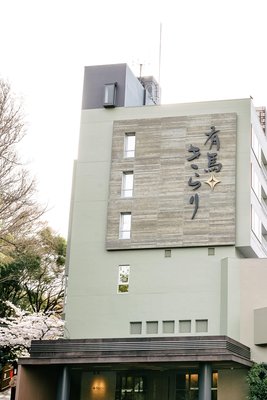
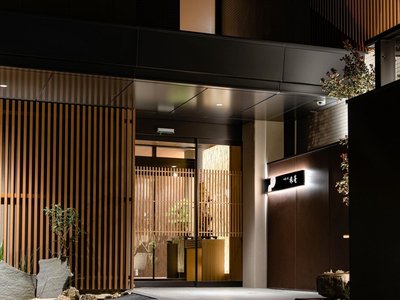
Recommended Hotels in Yabu
Find the perfect place to stay in Yabu
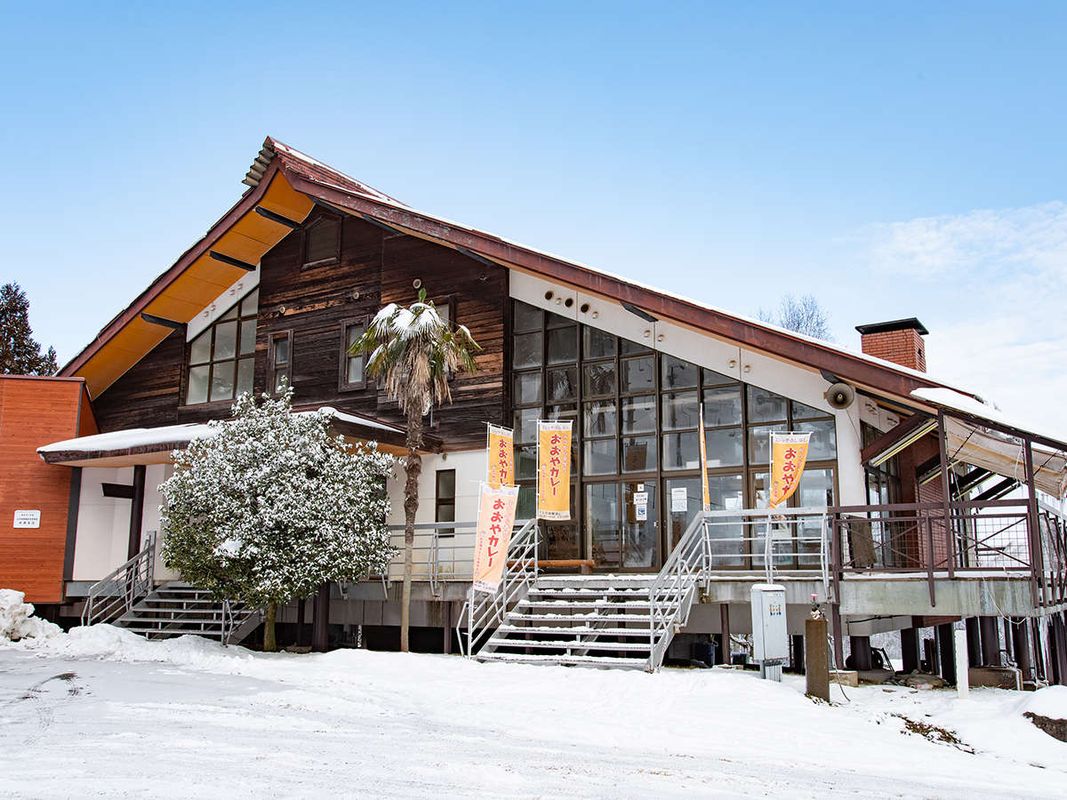

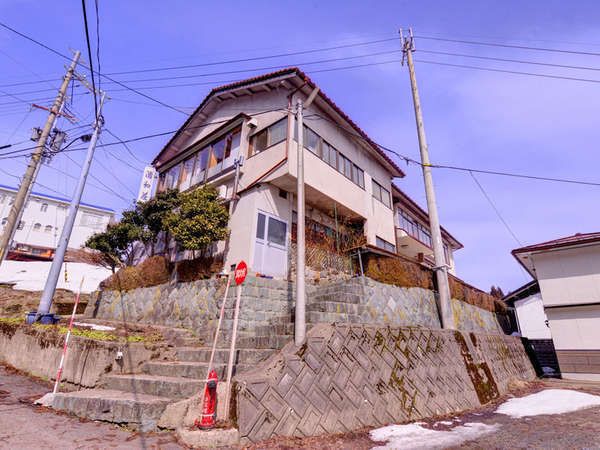
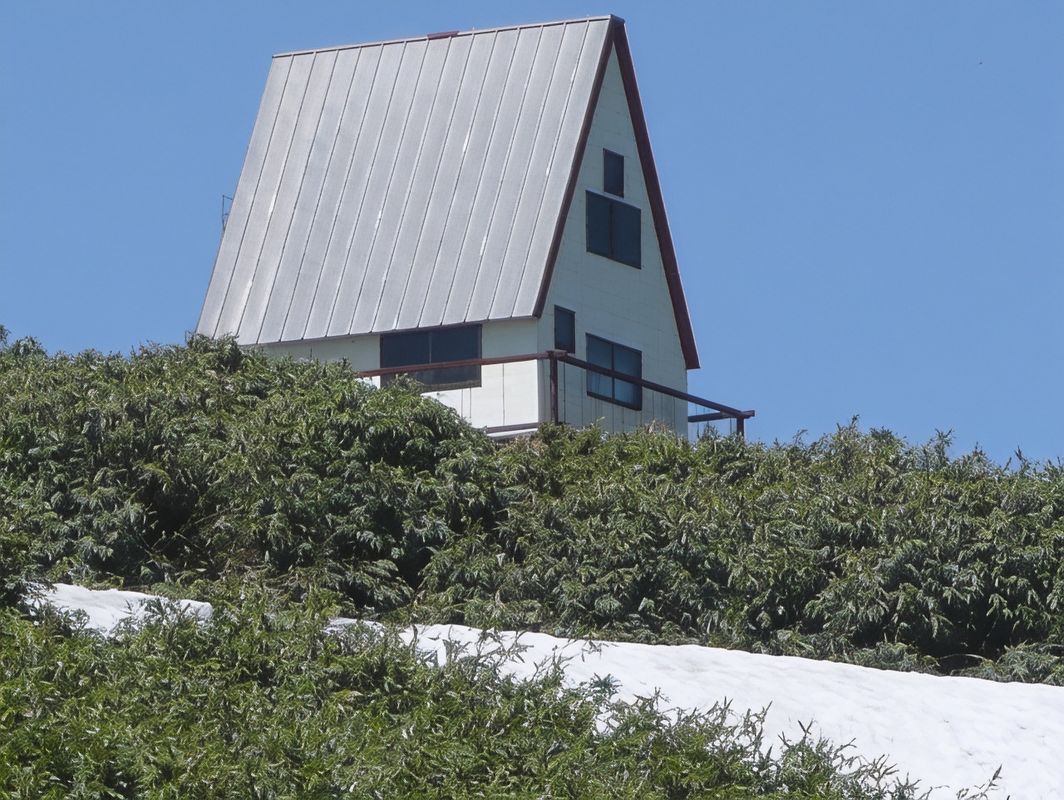
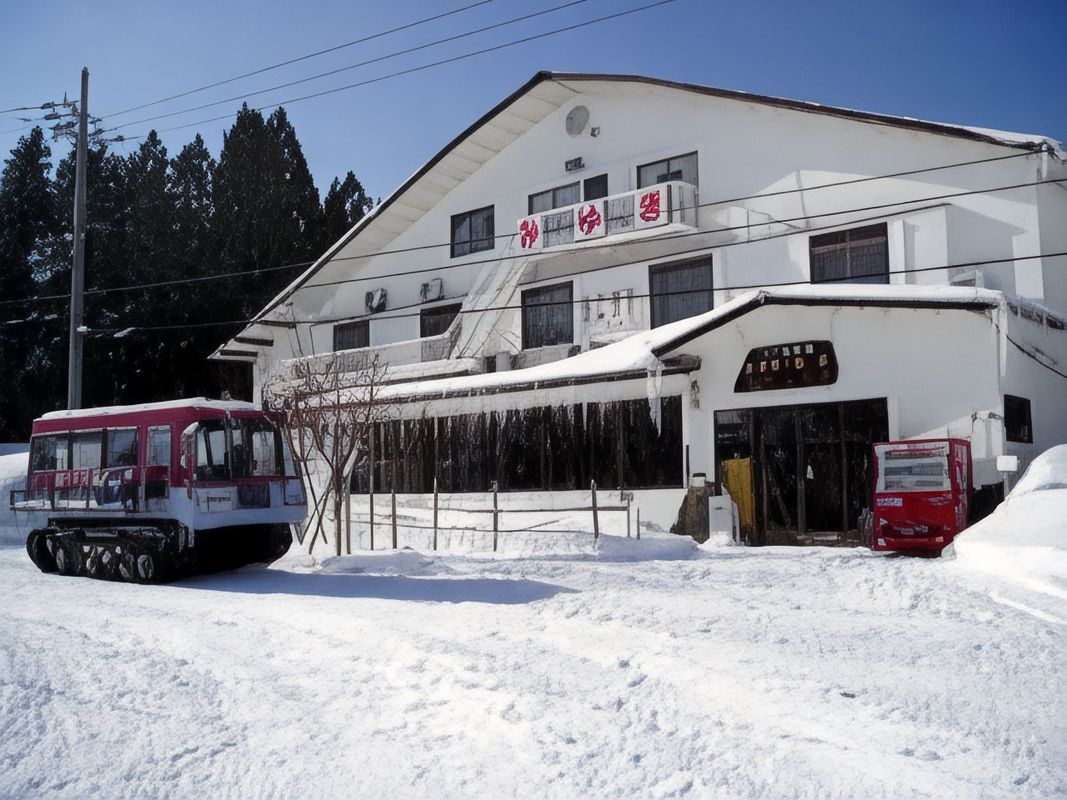
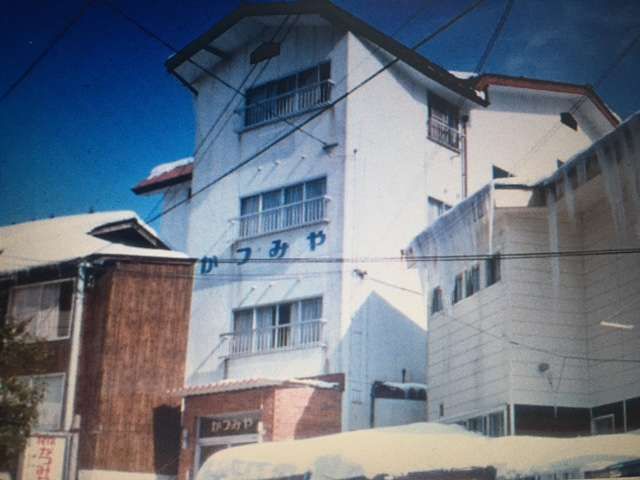
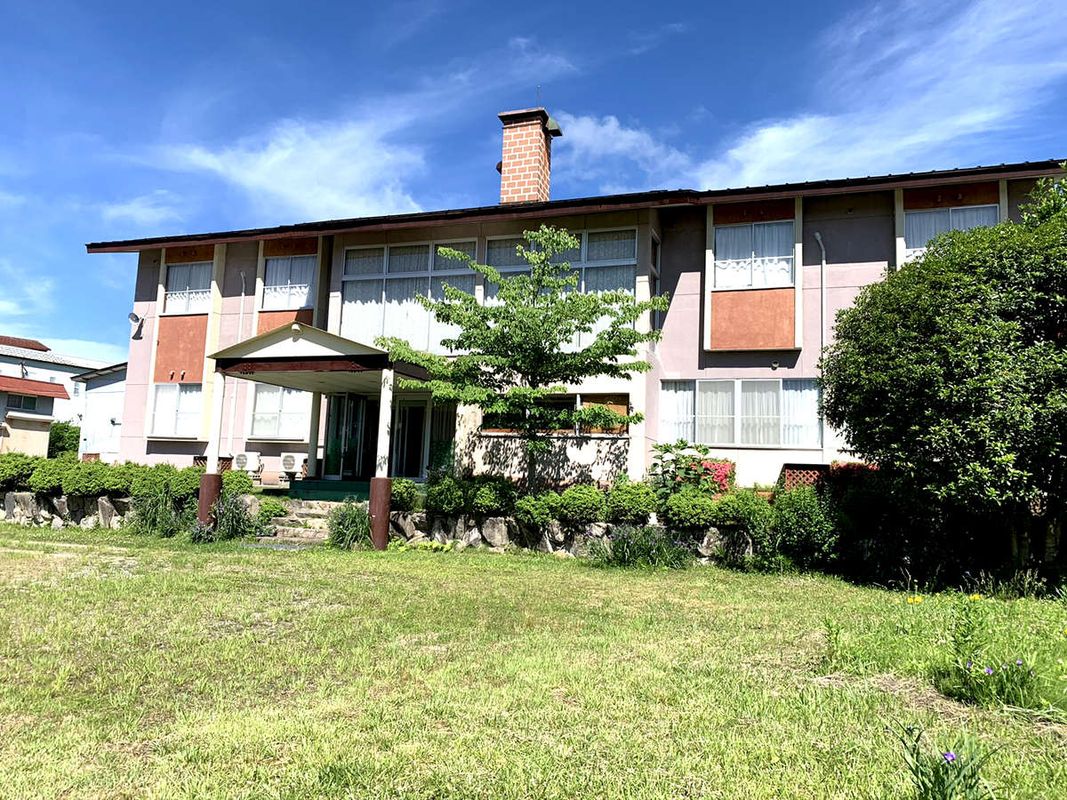
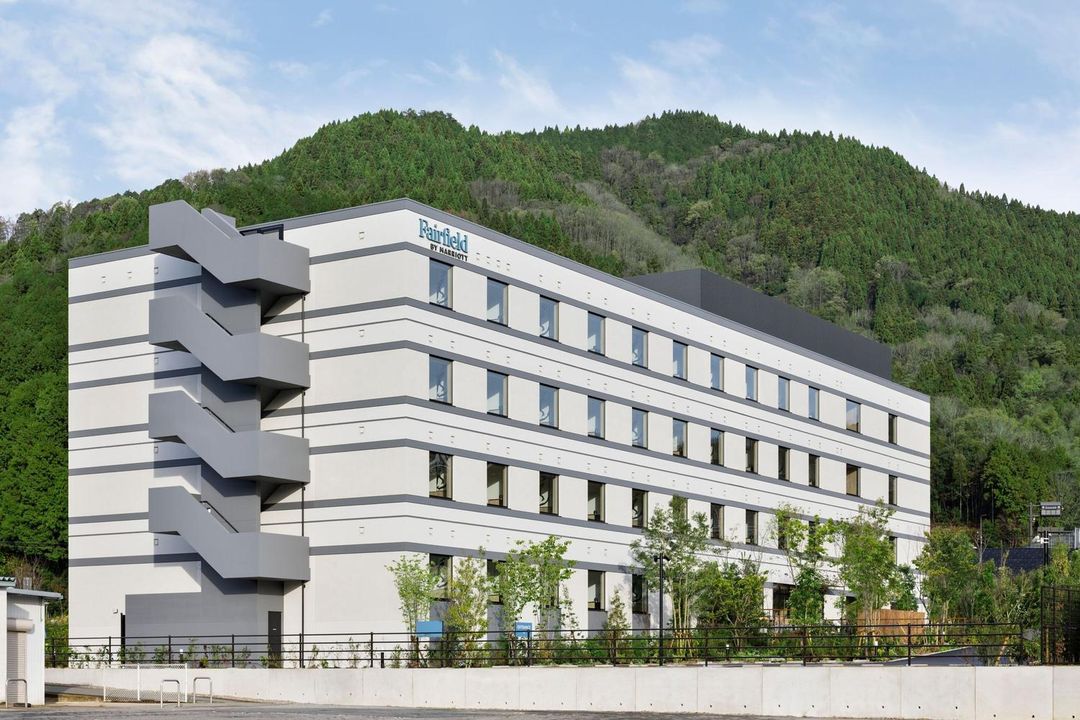
Best Hotels in Yabu
Discover curated hotel collections in Yabu


































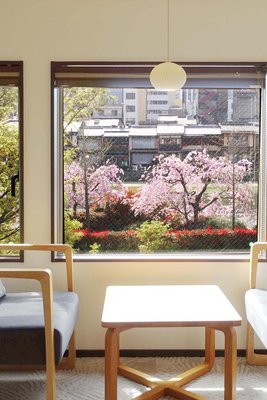
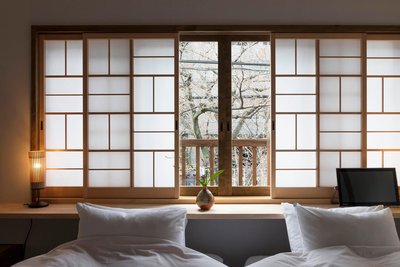
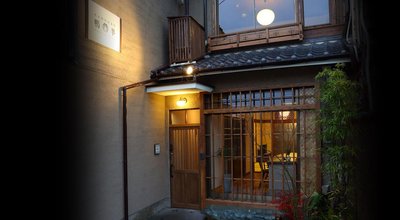
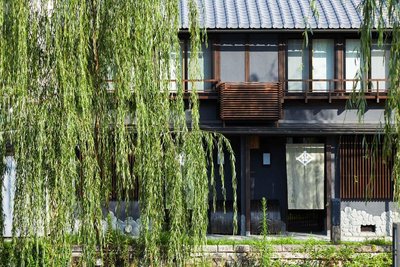


Frequently Asked Questions about Traveling to Yabu
Questions You Might Need to Know About Traveling to Yabu
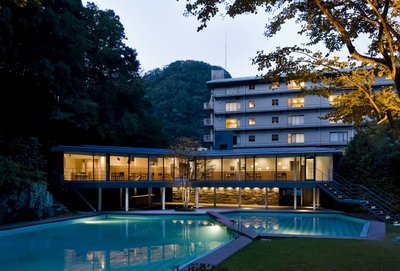
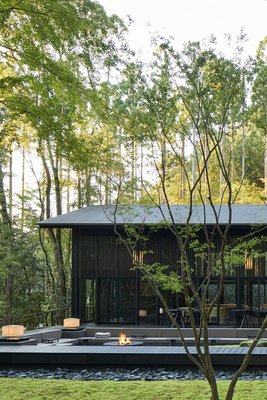
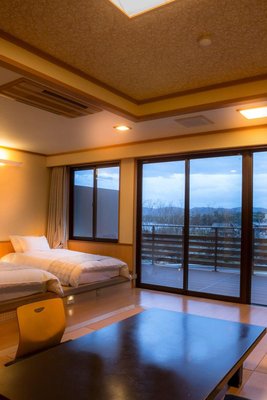
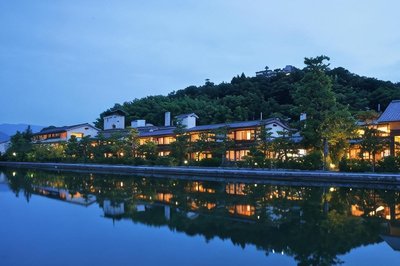
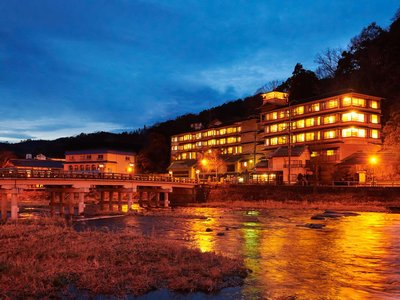
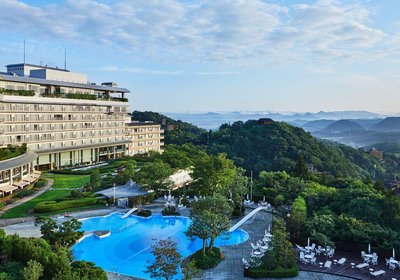
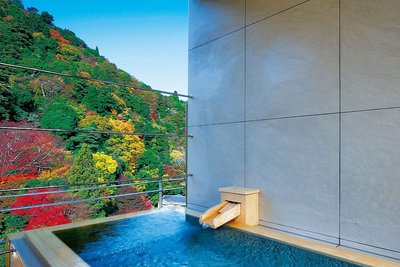
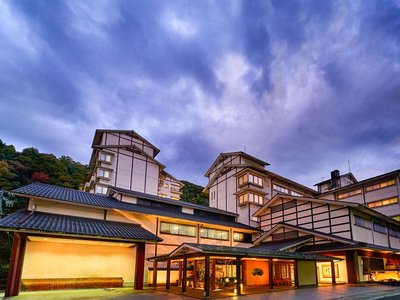
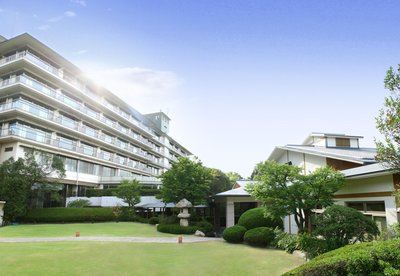
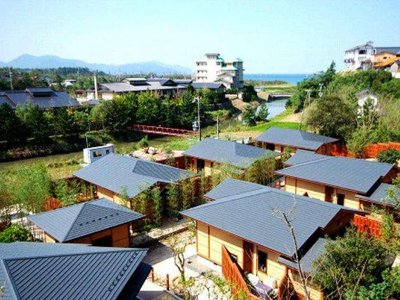
In Yōfu City, the top nature-view hotels include Yamato Onsen Resort Hotel, nestled in mountainous terrain with panoramic views of forests and rivers, and Yama no Yu Villa, which offers private onsen baths overlooking serene valley landscapes. Both properties feature traditional Japanese architecture and are surrounded by untouched natural scenery. Guests can enjoy sunrise over the hills, seasonal foliage, and nightly stargazing. These accommodations emphasize harmony with nature, providing peaceful retreats perfect for hiking, birdwatching, or simply unwinding amidst tranquil surroundings.
Additionally, Oya Riverfront Minshuku offers rustic charm with direct access to the Oya River, ideal for morning walks and evening river views. All these hotels prioritize eco-friendly practices and offer local cultural experiences like tea ceremonies and forest bathing sessions.
For first-time visitors, the central district near Yōfu Station is the best area to stay. It’s well-connected, close to major attractions like Kuroda Castle Ruins and Yōfu City Museum, and offers convenient access to public transportation. This zone hosts a variety of guesthouses, ryokans, and boutique hotels such as Yamato Onsen Resort Hotel and Yama no Yu Villa, blending comfort with local charm. Many accommodations here provide multilingual staff and free shuttle services to nearby sites. Staying here ensures easy exploration of both historical landmarks and scenic trails, making it ideal for travelers seeking convenience without sacrificing authenticity.
Tourists in Yōfu City can enjoy several unique cultural experiences: visiting the Kuroda Castle Ruins, where history comes alive through guided tours detailing the legacy of feudal lord Kuroda Kaneyoshi; participating in Yōfu Washi Paper Workshops, learning traditional handmade paper techniques using local fibers; attending the annual Autumn Maple Festival, featuring lantern processions, tea ceremonies, and folk performances. Additionally, guests may join farm stays to experience rice cultivation and sake brewing firsthand. These immersive activities highlight the region’s deep-rooted heritage, craftsmanship, and sustainable lifestyle, offering travelers more than sightseeing — they gain meaningful connections to local traditions.
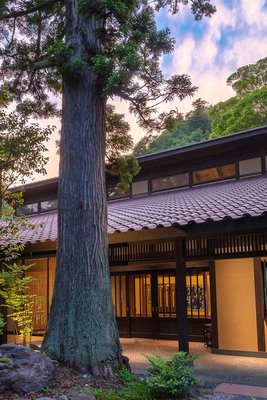
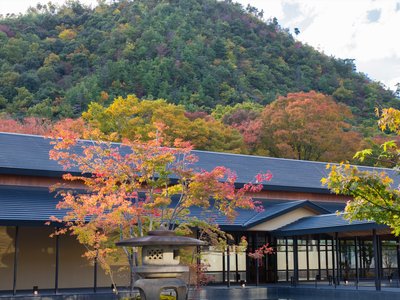
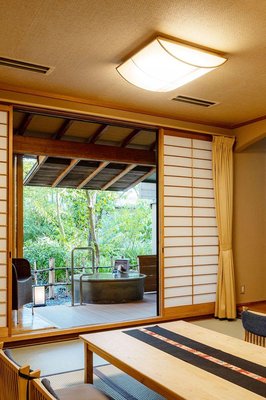
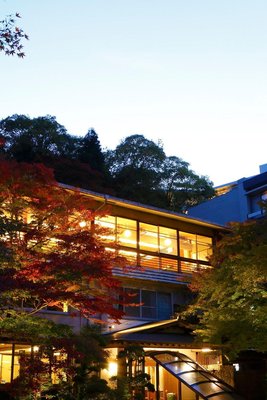
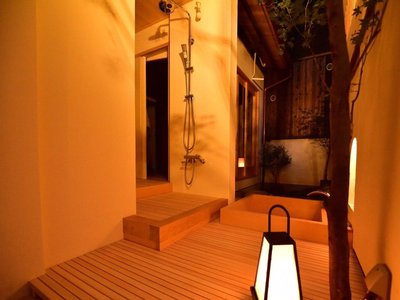
Yōfu City’s hot spring resorts stand out due to their natural mineral-rich waters and serene mountain settings. Yamato Onsen Resort Hotel features naturally flowing hot springs rich in sodium bicarbonate, known for soothing skin and promoting relaxation. The resort’s wooden architecture and open-air baths offer breathtaking views of surrounding forests. Yama no Yu Villa specializes in "forest bathing" experiences, with private onsen cabins set among trees, allowing guests to soak under starlit skies. Both resorts emphasize minimal environmental impact and offer wellness programs including meditation and herbal treatments. These hot springs aren’t just about luxury — they’re deeply tied to local healing traditions and spiritual connection with nature.
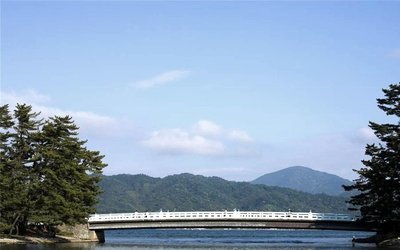
Must-visit landmarks in Yōfu City include Kuroda Castle Ruins, a historic site linked to the Sengoku period warlord Kuroda Kaneyoshi, featuring preserved stone walls and a reconstructed watchtower. Nearby, the Yōfu City Museum showcases regional art, ancient artifacts, and rotating exhibitions on local history. Nature lovers should explore the Oya River Trail, a scenic path winding through lush valleys and seasonal foliage. The Oya River Bridge and Shinto Shrine Ruins offer glimpses into spiritual heritage. Together, these sites form a compelling blend of history, culture, and natural beauty, ideal for travelers seeking authentic Japanese experiences beyond typical tourist routes.
Visitors to Yōfu City should try Yōfu Beef, a premium wagyu raised on highland grasses, known for its rich marbling and tender texture—best enjoyed at Yama no Yu Villa restaurant. Another must-try is Kuroda Ramen, a hand-pulled noodle dish with a savory broth infused with local soy and bonito. Don’t miss Washi Mochi, a unique sweet made with fiber from traditional Yōfu washi paper, offering a chewy, earthy flavor. Locally brewed sake from Yōfu Sake Brewery is also highly recommended—sample it during a free tasting session at the Sake Tasting Hall. These culinary delights reflect the region’s agricultural roots, craftsmanship, and deep respect for natural ingredients.
The most efficient way to travel from Osaka to Yōfu City is by train: take the JR West San'yō Main Line from Osaka Station to Fukuchiyama Station, then transfer to the Kyoto Tango Railway (also known as the Katsura Line) to Yōfu Station, a journey of about 1 hour 30 minutes. Alternatively, hire a private car or book a guided tour, which takes approximately 1 hour 15 minutes and allows scenic views of the Kyoto and Hyōgo borderlands. For an immersive experience, opt for an early-morning departure to visit Kuroda Castle Ruins and Yōfu City Museum before lunch, followed by a relaxing afternoon at a hot spring resort.
Yes, Yōfu City offers excellent family-friendly accommodations. Yamato Onsen Resort Hotel and Yama no Yu Villa provide spacious family rooms, children’s play areas, and kid-safe onsen pools. Many hotels host interactive programs such as washi paper crafting, rice planting demonstrations, and forest scavenger hunts, designed to engage young travelers while teaching cultural values. Outdoor spaces like Oya River Park are safe and accessible, perfect for picnics and water games. Dining options often include child-sized meals and allergy-friendly menus. With quiet surroundings and thoughtful amenities, these lodgings ensure a comfortable, enriching stay for families seeking both adventure and tranquility.
Yōfu City hosts vibrant seasonal events throughout the year: Cherry Blossom Festival in spring features cherry-lined paths along the Oya River, with outdoor tea ceremonies and food stalls; summer brings the Mountain Fire Festival at Kuroda Castle Ruins, where large torches symbolize purification and community spirit; autumn’s Maple Festival transforms the town with illuminated lanterns and night parades; winter sees the Onsen Light Festival, where hot spring villages glow with colorful lights. These festivals celebrate nature, tradition, and local identity, offering travelers unforgettable moments of cultural immersion and festive joy.
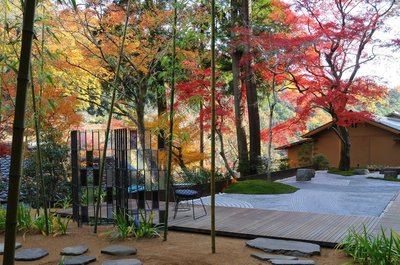
Yōfu City boasts unique natural scenery defined by its mountainous terrain and pristine rivers. The Oya River, crystal clear and flanked by dense forests, winds through valleys ideal for hiking and photography. The Kuroda Castle Ruins are surrounded by seasonal landscapes—spring blossoms, summer greenery, autumn reds, and winter snow-covered slopes. The Yama no Yu area is known as a "hidden forest sanctuary," where deer often appear near trails and air quality remains exceptionally pure. Many hotels offer guided forest bathing sessions, encouraging mindfulness amid nature. This harmonious blend of untouched wilderness and human presence creates a rare sense of peace and renewal, making Yōfu City a haven for nature lovers and wellness seekers.
Yabu Overview
City Summary
Yabu City in northern Hyogo Prefecture is famed as the "Castle in the Sky", renowned for its stunning terraced rice fields and traditional farming culture. Home to Yagi Castle Ruins (one of Japan's Top 100 Castles) and distinct four-season landscapes, its cherry blossoms in spring and autumn foliage attract photographers nationwide. The city also boasts ancient hot springs, with Oya Onsen known for its therapeutic waters.
Must-See Attractions
Must-visit spots include Yagi Castle Ruins offering panoramic city views. Oya Machi Post Town preserves Edo-period streetscapes perfect for kimono strolls. Nature lovers shouldn't miss Sekiya Terraced Fields, especially at sunset. In winter, the Hyōha Festival transforms ice waterfalls into a luminous wonderland.
Food Guide
Yabu specializes in rustic cuisine - don't miss Tajima beef sukiyaki with melt-in-the-mouth texture. Oya Tofu made with local spring water has exceptional creaminess. Seasonal highlights include wild mountain vegetable tempura and matsutake mushroom dishes. Street vendors sell mitarashi dango skewers glazed with sweet soy sauce.
Transportation Guide
Public transport relies on Zentan Buses covering major attractions (check sparse schedules in advance). From JR Yoka Station, buses take 30mins to downtown. Self-driving is ideal via Route 312 - winter requires snow tires. Taxis suit short trips but are limited (ask hotels to book).
Best Time to Visit
Prime periods are April-May (cherry blossoms & fresh greenery) and October-November (autumn colors). Summer (June-August) offers cool retreats with occasional rain. Winter (December-February) has snowscapes and onsen, though some mountain roads close.
Travel Tips
- At shrines: Purify hands/mouth at temizuya before entering main hall
- Carry sufficient JPY cash as rural shops rarely accept cards
- Wash thoroughly before onsen bathing; check tattoo policies
- Never enter private farmlands without permission
- Use winter tires for snow driving (chains may be required)
- Follow strict trash sorting rules; carry waste if bins are unavailable
- Carry bear bells when hiking in wilderness areas
Useful Information
Language: Japanese predominant. Tourist centers offer basic English - download translation apps. Internet: Free WiFi in urban areas. Rent pocket WiFi for remote mountain zones. Payment: Cards accepted at major hotels/restaurants but cash preferred elsewhere. Emergencies: Police 110, Ambulance 119. Yabu City Hospital has 24/7 ER. Voltage: 100V, Type A plugs (two flat pins). Pharmacy: Bring essential medications; most close by 8PM.









