Hotels in Yahaba
Discover your perfect stay in Yahaba.
Yahaba(Japan) Travel 2026: Cheap Flights, Hotels & Top Attractions
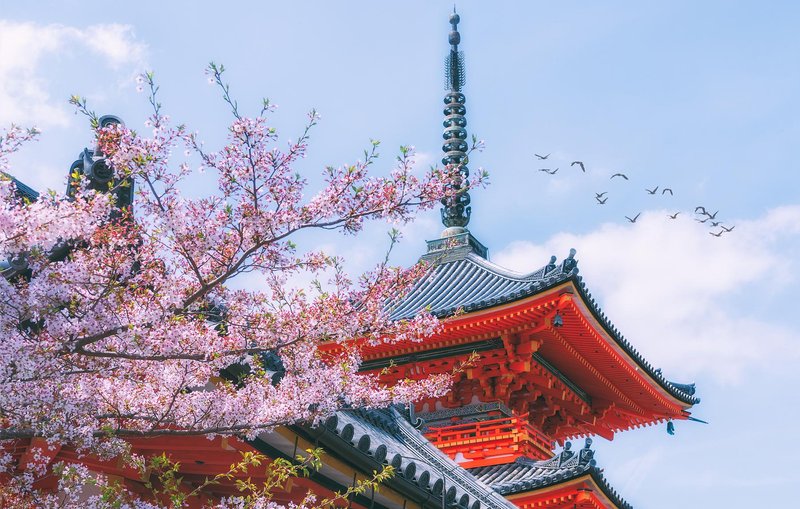
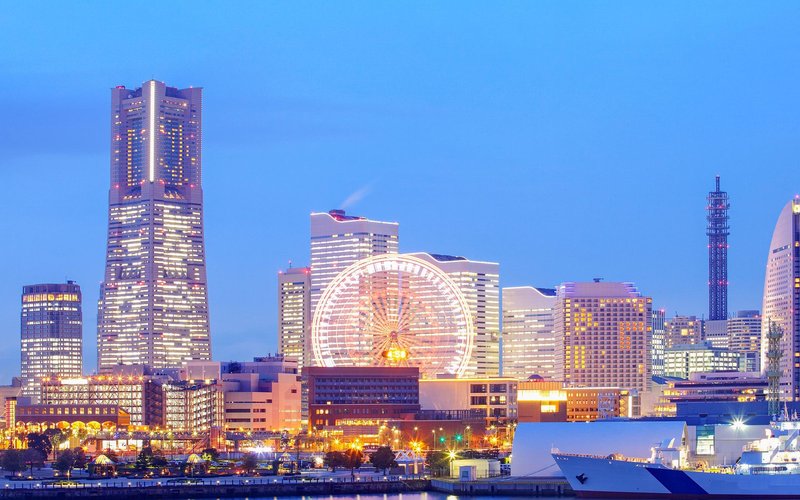
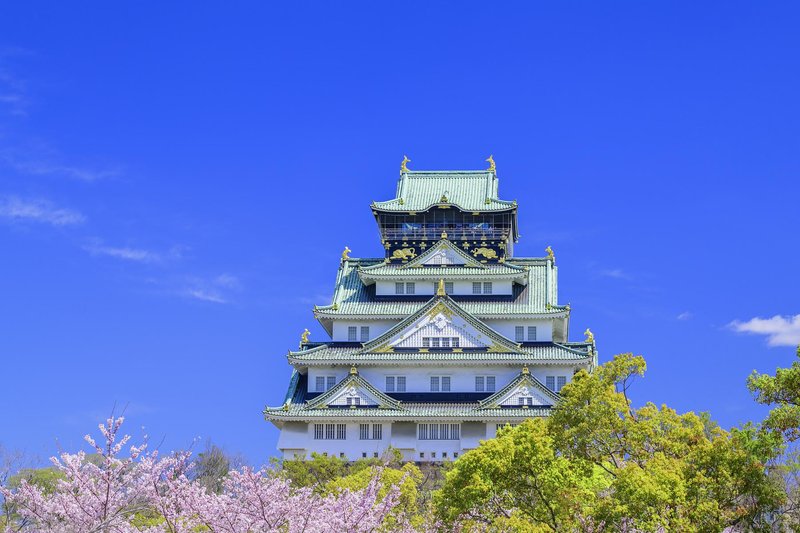
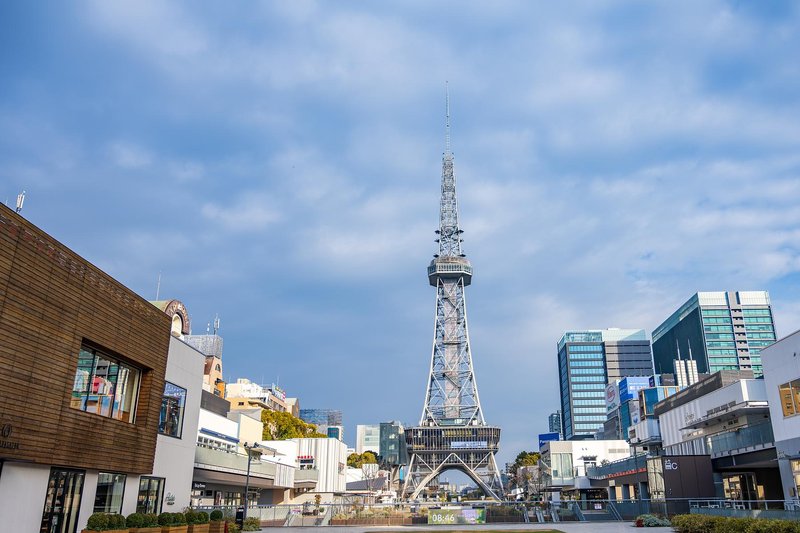
Popular Landmarks in Yahaba
Discover the most iconic attractions in Yahaba
Recommended Hotels in Yahaba
Find the perfect place to stay in Yahaba
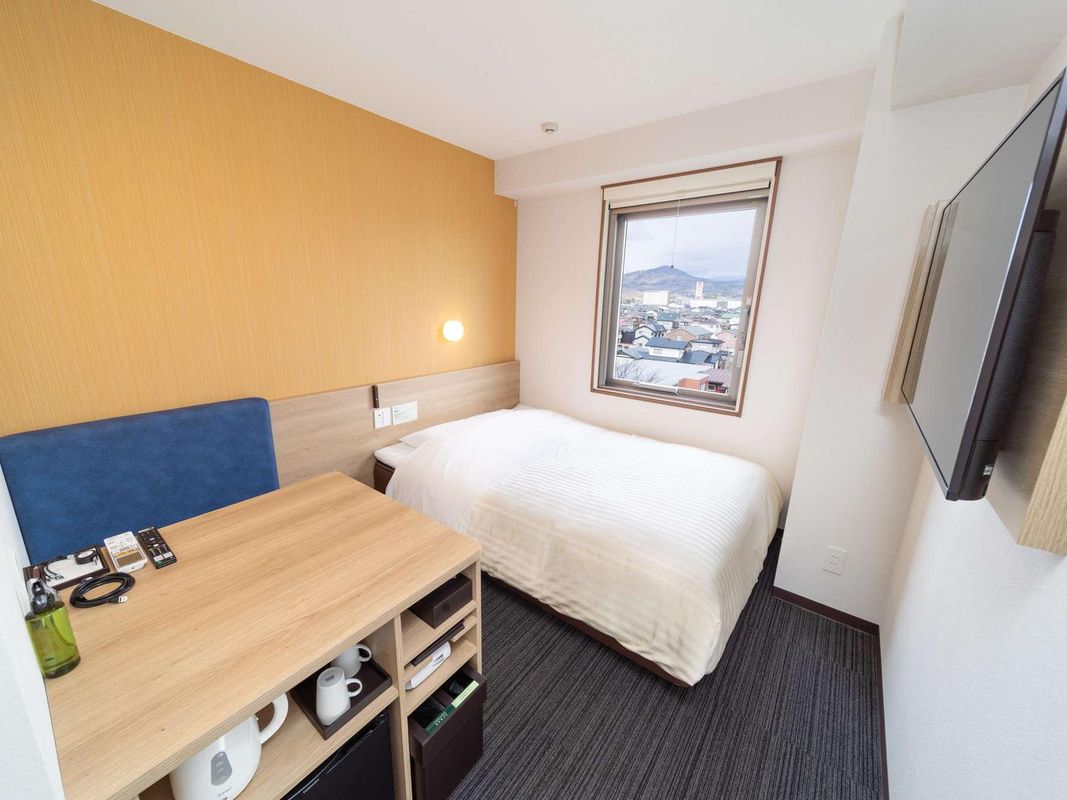
SuperHotel Yahaba-Eki Higashiguchi

Hotel Route-Inn Yahaba
Best Hotels in Yahaba
Discover curated hotel collections in Yahaba

EN Resort Grandeco Hotel
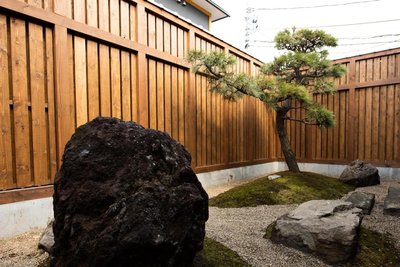
Hotel Zen-Adult Only
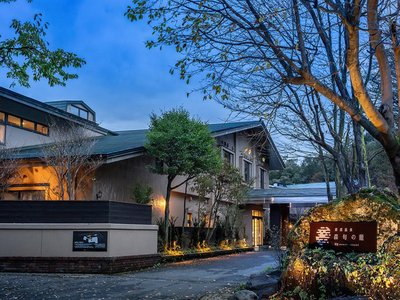
Nasu Onsen Shinshun no Kago Hewitt Resort
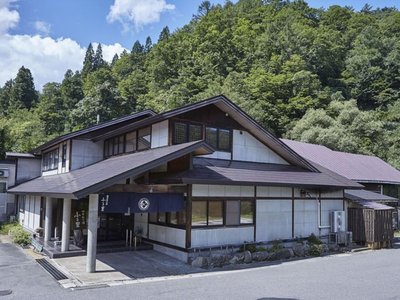
Fulsato

Crowne Plaza - ANA RESORT APPI KOGEN
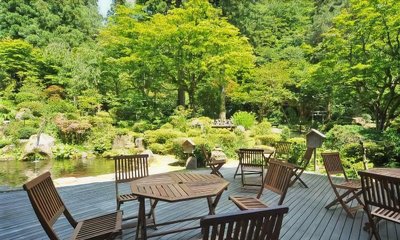
Choseikan
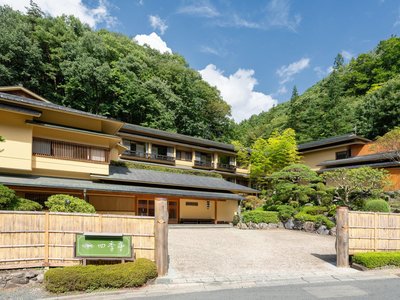
Shikitei Morioka TsunagiOnsen
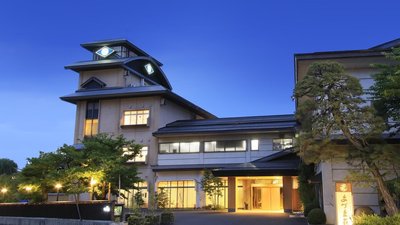
Shouhakutei Azumaso
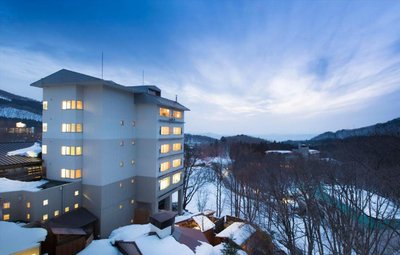
Takamiya Hotel Lucent

Hayamakan
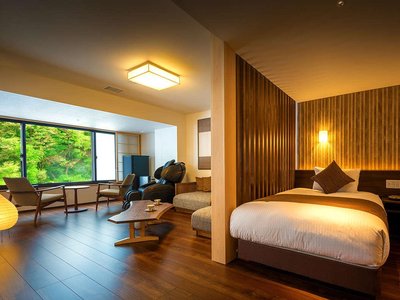
Harataki
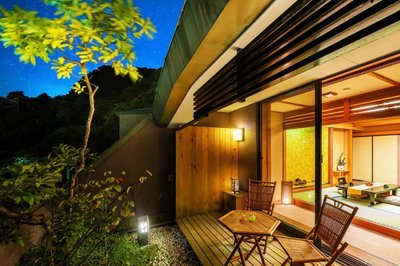
Konjakutei
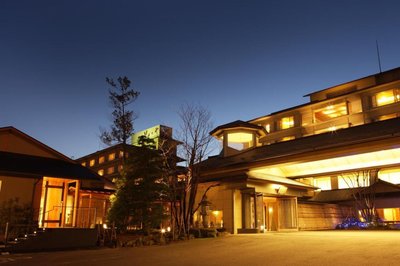
Yumotoya
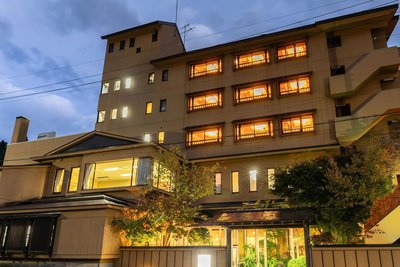
Kashintei Shirahama
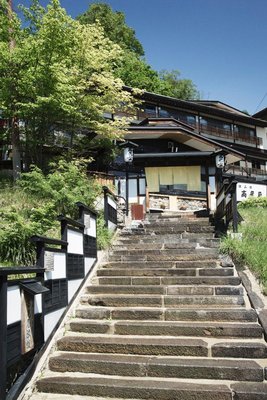
Takamiya Ryokan Miyamaso

Hotel Matsushima Taikanso

Onyado Toho
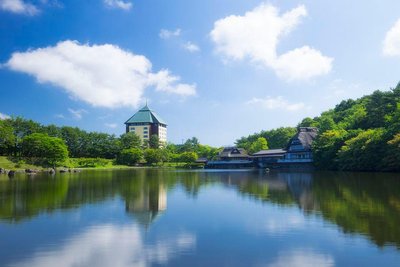
Hoshino Resorts Aomoriya
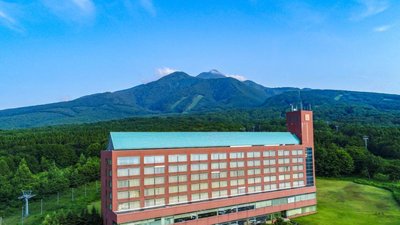
Rockwood Hotel & Spa
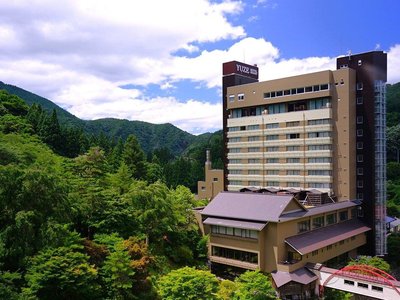
Yuze Hotel
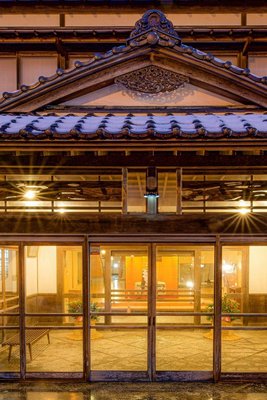
Wakamatsu Hot Spring Resort

Komatsu-Kan Kofu-Tei
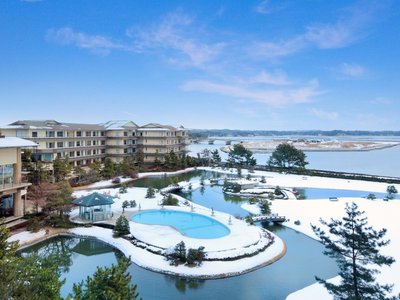
Matsushima Ichinobo
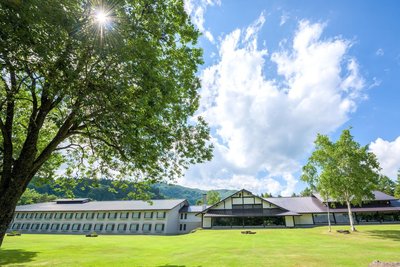
Towada Prince Hotel

Heiseikan Shiosaitei Hanatsuki
Auberge Suzukane
Wakamatsu Hot Spring Resort
Konjakutei
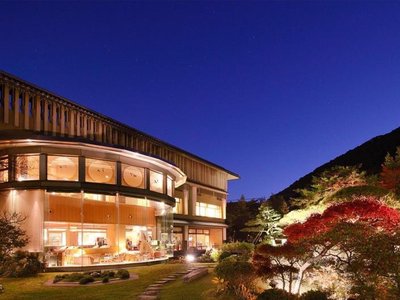
Shikisai Ichiriki
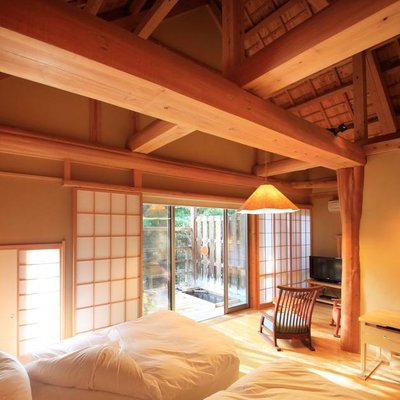
Daikon-No-Hana
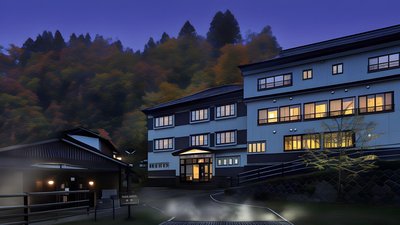
Zao Onsen Omiya Ryokan
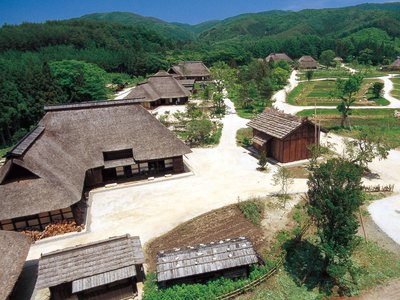
Jodogahama Park Hotel
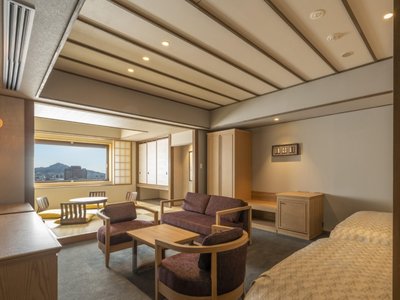
La Vista Hakodate Bay Annex
Wakamatsu Hot Spring Resort

Bourou NOGUCHI Hakodate
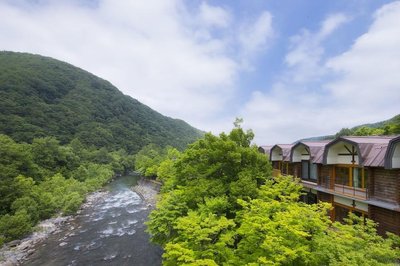
Hoshino Resorts Oirase Keiryu Hotel

The Westin Sendai Hotel
Heiseikan Shiosaitei Hanatsuki

Yukemuri No Yado Inazumi Onsen
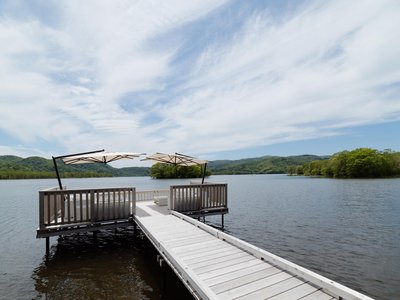
Hakodate Onuma Tsuruga Resort EPUY
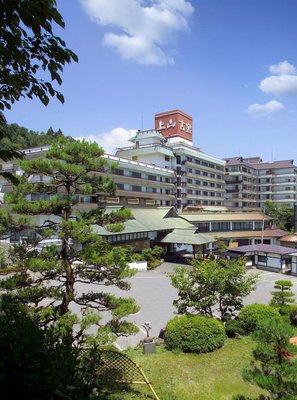
Hotel Koyo
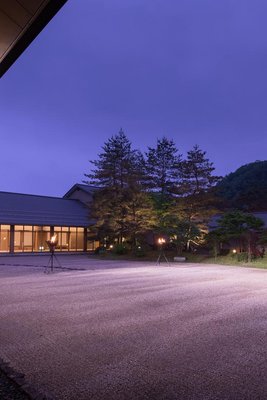
Kashoen
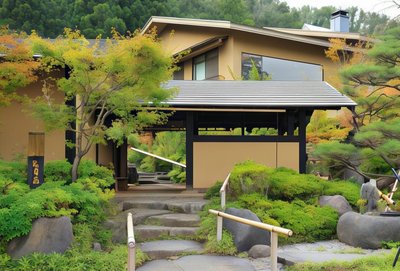
Meigetsuso
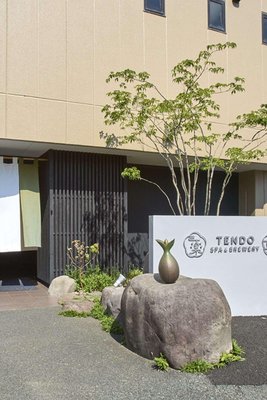
Yubo Ichiraku TENDO SPA&BREWERY
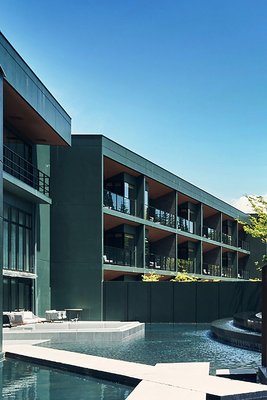
ANA InterContinental Appi Kogen Resort

Hotel Barrière Fouquet's New York

The Plaza - A Fairmont Managed Hotel
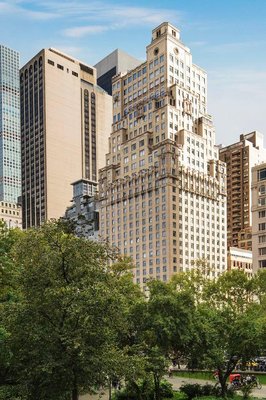
The Ritz-Carlton New York, Central Park

Four Seasons Hotel New York

The St. Regis New York

Park Hyatt New York

Mandarin Oriental New York

Times Square Edition New York

Loews Regency New York Hotel

Lowell Hotel

New York Edition

Baccarat Hotel New York

Equinox Hotel New York

Four Seasons Hotel New York Downtown

The Langham, New York, Fifth Avenue

The Carlyle, A Rosewood Hotel

The Chatwal, in the Unbound Collection by Hyatt

The Mark New York

Trump International Hotel & Tower® New York
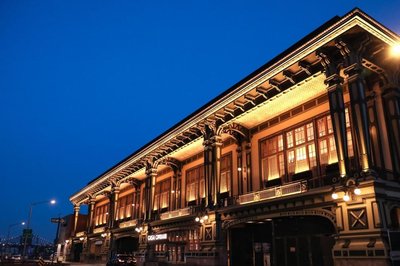
Casa Cipriani New York
Frequently Asked Questions about Traveling to Yahaba
Questions You Might Need to Know About Traveling to Yahaba
In Yagami Town, the top choice for families is Miyagi no Sato Onsen Inn, a traditional ryokan nestled in the forest near Mount Iwate. It offers spacious family rooms, private onsen baths, and a children’s play area. The inn serves homemade meals using local ingredients like Iwate beef and fresh mountain vegetables.
Another excellent option is Hotel Airin, located just a 5-minute walk from Yagami Station. It features spacious rooms, free Wi-Fi, and a breakfast buffet with regional specialties. Both properties offer guided nature walks and seasonal activities like cherry blossom viewing and autumn leaf tours.
Key highlights: family suites, private onsen, local cuisine.
The most serene and scenic area in Yagami Town is the Ohi District, located near Ohi Mountain Nature Reserve. This region offers peaceful accommodations in former farmhouses converted into boutique guesthouses, surrounded by lush forests and panoramic views of Mount Iwate.
Guests can enjoy early morning hikes along the Yagami River Trail, visit the Old Yagami Elementary School Site, or participate in stargazing events at the Dark Sky Preserve—a designated area with minimal light pollution. The area is perfect for digital detox, nature photography, and immersive rural life.
Top attractions: forest retreats, river trails, dark sky observation.
Visitors to Yagami Town can experience the annual Iwate Rice Cultivation Festival (held in September), where guests join locals in planting rice, harvesting, and brewing sake. Workshops in bamboo weaving, pottery, and washi paper-making are also available at the Yagami Craft Workshop.
A standout activity is the Stargazing Night Tour, offered under the National Dark Sky Protection Zone. With expert guides, visitors use telescopes to observe the Milky Way and meteor showers, paired with warm tea and local honey snacks.
Highlights: farm-to-table rituals, handicraft workshops, astronomy immersion.
Yagami Town’s hot spring hotels are renowned for their natural healing waters sourced from deep underground aquifers beneath Mount Iwate. At Miyagi no Sato Onsen Inn, the mineral-rich hot spring water contains high levels of radon, known for improving skin health and easing joint pain.
The outdoor onsen is set in a tranquil forest garden, offering year-round enjoyment—spring blossoms, summer cicadas, autumn foliage, and winter snowscapes. Rooms feature tatami mats, wooden interiors, and views of the surrounding mountains. Guests can savor a "Forest Breakfast" with locally sourced milk, rice, and seasonal vegetables.
Key features: radon-rich springs, forest ambiance, local ingredients.
Start your day at Yagami River Trail for a morning walk amid clear streams and wild birds. Stop by Yagami Town Public Canteen for lunch featuring Iwate Beef Donburi and handmade tofu.
Visit the Yagami Town Historical Archives to learn about its agricultural heritage, then hike to Ohi Mountain Observation Deck for panoramic views of the valley.
Return to Miyagi no Sato Onsen Inn for a relaxing soak, followed by dinner featuring grilled fish, seasonal vegetables, and house-made plum wine. End the evening with a guided starlight tour under the dark sky preserve.
Itinerary flow: trail → food → history → mountain → onsen → stars.
Yes, Yagami Town is a paradise for photographers. The Ohi Mountain Vista Point offers breathtaking sunrise shots with Mount Iwate reflected in misty valleys—especially stunning during winter snowfall.
The Yagami River Path with reeds, old wooden bridges, and dappled sunlight creates perfect compositions for silhouettes and reflections. The Old Yagami Elementary School Ruins provide a nostalgic backdrop with red-brick architecture and weathered walls.
During summer, the Lotus Pond at Yagami Comprehensive Park blooms with pink lotuses and dragonflies. Bring a wide-angle lens and tripod for golden hour shots.
Best locations: Ohi Mountain, river path, ruins, lotus pond.
For couples seeking intimacy, book the Starlight Suite at Miyagi no Sato Onsen Inn, featuring a full-view window and private outdoor onsen with mountain and sky vistas. The room’s warm wood tones and ambient lighting create a dreamy atmosphere.
Alternatively, stay at Lodge in the Woods, a secluded cabin built from repurposed farm structures. It includes a fireplace, wine cooler, and a custom candlelit dinner crafted by the chef using seasonal ingredients and local sparkling sake.
Both options offer privacy, seasonal activities, and unforgettable moments. Reservations are recommended at least 6 weeks in advance, especially during cherry blossom and autumn foliage seasons.
Key features: private onsen, candlelit dining, secluded cabins.
Must-try dishes in Yagami Town include Iwate Beef Donburi—tender slices of locally raised beef served over freshly cooked Yagami rice with a savory-sweet sauce. Another highlight is Mountain Vegetable Tempura, made with wild greens like ferns, mountain celery, and dandelion roots, lightly fried and drizzled with yuzu vinegar.
Don’t miss Yagami Sake, a crisp, slightly sweet rice wine brewed using traditional methods. Available at local markets and inns. For a hands-on experience, join a Farm-style Bento Workshop to make your own lunch box with pickles, miso soup, and rice—perfect for souvenirs.
Core flavors: Iwate beef, wild greens, local sake.
Yes, Yagami Town has a reliable public transit system. The JR East Iwate Ginzan Line runs through Yagami Station, connecting to Morioka Station (approx. 30 minutes) and other regional hubs.
From the station, Iwate Prefectural Bus services run hourly to key destinations like Ohi Mountain Nature Reserve and Yagami River Trail Head. Weekend and holiday schedules increase to every 30 minutes. Some inns and attractions offer shuttle services upon request.
For travelers with cars, free parking is available throughout town, and the mountain loop road to Mount Iwate is well-maintained. Download the Iwate Travel App for real-time schedules and route planning.
Essential tools: JR line, prefectural bus, mobile app.
The peak seasons in Yagami Town are cherry blossom season (late March to mid-April) and autumn foliage season (mid-October to late November). During these periods, demand surges from visitors across Tokyo and Sendai, leading to limited availability at popular inns and guesthouses.
The annual Iwate Rice Cultivation Festival in September also draws large crowds. It’s recommended to book at least 6 weeks in advance, especially for onsen inns and forest cabins.
For quieter stays, consider visiting in December to February, when you can enjoy discounted rates and unique winter activities like snowshoeing and ice fishing. Book directly via official websites to avoid third-party markups.
HopeGoo strategy: book early, avoid holidays, check festival dates.
Yahaba Overview
City Summary
Yahaba Town, located in the central part of Iwate Prefecture, Japan, is a tranquil town known for its rural landscapes and traditional culture. It is famous for its agriculture and handicrafts, particularly pottery and textiles. With beautiful natural surroundings, Yahaba offers distinct seasons—cherry blossoms in spring and vibrant foliage in autumn—making it an ideal escape from urban hustle.
Must-See Attractions
Key attractions in Yahaba include the Yahaba Town Historical Folk Museum, showcasing local history and culture; the Yahaba Pottery Workshop, where visitors can try traditional pottery-making; and nearby hot springs like Hanamaki Onsen for relaxation. Nature parks and hiking trails are also great for outdoor enthusiasts.
Food Guide
Yahaba's cuisine is influenced by local produce. Don't miss Iwate's famous soba noodles and fresh vegetables from local farms. Small eateries serve traditional Japanese home-style dishes like nimono (simmered dishes) and grilled fish, offering simple yet flavorful meals.
Transportation Guide
Yahaba relies on buses and taxis; there is no subway system. Buses from Morioka City take about 30 minutes. A one-day bus pass is recommended for cost savings. Renting a car is another option, as roads are well-maintained and parking is convenient.
Best Time to Visit
The best times to visit are spring (April-May) and autumn (September-November), with pleasant weather and scenic views. Summers are hot, while winters are cold and snowy but ideal for snow lovers.
Travel Tips
- Respect local customs, especially when visiting shrines.
- Some attractions require reservations; check in advance.
- Carry cash, as some small shops don't accept cards.
- Prepare for temperature swings in spring and autumn.
- Learn basic Japanese greetings for smoother interactions.
- Dispose of trash properly by following recycling rules.
Useful Information
Japanese is the primary language; English is limited, so a translation app is helpful. Internet access is reliable, with free Wi-Fi at hotels and cafes. Cash is preferred, though some shops accept cards. For emergencies, dial 119; clinics provide basic medical care. Post offices and convenience stores offer currency exchange, but rates may be less favorable than in cities.