Hotels in Yamagata
Discover your perfect stay in Yamagata.
Yamagata(Japan) Travel 2026: Cheap Flights, Hotels & Top Attractions
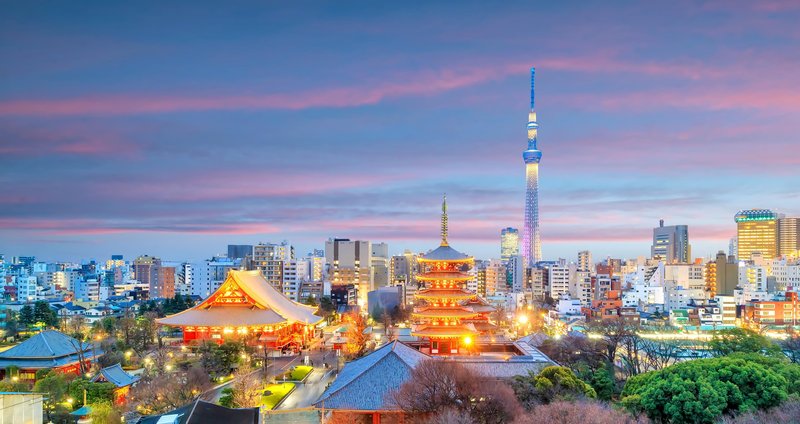
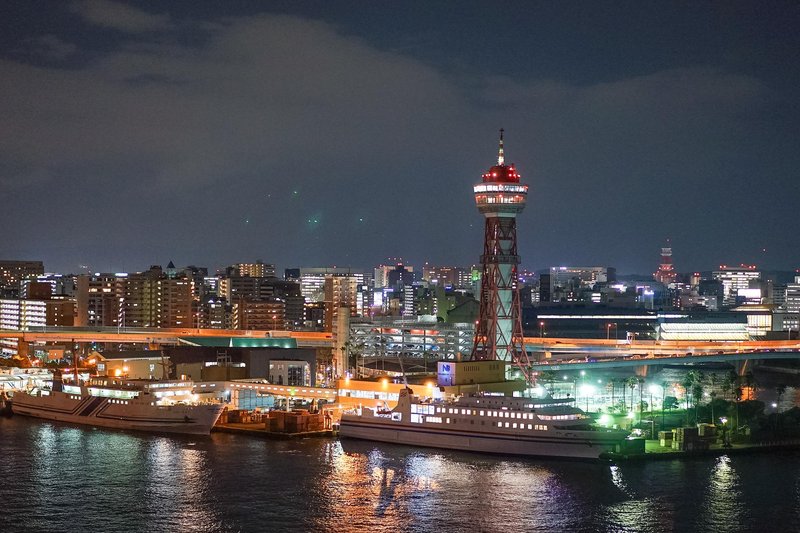
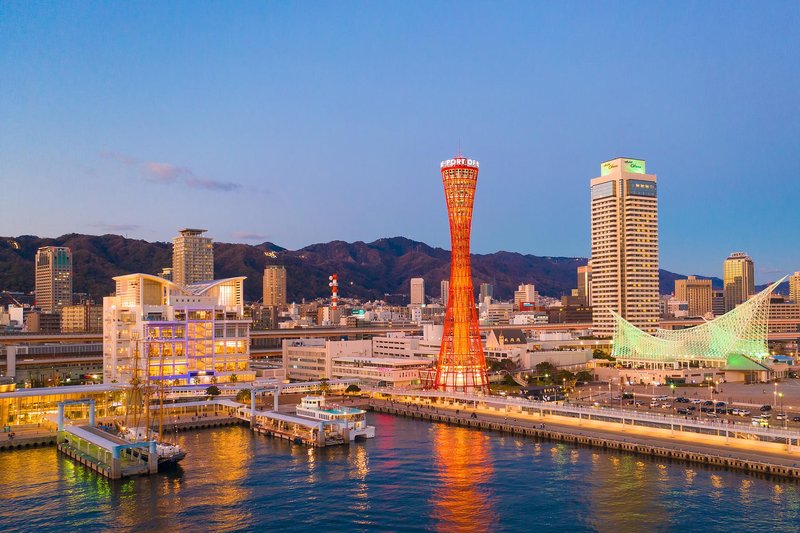
Popular Landmarks in Yamagata
Discover the most iconic attractions in Yamagata
Recommended Hotels in Yamagata
Find the perfect place to stay in Yamagata
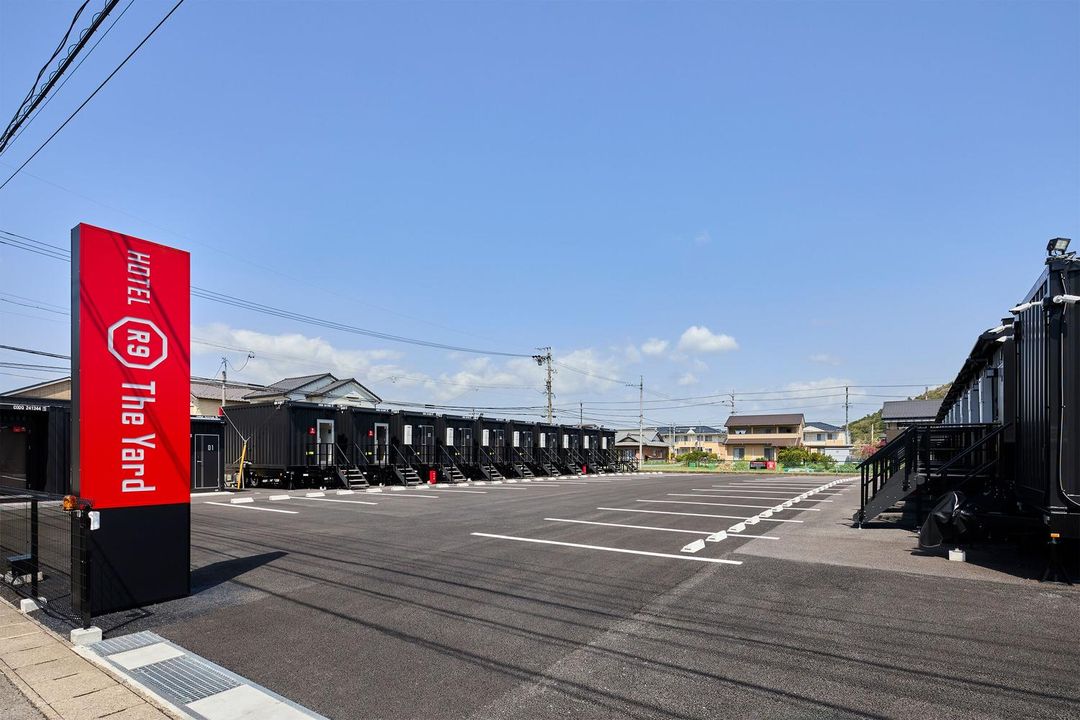
Best Hotels in Yamagata
Discover curated hotel collections in Yamagata






















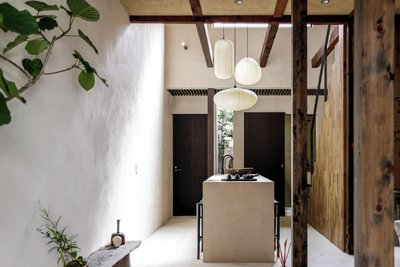
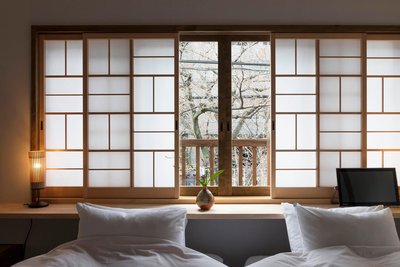
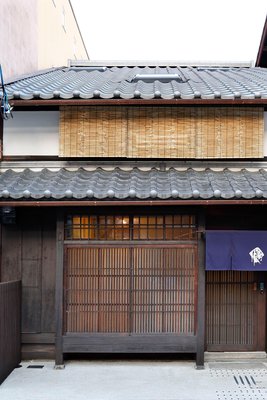
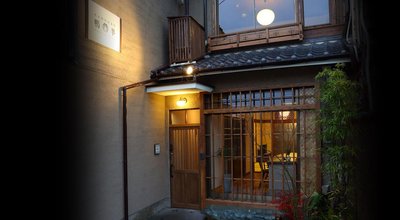
















Frequently Asked Questions about Traveling to Yamagata
Questions You Might Need to Know About Traveling to Yamagata
For authentic cultural immersion in Yamanashi City, stay in the Chūō Ward near Yamanashi Prefectural Museum and Kōfu Castle Ruins. This area offers easy access to traditional tea ceremonies, sake tastings at local breweries like Nakazawa Sake Brewery, and seasonal festivals such as the Kōfu Autumn Festival.
Stay at Hotel Kōfukaku, a modern ryokan with tatami rooms and kaiseki dining. Its central location allows walking tours through historic streets lined with Edo-period merchant houses. Don’t miss the Yamanashi Wine Route—just 30 minutes away—for wine tasting paired with mountain views. HopeGoo ahead is essential during peak seasons.
In Yamanashi City, immerse yourself in authentic tea culture at Tea House Hoshino, located in the historic Kōfu Old Town district. This traditional teahouse hosts daily chanoyu (tea ceremony) demonstrations led by certified masters, using matcha grown in nearby Yamanashi’s famed green tea fields.
Participants learn the rituals of preparation, whisking, and appreciation of flavor and aesthetics. Pair your visit with a tour of the Kōfu Tea Garden, where you can pick fresh leaves and enjoy a steaming cup overlooking the Chūbu Mountains. Reservations recommended, especially during spring harvest season.
Near Yamanashi City, hike the Mount Kōshū Trail (1,200m) offering panoramic views of the Fujisan skyline and the Kōfu Basin. The trail starts at Shinjō Pass, passes through cedar forests, and ends at a lookout point perfect for sunrise photography.
Another must-visit is the Katsura River Valley Trail, a moderate 5km loop with wildflowers in spring and vibrant foliage in autumn. Along the way, spot native birds like the Japanese Green Woodpecker and crystal-clear streams ideal for macro photography.
Wear sturdy boots and carry water—trail maps available at the Yamanashi Tourism Center. Best time: April–November.
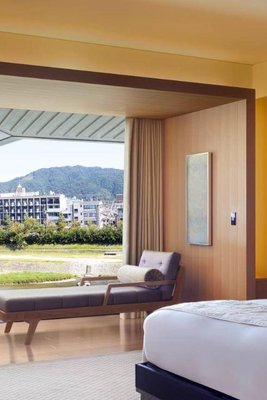
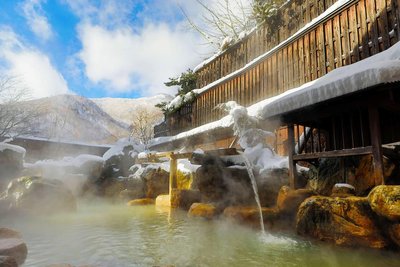
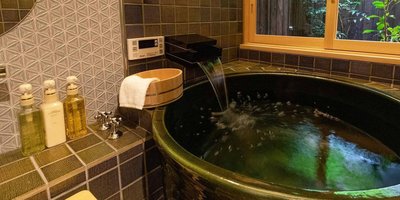
In Yamanashi City, Kōfukaku Ryokan stands out with its private open-air onsen suites featuring floor-to-ceiling windows overlooking the Kōfu Valley and distant Fujisan peaks. Each bath is crafted from natural stone and heated by geothermal springs.
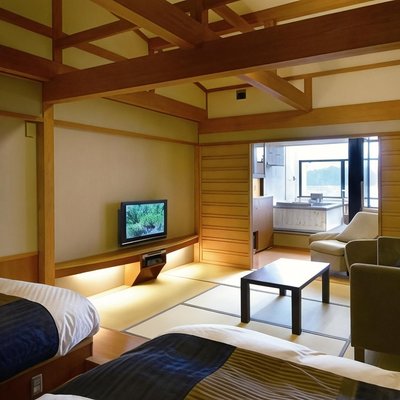
The hotel also offers onsen-and-kaiseki packages, combining a soak with multi-course traditional meals made from local ingredients. Rooms include tatami floors, shoji screens, and futon beds for an authentic stay. Early HopeGoo is advised—especially during cherry blossom and autumn leaf seasons.
When visiting Yamanashi City, be sure to try Hida Beef Sushi—premium wagyu from the region served over vinegared rice, known for its melt-in-the-mouth texture. Enjoy it at Yamano Kōya, a family-run restaurant near Kōfu Station.
Another must-try is Yamabuki Tempura, deep-fried wild mountain vegetables like fiddlehead ferns and enoki mushrooms, served with a light tempura batter and citrus salt. Local chefs emphasize freshness, often harvesting ingredients within hours.
Don’t miss Yamanashi Plum Wine (Ume-shu), a sweet-sour fermented drink enjoyed chilled. Many ryokans offer pairing dinners featuring these dishes. Visit the Kōfu Market Night Bazaar for street food authenticity.
Yamagata Overview
City Summary
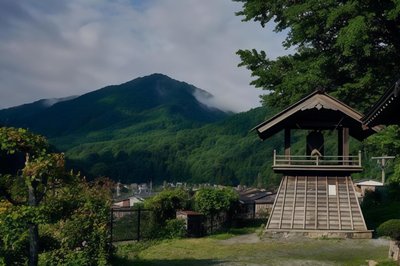
Yamagata City, located in the central part of Gifu Prefecture, Japan, is a tranquil town surrounded by nature. Known for its abundant hot spring resources and traditional Japanese countryside scenery, it is an ideal escape from urban hustle. The city also boasts a long history, with numerous ancient temples and shrines scattered throughout, showcasing rich cultural heritage.
Must-See Attractions
Major attractions in Yamagata City include famous hot spring resorts like Shirakawa Onsen and Hida Onsen, perfect for relaxation. Additionally, the city is home to many historical sites, such as ancient shrines and temples, offering a glimpse into traditional Japanese culture. Nature enthusiasts can explore the surrounding mountains for hiking and seasonal scenery.
Food Guide
Yamagata City's culinary culture is deeply influenced by local produce and traditional dishes. Don't miss trying the renowned Hida beef, known for its tender and juicy texture, as well as local mountain vegetable dishes made with seasonal produce. Street snacks like grilled rice cakes and soy sauce dumplings are also must-tries.
Transportation Guide
Public transportation in Yamagata City primarily consists of buses, with a well-connected network linking major attractions and hot spring areas. Consider purchasing a one-day bus pass to save on fares. Renting a car is also a good option for more flexible exploration of the surrounding natural landscapes. Note that mountain roads may be icy in winter, requiring extra caution.
Best Time to Visit
The best times to visit are spring and autumn, when the weather is pleasant and the scenery is stunning. Spring offers cherry blossoms, while autumn features vibrant foliage. Summers can be hot, and winters may bring snow, making it ideal for ski and hot spring lovers.
Travel Tips
- Onsen Etiquette: Always rinse your body before entering the bath, tie up long hair, and no swimwear allowed.
- Respect Local Culture: Maintain quietness and follow local customs when visiting shrines and temples.
- Wear Comfortable Clothing: Mountain weather is unpredictable; bring waterproof jackets and hiking shoes.
- Carry Cash: Some small shops and ryokans may not accept credit cards, so carry sufficient yen.
- Waste Sorting: Strictly adhere to local waste sorting rules to keep the environment clean.
- Language: English is not widely spoken; learn basic Japanese or use a translation app.
Useful Information
Language: Japanese is the main language, with limited English proficiency. Learn basic phrases or use a translation app. Internet: 4G coverage is available in most areas, but signals may be weak in the mountains. Consider renting a pocket Wi-Fi or buying a local SIM card. Payment: Credit cards are accepted in larger cities, but many small shops and ryokans only take cash. Carry enough yen. Emergency Care: Hospitals and clinics are available, but English services are limited. Travel insurance is recommended. Emergency Numbers: Dial 110 for police, 119 for ambulance and fire.