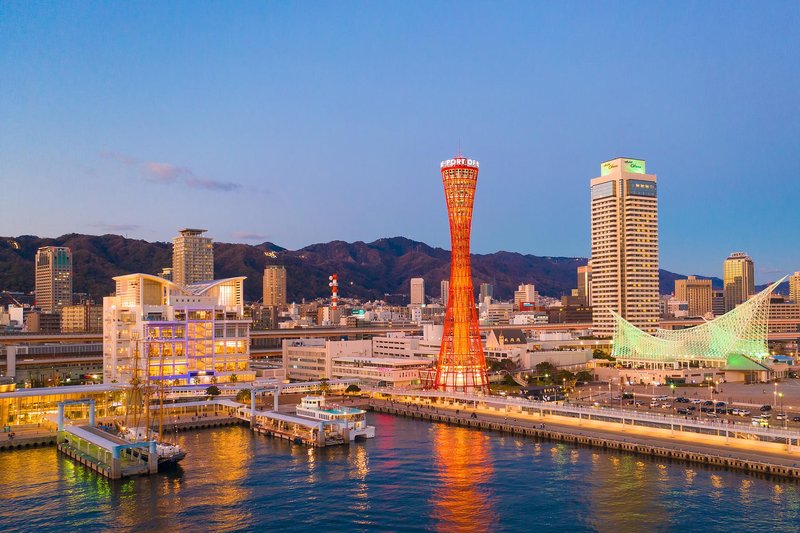
Hotels in Yamagata
Discover your perfect stay in Yamagata.
Yamagata(Japan) Travel 2026: Cheap Flights, Hotels & Top Attractions
Popular Landmarks in Yamagata
Discover the most iconic attractions in Yamagata
Recommended Hotels in Yamagata
Find the perfect place to stay in Yamagata
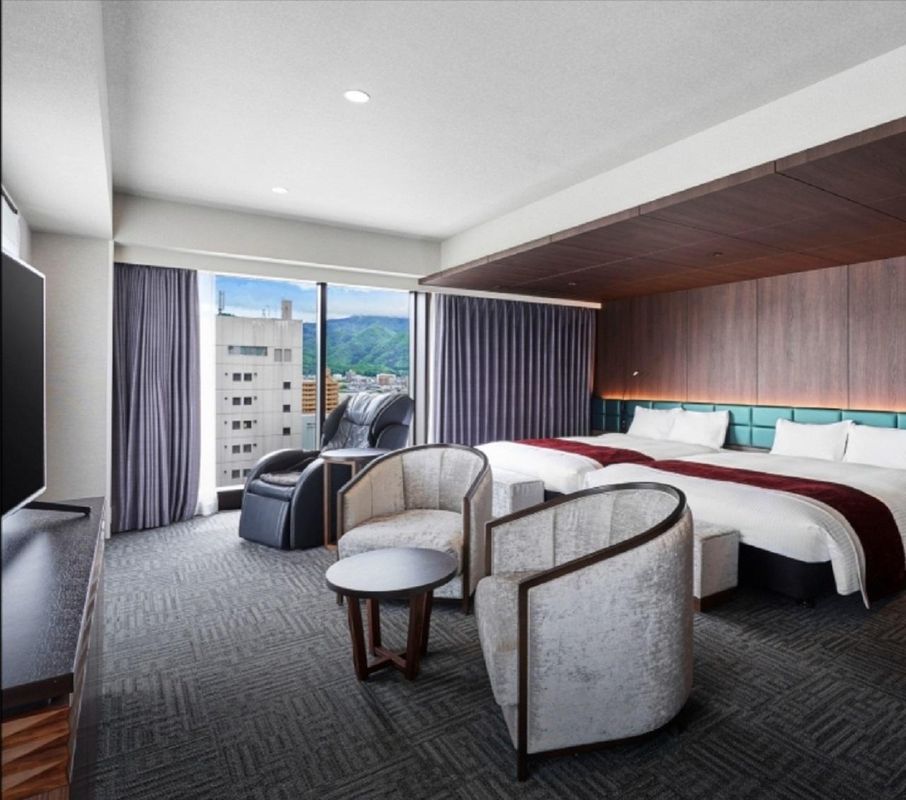
Daiwa Roynet Hotel Yamagata Ekimae
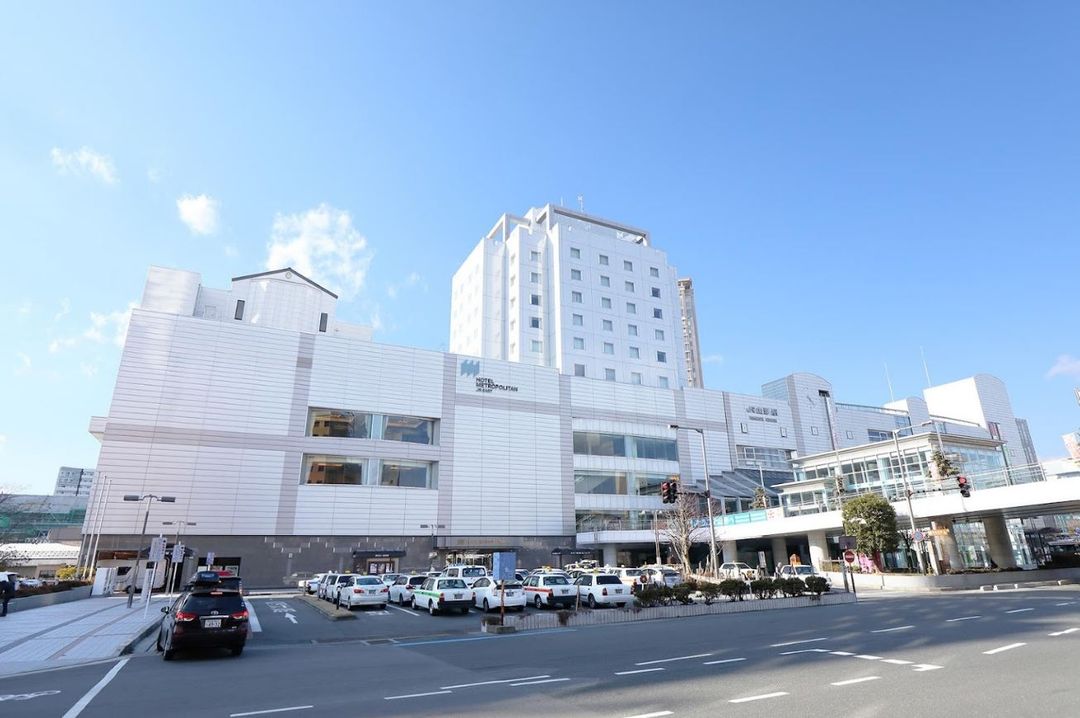
Hotel Metropolitan Yamagata
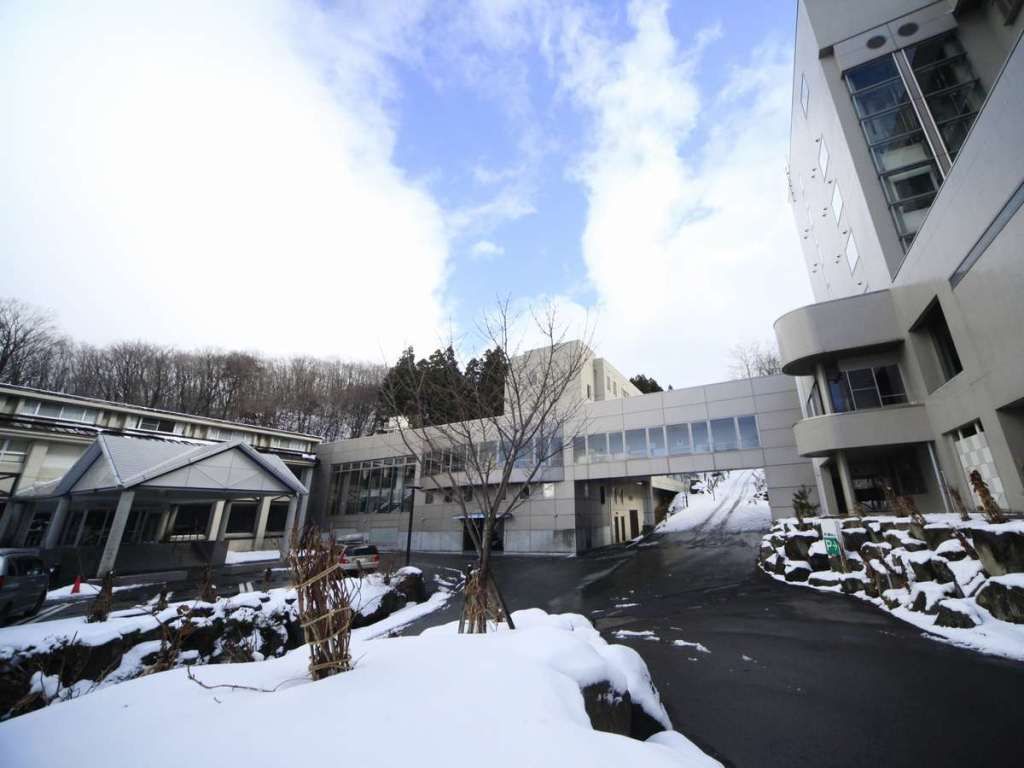
Zao Kokusai Hotel
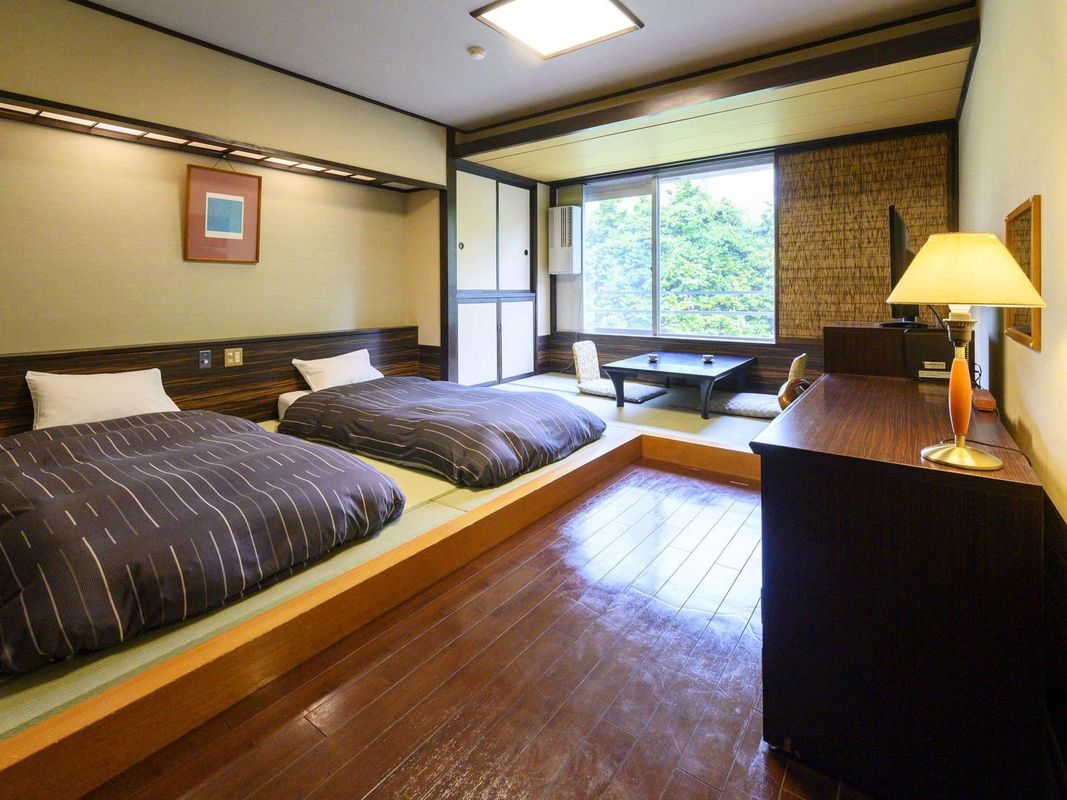
Takamiya Hotel Lucent
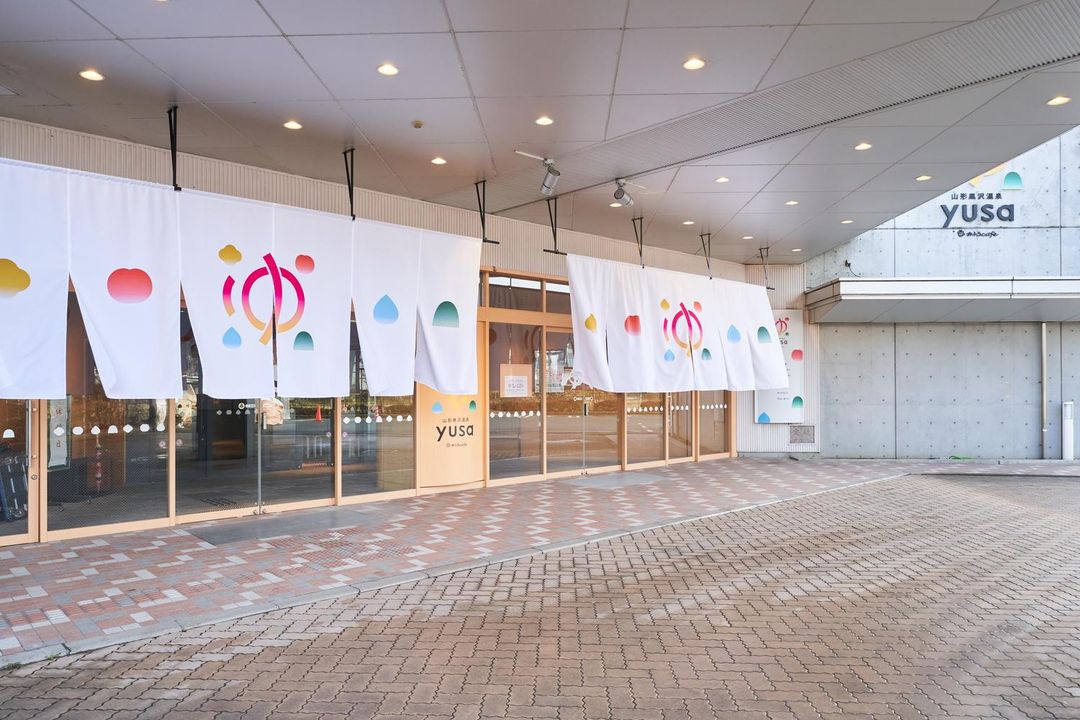
Yuuyu No Sato Yusa
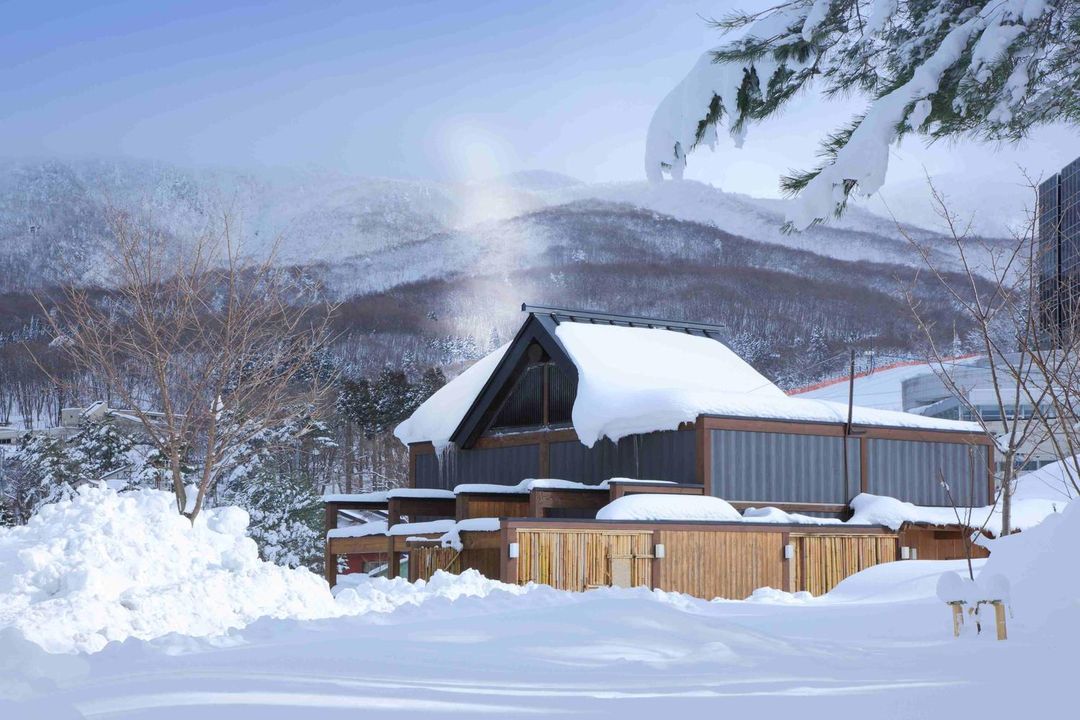
Kinosato
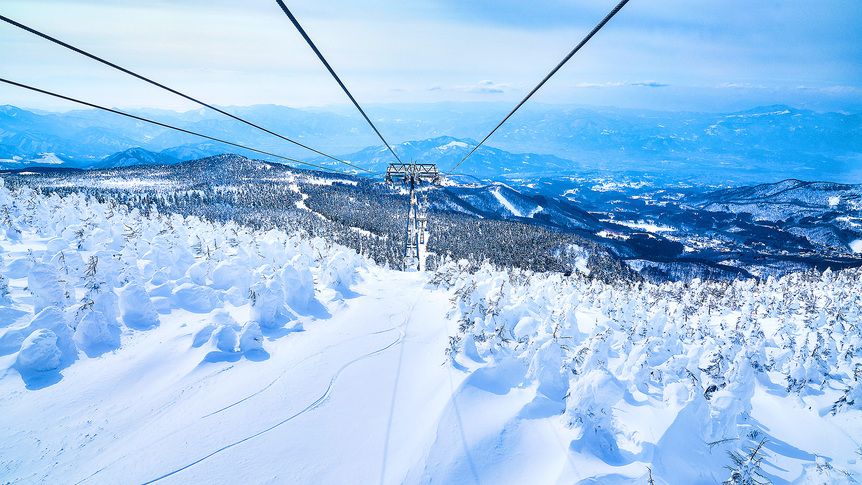
Zao Onsen Omiya Ryokan
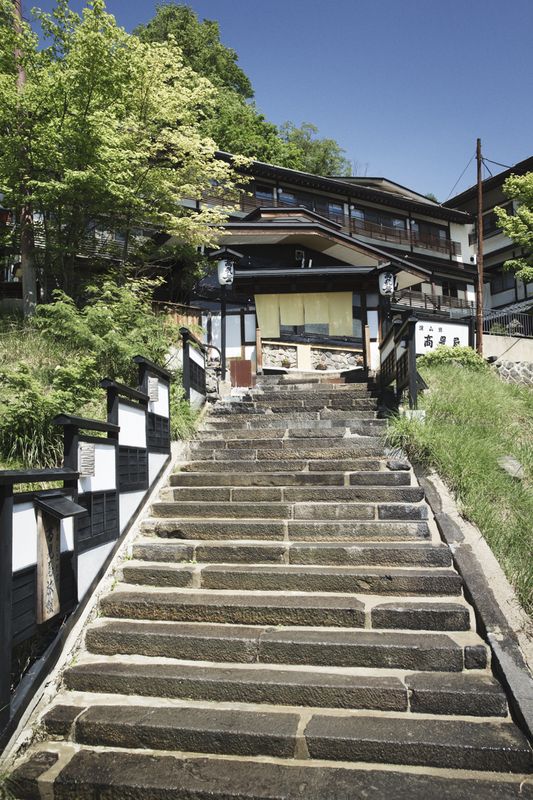
Takamiya Ryokan Miyamaso
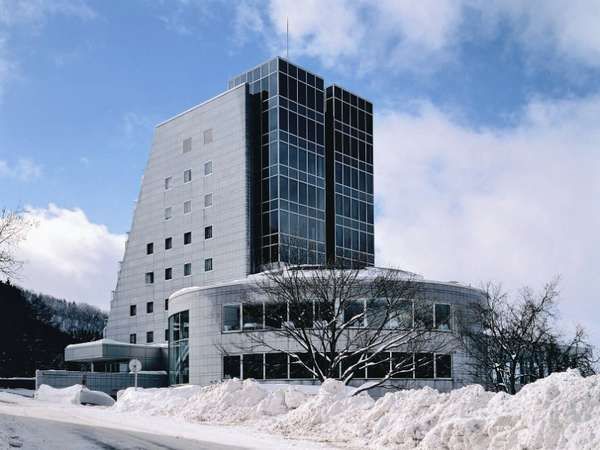
Takamiya Hotel Rurikura Resort
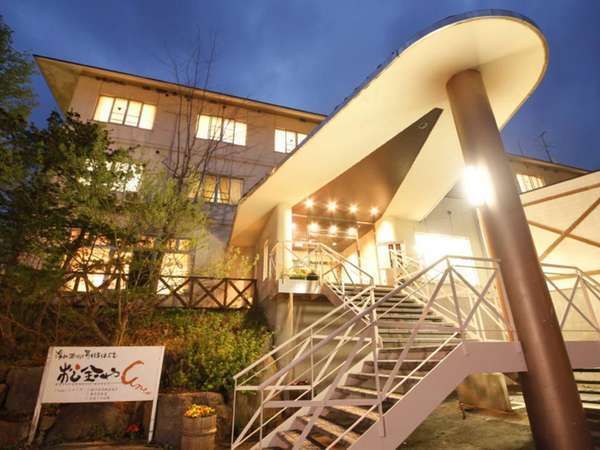
Matsukaneya Annex
Best Hotels in Yamagata
Discover curated hotel collections in Yamagata
Takamiya Hotel Lucent
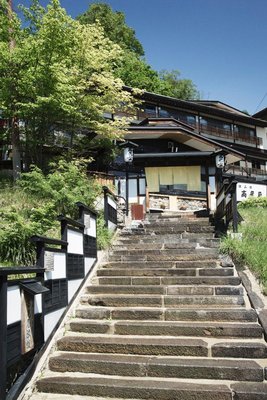
Takamiya Ryokan Miyamaso
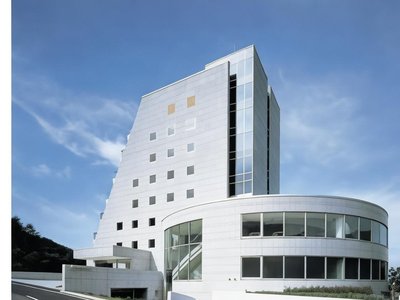
Takamiya Hotel Rurikura Resort
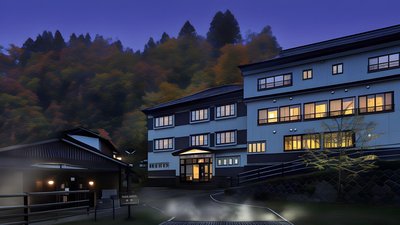
Zao Onsen Omiya Ryokan
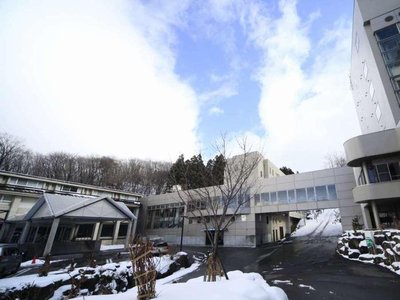
Zao Kokusai Hotel
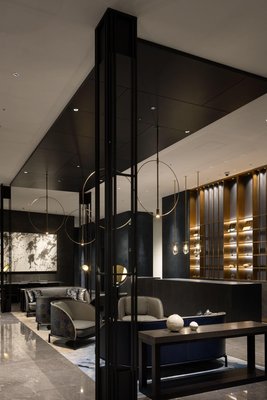
Bellustar Tokyo, A Pan Pacific Hotel
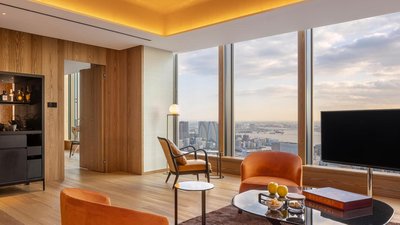
Bvlgari Hotel Tokyo
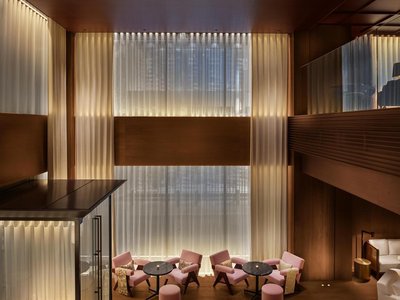
The Tokyo Edition, Ginza
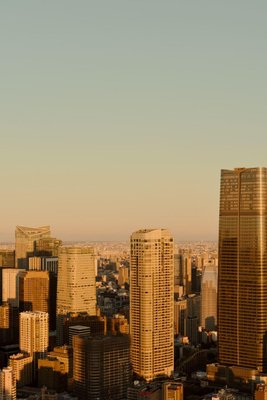
Janu Tokyo
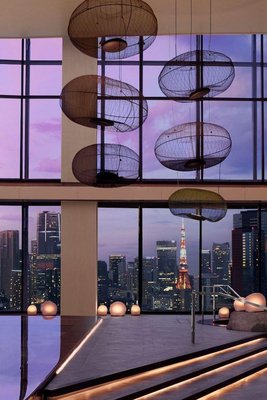
JW Marriott Hotel Tokyo
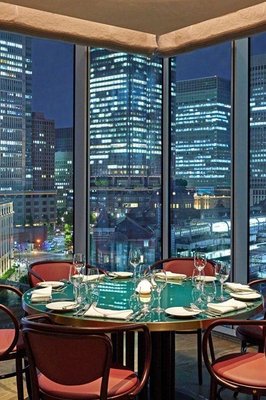
Four Seasons Hotel Tokyo at Marunouchi

Mandarin Oriental, Tokyo
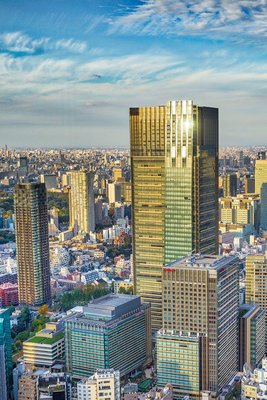
The Ritz-Carlton, Tokyo
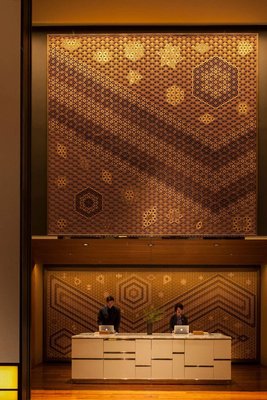
Andaz Tokyo Toranomon Hills- A Concept by Hyatt
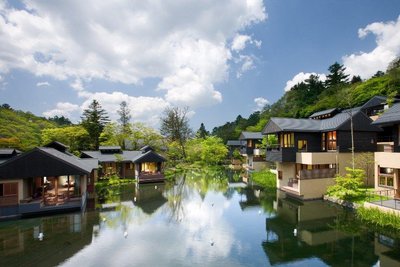
Hoshinoya Karuizawa
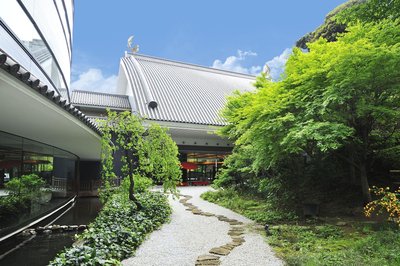
Hotel Gajoen Tokyo
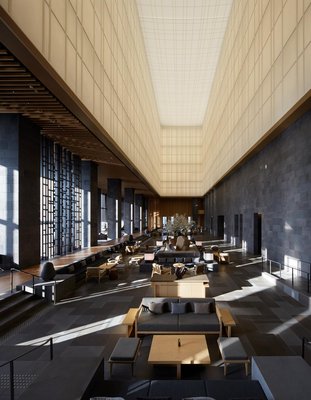
Aman Tokyo
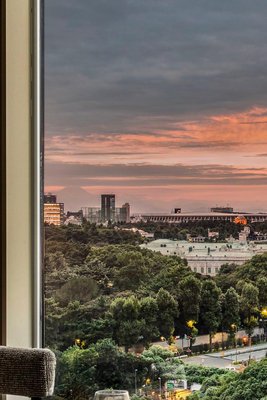
Hotel New Otani Tokyo, Executive House Zen
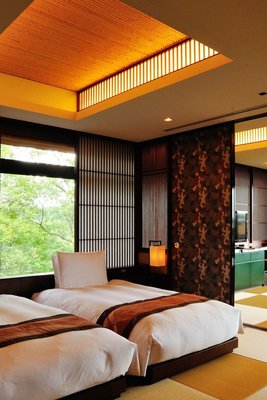
Chikusenso Onsen
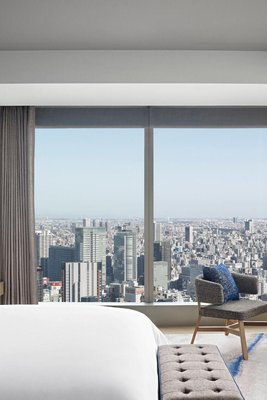
Four Seasons Hotel Tokyo at Otemachi
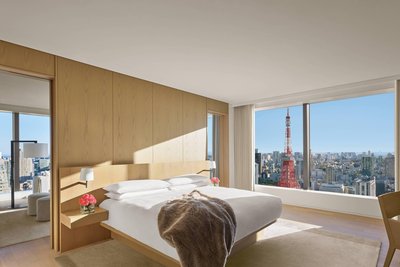
The Tokyo Edition, Toranomon
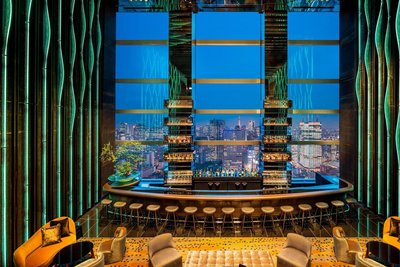
The Prince Gallery Tokyo Kioicho, a Luxury Collection Hotel
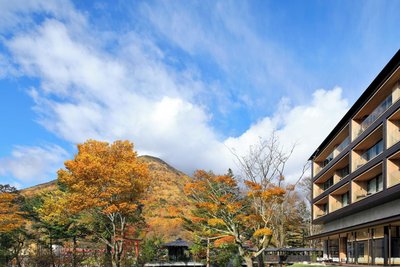
The Ritz-Carlton, Nikko
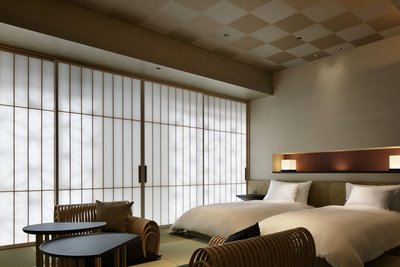
HOSHINOYA Tokyo
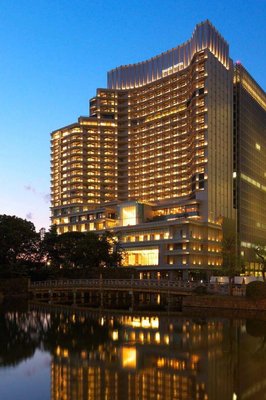
Palace Hotel Tokyo
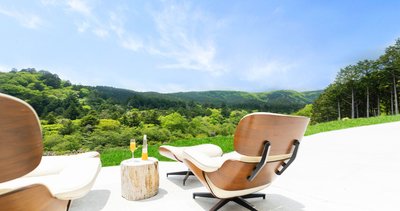
Shelter Garden Nikko
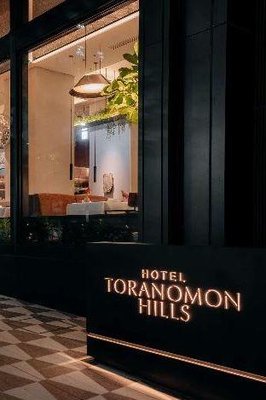
Hotel Toranomon Hills
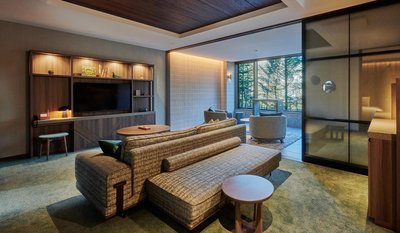
Fufu Kyu-Karuizawa Restful Forest
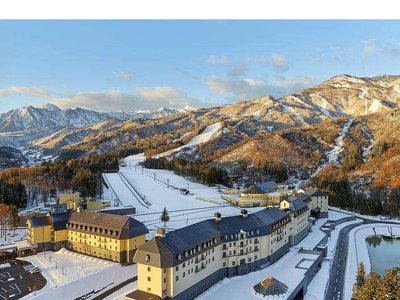
Lotte Arai Resort
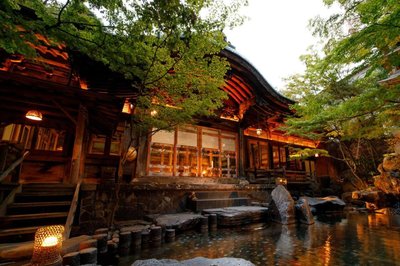
Shoraiso
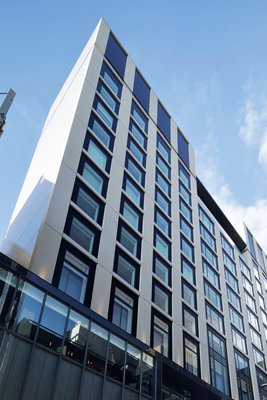
Hyatt Centric Ginza Tokyo
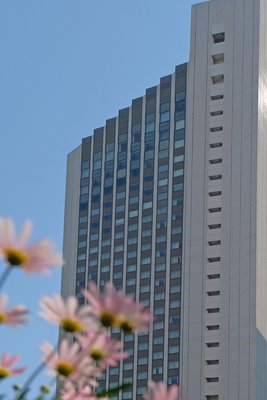
ANA InterContinental Tokyo
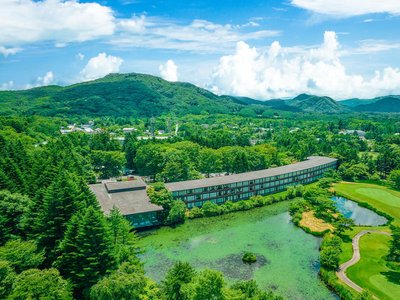
The Prince Karuizawa
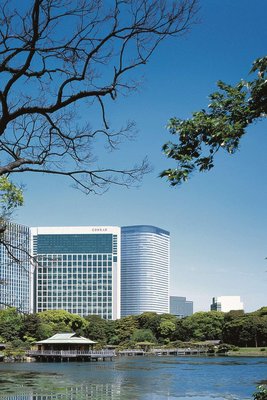
Conrad Tokyo
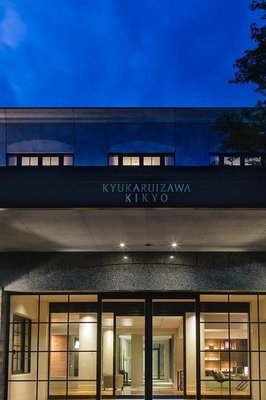
Kyukaruizawa Kikyo, Curio Collection by Hilton
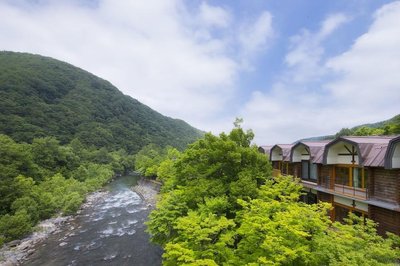
Hoshino Resorts Oirase Keiryu Hotel
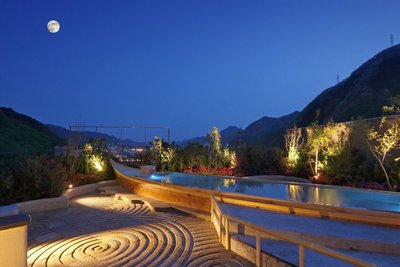
Asaya

Millennium Mitsui Garden Hotel Tokyo - Ginza
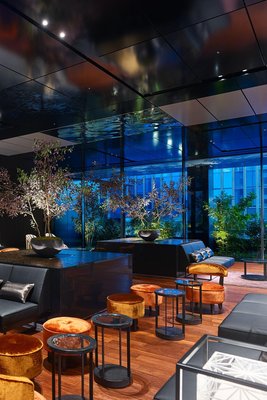
Mitsui Garden Hotel Nihonbashi Premier / Tokyo
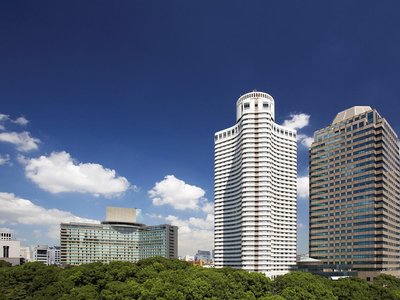
Hotel New Otani Tokyo Garden Tower
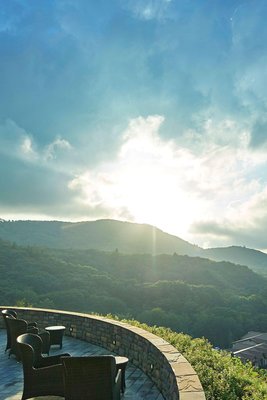
Le Grand Karuizawa Hotel & Resort
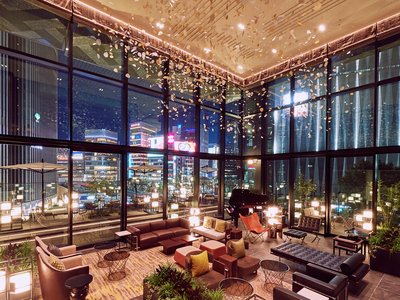
THE GATE HOTEL TOKYO by HULIC
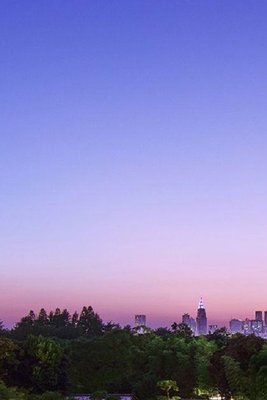
Hotel New Otani Tokyo the Main
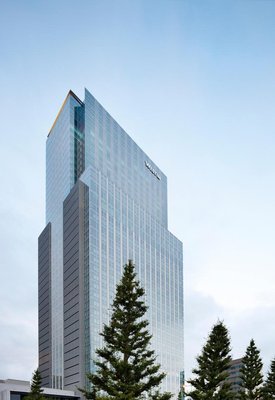
The Westin Sendai Hotel
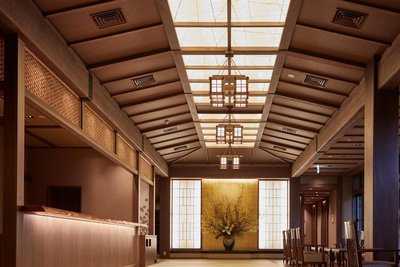
Yukinohana
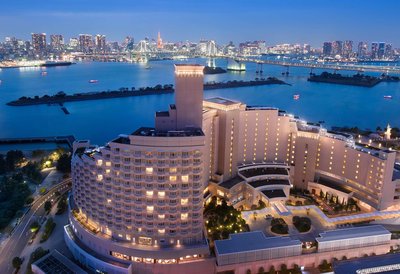
Hilton Tokyo Odaiba
JW Marriott Hotel Tokyo
The Prince Karuizawa
Conrad Tokyo
Hoshinoya Karuizawa
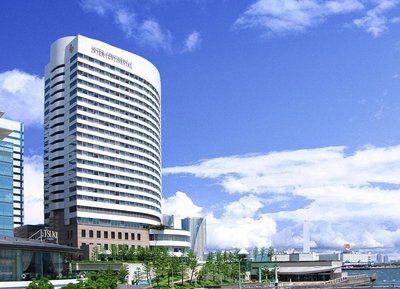
InterContinental Tokyo Bay
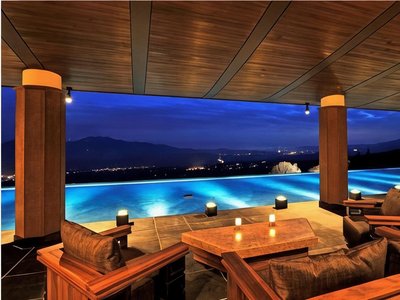
Akakura Kanko Hotel
Asaya
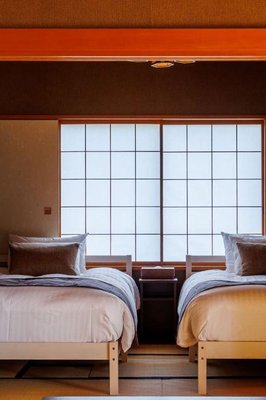
Sado Resort Hotel Azuma
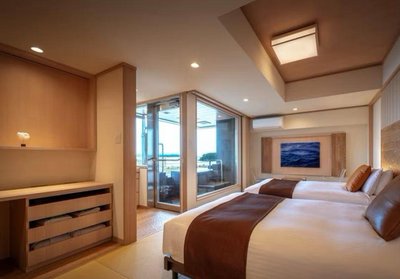
Komatsu-Kan Kofu-Tei
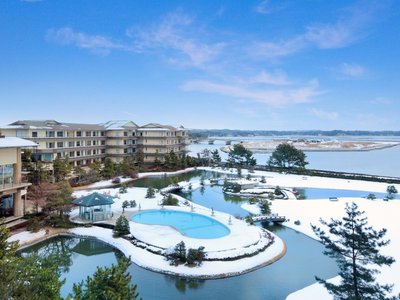
Matsushima Ichinobo
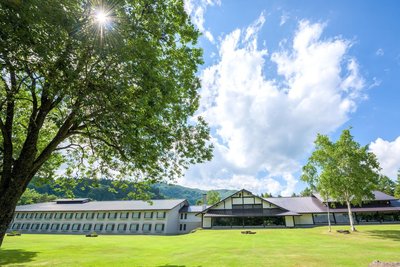
Towada Prince Hotel
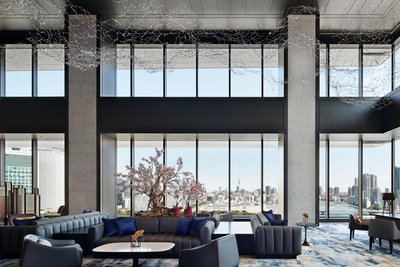
Mesm Tokyo, Autograph Collection
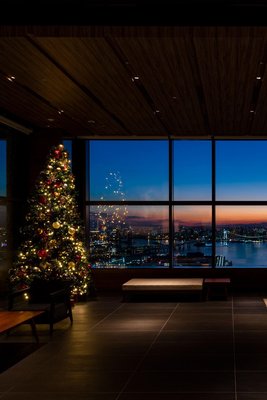
Mitsui Garden Hotel Toyosu Premier / Tokyo
The Tokyo Edition, Toranomon
The Ritz-Carlton, Nikko
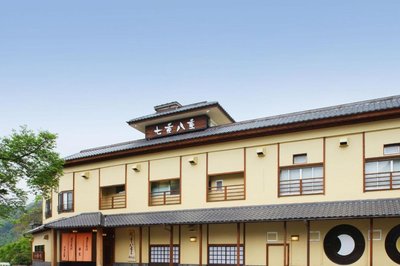
Nanaeyae
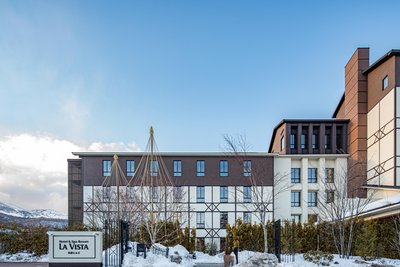
La Vista Kusatsu Hills
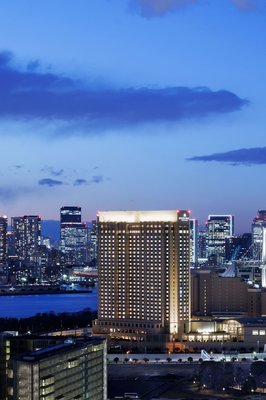
Grand Nikko Tokyo Daiba
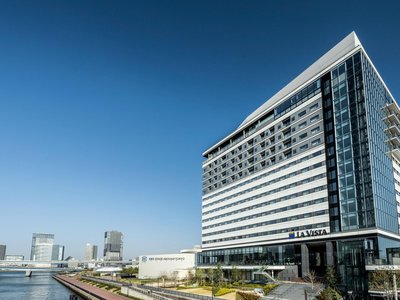
La Vista Tokyo Bay
Bvlgari Hotel Tokyo
Four Seasons Hotel Tokyo at Marunouchi
Mandarin Oriental, Tokyo
The Ritz-Carlton, Tokyo
Andaz Tokyo Toranomon Hills- A Concept by Hyatt
Hotel New Otani Tokyo the Main
Aman Tokyo
Four Seasons Hotel Tokyo at Otemachi
The Tokyo Edition, Toranomon
Palace Hotel Tokyo
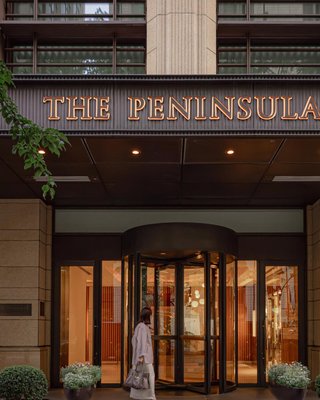
The Peninsula Tokyo

Imperial Hotel, Tokyo
Bellustar Tokyo, A Pan Pacific Hotel
JW Marriott Hotel Tokyo
Andaz Tokyo Toranomon Hills- A Concept by Hyatt
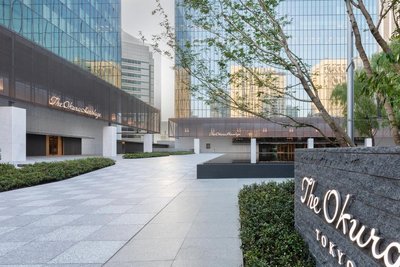
The Okura Tokyo
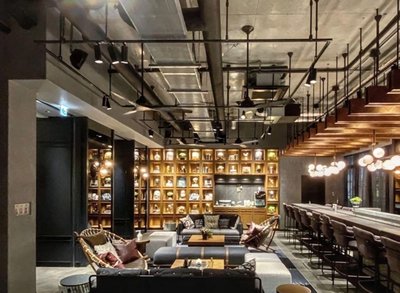
The Lively Azabujuban Tokyo
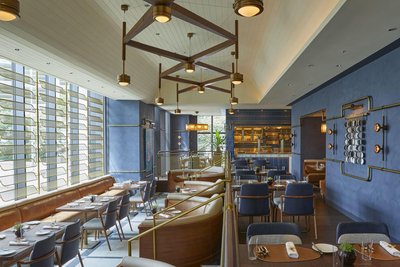
Kimpton Shinjuku Tokyo

HOTEL K5
The Prince Gallery Tokyo Kioicho, a Luxury Collection Hotel
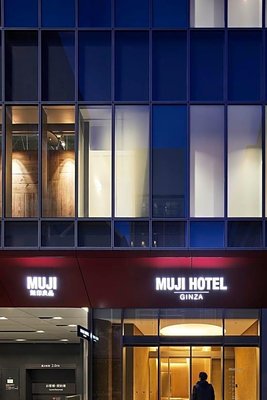
Muji Hotel Ginza
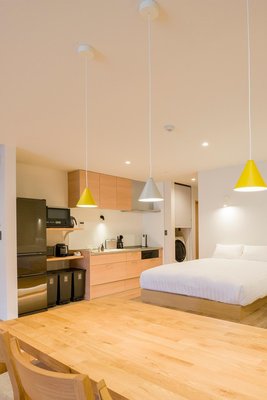
Rakuten STAY VILLA Nasu
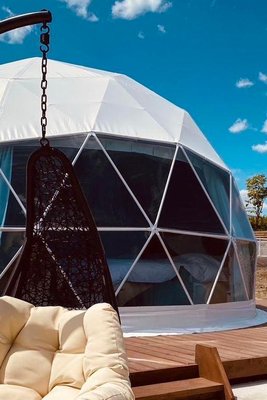
chillout glamping zao
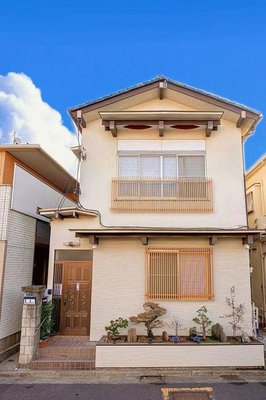
Tokyo Star House-Shinkoiwa
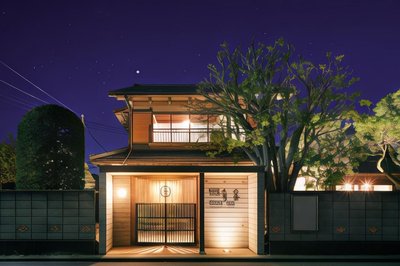
Machi-Jyu
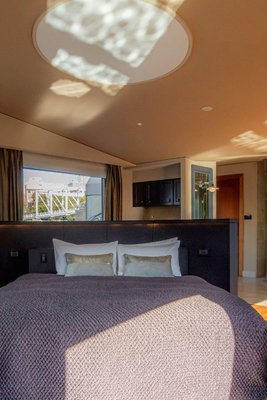
Petals Tokyo - Floating Hotel
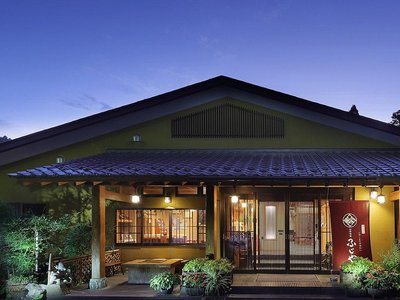
Shikimitei Fujiya
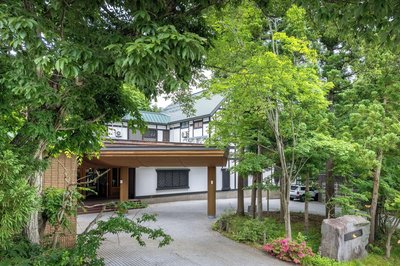
Forest Resort Yamanote Hotel
Frequently Asked Questions about Traveling to Yamagata
Questions You Might Need to Know About Traveling to Yamagata
In Yamagata City, the top family-friendly ryokan is Higashiyama Hotel in Asahi Onsen, offering spacious family rooms, children’s amenities, and access to natural hot springs sourced from Asahi Onsen. The mineral-rich waters are excellent for skin health and relaxation. The hotel serves authentic local cuisine, including Yamagata beef and rice balls made with Koshihikari rice. It's just a 10-minute walk from Yamagata Castle Ruins Park, perfect for daytime strolls and cherry blossom viewing. With its peaceful atmosphere and thoughtful services, it’s ideal for multi-generational stays and family getaways.
The central district of Yamagata City, especially around Yamagata Station, offers the most convenient lodging options. It provides easy access to major attractions like Yamagata Castle Ruins Park, Yamagata City Art Museum, and Ginzan Onsen via short bus rides. Hotels range from budget-friendly guesthouses to luxury Japanese-style inns such as Yamagata Grand Hotel. The area is bustling with local eateries, convenience stores, and evening nightlife, making it lively yet practical. For a quieter stay, Ginzan Onsen is nearby but requires a shuttle ride. Overall, central Yamagata balances accessibility, comfort, and cultural immersion—ideal for travelers seeking a well-rounded experience.
Yamagata City’s onsen experience centers around Ginzan Onsen, one of Japan’s most beautiful hot spring towns. Its mineral-rich, clear waters originate deep underground and are renowned for soothing nerves and muscles. The town preserves traditional wooden architecture, illuminated by lanterns at night, creating a magical, picture-perfect scene. High-end ryokans like Sankei-kan offer private open-air baths overlooking snow-covered landscapes and streams. Many inns also serve local delicacies such as sake kasu stew and miso-glazed fish after soaking. A full-night stay here allows visitors to fully immerse in tranquility and seasonal beauty, especially during winter.
Yes, Sankei-kan Ryokan in Ginzan Onsen stands out as a must-visit for photographers. Its traditional Edo-period design features black tiled roofs, white walls, and wooden lattices, set amid serene gardens with maple and pine trees. In winter, snow-draped rooftops and glowing lanterns create a stunning visual reminiscent of ukiyo-e prints. Inside, high-ceilinged tea rooms and hand-painted corridors showcase craftsmanship. Another standout is Yamagata Grand Hotel, whose glass-roofed lobby and rooftop garden offer striking modern-japanese contrast. Visit during golden hour or twilight for the most captivating shots.
Must-try dishes in Yamagata City include Yamagata beef, known for its rich marbling and tender texture—perfect in sukiyaki or grilled formats. Another highlight is sake kasu nabe, a savory hot pot made with fermented sake lees, enriched with tofu, vegetables, and chicken. Local sweets like persimmon dried fruit and mashed potato mochi make excellent souvenirs. Many hotels, such as Yamagata Grand Hotel, feature "local ingredient dinner" menus showcasing these flavors. Pair your meal with a glass of locally brewed sake to savor the region’s culinary heritage.
The highlight of winter in Yamagata City is the Yamagata Snow Festival, held every February at Yamagata Castle Ruins Park, featuring massive snow sculptures, including a towering drum figure. Nearby, Ginzan Onsen hosts a snow bath tour, where guests visit multiple ryokans along snowy paths, enjoying warm drinks and snacks. For outdoor fun, head to Zao Ski Resort, known for consistent powder snow and beginner-friendly slopes. At night, the Snow Lantern Festival lights up the entire onsen street, creating a dreamlike ambiance. These events capture the city’s festive spirit and winter charm perfectly.
Key historical sites in Yamagata City include Yamagata Castle Ruins Park, once the stronghold of the Mōri clan, now a scenic park with preserved stone walls and a watchtower site offering panoramic views. The adjacent Yamagata City History Museum displays ancient armor, documents, and regional art. Another gem is Hase-dera Temple, established in the Nara period, housing a revered Eleven-Faced Kannon statue. For art lovers, Yamagata City Art Museum features works by modern masters like Takashi Murakami and Toshio Shimizu. Together, these sites reflect centuries of cultural evolution and spiritual depth in the region.
Yes, many hotels in Yamagata City provide complimentary shuttle services, particularly those near Yamagata Station and Ginzan Onsen. Major properties like Yamagata Grand Hotel and Higashiyama Hotel operate regular buses to and from the station, taking about 15 minutes. Luxury ryokans such as Sankei-kan offer private shuttles from the onsen entrance to the hotel. Some also partner with local tour operators to assist with public transit tickets. Guests are advised to confirm shuttle schedules and pickup points upon check-in to ensure smooth travel.
A 2- to 3-day itinerary is ideal to experience Yamagata City’s culture, nature, and hot springs. Day one: Stay in central Yamagata, explore Yamagata Castle Ruins Park and Yamagata City Art Museum, then relax at Ginzan Onsen with an evening soak. Day two: Attend the Snow Festival, take a ski day at Zao Ski Resort, or visit Hase-dera Temple. Day three: Explore rural villages or enjoy a tea ceremony. This balance ensures time for sightseeing, dining, and wellness without rushing. Add half-day activities like kimono rentals or sake tasting for deeper engagement.
Yes, Yamagata City has excellent transportation for tourists. Yamagata Station is a key hub on the Tohoku Shinkansen, connecting Tokyo (2.5 hours), Sendai (1 hour), and Akita. Local Yamagata City Bus covers major sites like Ginzan Onsen, Castle Ruins Park, and Hase-dera Temple, with fares around ¥200. Most hotels offer free shuttle services. For rural exploration, car rental or guided tours are available. Although Yamagata Airport is small, it has direct flights to Osaka and Fukuoka. Overall, the city’s infrastructure supports both intercity travel and local sightseeing efficiently.
Yamagata Overview
City Summary
Yamagata City, located in Yamagata Prefecture, combines nature and culture seamlessly. Gateway to Zao Onsen and famed Yamagata beef, it boasts historical sites like Yamagata Castle ruins and traditional safflower dyeing. Four distinct seasons offer skiing in winter, cherry blossoms in spring, festivals in summer, and autumn foliage.
Must-See Attractions
Must-visit Yamagata Castle Site (Kajo Park) for samurai history and Bunshokan for Meiji-era architecture. Zao Onsen offers skiing in winter and hiking to volcanic "Okama Crater" in summer. Climb 1,015 steps of Yamadera Temple for breathtaking views. Don't miss August's Hanagasa Festival, one of Tohoku's top three dance parades.
Food Guide
Try premium Yonezawa beef as sukiyaki or grilled. Cool off with local specialty cold ramen noodles in unique sauce. Autumn brings imoni stew with taro and beef. For desserts, savor cherries (famous in summer) and Akayu Onsen manju steamed buns. Street vendors sell gyutan (beef tongue) skewers near the station.
Transportation Guide
Take Shinkansen from Tokyo to Yamagata Station (2.5 hours). City buses cover major sights (use "Mengokoro Bus" day pass for ¥500). Direct buses to Zao Onsen take 40 minutes. Taxis start at ¥650 (20% night surcharge). Winter driving requires snow tires by law (Nov-Mar).
Best Time to Visit
Dec-Feb for skiing/onsen; April for cherry blossoms; Jul-Aug for festivals; October for autumn colors. Avoid Golden Week (early May) and Obon (mid-August) crowds.
Travel Tips
- Wash before entering onsen baths (no swimwear)
- Confirm winter tires if driving
- Most restaurants charge "otoshi" appetizer fee (¥300-500)
- Purify hands/mouth before temple entry
- Strict trash sorting - use convenience store bins
- Pack layers for mountain weather changes
Useful Information
Language: Basic English works; train stations have Chinese guides WiFi: SIM cards at 7-11/LAWSON; free city WiFi Payment: Cash preferred; credit cards in malls Emergency: Police 110 / Ambulance 119 Medical: Yamagata University Hospital (appointment advised) Voltage: 100V (Type A/B plugs) Etiquette: Remove shoes indoors; never stick chopsticks upright in rice