Hotels in Yamazoe
Discover your perfect stay in Yamazoe.
Yamazoe(Japan) Travel 2026: Cheap Flights, Hotels & Top Attractions
Popular Landmarks in Yamazoe
Discover the most iconic attractions in Yamazoe
Recommended Hotels in Yamazoe
Find the perfect place to stay in Yamazoe
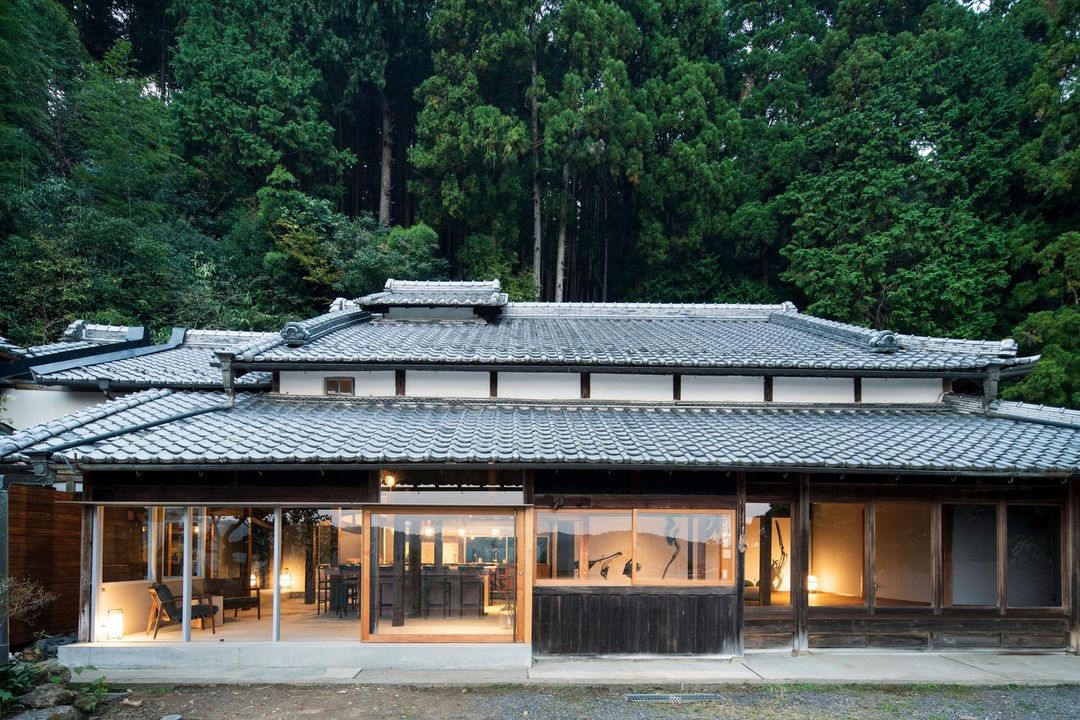
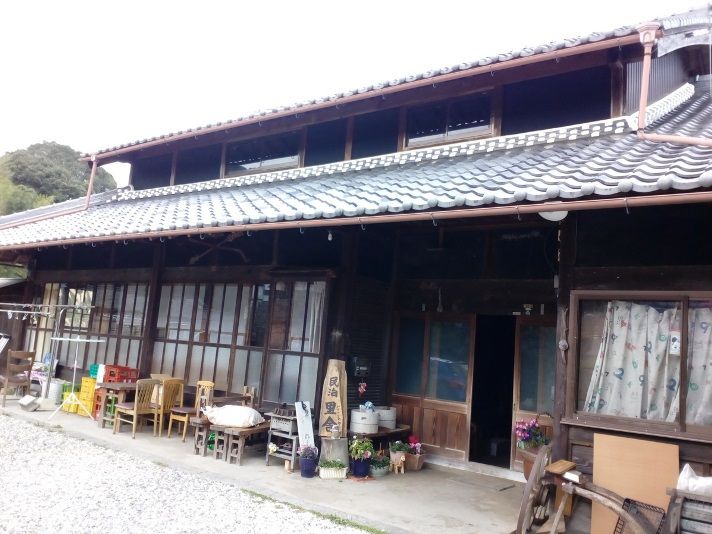
Best Hotels in Yamazoe
Discover curated hotel collections in Yamazoe

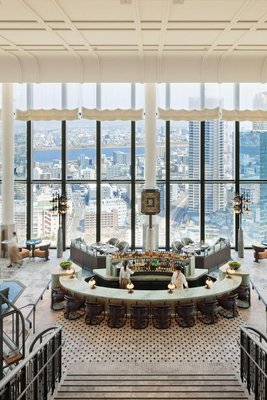
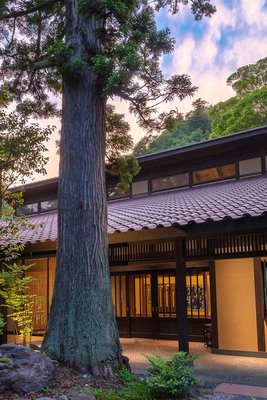
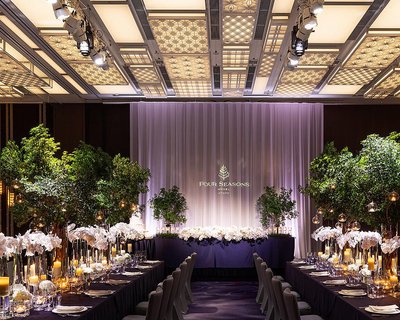
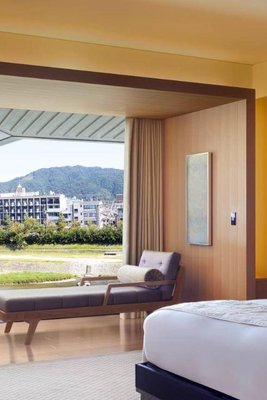
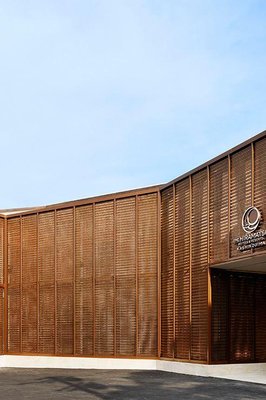
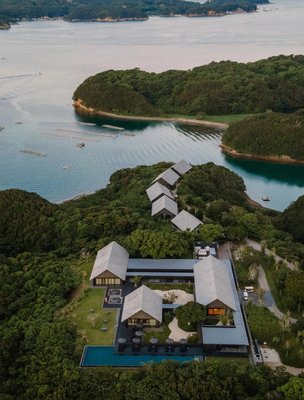
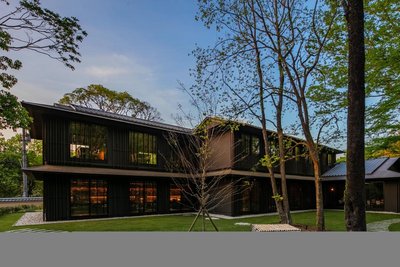
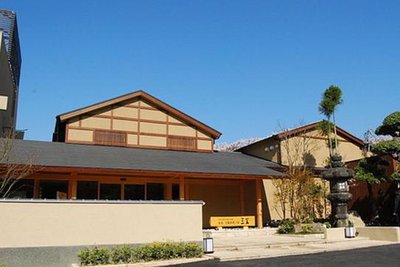












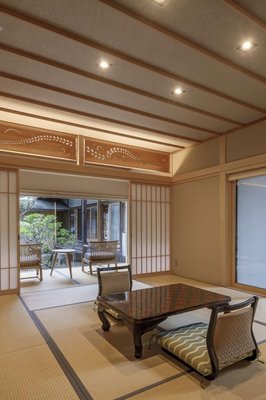
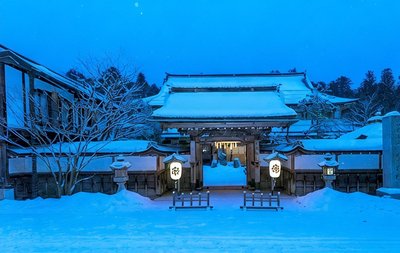

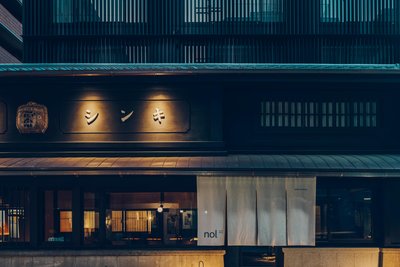
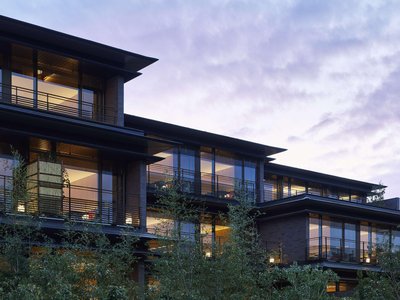



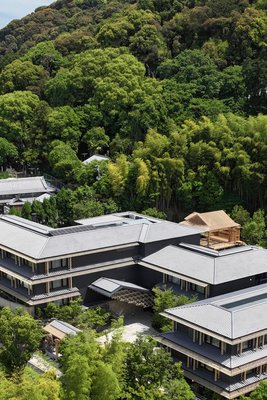
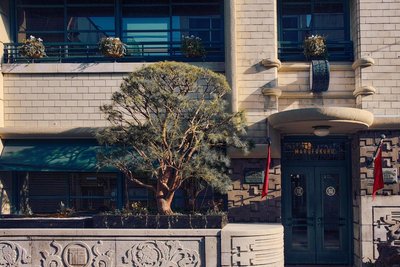
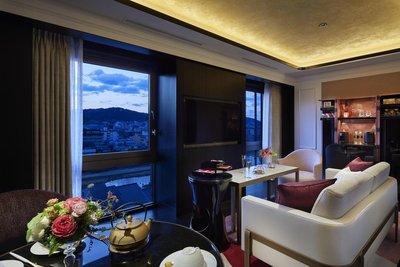
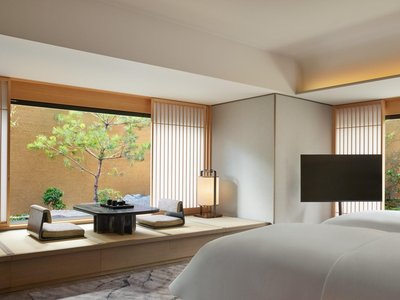
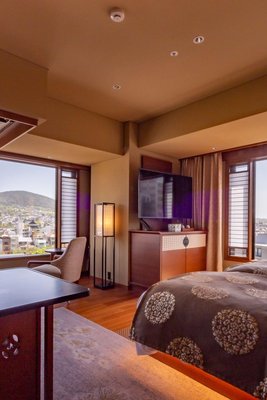
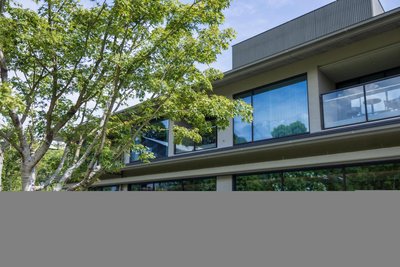

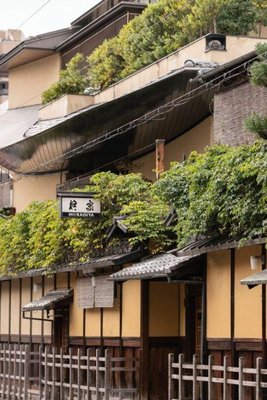
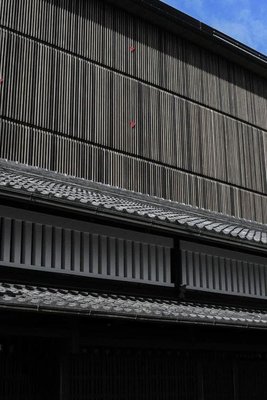


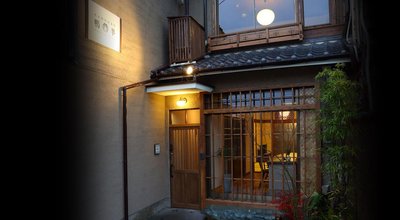
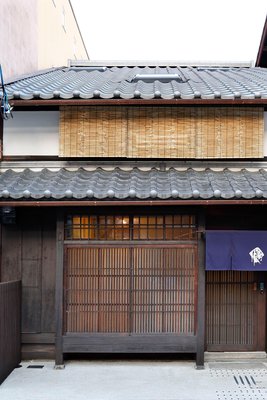
Frequently Asked Questions about Traveling to Yamazoe
Questions You Might Need to Know About Traveling to Yamazoe
In Yamazoe Village, the top eco-lodge is Yamagata Lodge, a sustainably built retreat nestled in the Nara National Park forest. The wooden cabins use solar power and rainwater harvesting, with minimal environmental impact. Guests enjoy panoramic views of wild deer grazing near the property and access to organic gardens where they can harvest ingredients for meals. The lodge emphasizes low-impact tourism, offering guided forest walks and workshops on traditional Japanese permaculture. It’s ideal for travelers seeking authentic nature immersion in Nara Prefecture.
The most scenic hike in Yamazoe Village is the Omiya Mountain Trail, a 4-kilometer loop through ancient cedar forests and crystal-clear streams. Starting at the Yamazoe Ecological Center, the path leads to the summit viewpoint overlooking the Yoshino River Valley. Along the way, visitors may spot native Japanese macaques and rare ferns. The trail ends at the Amaterasu Shrine, a serene spiritual site. Best visited early morning to avoid crowds and enjoy misty mountain vistas.
Must-try experience: Mountain Harvest Dinner, hosted by local farming families. Dishes feature seasonal foraged ingredients like wild mushrooms, bamboo shoots, and mountain vegetables, served with locally brewed Nara rice wine. The highlight is the Wild Mushroom Miso Soup with Brown Rice, rich in umami and nutrients. Some sessions include a foraging tour, teaching guests how to identify edible plants safely. This immersive meal connects visitors deeply with Nara Prefecture's agricultural heritage.
The Kitayama District is the quietest and most secluded area in Yamazoe Village, surrounded by dense cedar forests and accessible only by foot or bike. Only a few boutique lodges operate here, including Midorino House, which prioritizes tranquility and harmony with nature. Night skies are pristine—perfect for stargazing. A 15-minute walk brings you to the Yamazoe Cultural Center, blending peace with subtle cultural access. Ideal for digital detox and mindful travel.
Each autumn, Yamazoe Village hosts the Yama Matsuri, a centuries-old festival honoring mountain spirits. Activities include a Shrine Procession, traditional taiko drumming, and handmade paper umbrella workshops. Visitors can join in wearing kimonos, learn to craft umbrellas from kōzo bark paper, and participate in rituals led by village elders. The event preserves oral traditions and craftsmanship, offering an authentic window into Nara Prefecture's rural spirituality.
Nearby must-see spots include Shirakawa Waterfalls and the Senbon Sugi Grove. The 30-meter falls cascade through moss-covered rocks, often creating rainbows in sunlight. The Senbon Sugi Grove is a cathedral-like forest of century-old cedars, with pathways forming natural arches. Both are within the Nara National Park buffer zone, accessible only by foot or bicycle. Bring insect repellent and trekking poles—these areas offer untouched biodiversity and deep serenity.
Yes, Yamagata Lodge and Midorino House provide child-friendly facilities such as kid-sized tableware, outdoor sand pits, and mini farm animal feeding experiences. Some rooms include tatami play zones and illustrated children’s storybooks. They also run weekly Family Nature Explorations, where kids learn to identify insects and make leaf rubbings. Parents enjoy peace of mind while children engage meaningfully with nature.
Ideal itinerary: Start at 9 AM at the Yamazoe Cultural Center to learn about village history and conservation efforts. Hike the Senbon Sugi Grove (2 hours) with a stop at the lookout point. Lunch at Mountain Harvest Dinner. Afternoon visit to the Yama Matsuri Workshop to craft paper umbrellas. Return to lodge by 4 PM for rest or a forest bath. This balanced schedule blends culture, nature, and hands-on experiences—perfect for slow, meaningful travel.
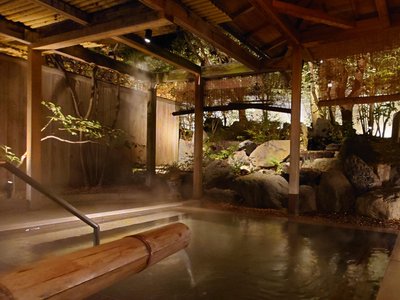
While Yamazoe Village has no large onsen hotels, nearby Yoshino River Onsen Area features excellent options. Izumi no Yado Zuiran stands out with open-air baths facing the valley, using pure natural hot springs rich in bicarbonate. Each evening includes a herbal body wrap using regional plants. The hotel maintains traditional aesthetics and offers wellness programs rooted in Nara Prefecture's healing practices—ideal for relaxation after hiking.
No direct train service exists. Take the Nara Bus to "Yamazoe-machi Exit," then transfer to village shuttle or rent an e-bike. Driving via National Route 42 is recommended; free parking is available at entry points. Some lodges offer pickup services—book in advance. Check bus schedules ahead of time, as frequencies drop after 6 PM. For eco-travelers, cycling is the best way to explore the quiet, car-free lanes.
Yamazoe Overview
City Summary
Yamazoe Village is a serene mountainous hamlet in northeastern Nara Prefecture, renowned for its traditional Japanese pastoral landscapes and centuries-old heritage. Featuring well-preserved thatched-roof houses and Shinto shrines, it offers lush greenery in summer and spectacular autumn foliage, making it an ideal escape from urban bustle. Key attractions include Kasuga Taisha Shrine's branch, local farmers' markets, and hiking trails.
Must-See Attractions
Must-see spots encompass the 8th-century Hirose Shrine, whose annual "Hirose Matsuri" is designated as a National Important Intangible Cultural Property; the Yamazoe History & Folklore Museum displaying agricultural tools; and the Yamato Highlands Observatory with panoramic views. Don't miss seasonal fruit-picking (persimmons/ grapes) or artisan coffee at kominka cafes.
Food Guide
Culinary highlights feature mountain ingredients: kakinoha-zushi (mackerel sushi wrapped in persimmon leaves), Nara-zuke (vegetables pickled in sake lees), and buckwheat noodles. Visit "Roadside Station Yamazoe" for fresh milk and highland vegetables; winter-exclusive nozawana hotpot is exceptional.
Transportation Guide
Transport: From Nara, take Kintetsu Kyoto Line to "Yamato-Saidaiji Station", then transfer to buses (50 mins). Only community buses run within the village (3-4 daily), so renting bicycles or driving (Route 165 crosses the village) is advised. Note some mountain roads are narrow; snow tires required in winter.
Best Time to Visit
Best seasons are October-November (autumn colors) and April-May (cherry blossoms & fresh greenery), with mild temperatures (15-25°C) and fewer crowds. Avoid July-August rainy season (80% humidity) and January-February extreme cold (possible snowfall).
Travel Tips
- Safety: Wear anti-slip shoes and carry bear bells when hiking
- Etiquette: Always ask permission before photographing thatched houses (mostly private)
- Cash: Most rural shops accept cash only; carry sufficient JPY
- Waste: No public bins—take trash with you
- Punctuality: Check bus schedules meticulously (limited service)
- Onsen: Wash thoroughly before entering hot springs
Useful Information
Essentials:
- Language: Minimal English signage; translation apps recommended
- Internet: Free Wi-Fi in village center (60% coverage), weak signals in outskirts
- Payment: IC cards (Suica/PASMO) work at convenience stores; low credit card acceptance
- Emergency: Nearest hospital is in Uda City (40-min drive); only clinics within village
- Sockets: Standard Japan Type A plugs (100V)
- Emergency calls: Police 110, ambulance 119; contact village office (0743-85-0311) for mountain rescues









