Hotels in Yame
Discover your perfect stay in Yame.
Yame(Japan) Travel 2026: Cheap Flights, Hotels & Top Attractions
Popular Landmarks in Yame
Discover the most iconic attractions in Yame
Recommended Hotels in Yame
Find the perfect place to stay in Yame
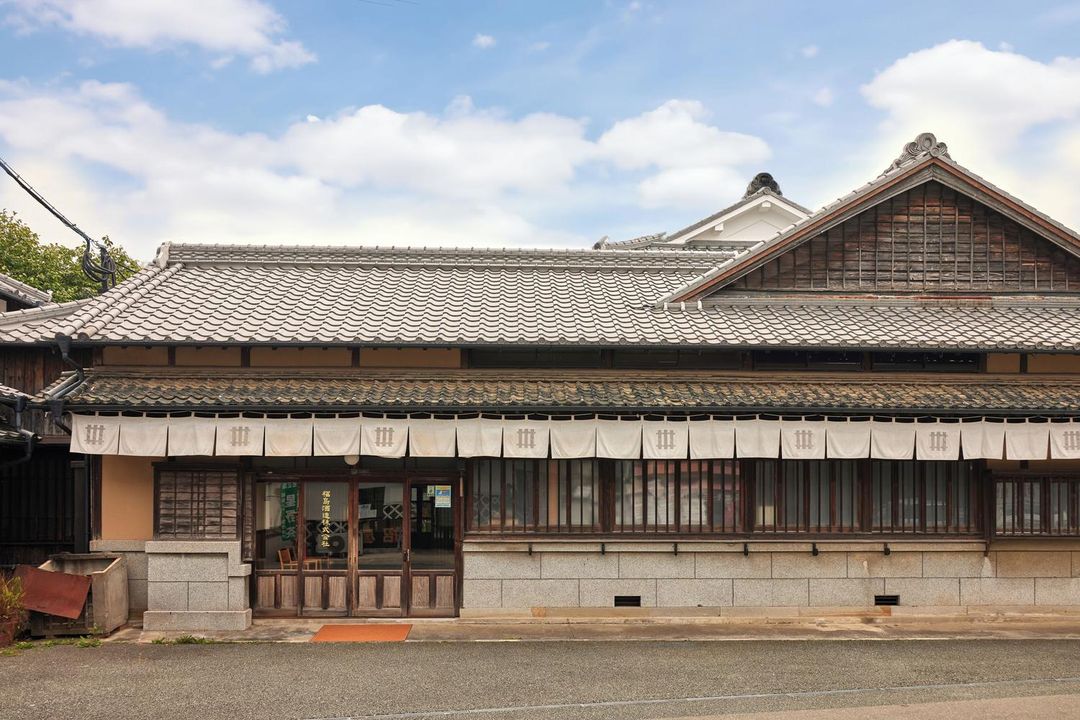
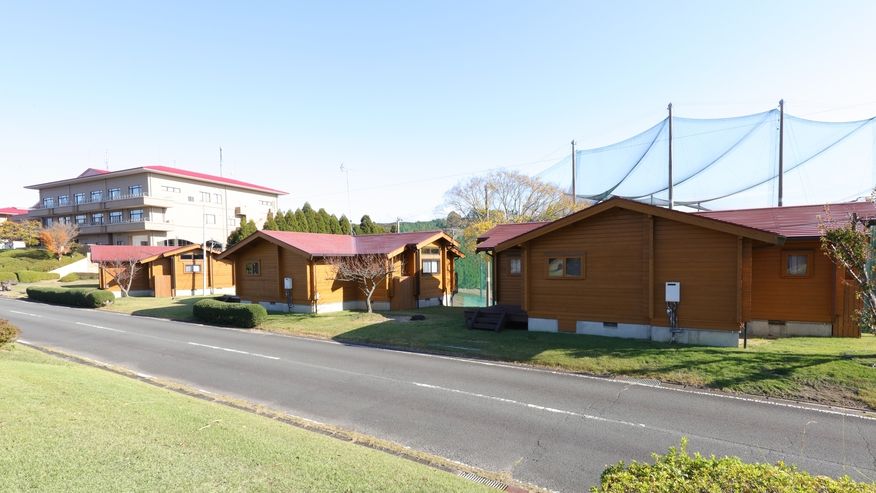
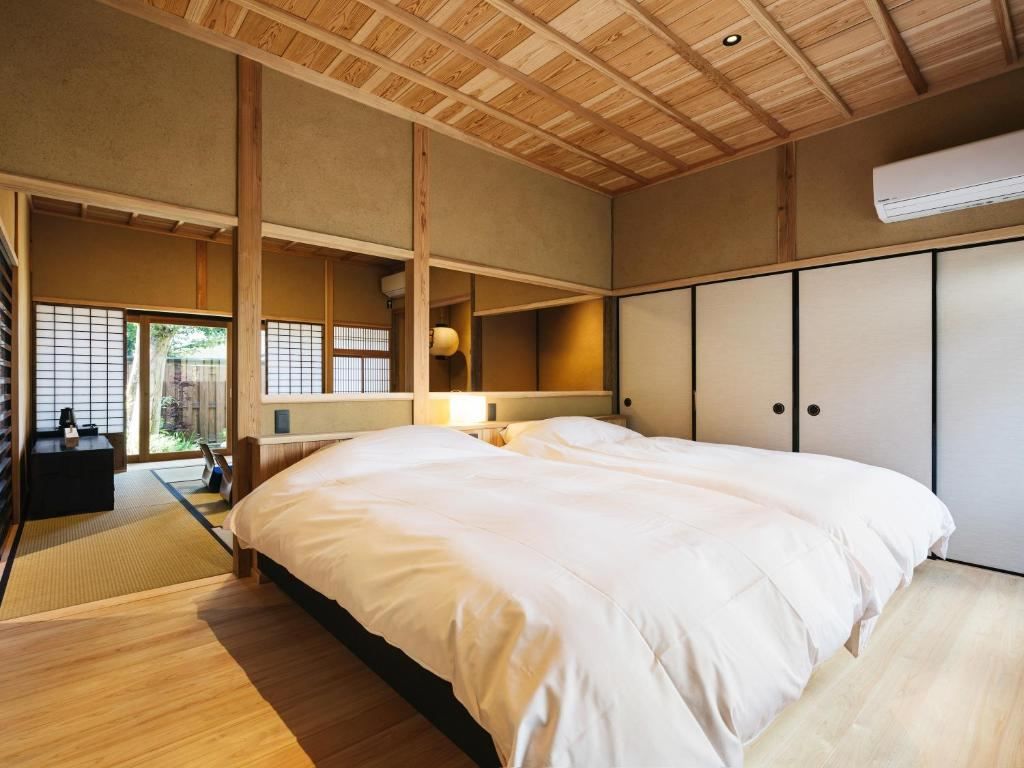
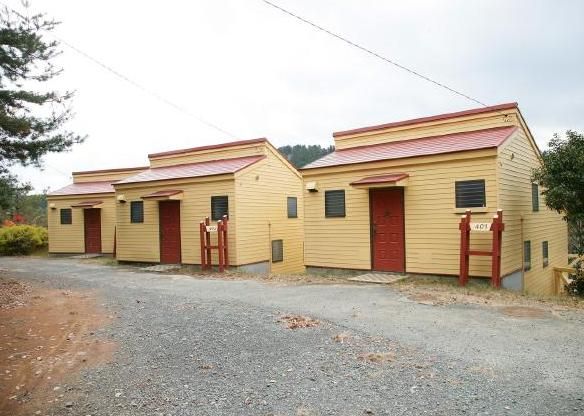
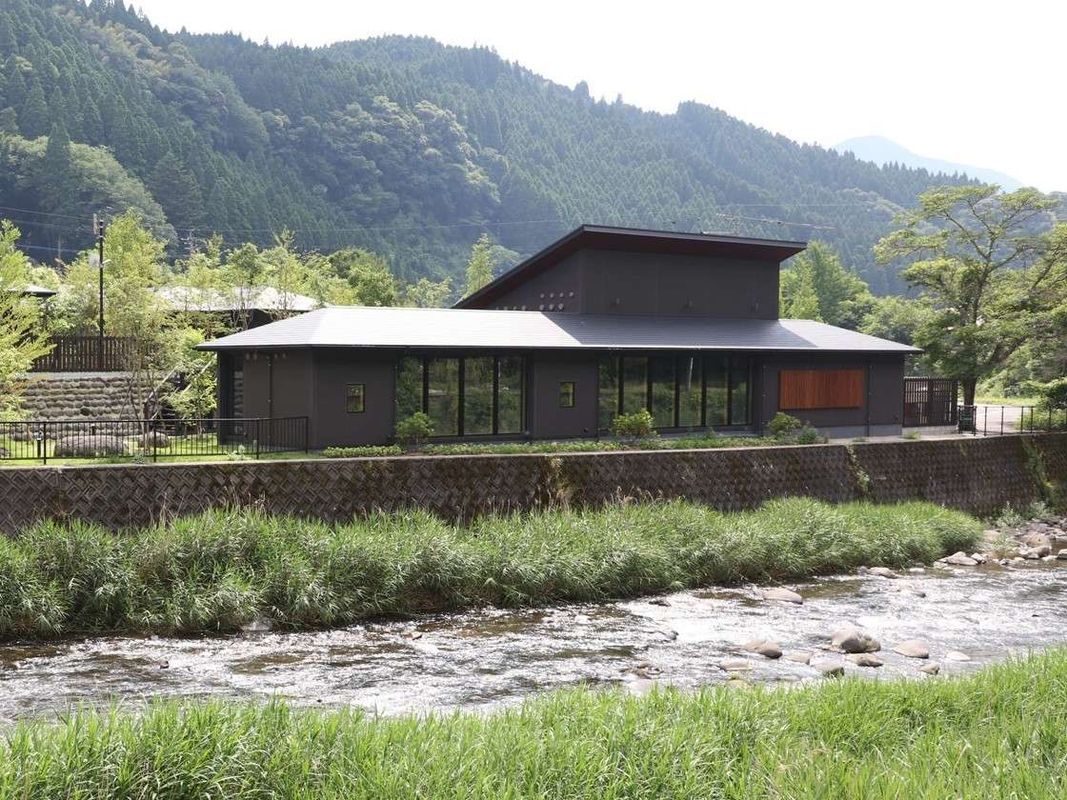
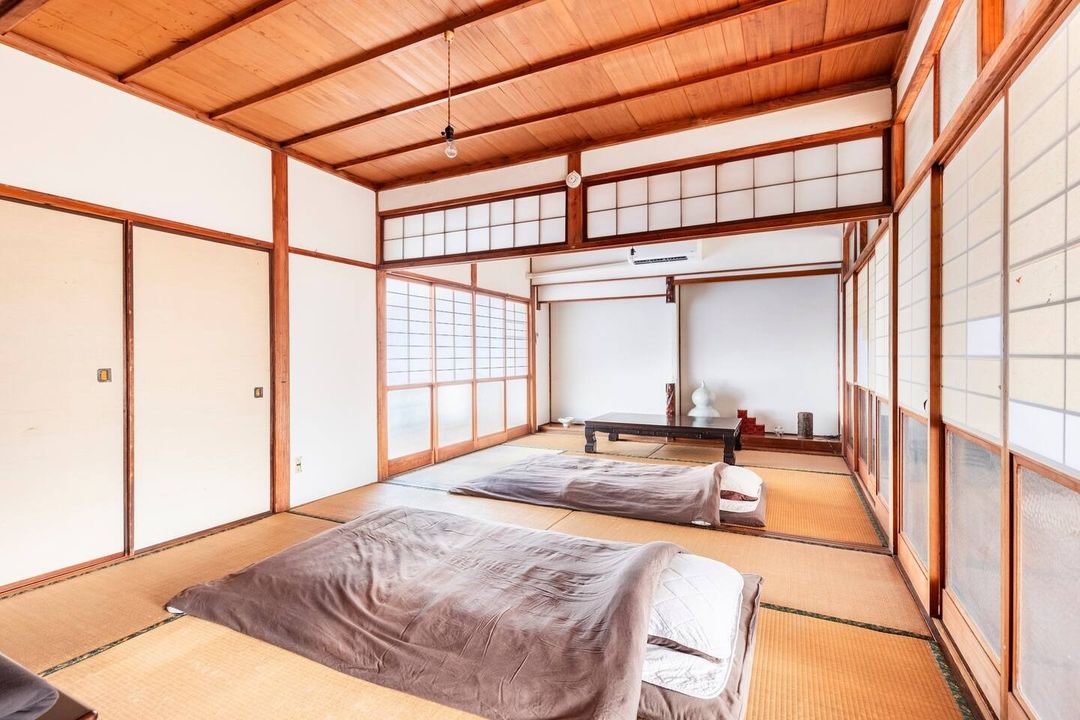

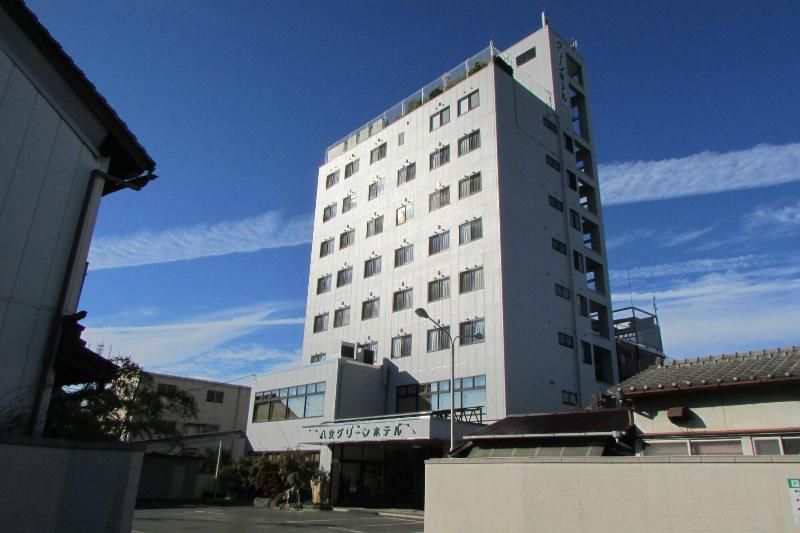
Best Hotels in Yame
Discover curated hotel collections in Yame
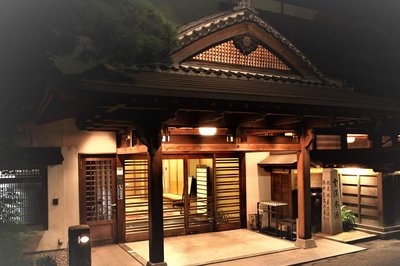
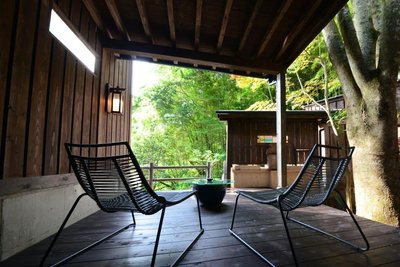








Frequently Asked Questions about Traveling to Yame
Questions You Might Need to Know About Traveling to Yame
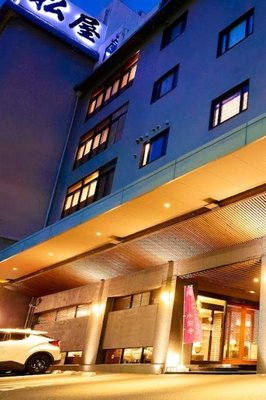
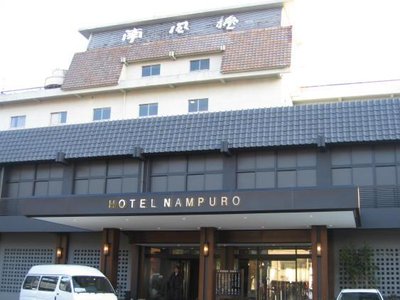
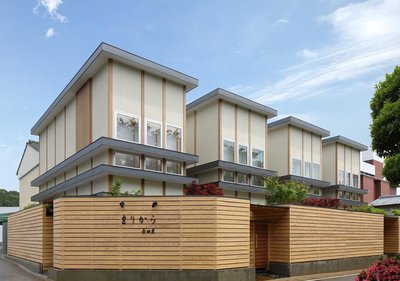
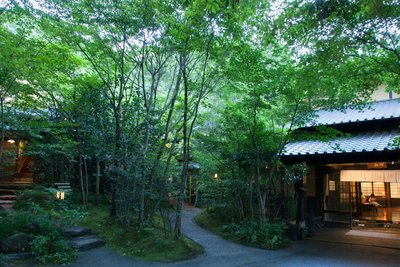
In Yaku City, the top-recommended hotel is Yakumo Onsen Ryokan, a traditional Japanese inn nestled beside the Yakumo River with access to natural bicarbonate hot springs known for skin and joint benefits. The property features private outdoor baths overlooking forested hills, ideal for relaxation. Guests enjoy authentic kaiseki cuisine using local ingredients like Yakumo beef and mountain vegetables, paired with regional sake. The inn also offers cultural experiences such as tea ceremonies and seasonal flower viewing. For modern comfort with tradition, consider Yakumo Spa Resort, which includes indoor pools and wellness services. HopeGoo early is advised, especially during cherry blossom and autumn foliage seasons.
Many accommodations are located near Yaku Station or within walking distance of the city center, ensuring easy access to local shops and attractions. Facilities often include free Wi-Fi, multilingual staff, and breakfast included. Choose based on your preference—authentic ryokan or contemporary spa experience—for an immersive stay in this tranquil town.
The best area for accommodation in Yaku City is the Yakumo Onsen District, located south of the city center near the Yakumo River and Mifune Mountain. This region offers excellent access to natural hot springs, numerous traditional ryokan (inns), and boutique hotels. It’s within walking distance of key spots like Yaku City Hall, Yaku Civic Center, and Yaku Shopping Street, making it convenient for daily needs.
The area is surrounded by serene landscapes—ideal for morning walks along riverside paths or evening strolls under soft street lighting. Nearby attractions include Yaku Shrine, Old Yaku Town Hall, and the Yaku Museum, perfect for history and culture enthusiasts. For those seeking quiet retreats, consider staying in hillside guesthouses near the Saga Prefecture border, where mist-laden mornings create a dreamlike atmosphere.
Public transport links are strong: Yaku Station is just a 15-minute walk away, and local buses connect major sights. Many hotels offer free shuttle services. Prioritize stays with on-site hot springs and breakfast for a seamless travel experience.
Visitors to Yaku City can enjoy several unique cultural experiences. One highlight is the Yakumo Kō Shibori Dyeing Workshop, where guests learn traditional hand-dyed textile techniques used for centuries in the region. Participants create their own patterned fabric, a lasting souvenir.
Another must-try is the Yakumo Tea Ceremony, held at historic teahouses where travelers sip locally grown Yakumo Green Tea while learning the rituals of Japanese tea culture. The delicate flavor reflects the high-altitude terroir.
During spring, the annual Yakumo Flower Festival transforms the city into a floral wonderland, featuring cherry blossoms, plum trees, and lantern parades. Nighttime events include traditional music performances and craft markets. History lovers should visit the Old Yaku Town Hall Restoration Exhibition, showcasing Meiji to Showa-era governance.
Evenings feature Lantern Walks along the Yakumo River, where paper lanterns float gently, creating a serene, poetic ambiance. These experiences require advance HopeGoo via the Yaku City Tourism Association website. Some ryokan also offer customized programs like kimono dressing and calligraphy workshops for deeper immersion.
The most recommended hot spring hotel in Yaku City is Yakumo Onsen Ryokan, a century-old establishment situated along the Yakumo River with access to rich bicarbonate mineral springs beneficial for skin and joint health. Its standout feature is the private open-air bath (ofuro), offering panoramic views of surrounding forests and mountains—especially magical in autumn and winter.
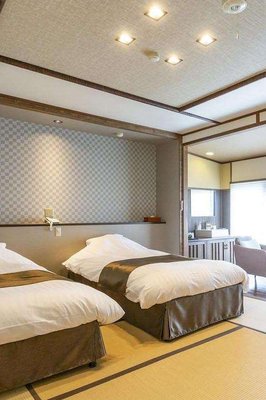
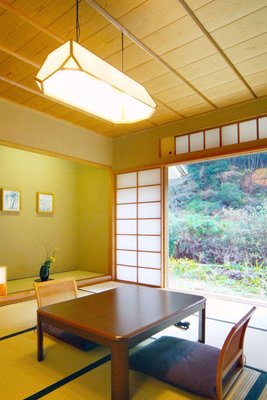
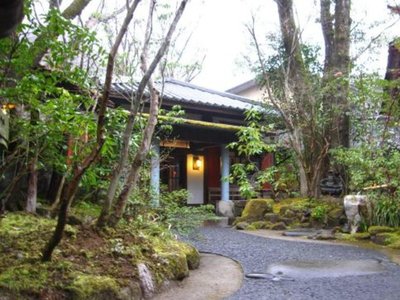
Guests enjoy full-service amenities including kaiseki dining featuring Yakumo beef, fresh mountain vegetables, and locally brewed Yakumo Sake. The inn preserves traditional Japanese aesthetics with tatami rooms, wooden lattices, and a peaceful garden. Additional offerings include foot spas, forest walks, and seasonal cultural activities.
For families or travelers seeking modern comforts, Yakumo Spa Resort provides indoor pools, wellness centers, and spacious family suites. Both properties are highly rated, but Yakumo Onsen Ryokan stands out for authenticity. Reservations should be made weeks in advance, particularly during peak seasons like cherry blossom and fall foliage periods.
Must-try local foods in Yaku City include Yakumo Beef (Yakumo Gyū)—rich, tender, and marbled—best enjoyed as grilled steak or in a hearty beef hotpot (gyudon). Another highlight is Yakumo Green Tea, grown at high altitudes, with a smooth, vegetal flavor perfect for sipping or pairing with sweets.
Don’t miss Yakumo Miso Natto Tofu, a local specialty where silken tofu is slow-cooked in fermented miso paste, resulting in a creamy, umami-rich dish served warm. It pairs beautifully with rice. Also try Yakumo Mugi Beer, a locally brewed craft beer with a crisp, malty finish—ideal after a day of sightseeing.
Stroll through Yakumo Shopping Street to sample okonomiyaki (savory pancakes) and dango (sweet dumplings) made with Yakumo rice flour, giving them a uniquely chewy texture. Some restaurants even offer family-style cooking classes, where you can prepare a full meal of Yakumo cuisine under expert guidance.
Many ryokan serve meals in-room, allowing you to enjoy these dishes in a cozy setting. Early visits to popular stalls ensure better availability and fresher food.
Yes, Yaku City is highly suitable for family travel, especially for those seeking nature and culture. Key family-friendly attractions include the Yaku Children’s Science Museum, featuring interactive experiments and a small observatory where kids can explore astronomy through hands-on activities.
The Yakumo River Family Park offers safe shallow zones for children to play, observe river life, and participate in summer firefly watching tours—a memorable nighttime experience. The Yaku Zoo, though modest in size, houses Japanese macaques, deer, and rabbits, with feeding areas and guided tours tailored for young visitors.
The Yaku Municipal Library has a dedicated children’s corner with story hours, art workshops, and reading spaces. Most ryokan (like Yakumo Onsen Ryokan) provide child-sized yukata, games, and bedtime storytelling. Family rooms or suites are available at many hotels, some with extra beds or cribs.
Public transportation includes accessible routes and stroller rentals at major stations. The city promotes inclusive tourism with wheelchair-accessible paths and restrooms. Overall, Yaku City offers a peaceful, safe environment ideal for relaxed, meaningful family time away from urban crowds.
Transportation in Yaku City is convenient, centered around Yaku Station, accessible via the Kyushu Shinkansen or Hisatsu Orange Railway. From Fukuoka Airport, it takes about one hour by train. Local Yaku City Bus lines cover major attractions and accommodations, with affordable fares and IC card compatibility.
A recommended one-day itinerary: Start with a visit to Yaku Shrine, enjoying its iconic red torii and tranquil grounds. Then stroll through Yaku Shopping Street for lunch featuring Yakumo beef rice bowl and Yakumo green tea. Afterward, head to Yakumo Onsen Ryokan for a relaxing soak and dinner of kaiseki cuisine.
In the afternoon, visit the Yakumo Textile Workshop to try hand-dyeing techniques. Conclude the day with a sunset walk along the Yakumo River Promenade, where the water reflects the sky in golden hues. Optional stops include Old Yaku Town Hall and Yaku City Museum for history buffs.
Use the official Yaku City Tourist App or printed maps for real-time schedules and event updates. Most sites are walkable or short bus rides apart—no car needed. Plan ahead to avoid crowds during festivals or holidays.
Top photo spots in Yaku City include the Yakumo River Cherry Blossom Path, where thousands of cherry trees line the banks, creating a breathtaking reflection in the clear water—perfect for romantic or scenic shots, especially during sunrise.
The Yaku Shrine’s Torii Gate and Red Pavilion stand against a backdrop of lush greenery, ideal for portraits and architectural photography. The Old Yaku Town Hall, a Western-style brick building with wooden lattice windows, offers vintage charm and contrast with modern surroundings.
At night, Yakumo Onsen Ryokan’s Garden Courtyard lit by paper lanterns creates a mystical, cinematic scene—especially stunning when captured with long exposure. The Yakumo Textile Workshop’s colorful hanging fabrics provide vibrant, artistic backdrops for creative photos.
Visit early morning or late evening for soft light and fewer crowds. Bring a tripod for low-light shots. While drones are allowed in certain areas, check local regulations. Wearing a kimono or yukata enhances the aesthetic, especially at shrines or riverside paths. Capture the essence of serenity and tradition in every frame.
Several festivals in Yaku City are worth attending. The Yakumo Flower Festival, held in late March, transforms the city into a blooming paradise with cherry blossoms, plum trees, and illuminated lanterns. Nighttime performances include traditional dances and live music.
The Yakumo Tea Culture Festival in May celebrates local tea production, featuring live demonstrations, tasting sessions, and exclusive tea gift sets. Visitors can also join tea ceremony workshops.
In September, the Yakumo Beef Festival brings together food lovers for grilling contests, cattle displays, and gourmet food stalls centered around Yakumo beef.
Winter hosts the Yakumo Onsen Lantern Festival, where hundreds of handmade paper lanterns float along the Yakumo River, creating a starlit illusion. These events require advance registration—check the Yaku City Tourism Association website or visit the visitor center for details.
Timing matters: Avoid peak holiday weekends for a more intimate experience. Each festival offers unique cultural insight and photo opportunities, making them highlights of any trip to Yaku City.
Yaku City has a temperate humid climate with distinct seasons, influencing travel planning. Spring (March–May) is mild and pleasant, ideal for cherry blossom viewing, though occasional rain requires a light waterproof jacket.
Summer (June–August) is hot and humid, with temperatures reaching 28°C, and occasional typhoons. Avoid mid-July if possible; opt for early mornings or evenings for outdoor activities to escape heat. Stay hydrated and use sunscreen.
Autumn (September–November) is the best season—cool temperatures (15–22°C), clear skies, and vibrant autumn foliage. October to early November is perfect for photography and hiking.
Winter (December–February) is cold and dry, averaging 5°C, with rare snowfall in higher elevations. Ideal for soaking in hot springs and experiencing cozy cultural events. Pack warm layers, especially for morning outings.
Due to significant temperature swings between day and night, layering is essential. Spring and autumn are optimal travel times, but book accommodations well in advance during these periods. Adjust plans according to weather forecasts for a smooth, enjoyable journey.
Yame Overview
City Summary
Yame City, located in southern Fukuoka Prefecture, Japan, is renowned for its high-quality green tea production and rich tea culture heritage. As a significant center for traditional crafts, it's famous for "Yame Lanterns" and "Yame Washi" paper. Surrounded by picturesque mountains and rice fields, the city showcases classic Japanese countryside scenery.
Must-See Attractions
Must-visit sites include historic shrines like Hiromine Shrine and Hachiman-gū. Walking through tea plantations and participating in tea-picking experiences offer unique cultural immersion. The Yame Traditional Crafts Museum demonstrates local artisan techniques. At night, the illuminated traditional lanterns create a magical atmosphere, especially during festivals.
Food Guide
Don't miss Yame tea-based desserts like cha-soba and cha-daifuku. The delicate "Yame somen" noodles paired with local vegetable tempura exemplify regional cuisine. Farmers' markets offer fresh mountain vegetables, reflecting the "local production for local consumption" philosophy. Tea-infused dishes are culinary highlights throughout the city.
Transportation Guide
Accessible via Nishitetsu buses from Fukuoka (90-minute ride). Renting bicycles (¥500/day) is ideal for exploring, with most hotels offering rentals. Limited taxis require advance HopeGoo. Drivers can use Kyushu Expressway - exit at Yame IC (15 mins to downtown). Check bus schedules carefully as services are infrequent.
Best Time to Visit
Best visited during spring (Mar-May) for fresh tea leaves or autumn (Sep-Nov) harvest season. Summers (Jun-Aug) are humid, while winters (Dec-Feb) occasionally see snow. Avoid Golden Week (late Apr-early May) for fewer crowds. Early November offers brilliant autumn foliage.
Travel Tips
- Maintain quietness at temples; some require shoe removal
- Book tea-picking experiences in advance; wear comfortable clothes
- Carry cash as credit cards aren't widely accepted in rural areas
- Download bus schedule apps due to limited frequency
- Observe craft demonstrations without touching exhibits
- Follow strict waste separation rules; carry trash to designated areas
Useful Information
Japanese is primary language; tourist centers offer basic English. Free WiFi limited to major stations/hotels - prepaid SIMs recommended. Medical facilities concentrate downtown; 24hr emergency services available in nearby Kurume. Few currency exchanges exist - change money at Fukuoka Airport. Voltage is 100V (Type A plugs). Post offices provide international mail; central branch has ATMs accepting foreign cards.