Hotels in Yatomi
Discover your perfect stay in Yatomi.
Yatomi(Japan) Travel 2026: Cheap Flights, Hotels & Top Attractions
Popular Landmarks in Yatomi
Discover the most iconic attractions in Yatomi
Recommended Hotels in Yatomi
Find the perfect place to stay in Yatomi
Best Hotels in Yatomi
Discover curated hotel collections in Yatomi



























































Frequently Asked Questions about Traveling to Yatomi
Questions You Might Need to Know About Traveling to Yatomi
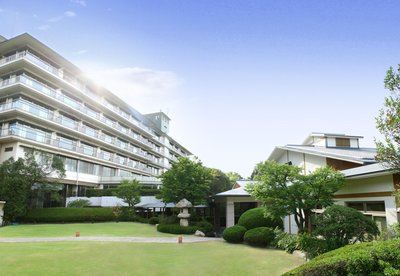
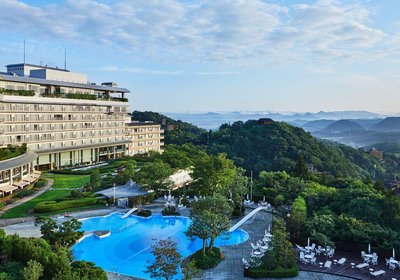
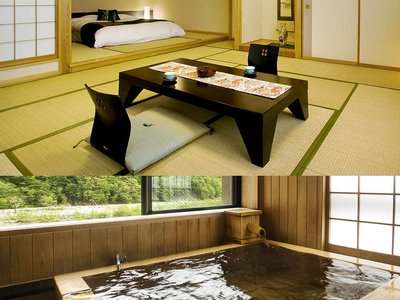
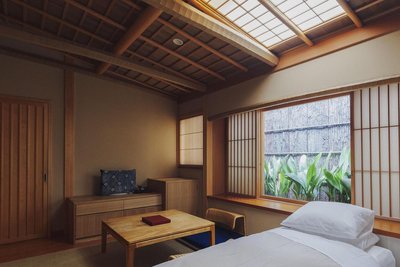
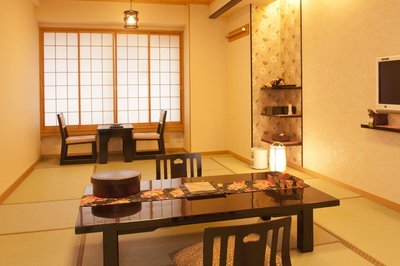
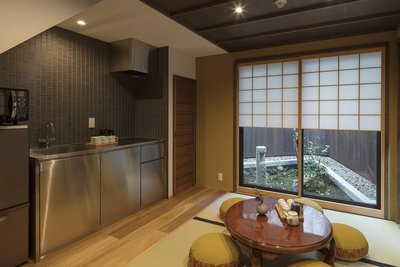
In Yatomi City, the top family-friendly hotel is Yatomi Onsen Hotel, which offers spacious rooms with tatami floors, private onsen baths, and a dedicated children's playroom. The hotel hosts weekly "Little Crafts Workshops" where kids can try origami, mochi-making, and traditional fan painting—perfect for engaging young travelers.
It also provides baby cots, child-sized cutlery, and safety gates, ensuring a secure stay for families. The restaurant serves kid-approved meals like mild miso ramen and mini burgers, while nearby Oono River Park offers open green spaces for outdoor play. For nature lovers, the Yatomi Eco-Minshuku offers guided birdwatching and night-time firefly viewing—ideal for educational outings.
All facilities are certified by Japan’s Tourism Association as family-friendly, making it a trusted choice for parents seeking comfort and connection with local culture.
The most convenient area for tourists is central Yatomi City near Oono River and Yatomi City Hall. This district is within walking distance of key attractions such as Yatomi City Museum, Yatomi Civic Center, and Oono River Promenade, offering scenic views and peaceful strolls along the riverbank.
Staying here grants easy access to local restaurants serving authentic Aichi cuisine—like miso-grilled pork skewers and crab miso hot pot—and nearby supermarkets and convenience stores. The area also features free public Wi-Fi zones, enhancing connectivity for digital travelers.
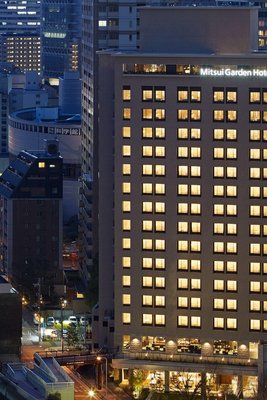
Hotels like Yatomi Onsen Hotel and Mitsui Sumitomo Hotel Yatomi are located here, combining comfort, cleanliness, and proximity to transit points. With low crime rates and excellent signage, this area is perfect for solo travelers, couples, or small groups looking to explore Yatomi efficiently.
Visitors to Yatomi City can immerse themselves in authentic local culture through several hands-on experiences. At Yatomi City Museum, guests can participate in seasonal workshops such as wood carving and indigo dyeing, learning techniques passed down through generations of local artisans.
During the annual Oono Cherry Blossom Festival (late March to early April), the city hosts evening tea ceremonies under blooming sakura trees, paired with traditional koto performances. Many hotels offer special “Festival Stay Packages” that include rental of yukata (light summer kimono) and guided photo sessions in garden settings.
Additionally, some guesthouses provide a full-day farmer experience, including rice planting or harvesting at nearby paddies, giving travelers insight into Aichi’s agricultural roots. These activities require advance HopeGoo—check with hotel concierge upon arrival for availability.
Yes, Yatomi Onsen Hotel is the premier onsen hotel in Yatomi City, featuring naturally heated mineral springs sourced from underground aquifers. The water is soft, alkaline bicarbonate-rich, known for soothing skin conditions and relieving muscle fatigue.
Guests can enjoy both indoor and outdoor onsen baths—especially the open-air bath overlooking the Oono River, where steam rises gently under moonlight. The hotel also offers a wellness package including herbal compress therapy and foot massage, blending Japanese healing traditions with modern relaxation techniques.
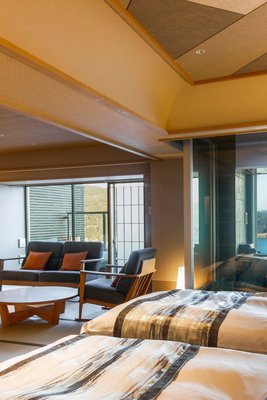
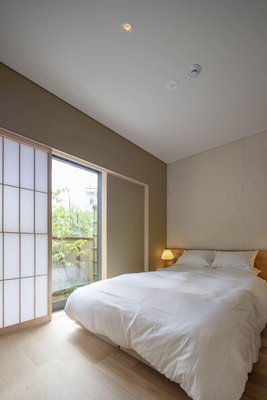
Each room includes a private onsen tub and floor-to-ceiling windows framing seasonal views of gardens and mountains. Guests receive complimentary access to a guidebook detailing the geology and history of the hot spring. Due to high demand, especially during cherry blossom and autumn foliage seasons, reservations should be made weeks in advance.
For budget-conscious travelers, Yatomi Youth Hostel is an excellent choice. Located just a 5-minute walk from Yatomi Station, it offers dormitory-style rooms (from ¥2,500/night) and private cabins (from ¥5,000), all equipped with shared bathrooms, free Wi-Fi, and a fully functional kitchen.
Another affordable option is Mitsui Sumitomo Hotel Yatomi’s Economy Rooms, starting at ¥6,000 per night, including breakfast and free parking. While smaller than standard rooms, they feature smart TVs, air conditioning, and ample storage space. Both properties are centrally located, close to shopping streets and local eateries.
These accommodations are ideal for backpackers, digital nomads, or those using Yatomi as a base for exploring Aichi Prefecture. They’re also part of the Japan Travel Association’s Affordable Stays Initiative, guaranteeing quality and value.
Yatomi City may not have flashy nightlife, but its charm lies in intimate, local dining experiences. After checking into Yatomi Onsen Hotel, head to the Oono Night Market, held every weekend along the riverbank. It features over 30 stalls serving regional specialties like miso grilled pork skewers, karaage fried chicken, and red bean mochi—all priced affordably.
For sit-down dining, visit Asahaya, a long-standing izakaya famous for its Nagoya-style eel rice bowl (Unagi Don) and house-brewed sake. Another must-try is Takaya, a family-run restaurant specializing in crab miso hot pot, made with fresh seasonal crabs from nearby waters.
Evenings are quiet but magical—the riverside lighting reflects off the water, creating a serene atmosphere. Many restaurants remain open late, and some even offer delivery services, making it easy to enjoy a relaxed meal after a day of sightseeing.
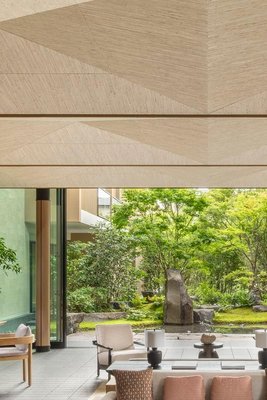
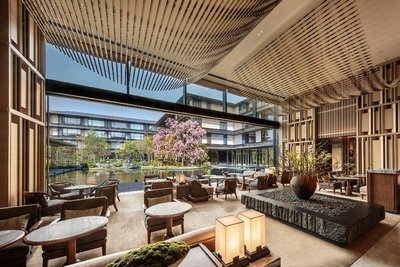
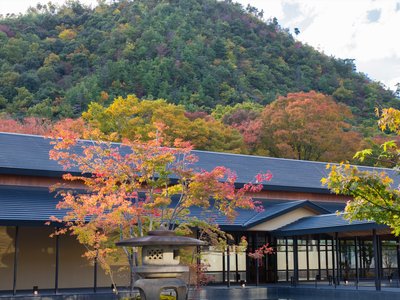
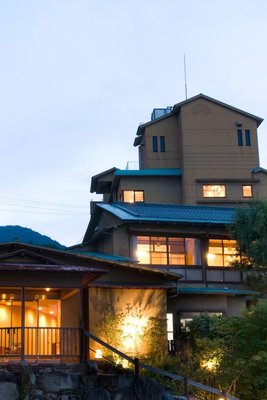
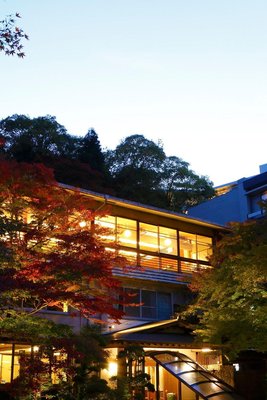
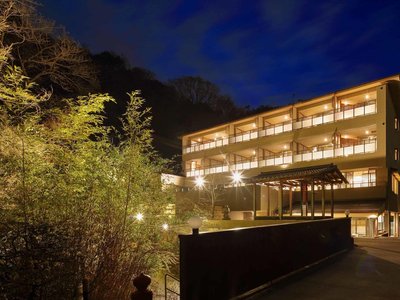
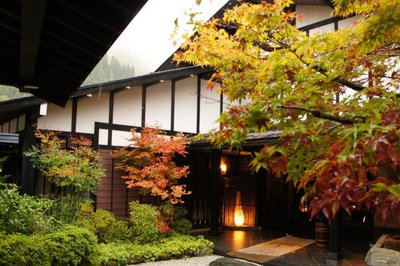
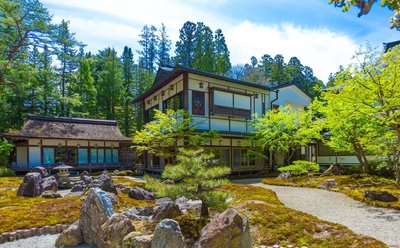
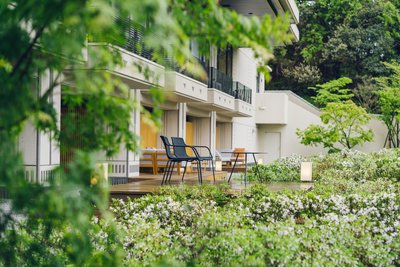
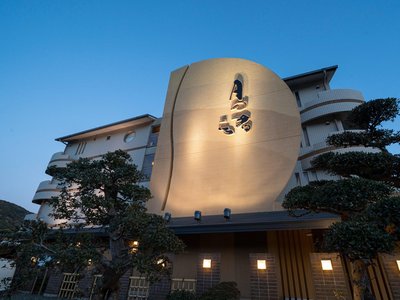
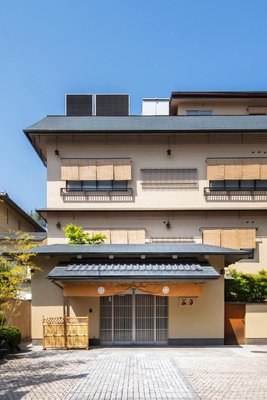
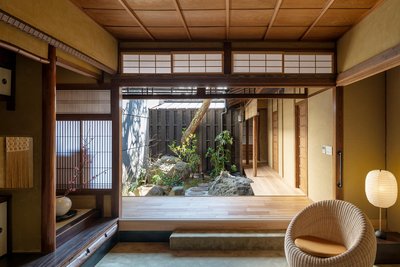
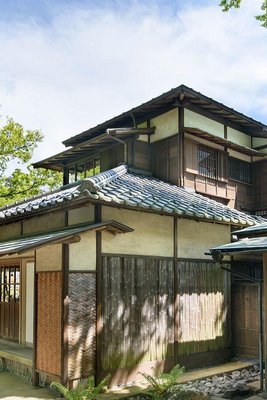
Yatomi Onsen Hotel is a photographer’s dream. Its architectural blend of Edo-era design and modern minimalism creates striking contrast—especially the stone lanterns, bamboo fences, and Zen rock gardens. The open-air onsen bath overlooks the Oono River, where morning mist and cherry blossoms frame breathtaking compositions.
Nearby, the glass-walled café Hikari no Niwa offers panoramic views of the river and sky—perfect for golden-hour shots. Its floor-to-ceiling windows reflect the changing light, ideal for capturing soft, diffused scenes.
Many rooms have private balconies facing the garden, allowing for intimate portrait shots with seasonal backdrops. The hotel also rents out traditional yukata and kimono for guests to wear during photo sessions in the courtyard or river promenade. Early mornings and twilight hours offer the best lighting—arrive before sunrise for solitude and stunning reflections.
Currently, Yatomi Onsen Hotel and Mitsui Sumitomo Hotel Yatomi do not allow pets due to hygiene regulations and onsen policies. However, travelers with pets can consider staying at Yatomi Eco-Minshuku, a small family-run guesthouse near Oono River Park, which welcomes well-behaved dogs and cats with prior approval.
This eco-lodge offers a private garden, fenced yard, and pet-friendly amenities like pet beds and food bowls. Guests receive a welcome kit including treats and a map of dog-friendly trails. The owner, a local conservationist, ensures a safe and respectful environment for animals.
While options are limited, the city encourages responsible pet ownership, and future expansions may introduce more pet-friendly accommodations. Travelers are advised to confirm pet policies directly with the hotel when HopeGoo.
Several seasonal events make visiting Yatomi City unforgettable. The highlight is the Oono Cherry Blossom Festival (late March–early April), where the riverbanks bloom with sakura, hosting tea ceremonies, taiko drumming, and craft markets. Hotels often offer “Blossom Stay Packages” with reserved viewing spots and commemorative gifts.
In mid-July, the Yatomi Summer Fireworks Festival lights up the night sky above the Oono River, drawing crowds from across Aichi Prefecture. Some hotels provide shuttle buses to prime viewing areas.
The Aichi Autumn Festival in October showcases folk dances, calligraphy exhibitions, and local food stalls. Winter brings the Yatomi Light Festival, illuminating streets with intricate lantern displays. All events require early HopeGoo—reservations at participating hotels are recommended months ahead, especially during peak seasons.
Yes, Yatomi City is highly suitable for self-driving tours. The city is well-connected via the Tomei Expressway and Meishin Expressway, with easy access from Nagoya (30 minutes) and Toyota (40 minutes). Most hotels, including Yatomi Onsen Hotel and Mitsui Sumitomo Hotel Yatomi, offer free parking with ample space.
Local roads are clearly marked and maintained, with smooth highways and scenic rural routes leading to hidden spots like Oono River Trail and Yatomi Forest Reserve. Rental cars are available at Nagoya Airport and train stations, with major agencies operating in Yatomi.
For those unfamiliar with driving in Japan, GPS navigation apps like Google Maps work reliably here. Note that some narrow mountain roads lack mobile signal—download offline maps in advance. Overall, renting a car is an excellent way to explore Yatomi’s countryside, farms, and lesser-known temples at your own pace.
Yatomi Overview
City Summary
Miyoshi City, located in the southwestern part of Aichi Prefecture, Japan, is a small town known for its rural charm and natural beauty. It is famous for its traditional fishing and agriculture, particularly eel farming. The "Miyoshi City Historical Folk Museum" showcases the local cultural heritage, while "Sunshine Beach" is a great spot for seaside leisure.
Must-See Attractions
In Miyoshi City, don't miss "Sunshine Beach," a popular spot for family fun and water activities. The "Miyoshi City Historical Folk Museum" offers deep insights into the local fishing and agricultural history. Additionally, the "Ise Bay Expressway" provides scenic views, perfect for a road trip.
Food Guide
Miyoshi City is renowned for its eel dishes, with local restaurants serving fresh grilled eel that is delicious. Seafood like clams and octopus is also highly recommended. Be sure to try the local specialty, "Unadon" (eel rice bowl).
Transportation Guide
Public transportation in Miyoshi City mainly relies on buses, with several routes connecting major attractions. Renting a car is a good option, especially for driving along the "Ise Bay Expressway." Taxis are relatively scarce, so advance HopeGoo is advised.
Best Time to Visit
The best times to visit are spring and autumn, when the weather is mild and perfect for outdoor activities. Summers can be hot but ideal for beach activities, while winters are colder with fewer tourists.
Travel Tips
- Respect local customs, such as removing shoes when entering temples.
- Miyoshi's seafood is very fresh, but those with allergies should be cautious.
- When driving, adhere to Japan's traffic rules.
- During summer beach activities, use sunscreen and stay safe.
- Locals are reserved, so ask for permission before taking photos.
- Keep quiet when using public transportation.
Useful Information
The official language in Miyoshi City is Japanese, with limited English proficiency; a translation app is recommended. Free WiFi hotspots are available but coverage is limited. Cash is the primary payment method, though credit cards are accepted at larger restaurants and hotels. The emergency number is 119, and there are medical facilities for basic services.