Hotels in Yawata
Discover your perfect stay in Yawata.
Yawata(Japan) Travel 2026: Cheap Flights, Hotels & Top Attractions
Popular Landmarks in Yawata
Discover the most iconic attractions in Yawata
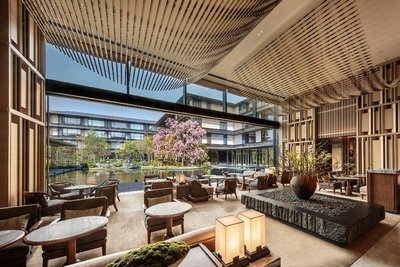
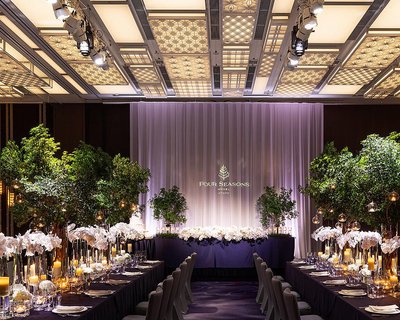
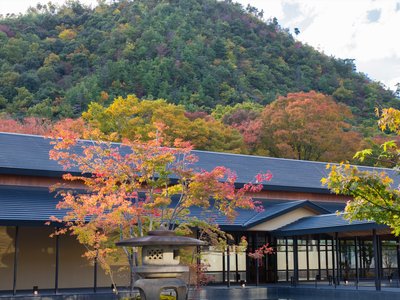
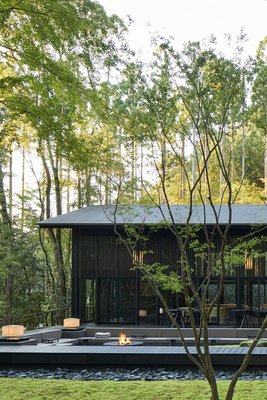
Recommended Hotels in Yawata
Find the perfect place to stay in Yawata
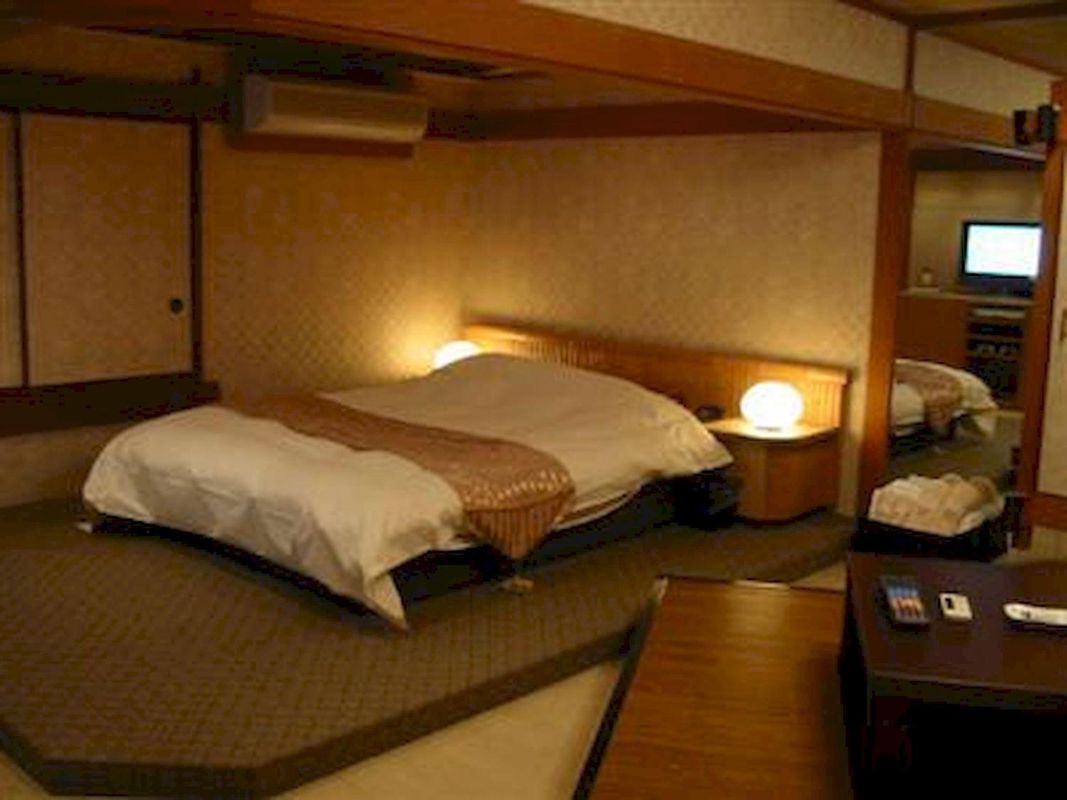
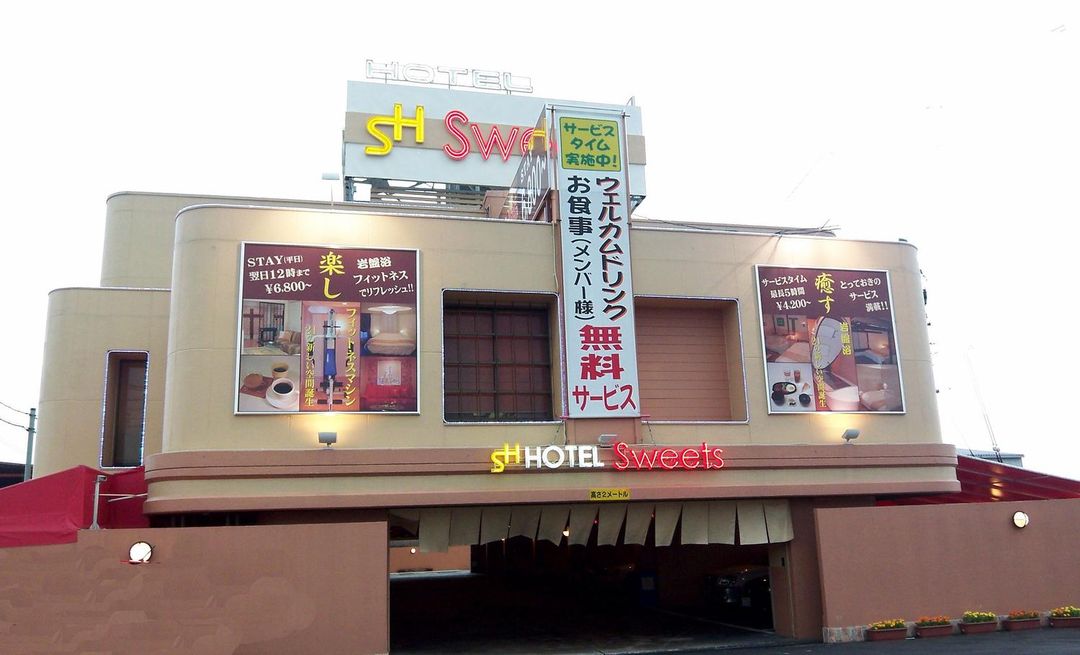
Best Hotels in Yawata
Discover curated hotel collections in Yawata
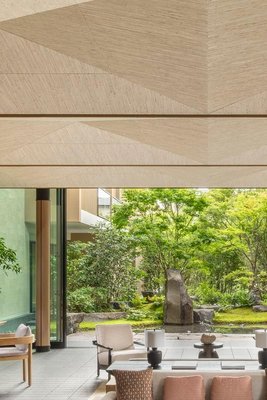

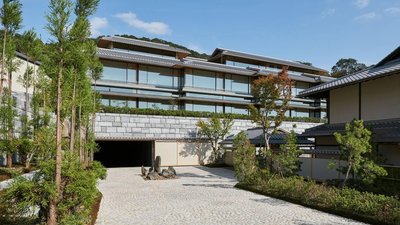










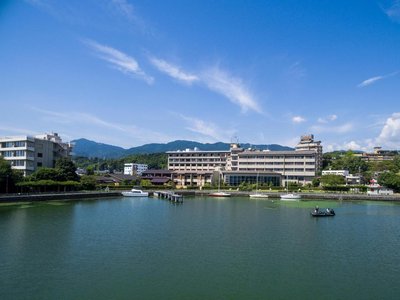
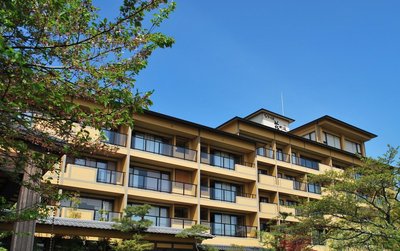


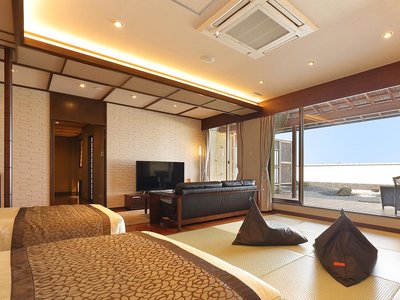
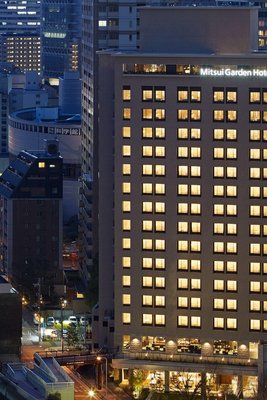












































Frequently Asked Questions about Traveling to Yawata
Questions You Might Need to Know About Traveling to Yawata
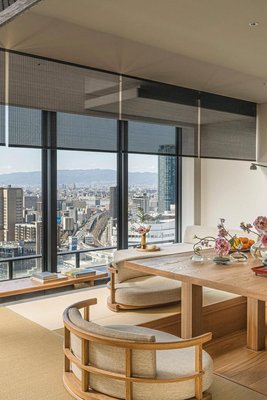
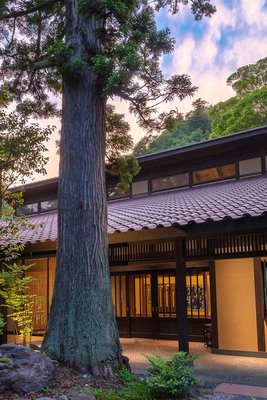
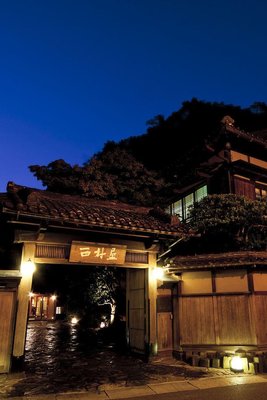
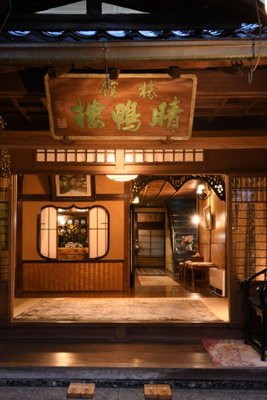
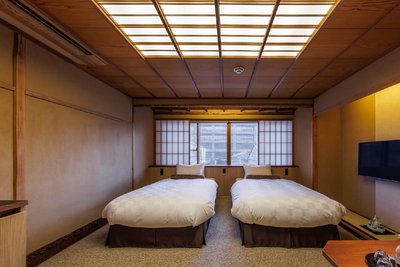
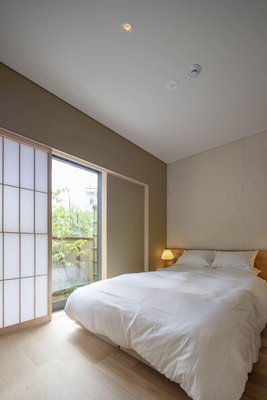
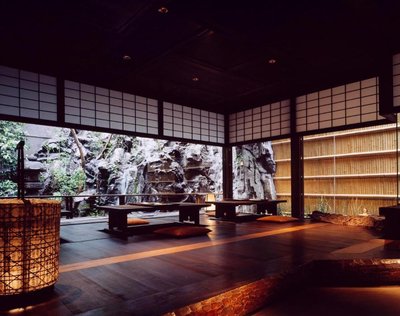
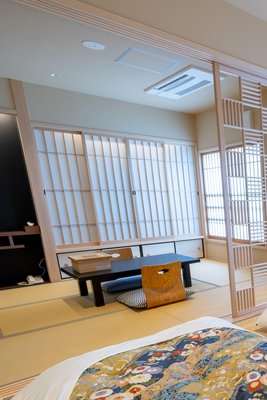
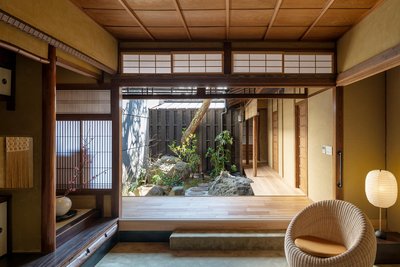
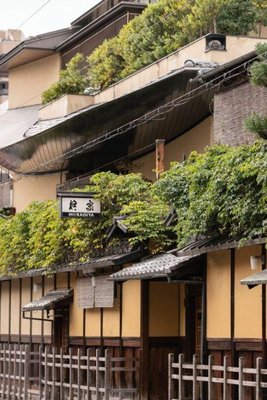
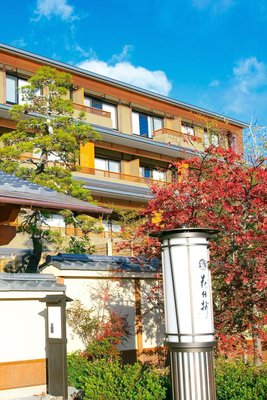
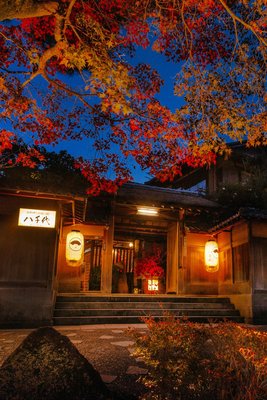
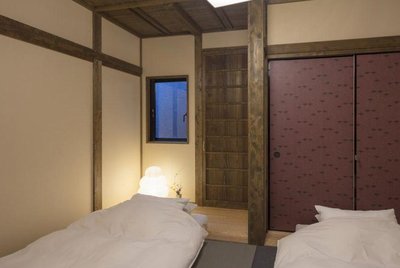
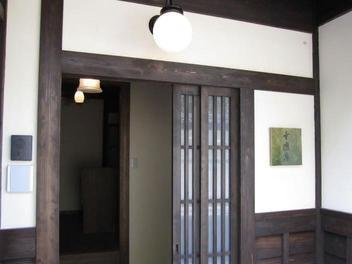
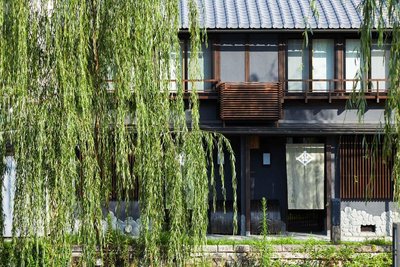
In Hachiman City, the top choice for traditional Japanese ambiance is Hachiman Kōshitsu Ryokan, a boutique inn nestled near the historic Hachiman Shrine. Its rooms feature authentic tatami mats, shoji screens, and private courtyard gardens, offering a serene retreat. The inn hosts daily tea ceremony experiences and wagashi (Japanese sweets) workshops, allowing guests to immerse in local culture. For a more modern twist, consider Holiday Inn Express Kyoto Hachiman-daimyō, located just 300 meters from the West Japan Bus Terminal, ideal for travelers seeking comfort and convenience without sacrificing authenticity. Both offer excellent access to cultural sites and local cuisine.
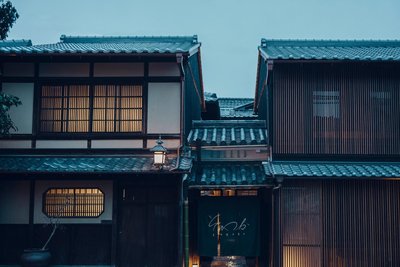
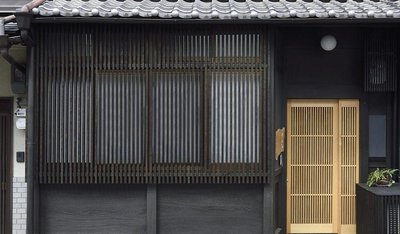
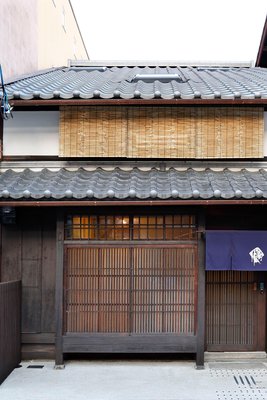
The Hachiman Shrine vicinity is the most ideal area for first-time visitors to Hachiman City. This district combines historical charm with practical accessibility—guests can easily reach Hachiman Station (Keihan Line) and the West Japan Bus Terminal. Stroll along the Hachiman River at dusk, admire illuminated stone lanterns, and enjoy quiet streets lined with traditional machiya houses. Local restaurants serve authentic dishes like Hachiman tofu sushi and mountain vegetable tempura, perfect for sampling regional flavors. With its peaceful atmosphere and rich cultural offerings, this area provides an immersive introduction to the city’s heritage and daily life.
Experience the Hachiman Spring Festival (held every April), where traditional dancers perform the powerful Hachiman Taiko drumming at the shrine. Participate in a hands-on washi paper-making workshop, crafting sheets using locally sourced fibers—a craft passed down for generations. For tea lovers, Hachiman Chashitsu offers daily tea ceremonies using premium Uji matcha, paired with handmade wagashi. At night, visit the Hachiman River Night Market, savor grilled yakitori and kamaage udon, and enjoy live performances of shamisen music. These experiences blend art, ritual, and community life, offering a vivid glimpse into the soul of Hachiman City.
Yes, Keihan Hachiman Family Inn is a standout family-friendly option in Hachiman City. Designed with families in mind, it features spacious tatami rooms, a children’s play zone, and a small onsen pool perfect for parents and kids. The inn provides kids’ yukata rentals and family-friendly maps to guide exploration. Meals include balanced Japanese family meals with child-sized portions. Located just a 10-minute walk from Hachiman Shrine and Hachiman River Park, which has playgrounds and picnic areas, it’s ideal for relaxed, engaging travel. Monthly family craft days—like making paper umbrellas or wooden puppets—encourage bonding and creativity.
Hachiman City’s highlight in winter is the Hachiman Snow Lantern Festival (December to January), where thousands of handcrafted washi lanterns line the Hachiman River, creating a magical glow. Guests can join lantern-making workshops and light their own creations. Enjoy the serene beauty of snow-covered banks and reflective waters. Many ryokans, such as Hachiman Onsen Biyō, offer special snow-viewing hot spring packages, complete with outdoor baths surrounded by snow-laden trees. Warm up with hearty dishes like yamagimo stew (potato and pork soup) and black bean rice. This event blends artistry, tradition, and seasonal warmth—perfect for winter travelers.
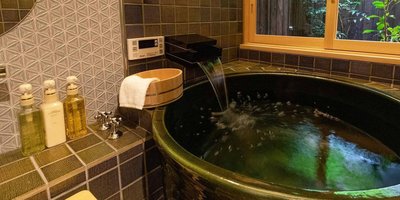
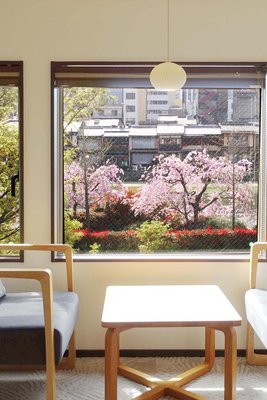
For couples seeking romance, Hachimantō Ren'go Inn offers private riverside rooms overlooking the Hachiman River, with views of flowing water and evening lantern reflections. Each room includes a private onsen tub and a terrace—ideal for intimate moments. The inn provides customized services: candlelit dinners, couples’ tea ceremonies, and personalized love letters. A special highlight is the Moonlight Blessing Ceremony at Hachiman Shrine, where partners write wishes and tie red cords—a symbol of enduring connection. Early morning walks along the riverbank, beneath soft mist, create unforgettable memories. It’s a secluded haven for love and tranquility.
Must-try dishes in Hachiman City include Hachiman Tofu Sushi, made with delicate local tofu and fresh seaweed. Another specialty is Mountain Vegetable Hot Pot (Yamazake Nabe), simmered with seasonal greens like ferns and fuki-no-tobo. Don’t miss grilled ayu fish at Hachiman River Fish House, served with yuzu salt for a bright, citrusy kick. For dessert, sample Yukigoe Dango—a translucent mochi-like sweet made with agar, served warm with matcha. All ingredients come from nearby farms and fisheries, ensuring freshness and sustainability. These dishes reflect the region’s deep connection to nature and seasonal rhythms.
Yes, Hachiman City is highly accessible for tourists. Key transport hubs include Hachiman Station (Keihan Line) and the West Japan Bus Terminal, both within walking distance of major attractions. Frequent buses connect to Kyoto and Osaka, with trips from Osaka Umeda taking around 30 minutes. Free shuttle buses link popular sites like the Hachiman Shrine, Hachiman River Park, and hotels. For those driving, the Kyoto Outer Ring Road provides quick access, and many hotels offer free parking. The Hachiman City Tourist Information Center provides multilingual guides and digital maps, including QR code navigation. With clear signage and well-planned routes, exploring the city is effortless—even without a car.
Top photo spots in Hachiman City include the vermillion torii gate at Hachiman Shrine, framed by cherry blossoms or autumn leaves—perfect for vibrant seasonal shots. The stone bridge over the Hachiman River at dawn, with mist rising above the water, creates dreamlike compositions. The lantern-lined path at the Hachiman Snow Lantern Festival glows like a starry corridor—ideal for long-exposure photography. The bamboo grove trail in Hachiman River Park casts dappled sunlight, evoking cinematic stillness. Capture candid moments at the night market, where vendors prepare food under warm lights. Bring a wide-angle lens and tripod; early mornings and golden hour offer the best lighting. Many locations have designated viewing platforms for optimal framing.
Hachiman City appeals to diverse travelers: culture enthusiasts can explore traditional festivals, washi paper crafts, and tea ceremonies. Families appreciate child-friendly accommodations, parks, and safe streets. Couples will love the tranquil riverside ryokans and romantic lantern festivals. Light travelers benefit from its compact size and proximity to Kyoto—ideal for a one- or two-day getaway. Eco-conscious visitors can explore the Hachiman River wetlands, observing native birds and plants. With its slow pace, natural beauty, and deep-rooted traditions, Hachiman offers a genuine, unspoiled experience of rural Kyoto Prefecture.
Yawata Overview
City Summary
Yawata City, located in the southern part of Kyoto Prefecture, Japan, is a small town blending history and nature. Known for the Kizu River and Yawata City Shokado Garden, it offers rich traditional tea culture and handicrafts. Visitors can experience serene Japanese gardens and Kyoto-style traditions.
Must-See Attractions
Must-see attractions include Shokado Garden, a classic Japanese garden with seasonal beauty; Otokoyama Hachiman Shrine, a historic shrine hosting annual festivals; and the Kizu Riverside, ideal for walking and cycling. Local traditional workshops offer hands-on experiences like washi paper and pottery making.
Food Guide
Yawata's cuisine is influenced by Kyoto. Try yudofu (tofu hot pot), known for its delicate flavor; saba sushi, a local specialty made with salted mackerel; and street snacks like grilled dango and matcha desserts.
Transportation Guide
Yawata is accessible via the JR Nara Line or Kintetsu Kyoto Line from Kyoto Station. Buses and bicycles are the main transport within the city. Taxis are expensive but convenient for short trips.
Best Time to Visit
The best times to visit are spring (March-May) and autumn (September-November), with mild weather and scenic views. Summers are hot, and winters are cold but less crowded.
Travel Tips
- Respect shrine etiquette by cleansing hands and mouth before entering.
- Follow traffic rules when cycling.
- Some restaurants require reservations.
- Cash is preferred; small shops may not accept cards.
- Dispose of trash properly.
- Keep noise levels low in public areas.
Useful Information
Japanese is the main language; English is limited, so a translation app is helpful. Wi-Fi is widely available; prepaid SIM cards can be bought at convenience stores. Cash is primary, though credit cards are accepted at larger stores. For emergencies, dial 119; clinics are available, but major hospitals are in Kyoto.