Hotels in Ōyodo
Discover your perfect stay in Ōyodo.
Ōyodo(Japan) Travel 2026: Cheap Flights, Hotels & Top Attractions
Popular Landmarks in Ōyodo
Discover the most iconic attractions in Ōyodo
Recommended Hotels in Ōyodo
Find the perfect place to stay in Ōyodo
Best Hotels in Ōyodo
Discover curated hotel collections in Ōyodo


























































































Frequently Asked Questions about Traveling to Ōyodo
Questions You Might Need to Know About Traveling to Ōyodo
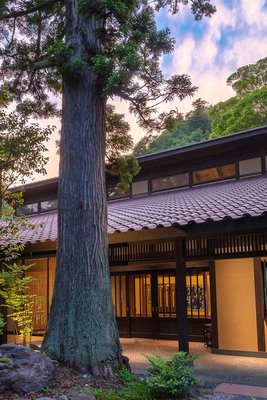
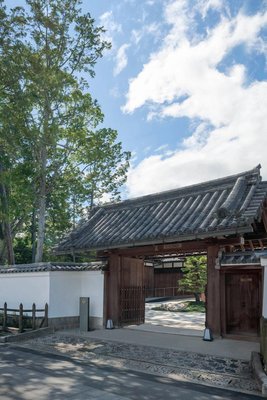
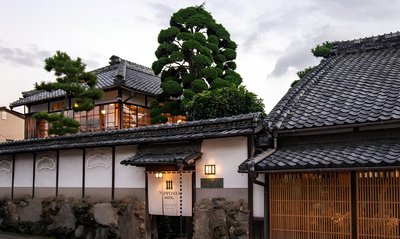
In Oyama-machi, the top family-friendly option is Oyama-machi Minshuku House, a cozy guesthouse housed in a restored traditional farmhouse. It offers spacious tatami rooms, private family suites, and a garden with a small pond near the Oyama River. The property hosts hands-on activities like making kaki-no-ha sushi and seasonal harvest walks, perfect for kids. Located just a 5-minute walk from the town center, it’s ideal for exploring local markets and temples. Another excellent choice is Nara Farmstay Inn, which features a vegetable garden, petting zoo, and farm-to-table breakfasts using ingredients from nearby organic farms. Both hotels emphasize local culture, sustainability, and warm hospitality—making them ideal for families seeking authentic rural experiences in Nara Prefecture.
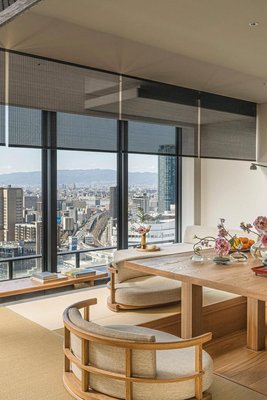
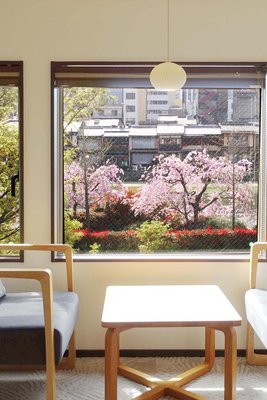
The best area for sightseeing in Oyama-machi is the Oyama Riverbank district, where scenic views, cultural landmarks, and walking trails converge. Stay at Oyama Riverfront Villa, a boutique ryokan with floor-to-ceiling windows facing the river, offering panoramic views of flowing water and surrounding hills. This zone is within walking distance of the Oyama Shrine, ancient stone pathways, and seasonal festivals like the Oyama Local Market held every weekend. The area also connects seamlessly to hiking trails along the Ancient Trail Route, a historic path used during the Heian period. With minimal traffic and rich natural beauty, this neighborhood provides an immersive experience of rural Japan’s tranquility and heritage—perfect for travelers who value authenticity over convenience.
Visitors to Oyama-machi should try kaki-no-ha sushi-making workshops and local pottery classes. The former, hosted at the Oyama Folk Culture Center, teaches guests how to wrap vinegared rice and fresh fish in naturally fermented persimmon leaves—a centuries-old technique passed down through generations. Participants learn about fermentation timing, flavor balance, and the ecological wisdom behind using biodegradable leaves. The latter takes place at Shinsei Kiln, a family-run ceramic studio using native clay from the region. Guests can shape and glaze their own bowls or mugs under expert guidance, with pieces fired on-site. These crafts reflect Oyama-machi’s deep respect for nature and tradition, offering not just souvenirs but meaningful connections to local craftsmanship and sustainable living.
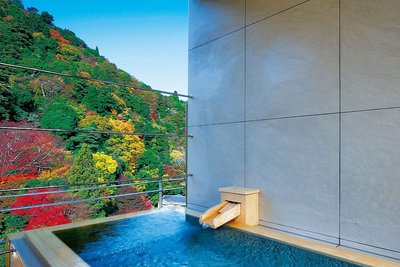
While Oyama-machi itself lacks natural hot springs, several high-quality onsen resorts lie within a 20-kilometer radius. Hoshino-Mori Onsen Inn, nestled in a forested valley, offers private outdoor baths with mountain views and mineral-rich waters known for soothing muscles and skin. Each room includes a private onsen tub, and meals feature locally sourced ingredients like wild vegetables and mountain pork. Another standout is Oyama River Onsen Resort, which, though not a true onsen, boasts a wellness spa with herbal steam rooms, cold plunge pools, and guided mindfulness sessions inspired by Nara’s healing traditions. Both properties provide seamless integration with Oyama-machi’s cultural rhythm, allowing guests to enjoy morning temple visits followed by evening relaxation—ideal for a holistic travel experience.
Must-try dishes in Oyama-machi include kaki-no-ha sushi, Nara vegetable tempura, and Oyama River seafood platter. Kaki-no-ha sushi—rice wrapped in fermented persimmon leaves—is a regional specialty with a subtle tang and earthy aroma, traditionally made using fresh fish and heirloom rice. Nara vegetable tempura features crisp-fried local greens like shiso sprouts, daikon shoots, and lotus root, served with a light salt-dipping sauce. The Oyama River seafood platter highlights river-caught eel, freshwater shrimp, and clams grilled over charcoal, emphasizing natural flavors. These dishes are best enjoyed at Oyama Market or Old Kitchen Restaurant, where chefs often prepare meals using produce from nearby farms. Tasting them offers more than flavor—it’s a journey into the region’s agricultural heritage and culinary philosophy.
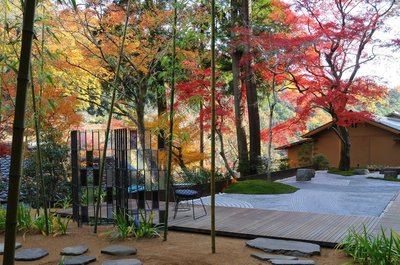
The best times to visit Oyama-machi are spring (March–May) and autumn (October–November). Spring brings blooming cherry blossoms along the Oyama River, creating dreamy photo spots, while also marking the start of the kaki-no-ha sushi season—when visitors can join leaf-picking and crafting workshops. Autumn transforms the area into a tapestry of red and gold foliage, especially along the Ancient Trail Route, perfect for peaceful hikes. The annual Oyama Autumn Festival in late October features taiko drumming, lantern processions, and handmade craft stalls. Winter offers quiet charm with occasional snow cover, ideal for solitude seekers, but summer can be humid and crowded. For optimal weather, cultural events, and photography opportunities, spring and autumn remain the prime seasons to explore Oyama-machi’s timeless beauty.
Unique nighttime experiences in Oyama-machi include the River Lantern Festival and stargazing at Star Forest Campground. During April and September, the town hosts the Lantern Floating Ceremony, where visitors craft paper lanterns and release them onto the Oyama River, creating a glowing reflection that dances with the stars. The atmosphere is serene and poetic, often accompanied by traditional flute music. At Star Forest Campground, located just outside the town, guests can participate in guided night sky tours using professional telescopes. The area’s low light pollution makes it one of the best spots in Nara Prefecture for viewing the Milky Way and meteor showers—especially impressive during the Orionid meteor shower in October. Evening programs also include bonfire storytelling sessions, where elders share folk tales of the shrine and ancient trails. These experiences blend tradition, nature, and wonder—perfect for travelers seeking soulful moments after dark.
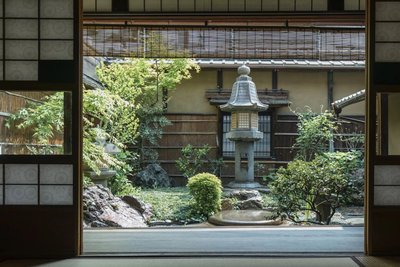
Photogenic spots in Oyama-machi include the Oyama River Suspension Bridge, the Kaki-no-ha Sushi Shop Courtyard, and the Autumn Maple Tunnel on Ancient Trail. The Oyama River Suspension Bridge, built from wood and iron, stretches over clear water, framed by misty mornings and golden light—ideal for portrait and landscape photography. The Kaki-no-ha Sushi Shop Courtyard centers around a century-old persimmon tree, with rustic wooden tables, bamboo curtains, and sliding shoji screens—perfect for capturing minimalist Japanese aesthetics. The Autumn Maple Tunnel, formed by towering maple trees along the Ancient Trail, creates a fiery archway of red and orange leaves, especially stunning at sunrise. Hidden gems include moss-covered stone paths and illuminated lantern gardens in old alleyways. Bring a wide-angle lens and tripod for golden hour shots, and arrive early to avoid crowds. These locations offer unforgettable visual narratives of rural Japan’s quiet elegance.
Transportation in Oyama-machi is practical but best experienced via car rental or bicycle hire. From Nara Station, take a direct bus (approx. 40 minutes) to the town center, though schedules are limited—check ahead. Alternatively, ride the Kintetsu Line to Yamato Nishihara Station, then transfer to a shuttle bus. For flexibility, bike rentals are widely available and perfect for exploring riverside trails, forests, and shrines without noise or congestion. The town has dedicated bike lanes and scenic routes, including the Ancient Trail Path, ideal for leisurely rides. For those preferring comfort, private chauffeur services are offered by local guides familiar with cultural sites and hidden viewpoints. While public transit exists, self-guided mobility ensures deeper access to off-the-beaten-path attractions and better timing control—making it the preferred choice for travelers seeking freedom and immersion.
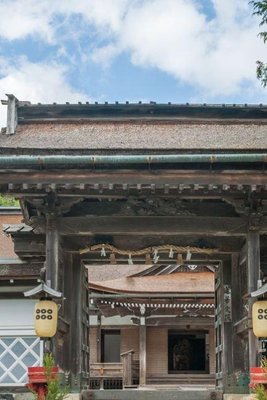
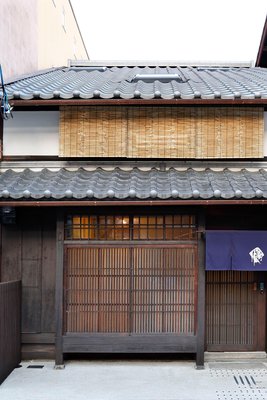
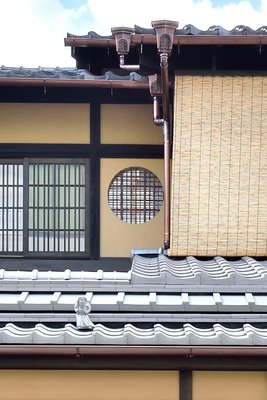
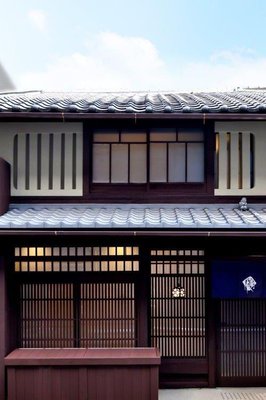
Key cultural heritage sites in Oyama-machi include the Oyama Shrine, the Ancient Trail Route Ruins, and the Traditional Machiya District. The Oyama Shrine, dating back to the Nara period, is dedicated to water and fertility deities, featuring centuries-old torii gates, stone lanterns, and a sacred grove. Its annual Mikoshi Festival draws locals and visitors alike. The Ancient Trail Route Ruins preserve remnants of a historic road linking Nara and Kyoto, with sections of original stone paving, roadside wells, and inscribed stones. Walking here feels like stepping into history. The Machiya District houses preserved Edo-era homes, such as the Sato Family Residence, now a museum showcasing traditional textiles, farming tools, and Shinto ritual objects. These sites collectively reflect Oyama-machi’s enduring connection to nature, community, and ancestral memory—offering a profound understanding of Japan’s rural cultural continuity.
Ōyodo Overview
City Summary
Oyama Town is located in the southern part of Nara Prefecture, Japan, known for its traditional culture and natural scenery. It offers historic temples, beautiful mountain views, and traditional crafts, making it an ideal escape from urban hustle.
Must-See Attractions
Key attractions in Oyama Town include the Oyama History and Culture Museum, showcasing local heritage; the scenic walking paths along the Oyama River; and nearby Yoshino Mountain, famous for cherry blossoms and autumn leaves.
Food Guide
Local cuisine features farm-fresh produce and traditional Japanese dishes. Must-try items include Nara pickles (tsukemono), persimmon leaf sushi, and seasonal wild vegetable dishes.
Transportation Guide
Getting around relies on buses and taxis. From Nara or Osaka, take the Kintetsu Line to "Oyama" Station, then transfer to buses or taxis. Renting a car is also convenient for exploring nearby areas.
Best Time to Visit
The best times to visit are spring (March-May) and autumn (September-November), with mild weather for outdoor activities. Spring offers cherry blossoms, while autumn features vibrant foliage. Avoid summer heat and winter cold.
Travel Tips
- Respect local customs: Remove shoes before entering temples.
- Book in advance: Some restaurants and attractions require reservations.
- Carry cash: Small shops may not accept cards.
- Check weather: Mountain areas can be chilly; bring a jacket.
- Sort trash: Follow Japan's strict recycling rules.
- Keep quiet: Avoid loud noises in public spaces.
Useful Information
Language: Japanese is primary; English is limited (translation apps help). Internet: Buy prepaid SIMs or rent Wi-Fi devices at convenience stores. Payment: Cash is king; some shops accept cards. Emergency: The nearest hospital is "Oyama Town Hospital"; dial 119 for emergencies. Currency: Exchange yen in major cities beforehand.