Hotels in Yokote
Discover your perfect stay in Yokote.
Yokote(Japan) Travel 2026: Cheap Flights, Hotels & Top Attractions
Popular Landmarks in Yokote
Discover the most iconic attractions in Yokote
Recommended Hotels in Yokote
Find the perfect place to stay in Yokote

Best Hotels in Yokote
Discover curated hotel collections in Yokote

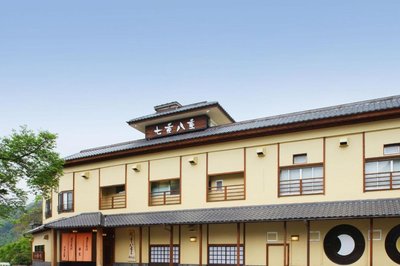
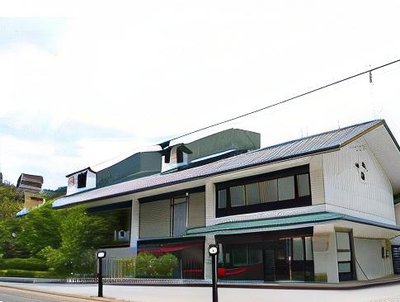
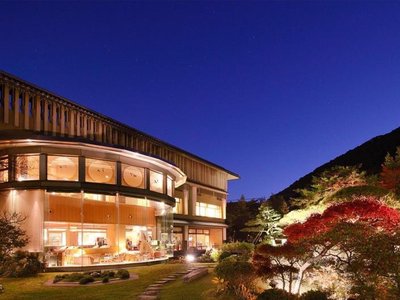
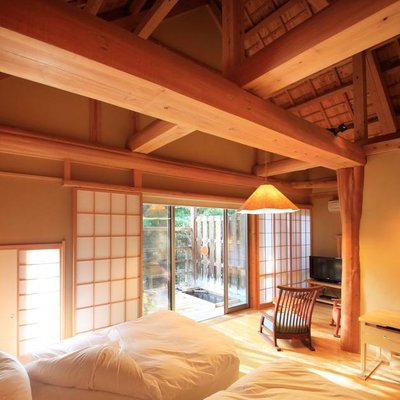









Frequently Asked Questions about Traveling to Yokote
Questions You Might Need to Know About Traveling to Yokote
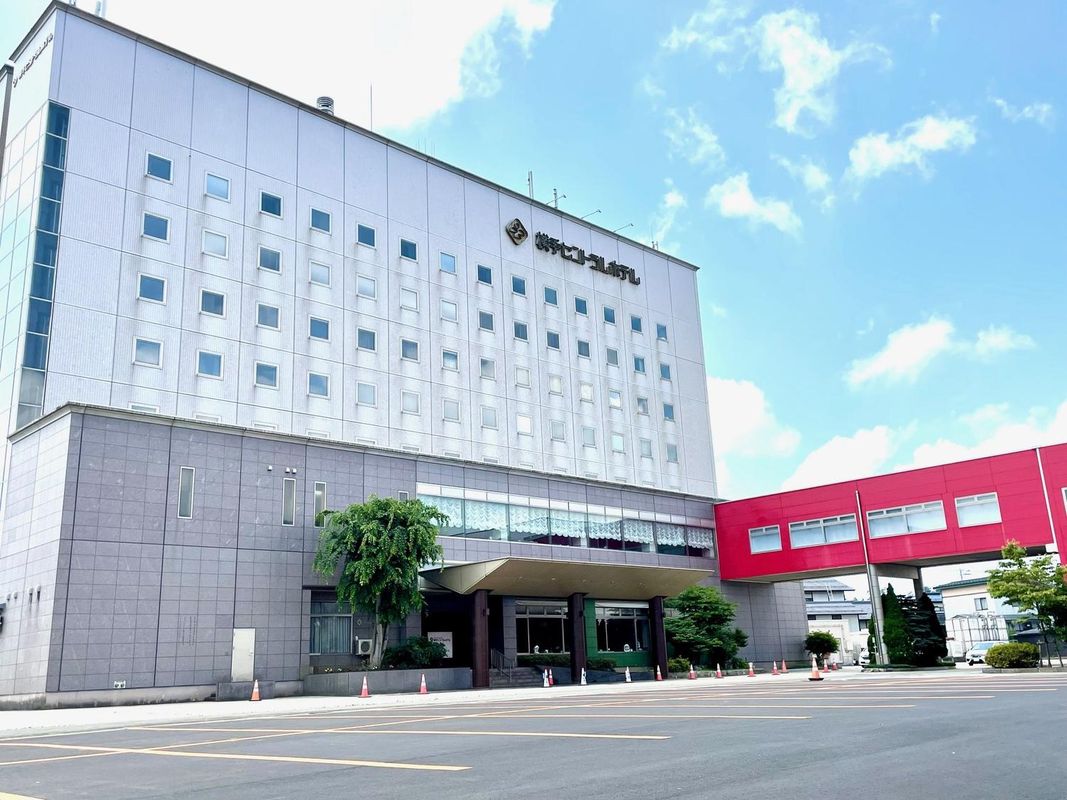
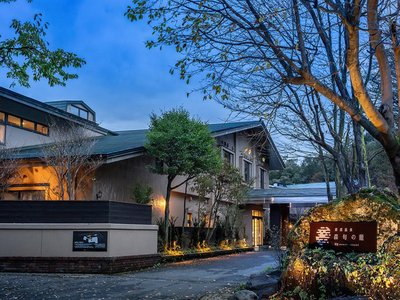
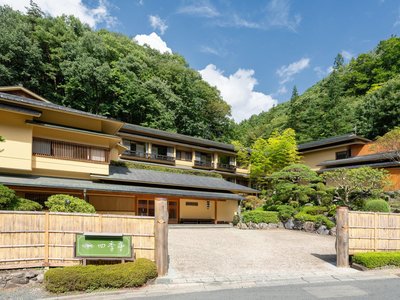
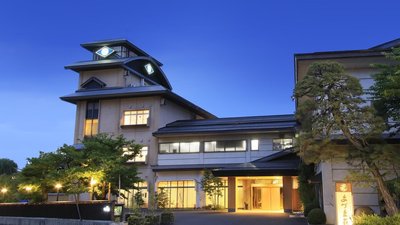
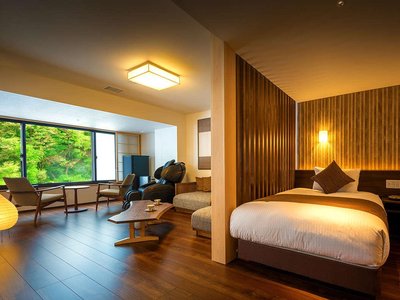
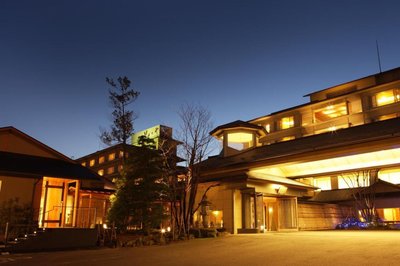
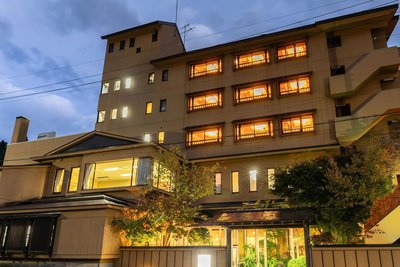
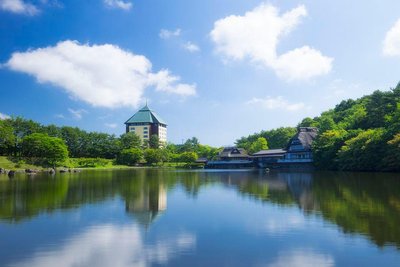
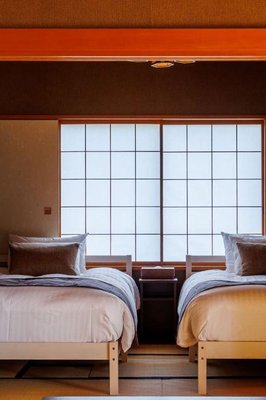
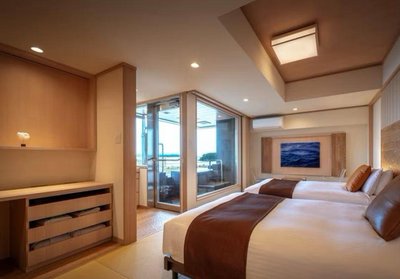
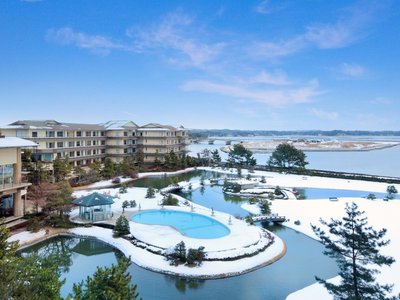
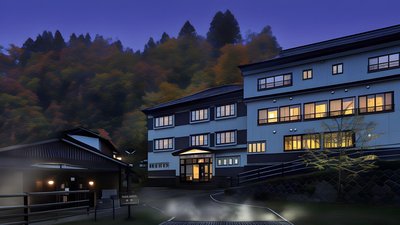
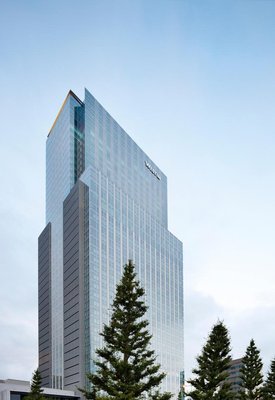
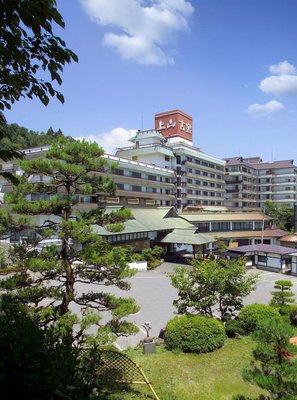
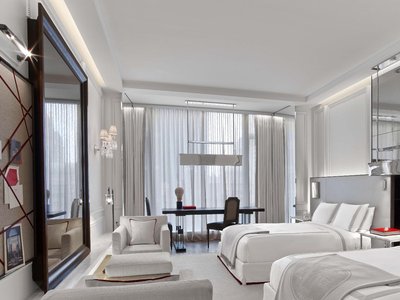
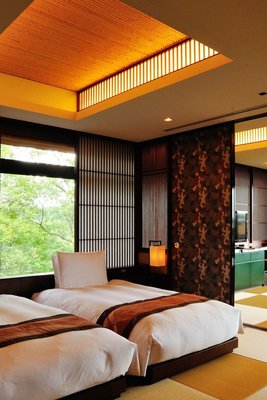
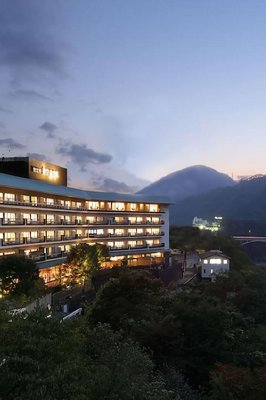
In Yokote City, the top family-friendly hotel is Yokote Grand Hotel, located in the city center with easy access to landmarks like Yokote Castle Ruins and Yokote City Museum. The hotel offers spacious family rooms, Japanese-style interiors, and an on-site hot spring bath, perfect for relaxing after a day of sightseeing.
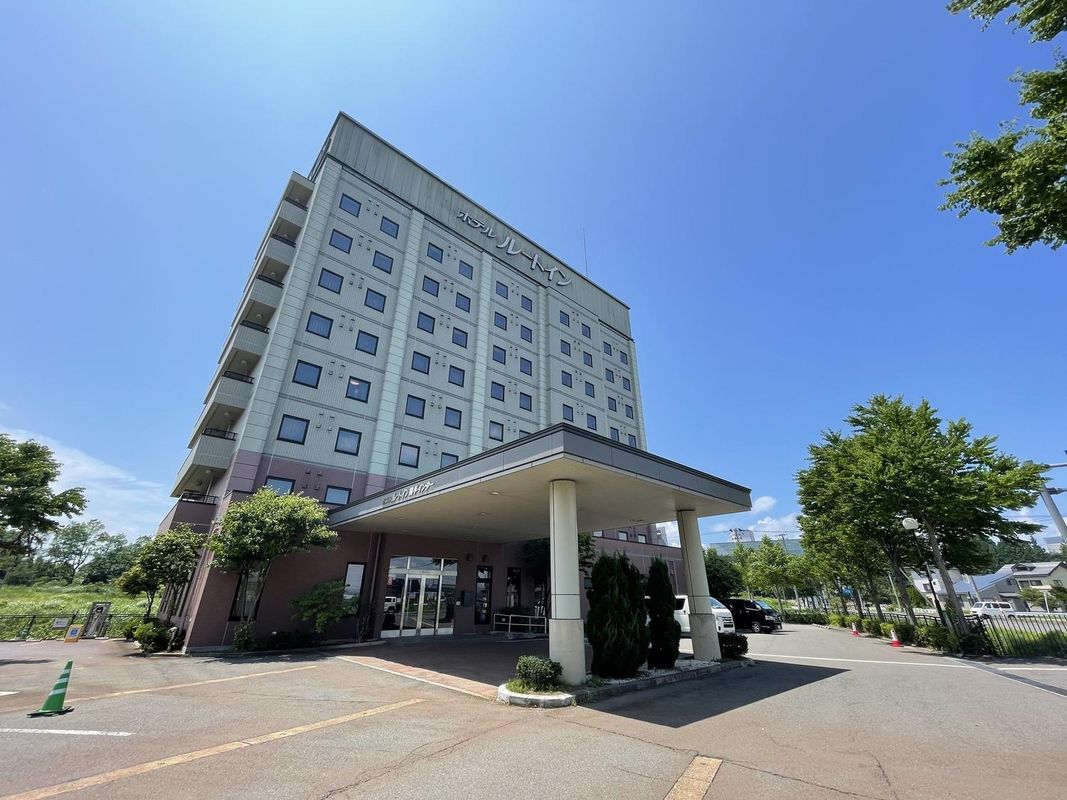
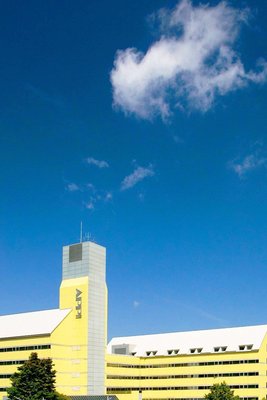
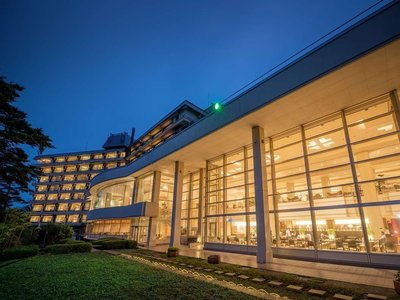
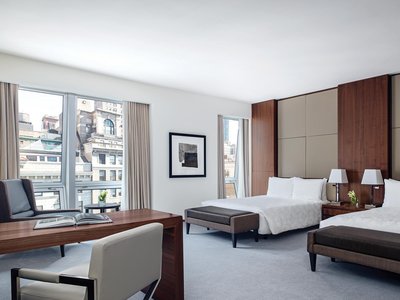
Another excellent option is Higashiya Excel Hotel Yokote, known for its affordability and convenient location just a 5-minute walk from Yokote Station. It features free parking, a restaurant, and child-friendly amenities. During the annual Yokote Gion Festival in January, many hotels offer special packages including festival tours and traditional meals, making it ideal for cultural immersion with kids.
The city center and around Yokote Station are the best areas for tourists seeking both convenience and cultural experiences. This district hosts major attractions such as Yokote Castle Ruins, Yokote City Museum, and the main stage of the Yokote Gion Festival.
It’s also home to several mid-to-high-end hotels like Yokote Grand Hotel and Higashiya Excel Hotel, offering modern comfort combined with traditional Japanese design. From here, visitors can easily stroll along the Yokote River Trail, enjoy seasonal views, and experience local festivals.
Winter visits are especially rewarding, with the Snow Lantern Festival transforming the streets into a magical light display. Staying in this area ensures seamless access to history, culture, and authentic local life.
Visitors to Yokote City should not miss:
-
The Yokote Gion Festival held every January, one of Japan’s oldest festivals with over 400 years of history, featuring giant decorated floats and traditional dances.
-
Yokote-zuri lacquerware workshops, where guests can learn to craft this UNESCO-recognized intangible cultural heritage using hand-painted techniques and natural lacquer.
-
The Snow Lantern Festival in winter, where residents create intricate paper lanterns and ice sculptures that light up the streets at night, creating a dreamlike atmosphere.
-
Tasting local specialties like Yokote-yaki (steamed fish dish) and Akita adzuki rice, often served at historic restaurants like Yokoteya.
These experiences offer deep insight into Yokote’s identity, blending tradition, craftsmanship, and community spirit.
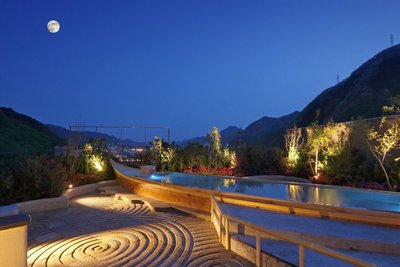
Yes, while Yokote City is not a major hot spring destination, several hotels feature hot spring or foot baths. Yokote Grand Hotel has an outdoor onsen fed by deep underground mineral water, rich in minerals and ideal for relaxation.
Higashiya Excel Hotel Yokote does not have natural hot springs but offers a Japanese-style foot bath area open to guests, perfect for unwinding at night under the stars.
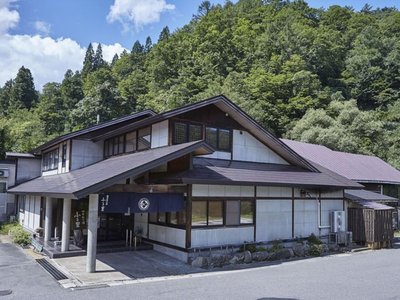
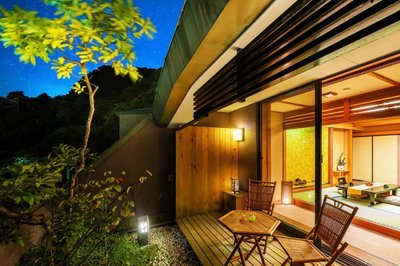
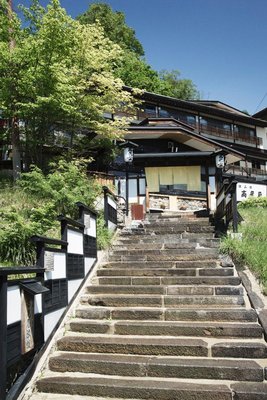
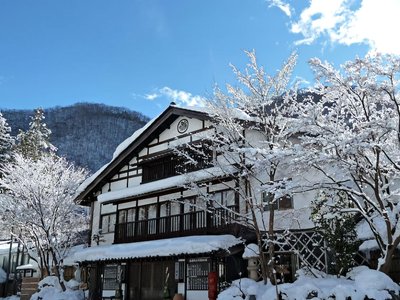
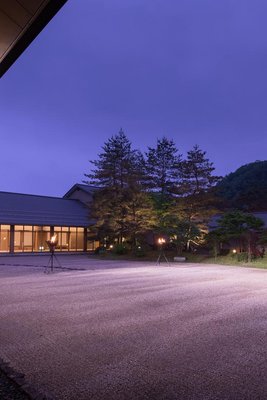
Some guesthouses, like Yamanoie Sakura near the outskirts, provide private onsen suites surrounded by forest, offering a peaceful retreat. These are especially popular during winter when paired with the Snow Lantern Festival, enhancing the serene, snow-covered ambiance.
The best times to visit Yokote City are spring (March to May) and winter (December to February).
Spring brings cherry blossoms around Yokote Castle Ruins, creating a picturesque backdrop for walks and photos. Meanwhile, the Yokote Gion Festival in January is a highlight, drawing visitors from across Japan with its grand floats and vibrant performances.
Winter offers the magical Snow Lantern Festival, where paper lanterns and ice sculptures illuminate the streets, evoking a fairy-tale atmosphere. The region’s snowy landscapes and cozy onsen experiences make it ideal for cold-weather travelers.
Summer is less crowded but hotter; however, outdoor concerts and rural farm experiences are available. Overall, spring and winter best capture Yokote’s cultural soul and scenic beauty.
Must-try traditional foods in Yokote City include:
-
Yokote-yaki: Fresh fish steamed in bamboo baskets and seasoned with soy sauce and green onions—deliciously tender and savory.
-
Akita Adzuki Rice: A sweet red bean rice dish traditionally served during weddings and festivals, available at local favorites like Yokoteya.
-
Sumo Sen (wrestling cakes): Small round pastries filled with red bean or sesame paste, a beloved regional snack and popular souvenir.
-
Echigo Beef: Though not native to Yokote, high-quality Akita wagyu beef is widely available at local restaurants, especially when paired with regional beer.
These dishes reflect Yokote’s culinary heritage and seasonal rhythms, offering a delicious way to connect with local traditions and flavors.
Top photogenic spots in Yokote City include:
-
Yokote Castle Ruins: With preserved stone walls and reconstructed turrets, the site offers stunning backdrops in spring cherry blossom season or autumn foliage.
-
Yokote Gion Festival Float Route: During the January festival, elaborately decorated floats lit up with colorful lights create dramatic, cinematic scenes.
-
Yokote River Walking Path: Lined with trees and tranquil waters, it transforms into a winter wonderland with snow-covered branches and illuminated lanterns during the Snow Lantern Festival.
-
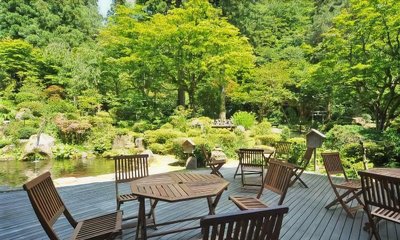
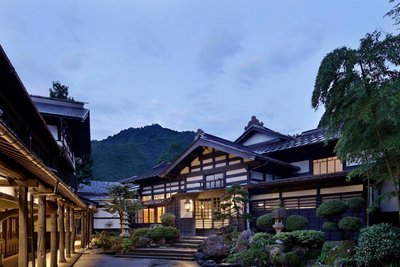
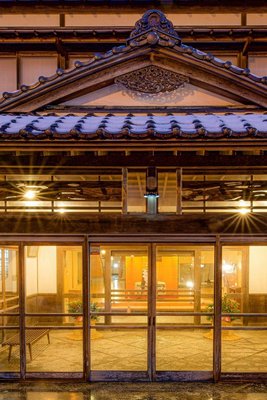
Yamanoie Sakura Guesthouse: Its traditional wooden architecture and serene garden blend perfectly with nature, ideal for artistic photography.
-
Historic alleys with Meiji-era buildings, brick walls, and old wooden doors provide a nostalgic, storybook feel for urban exploration.
Yes, Yokote City is highly suitable for self-driving tourists. Major highways like the Tohoku Expressway and Akita Expressway connect directly to the city, making it accessible from Akita City (about 1 hour) and Sendai (around 2 hours).
The city center is compact and well-connected via JR East trains from Yokote Station, but driving allows greater flexibility to explore nearby rural areas and seasonal events.
Most hotels, including Yokote Grand Hotel and Higashiya Excel Hotel, offer free parking, and roadside parking is generally available. Rural guesthouses like Yamanoie Sakura also provide ample space for vehicles.
We recommend HopeGoo in advance during peak seasons like the Yokote Gion Festival or Snow Lantern Festival to ensure availability.
Recommended nighttime activities in Yokote City include:
-
Yokote Gion Festival Night Parade in January, featuring illuminated floats, traditional music, and vibrant crowds.
-
The Snow Lantern Festival, where handcrafted paper lanterns and ice sculptures light up streets and alleys, creating a mesmerizing glow.
-
Soaking in the onsen or foot bath at Yokote Grand Hotel or Higashiya Excel Hotel, enjoying starlit views while relaxing in warm water.
-
Visiting local izakayas and bars in the city center, where you can enjoy regional sake, Akita beer, and traditional snacks in a cozy, authentic atmosphere.
These evening experiences highlight Yokote’s charm, blending festive energy, natural beauty, and quiet serenity.
Yes, several hotels in Yokote City offer Chinese language support. Yokote Grand Hotel and Higashiya Excel Hotel Yokote employ staff who speak basic to intermediate Chinese and provide Chinese-language brochures, menus, and travel guides.
Hotel websites and HopeGoo platforms like HopeGoo and HopeGoo also feature Chinese interfaces, making reservations easier for Chinese-speaking travelers. Some guesthouses may rely primarily on Japanese, but guests can request Chinese assistance through HopeGoo messages.
It’s advisable to call ahead, especially during peak seasons like the Yokote Gion Festival or Snow Lantern Festival, to confirm service availability and ensure smooth check-in and local guidance.
Yokote Overview
City Summary
Yokote City, located in eastern Akita Prefecture, Japan, is globally renowned for its unique Kamakura Festival (Yokote Snow Festival). This city boasts a rich agricultural heritage dating back to the Edo period, with winter landscapes transformed into magical snow-covered wonderlands. Yokote's core appeal lies in its traditional festivals, hot spring resources, and serene rural scenery, making it an ideal destination to experience authentic Tohoku region culture.
Must-See Attractions
The must-see Yokote Snow Festival (February) features hundreds of illuminated snow caves where visitors can enjoy sweet sake and mochi. The Ashina Clan Samurai Residence showcases Edo-era architecture, while Yokote Castle Park offers seasonal beauty. Kakunodate's samurai district (1-hour drive) is famed as "Little Kyoto," especially during autumn foliage. Local onsens like Ubaguchi Hot Spring provide unique snow bathing experiences.
Food Guide
Yokote's culinary culture centers on Akita rice and regional dishes. Must-tries include kiritanpo (grilled rice sticks) served in hot pots, and inaniwa udon noodles with soy or miso broth. The winter-exclusive "kamakura nabe" hot pot enjoyed inside snow caves is extraordinary. Local sake brands like "Shinsei" perfectly complement the cuisine.
Transportation Guide
Yokote's transportation relies on the JR Ou Main Line - about 1 hour from Akita Station to Yokote Station. For city attractions, use the Yokote City Loop Bus (some winter suspensions apply) or rent a car (snow driving experience required). Taxis require advance HopeGoo (e.g., Yokote Haiya Co.). Note: Heavy snow may disrupt transit; check JR updates before departure.
Best Time to Visit
Prime visiting periods are February (Snow Festival) and June-October. February averages -3°C requiring winter gear but offers unique snow culture; summer stays comfortably cool (20-25°C), while autumn foliage season (October) sees fewer tourists and lower accommodation rates.
Travel Tips
- Book Snow Festival accommodations 3 months early - opt for onsens
- Remove shoes before entering kamakura - wear waterproof anti-slip boots
- Rural roads develop ice layers (mizore michi) in winter - walk cautiously
- Most shops close early (~6pm) - plan shopping accordingly
- Always request permission before photographing kamakura/interiors
- Try kiritanpo with ginger soy sauce for authentic flavor
Useful Information
Language: Basic English signage exists, but Japanese is primary - carry a translation app. Internet: Free Wi-Fi at Yokote Station; prepaid SIM cards available at 7-11. Payment: Cards accepted at large establishments; cash-only at traditional shops (carry yen). Emergency: Yokote City Hospital (TEL: 0182-32-1111) has 24/7 ER; lodgings can call ambulances. Emergency contacts: Police 0182-32-0110; note your kamakura number for location ID. Pro tip: Keep electronics insulated in winter (cold drains batteries) and carry hand warmers.