Hotels in Yokoze
Discover your perfect stay in Yokoze.
Yokoze(Japan) Travel 2026: Cheap Flights, Hotels & Top Attractions
Popular Landmarks in Yokoze
Discover the most iconic attractions in Yokoze
Recommended Hotels in Yokoze
Find the perfect place to stay in Yokoze

Maruyama Kosen Ryokan
![Large Rental Villa Made by An Architect [BBQ Possible]](https://pavo.elongstatic.com/i/Hotel1080_800/nw_1Gayaf4EBwc.jpg)
Large Rental Villa Made by An Architect [BBQ Possible]
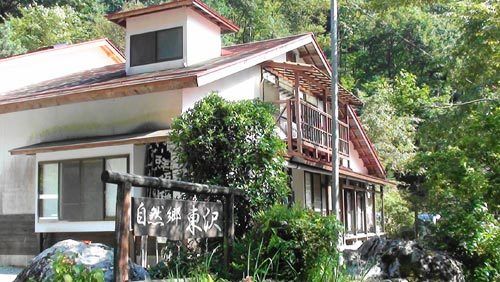
Minshuku Shizengou Higashisawa
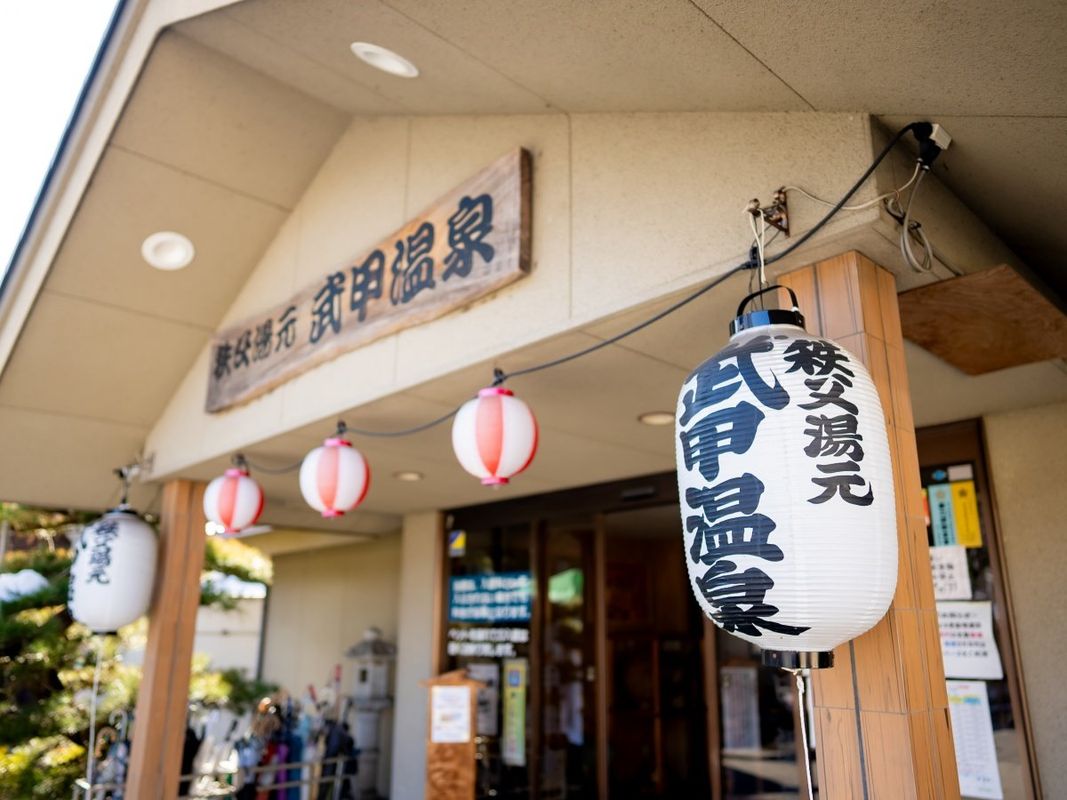
Bukou Onsen Bokou No Yu Bekkan
Best Hotels in Yokoze
Discover curated hotel collections in Yokoze
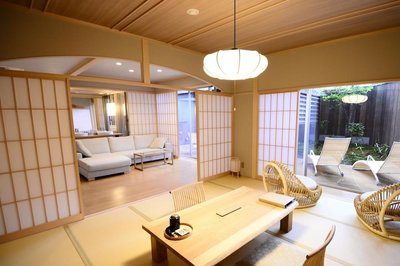
Hakone Gora Byakudan
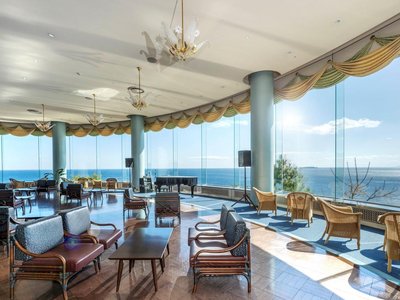
Hotel New Akao
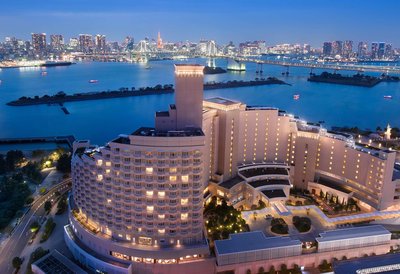
Hilton Tokyo Odaiba
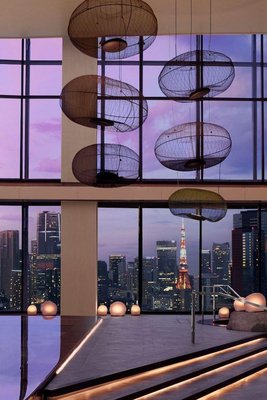
JW Marriott Hotel Tokyo
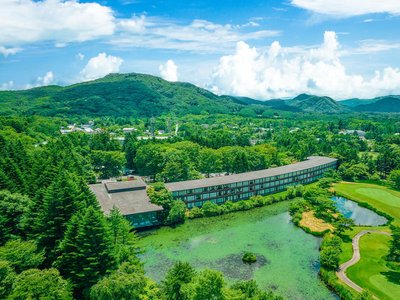
The Prince Karuizawa
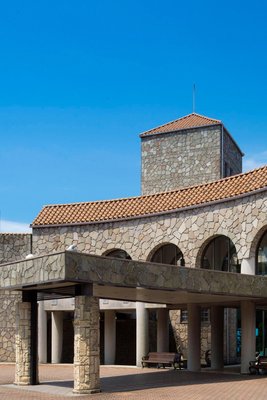
Izumigo Hotel Altia Toba

The Kukuna
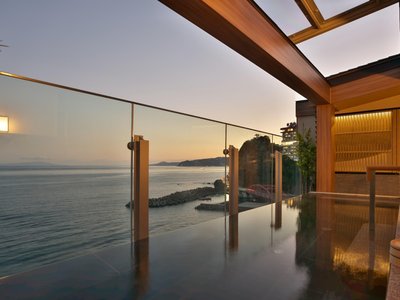
Hotel New Sagamiya
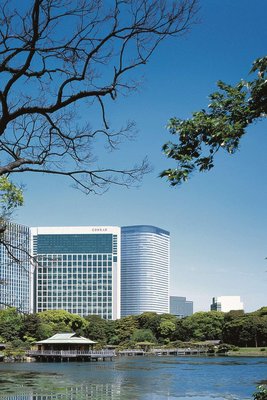
Conrad Tokyo
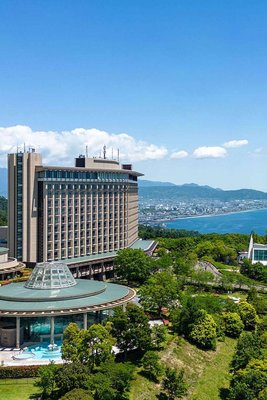
Hilton Odawara Resort & Spa
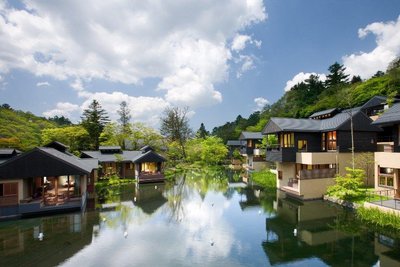
Hoshinoya Karuizawa
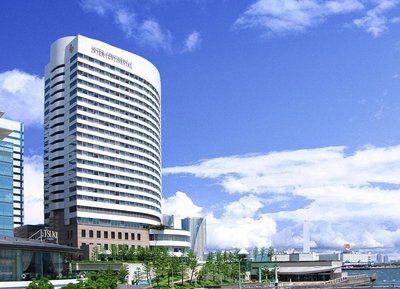
InterContinental Tokyo Bay
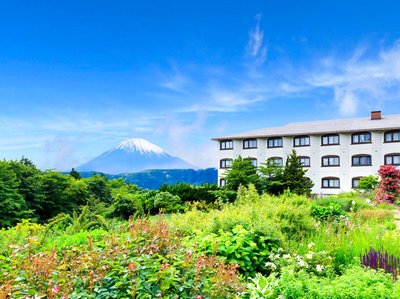
Hotel Green Plaza Hakone
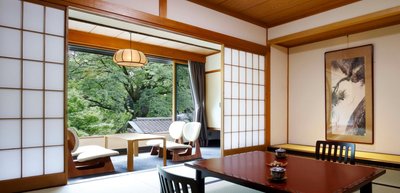
Yoshiike Ryokan
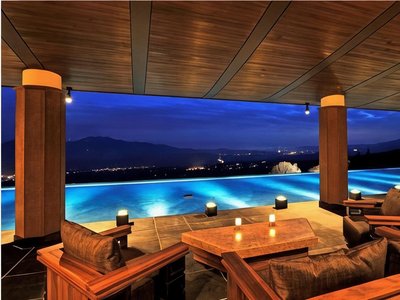
Akakura Kanko Hotel
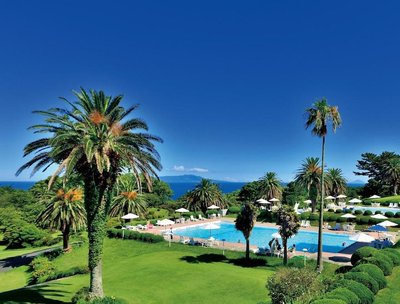
Kawana Hotel
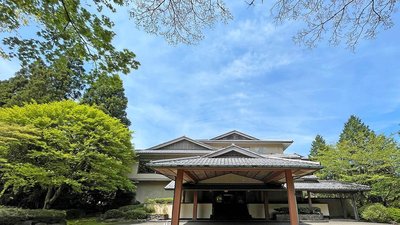
Ryuguden
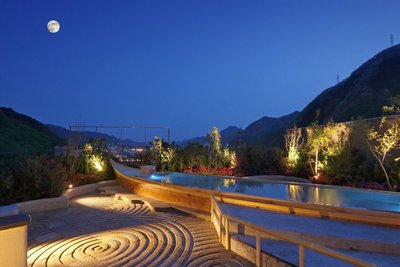
Asaya
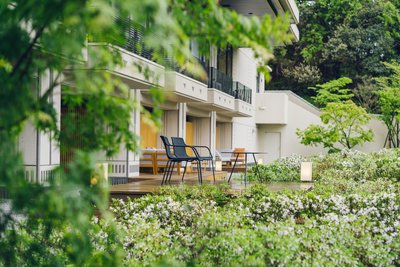
Hoshino Resorts Kai Enshu
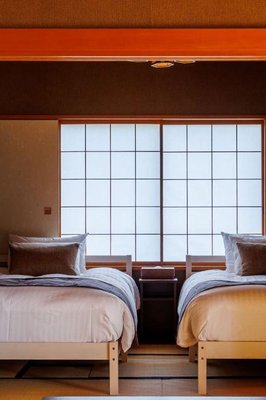
Sado Resort Hotel Azuma

Hotel Barrière Fouquet's New York

The Plaza - A Fairmont Managed Hotel
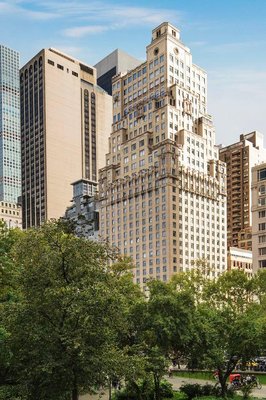
The Ritz-Carlton New York, Central Park

Four Seasons Hotel New York

The St. Regis New York

Park Hyatt New York

Mandarin Oriental New York

Times Square Edition New York

Loews Regency New York Hotel

Lowell Hotel

New York Edition

Baccarat Hotel New York

Equinox Hotel New York

Four Seasons Hotel New York Downtown
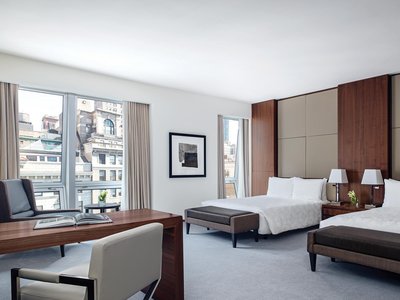
The Langham, New York, Fifth Avenue

The Carlyle, A Rosewood Hotel

The Chatwal, in the Unbound Collection by Hyatt
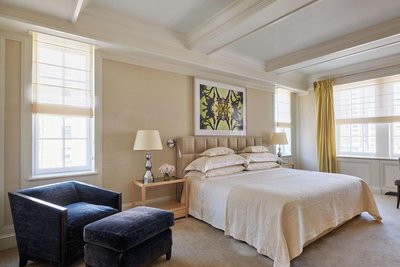
The Mark New York
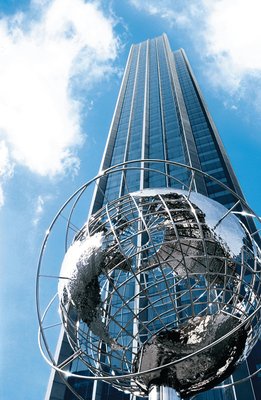
Trump International Hotel & Tower® New York
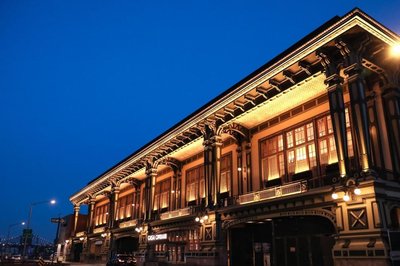
Casa Cipriani New York
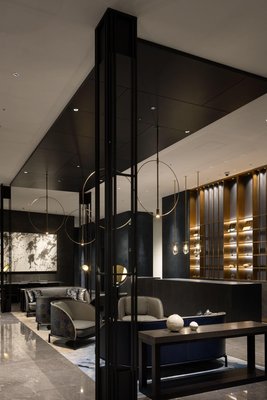
Bellustar Tokyo, A Pan Pacific Hotel

Bvlgari Hotel Tokyo
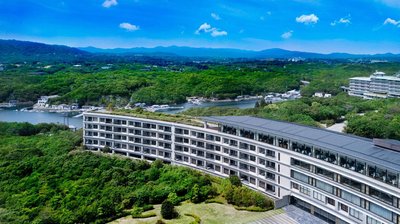
Shima Kanko Hotel the Bay Suites
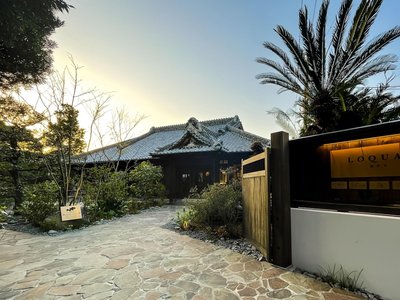
Loquat Nishiizu
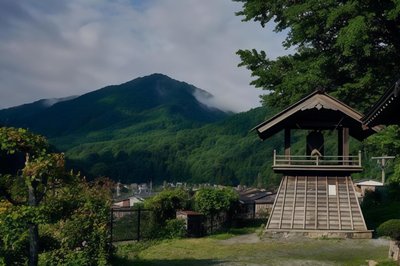
Byaku Narai
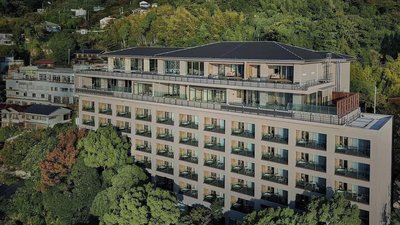
Atami Izusan Karaku
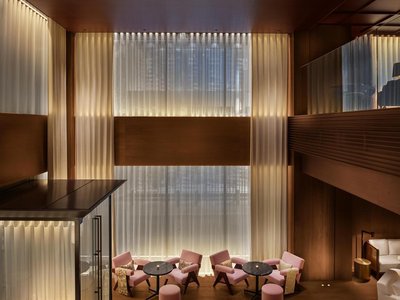
The Tokyo Edition, Ginza

Janu Tokyo
JW Marriott Hotel Tokyo
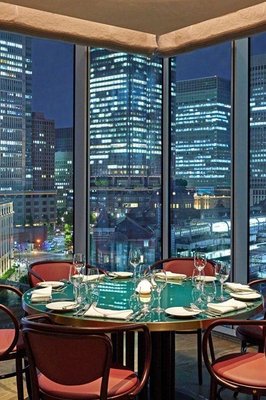
Four Seasons Hotel Tokyo at Marunouchi

Mandarin Oriental, Tokyo
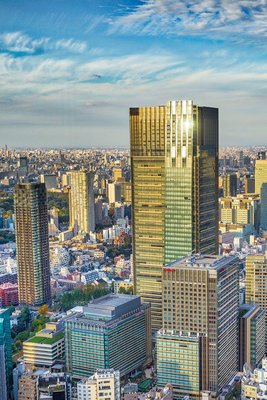
The Ritz-Carlton, Tokyo
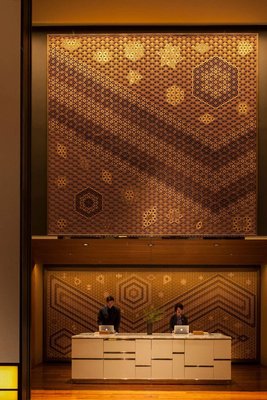
Andaz Tokyo Toranomon Hills- A Concept by Hyatt
Hoshinoya Karuizawa
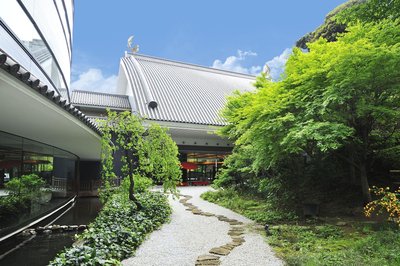
Hotel Gajoen Tokyo
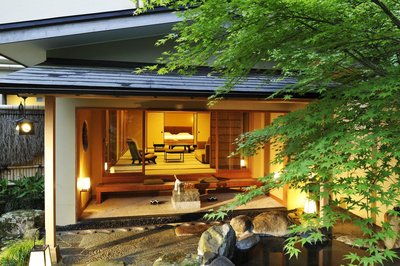
Gora Kadan
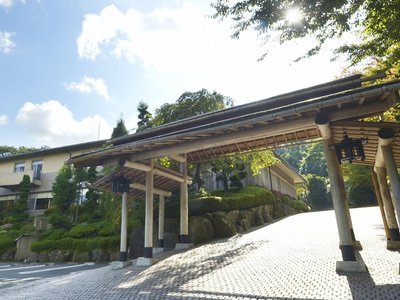
Gora Hanaougi
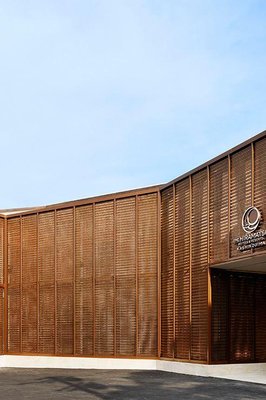
The Hiramatsu Hotels & Resorts Kashikojima
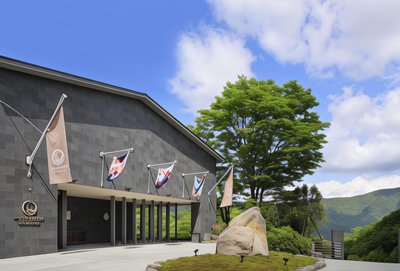
The Hiramatsu Hotels & Resorts Sengokuhara Hakone
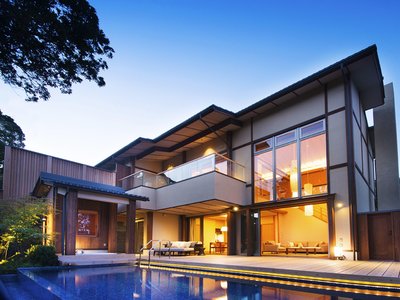
Abba Resorts Izu - Zagyosoh
Frequently Asked Questions about Traveling to Yokoze
Questions You Might Need to Know About Traveling to Yokoze
In Ogase, the most affordable and authentic stay is Ogaseya Ryokan, a traditional Japanese inn located near the Ogase River and Ancient Tombs. This family-run guesthouse offers simple tatami rooms with futons, shared baths, and homemade meals using local produce like fresh buckwheat noodles. It’s ideal for travelers seeking an immersive rural experience without high costs. The property is just a 5-minute walk from the bus stop linking to Omiya Station, making it accessible despite its quiet location. Guests can enjoy seasonal activities such as rice planting or autumn leaf viewing nearby. Prices start at ¥6,000 per person, including breakfast, offering excellent value for a peaceful countryside retreat.
The best time to visit Ogase for cherry blossoms is late March to early April, when the Ogase River banks bloom with pink sakura trees. The gentle riverfront path becomes a picturesque corridor of blossoms, perfect for walking or cycling. This period also coincides with mild weather and fewer crowds compared to Tokyo’s main spots. Nearby Ancient Tombs offer a serene contrast to the floral beauty, creating a unique blend of nature and history. For photography lovers, early morning light enhances the reflection of cherry petals on the water. Local events like small street markets often accompany the bloom, adding charm to the visit. Avoid late April if you’re aiming for peak blossoms, as they typically fade by mid-April.
Must-visit cultural landmarks in Ogase include the Ancient Tombs (such as the Ogase Kofun Group), Nagano Shrine, and the Ogase Town Historical Museum. The Ancient Tombs are remnants of Japan’s Kofun period, featuring keyhole-shaped burial mounds with historical significance. Nagano Shrine, dating back to the Edo era, hosts traditional kagura dances during its annual festival. The Historical Museum houses artifacts like farming tools, vintage photos, and local crafts, illustrating Ogase’s transformation from a rural village to a modern community. These sites are all within walking distance of each other, making them easy to explore on foot or by bicycle. Don’t miss the shrine’s torii gate at golden hour—it’s especially photogenic.
Yes, Ogase is highly suitable for families. The town offers safe, open spaces like the Ogase River Greenway and White Bird Park, where kids can play freely among nature. Many local inns, such as Ogaseya Ryokan, provide child-friendly activities like rice planting workshops, vegetable harvesting, and handmade soba noodle classes. The annual folk festival includes games, craft booths, and traditional performances tailored for young visitors. With minimal traffic and clean air, it’s a relaxing environment away from urban stress. Public transport from Omiya Station is reliable, and renting e-bikes allows families to explore at their own pace. It’s an ideal destination for meaningful, low-pressure family bonding.
Must-try local dishes in Ogase include Ogase Buckwheat Noodles (Soba) made from locally grown buckwheat, served cold with a soy-based dip or warm in a broth. Another highlight is Farm-to-Table Pork Hot Pot, prepared with black pork raised in the area and seasonal vegetables. During the folk festival, try the limited-edition Kofun Rice Bowl—a clay-pot steamed meal symbolizing ancestral respect. Street vendors near Nagano Shrine sell grilled mochi and sweet bean paste dumplings. Visit the Ogase Market or your inn’s restaurant to taste authentic flavors. All dishes emphasize freshness and tradition, reflecting the town’s agricultural roots and culinary pride.
Yes, Ogase offers stunning photo opportunities. Capture the blossoming cherry trees along the Ogase River at sunrise, when soft light reflects on the water. The Ancient Tombs illuminated at dusk create a dramatic, almost mystical atmosphere—perfect for long-exposure shots. Nagano Shrine’s vermilion torii gate framed by autumn foliage is another iconic shot. For a unique perspective, ride a bike along the greenway trail through rice fields, especially during golden hour. The lack of urban clutter means clean backgrounds and natural lighting. Bring a wide-angle lens and tripod for best results. These locations are easily accessible and ideal for both amateur and professional photographers seeking tranquility and beauty.
From Tokyo, take the Seibu Railway to Omiya Station (approx. 40 minutes), then transfer to a Saitama Prefectural Bus (e.g., route "Omiya → Ogase") for about 20 minutes. Total travel time: ~1 hour. Tickets are affordable, and buses run every 30–60 minutes. Alternatively, drive via the Kosoku Expressway, exit at Omiya Interchange, then follow Prefectural Road 26—about 45 minutes. For eco-friendly travel, rent an electric bike at Omiya Station and ride the scenic Ogase River Greenway. Check bus schedules in advance, as frequencies drop on weekends. This mix of rail and bus ensures a smooth, cost-effective journey.
Nighttime in Ogase is peaceful but magical. The Ancient Tombs Light-Up Event (held annually in summer) uses soft lights to highlight burial mounds, creating a poetic atmosphere enhanced by storytelling. Some inns, like Ogaseya Ryokan, host stargazing sessions under the dark skies—ideal for spotting the Milky Way. If visiting during the Folk Festival, enjoy evening kagura dance performances and lantern processions. Walking along the Ogase River at night, listening to crickets and distant frogs, offers a meditative experience. No loud nightlife here—just calm, starlit moments perfect for relaxation and reflection.
Unique experiences in Ogase include rice planting workshops, where you learn traditional farming techniques; handmade soba noodle classes using local flour; and archaeology simulation games at the Ancient Tombs site. During the Folk Festival, participate in wearing traditional costumes, learning kagura dances, and performing rituals. Some inns offer evening tea ceremonies with local matcha. These activities are hosted by local associations or Ogaseya Ryokan, with prices ranging from ¥1,500 to ¥3,000 per person. They combine education, culture, and hands-on fun—ideal for travelers wanting deeper connection with the community.
For first-time visitors, staying in the central district of Ogase is ideal. Located just a 5-minute walk from the bus terminal connecting to Omiya Station, this area offers easy access to major attractions like the Ancient Tombs, Nagano Shrine, and Ogase River Greenway. Accommodations include Ogaseya Ryokan, which provides simple tatami rooms, shared baths, and home-cooked meals. The area has convenience stores, small restaurants, and friendly locals. Staying here ensures safety, accessibility, and a genuine taste of rural life. Choose a hotel near the bus stop for seamless transfers, making it the perfect base for exploring this tranquil corner of Saitama.
Yokoze Overview
City Summary
Yokoze Town in Saitama Prefecture, Japan, is a small town renowned for its serene rural landscapes and abundant natural resources. Nestled among mountains, it offers breathtaking scenery that changes with the seasons, particularly during cherry blossoms in spring and autumn foliage. The town preserves traditional Japanese village charm, providing an authentic countryside experience.
Must-See Attractions
Key attractions in Yokoze include Yokoze Lake, ideal for fishing and boating, and Yokoze Onsen, offering natural hot springs for relaxation. The town also features ancient temples and shrines like Yokoze Shrine, showcasing traditional Japanese architecture. Outdoor enthusiasts will enjoy the numerous hiking trails in the surrounding mountains.
Food Guide
In Yokoze, savor local farm-to-table dishes such as fresh mountain vegetables and locally farmed trout. The town is also famous for its soba noodles, made from locally grown buckwheat. Don’t miss visiting small breweries to sample locally produced sake and shochu.
Transportation Guide
Public transport in Yokoze primarily relies on buses connecting to major towns in Saitama. Renting a car is another convenient option, with ample parking available. Due to the mountainous terrain, checking bus schedules in advance is recommended, especially on weekends and holidays when services may be limited.
Best Time to Visit
The best times to visit Yokoze are spring (March to May) and autumn (September to November), when the weather is pleasant and the scenery is at its finest. Summers can be hot and humid, while winters may bring snow, appealing to those who enjoy snowy landscapes.
Travel Tips
- Respect local customs, especially when visiting shrines.
- Prepare adequate water and sun protection for mountain hikes.
- Some onsen facilities may require advance reservations.
- Plan meals ahead as some shops and restaurants have limited hours.
- Carry cash, as some small shops may not accept credit cards.
- Dispose of trash properly by sorting and taking it back to your accommodation.
Useful Information
The official language in Yokoze is Japanese, with limited English proficiency, so a translation app is handy. Internet coverage is good, but may be weak in mountainous areas. Cash is the primary payment method, though some lodgings and restaurants accept credit cards. For emergencies, dial 119 for ambulance or fire services. Tourist information centers provide maps and brochures to enhance your exploration of this charming town.









