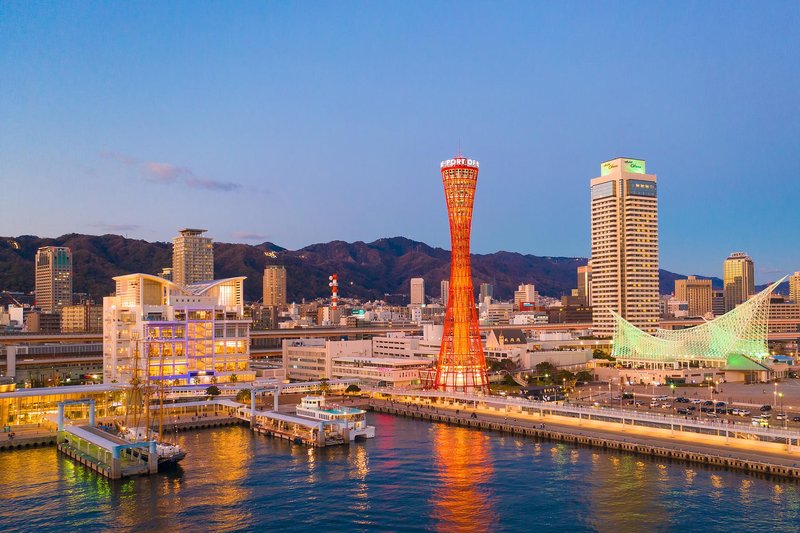
Hotels in Yonezawa
Discover your perfect stay in Yonezawa.
Yonezawa(Japan) Travel 2026: Cheap Flights, Hotels & Top Attractions
Popular Landmarks in Yonezawa
Discover the most iconic attractions in Yonezawa
Recommended Hotels in Yonezawa
Find the perfect place to stay in Yonezawa
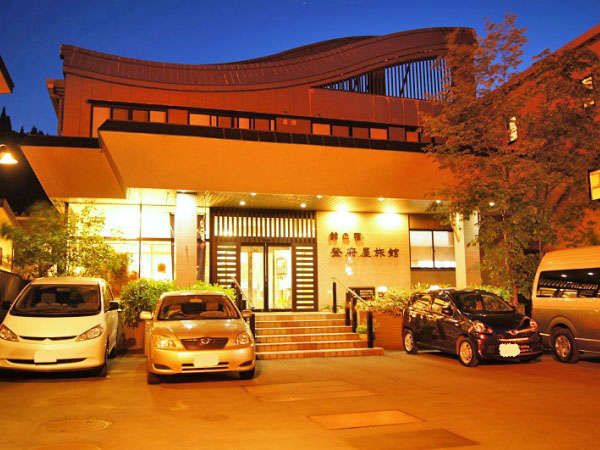
Tofuya Ryokan, Onogawa Onsen, Sauna, Barrier-Free
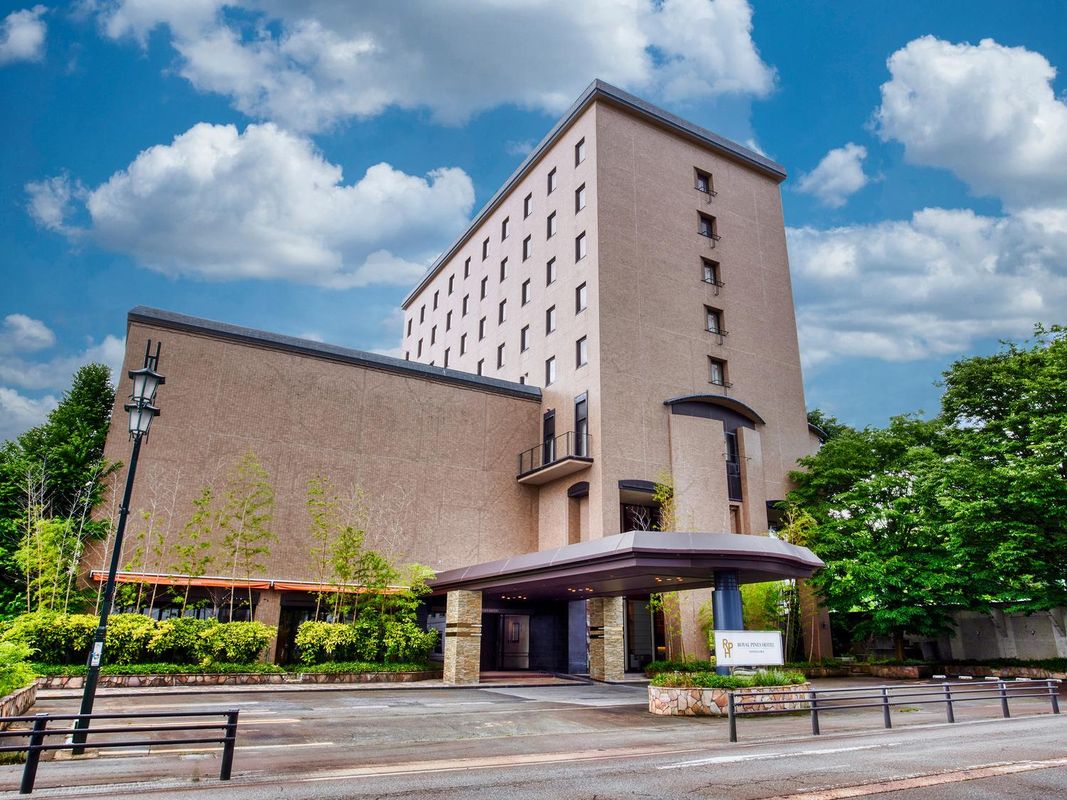
ROYAL PINES HOTEL YONEZAWA
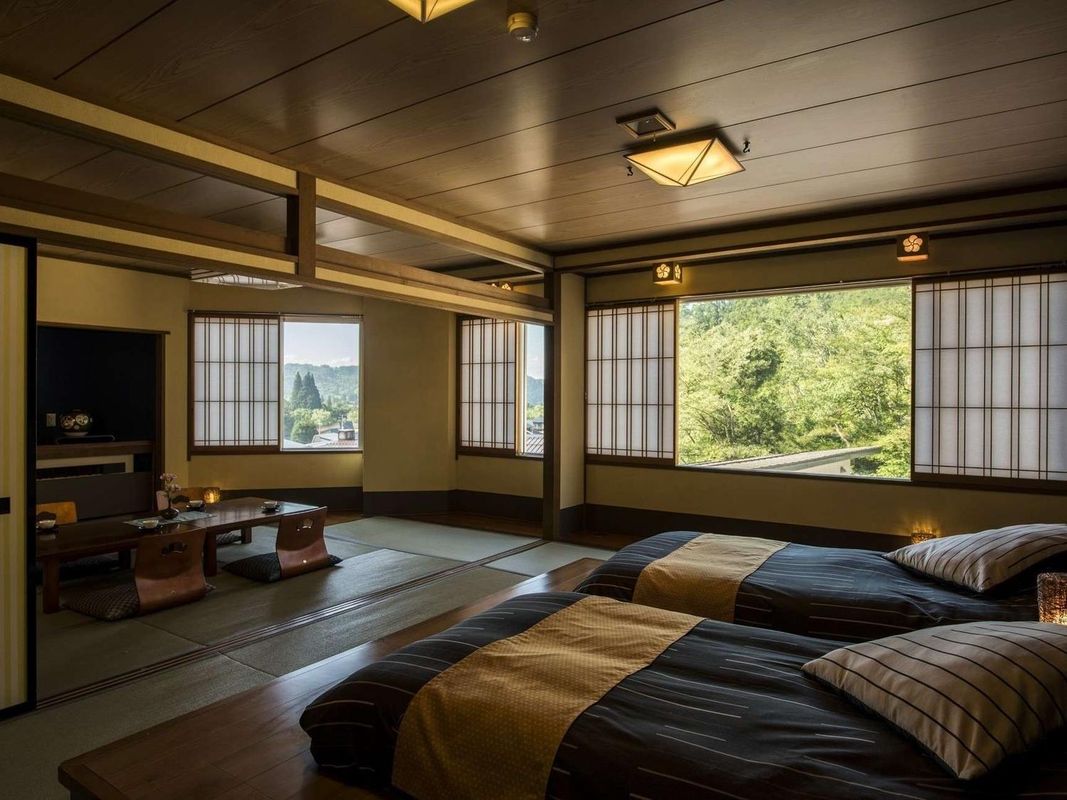
Takamiya Ryokan Yamakawa
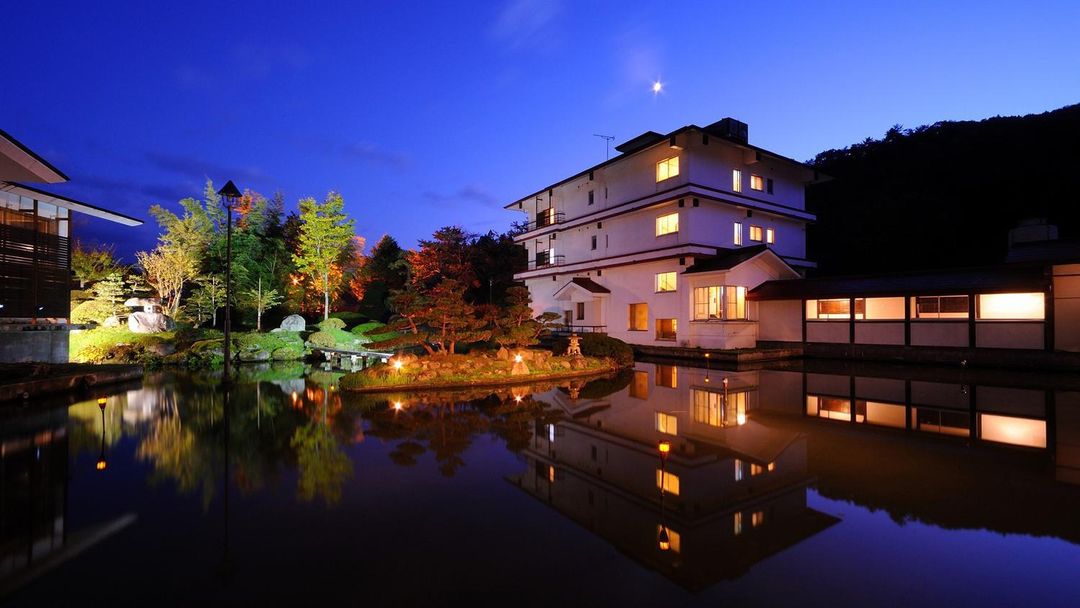
Onogawa Onsen Kajikaso
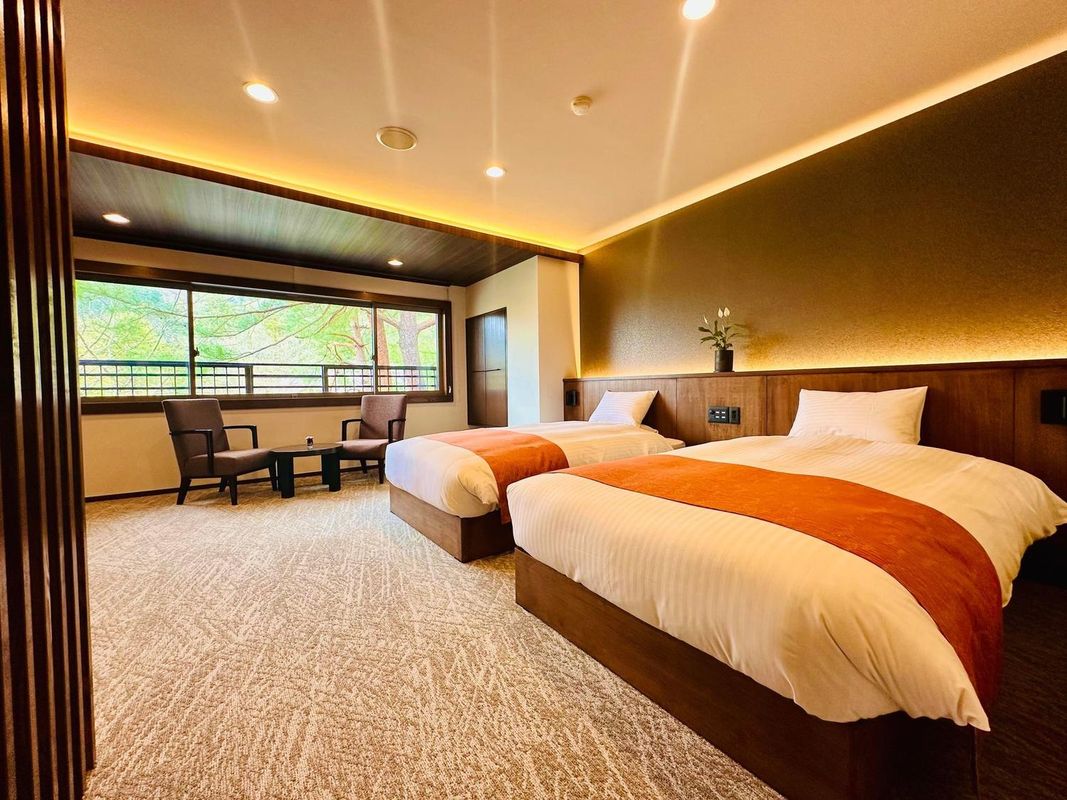
Tokinoyado Sumire
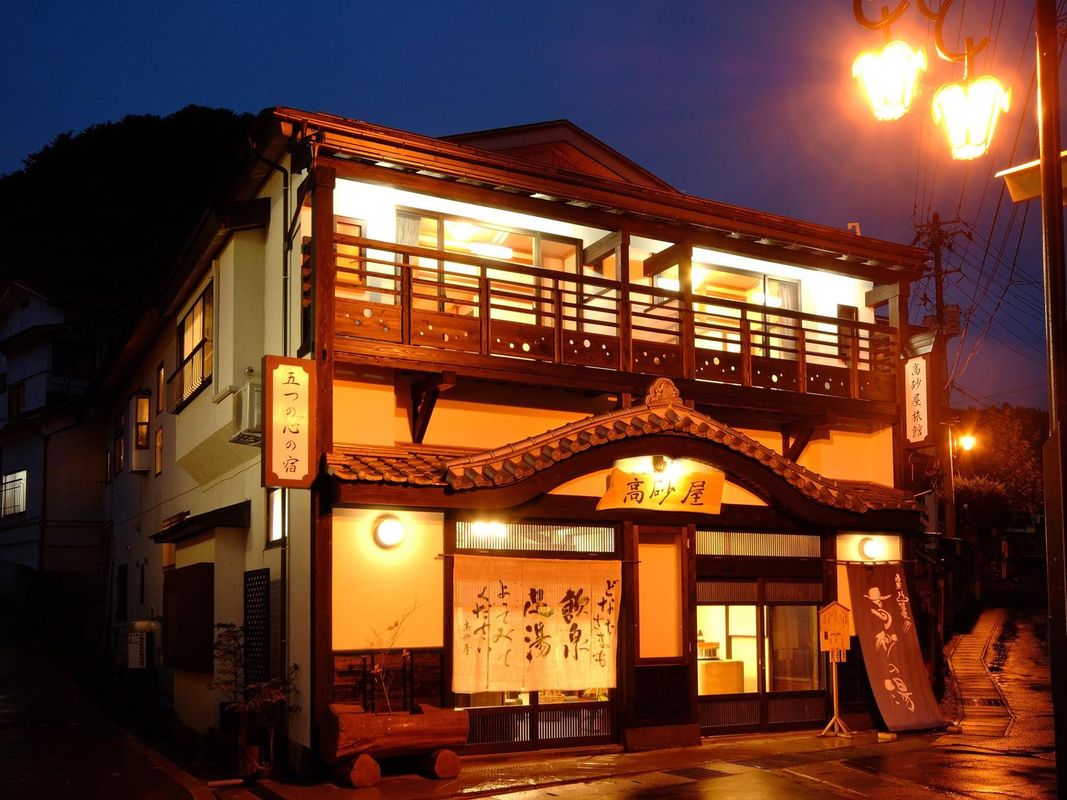
Takasagoya
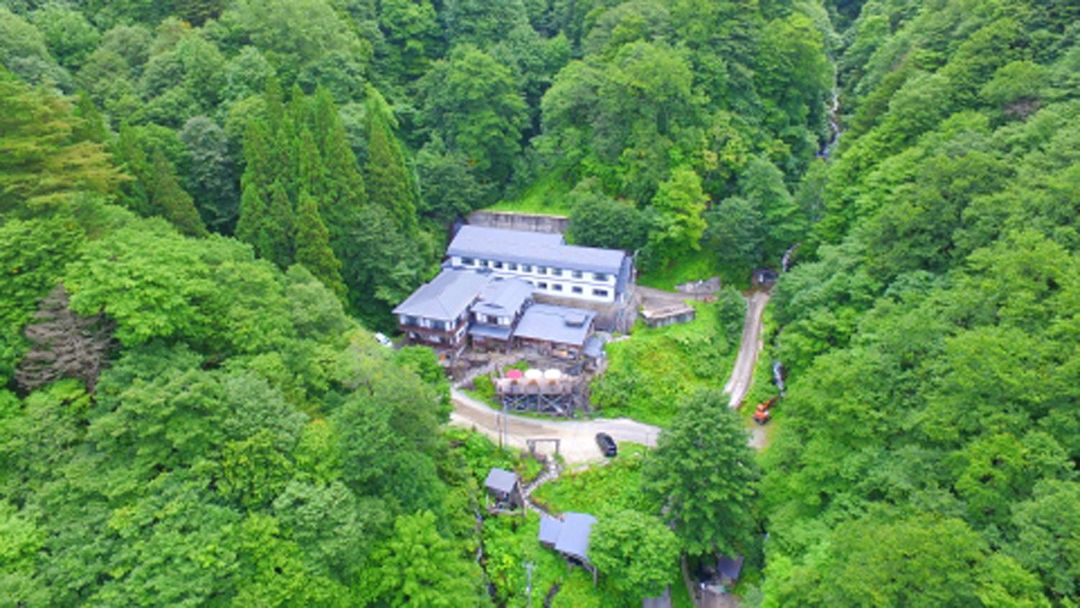
Shintakayu Onsen Azumaya Ryokan
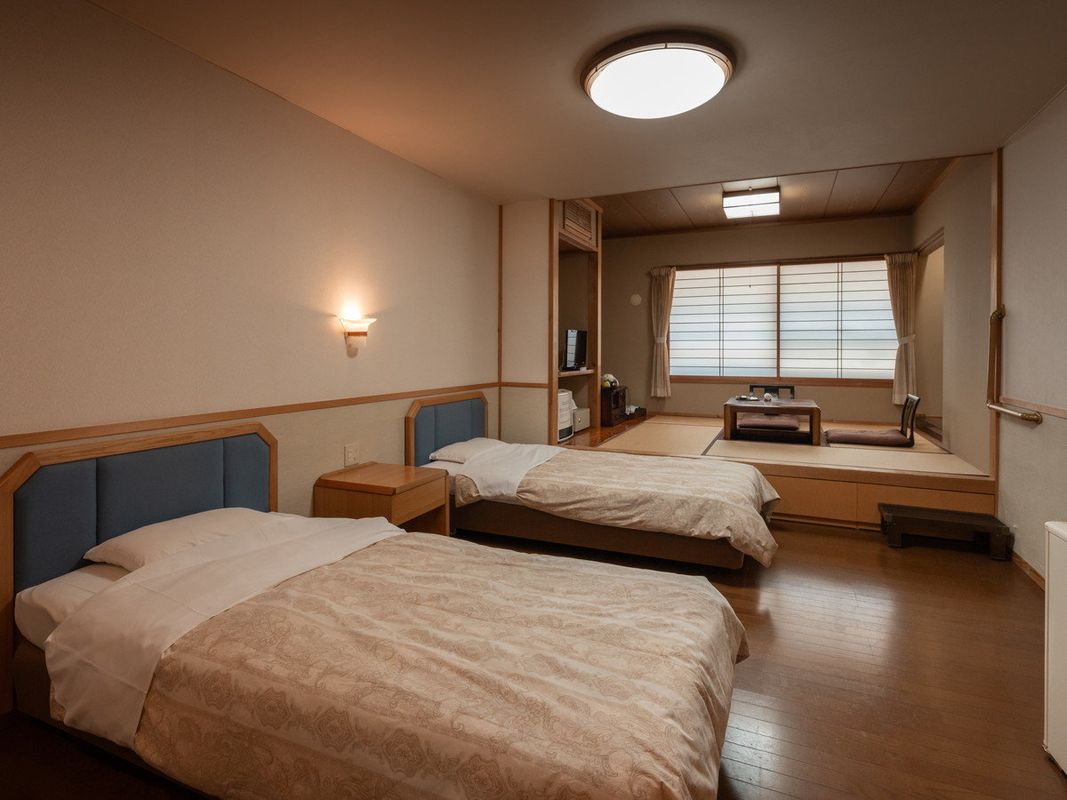
Shirabu Onsen Higashiya
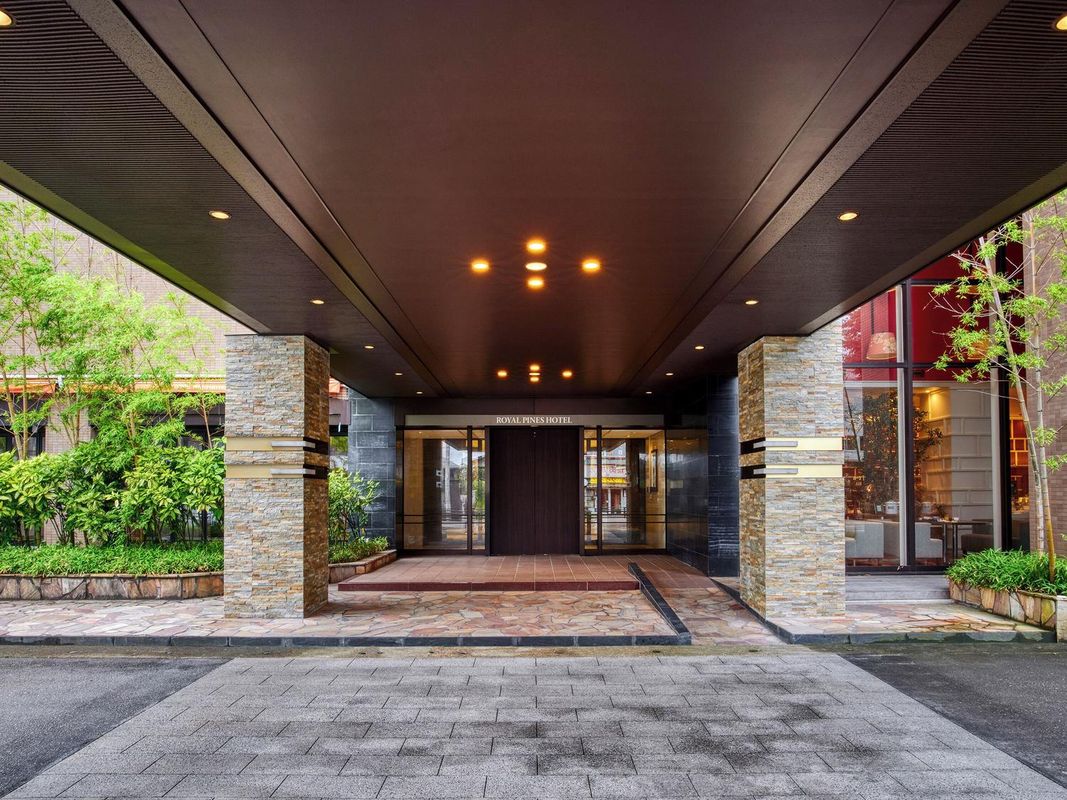
ROYAL PINES HOTEL YONEZAWA
Best Hotels in Yonezawa
Discover curated hotel collections in Yonezawa
Bellustar Tokyo, A Pan Pacific Hotel
Bvlgari Hotel Tokyo
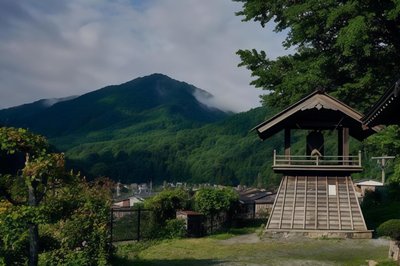
Byaku Narai
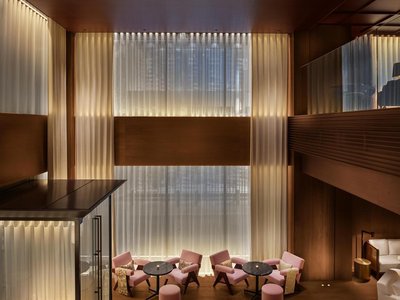
The Tokyo Edition, Ginza
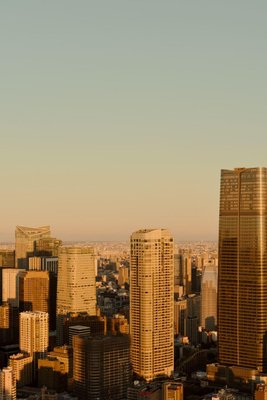
Janu Tokyo
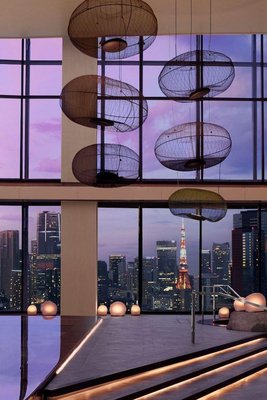
JW Marriott Hotel Tokyo
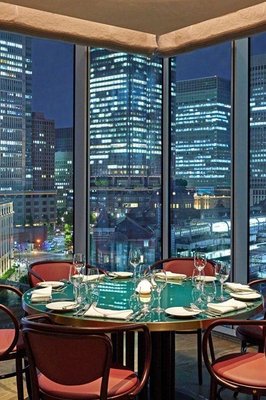
Four Seasons Hotel Tokyo at Marunouchi

Mandarin Oriental, Tokyo
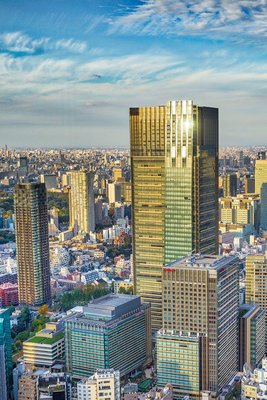
The Ritz-Carlton, Tokyo
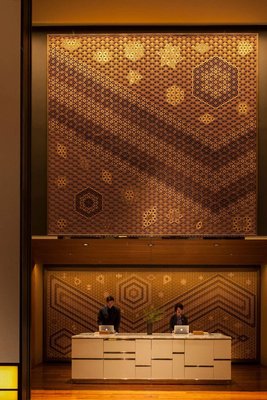
Andaz Tokyo Toranomon Hills- A Concept by Hyatt
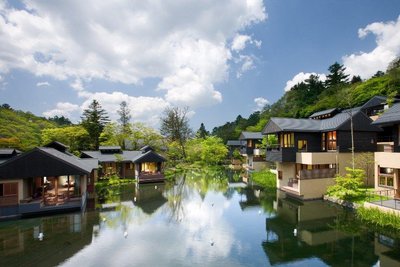
Hoshinoya Karuizawa
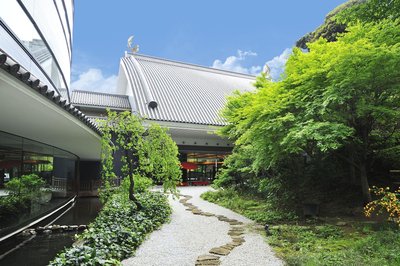
Hotel Gajoen Tokyo
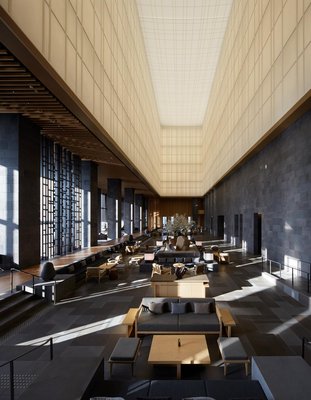
Aman Tokyo
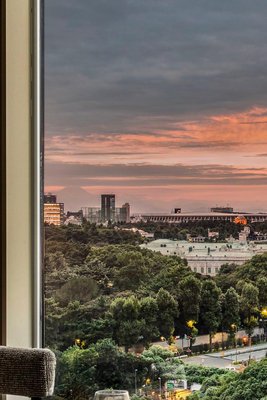
Hotel New Otani Tokyo, Executive House Zen
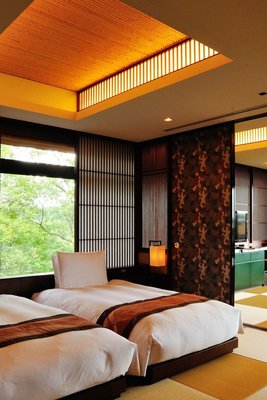
Chikusenso Onsen
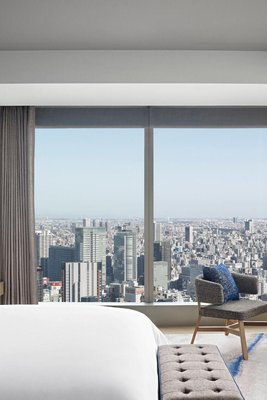
Four Seasons Hotel Tokyo at Otemachi
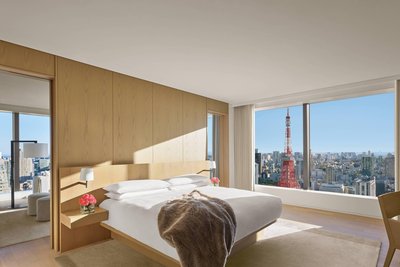
The Tokyo Edition, Toranomon
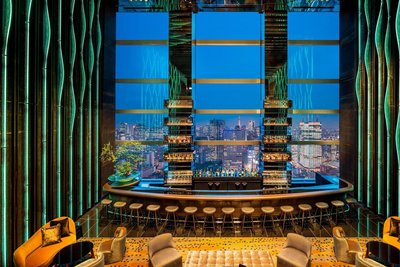
The Prince Gallery Tokyo Kioicho, a Luxury Collection Hotel
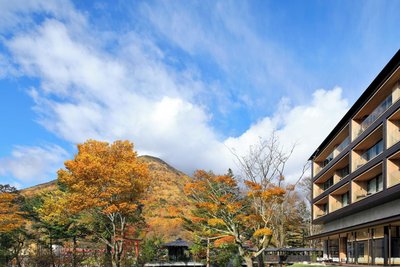
The Ritz-Carlton, Nikko
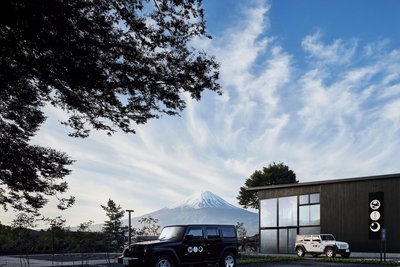
HOSHINOYA Fuji
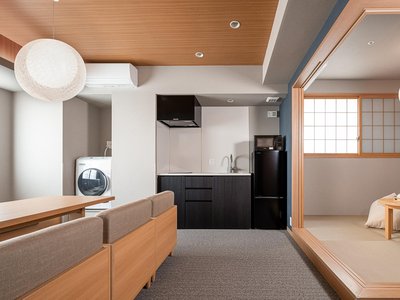
MIMARU SUITES Tokyo Asakusa
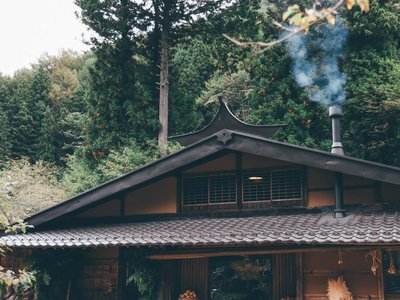
La Terra Resort

karaksa hotel colors Tokyo Yaesu
HOTEL GROOVE SHINJUKU, A PARKROYAL Hotel

EN Resort Grandeco Hotel
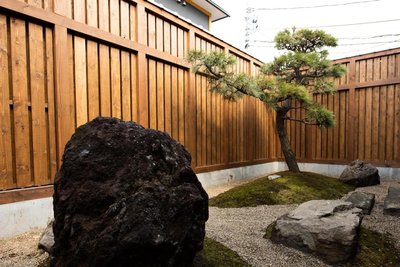
Hotel Zen-Adult Only

Awaumi Fujikawaguchiko Resort
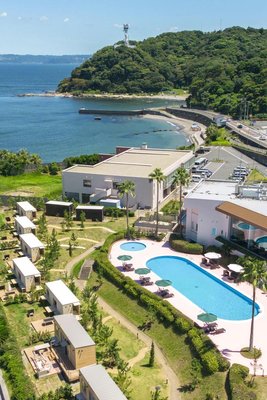
La vista Yokosuka Kannonzaki Terrace
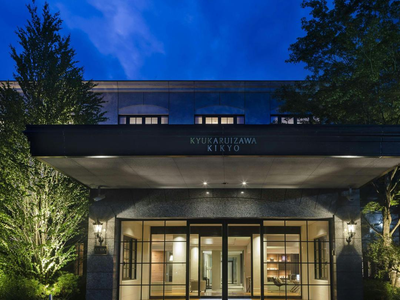
Fufu Karuizawa Wind of Sunshine
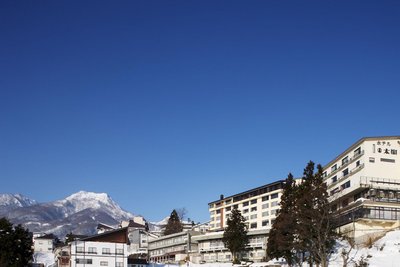
Hotel Taiko, Akakura Onsen
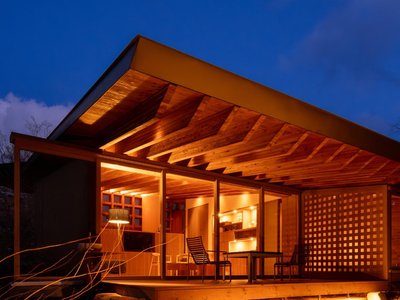
Nasu Mukunone
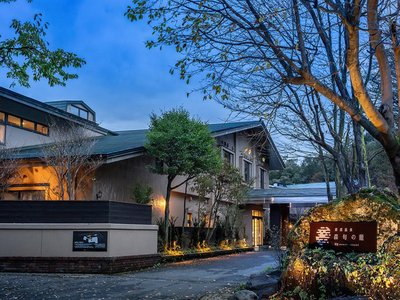
Nasu Onsen Shinshun no Kago Hewitt Resort

Scapes the Suite
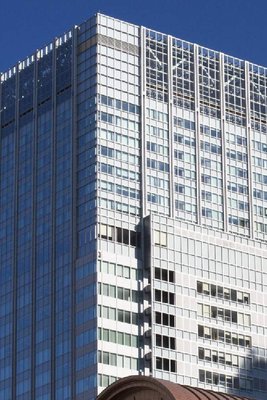
Hotel Metropolitan Tokyo Marunouchi
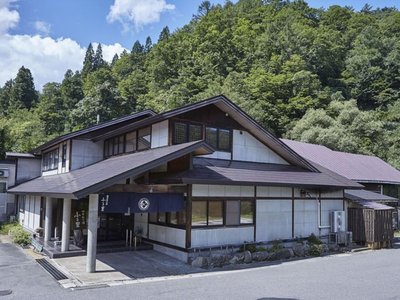
Fulsato
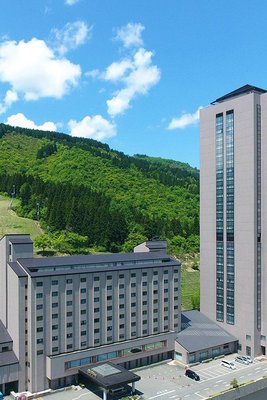
Naspa New Otani

Crowne Plaza - ANA RESORT APPI KOGEN
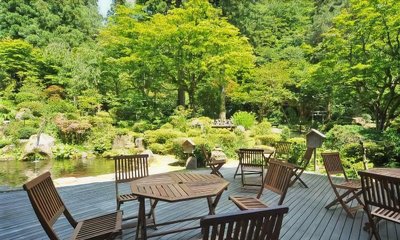
Choseikan
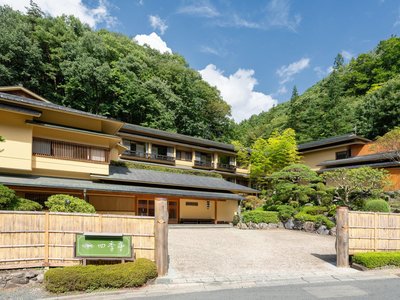
Shikitei Morioka TsunagiOnsen
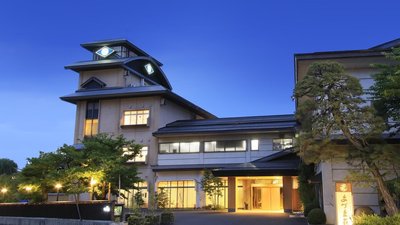
Shouhakutei Azumaso
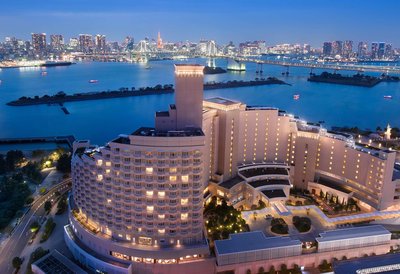
Hilton Tokyo Odaiba
JW Marriott Hotel Tokyo
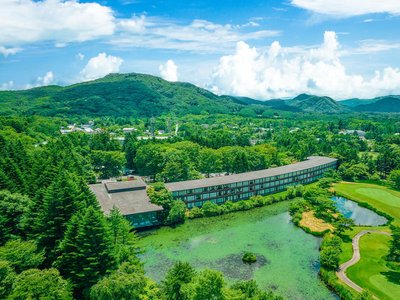
The Prince Karuizawa

The Kukuna
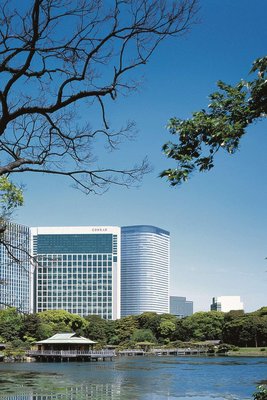
Conrad Tokyo
Hoshinoya Karuizawa
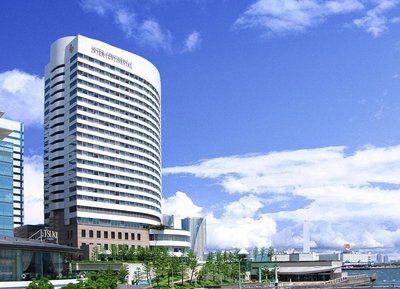
InterContinental Tokyo Bay
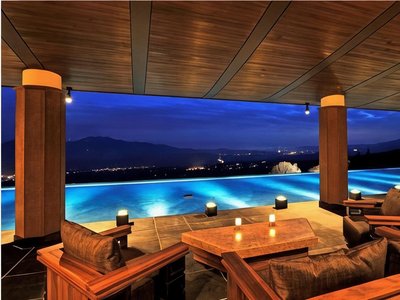
Akakura Kanko Hotel
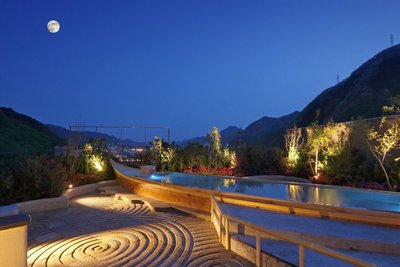
Asaya
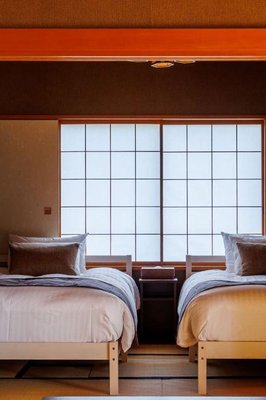
Sado Resort Hotel Azuma
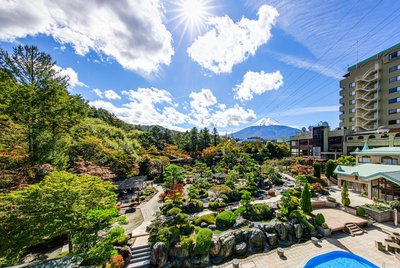
Kaneyamaen

Komatsu-Kan Kofu-Tei
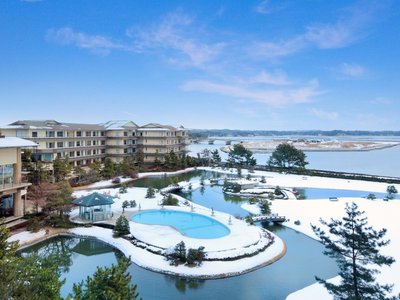
Matsushima Ichinobo
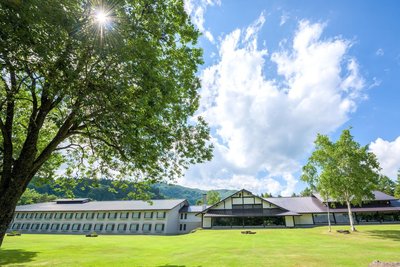
Towada Prince Hotel
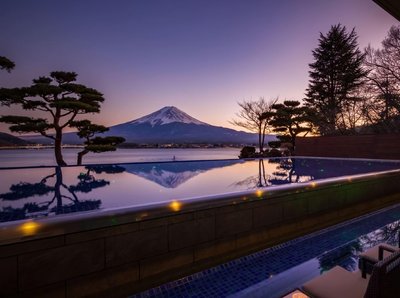
Shuhokaku Kogetsu
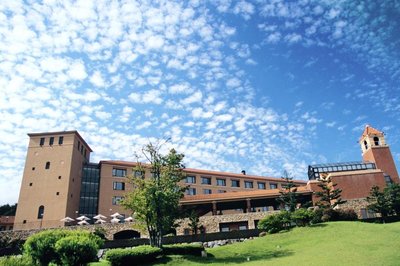
Fruit Park Fujiya Hotel
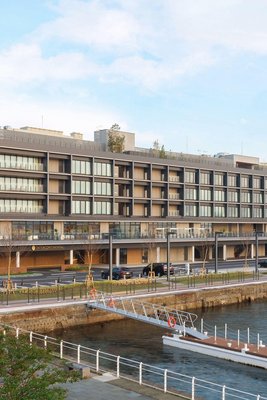
InterContinental Yokohama Pier 8
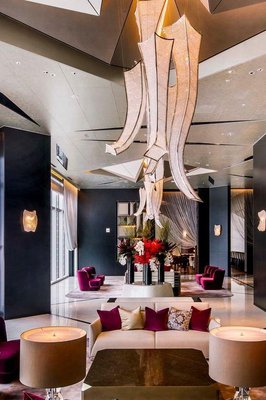
The Kahala Hotel & Resort Yokohama

Villa Fontaine Premier Haneda Airport
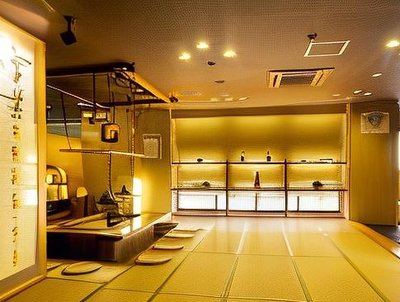
Yukimurasaki
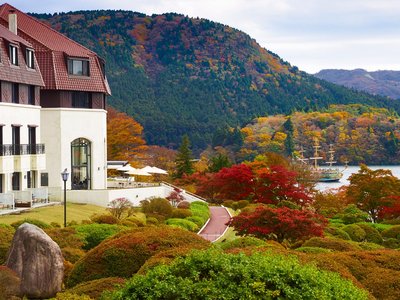
Hotakajyo
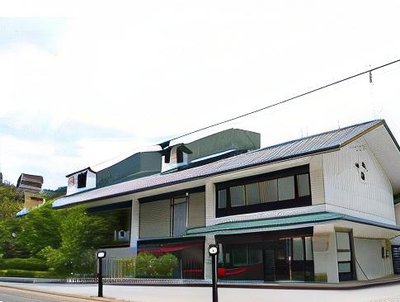
Auberge Suzukane

Onyado Nono Asakusa Bettei Hot Spring
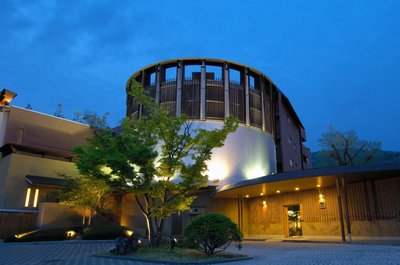
Hoshino Resorts Kai Matsumoto
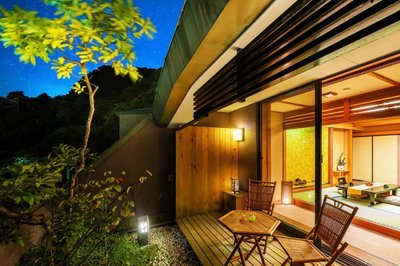
Konjakutei
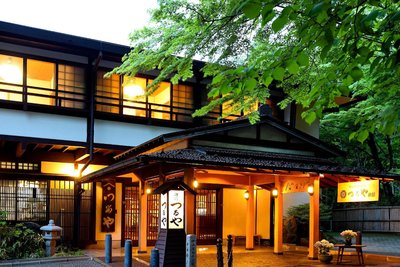
Tsuruya Ryokan
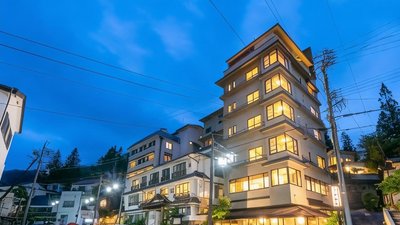
Nakamatsuya Ryokan
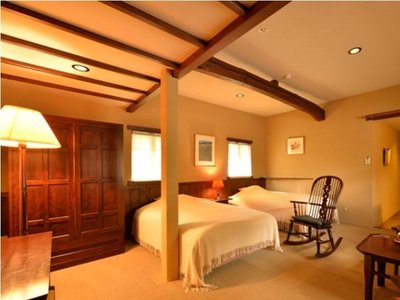
Ryokan Sugimoto
Hotel Gajoen Tokyo
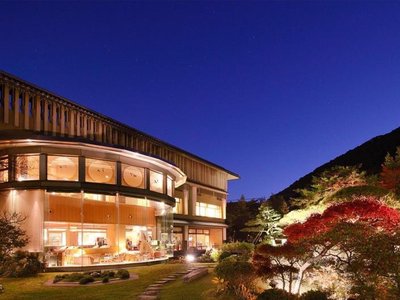
Shikisai Ichiriki
Sado Resort Hotel Azuma
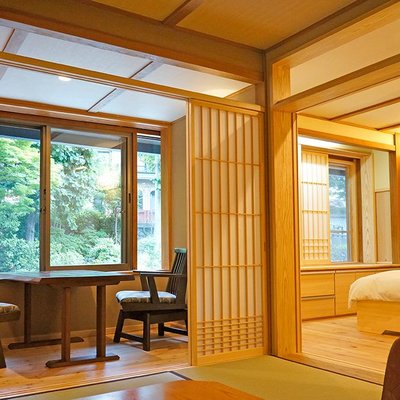
Sumiyosiya Ryokan

Naraya
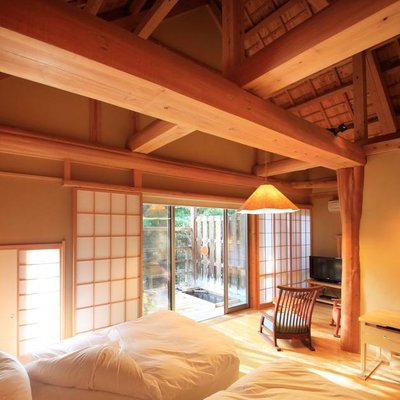
Daikon-No-Hana
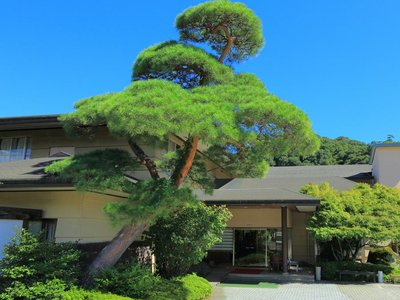
Nagatoro Choseikan Ryokan
Zao Onsen Omiya Ryokan
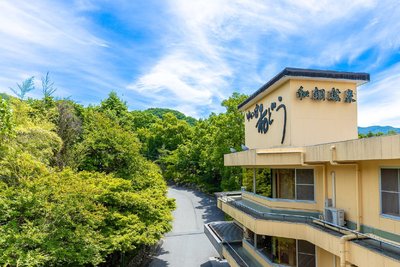
Yu No Yado Wadoh
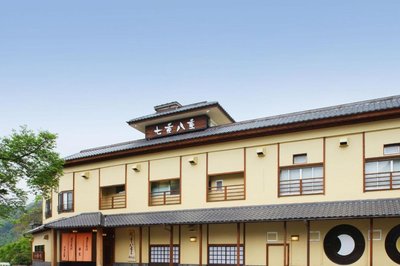
Nanaeyae

HOSHINOYA Tokyo
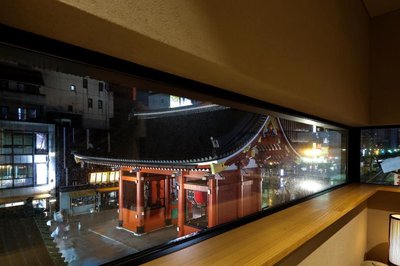
Kaminarimon Ryokan
Bellustar Tokyo, A Pan Pacific Hotel
JW Marriott Hotel Tokyo
Andaz Tokyo Toranomon Hills- A Concept by Hyatt
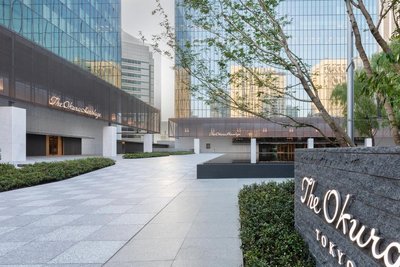
The Okura Tokyo
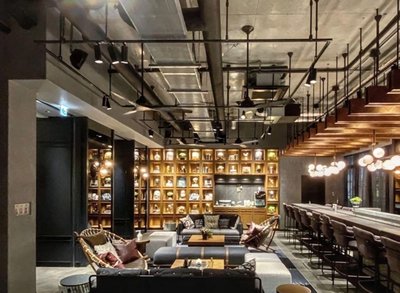
The Lively Azabujuban Tokyo
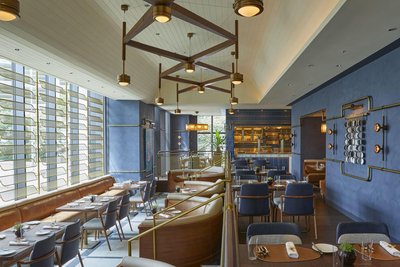
Kimpton Shinjuku Tokyo

HOTEL K5
The Prince Gallery Tokyo Kioicho, a Luxury Collection Hotel
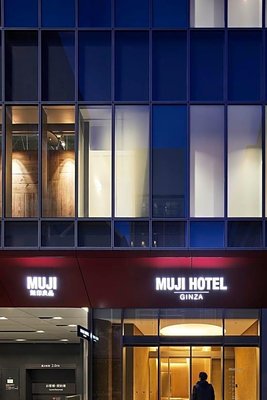
Muji Hotel Ginza
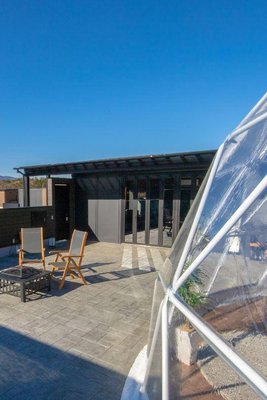
Panoramic Mt. Fuji Views from All Rooms – Vision Glamping Resort & Spa Yamanakako
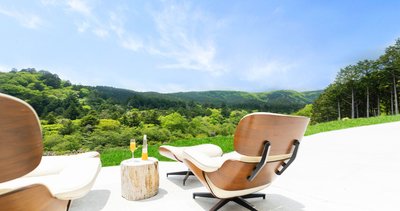
Shelter Garden Nikko
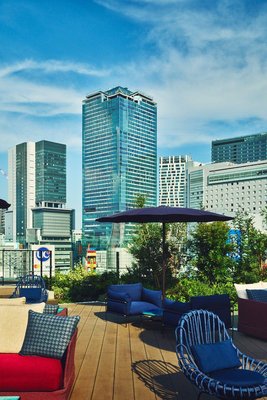
Hotel Indigo Tokyo Shibuya
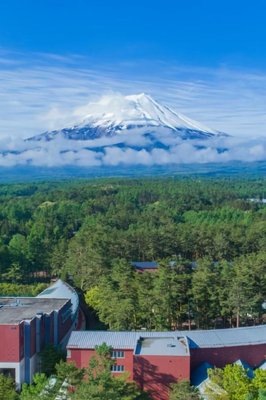
Forest Village (Fuji Premium Resort)
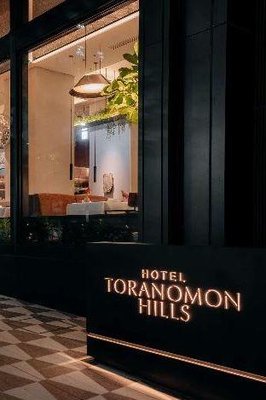
Hotel Toranomon Hills
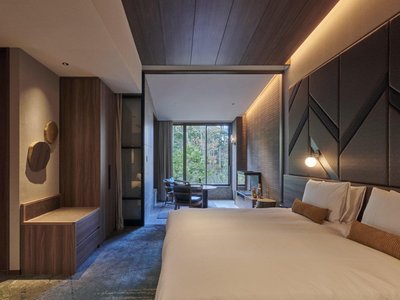
Fufu Kyu-Karuizawa Restful Forest
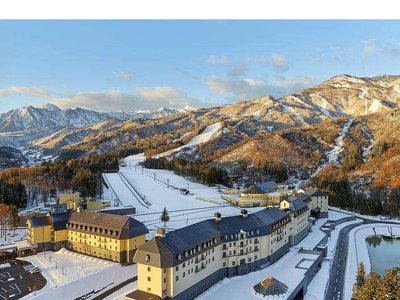
Lotte Arai Resort
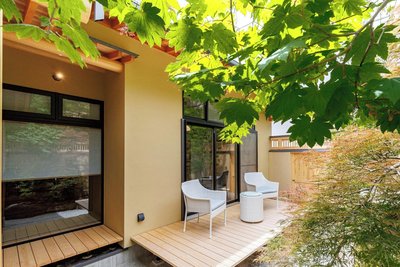
Shoraiso
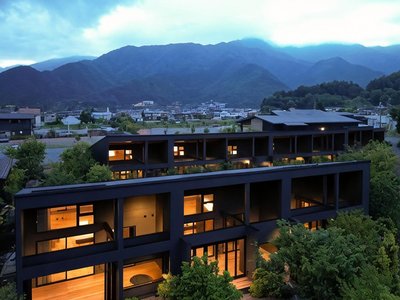
7C Villa and Winery

Hotel la Vigne Hakuba by Onko Chishin
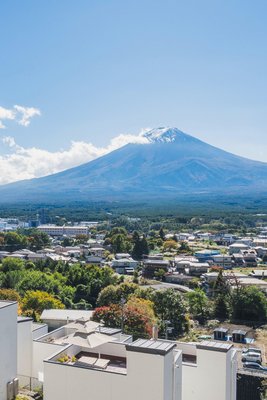
THE TOKI FujiKawaguchiko
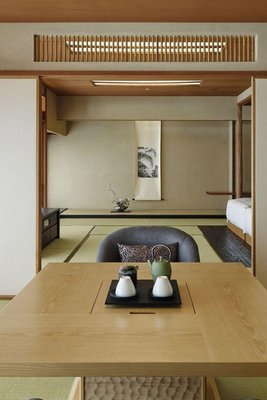
Takanawa Hanakohro (in Grand Prince Hotel Takanawa)
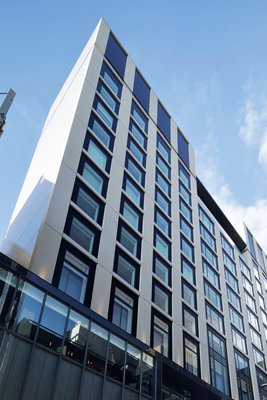
Hyatt Centric Ginza Tokyo
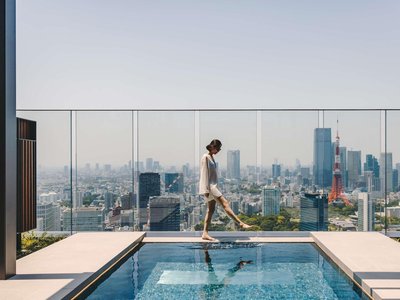
Fairmont Tokyo
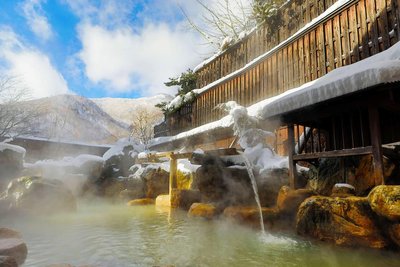
Miyamaouanbekkan yumegurinoyado hirayukan
The Prince Karuizawa
Conrad Tokyo
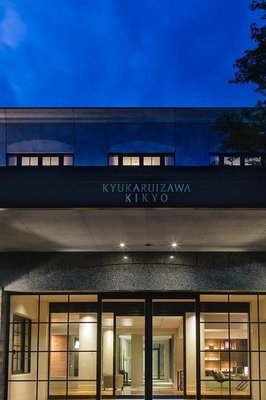
Kyukaruizawa Kikyo, Curio Collection by Hilton
Asaya
Kaneyamaen
Bvlgari Hotel Tokyo
Four Seasons Hotel Tokyo at Marunouchi
Mandarin Oriental, Tokyo
The Ritz-Carlton, Tokyo
Andaz Tokyo Toranomon Hills- A Concept by Hyatt

Hotel New Otani Tokyo the Main
Aman Tokyo
Four Seasons Hotel Tokyo at Otemachi
The Tokyo Edition, Toranomon
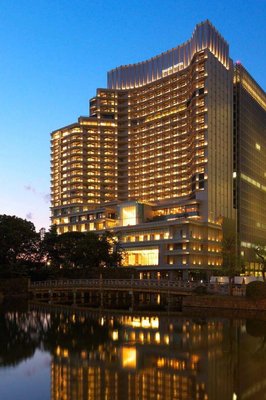
Palace Hotel Tokyo
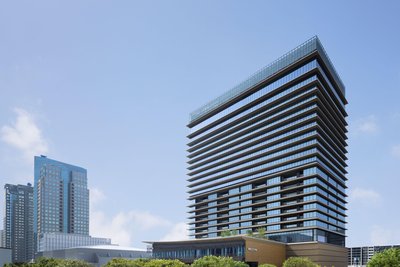
The Westin Yokohama
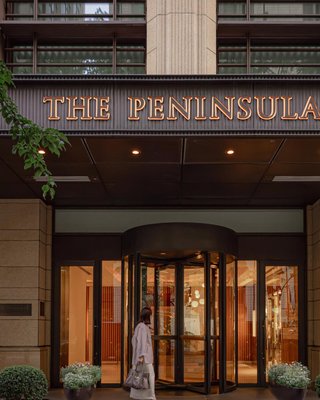
The Peninsula Tokyo

Imperial Hotel, Tokyo

Rakuten STAY VILLA Nasu
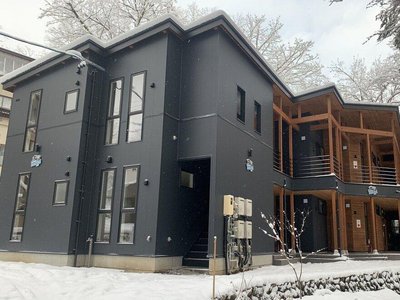
Hakuba Gondola Apartments
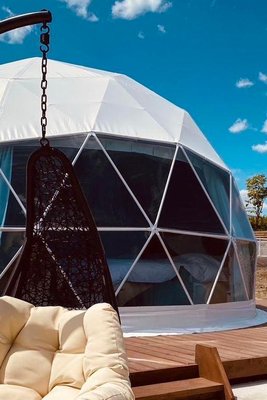
chillout glamping zao

Phoenix Chalets by Hhg
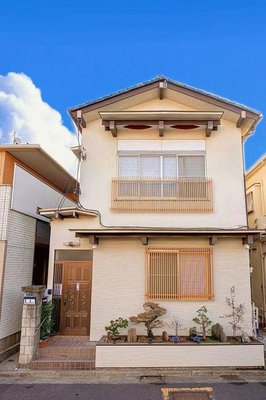
Tokyo Star House-Shinkoiwa
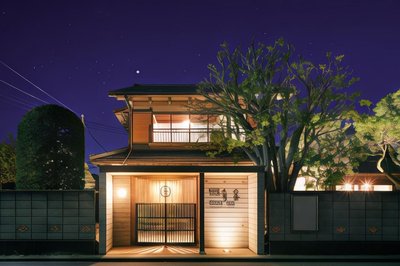
Machi-Jyu
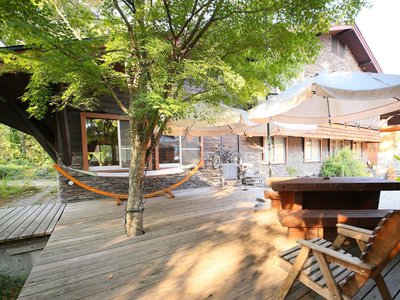
Kunugi Relaxation with 4 Modern Rooms
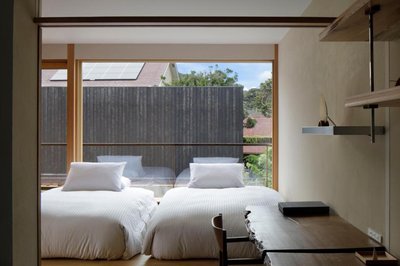
Modern Ryokan Kishi-ke

Petals Tokyo - Floating Hotel

The Flow Kamakura
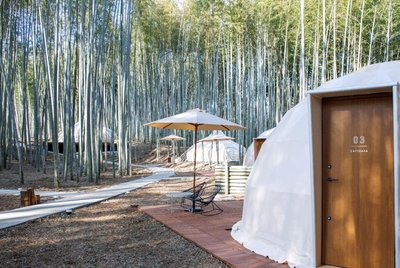
THE BAMBOO FOREST
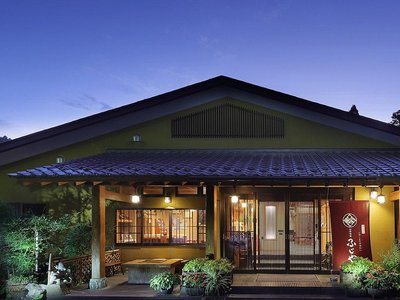
Shikimitei Fujiya
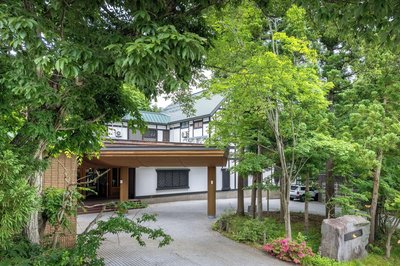
Forest Resort Yamanote Hotel

Hotel Barrière Fouquet's New York
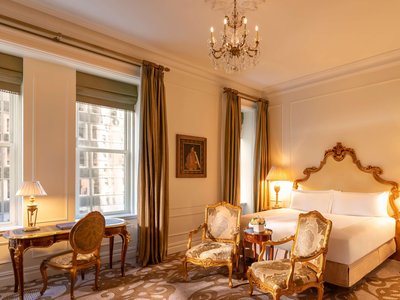
The Plaza - A Fairmont Managed Hotel
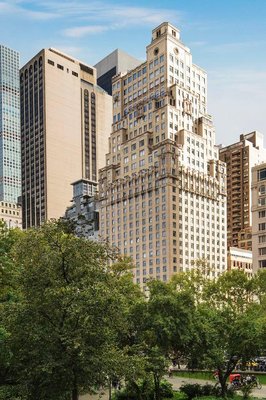
The Ritz-Carlton New York, Central Park
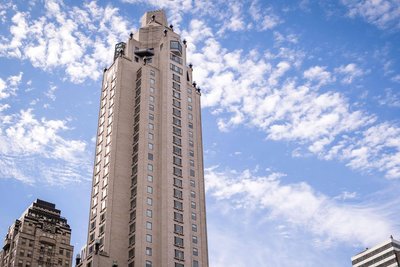
Four Seasons Hotel New York
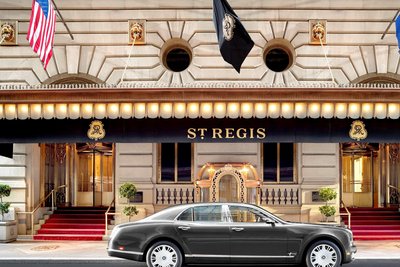
The St. Regis New York
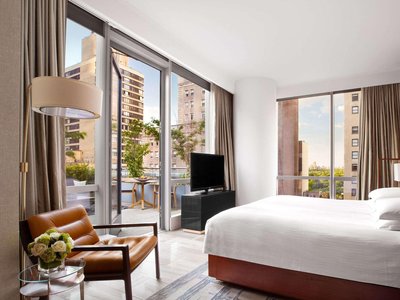
Park Hyatt New York
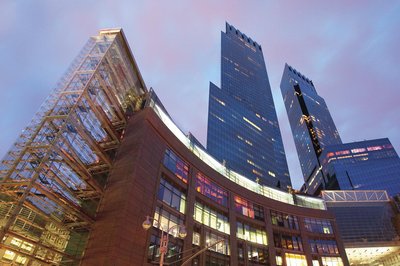
Mandarin Oriental New York

Times Square Edition New York

Loews Regency New York Hotel

Lowell Hotel
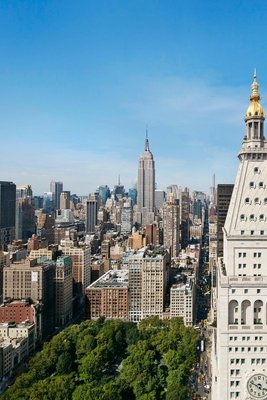
New York Edition
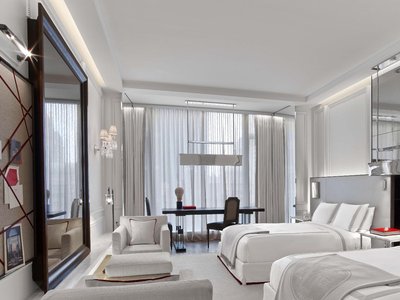
Baccarat Hotel New York

Equinox Hotel New York

Four Seasons Hotel New York Downtown
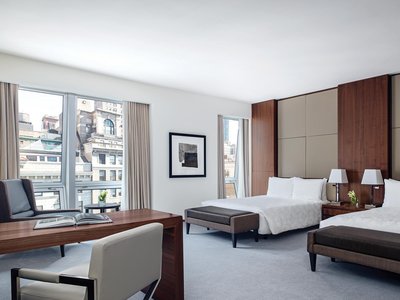
The Langham, New York, Fifth Avenue

The Carlyle, A Rosewood Hotel

The Chatwal, in the Unbound Collection by Hyatt

The Mark New York
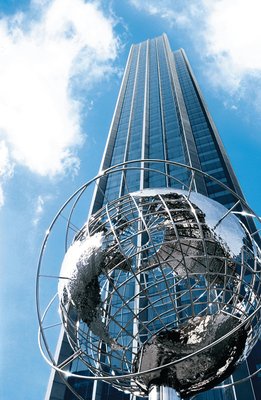
Trump International Hotel & Tower® New York
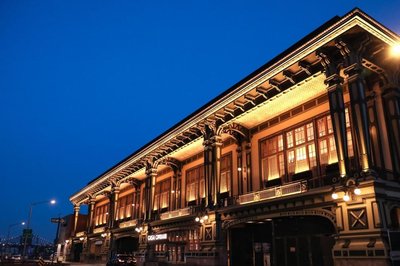
Casa Cipriani New York
Frequently Asked Questions about Traveling to Yonezawa
Questions You Might Need to Know About Traveling to Yonezawa
In Yonezawa City, the best choice for traditional Japanese charm is Yonezawa Castle Town Inn, located just steps from the historic Yonezawa Castle Ruins. This boutique ryokan blends Edo-period architecture with modern comfort, featuring wooden beams, tatami rooms, and a serene garden view. Guests can borrow kimonos for free and enjoy authentic local cuisine, including Yonezawa beef. The inn also hosts seasonal events like the Snow Lantern Festival walkways. For another option, Yonezawa Shiki Hotel offers elegant rooms near Daiso Temple and Yonezawa Museum, plus an on-site hot spring bath perfect for relaxation after exploring the city’s cultural sites.
Both properties provide immersive experiences into Yamagata’s heritage, making them ideal for travelers seeking authenticity and tranquility.
The Castle Town Center District is ideal for first-time visitors to Yonezawa City. Located right beside the Yonezawa Castle Ruins and Daiso Temple, it offers easy access to major attractions, historical streets, and local restaurants. This area preserves Edo-era architecture with narrow alleys, wooden storefronts, and lantern-lit pathways. Stay at Yonezawa Castle Town Inn or Yonezawa Shiki Hotel, both offering warm hospitality and family-friendly amenities. With nearby markets, tea houses, and seasonal festivals like the Snow Lantern Festival, this district combines convenience, culture, and charm—perfect for those wanting to experience the heart of old Japan without leaving the city center.
In Yonezawa City, you can immerse yourself in several unique cultural experiences. Visit Daiso Temple, a centuries-old Buddhist site housing the famous statue of Uesugi Kenshin, and explore its treasure hall filled with historical artifacts. Participate in the Yonezawa Beef Tasting Workshop, where chefs demonstrate how to grill and savor premium wagyu, paired with local sake. Attend the Yonezawa Flower Festival in spring for traditional dance performances, flower parades, and illuminated night walks. During winter, join the Snow Lantern Festival, where thousands of handcrafted paper lanterns light up the castle grounds, creating a magical atmosphere. Additionally, guided walking tours through the Castle Town District reveal hidden stories of samurai families and merchant life, offering deep insights into the city’s rich legacy.
Must-try dishes in Yonezawa City include Yonezawa Beef, a high-grade Wagyu known for its marbled texture and rich flavor—best enjoyed as grilled steak or in a sukiyaki at Yonezawa Beef Honke or Gion Tei. Try Yonezawa Tofu, made with pure mountain water, served fresh in soups or cold salads at Old-Town Tofu Shop. Don’t miss Yonezawa Sake, especially the limited-edition Yuki no Oto series, available at local breweries. For a hands-on experience, visit the Yonezawa Central Market to buy seasonal produce, pickled vegetables, and artisanal snacks. You can even take a cooking class to learn how to prepare local recipes using regional ingredients—perfect for food lovers seeking authentic taste and tradition.
Yes, Yonezawa City is highly suitable for family travel. The city offers child-friendly attractions such as the Yonezawa Museum, which features interactive exhibits on samurai history and Edo-period life. Yonezawa Castle Park has open green spaces, playgrounds, and picnic areas, ideal for kids to run around. Seasonal events like the Flower Festival and Snow Lantern Festival include special workshops for children—such as lantern-making and traditional crafts. Many hotels, like Yonezawa Castle Town Inn, offer family rooms and baby cots. Public transportation is reliable, and electric-assist bicycles are available for rent, allowing families to explore safely. With clean streets, low crime rates, and welcoming locals, Yonezawa provides a safe, enriching environment for multi-generational trips.
Public transportation in Yonezawa City is very convenient. The Tōhoku Main Line connects Yonezawa Station to major cities like Tokyo (approx. 2.5 hours) and Sendai (1.5 hours). Local buses serve key attractions including Yonezawa Castle Ruins, Daiso Temple, and Yonezawa Museum, with affordable fares and frequent departures. For tourists, shared ride services are available upon reservation, especially useful for elderly or disabled travelers. Electric-assist bikes are rented throughout the city, perfect for cycling along scenic river paths or exploring rural areas. From airports, travelers can take a bus to Shinjō Station and transfer to trains, with total travel time under 3 hours. Overall, the transit system supports independent exploration, making it easy for visitors to navigate the city efficiently.
Yonezawa City holds a distinctive place in Japanese history as the former stronghold of the Uesugi Clan, one of the most powerful daimyo families during the Sengoku period. Though only remnants of Yonezawa Castle remain today—the stone walls and foundation stones—its layout still reflects the original feudal design. The city preserved its castle town structure, with well-maintained Edo-era streets like Senbon-dori and Gonokomachi, where wooden homes and shopfronts evoke past grandeur. Daiso Temple, the clan’s ancestral temple, houses rare artifacts, including the iconic Uesugi Kenshin statue. Annual events like the Yonezawa Castle Festival reenact historical ceremonies, while guided walks reveal tales of samurai loyalty, trade routes, and wartime strategies. This deep-rooted heritage sets Yonezawa apart as a living museum of Japan’s feudal era.
Near Yonezawa City, nature lovers can enjoy Asahi Mountain Range and the Mikawa River Valley, perfect for hiking, birdwatching, and scenic drives. In spring, Yonezawa Castle Park transforms into a breathtaking cherry blossom tunnel along the riverbanks—known as the Cherry Blossom Avenue. During winter, the Snow Lantern Festival illuminates the castle ruins with thousands of glowing paper lanterns, creating a surreal, snowy landscape. For panoramic views, head to Hachimantai Plateau, accessible via cable car, where you can see rolling mountains and misty valleys. Several hotels, like Yonezawa Shiki Hotel, feature outdoor onsen baths overlooking forested hills. Whether hiking, cycling, or simply soaking in the scenery, the region offers peaceful retreats amid pristine nature.
For authentic souvenirs in Yonezawa City, visit Yonezawa Central Market for fresh Yonezawa beef slices, handmade Yonezawa tofu jerky, and locally made pickles. Explore Castle Town Shopping Street, home to century-old shops like Sato Wagashiya, selling traditional sweets such as Yonezawa Ginko and Snow Moon Cake. Purchase limited-edition Yonezawa Sake bottles, especially the Yuki no Oto Special Edition, at the brewery’s gift shop. For crafts, stop by Yonezawa Lacquerware Workshops, where artisans demonstrate traditional techniques and sell functional items like bowls and trays. Some ryokans also carry exclusive merchandise—like silk scarves printed with Yonezawa Castle motifs or commemorative postcards. These purchases not only support local artisans but also bring home tangible memories of your journey.
Yonezawa City hosts several vibrant festivals annually. The Yonezawa Flower Festival in spring features cherry blossom parades, traditional dance performances, and evening illumination along the castle park. The highlight is the Snow Lantern Festival, held in winter, when over 10,000 paper lanterns line the ancient castle walls, accompanied by taiko drumming and kimono-wearing performers. The Yonezawa Castle Festival in October reenacts Edo-period rituals, including warrior processions, archery contests, and street markets. During winter, the Yonezawa Beef Festival celebrates the city’s renowned wagyu, with live grilling demos, tasting booths, and chef competitions. These events reflect deep community pride and offer travelers immersive cultural experiences—from music and food to costume and storytelling—making each festival a unique celebration of local identity.
Yonezawa Overview
City Summary
Yonezawa City, located in the southeastern part of Yamagata Prefecture, Japan, is known for its rich history and natural beauty. It is famous for the historical legacy of Uesugi Kenshin and its premium Yonezawa beef. The distinct four seasons, especially the snowy winters and lush summers, make it a year-round travel destination.
Must-See Attractions
Key attractions in Yonezawa include the Uesugi Family Mausoleum, a historic site with a solemn atmosphere; Yonezawa Castle Ruins Park, especially beautiful during cherry blossom season; and the Uesugi Museum, which showcases the history and culture of the Uesugi clan. Additionally, Matsugasaki Park and Aka-yu Hot Springs are must-visit spots.
Food Guide
Yonezawa is renowned for its Yonezawa beef, a high-quality Wagyu known for its tenderness. Recommended dishes include shabu-shabu and sukiyaki. Street food like Yonezawa ramen and soy sauce dumplings are also worth trying. Traditional Japanese sweets such as Yonezawa manju are popular among locals.
Transportation Guide
Public transportation in Yonezawa mainly relies on buses and trains. The JR Ou Main Line connects Yonezawa with nearby cities, while local buses provide access to major attractions. Consider purchasing a one-day bus pass for cost savings. Renting a car is another good option, especially for visiting suburban areas.
Best Time to Visit
The best times to visit are spring (April to May) and autumn (September to November), when the weather is pleasant and the scenery is stunning. Winter (December to February) is ideal for skiing and hot spring enthusiasts, but be prepared for cold temperatures.
Travel Tips
- Respect local customs and maintain quietness when visiting temples.
- Prepare warm clothing and non-slip shoes for winter travel.
- Make reservations in advance for Yonezawa beef restaurants.
- Check public transportation schedules carefully.
- Learning basic Japanese phrases can improve communication.
- Cash is still widely used, so carry enough yen.
Useful Information
The official language in Yonezawa is Japanese, with limited English proficiency, so a translation app is recommended. WiFi coverage is limited; consider purchasing a local SIM card. Cash is the primary payment method, though some shops accept credit cards. For emergencies, dial 110 (police) or 119 (ambulance). Pharmacies and hospitals are well-equipped, but bringing personal medications is advisable.