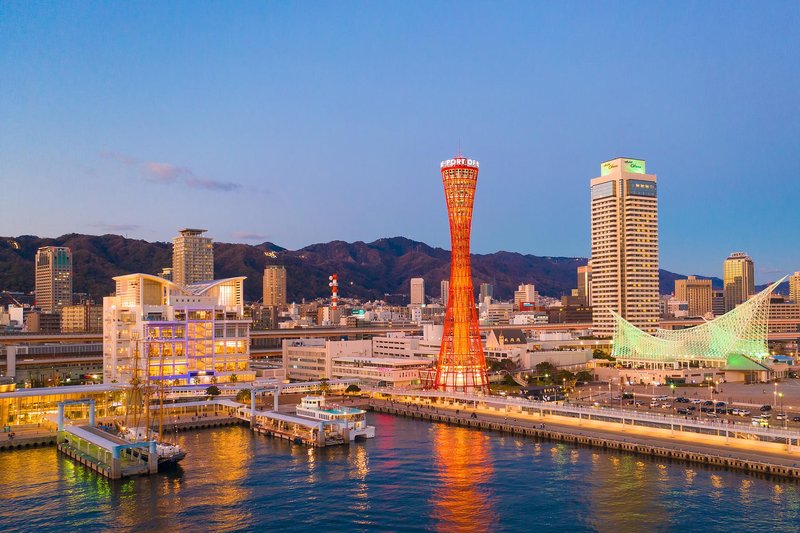
Hotels in Yonezawa
Discover your perfect stay in Yonezawa.
Yonezawa(Japan) Travel 2026: Cheap Flights, Hotels & Top Attractions
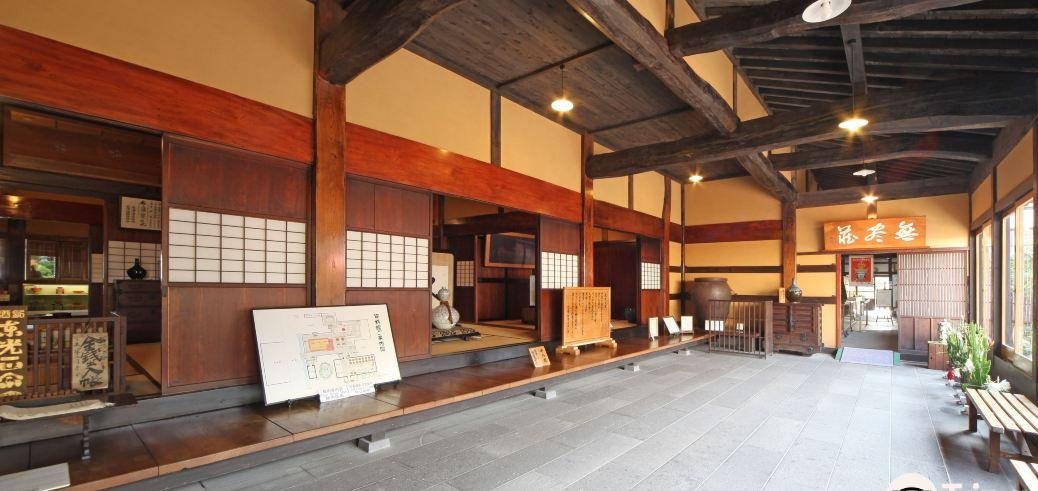
Popular Landmarks in Yonezawa
Discover the most iconic attractions in Yonezawa
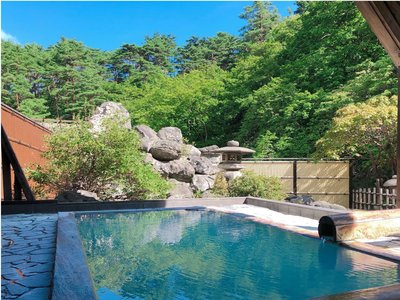
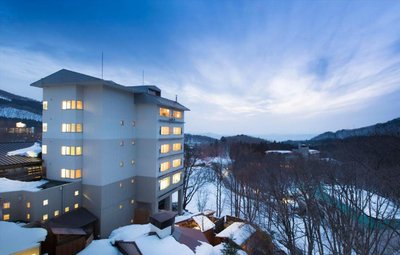
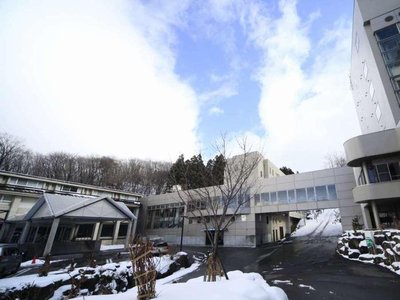
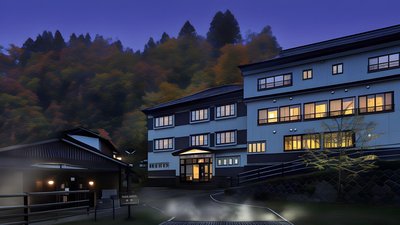
Recommended Hotels in Yonezawa
Find the perfect place to stay in Yonezawa
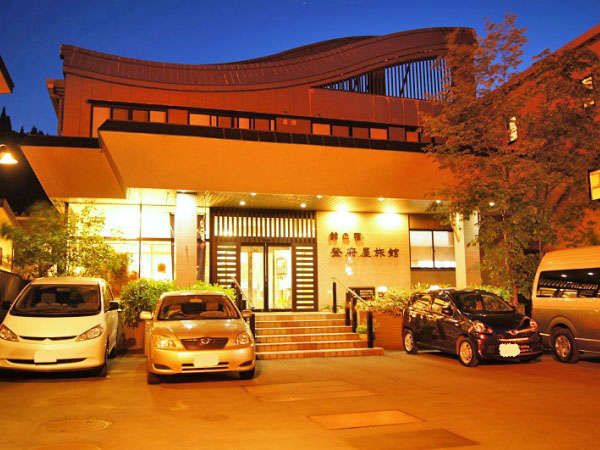
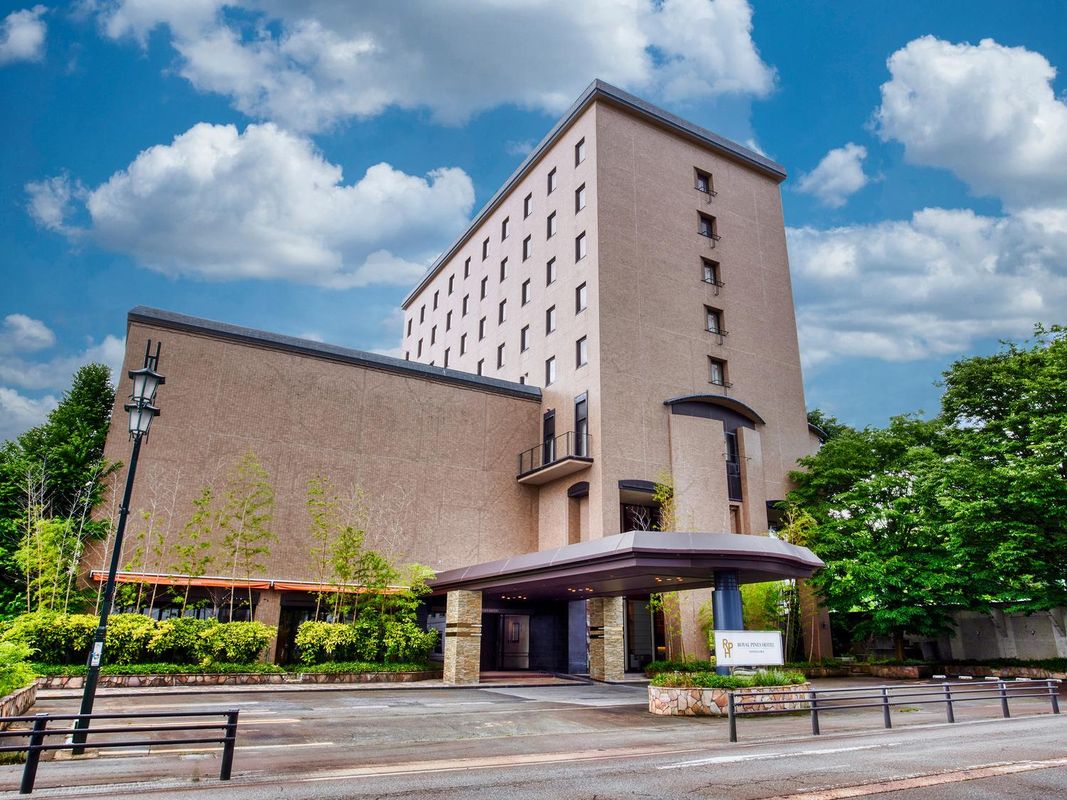
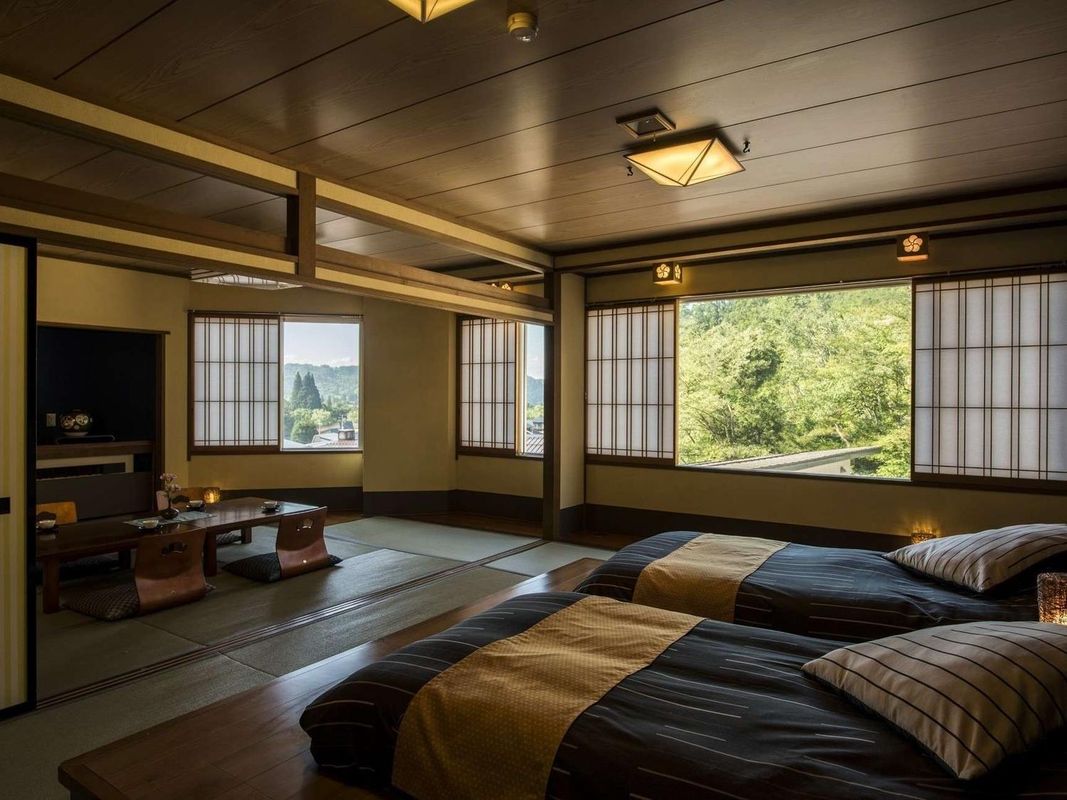
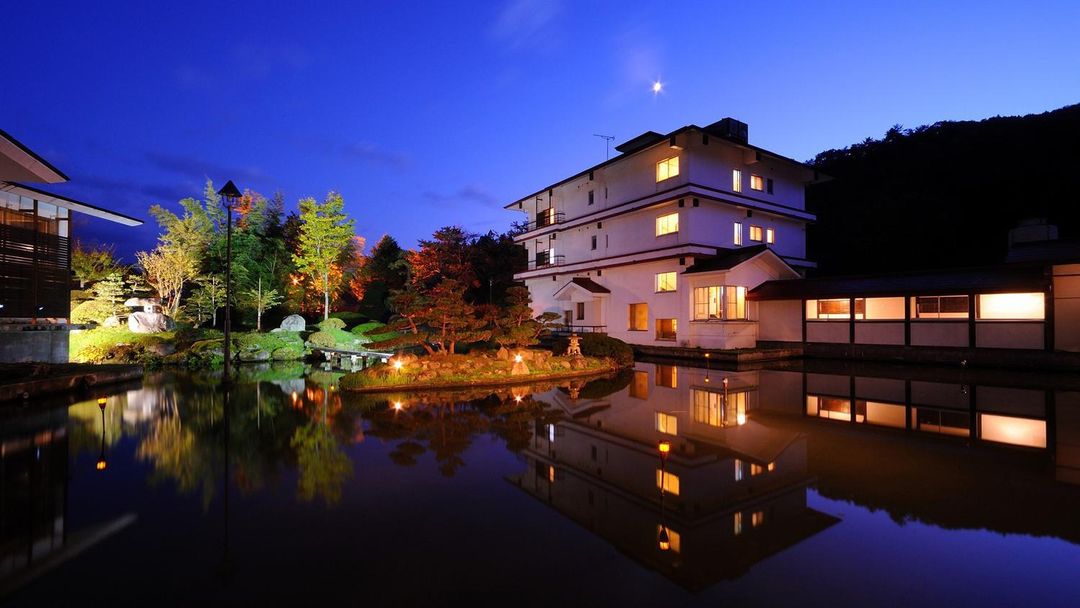
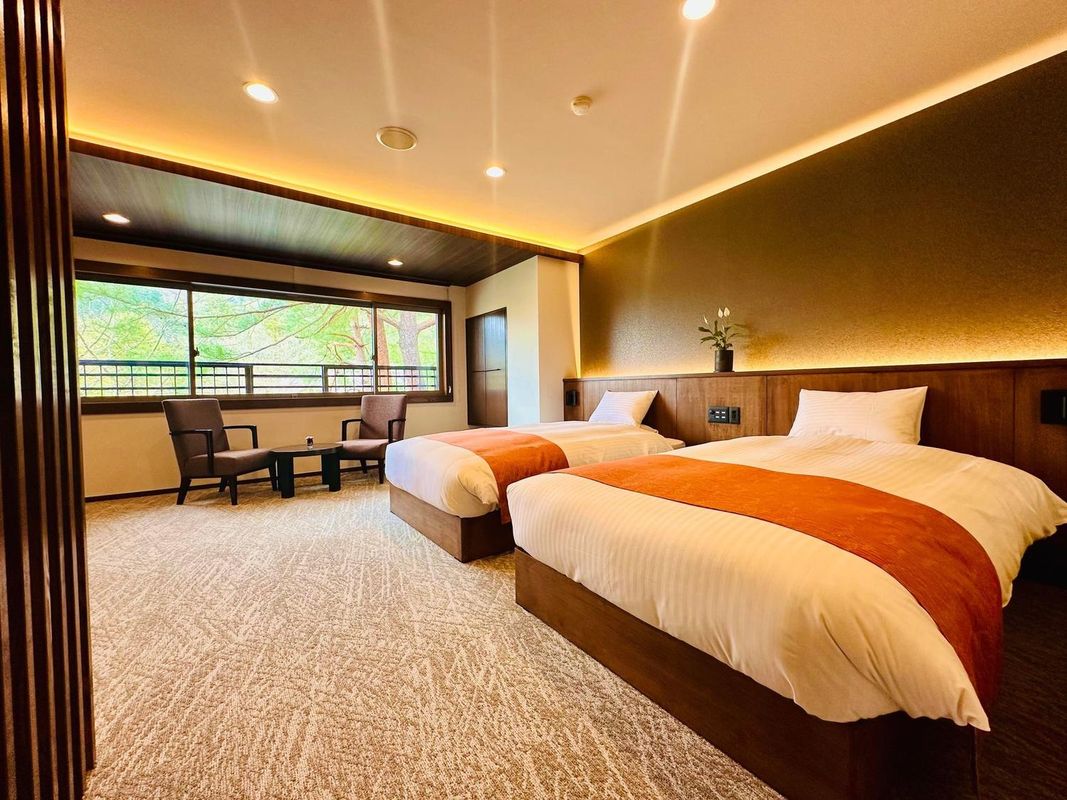
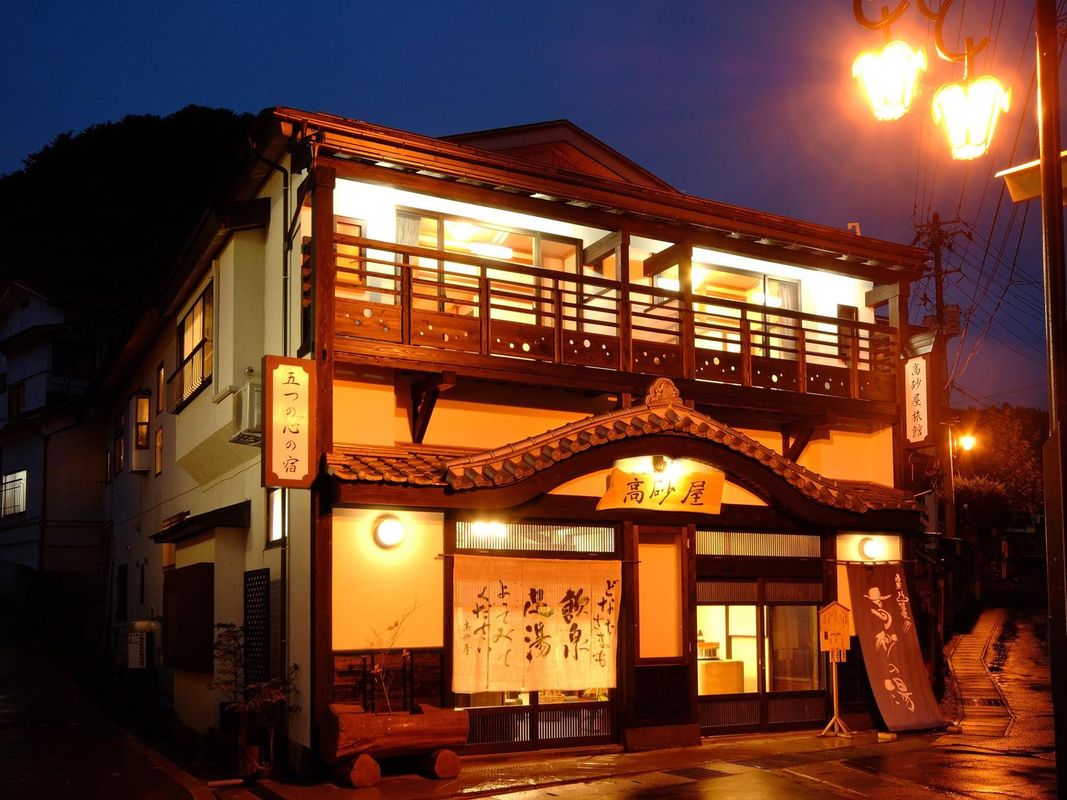
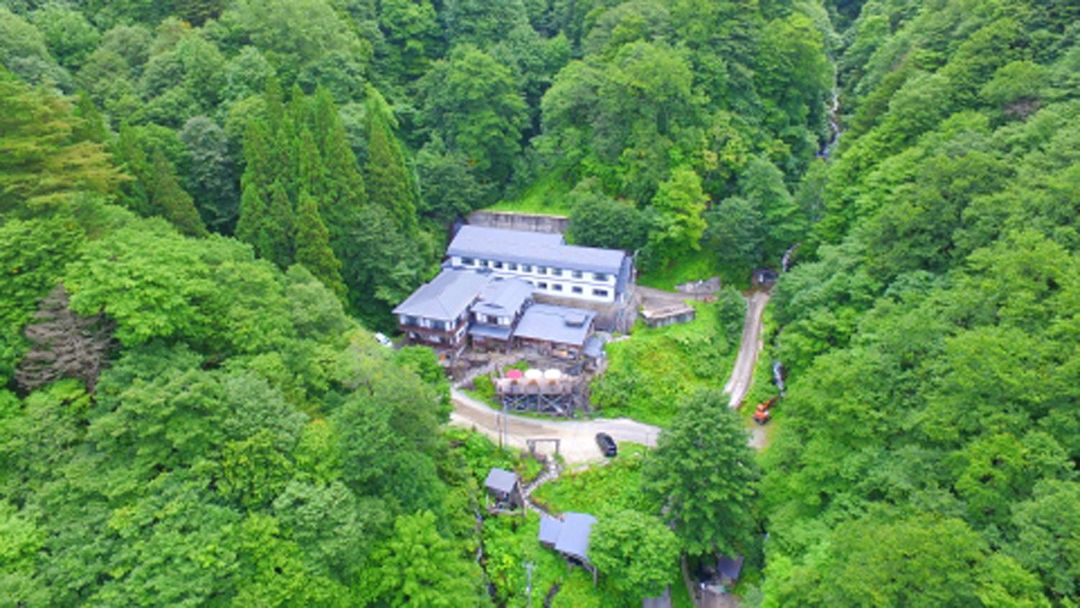
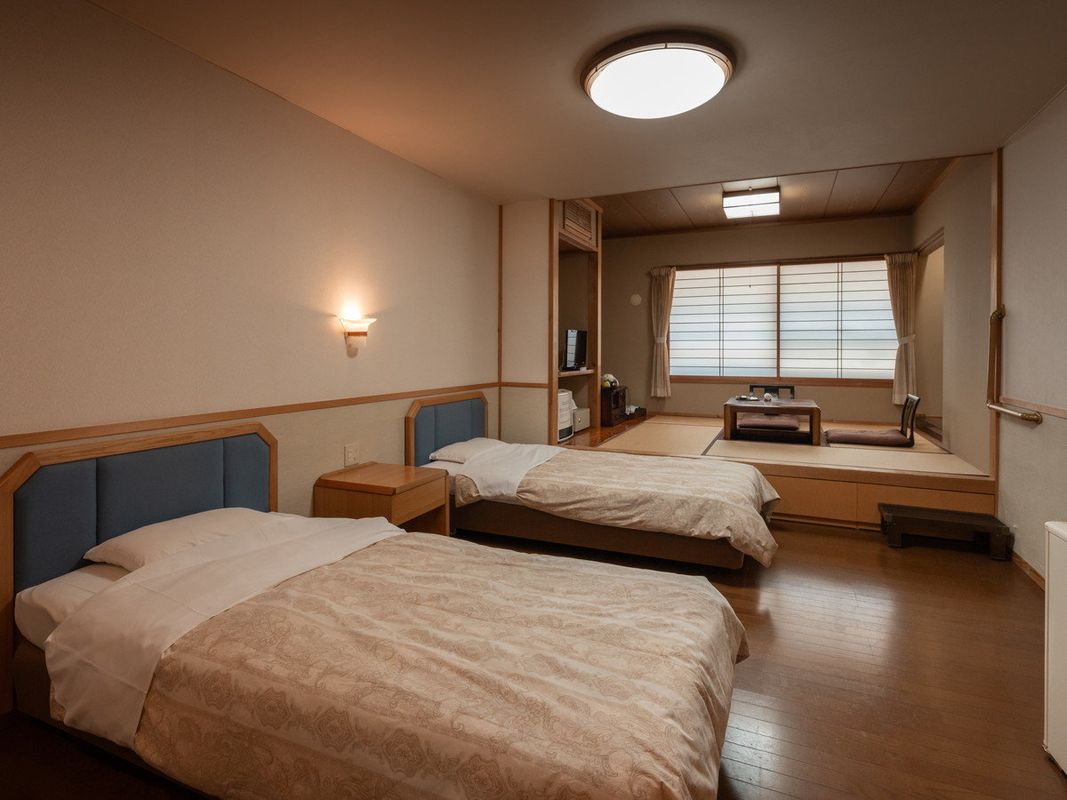
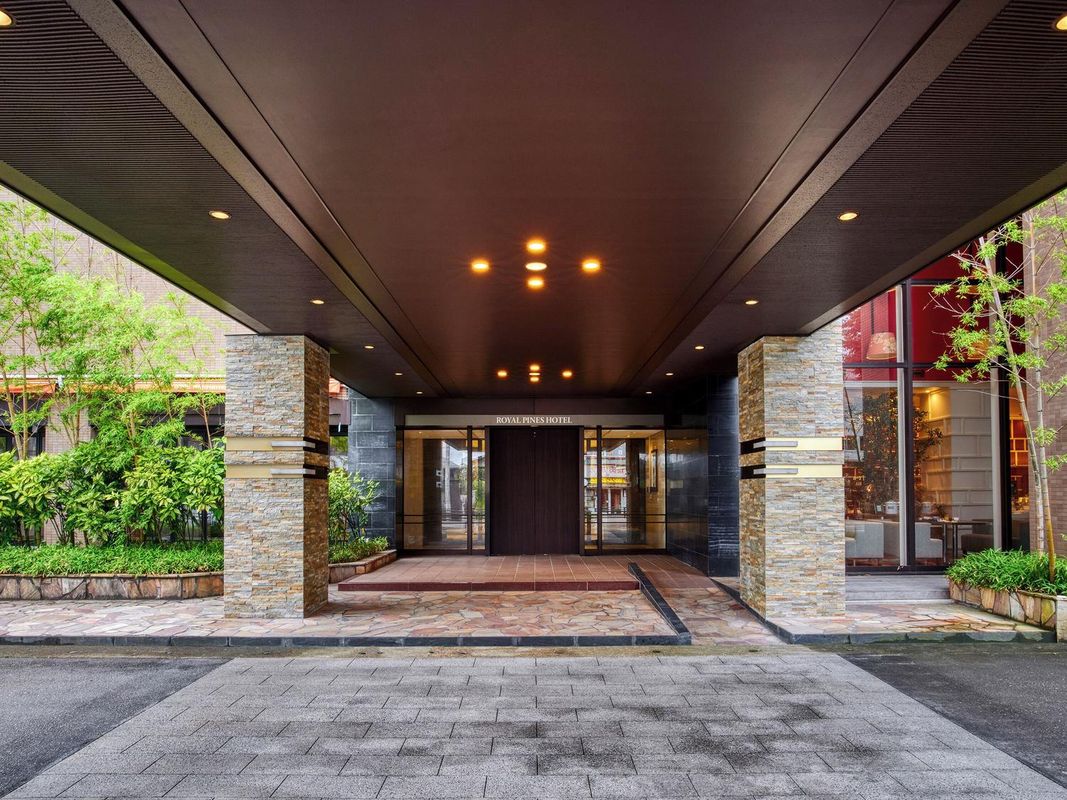
Best Hotels in Yonezawa
Discover curated hotel collections in Yonezawa













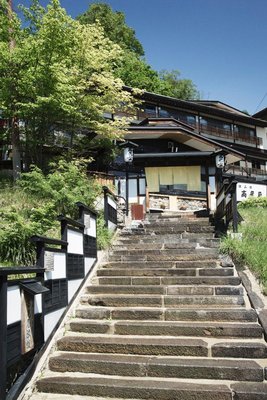
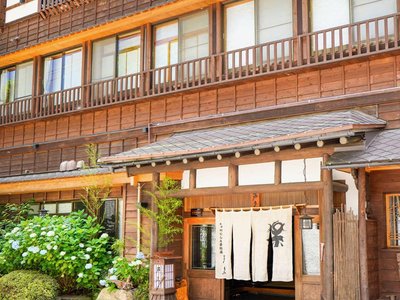

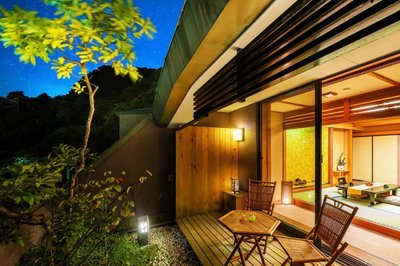
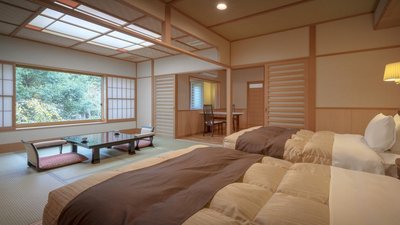









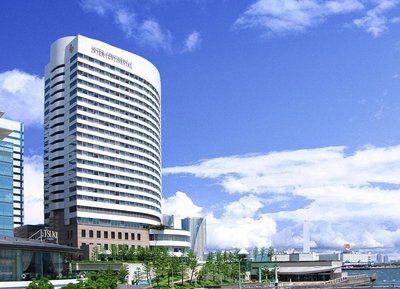

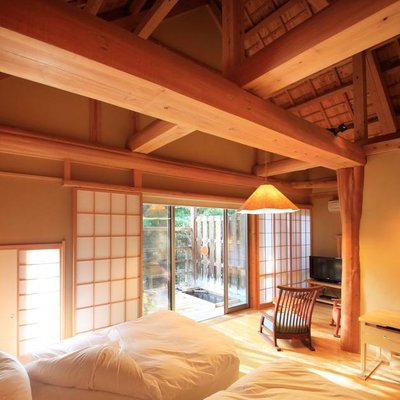
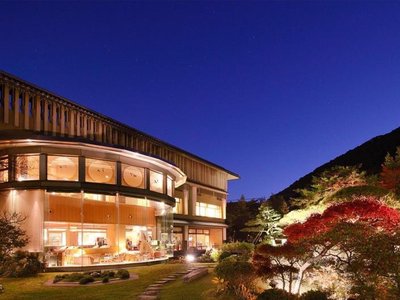

















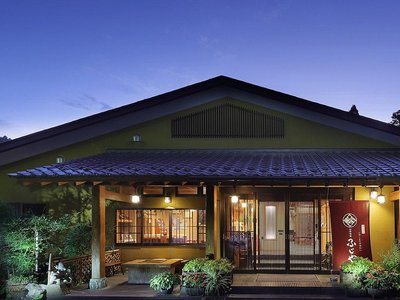
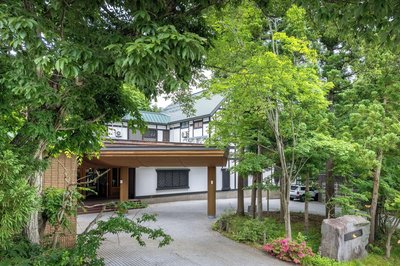


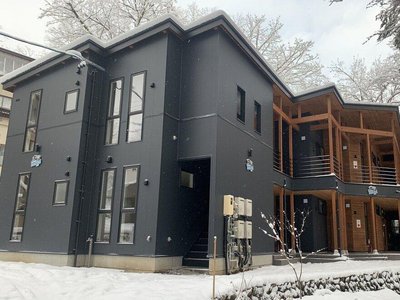
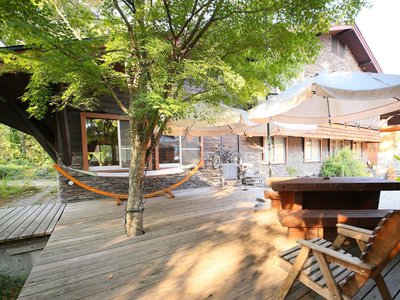
















Frequently Asked Questions about Traveling to Yonezawa
Questions You Might Need to Know About Traveling to Yonezawa
Yonezawa Overview
City Summary
Yonezawa City, located in the southeastern part of Yamagata Prefecture, Japan, is known for its rich history and natural beauty. It is famous for the historical legacy of Uesugi Kenshin and its premium Yonezawa beef. The distinct four seasons, especially the snowy winters and lush summers, make it a year-round travel destination.
Must-See Attractions
Key attractions in Yonezawa include the Uesugi Family Mausoleum, a historic site with a solemn atmosphere; Yonezawa Castle Ruins Park, especially beautiful during cherry blossom season; and the Uesugi Museum, which showcases the history and culture of the Uesugi clan. Additionally, Matsugasaki Park and Aka-yu Hot Springs are must-visit spots.
Food Guide
Yonezawa is renowned for its Yonezawa beef, a high-quality Wagyu known for its tenderness. Recommended dishes include shabu-shabu and sukiyaki. Street food like Yonezawa ramen and soy sauce dumplings are also worth trying. Traditional Japanese sweets such as Yonezawa manju are popular among locals.
Transportation Guide
Public transportation in Yonezawa mainly relies on buses and trains. The JR Ou Main Line connects Yonezawa with nearby cities, while local buses provide access to major attractions. Consider purchasing a one-day bus pass for cost savings. Renting a car is another good option, especially for visiting suburban areas.
Best Time to Visit
The best times to visit are spring (April to May) and autumn (September to November), when the weather is pleasant and the scenery is stunning. Winter (December to February) is ideal for skiing and hot spring enthusiasts, but be prepared for cold temperatures.
Travel Tips
- Respect local customs and maintain quietness when visiting temples.
- Prepare warm clothing and non-slip shoes for winter travel.
- Make reservations in advance for Yonezawa beef restaurants.
- Check public transportation schedules carefully.
- Learning basic Japanese phrases can improve communication.
- Cash is still widely used, so carry enough yen.
Useful Information
The official language in Yonezawa is Japanese, with limited English proficiency, so a translation app is recommended. WiFi coverage is limited; consider purchasing a local SIM card. Cash is the primary payment method, though some shops accept credit cards. For emergencies, dial 110 (police) or 119 (ambulance). Pharmacies and hospitals are well-equipped, but bringing personal medications is advisable.