Hotels in Yorii
Discover your perfect stay in Yorii.
Yorii(Japan) Travel 2026: Cheap Flights, Hotels & Top Attractions
Popular Landmarks in Yorii
Discover the most iconic attractions in Yorii
Recommended Hotels in Yorii
Find the perfect place to stay in Yorii
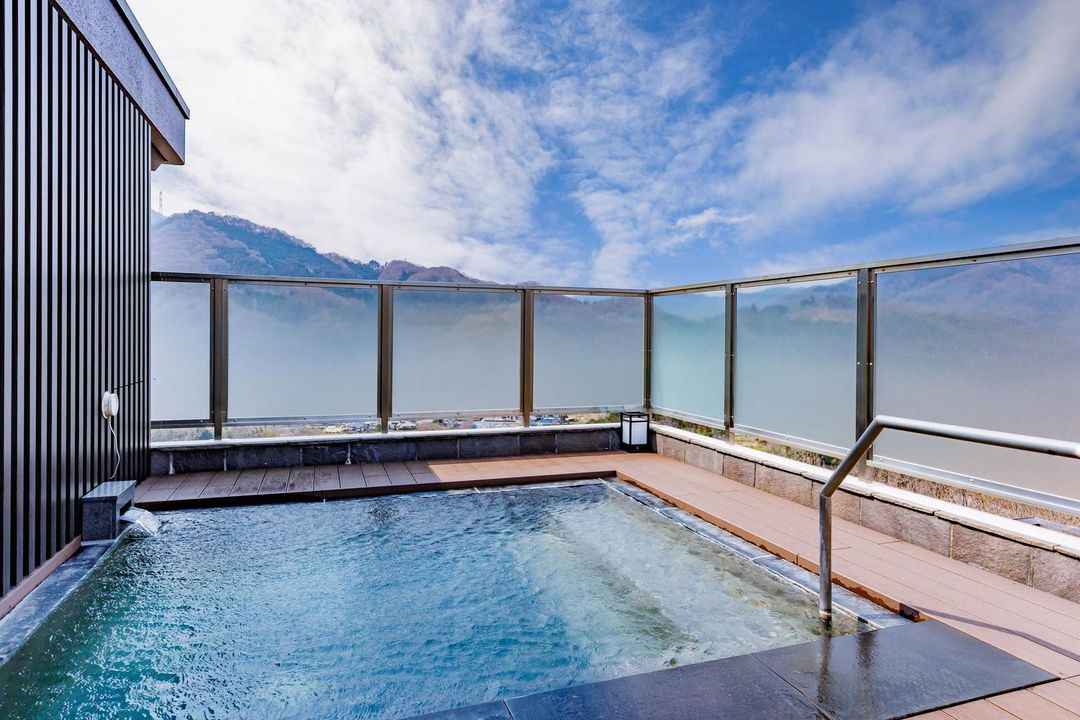
KAMENOI HOTEL NAGATORO YORII
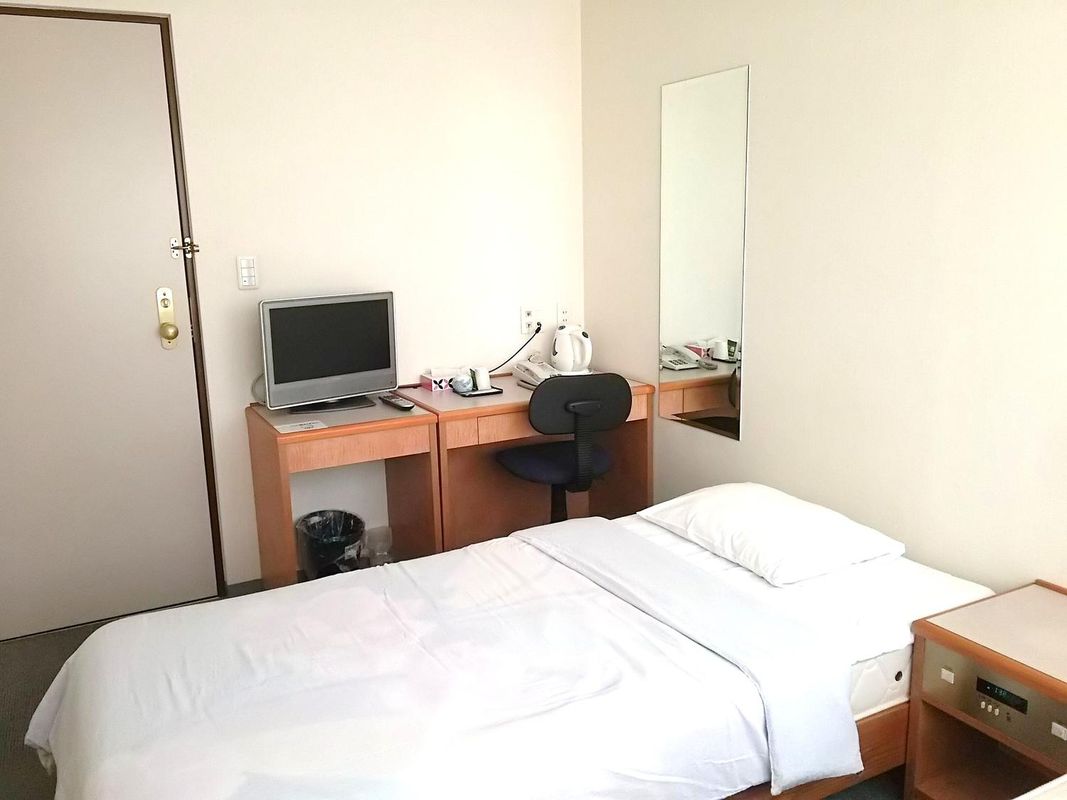
Business Hotel Isshin
Best Hotels in Yorii
Discover curated hotel collections in Yorii
Bellustar Tokyo, A Pan Pacific Hotel
Bvlgari Hotel Tokyo
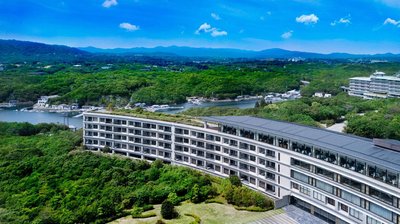
Shima Kanko Hotel the Bay Suites
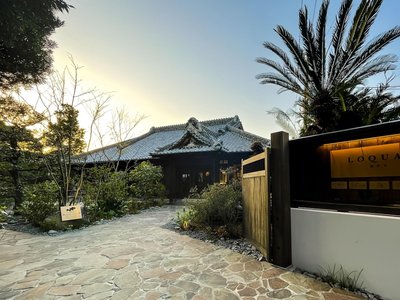
Loquat Nishiizu
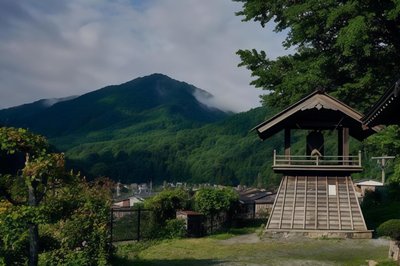
Byaku Narai
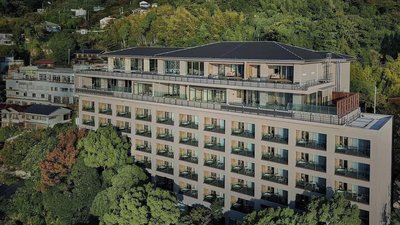
Atami Izusan Karaku
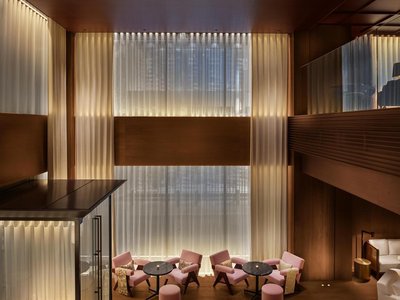
The Tokyo Edition, Ginza
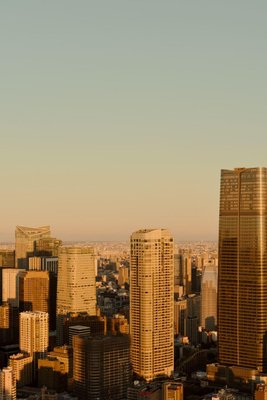
Janu Tokyo
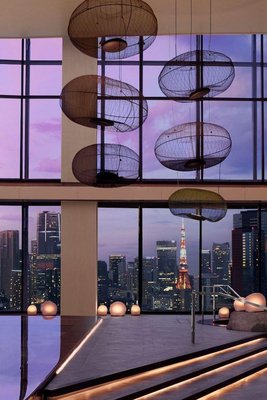
JW Marriott Hotel Tokyo
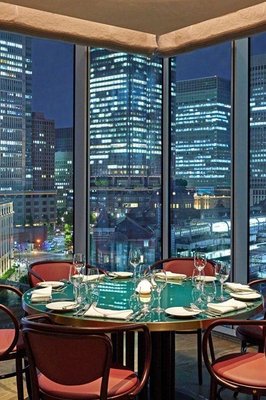
Four Seasons Hotel Tokyo at Marunouchi

Mandarin Oriental, Tokyo
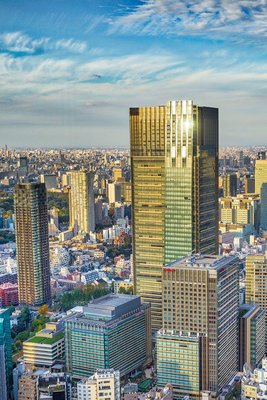
The Ritz-Carlton, Tokyo
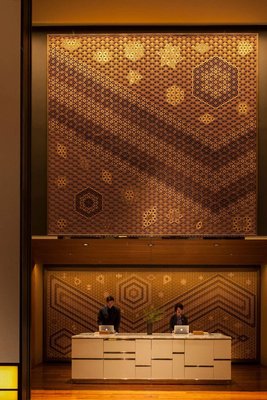
Andaz Tokyo Toranomon Hills- A Concept by Hyatt
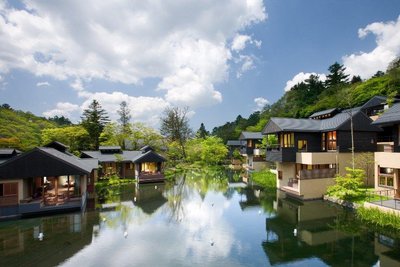
Hoshinoya Karuizawa
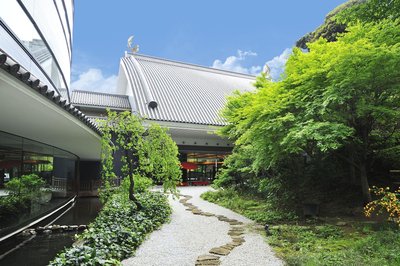
Hotel Gajoen Tokyo
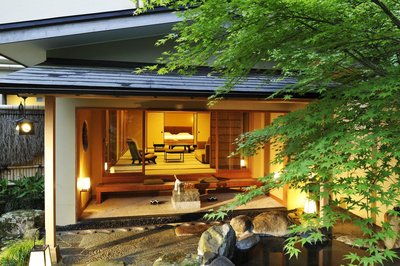
Gora Kadan
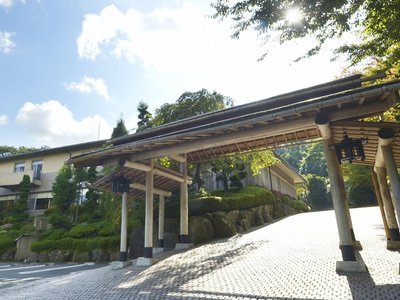
Gora Hanaougi

The Hiramatsu Hotels & Resorts Kashikojima
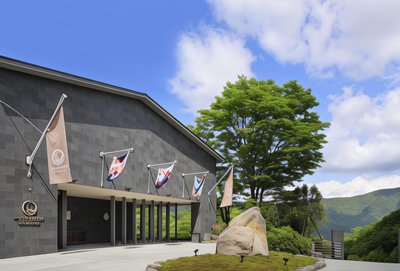
The Hiramatsu Hotels & Resorts Sengokuhara Hakone

Abba Resorts Izu - Zagyosoh
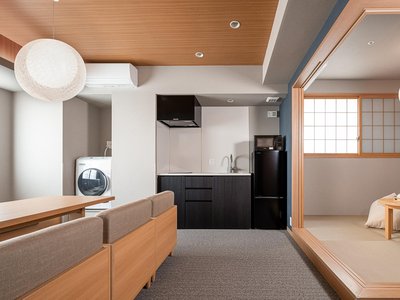
MIMARU SUITES Tokyo Asakusa
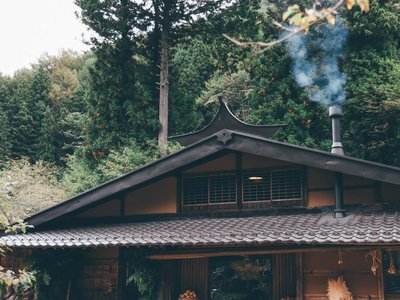
La Terra Resort
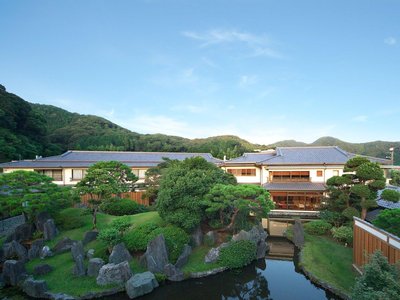
Kagetsutei

karaksa hotel colors Tokyo Yaesu
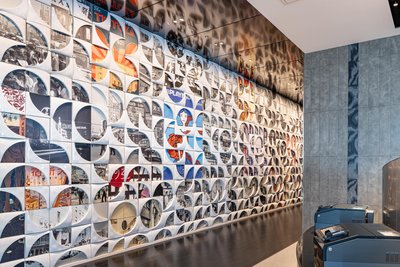
HOTEL GROOVE SHINJUKU, A PARKROYAL Hotel
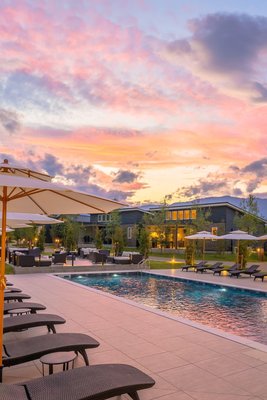
Awaumi Fujikawaguchiko Resort
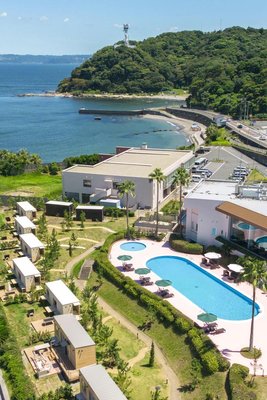
La vista Yokosuka Kannonzaki Terrace
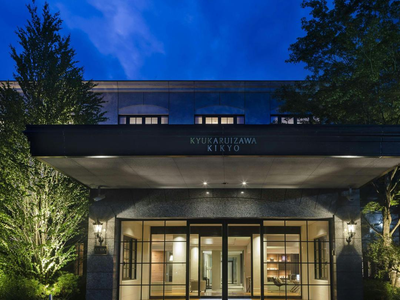
Fufu Karuizawa Wind of Sunshine
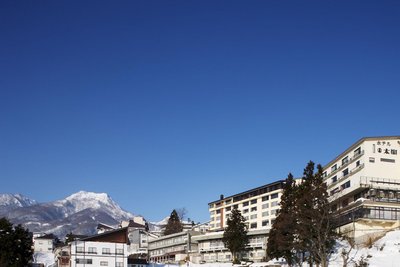
Hotel Taiko, Akakura Onsen
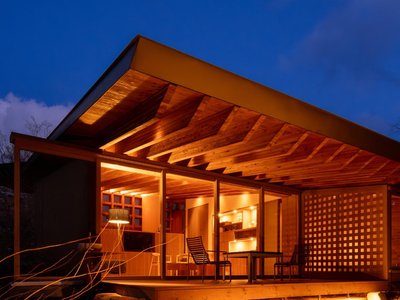
Nasu Mukunone
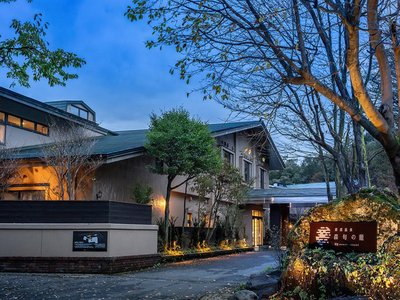
Nasu Onsen Shinshun no Kago Hewitt Resort

Scapes the Suite
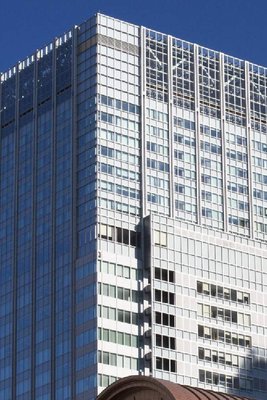
Hotel Metropolitan Tokyo Marunouchi
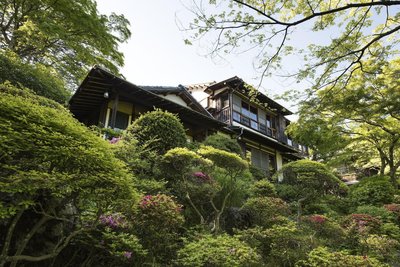
Gora Kansuiro
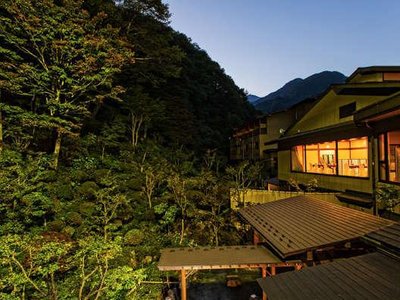
Futari Shizuka
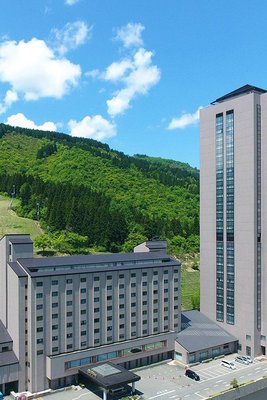
Naspa New Otani

HOTEL KANICHI
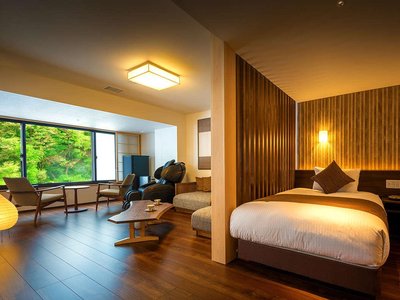
Harataki
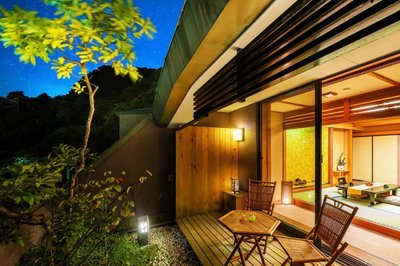
Konjakutei
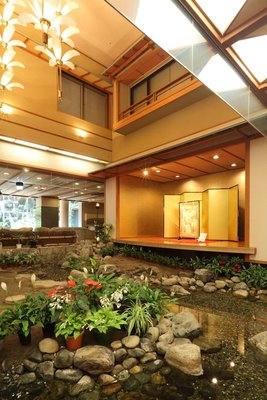
Hotel Futaba
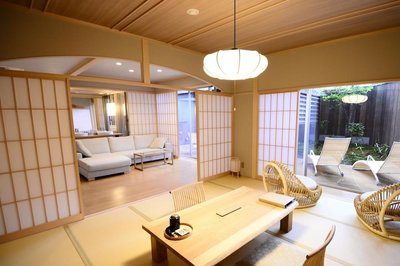
Hakone Gora Byakudan
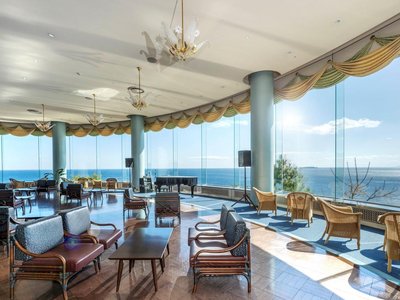
Hotel New Akao
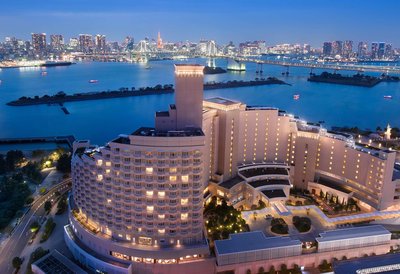
Hilton Tokyo Odaiba
JW Marriott Hotel Tokyo
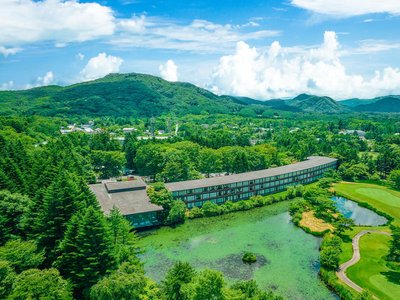
The Prince Karuizawa

Izumigo Hotel Altia Toba

The Kukuna
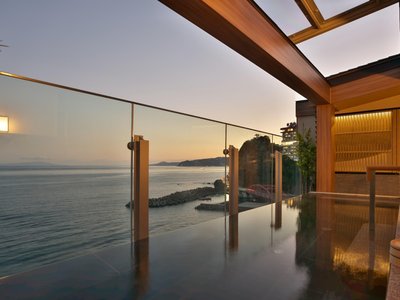
Hotel New Sagamiya
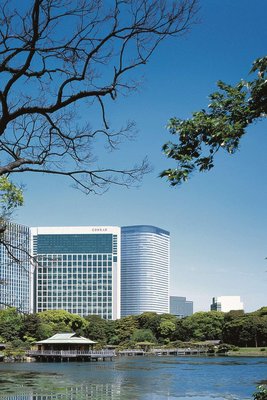
Conrad Tokyo
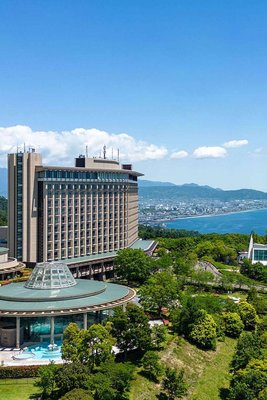
Hilton Odawara Resort & Spa
Hoshinoya Karuizawa
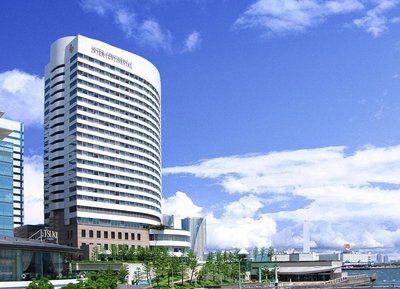
InterContinental Tokyo Bay
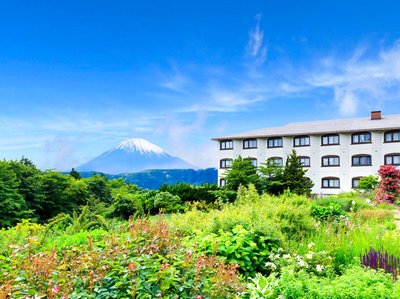
Hotel Green Plaza Hakone
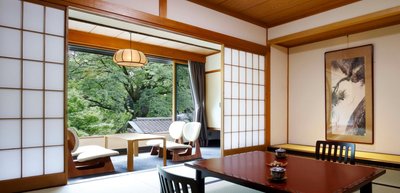
Yoshiike Ryokan
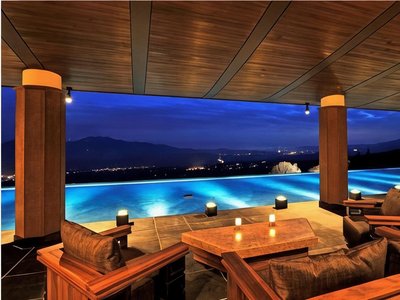
Akakura Kanko Hotel
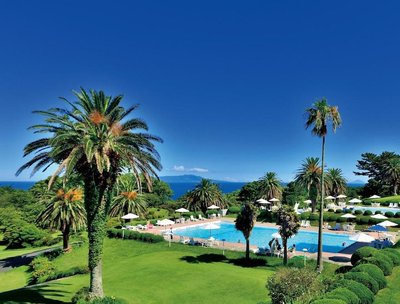
Kawana Hotel
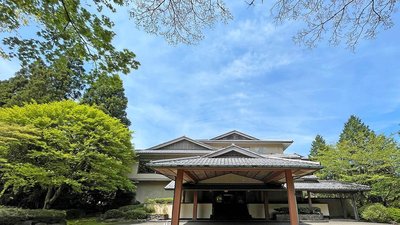
Ryuguden
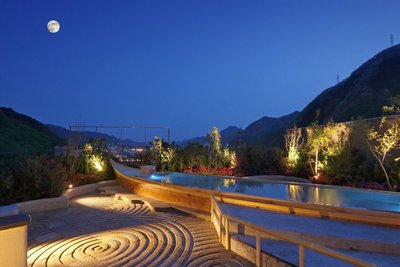
Asaya
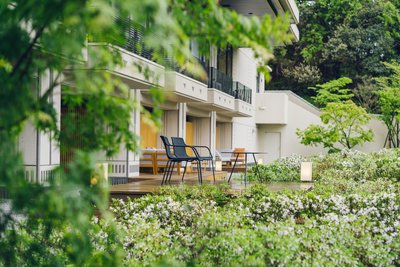
Hoshino Resorts Kai Enshu
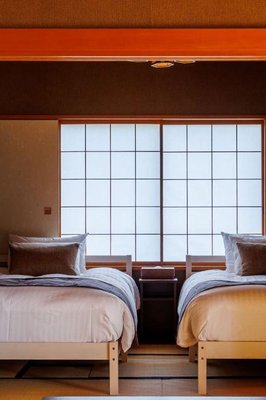
Sado Resort Hotel Azuma

Rakuten STAY VILLA Nasu
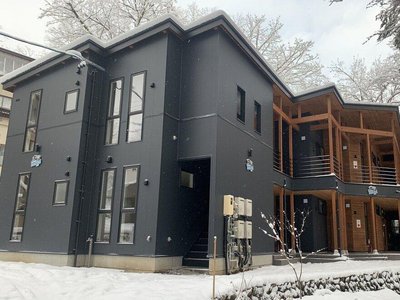
Hakuba Gondola Apartments
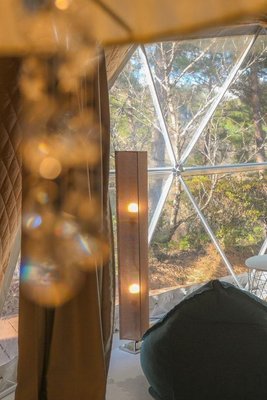
glampark Gekkabijin Nagano
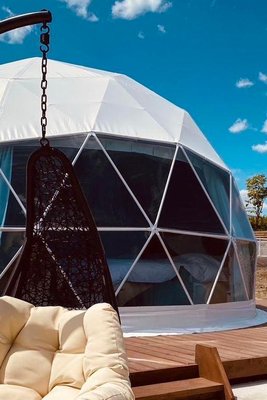
chillout glamping zao
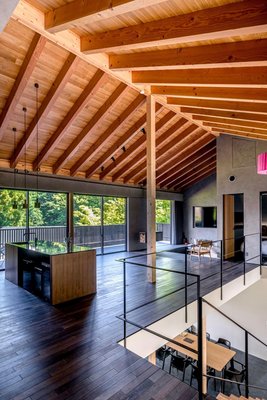
MONS GORA

Phoenix Chalets by Hhg
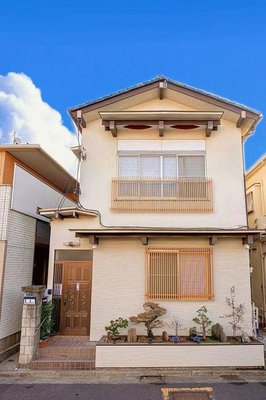
Tokyo Star House-Shinkoiwa
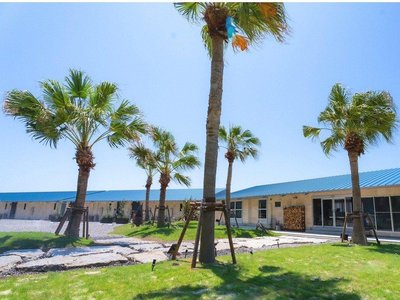
Glamping&Resort Wood Design Park Noma
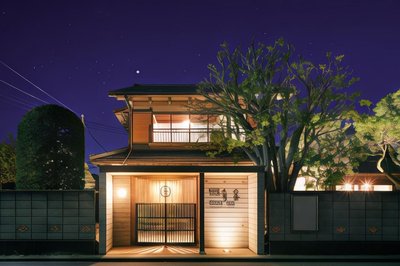
Machi-Jyu
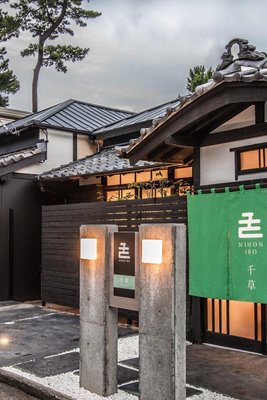
Nihon Iro
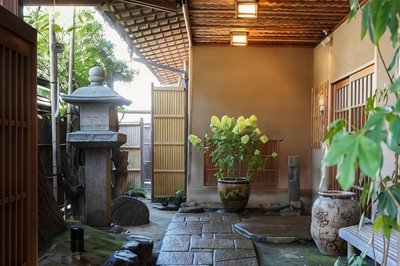
Ryokan Asadaya
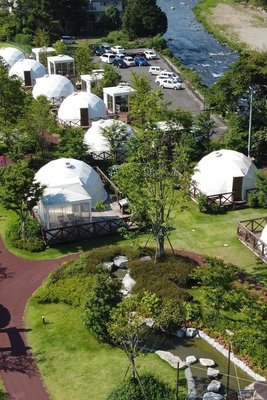
Ufufu Village
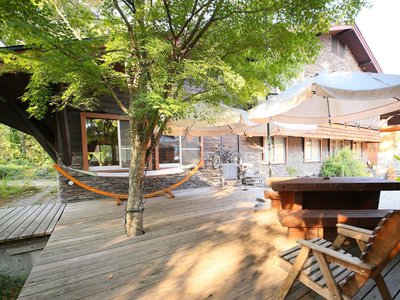
Kunugi Relaxation with 4 Modern Rooms

Modern Ryokan Kishi-ke
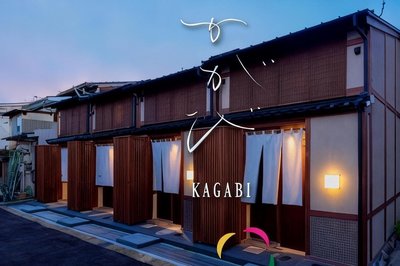
Kagabi Machiya House

The Flow Kamakura
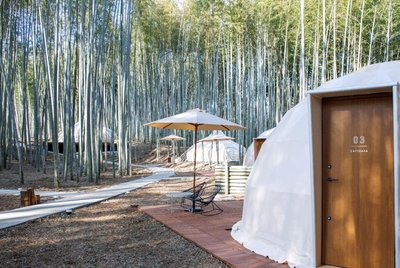
THE BAMBOO FOREST
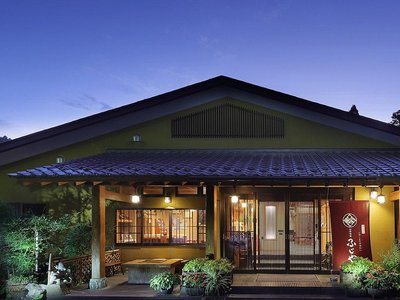
Shikimitei Fujiya
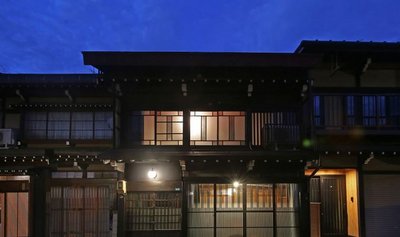
Iori Stay Hida

Hotel Barrière Fouquet's New York
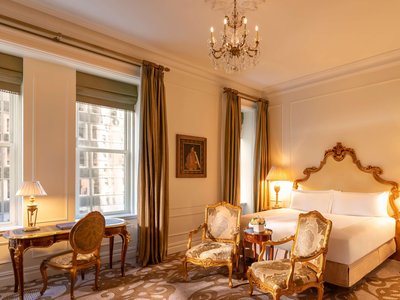
The Plaza - A Fairmont Managed Hotel
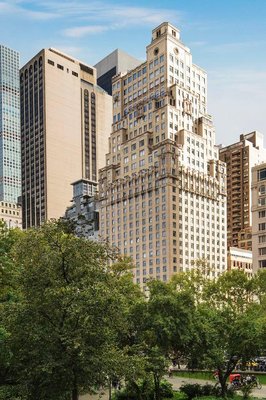
The Ritz-Carlton New York, Central Park
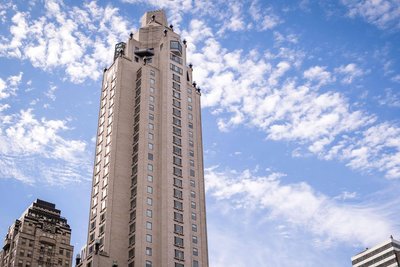
Four Seasons Hotel New York

The St. Regis New York

Park Hyatt New York
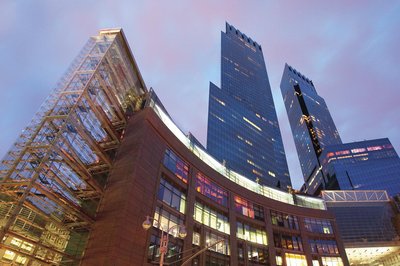
Mandarin Oriental New York

Times Square Edition New York

Loews Regency New York Hotel

Lowell Hotel
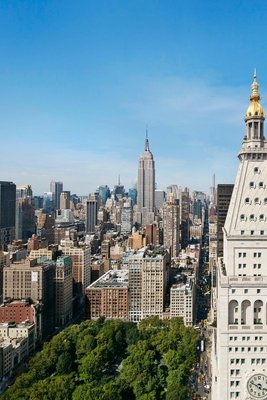
New York Edition

Baccarat Hotel New York

Equinox Hotel New York

Four Seasons Hotel New York Downtown
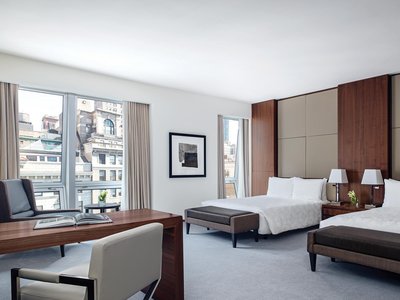
The Langham, New York, Fifth Avenue

The Carlyle, A Rosewood Hotel

The Chatwal, in the Unbound Collection by Hyatt

The Mark New York
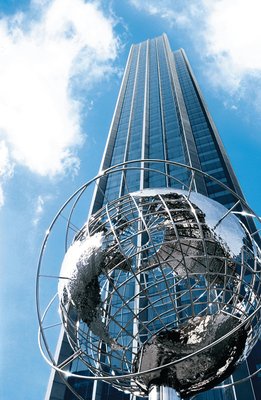
Trump International Hotel & Tower® New York
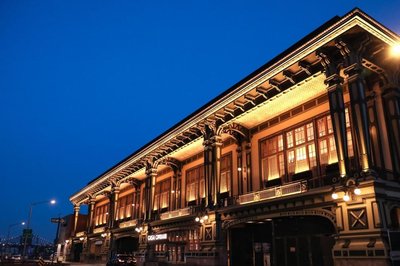
Casa Cipriani New York
Frequently Asked Questions about Traveling to Yorii
Questions You Might Need to Know About Traveling to Yorii
In Kiyosu Town, the top family-friendly hotel is Kiyosu Onsen Inn, blending traditional Japanese design with modern comfort. It offers spacious family rooms, private onsen baths, and a dedicated children’s play area. Located just minutes from Kiyosu Station and within walking distance of Kiyosu Shrine and Kawagoe Old Town, it provides easy access to cultural sites. The inn serves local-style breakfast featuring organic vegetables and homemade miso soup.
Another excellent choice is Fujisan Lodge Kiyosu, nestled near the Oyama Mountains, offering forest-view cabins and guided nature walks for kids. Both hotels provide free shuttle services to Ōmiya Station, making them ideal for families seeking a peaceful yet convenient stay in Saitama Prefecture. Their warm hospitality and kid-centric amenities make them perfect for slow travel adventures.
The best area for accommodation in Kiyosu Town is the central district around Kiyosu Station, where you’ll find a cluster of ryokans, guesthouses, and mid-range hotels. This zone offers excellent connectivity via Seibu Railway and is close to key attractions like Kiyosu Park and Senbon Sakura Road. Many lodgings here feature traditional Japanese interiors and offer experiences such as tea ceremonies and kimono rentals.
For travelers seeking tranquility, consider staying in mountain-side lodges near the Oyama Mountains, which provide serene views and fresh air but require a short drive or bus ride. However, the central district remains the most practical option—offering convenience, safety, and rich local charm, making it ideal for both day-trippers and overnight visitors.
In Kiyosu Town, you can participate in hands-on cultural workshops at Kiyosu Craftsmanship Studio, where you’ll learn traditional woodworking techniques, crafting small wooden dolls or utensils under expert guidance. Another highlight is the annual Kiyosu Cherry Blossom Festival in spring, held along Senbon Sakura Road, featuring cherry blossom viewing, tea stalls, and taiko drum performances.
You can also book a kimono experience at Kiyosu Shrine, dressing in authentic attire for photos amid historic architecture. For agriculture enthusiasts, the Rice Planting Experience allows you to join local farmers in planting rice paddies, learning about Japan’s “one grain of rice” philosophy. These immersive activities offer deep insight into rural Japanese life and heritage.
While not a major spa destination, Kiyosu Town boasts several distinctive onsen hotels. Kiyosu Onsen Inn features natural mineral water sourced from 300 meters underground, rich in sodium bicarbonate—ideal for soothing skin and relieving fatigue. Its open-air baths offer panoramic forest views, while the semi-private indoor onsens enhance privacy.
The inn also offers a unique Stargazing Onsen experience at night, where guests soak beneath clear skies away from city lights. Guests enjoy locally sourced kaiseki meals made with seasonal ingredients like wild vegetables and regional fish. Some rooms even include a herbal aromatherapy system, combining traditional Japanese scent therapy with relaxation. The overall atmosphere emphasizes harmony with nature—perfect for rejuvenation.
Near Kiyosu Town, the top day-trip destinations include Kawagoe Old Town, just 15 minutes by train, known as the "Little Edo" for its preserved Edo-era architecture. Must-visit spots include the Clock Tower, Hoshino Department Store, and rows of traditional warehouse buildings.
Also nearby is Takasaki Shrine, located in the Oyama Mountains, renowned for its grand torii gates and annual Takasaki Matsuri festival. For nature lovers, Kiyosu Forest Park offers scenic trails, seasonal blooms (cherry blossoms in spring, maples in autumn), and a small zoo. Ōmiya Comprehensive Park is another great option for picnics and cycling. All these locations are accessible via Seibu Railway or local buses, making them perfect for a relaxed one-day itinerary.
Must-try local dishes in Kiyosu Town include Kiyosu White Radish Stew, made with sweet, locally grown radishes simmered in dashi broth with tofu and seaweed—a comforting, seasonal favorite. Another highlight is Kawagoe-style Manju with local honey and matcha, available at street stalls, offering a sweeter, more refined twist on the classic.
Don’t miss Chihon Sake – Senbon Sakura Junmai Ginjo, brewed at Kiyosu Brewery, known for its crisp, fruity notes reminiscent of green apple and pear. Many ryokans also offer local ingredient dinners, where chefs prepare meals using daily-harvested vegetables, mountain herbs, and river fish. Pair your meal with homemade plum wine for an authentic taste of rural Saitama cuisine.
Kiyosu Town is ideal for several traveler types: families seeking child-friendly accommodations and outdoor activities like forest walks and rice planting; cultural explorers interested in traditional crafts, tea ceremonies, and kimono experiences; and urban escapees looking for quiet, low-density living with access to nature and peace.
It also appeals to photographers, especially during cherry blossom season along Senbon Sakura Road or autumn foliage in the forest park. With easy access from Tokyo (under 1 hour by train), it’s perfect for a half-day trip combined with an overnight stay. Its blend of simplicity, authenticity, and accessibility makes it a hidden gem for those wanting to slow down and reconnect with nature and tradition.
The easiest way to reach Kiyosu Town from Tokyo is by Seibu Railway. Take the Seibu Shinjuku Line from Shinjuku Station to Ōmiya Station, then transfer to the Seibu Ikebukuro Line or Seibu Chichibu Line to Kiyosu Station—total journey time is about 40–50 minutes. For larger groups or luggage-heavy travelers, private car service is available from central Tokyo, taking approximately 1 hour via National Route 16 or the Kōshū Expressway.
Alternatively, Kiyosu Town Tourist Shuttle Bus runs from Ōmiya Station to major attractions. Consider using a JR Pass or Seibu One-Day Pass to save on fares. Rail travel remains the most efficient and cost-effective option, especially for short stays.
Key festivals in Kiyosu Town include the Kiyosu Cherry Blossom Festival in April, held along Senbon Sakura Road, where illuminated cherry trees create a magical nighttime scene. The event features craft markets, folk performances, and a wish-tag ceremony.
Another highlight is the Kiyosu Harvest Festival in September, hosted at Kiyosu Farm, celebrating local produce like white radishes, pumpkins, and sweet potatoes. Visitors can pick their own vegetables and enjoy live music and communal dining. During New Year, Kiyosu Shrine hosts a bustling Hatsumōde (first shrine visit) with thousands of pilgrims. These festivals reflect deep community ties and seasonal rhythms, offering unforgettable cultural immersion.
Kiyosu Town’s standout natural landscapes include Kiyosu Forest Park, spanning over 50 hectares with themed trails like the Ginkgo Path and Cherry Blossom Trail. In spring, the park bursts into bloom; in autumn, it transforms into a golden-red tapestry. It’s also home to diverse bird species, making it a hotspot for birdwatchers.
Senbon Sakura Road stretches 2 kilometers through ancient cherry trees, some over 100 years old—perfect for strolling and photography. Summer brings blooming lotuses and irises at the Water Garden, enhanced by evening light displays. For mountain views, hike the trails near the Oyama Mountains, where panoramic vistas reveal the surrounding countryside. All areas are part of Saitama Prefecture’s conservation plan, preserving pristine ecosystems ideal for nature lovers seeking serenity and beauty.
Yorii Overview
City Summary
Higashiagatsuma Town in Gunma Prefecture, Japan, is a hidden gem known for its onsen (hot springs) and stunning autumn foliage. Nestled in the mountains, it offers a perfect blend of relaxation and outdoor adventures, with the iconic Kusatsu Onsen nearby. The town's serene atmosphere and traditional ryokan stays provide an authentic Japanese experience.
Must-See Attractions
Don't miss Kusatsu Onsen, one of Japan's top hot spring resorts, famous for its yubatake (hot water field). Explore Mount Shirane for hiking and breathtaking views. Visit Sainokawara Park, especially in autumn when the foliage is vibrant. The Higashiagatsuma Onsen offers a quieter alternative to Kusatsu, with equally therapeutic waters.
Food Guide
Savor local specialties like "onsen tamago" (hot spring eggs) and "soba noodles" made with mountain spring water. Try "yubatake yogurt", a unique dairy product from Kusatsu. For a hearty meal, order "sukiyaki" with locally raised beef. Street vendors sell "dango" (sweet rice dumplings)—perfect with green tea.
Transportation Guide
From Tokyo, take the JR Agatsuma Line to Naganohara-Kusatsuguchi Station (about 2.5 hours), then a bus to Higashiagatsuma. Buses are the main transport within town, but schedules are limited—plan ahead. Taxis are available but pricey; consider renting a car for flexibility. Many attractions are within walking distance in the town center.
Best Time to Visit
October-November is ideal for autumn colors, while December-February offers snowy landscapes and cozy onsen visits. Spring (April-May) is pleasant but less dramatic. Summer (June-August) is great for hiking but can be humid. Avoid peak holiday periods like Golden Week.
Travel Tips
- Onsen etiquette: Wash thoroughly before entering baths, and no swimsuits allowed.
- Carry cash—many small shops and ryokans don’t accept cards.
- Public transport is sparse; check timetables to avoid long waits.
- Respect quiet zones, especially near ryokans and temples.
- Remove shoes when entering traditional accommodations.
- Learn basic Japanese phrases—English is rarely spoken in rural areas.
Useful Information
Language: Japanese only; translation apps are handy. Wi-Fi: Limited; rent a pocket Wi-Fi or buy a SIM card. Currency: Yen only; ATMs are scarce outside stations. Emergencies: Dial #110 for police, #119 for ambulance. Voltage: 100V, Type A/B plugs. Pharmacies: Available but may close early. Pack essentials like medications. Ryokans often provide yukata and toiletries, so pack light.