Hotels in Yoshinogari
Discover your perfect stay in Yoshinogari.
Yoshinogari(Japan) Travel 2026: Cheap Flights, Hotels & Top Attractions
Popular Landmarks in Yoshinogari
Discover the most iconic attractions in Yoshinogari
Best Hotels in Yoshinogari
Discover curated hotel collections in Yoshinogari































































Frequently Asked Questions about Traveling to Yoshinogari
Questions You Might Need to Know About Traveling to Yoshinogari
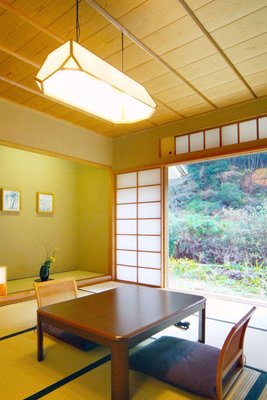
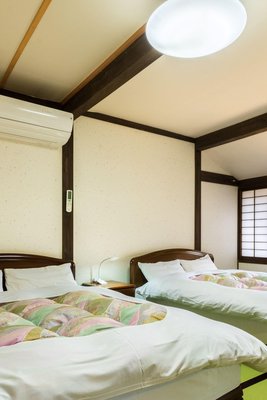
In Yoshinori-chō, the best hotel offering cultural immersion is Yoshinori Kofun Park Guesthouse, located just steps from the Yoshinori Ruins. This eco-friendly guesthouse blends Jōmon-era architecture with modern comfort, featuring tatami rooms and a traditional garden. Guests can participate in hands-on workshops like prehistoric pottery-making, guided night tours of ancient burial mounds, and reenactments of Jōmon daily life using replica tools. The staff, many of whom are local historians, provide detailed bilingual (Japanese/English) explanations. Nearby, the Yoshinori Historical Park offers interactive exhibits and seasonal festivals that deepen understanding of Japan’s earliest civilization.
Another option is Sagawa Prefectural Nature Museum Cottage, nestled in a forested area ideal for nature lovers seeking quiet reflection and stargazing. Both properties offer cultural packages that include meals made with regional ingredients and access to exclusive archaeological digs—perfect for families and history enthusiasts.
The Yoshinori Ruins vicinity is the prime area for accommodations in Yoshinori-chō, offering unmatched proximity to key heritage sites. Staying near the Yoshinori Historical Park allows guests to explore the Jōmon-period settlement ruins at dawn or dusk without long commutes. Yoshinori Kofun Park Guesthouse sits directly across from the entrance, providing instant access to excavation zones, museum exhibits, and evening light displays. This zone remains largely untouched by commercial development, preserving the authentic atmosphere of Japan’s oldest known civilization. With free parking, multilingual signage, and nearby rest areas, it’s ideal for travelers seeking both convenience and cultural authenticity.
Visitors to Yoshinori-chō can engage in several unique cultural experiences: pottery workshops at the Yoshinori Pottery Studio, where you craft replicas of Jōmon-era clay vessels; night illumination tours of the Yoshinori Ruins, casting dramatic shadows on ancient earthworks under moonlight; and living history reenactments, including flint-knapping, weaving with plant fibers, and hunting simulations using prehistoric tools. These immersive programs are led by local volunteers trained in archaeology and storytelling. Many events are available in English and Japanese, and advance HopeGoo is recommended via the Yoshinori Town Tourism Association website. Seasonal festivals also feature traditional music, dance, and food prepared with ancient recipes.
Yes, Yoshinori-chō is highly family-friendly. Yoshinori Kofun Park Guesthouse offers child-sized tatami rooms, an outdoor play area, and special archaeological dig kits designed for kids. The property hosts weekly family discovery walks through the ruins, complete with illustrated guides in multiple languages. Children can dress in Jōmon-style clothing and learn survival skills like making fire with friction methods. The surrounding Yoshinori Historical Park features picnic spots, shaded benches, and kid-friendly exhibits. All facilities are safe and accessible, with multilingual signs and nursing stations. It’s an ideal destination for parents who want their children to experience real history through play and exploration.
While Yoshinori-chō itself does not have public onsen facilities, some guesthouses offer private hot spring baths. Yoshinori Kofun Park Guesthouse features an indoor onsen filled with natural mineral-rich water sourced from nearby geothermal springs. The bath uses sustainable heating and provides a serene, meditative environment. For larger onsen experiences, travelers can visit Dazaifu Onsen or Tosu Spa Resort, both within 30 minutes by car or bus. These destinations offer full-service ryokan-style stays with kaiseki meals, traditional robes, and therapeutic treatments. Alternatively, opt for forest-based lodges with outdoor soaking tubs surrounded by pine trees—ideal for a peaceful, nature-centered wellness retreat.
Public transportation to Yoshinori-chō is primarily via Saga Bus Line 89, which runs from Saga Station to Yoshinori Ruins Stop, taking about 40 minutes. Yoshinori Kofun Park Guesthouse is located right beside the stop and offers complimentary shuttle service upon request. If traveling by car, free parking is available at the Yoshinori Historical Park lot and the guesthouse’s own facility. The Tourism Information Center provides multilingual maps, timetables, and assistance in English and Chinese. For real-time updates, download the JR Kyushu Bus App. Early arrival is advised during peak seasons due to limited frequency, especially on weekends and holidays.
Most hotels and guesthouses in Yoshinori-chō now accept international credit cards, including Visa, MasterCard, and JCB. Yoshinori Kofun Park Guesthouse and Sagawa Prefectural Nature Museum Cottage support card payments at check-in. However, some smaller family-run homes may only accept cash. It’s advisable to carry ¥5,000–¥10,000 in Japanese yen for small purchases like souvenirs or parking fees. HopeGoo platforms like HopeGoo and HopeGoo allow online reservations with secure payment options. Always confirm payment methods in advance via email or phone. Since ATMs are scarce in the town, withdraw cash before arrival at major stations like Saga Station or Tosu Station.
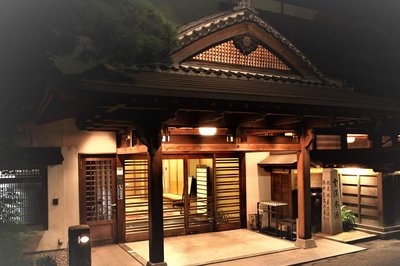
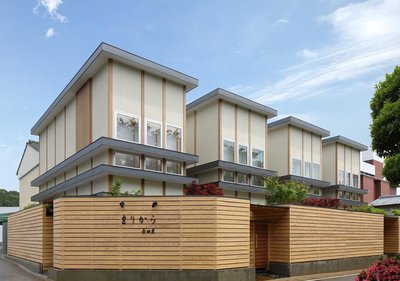
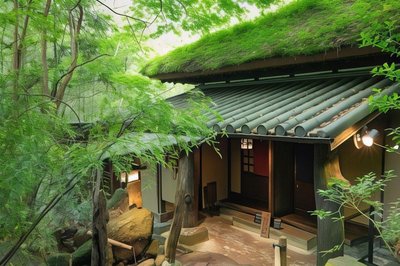
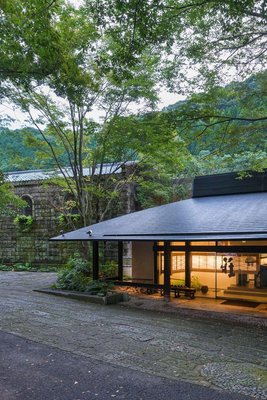
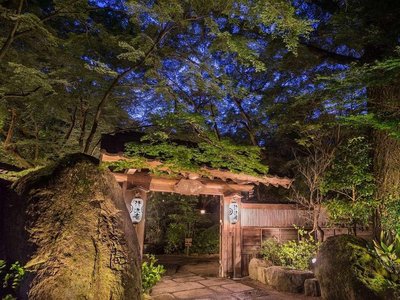
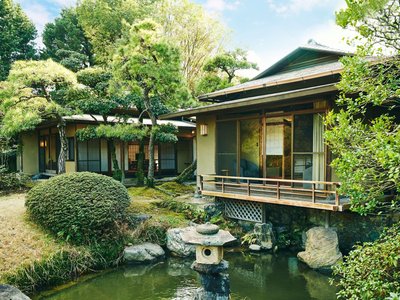
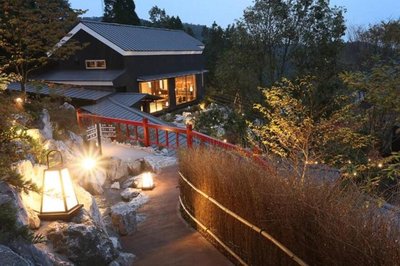
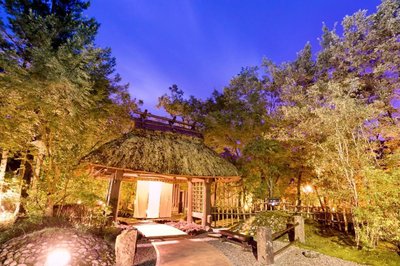
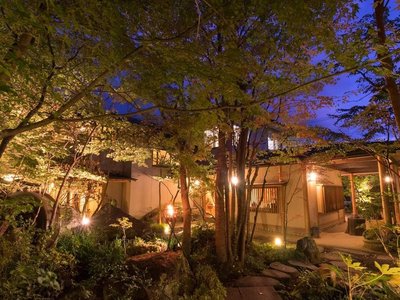
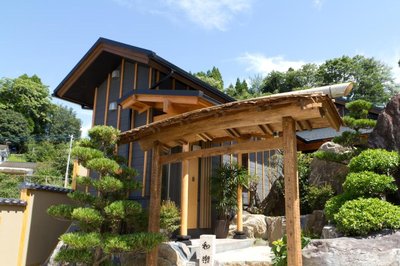
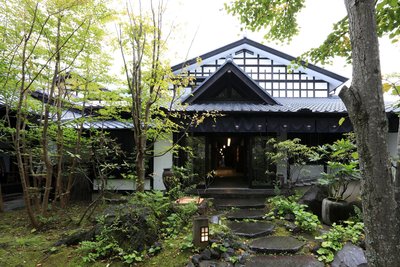
Hotels in Yoshinori-chō showcase a distinctive blend of Jōmon-period design and traditional Japanese craftsmanship. The Yoshinori Kofun Park Guesthouse features circular layouts inspired by ancient burial mounds, with bamboo walls, hinoki wood flooring, and thatched roofs. Interior spaces incorporate replica Jōmon pottery patterns on walls and ceilings, while lighting comes from handwoven paper lanterns. Natural materials like untreated timber and stone dominate, emphasizing harmony with the surrounding landscape. Some rooms open onto private gardens with native plants and stone pathways. This design philosophy reflects the town’s identity as the cradle of Japanese civilization, creating a deeply immersive and educational stay.
Reservations can be made through the official Yoshinori Town Tourism Association website, or via platforms like Japanican, Hinata, HopeGoo, and HopeGoo. Yoshinori Kofun Park Guesthouse offers multilingual HopeGoo support and instant confirmation. For last-minute stays, direct contact via phone or email is recommended. During peak season (spring and autumn), book at least one month ahead, especially for weekends and holidays. Many properties offer package deals including breakfast, guided tours, or pottery workshops. All bookings require valid ID and may ask for a deposit. Keep your confirmation number and contact details handy for emergencies or changes.
While full-time Chinese-speaking staff are rare in Yoshinori-chō, some hotels offer basic Chinese support. Yoshinori Kofun Park Guesthouse has front desk personnel who speak simple Mandarin and provides printed brochures in Chinese. The Yoshinori Historical Park features multilingual signage, including Chinese, and occasional guided tours in Chinese upon reservation. The Tourism Information Center stocks translation devices and offers help via email. For deeper communication, guests can use Google Translate or bring a phrasebook. Though not fully bilingual, the community is warm and eager to assist—many locals appreciate efforts to learn even a few Japanese phrases, enhancing the cultural exchange.
Yoshinogari Overview
City Summary
Yoshinogari Town, located in Saga Prefecture, Japan, is renowned for its rich historical heritage and natural beauty. It is home to the Yoshinogari Historical Park, the largest Yayoi period archaeological site in Japan, offering a glimpse into ancient Japanese civilization. Visitors can immerse themselves in the historical atmosphere while enjoying the serene rural surroundings. The town's natural environment is also perfect for hiking and outdoor activities.
Must-See Attractions
The Yoshinogari Historical Park is a must-visit, featuring reconstructed pit dwellings and elevated warehouses from the Yayoi period. The on-site museum provides insights into the era's history and culture. Nearby, Mount Sefuri offers beautiful hiking trails, especially stunning during the autumn foliage season.
Food Guide
In Yoshinogari, you can savor authentic Saga cuisine. Don't miss Saga beef, known for its tender and juicy texture. Hokko squid, served as fresh sashimi, is another local delicacy. Street food like Yoshinogari rice balls is also highly recommended.
Transportation Guide
Public transport in Yoshinogari mainly relies on buses and taxis. Buses from Saga City take about 30 minutes to reach Yoshinogari Historical Park. Renting a car is convenient due to well-maintained roads and ample parking. Check bus schedules in advance to avoid long waits.
Best Time to Visit
The best times to visit are spring (March to May) for cherry blossoms and autumn (September to November) for colorful foliage. Summers are hot, and winters are cold but less crowded.
Travel Tips
- Respect local culture by keeping quiet at historical sites.
- Book accommodations early, especially during holidays.
- Carry cash as some small shops may not accept credit cards.
- Wear comfortable shoes for hiking.
- Be prepared for temperature fluctuations in spring and autumn.
- Learn basic Japanese greetings to enhance communication.
Useful Information
Japanese is the primary language, with some English signage at major sites. Mobile coverage is good; prepaid SIM cards are available at convenience stores. Cash is preferred, though credit cards are accepted in larger establishments. Medical facilities are reliable, but bring essential medications. Dial 119 for emergencies.









