Hotels in Yoshinogawa
Discover your perfect stay in Yoshinogawa.
Yoshinogawa(Japan) Travel 2026: Cheap Flights, Hotels & Top Attractions
Popular Landmarks in Yoshinogawa
Discover the most iconic attractions in Yoshinogawa
Recommended Hotels in Yoshinogawa
Find the perfect place to stay in Yoshinogawa
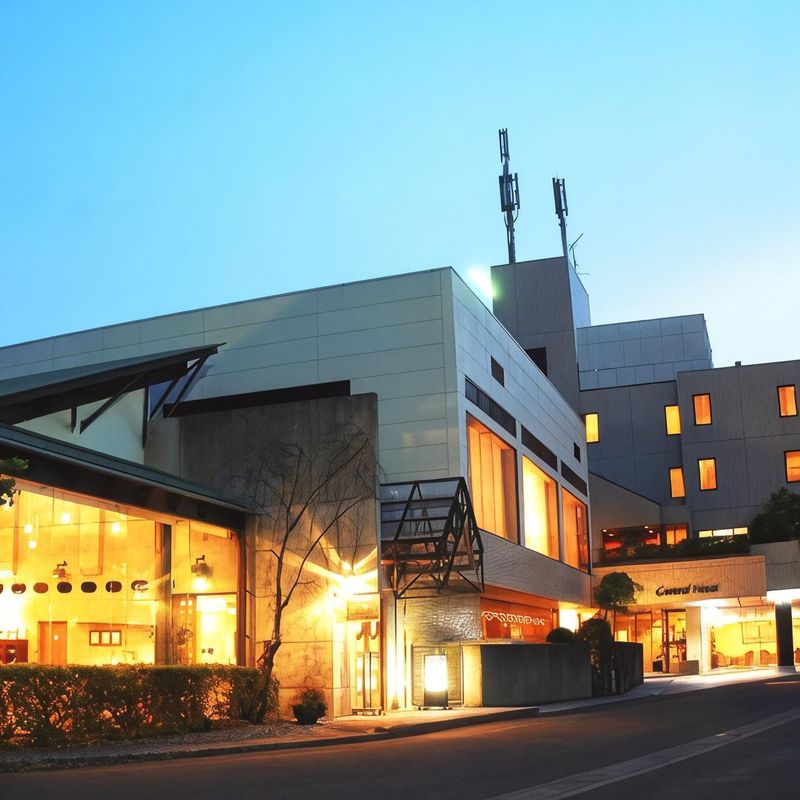
Central Hotel Kamojima
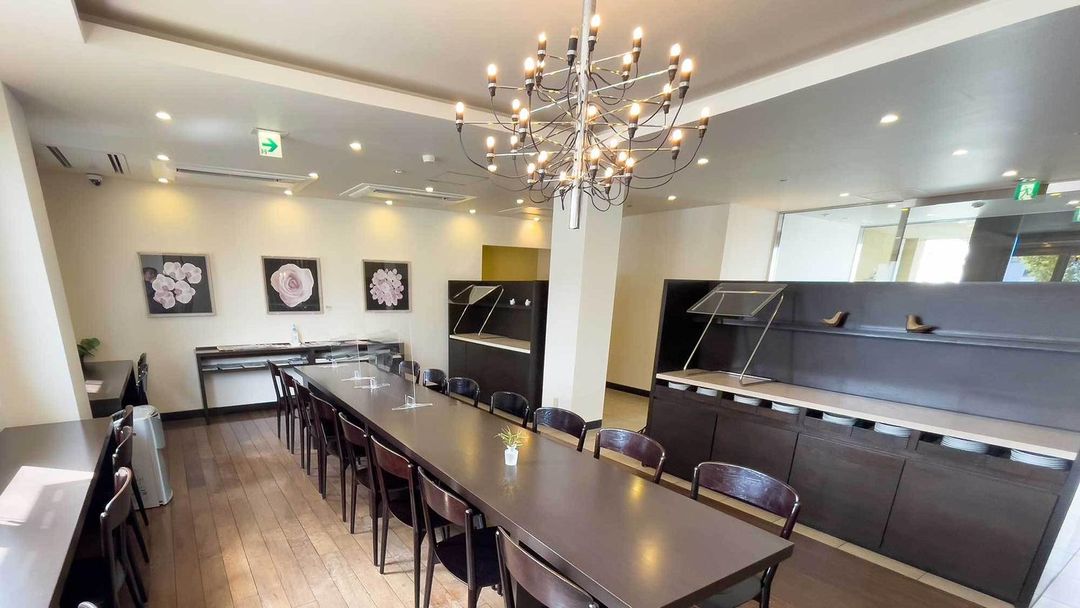
Business Hotel Access Kamojima
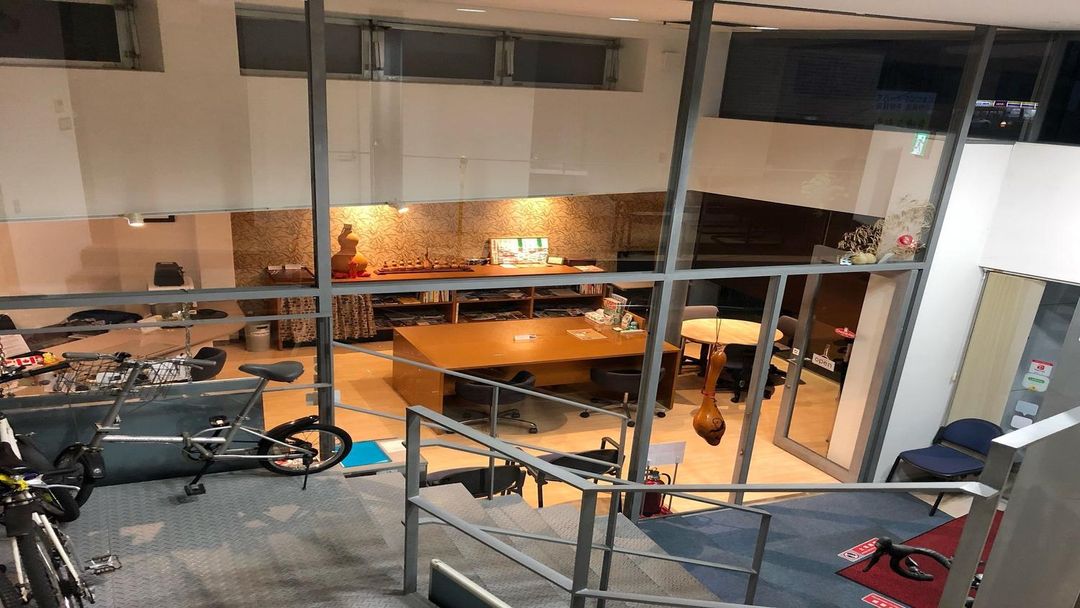
Guesthouse Channel-Kan
Best Hotels in Yoshinogawa
Discover curated hotel collections in Yoshinogawa
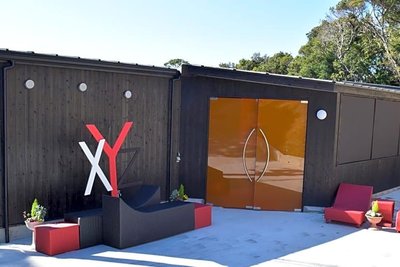
XYZ Private Spa and Seaside Resort
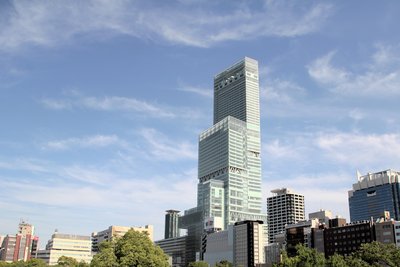
Osaka Marriott Miyako Hotel
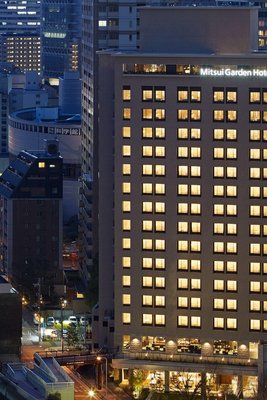
Mitsui Garden Hotel Osaka Premier
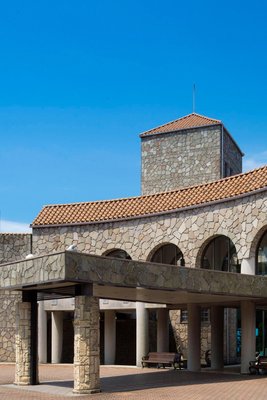
Izumigo Hotel Altia Toba
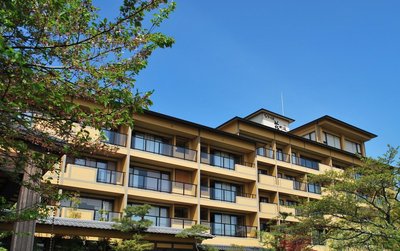
BIWAKO HANAKAIDO
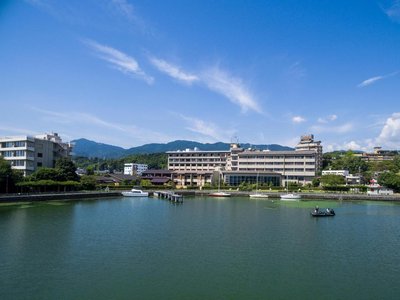
Biwako Ryokusuitei
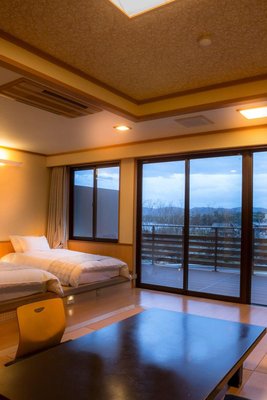
Hotel Kitanoya
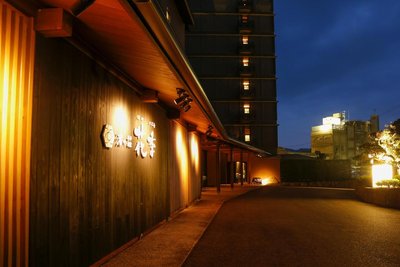
Hanagoyomi
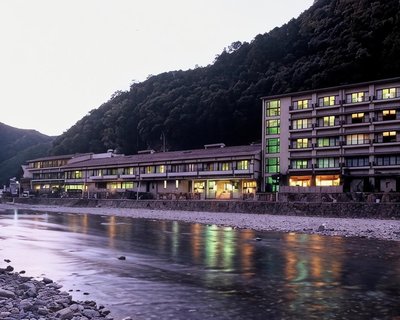
Kawayu Onsen Fujiya
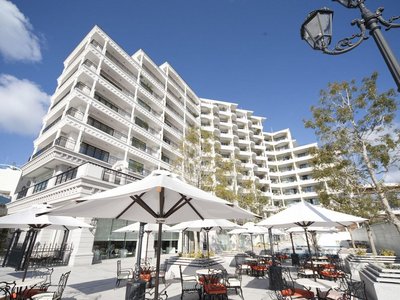
Hotel La Suite Kobe Harborland

AoAwo Naruto Resort
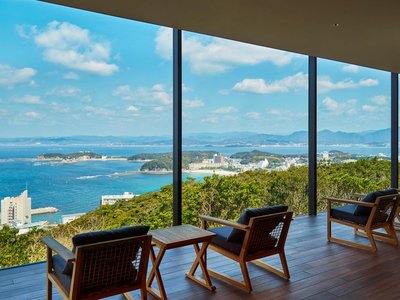
Infinito Hotel and Spa
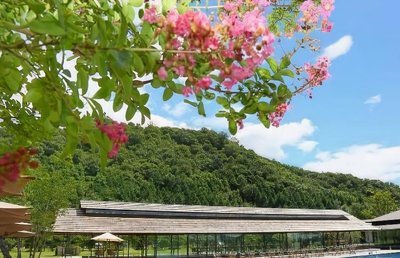
Bella Vista Spa and Marina Onomichi
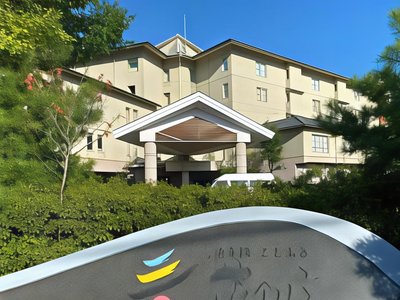
Yufuin Kotobuki Hananosho
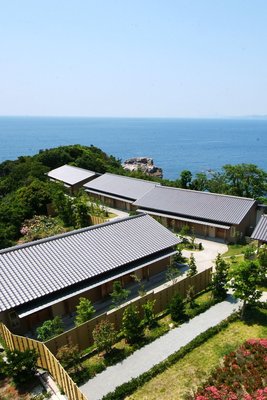
Hamachidorinoyu Kaisyu
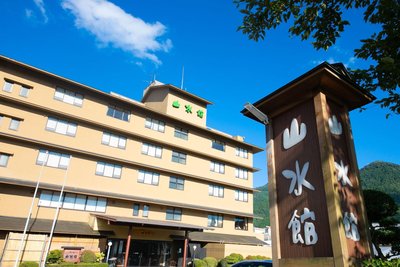
Yufuin Sansuikan
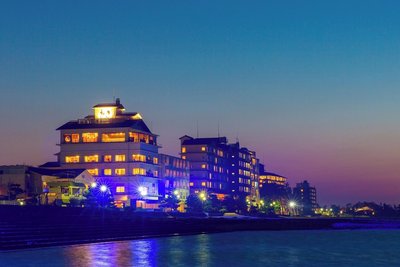
Kaike Shogetsu
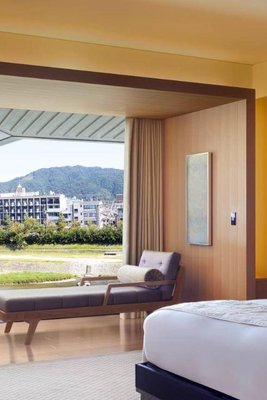
The Ritz-Carlton, Kyoto
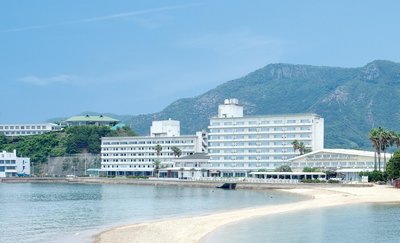
Shodoshima International Hotel
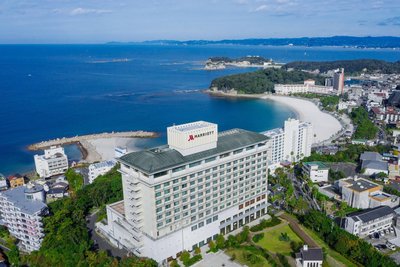
Nanki-Shirahama Marriott Hotel
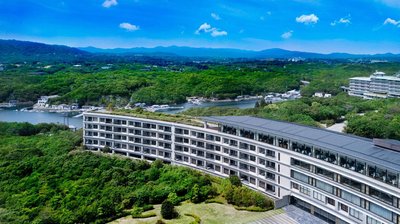
Shima Kanko Hotel the Bay Suites
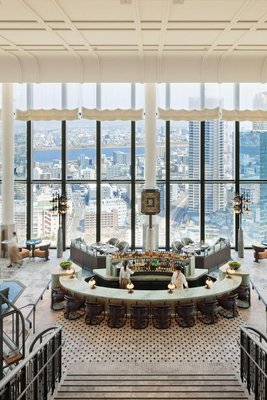
Waldorf Astoria Osaka
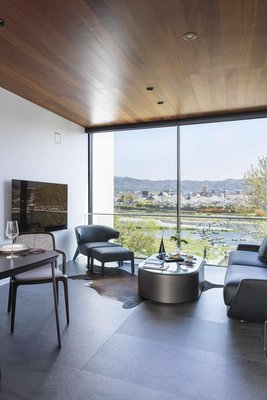
Kamo Residences by Reflections
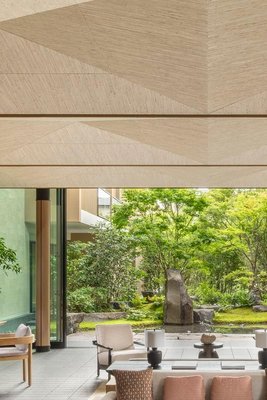
Six Senses Kyoto
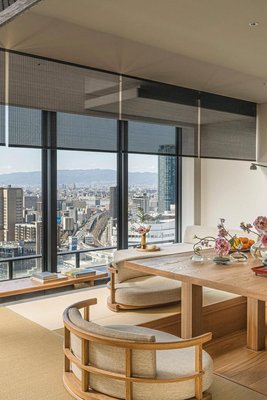
Four Seasons Hotel Osaka
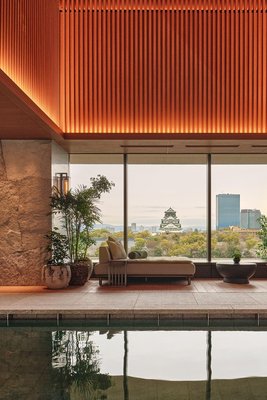
Patina Osaka
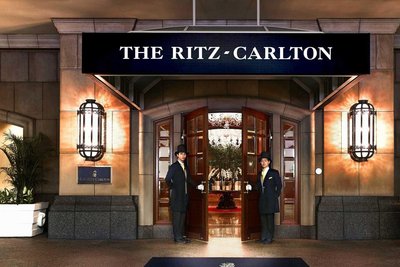
The Ritz-Carlton, Osaka
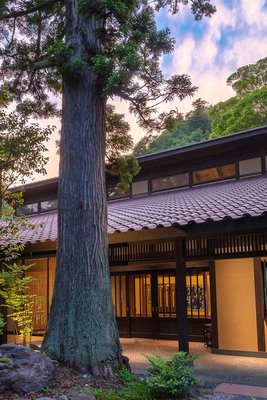
Arimasansoh Goshobessho
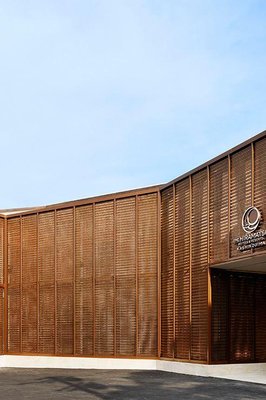
The Hiramatsu Hotels & Resorts Kashikojima
The Ritz-Carlton, Kyoto
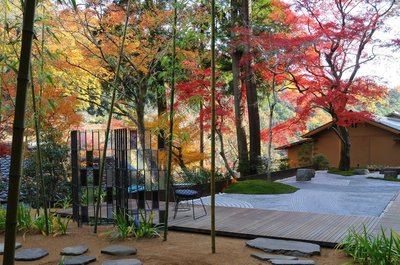
HOSHINOYA Kyoto
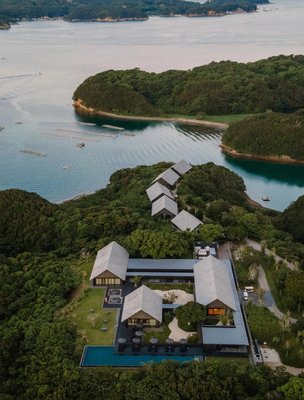
Amanemu
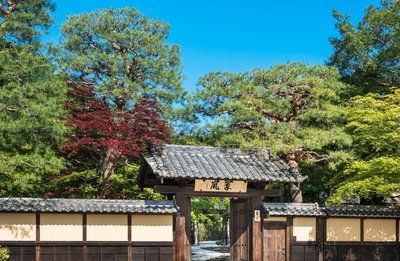
Suiran, a Luxury Collection Hotel, Kyoto
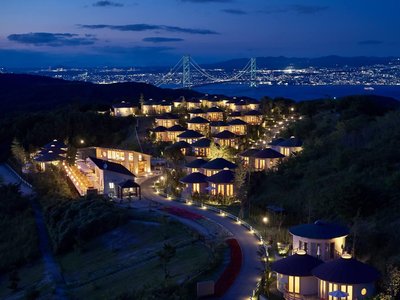
Grand Chariot Hokutoshichisei 135°
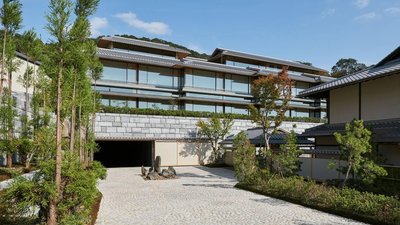
Park Hyatt Kyoto
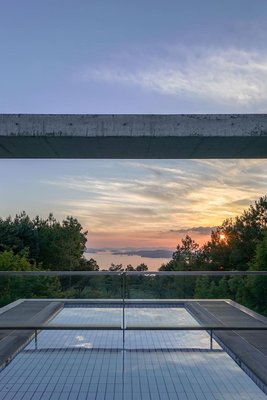
SETOUCHI RETREAT by Onko Chishin
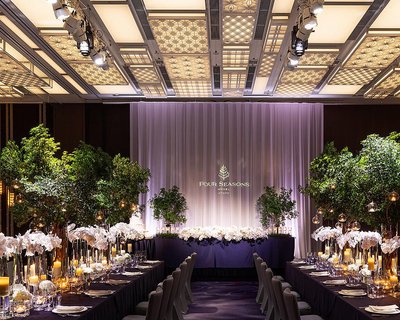
Four Seasons Hotel Kyoto
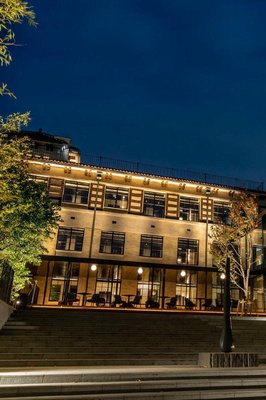
The Hotel Seiryu Kyoto Kiyomizu - a Member of the Leading Hotels of the World-
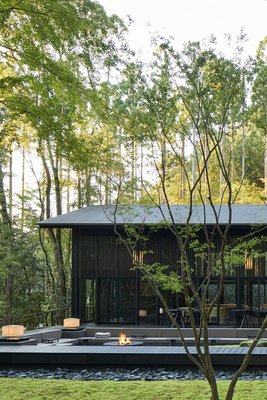
Aman Kyoto
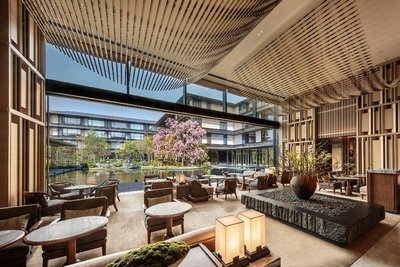
Hotel the Mitsui Kyoto, a Luxury Collection Hotel & Spa

Hotel Barrière Fouquet's New York
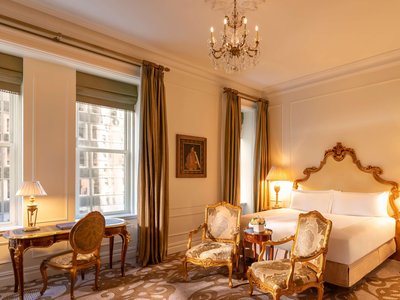
The Plaza - A Fairmont Managed Hotel
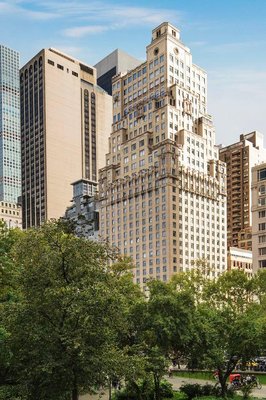
The Ritz-Carlton New York, Central Park
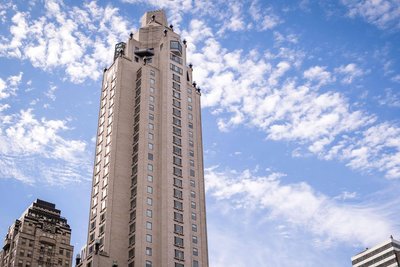
Four Seasons Hotel New York

The St. Regis New York
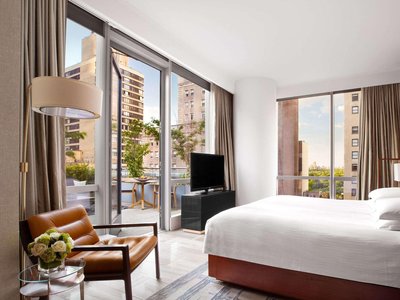
Park Hyatt New York
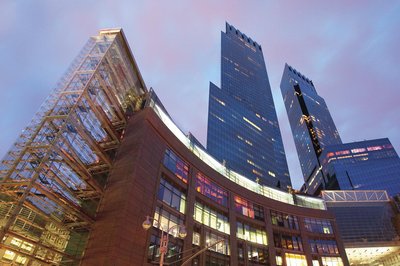
Mandarin Oriental New York
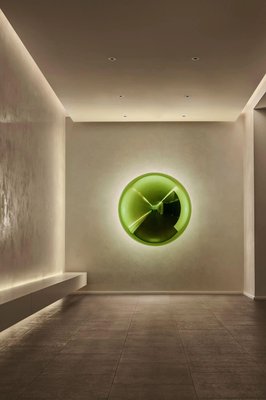
Times Square Edition New York

Loews Regency New York Hotel
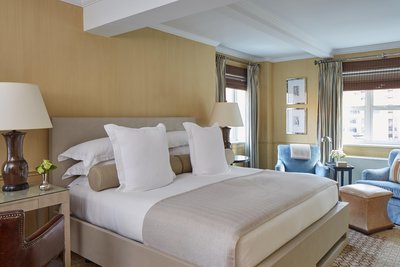
Lowell Hotel
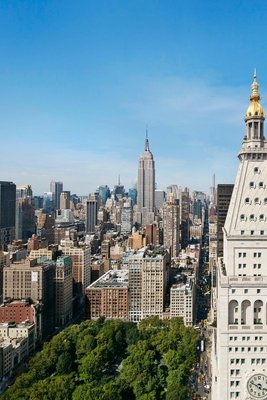
New York Edition
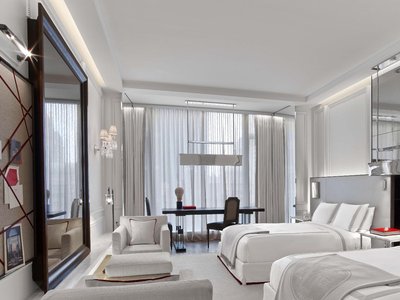
Baccarat Hotel New York

Equinox Hotel New York

Four Seasons Hotel New York Downtown
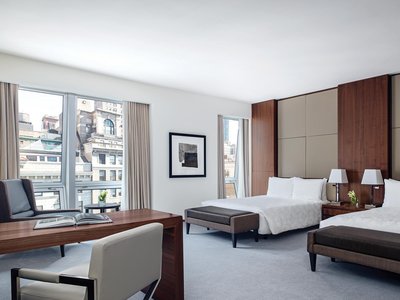
The Langham, New York, Fifth Avenue

The Carlyle, A Rosewood Hotel

The Chatwal, in the Unbound Collection by Hyatt

The Mark New York
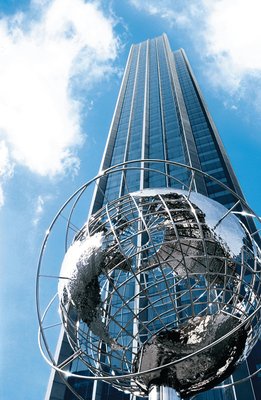
Trump International Hotel & Tower® New York
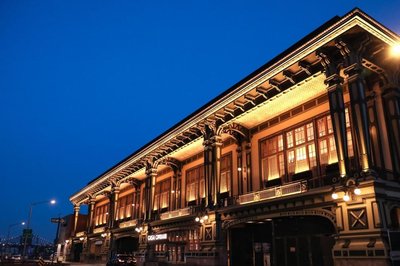
Casa Cipriani New York
Frequently Asked Questions about Traveling to Yoshinogawa
Questions You Might Need to Know About Traveling to Yoshinogawa
In Yoshino River City, the top choice for families is Yoshino River Onsen Ryokan, a traditional Japanese inn nestled along the Yoshino River. It features spacious tatami rooms with private gardens, ideal for multi-generational stays. The property offers kid-friendly amenities like a heated outdoor pool, nature scavenger hunts, and on-site workshops where children can make paper lanterns or try traditional pottery. Meals include local dishes such as grilled Awa eel and fresh mountain vegetables. Guests can also explore nearby Yoshino River Nature Park and the Shiranui Trail, perfect for gentle hikes and wildlife spotting. The warm hospitality and immersive cultural experiences make it a standout destination for family travel.
The best area for accommodations in Yoshino River City is the riverfront district near Yoshino River Bridge, offering easy access to nature trails, cultural sites, and local cuisine. This quiet, scenic zone is home to boutique inns like Riverbank Cottage and Midori Machiya Guesthouse, both housed in restored Edo-era wooden buildings. These lodgings provide authentic charm with modern comforts, including private balconies overlooking the river. Guests enjoy peaceful mornings with views of mist rising over the water and evenings under soft streetlights. Nearby attractions include the Tokushima Prefectural Museum and Yoshino River Shrine, making this district ideal for travelers seeking tranquility and cultural immersion.
Must-try cultural experiences in Yoshino River City include participating in the Awa Dance Workshop, where visitors learn traditional dance steps, wear period costumes, and craft handmade fans and headbands used in performances. The annual Yoshino River Shrine Autumn Festival features drumming ceremonies and a grand mikoshi procession, showcasing deep-rooted community spirit. For artisans, the Yoshino River Craft Studio offers hands-on sessions in bamboo weaving and washi paper calligraphy. These immersive activities allow guests to connect with local heritage, take home unique souvenirs, and gain insight into the region’s living traditions.
Top-rated hot spring hotel in Yoshino River City is Shiratori no Yado, a secluded ryokan tucked into the upper valley of the Yoshino River. Each room opens to a private open-air bath with panoramic views of forested cliffs and flowing water. The mineral-rich thermal springs—rich in sulfur and carbonate—are known for their skin-soothing benefits. Guests enjoy a nightly kaiseki dinner featuring locally sourced ingredients: wild mountain vegetables, Awa eel, and Tokushima pork. Special highlights include the "Nighttime Forest Walk" with bioluminescent fireflies and the "Stargazing Experience," complete with telescopes to view the Milky Way above the valley.
Photography enthusiasts should visit the Yoshino River Bridge Light Tunnel, where morning sunlight streams through steel girders, casting dramatic shadows across the water—a perfect scene for geometric compositions. In autumn, the Akita Maple Trail transforms into a fiery red corridor beneath golden trees, ideal for long-exposure shots. The Yoshino River Shrine's vermilion torii gate, framed by foggy morning mist and ancient cedars, offers a classic Japanese aesthetic. For an intimate shot, the Star Bridge at dusk, lined with hundreds of paper lanterns reflecting in the river, creates a dreamlike ambiance. Bring a tripod and wide-angle lens for the most stunning captures.
Must-try local dishes in Yoshino River City include Awa Eel Rice Bowl (Unagi Donburi)—grilled freshwater eel from the Yoshino River, glazed with savory-sweet sauce; Tosa Citrus Tofu Dessert, made with juice from local Sishio oranges, served chilled with silky tofu; and Mountain Vegetable Tempura, featuring seasonal greens like ferns, wild celery, and bamboo shoots. These specialties are available at Yoshino Market Food Court and Old Town Machiya Restaurant, where some eateries offer combo packages with spa access. Freshness and regional pride shine in every bite.
The premier cycling route is the Yoshino River Green Corridor Cycle Path, a 18-kilometer paved trail stretching from Yoshino River Bridge to Ootaki Gorge. The path winds through rice paddies, bamboo groves, and centuries-old forests, offering breathtaking scenery. Dedicated bike lanes, shaded rest stops, and drinking fountains ensure comfort. Along the way, stop at Mori no Cha Tea House for freshly brewed green tea or hike up to Ishine Observatory for panoramic views. Rent an electric-assist bicycle locally to handle slight inclines. Ideal times: early morning or late afternoon, when light is soft and crowds are minimal.
Romantic stays in Yoshino River City include Hoshinogawa Minshuku, a secluded guesthouse with just six rooms, each featuring a private onsen and a garden terrace overlooking the river. Couples can stroll hand-in-hand across the Star Bridge, lined with glowing lanterns that reflect on the water. The inn offers a private kaiseki dinner and a stargazing session with telescopes aimed at the Milky Way. Rooms come with handmade love notes and Japanese incense kits. With no distractions and natural beauty surrounding you, it’s the ultimate retreat for reconnecting with your partner.
Nature lovers will enjoy Yoshino River Kayaking & Rapids Tour, guided through clear waters teeming with Japanese salamanders and trout. In spring, take a paddleboat tour through the Shimotoki Wetland Reserve, observing migratory birds like egrets and kingfishers. During summer, join the Firefly Night Walk in the valley, where thousands of glowing insects illuminate the dark forest floor—an unforgettable sight. The Yoshino River Nature Education Center hosts free guided walks explaining local flora and fauna, including rare orchids and endemic insects. These eco-tours promote conservation while delivering unforgettable wilderness moments.
Artists will find inspiration at Yoshino River Art Space – Former Machiya Studio, a converted Edo-period townhouse hosting rotating exhibitions of ink painting, washi paper installations, and ceramic residencies. The open studio space invites visitors to paint, write, or sketch inspired by the surrounding river and forest. Monthly Soundscape Concerts feature live music using bamboo flutes, wind chimes, and natural sounds recorded along the riverbanks. At Riverbank Woodcarving Workshop, guests can shape raw timber into small sculptures using traditional tools. All creations become part of a communal art installation, fostering connection between creator and place.
Yoshinogawa Overview
City Summary
Yoshinogawa City in Tokushima Prefecture is renowned for the Yoshino River, Shikoku's longest waterway that shapes its lush landscapes and agricultural heritage. The city's core appeal lies in its indigo dyeing (Aizome) and washi paper-making traditions, along with the spectacular cherry blossom tunnels along the riverbanks in spring. As an agricultural hub, it produces famed Naruto Kintoki sweet potatoes and citrus fruits, offering authentic rural Japanese charm.
Must-See Attractions
Top attractions include the Yoshino River Sakura Promenade, a 2km cherry blossom tunnel celebrated across Shikoku. The Awa Washi Traditional Industry Hall demonstrates millennium-old papercraft, while Ai-no-Yakata showcases UNESCO-recognized Aizome techniques. Nature enthusiasts should explore Mt. Tsurugi Quasi-National Park for hiking or take sightseeing boats through the dramatic Iya Valley gorges.
Food Guide
Don't miss Jigokudaki (stone-oven baked sweet potatoes) made with local Naruto Kintoki variety. Unique citrus marmalades and indigo-flavored soft serve reflect regional flavors, available at "Fureai-kan" farmers' market. Riverside restaurants serve exquisite salt-grilled ayu (sweetfish), and summer brings the fun of nagashi somen (flowing noodle) dining tradition.
Transportation Guide
From Tokushima City, take the JR Tokushima Line to Kamojima Station (25min) or highway buses to Yoshinogawa IC (40min). Local community buses (Yoshinogawa Bus) and rental bicycles serve urban areas, while taxis (¥2,000-3,000/hour) are advised for attractions. Note: Mountainous areas like Iya Valley have limited transit - consider rental cars or guided tours.
Best Time to Visit
Early April peaks for cherry blossoms despite crowds; November offers ideal hiking weather with autumn foliage. Avoid June-July rainy season and August heatwaves. Some mountain roads close December-February.
Travel Tips
- Book indigo workshops 3 days ahead - dyed items need 2-3 days to cure
- Pack windbreakers for mountain temperature drops even in summer
- Observe life jacket rules on Iya Valley boat tours
- Farm markets accept cash only - carry small yen bills
- Respect no-photography policies in traditional craft studios
- Check stream warning flags before water activities
- Separate trash into "burnable","non-burnable", and "recyclable"
Useful Information
While major sites provide English pamphlets, staff English proficiency is limited - translation apps help. WiFi hotspots concentrate at stations and tourist centers; Docomo network works best in mountains. Cash dominates, with IC cards (Suica etc.) accepted only at large facilities. For emergencies, dial #7119 for medical advice. Tokushima University Hospital (40min drive) has international clinic. Drugstore "Matsumoto Kiyoshi" in Kamojima stocks essentials until 9pm.









