Hotels in Yoshinogawa
Discover your perfect stay in Yoshinogawa.
Yoshinogawa(Japan) Travel 2026: Cheap Flights, Hotels & Top Attractions
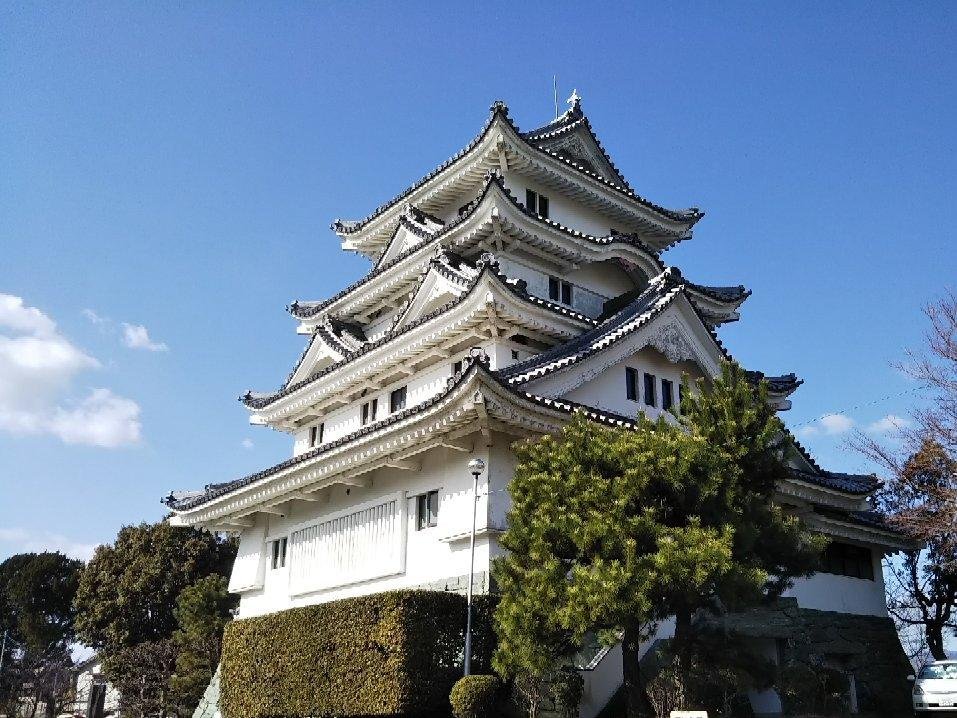
Popular Landmarks in Yoshinogawa
Discover the most iconic attractions in Yoshinogawa
Recommended Hotels in Yoshinogawa
Find the perfect place to stay in Yoshinogawa
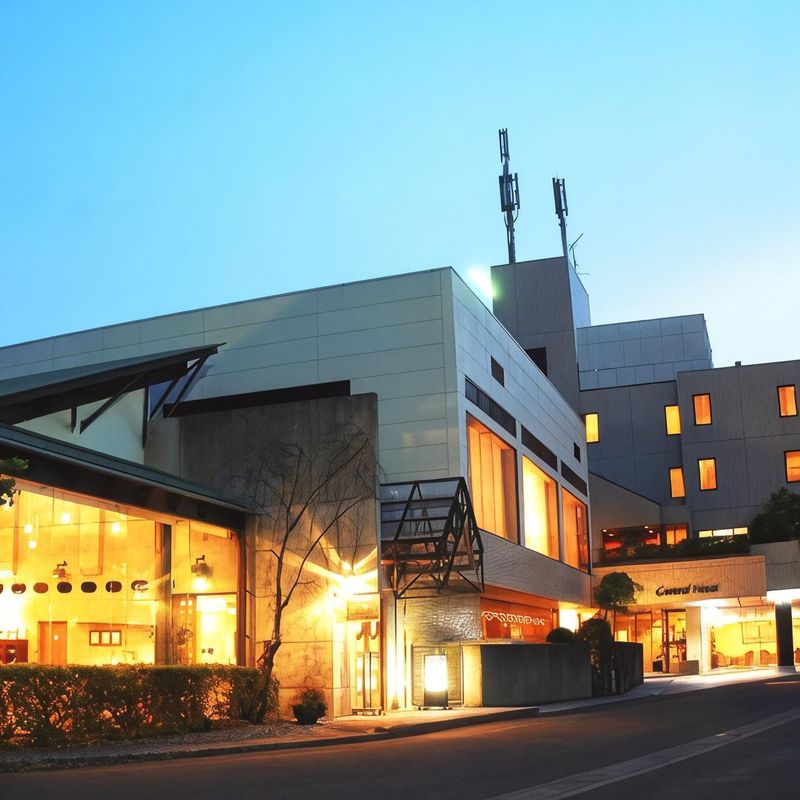
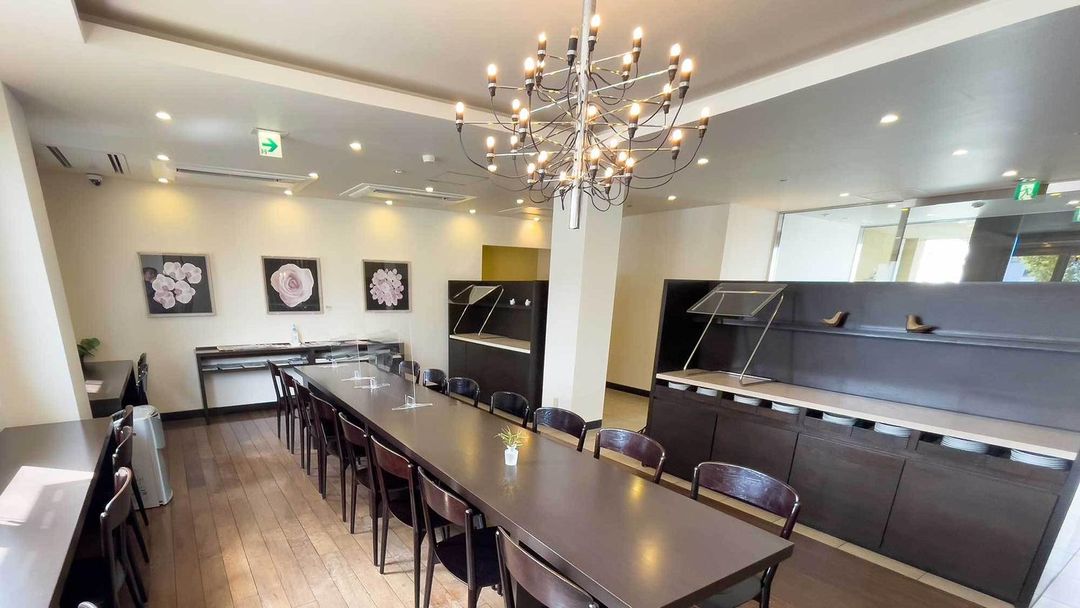
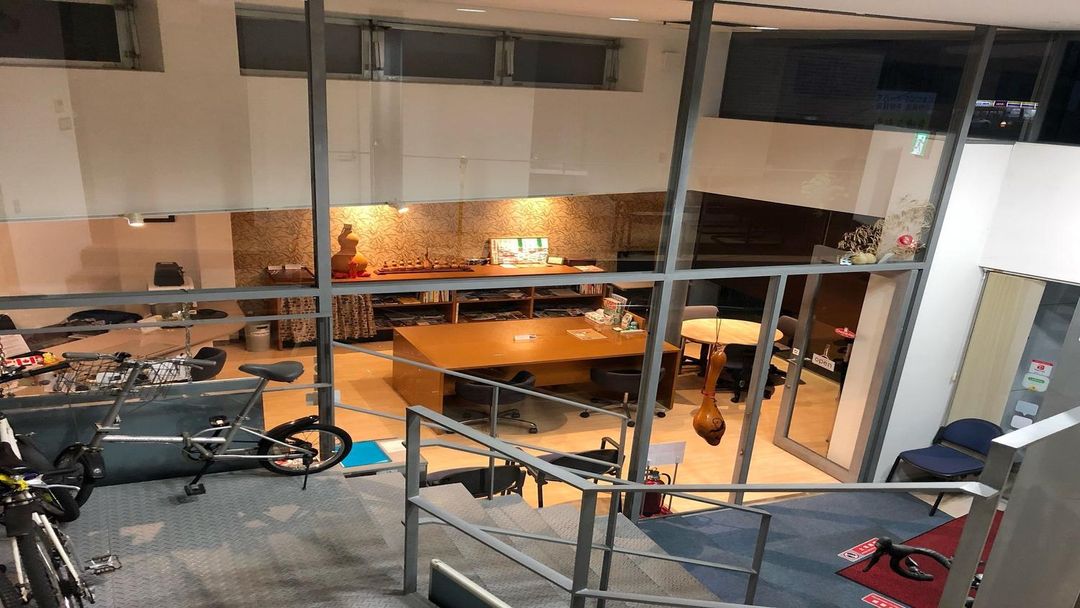
Best Hotels in Yoshinogawa
Discover curated hotel collections in Yoshinogawa























Frequently Asked Questions about Traveling to Yoshinogawa
Questions You Might Need to Know About Traveling to Yoshinogawa
Yoshinogawa Overview
City Summary
Yoshinogawa City in Tokushima Prefecture is renowned for the Yoshino River, Shikoku's longest waterway that shapes its lush landscapes and agricultural heritage. The city's core appeal lies in its indigo dyeing (Aizome) and washi paper-making traditions, along with the spectacular cherry blossom tunnels along the riverbanks in spring. As an agricultural hub, it produces famed Naruto Kintoki sweet potatoes and citrus fruits, offering authentic rural Japanese charm.
Must-See Attractions
Top attractions include the Yoshino River Sakura Promenade, a 2km cherry blossom tunnel celebrated across Shikoku. The Awa Washi Traditional Industry Hall demonstrates millennium-old papercraft, while Ai-no-Yakata showcases UNESCO-recognized Aizome techniques. Nature enthusiasts should explore Mt. Tsurugi Quasi-National Park for hiking or take sightseeing boats through the dramatic Iya Valley gorges.
Food Guide
Don't miss Jigokudaki (stone-oven baked sweet potatoes) made with local Naruto Kintoki variety. Unique citrus marmalades and indigo-flavored soft serve reflect regional flavors, available at "Fureai-kan" farmers' market. Riverside restaurants serve exquisite salt-grilled ayu (sweetfish), and summer brings the fun of nagashi somen (flowing noodle) dining tradition.
Transportation Guide
From Tokushima City, take the JR Tokushima Line to Kamojima Station (25min) or highway buses to Yoshinogawa IC (40min). Local community buses (Yoshinogawa Bus) and rental bicycles serve urban areas, while taxis (¥2,000-3,000/hour) are advised for attractions. Note: Mountainous areas like Iya Valley have limited transit - consider rental cars or guided tours.
Best Time to Visit
Early April peaks for cherry blossoms despite crowds; November offers ideal hiking weather with autumn foliage. Avoid June-July rainy season and August heatwaves. Some mountain roads close December-February.
Travel Tips
- Book indigo workshops 3 days ahead - dyed items need 2-3 days to cure
- Pack windbreakers for mountain temperature drops even in summer
- Observe life jacket rules on Iya Valley boat tours
- Farm markets accept cash only - carry small yen bills
- Respect no-photography policies in traditional craft studios
- Check stream warning flags before water activities
- Separate trash into "burnable","non-burnable", and "recyclable"
Useful Information
While major sites provide English pamphlets, staff English proficiency is limited - translation apps help. WiFi hotspots concentrate at stations and tourist centers; Docomo network works best in mountains. Cash dominates, with IC cards (Suica etc.) accepted only at large facilities. For emergencies, dial #7119 for medical advice. Tokushima University Hospital (40min drive) has international clinic. Drugstore "Matsumoto Kiyoshi" in Kamojima stocks essentials until 9pm.









