Hotels in Yoshioka
Discover your perfect stay in Yoshioka.
Yoshioka(Japan) Travel 2026: Cheap Flights, Hotels & Top Attractions
Popular Landmarks in Yoshioka
Discover the most iconic attractions in Yoshioka
Recommended Hotels in Yoshioka
Find the perfect place to stay in Yoshioka
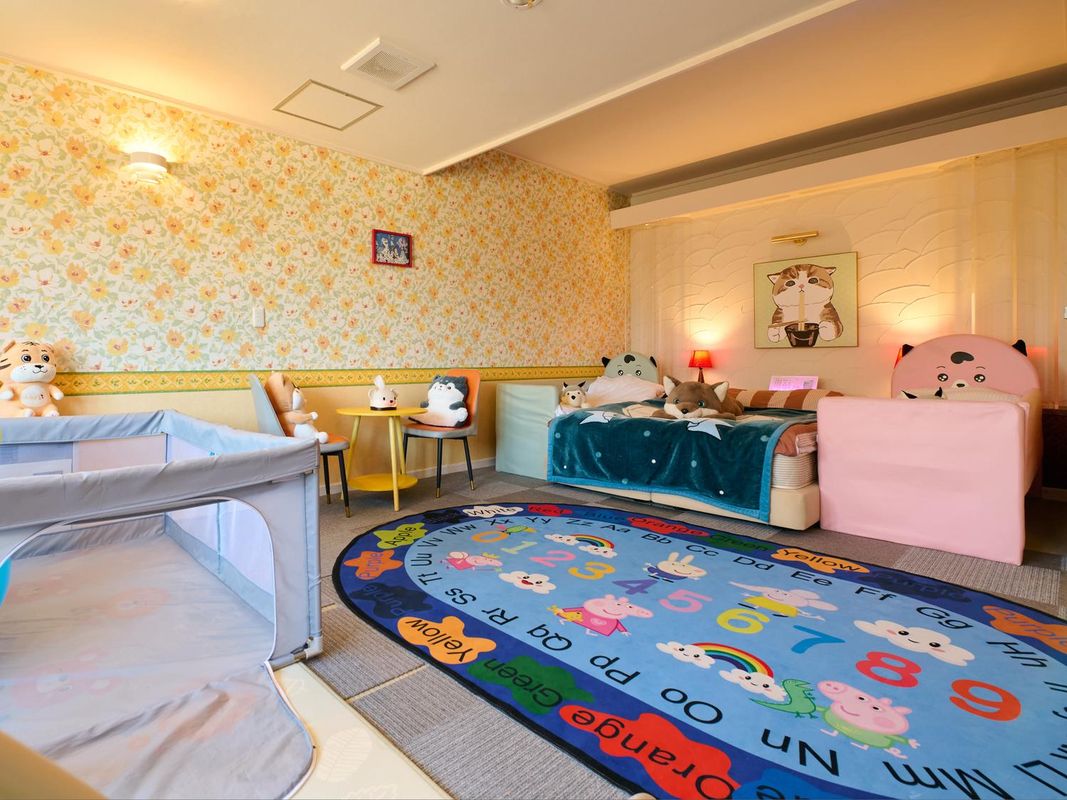
Ikaho No Mori Kids Paradise
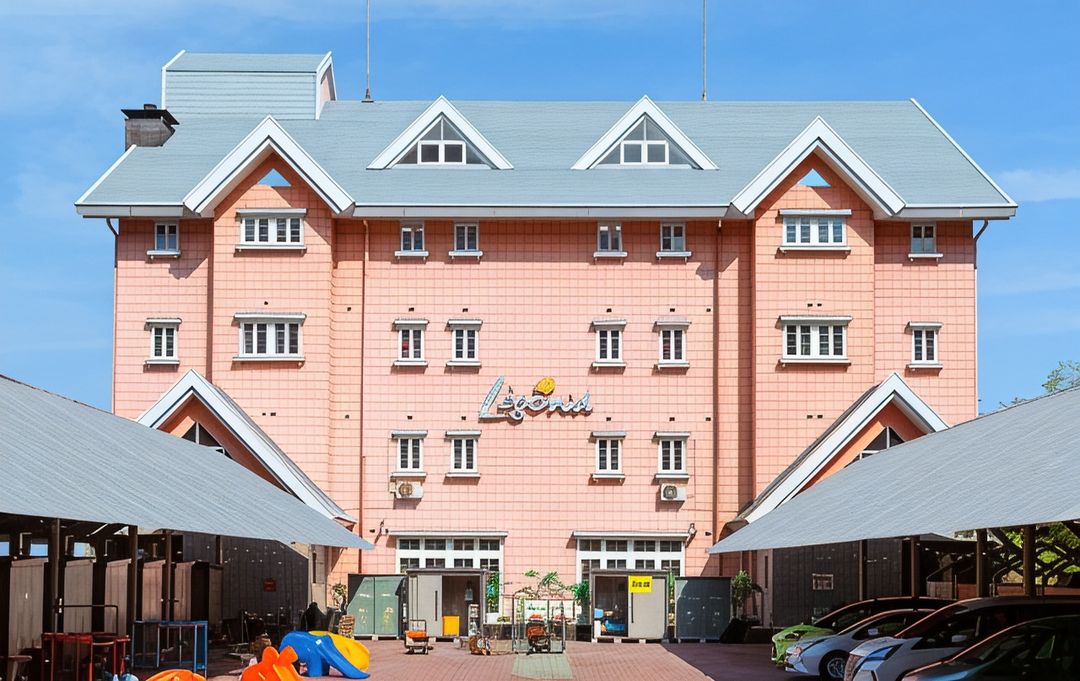
Hotel Ikaho No Mori
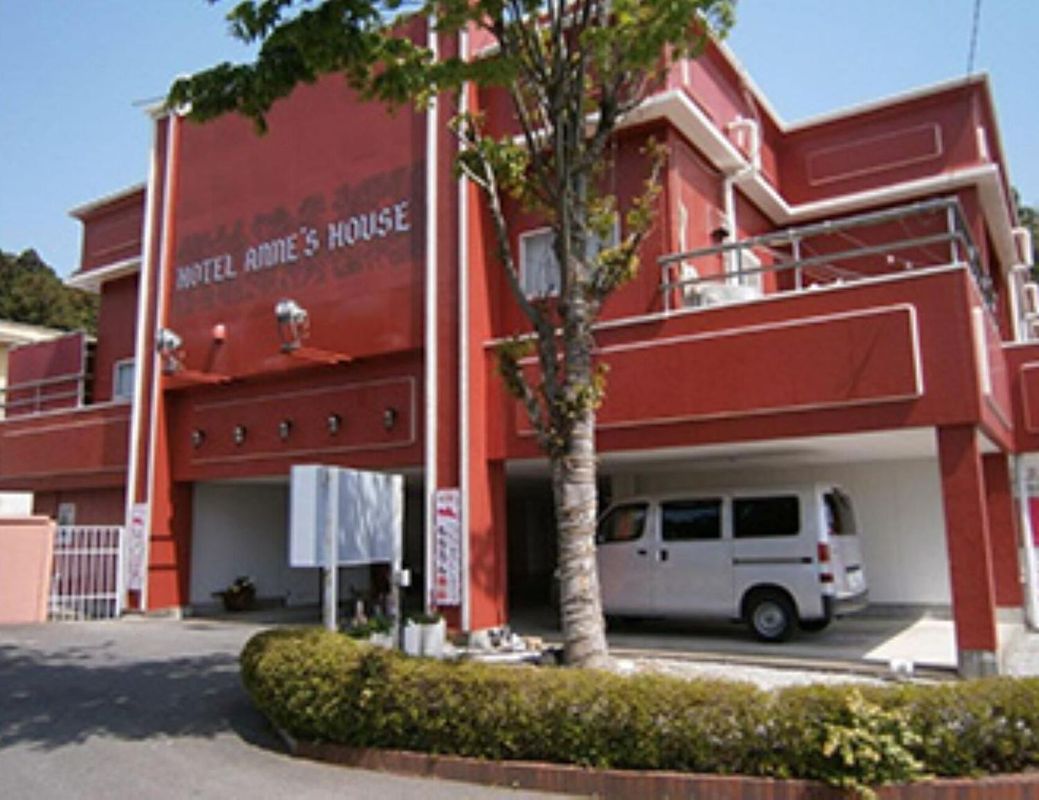
Hotel Annoie
Best Hotels in Yoshioka
Discover curated hotel collections in Yoshioka
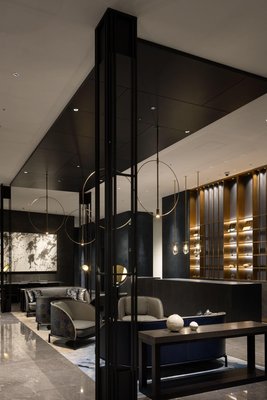
Bellustar Tokyo, A Pan Pacific Hotel
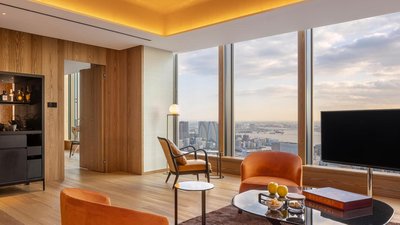
Bvlgari Hotel Tokyo
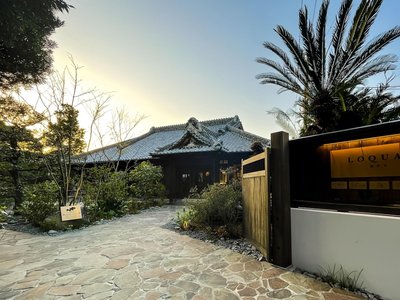
Loquat Nishiizu
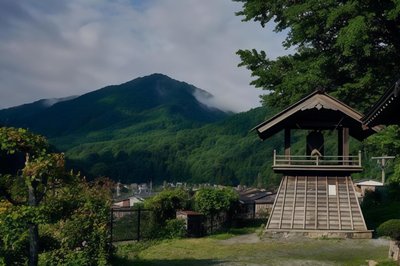
Byaku Narai
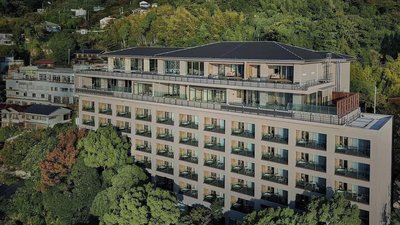
Atami Izusan Karaku
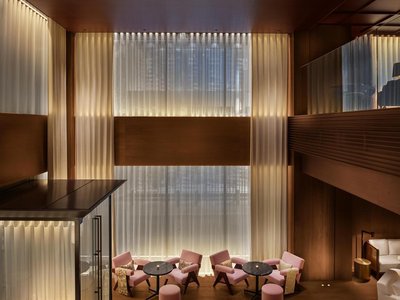
The Tokyo Edition, Ginza
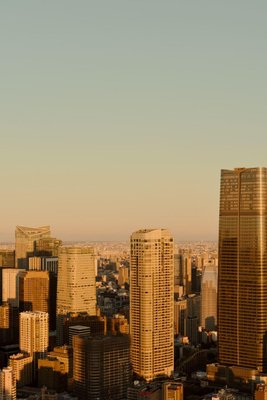
Janu Tokyo
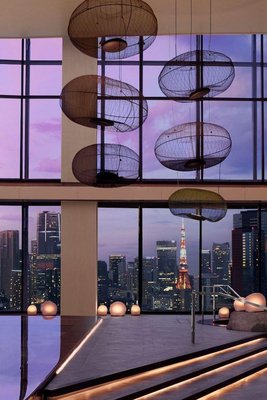
JW Marriott Hotel Tokyo
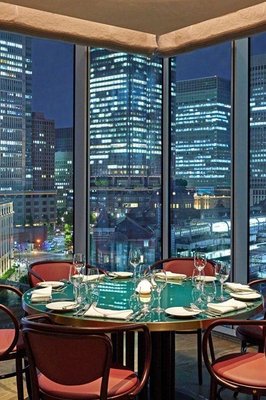
Four Seasons Hotel Tokyo at Marunouchi

Mandarin Oriental, Tokyo
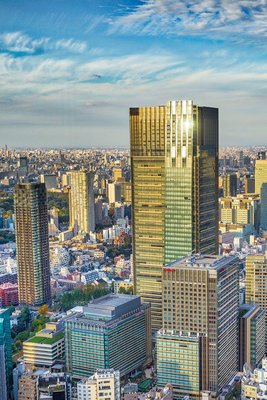
The Ritz-Carlton, Tokyo
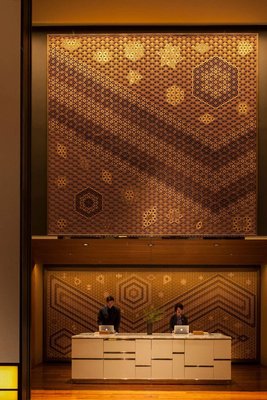
Andaz Tokyo Toranomon Hills- A Concept by Hyatt
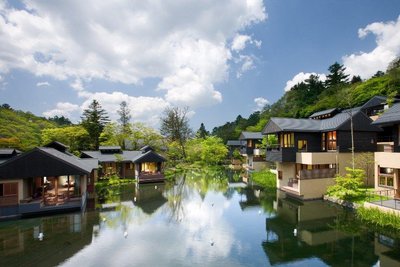
Hoshinoya Karuizawa
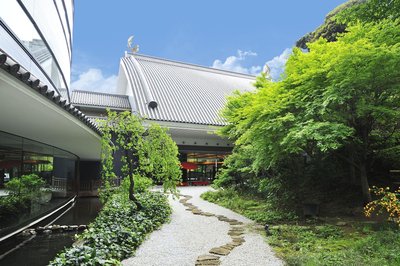
Hotel Gajoen Tokyo
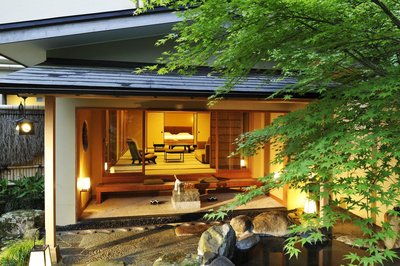
Gora Kadan
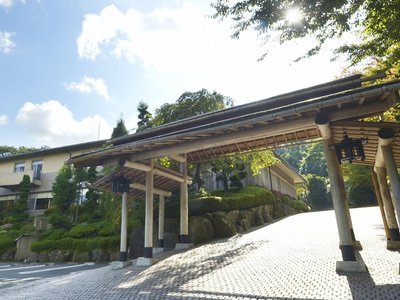
Gora Hanaougi
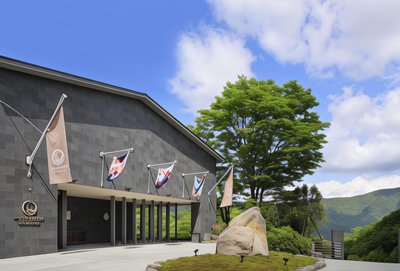
The Hiramatsu Hotels & Resorts Sengokuhara Hakone
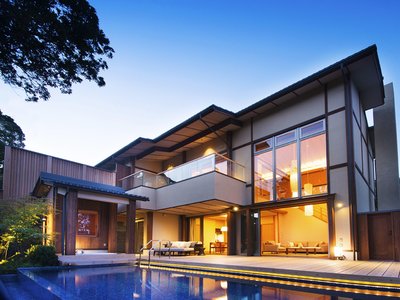
Abba Resorts Izu - Zagyosoh
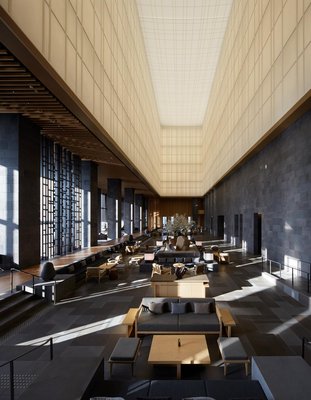
Aman Tokyo
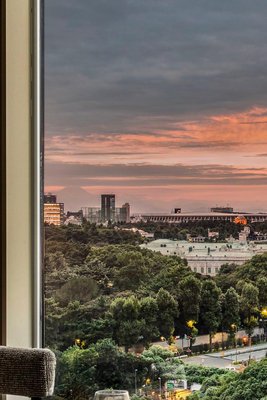
Hotel New Otani Tokyo, Executive House Zen
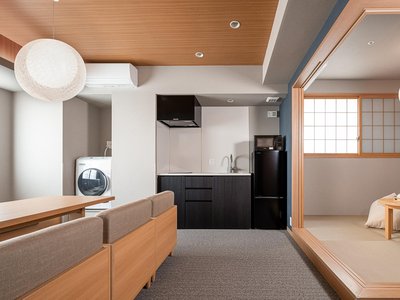
MIMARU SUITES Tokyo Asakusa
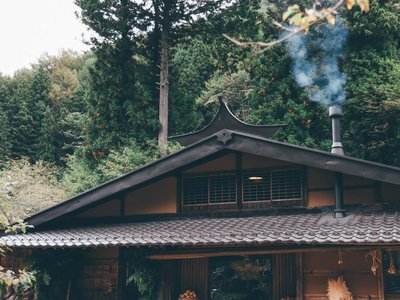
La Terra Resort
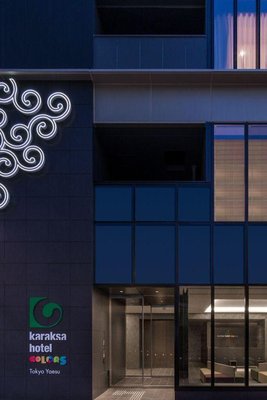
karaksa hotel colors Tokyo Yaesu
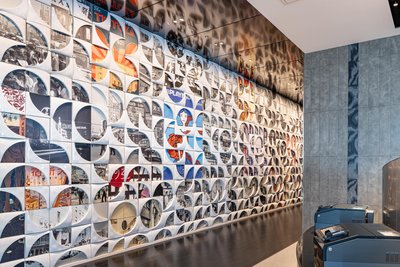
HOTEL GROOVE SHINJUKU, A PARKROYAL Hotel

EN Resort Grandeco Hotel
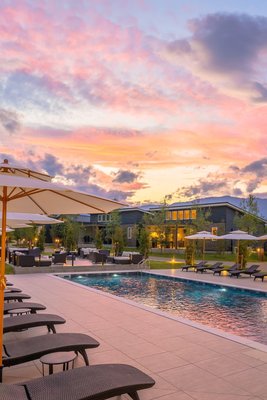
Awaumi Fujikawaguchiko Resort
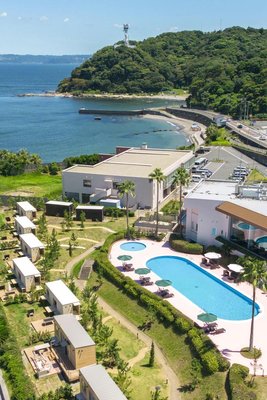
La vista Yokosuka Kannonzaki Terrace
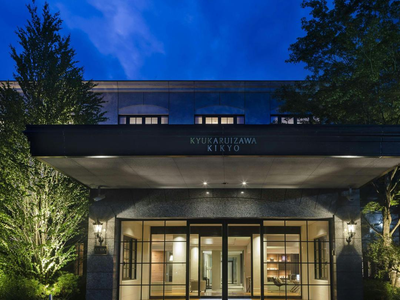
Fufu Karuizawa Wind of Sunshine
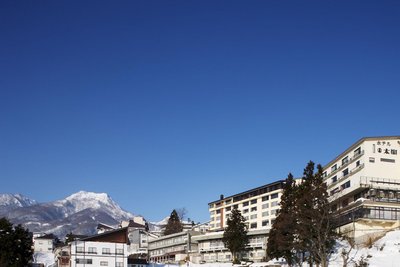
Hotel Taiko, Akakura Onsen
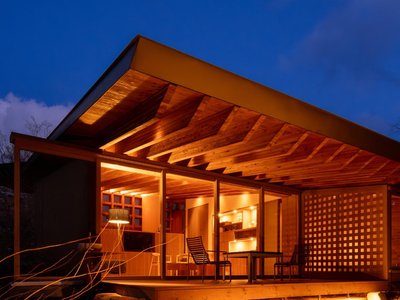
Nasu Mukunone
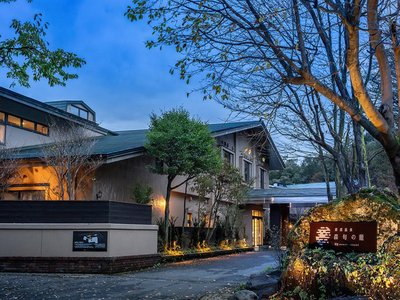
Nasu Onsen Shinshun no Kago Hewitt Resort

Scapes the Suite
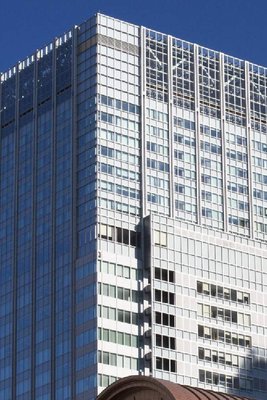
Hotel Metropolitan Tokyo Marunouchi
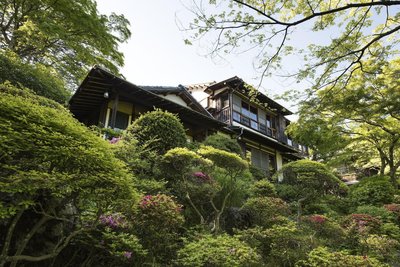
Gora Kansuiro
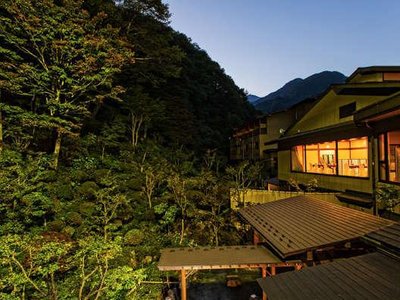
Futari Shizuka
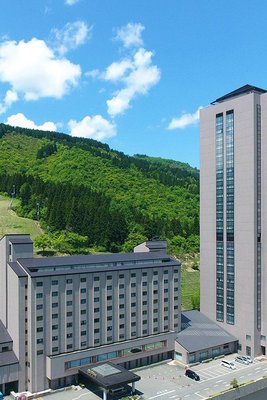
Naspa New Otani
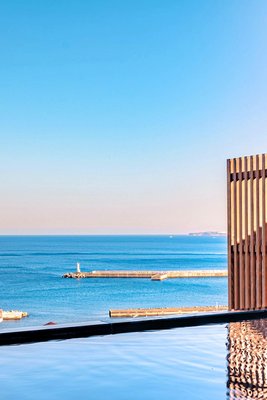
HOTEL KANICHI
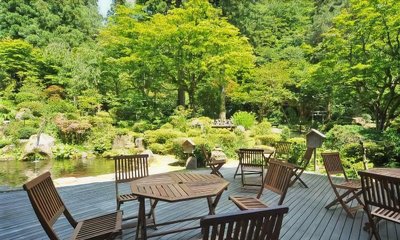
Choseikan
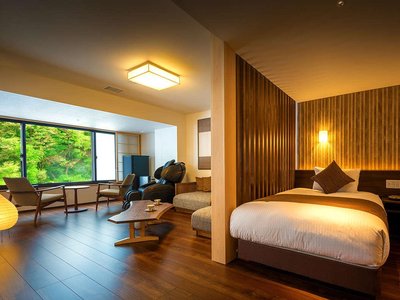
Harataki
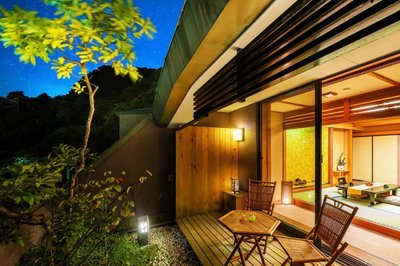
Konjakutei
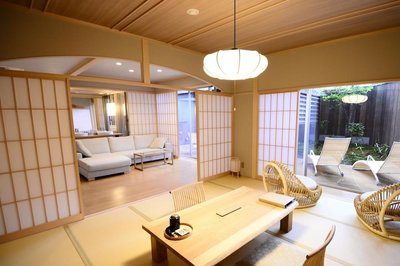
Hakone Gora Byakudan
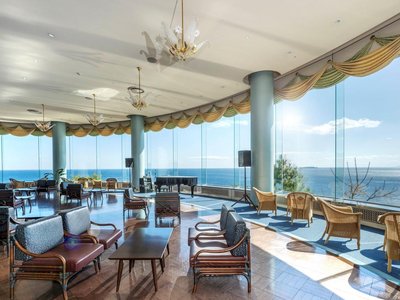
Hotel New Akao
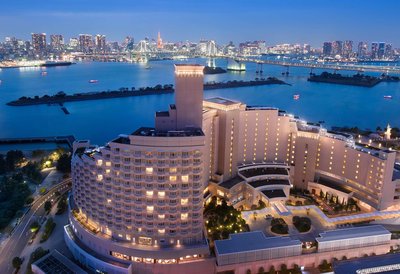
Hilton Tokyo Odaiba
JW Marriott Hotel Tokyo
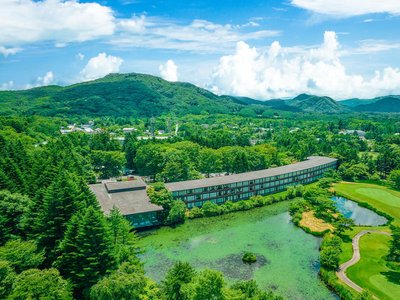
The Prince Karuizawa
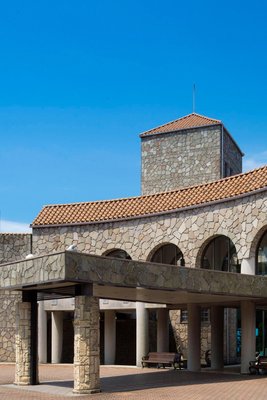
Izumigo Hotel Altia Toba
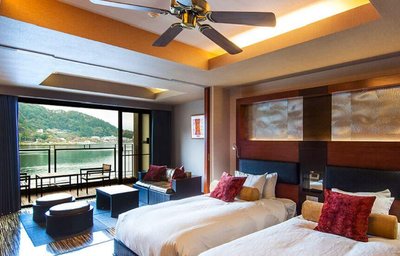
The Kukuna
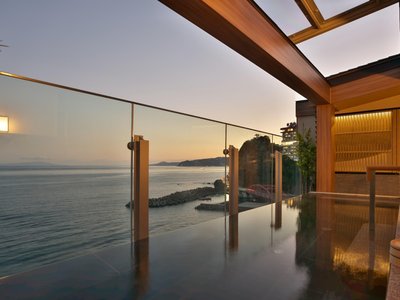
Hotel New Sagamiya
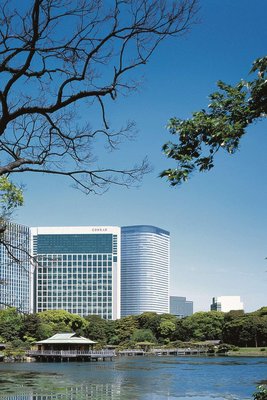
Conrad Tokyo
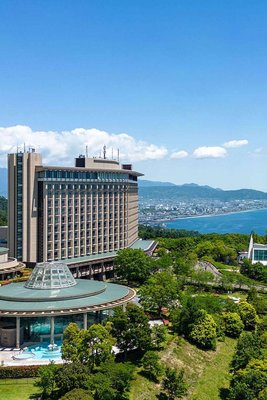
Hilton Odawara Resort & Spa
Hoshinoya Karuizawa
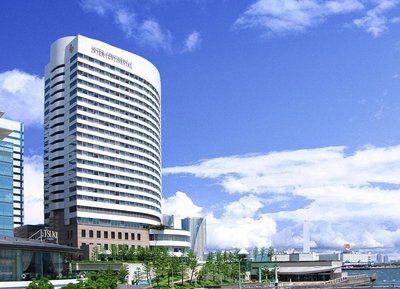
InterContinental Tokyo Bay
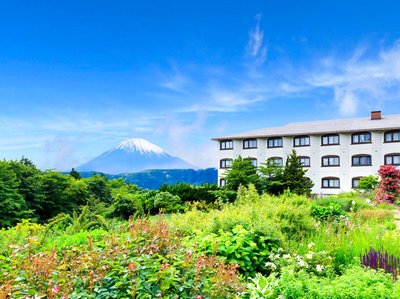
Hotel Green Plaza Hakone
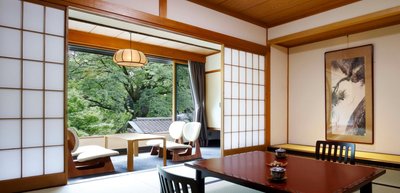
Yoshiike Ryokan
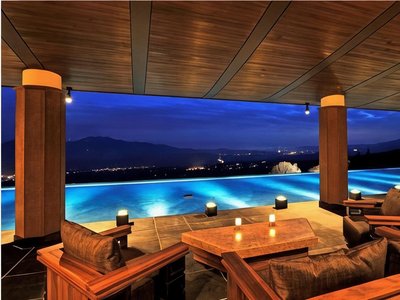
Akakura Kanko Hotel
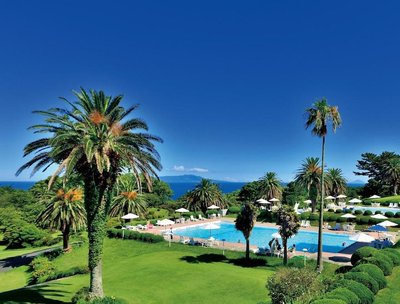
Kawana Hotel
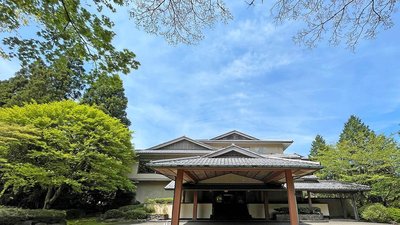
Ryuguden
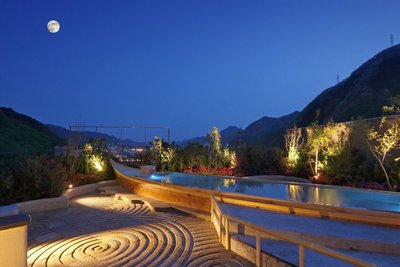
Asaya
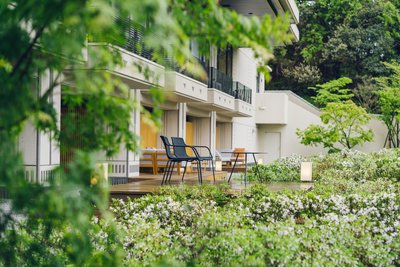
Hoshino Resorts Kai Enshu
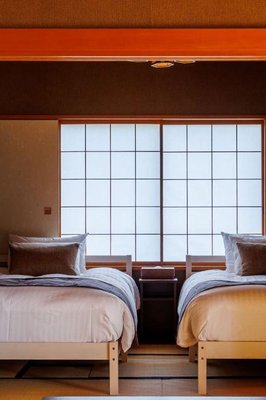
Sado Resort Hotel Azuma
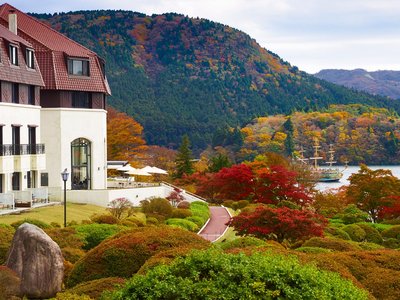
Hotakajyo
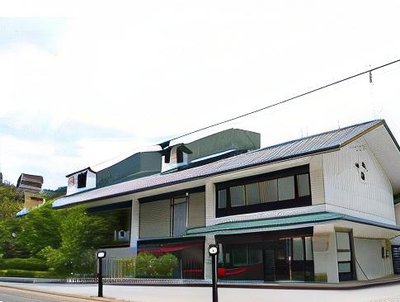
Auberge Suzukane

Onyado Nono Asakusa Bettei Hot Spring
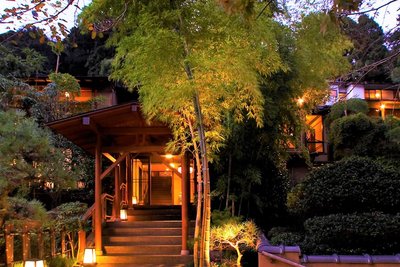
Shiki wo Ajiwau Yado Yamano Chaya
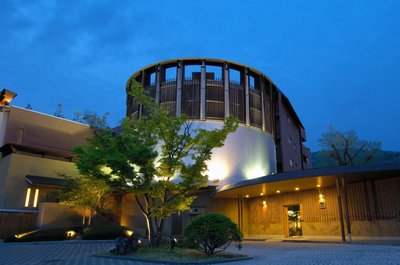
Hoshino Resorts Kai Matsumoto
Konjakutei
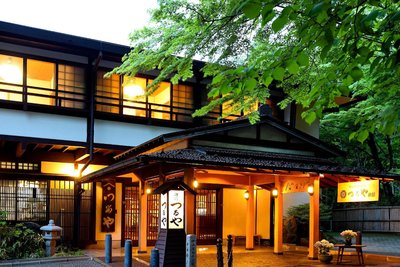
Tsuruya Ryokan
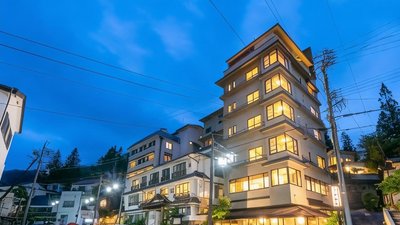
Nakamatsuya Ryokan
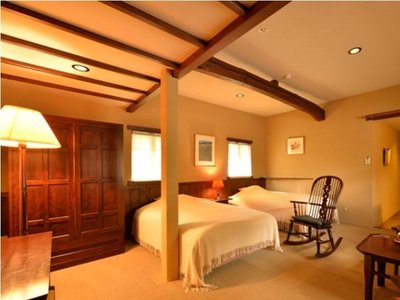
Ryokan Sugimoto
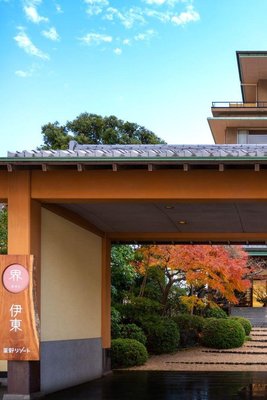
Hoshino Resorts Kai Ito
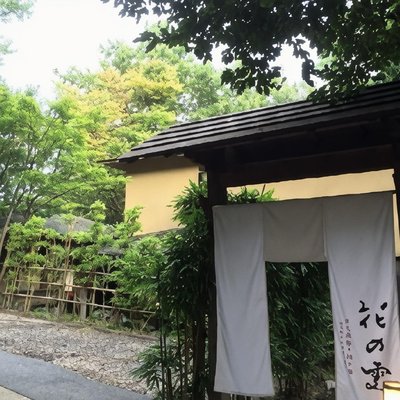
Hana No Kumo
Yoshiike Ryokan
Hotel Gajoen Tokyo
Gora Hanaougi
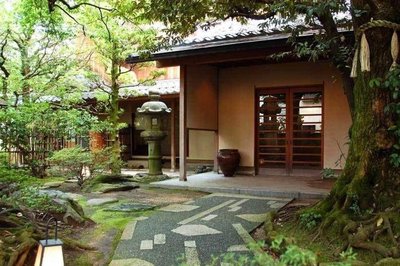
Kocho
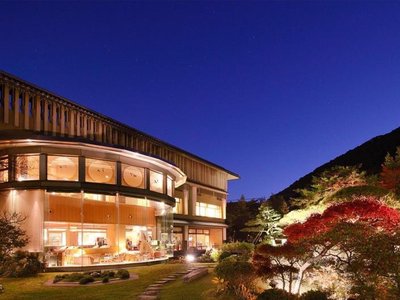
Shikisai Ichiriki
Sado Resort Hotel Azuma
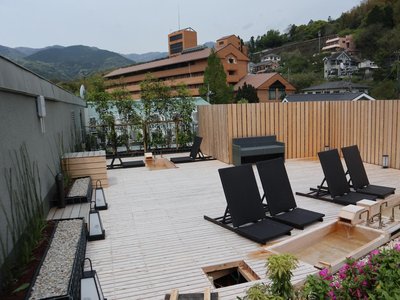
Fukiya Ryokan
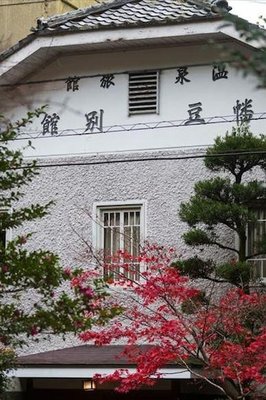
Oku-Mikawa・Yuya Onsen HAZU Bekkan
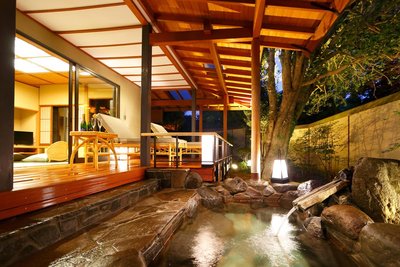
Yoshiharu Ryokan – Izu Nagaoka Onsen
Bellustar Tokyo, A Pan Pacific Hotel
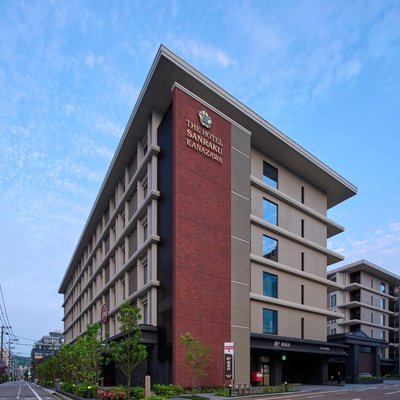
The Hotel Sanraku Kanazawa 21th December 2022 Open
JW Marriott Hotel Tokyo
Andaz Tokyo Toranomon Hills- A Concept by Hyatt
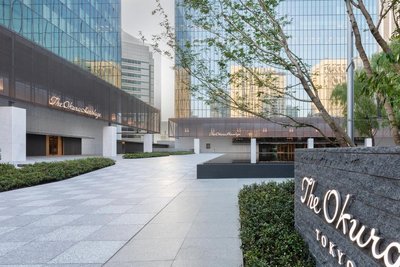
The Okura Tokyo
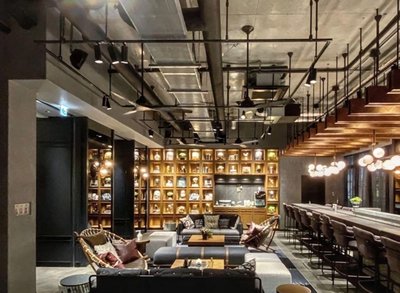
The Lively Azabujuban Tokyo
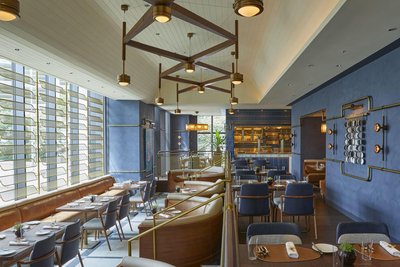
Kimpton Shinjuku Tokyo

HOTEL K5
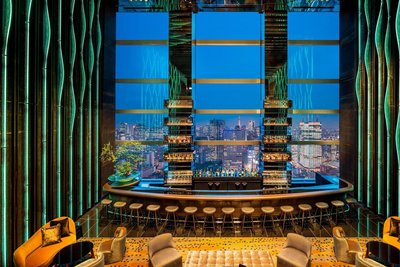
The Prince Gallery Tokyo Kioicho, a Luxury Collection Hotel
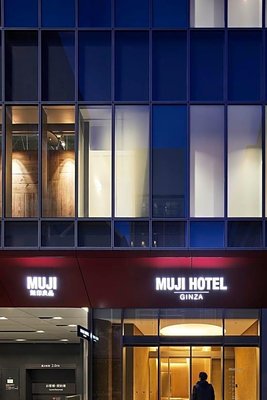
Muji Hotel Ginza
Hakone Gora Byakudan
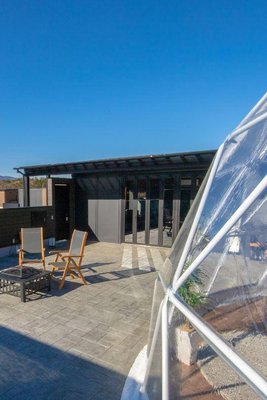
Panoramic Mt. Fuji Views from All Rooms – Vision Glamping Resort & Spa Yamanakako
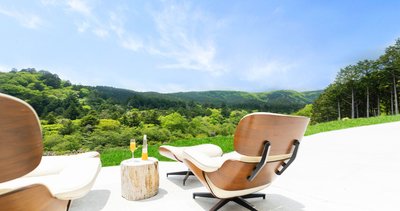
Shelter Garden Nikko
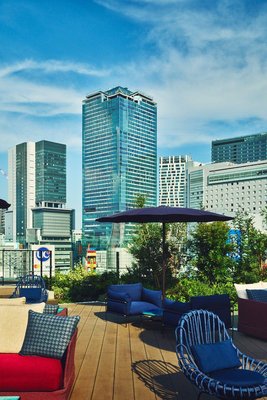
Hotel Indigo Tokyo Shibuya
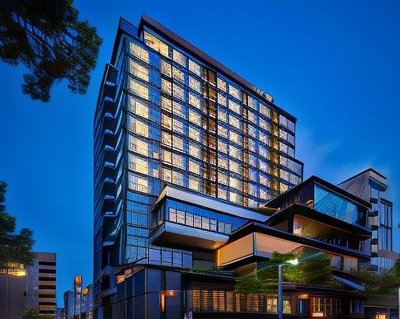
TIAD, AUTOGRAPH COLLECTION
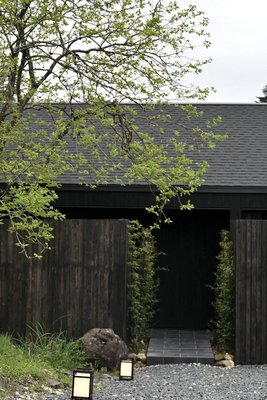
THE LAKOTAN
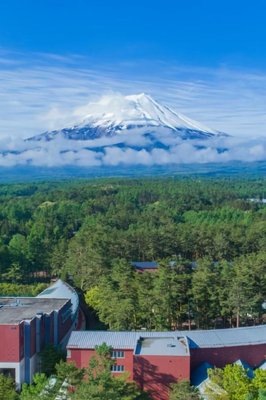
Forest Village (Fuji Premium Resort)
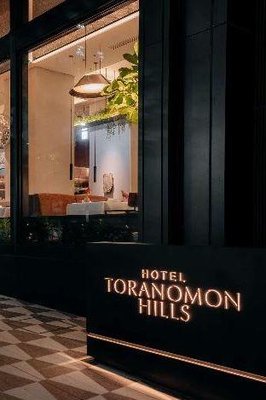
Hotel Toranomon Hills
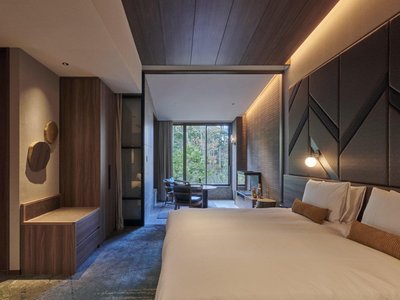
Fufu Kyu-Karuizawa Restful Forest
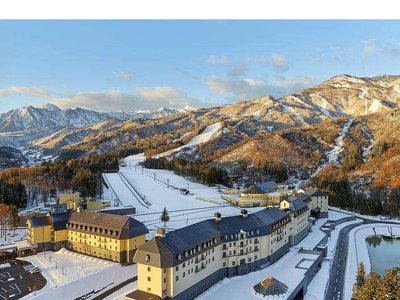
Lotte Arai Resort
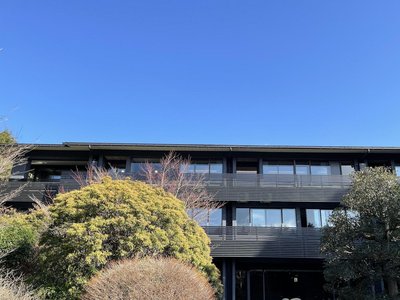
Sengokubara Cocon
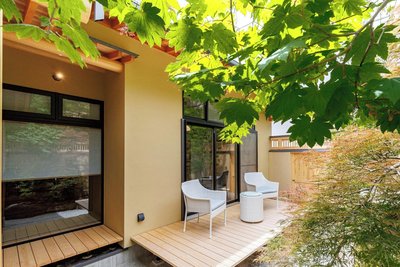
Shoraiso
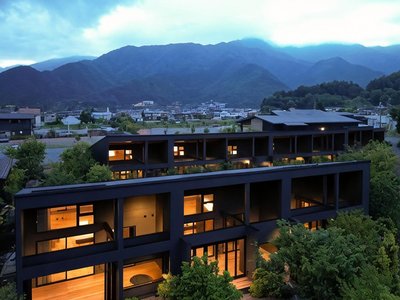
7C Villa and Winery
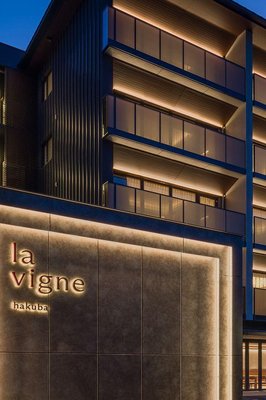
Hotel la Vigne Hakuba by Onko Chishin
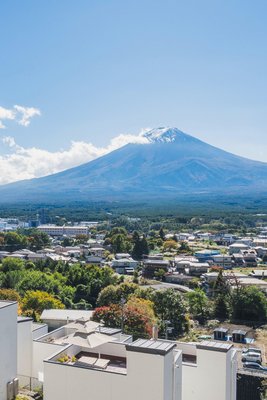
THE TOKI FujiKawaguchiko
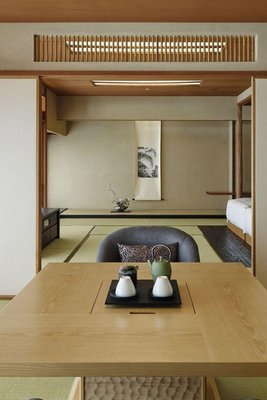
Takanawa Hanakohro (in Grand Prince Hotel Takanawa)
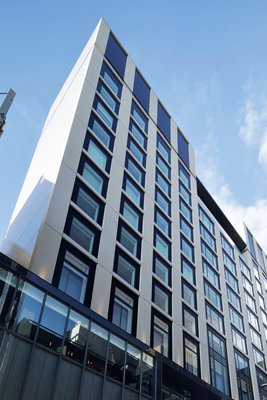
Hyatt Centric Ginza Tokyo
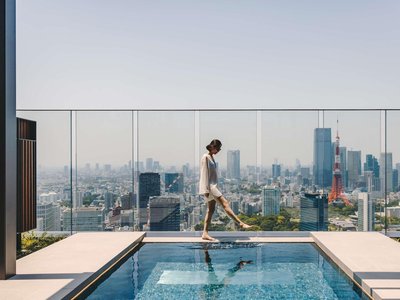
Fairmont Tokyo
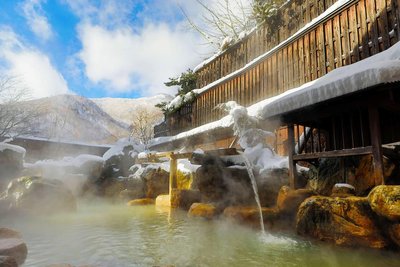
Miyamaouanbekkan yumegurinoyado hirayukan
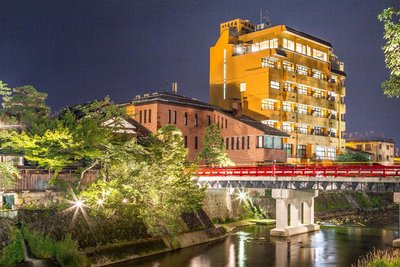
HONJIN HIRANOYA BEKKAN
Bvlgari Hotel Tokyo
Four Seasons Hotel Tokyo at Marunouchi
Mandarin Oriental, Tokyo
The Ritz-Carlton, Tokyo
Andaz Tokyo Toranomon Hills- A Concept by Hyatt
Gora Kadan
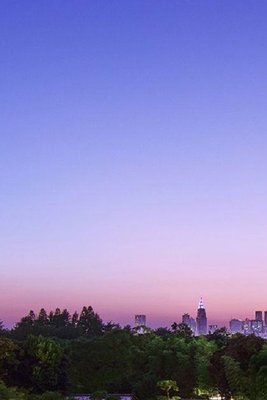
Hotel New Otani Tokyo the Main
Aman Tokyo
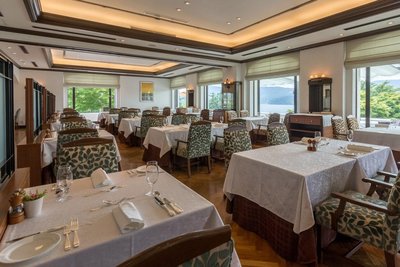
Odakyu Hotel de Yama
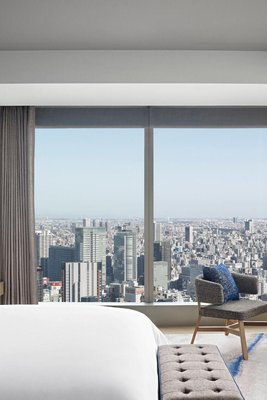
Four Seasons Hotel Tokyo at Otemachi
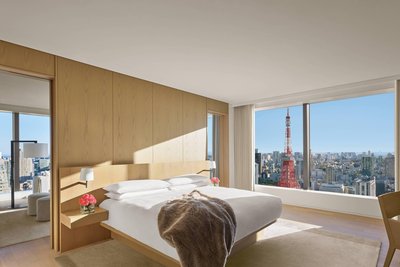
The Tokyo Edition, Toranomon
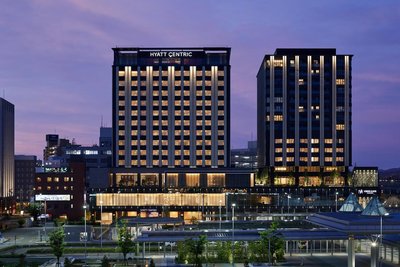
Hyatt Centric Kanazawa
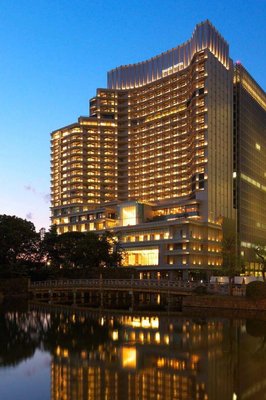
Palace Hotel Tokyo
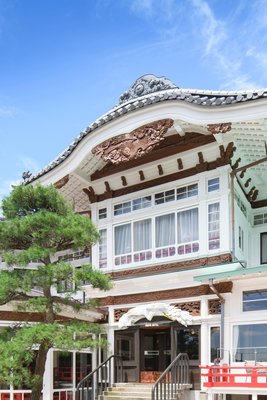
Fujiya Hotel
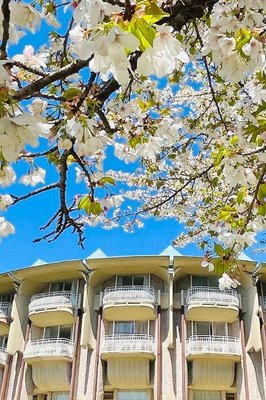
The Prince Hakone Lake Ashinoko
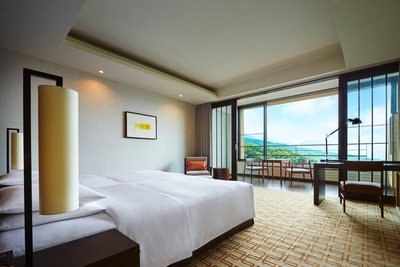
Hyatt Regency Hakone Resort and Spa
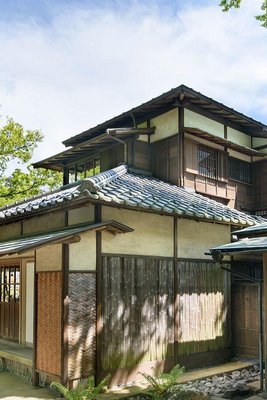
Hakone Suishoen
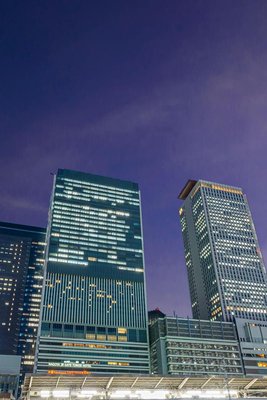
Nagoya JR Gate Tower Hotel (JR-Central Hotels)
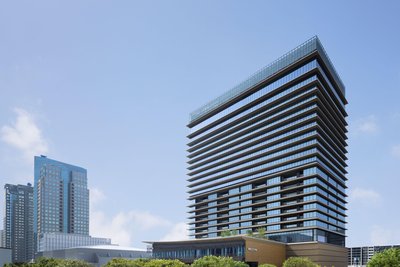
The Westin Yokohama
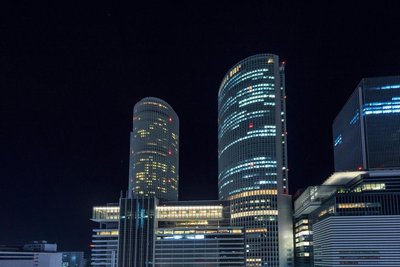
Nagoya Marriott Associa Hotel
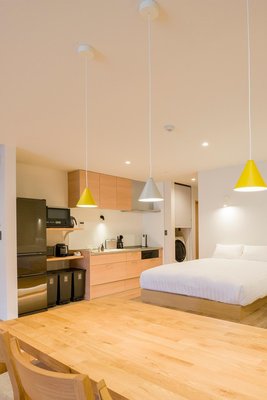
Rakuten STAY VILLA Nasu
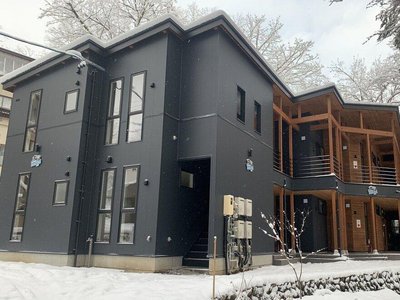
Hakuba Gondola Apartments
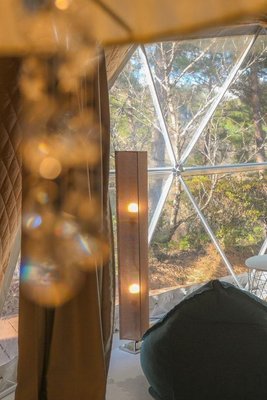
glampark Gekkabijin Nagano
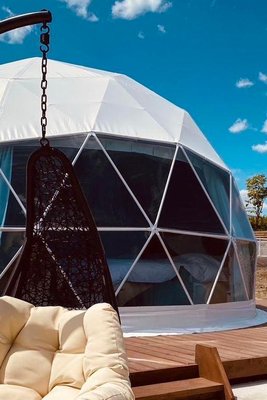
chillout glamping zao
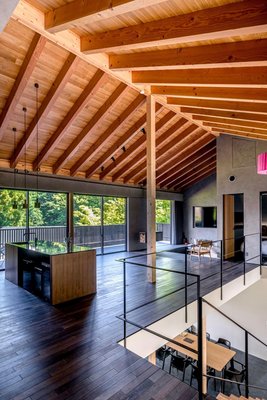
MONS GORA
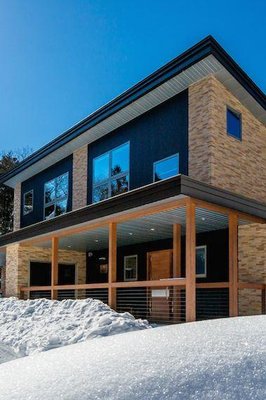
Phoenix Chalets by Hhg
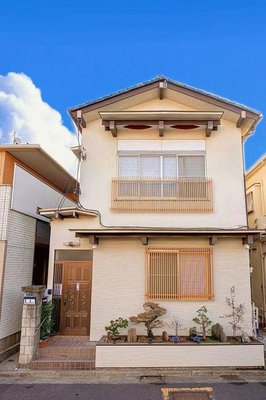
Tokyo Star House-Shinkoiwa
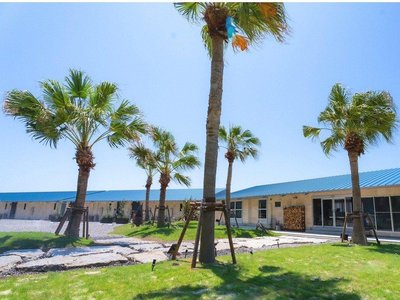
Glamping&Resort Wood Design Park Noma
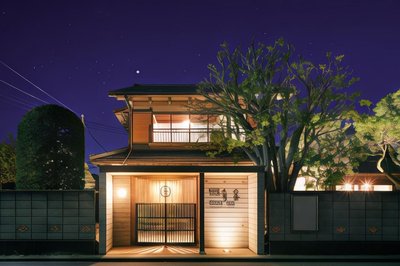
Machi-Jyu
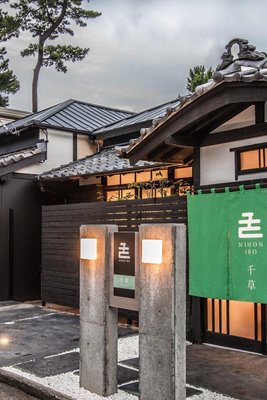
Nihon Iro
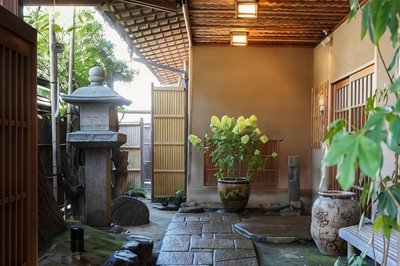
Ryokan Asadaya
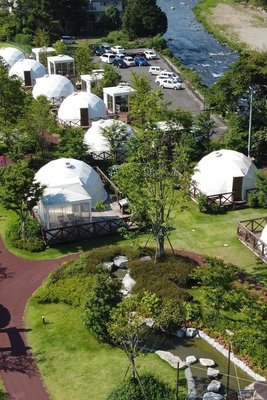
Ufufu Village
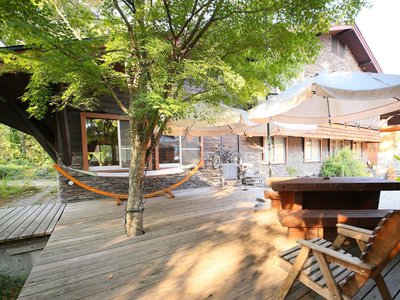
Kunugi Relaxation with 4 Modern Rooms
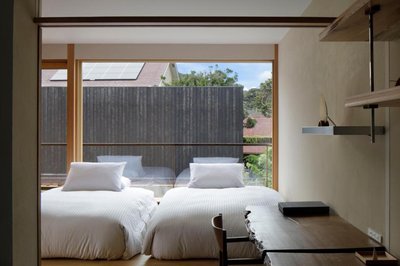
Modern Ryokan Kishi-ke
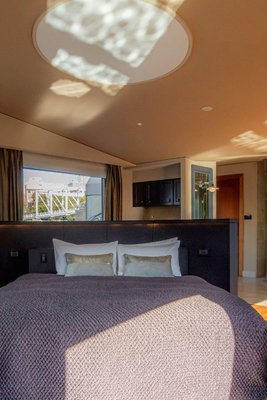
Petals Tokyo - Floating Hotel
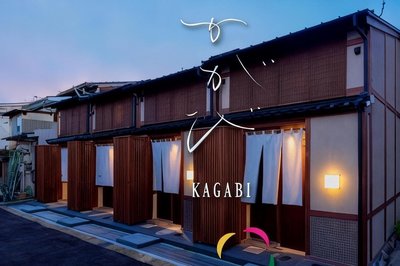
Kagabi Machiya House
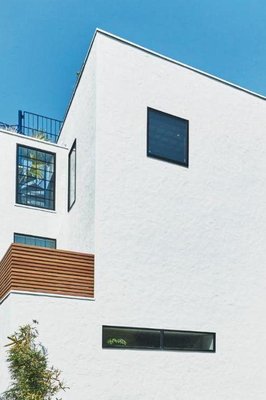
The Flow Kamakura
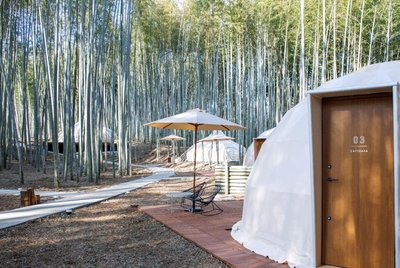
THE BAMBOO FOREST
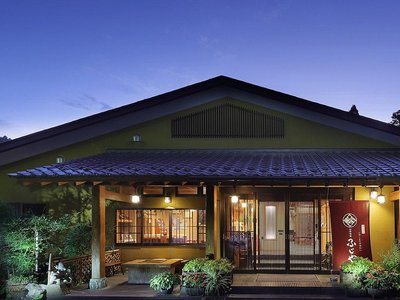
Shikimitei Fujiya
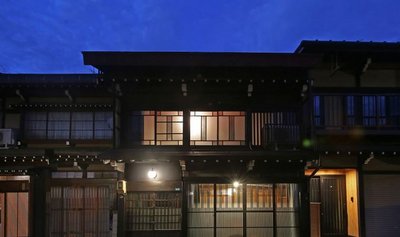
Iori Stay Hida
Bellustar Tokyo, A Pan Pacific Hotel

Hotel Barrière Fouquet's New York
Bvlgari Hotel Tokyo
Loquat Nishiizu
Byaku Narai
Atami Izusan Karaku
The Tokyo Edition, Ginza
Janu Tokyo
JW Marriott Hotel Tokyo
Four Seasons Hotel Tokyo at Marunouchi
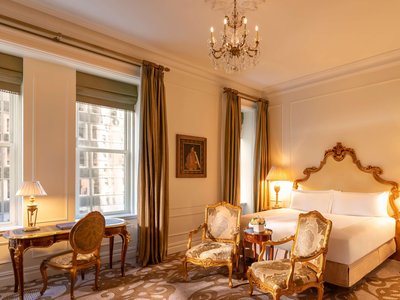
The Plaza - A Fairmont Managed Hotel
Mandarin Oriental, Tokyo
The Ritz-Carlton, Tokyo
Andaz Tokyo Toranomon Hills- A Concept by Hyatt
Hoshinoya Karuizawa
Hotel Gajoen Tokyo
Gora Kadan
Gora Hanaougi
The Hiramatsu Hotels & Resorts Sengokuhara Hakone
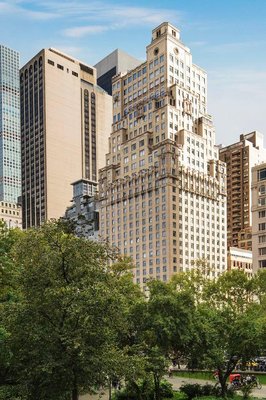
The Ritz-Carlton New York, Central Park
Frequently Asked Questions about Traveling to Yoshioka
Questions You Might Need to Know About Traveling to Yoshioka
In Yōkawa Town, the top family-friendly hotel is Gunma Prefectural Nature Park Resort Hotel, nestled at the foot of Ōizumi Mountain and adjacent to the Yōkawa River Trail System. This eco-conscious resort offers spacious family rooms with Japanese-style interiors, private balconies overlooking forested valleys, and on-site play areas for children. The property features a Kids’ Nature Discovery Zone, where kids can learn about local flora and fauna through interactive exhibits and guided bug-hunting walks.
Families can also participate in seasonal farm experiences like rice planting, wild berry picking, and making traditional bamboo crafts. Dinner includes locally sourced meals featuring Gunma duck and fresh mountain vegetables. With a 90-minute drive from Tokyo and free shuttle service to nearby hiking trails, it’s an ideal base for families seeking both comfort and immersion in nature.
Another excellent choice is Yōkawa Ryokan "Yukihana", which offers traditional Japanese inns with family suites, private onsen baths, and daily tea ceremonies. Their "Family Farm Night" allows guests to cook together using ingredients harvested that day, fostering meaningful connections in a serene rural setting.
The most authentic cultural stay experience in Yōkawa Town is found in the Mountain Slope Residential District, located near Ōizumi Mountain's foothills. This low-density neighborhood features preserved traditional wooden houses and Japanese garden courtyards, many operated as guesthouses by long-time residents.
Stay at Yamafu no Housou or Hayashi-no-Ko, two boutique homestays offering personalized hospitality. Guests enjoy homemade breakfasts made with organic produce from the owners' farms, and daily activities such as morning meditation sessions, handmade paper-making workshops, and local storytelling nights under the stars.
These homes are just a 5-minute walk from the Yōkawa Town Cultural Hall, which hosts seasonal events like craft markets, tea ceremony demonstrations, and folk music performances. The district’s minimal tourism infrastructure ensures a genuine, unscripted glimpse into rural Japanese life—perfect for travelers seeking deep cultural connection beyond typical sightseeing.
Yōkawa Town offers exceptional nature-culture fusion stays at "Mori no Tomi", a centuries-old gasshō-zukuri farmhouse transformed into a luxury eco-lodge. Guests can join daily Zen morning rituals led by local masters, including tea ceremony practices and mindfulness exercises in the surrounding forest.
The lodge runs a seasonal Farm-to-Table Experience Program: spring brings wild herb harvesting, summer offers bamboo basket weaving, autumn features rice threshing, and winter includes traditional straw mat crafting. All materials are sourced directly from the land, and meals feature dishes like wild mushroom risotto and local duck stew.
A standout event is the "Night Sky Stargazing Program", held during moonless nights. Equipped with professional telescopes and guided by astronomers, guests witness stunning views of the Milky Way and shooting stars—thanks to Yōkawa’s ultra-low light pollution. The program concludes with a storytelling circle beneath the stars, sharing myths tied to the constellations visible above the mountains. It’s a rare blend of ancient tradition and celestial wonder.
The hot spring hotels in Yōkawa Town stand out due to their natural mineral-rich waters and immersive wellness philosophy. At Yukihana Onsen Ryokan, the bathwater comes from a deep underground source (300m) rich in calcium and magnesium, classified as weakly alkaline carbonic acid spring—ideal for skin health and joint relief.
The ryokan features open-air baths facing the Yōkawa Valley, where guests can soak while listening to flowing streams and watching dawn mist rise. Unique seasonal bathing themes include cherry blossom petals floating on spring pools, firefly projections in summer, maple leaves in autumn, and snow-covered stone gardens in winter.
Each night, guests enjoy a kaiseki dinner featuring Gunma duck, wild mushrooms, and homegrown vegetables, paired with locally brewed plum wine. Special programs include Onsen Healing Workshops, teaching how to use thermal minerals for self-care routines. For those seeking deeper rest, "Zero Light Sleep Experience" rooms feature blackout curtains, circadian lighting, and sound-dampening walls—perfect for resetting urban rhythms.
For budget-conscious travelers, Yōkawa Station Youth Hostel "Yama to Sora" is the top pick. Located just a 5-minute walk from Yōkawa Station, it offers clean, modern dorm rooms and semi-private double rooms starting at ¥2,800 per night, all with private bathrooms and air conditioning.
Despite its affordable price, the hostel provides rich local experiences: daily **
Yoshioka Overview
City Summary
Yoshioka Town is located in Gunma Prefecture, Japan, known for its rural charm and abundant natural scenery. With its hot springs and traditional crafts, it offers a perfect retreat from urban hustle. The town's rich cultural heritage is reflected in its festivals and local arts.
Must-See Attractions
Key attractions in Yoshioka include its hot springs and natural parks. The Yoshioka Onsen is a must-visit for a relaxing soak. The town's natural parks are ideal for hiking and picnics, especially during autumn when the foliage is stunning. Local craft shops also offer insights into traditional craftsmanship.
Food Guide
Yoshioka's cuisine features fresh local produce. Try dishes made with seasonal vegetables and soba noodles. Street foods like grilled fish and mochi are popular. Traditional Japanese breakfasts and dinners at hot spring inns provide an authentic culinary experience.
Transportation Guide
Yoshioka is accessible by bus and taxi, with no subway system. Renting a car is recommended for flexibility. From Tokyo, take the Shinkansen to Takasaki Station and transfer to a bus or taxi; the trip takes about 2 hours.
Best Time to Visit
The best times to visit are spring and autumn. Spring offers cherry blossoms, while autumn showcases vibrant foliage. Summers can be hot, and winters may bring snow, suitable for skiing enthusiasts.
Travel Tips
- Respect local customs; maintain quiet in temples.
- Cameras are often prohibited in hot spring areas.
- Shops and restaurants may close in the afternoon; check hours in advance.
- Follow local traffic rules when driving.
- Autumn foliage spots can be crowded; visit during off-peak times.
- English is not widely spoken; learn basic Japanese phrases.
Useful Information
Japanese is the primary language in Yoshioka; English proficiency is low. A translation app or basic Japanese phrases are helpful. Internet coverage is good but may be spotty in remote areas. Cash is preferred, though some inns and restaurants accept credit cards. For emergencies, dial 110 for police or 119 for ambulance.