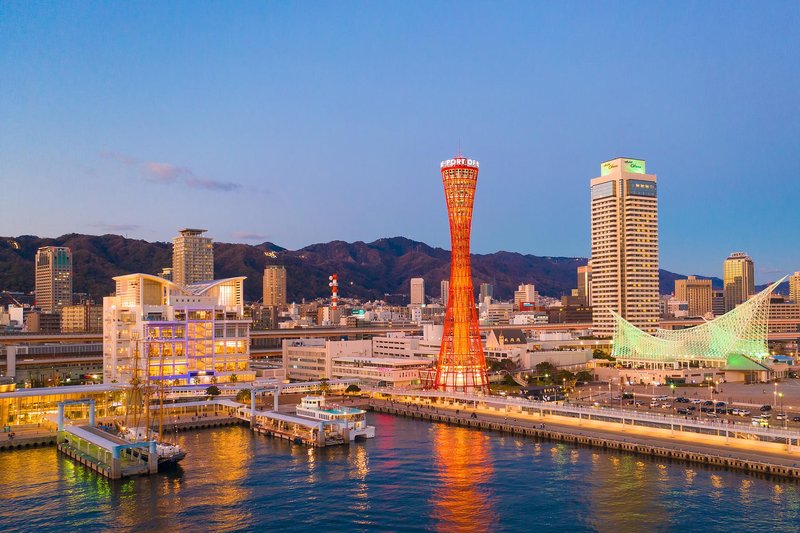
Hotels in Yuasa
Discover your perfect stay in Yuasa.
Yuasa(Japan) Travel 2026: Cheap Flights, Hotels & Top Attractions
Popular Landmarks in Yuasa
Discover the most iconic attractions in Yuasa
Recommended Hotels in Yuasa
Find the perfect place to stay in Yuasa
Tabist Yuasa Onsen Yuasajo
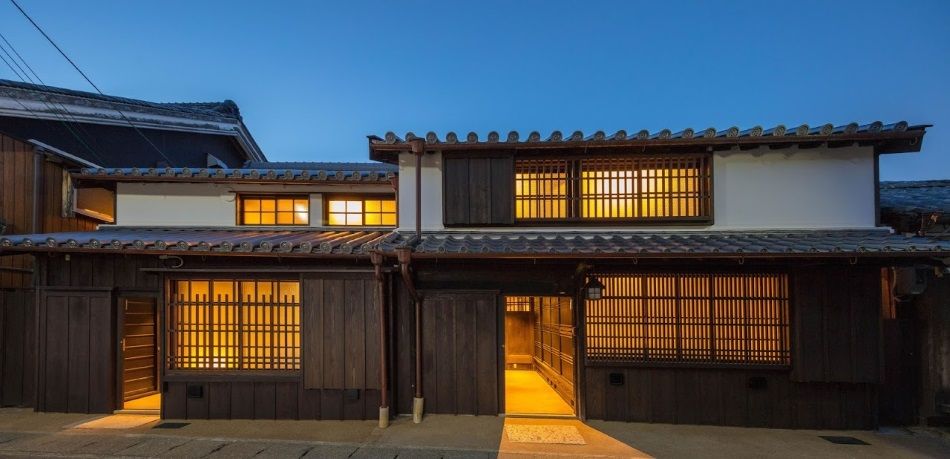
SenzanAn Kitamachi 102
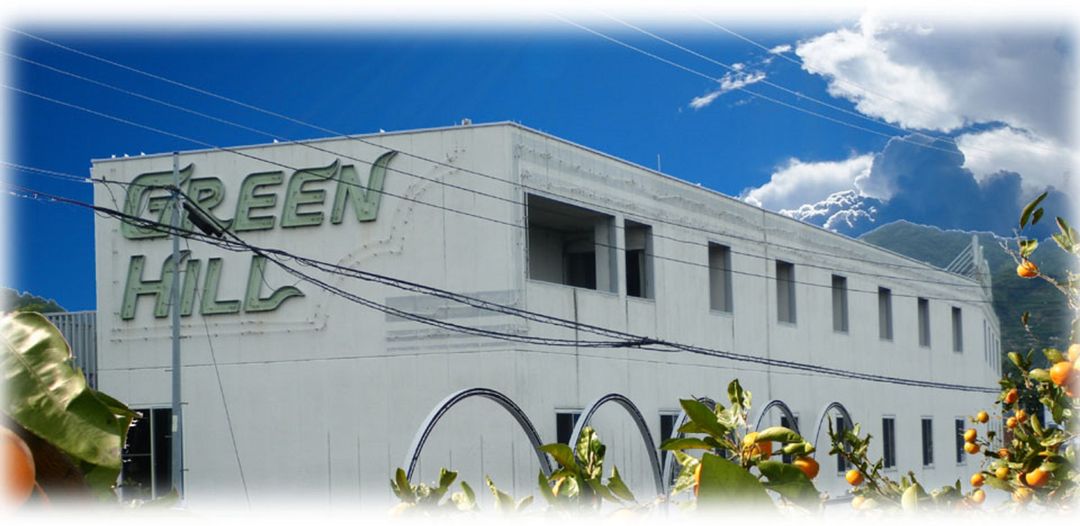
Hotel Green Hill
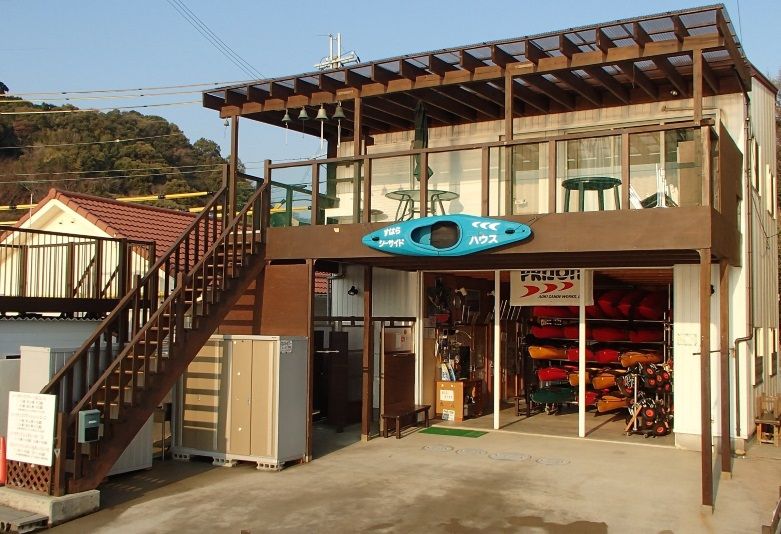
Suhara Seaside House
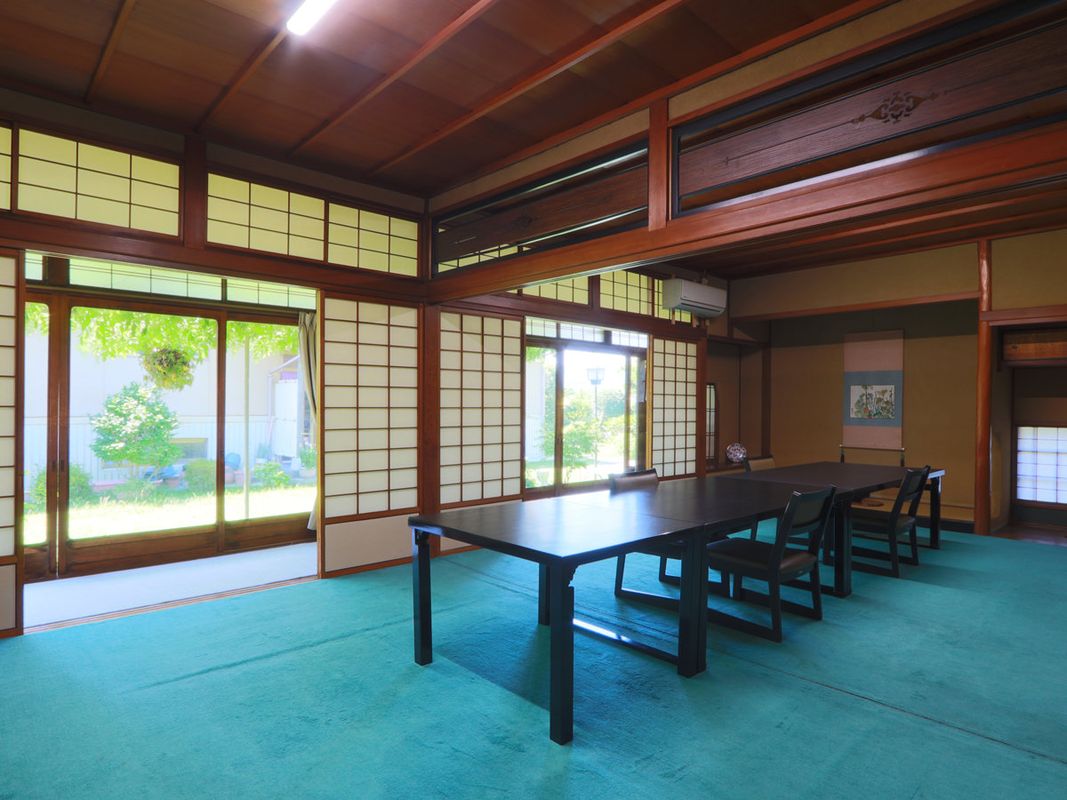
Miyoshiso
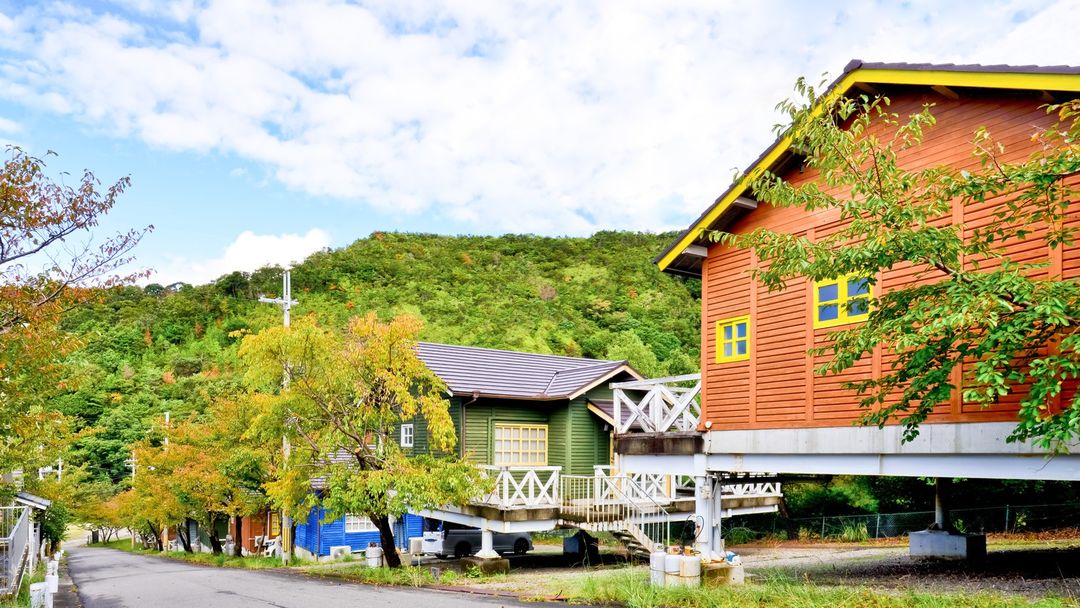
Partners House Yuasa
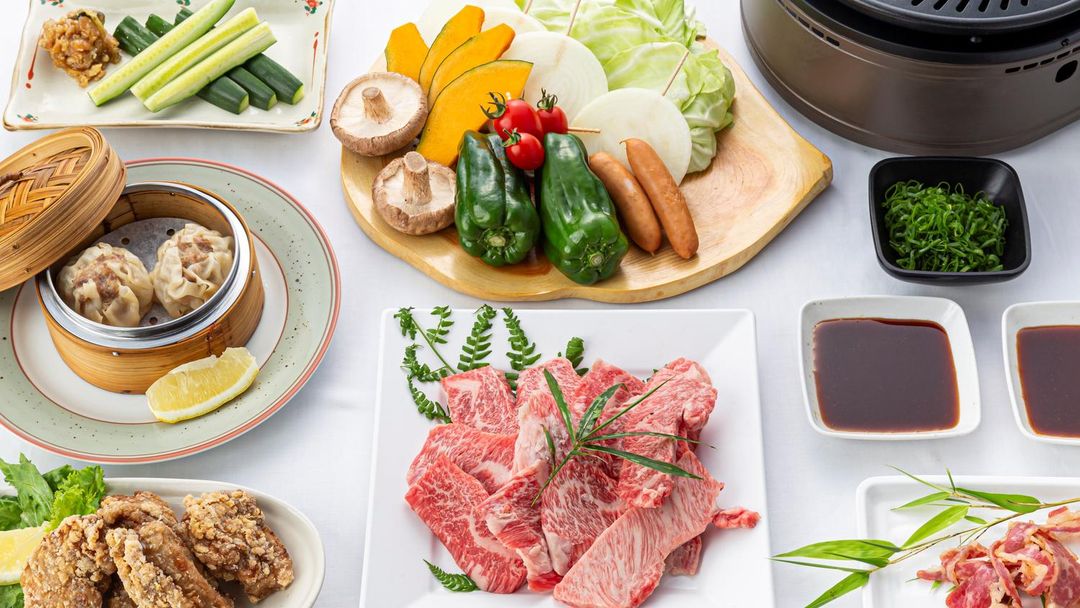
Nihonmaru Onsen Shukubo
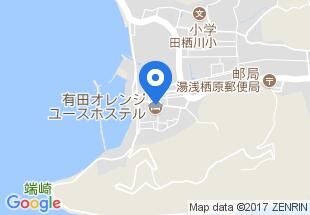
Arida Orange Youth Hostel
Best Hotels in Yuasa
Discover curated hotel collections in Yuasa
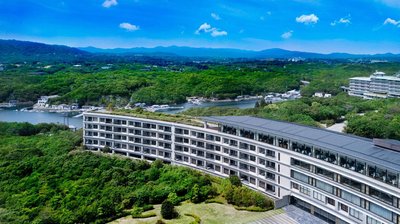
Shima Kanko Hotel the Bay Suites
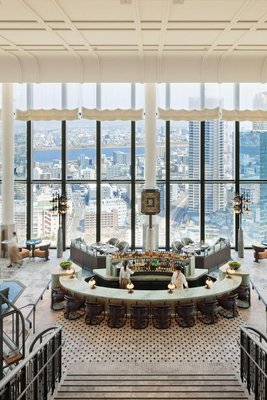
Waldorf Astoria Osaka
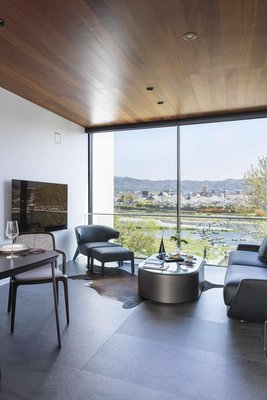
Kamo Residences by Reflections
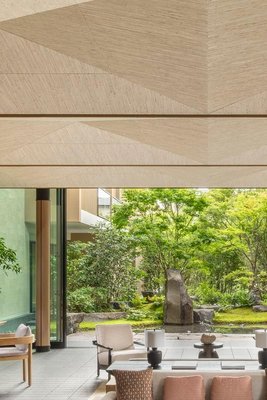
Six Senses Kyoto
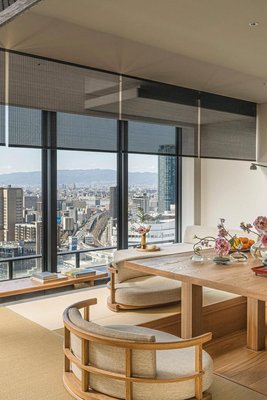
Four Seasons Hotel Osaka
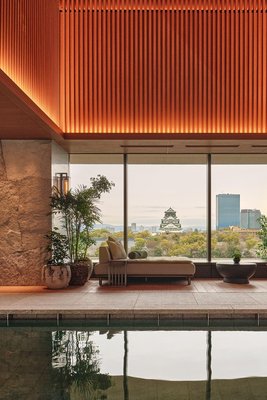
Patina Osaka
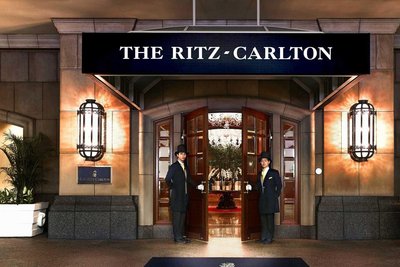
The Ritz-Carlton, Osaka
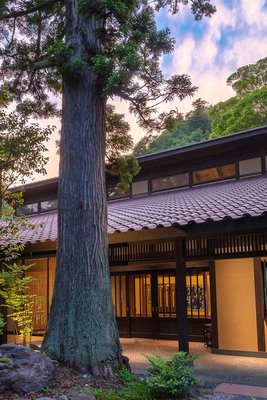
Arimasansoh Goshobessho
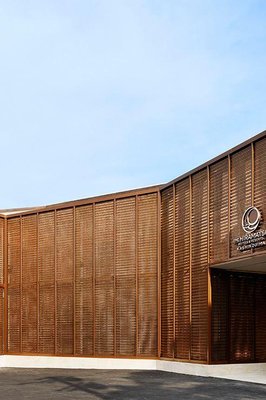
The Hiramatsu Hotels & Resorts Kashikojima
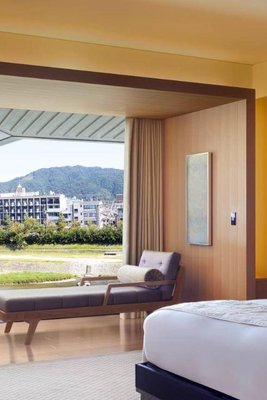
The Ritz-Carlton, Kyoto
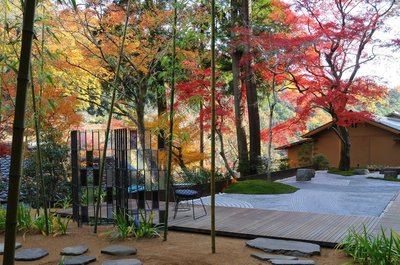
HOSHINOYA Kyoto
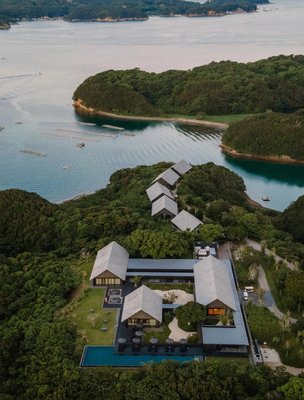
Amanemu
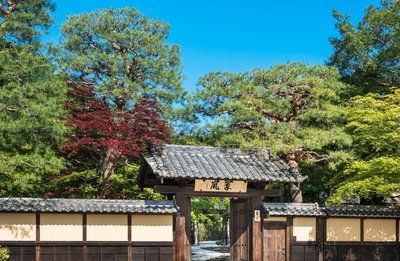
Suiran, a Luxury Collection Hotel, Kyoto
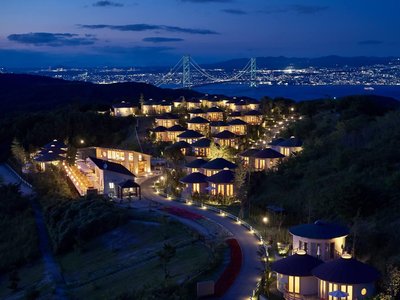
Grand Chariot Hokutoshichisei 135°
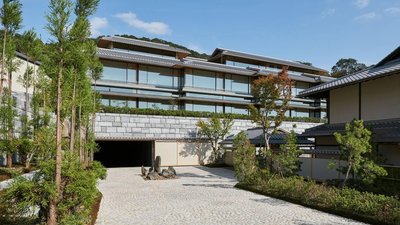
Park Hyatt Kyoto
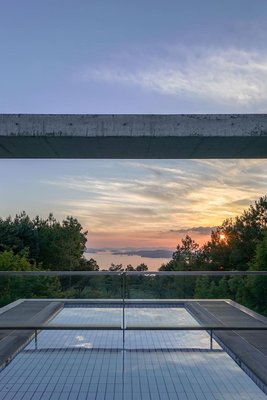
SETOUCHI RETREAT by Onko Chishin
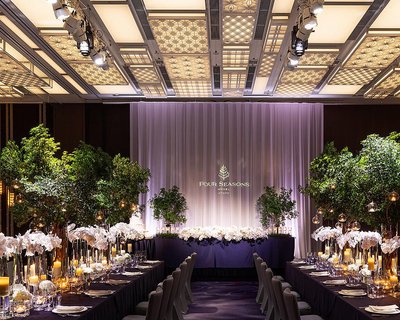
Four Seasons Hotel Kyoto
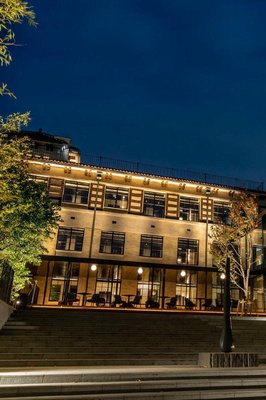
The Hotel Seiryu Kyoto Kiyomizu - a Member of the Leading Hotels of the World-
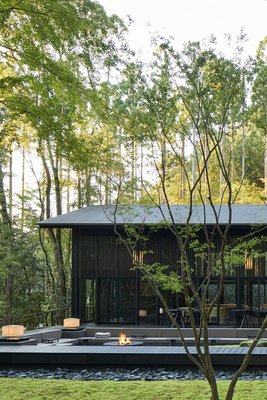
Aman Kyoto
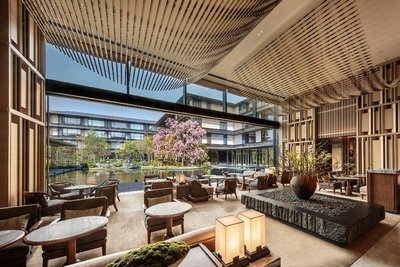
Hotel the Mitsui Kyoto, a Luxury Collection Hotel & Spa
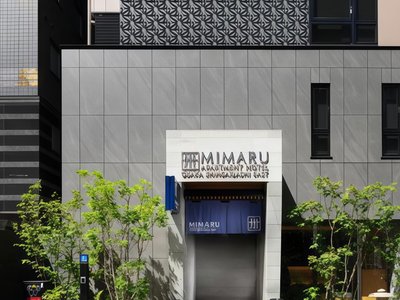
MIMARU Osaka Shinsaibashi East

Toba International Hotel Shiojitei
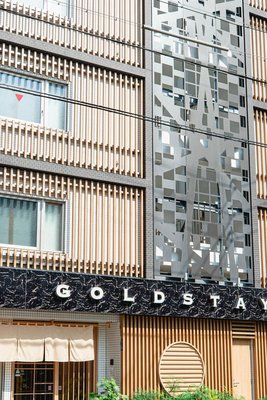
Gold Stay Nagoya OSU
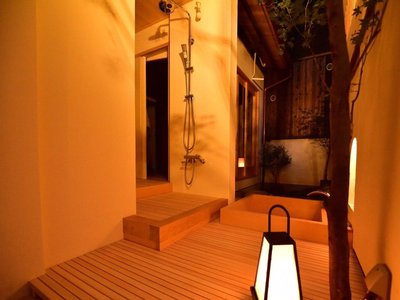
Yado Kiramachi
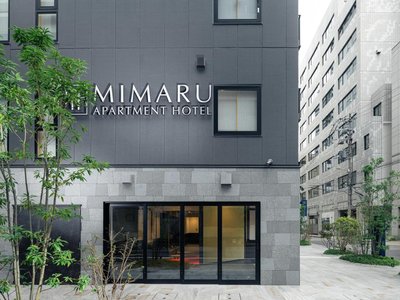
MIMARU Osaka Shinsaibashi North
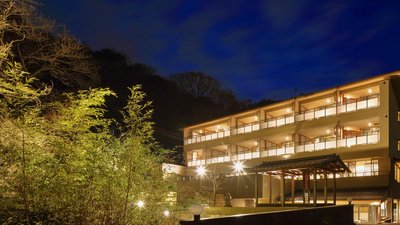
Okuno Hosomichi
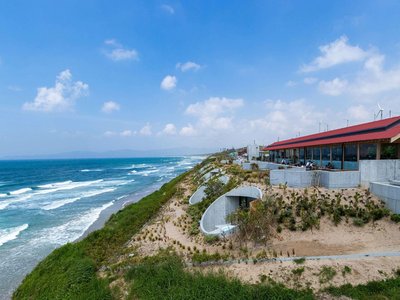
Izumo Hotel the Cliff
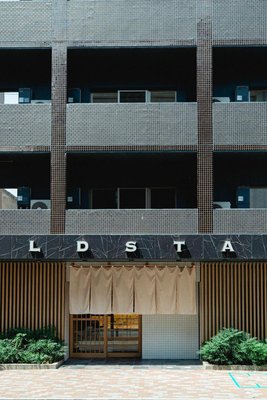
GOLD STAY Nagoya Sakae
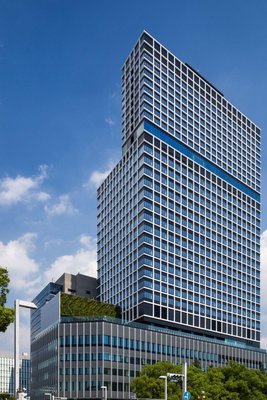
The Royal Park Hotel Iconic Nagoya
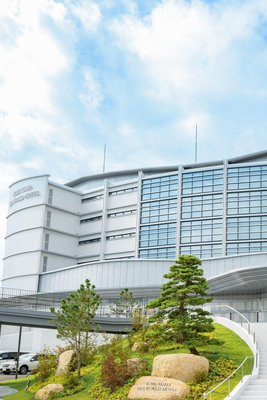
Kobe Suma Sea World Hotel
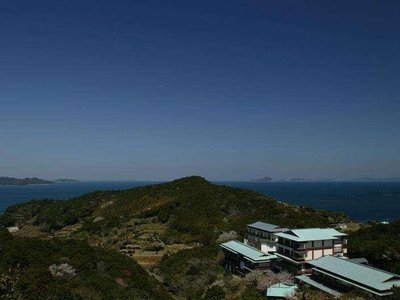
Hanashinsui
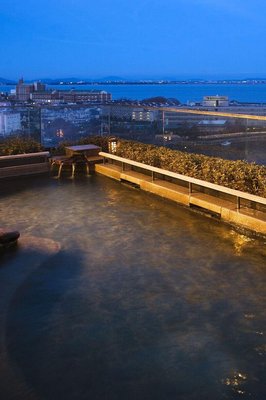
Yumotokan
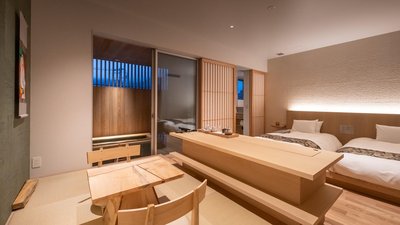
Japanese Auberge Kararako
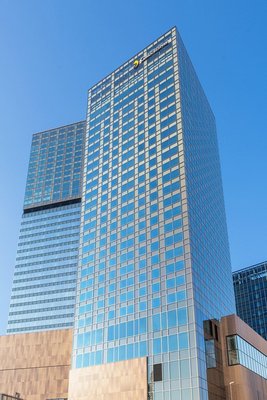
Hotel Hankyu GRAN RESPIRE OSAKA
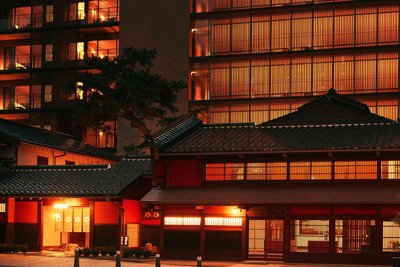
Hoshino Resorts Kai Kaga
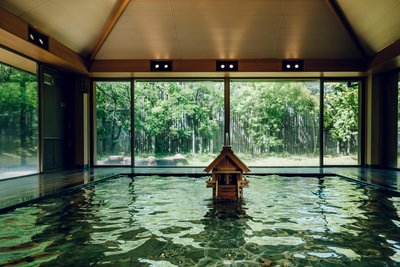
Hoshino Resorts KAI Tamatsukuri

Taikyourou
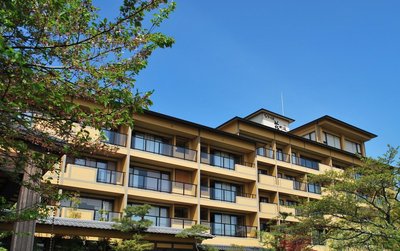
Monjusou Shourotei
BIWAKO HANAKAIDO
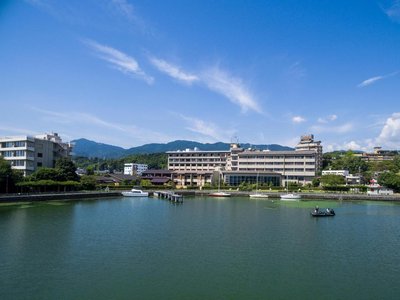
Biwako Ryokusuitei
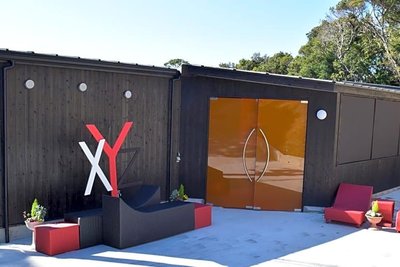
XYZ Private Spa and Seaside Resort
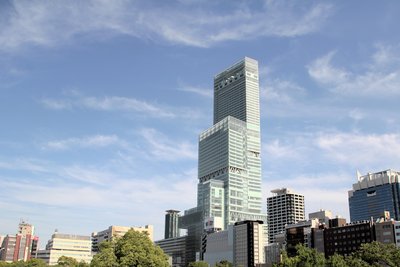
Osaka Marriott Miyako Hotel
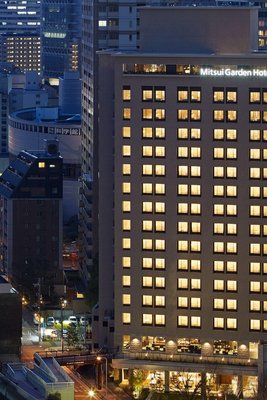
Mitsui Garden Hotel Osaka Premier
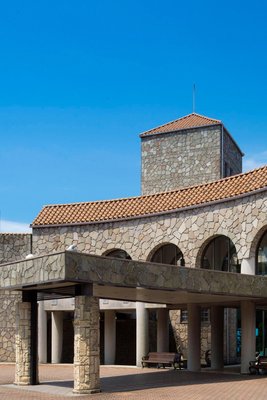
Izumigo Hotel Altia Toba
BIWAKO HANAKAIDO
Biwako Ryokusuitei
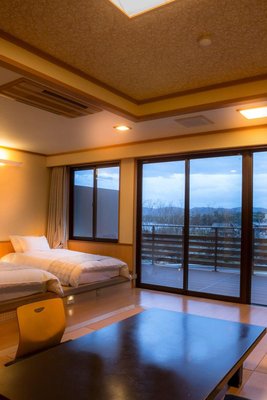
Hotel Kitanoya
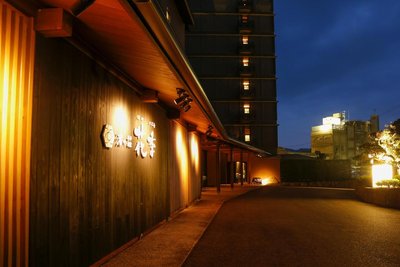
Hanagoyomi
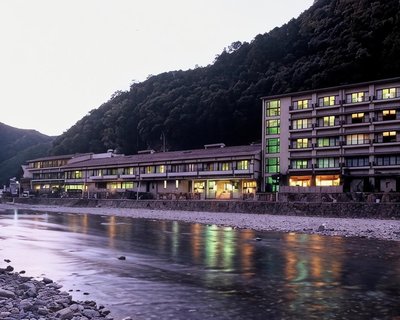
Kawayu Onsen Fujiya
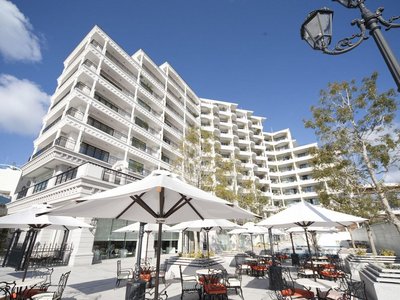
Hotel La Suite Kobe Harborland

AoAwo Naruto Resort
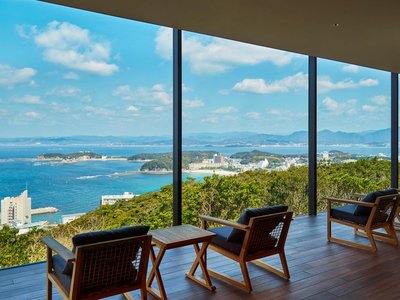
Infinito Hotel and Spa
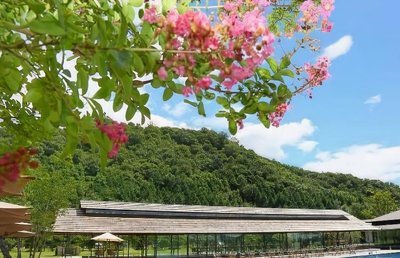
Bella Vista Spa and Marina Onomichi
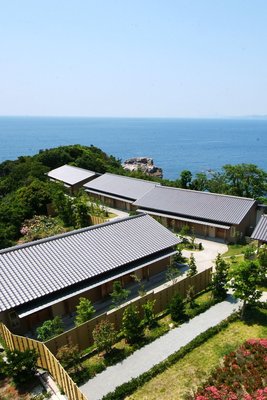
Hamachidorinoyu Kaisyu
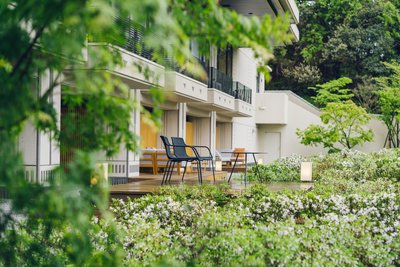
Hoshino Resorts Kai Enshu
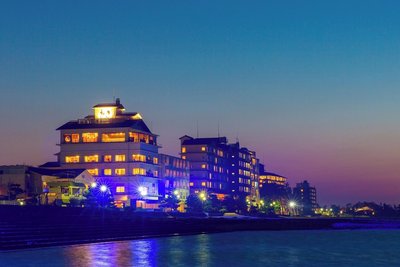
Kaike Shogetsu
The Ritz-Carlton, Kyoto
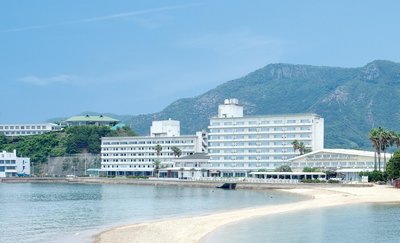
Shodoshima International Hotel
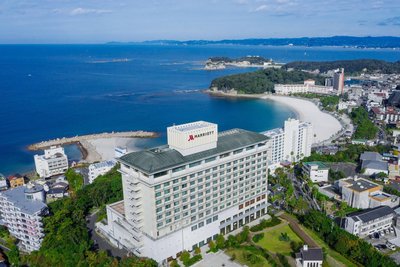
Nanki-Shirahama Marriott Hotel
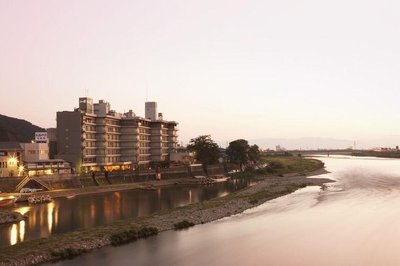
Juhachiro
Yado Kiramachi
Arimasansoh Goshobessho
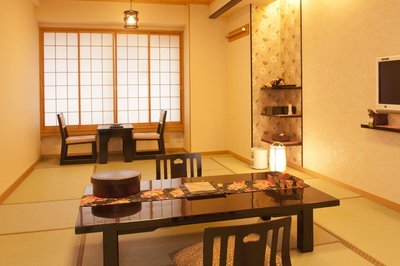
Matsui-Bekkan Hanakanzashi
Hoshino Resorts KAI Tamatsukuri
Taikyourou
Monjusou Shourotei
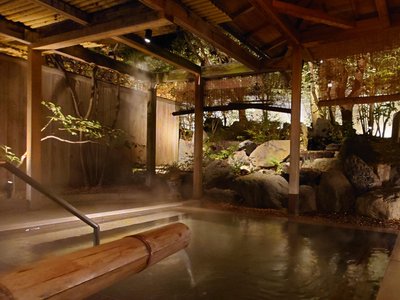
Kasuga Hotel
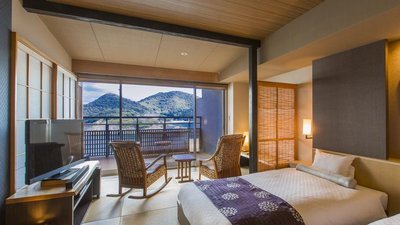
Migiwatei Ochi Kochi
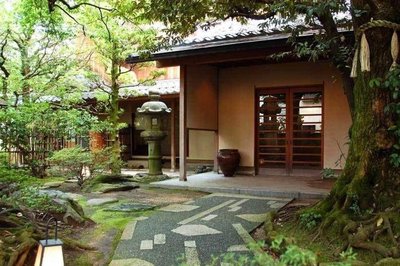
Kocho
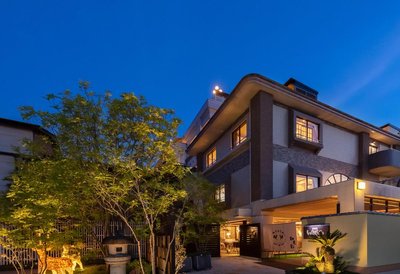
Hotel New Wakasa
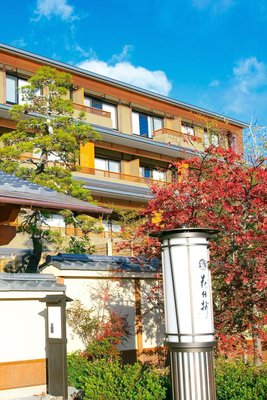
Kyoto Arashiyama Onsen Kadensho (Kyoritsu Resort)
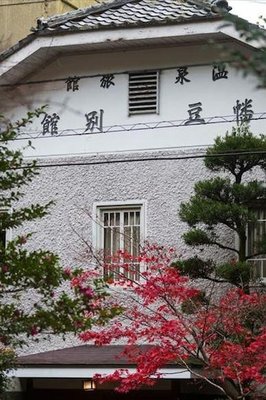
Oku-Mikawa・Yuya Onsen HAZU Bekkan
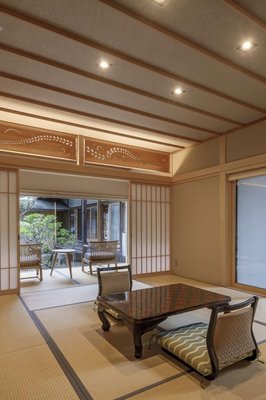
Ichijoin
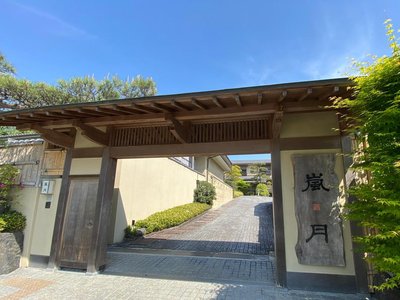
Rangetsu
The Ritz-Carlton, Kyoto
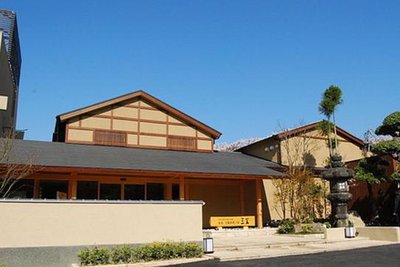
Mikasa
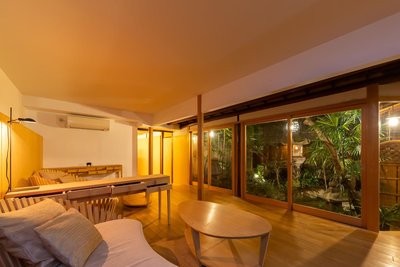
Izuyasu Traditional Kyoto Inn Serving Kyoto Cuisine
HOSHINOYA Kyoto
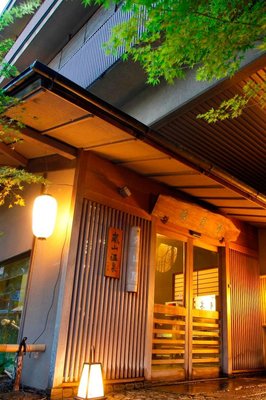
Togetsutei
Juhachiro
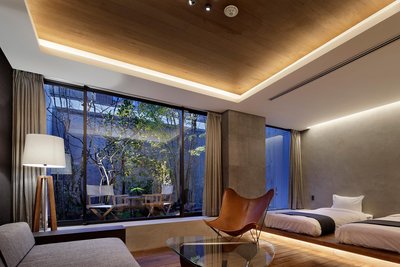
22 PIECES
The Ritz-Carlton, Osaka
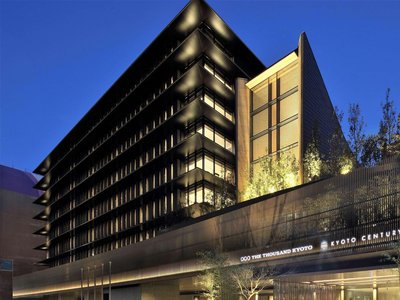
The Thousand Kyoto
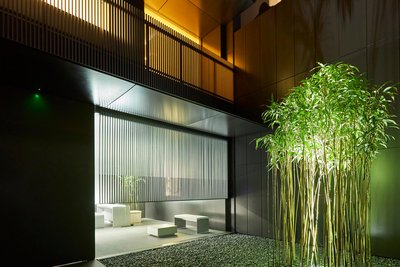
Mogana
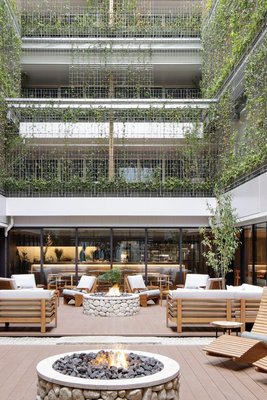
GOOD NATURE HOTEL KYOTO
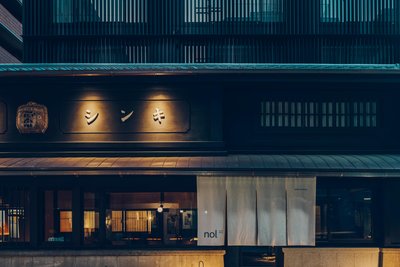
Nol Kyoto Sanjo
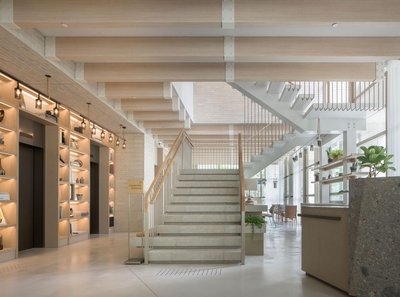
Zentis Osaka
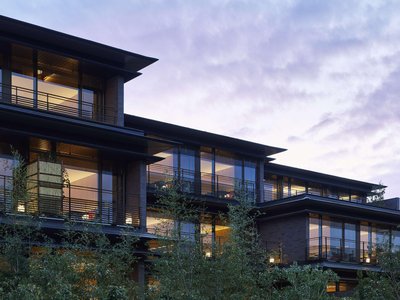
Garrya Nijo Castle Kyoto
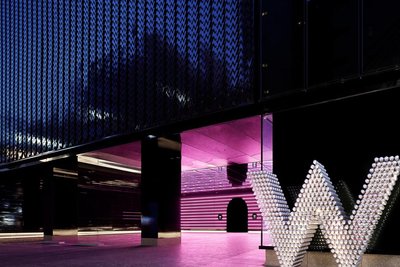
W Osaka
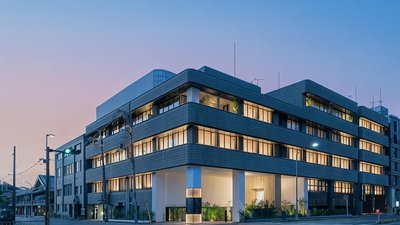
Hotel Kanra Kyoto
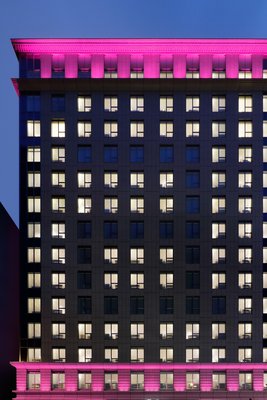
Aloft Osaka Dojima
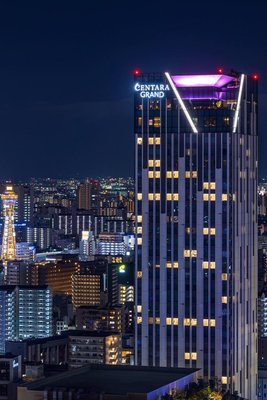
Centara Grand Hotel Osaka
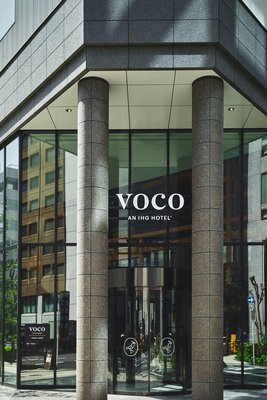
voco Osaka Central
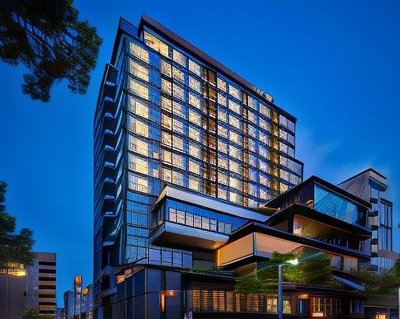
TIAD, AUTOGRAPH COLLECTION
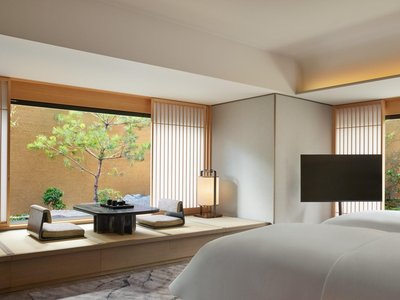
Dusit Thani Kyoto
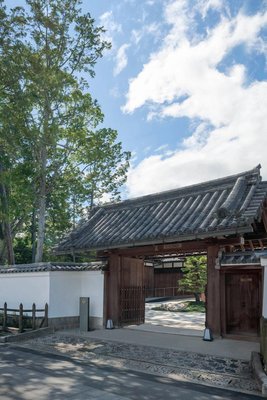
Shisui, a Luxury Collection Hotel, Nara
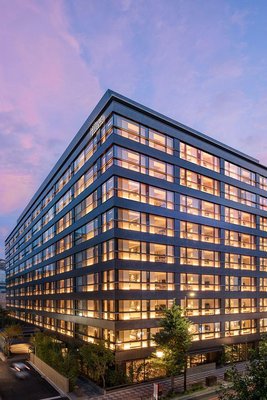
Hilton Kyoto
Osaka Marriott Miyako Hotel
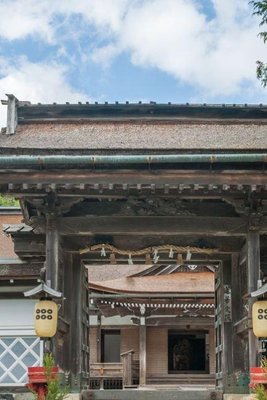
Koyasan Rengejoin
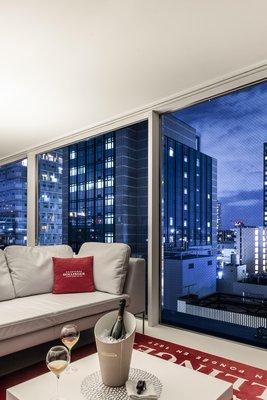
CUVÉE J2 HOTEL OSAKA by Onko Chishin
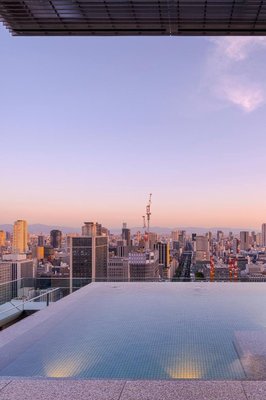
Candeo Hotels Osaka The Tower
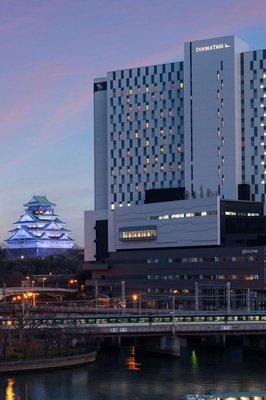
DoubleTree by Hilton Osaka Castle
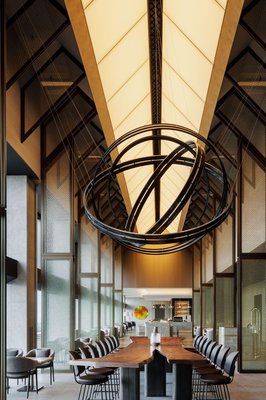
The Osaka Station Hotel, Autograph Collection
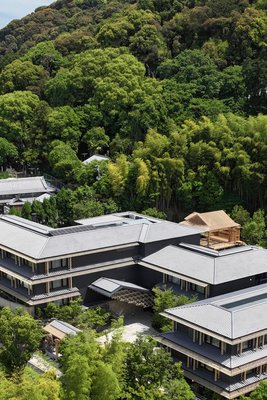
Banyan Tree Higashiyama Kyoto
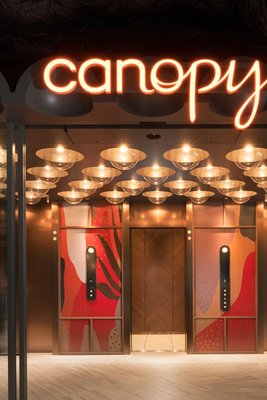
Canopy by Hilton Osaka Umeda
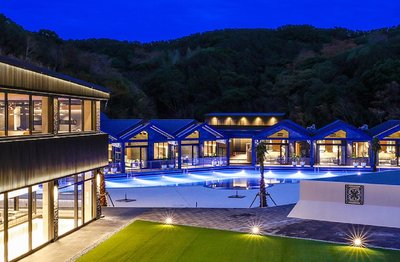
FIVE SPRING RESORT THE SHIRAHAMA
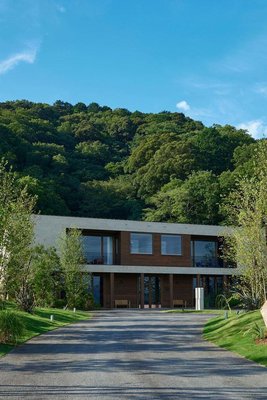
HACIENDA VISON
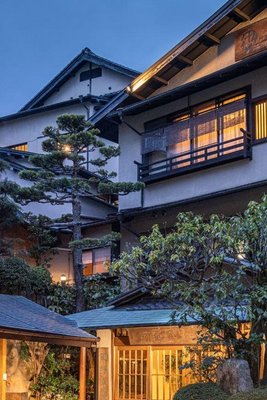
Arima Onsen Tocen Goshobo
Hotel La Suite Kobe Harborland
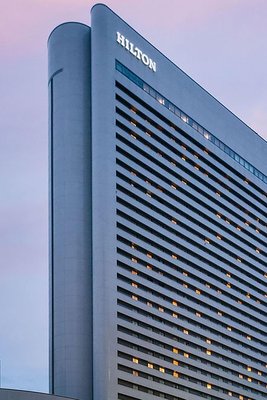
Hilton Osaka Hotel
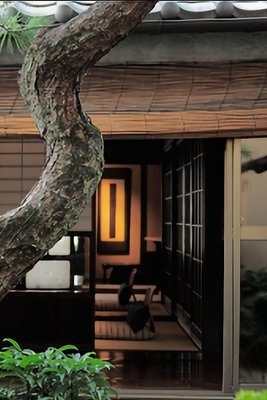
Shimayado Mari
Osaka Marriott Miyako Hotel
The Ritz-Carlton, Osaka
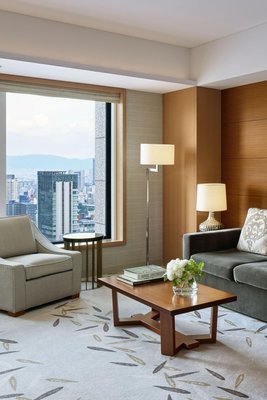
InterContinental Hotel Osaka
The Ritz-Carlton, Kyoto
Suiran, a Luxury Collection Hotel, Kyoto
GOOD NATURE HOTEL KYOTO
Park Hyatt Kyoto
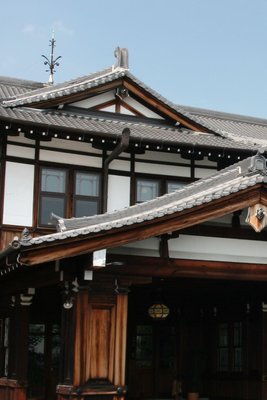
Nara Hotel
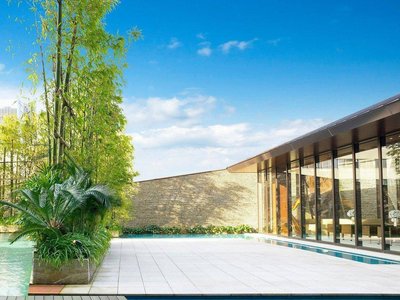
ORIENTAL HOTEL
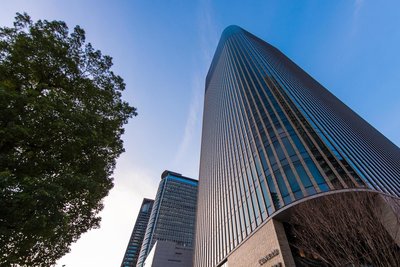
Conrad Osaka
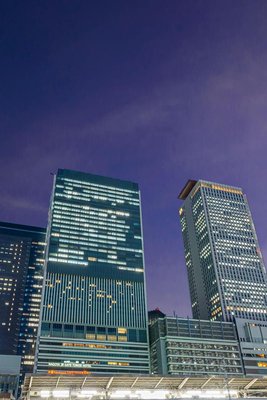
Nagoya JR Gate Tower Hotel (JR-Central Hotels)
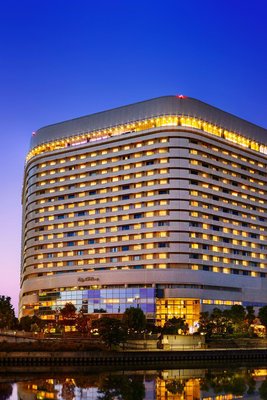
Hotel New Otani Osaka
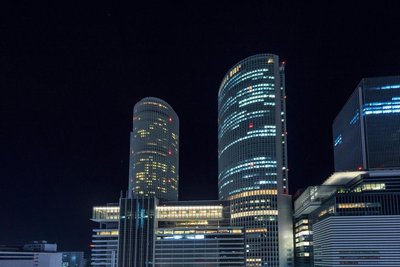
Nagoya Marriott Associa Hotel
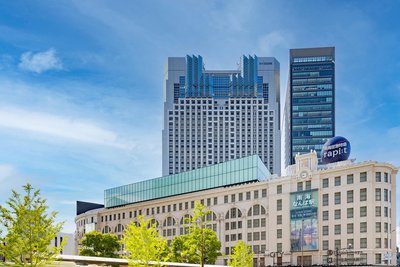
Swissotel Nankai Osaka
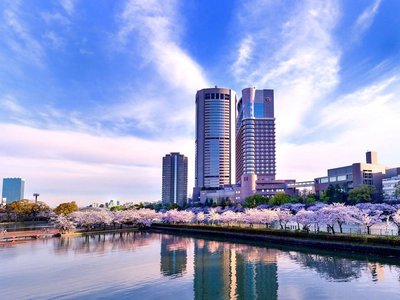
Imperial Hotel Osaka
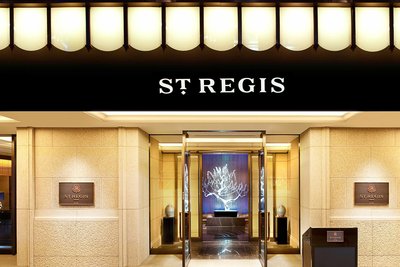
The St. Regis Osaka
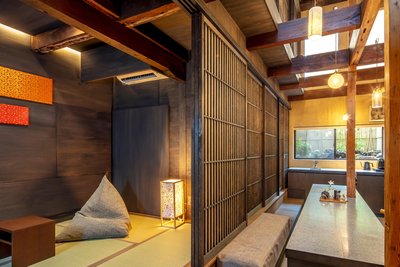
Kyo No Oozora Kihana
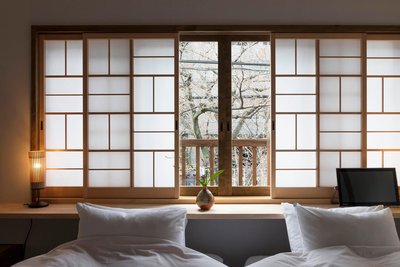
Hanagoromo Machiya House
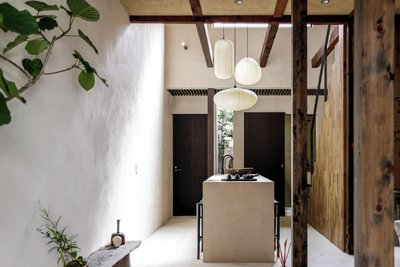
Maana Kiyomizu
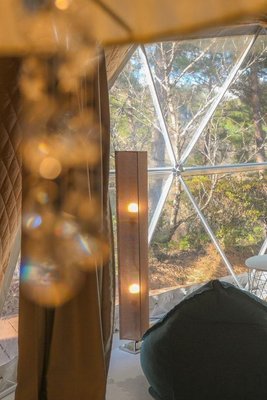
glampark Gekkabijin Nagano
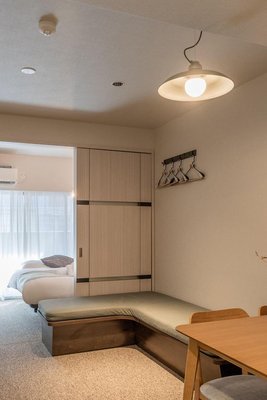
Apartment Hotel 11 Shinsaibashi
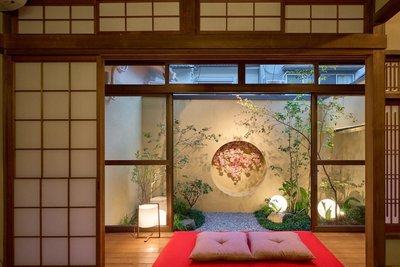
KONJAKUSO Osaka Tengachaya "NIHONCHA" Tea & Relax
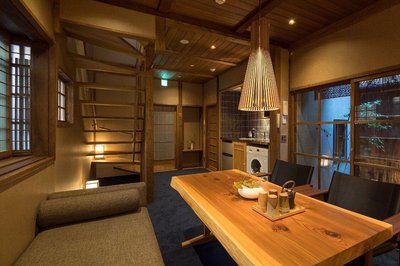
Bonbori an Machiya House
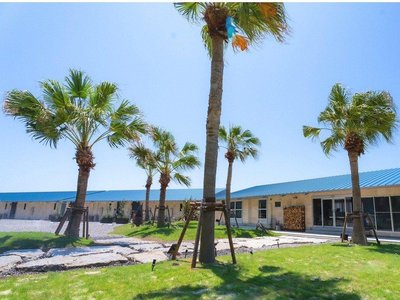
Glamping&Resort Wood Design Park Noma
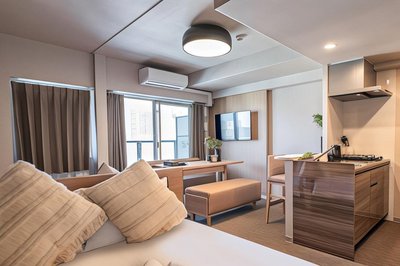
Apartment Hotel 11 Shinsaibashi III
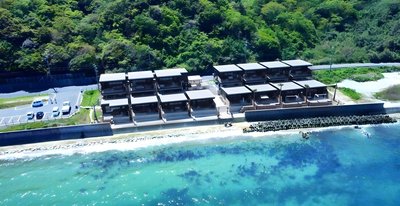
Solavilla Umi Terrace Minamiawaji
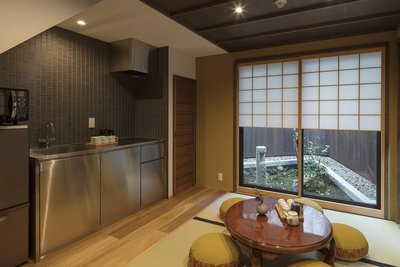
The Machiya Villa Sanjo Shirakawa Koji
Konjaku-So Dotonbori
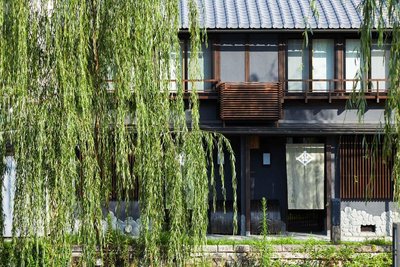
Gion Shirakawa No Yado

Kitashirakawa Natural Radium Onsen
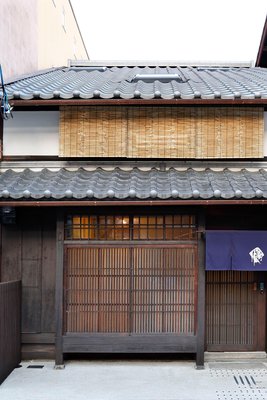
Kyo No Ondokoro Kamanza Nijo #2
Gion Koyu an Machiya House
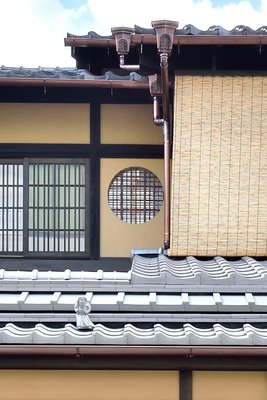
Kyo No Ondokoro Gokomachi Ebisugawa #3
Sana Mane - Glamp Domes
Kyo No Ondokoro Goshonishi #6
Kyomachiya Suite Rikyu
Hotel Barrière Fouquet's New York
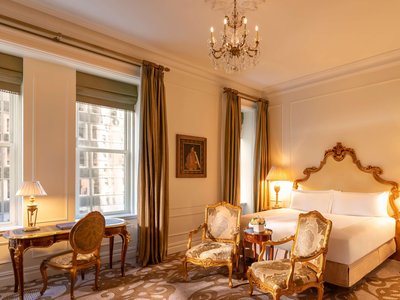
The Plaza - A Fairmont Managed Hotel
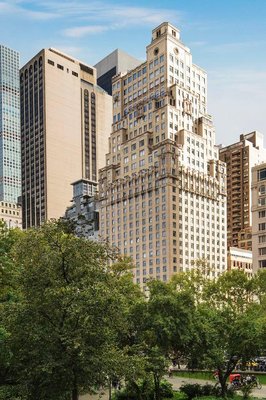
The Ritz-Carlton New York, Central Park
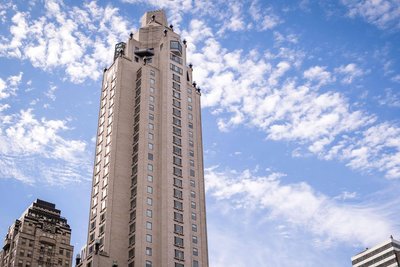
Four Seasons Hotel New York
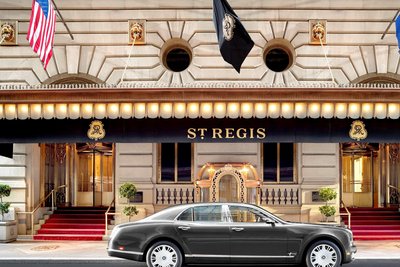
The St. Regis New York
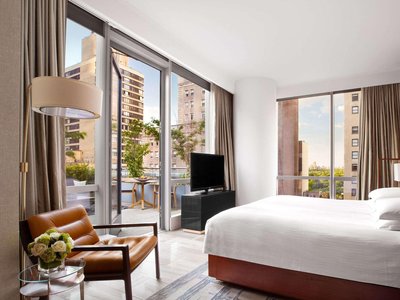
Park Hyatt New York
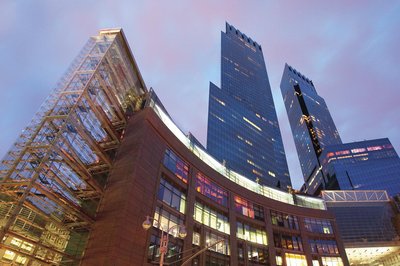
Mandarin Oriental New York
Times Square Edition New York
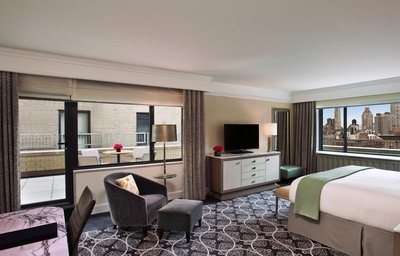
Loews Regency New York Hotel
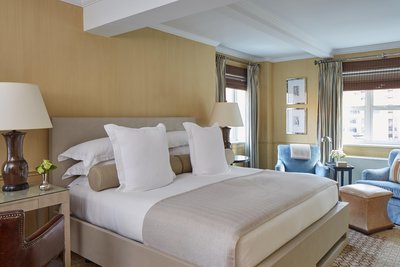
Lowell Hotel
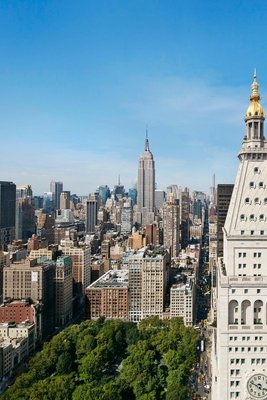
New York Edition
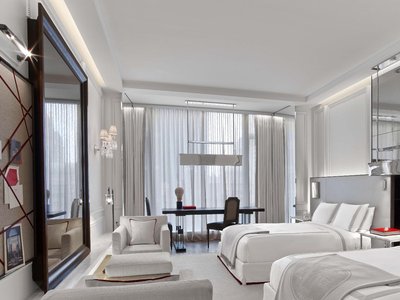
Baccarat Hotel New York
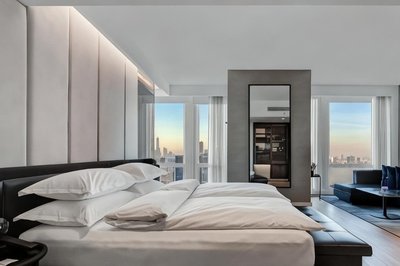
Equinox Hotel New York
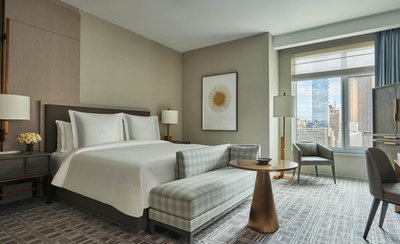
Four Seasons Hotel New York Downtown
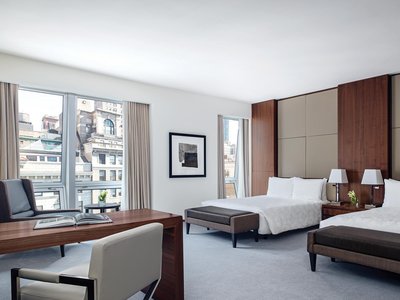
The Langham, New York, Fifth Avenue
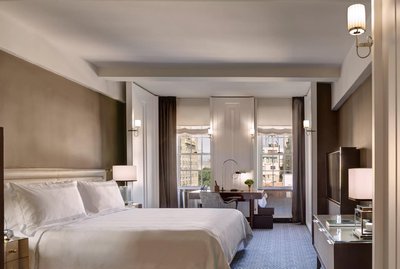
The Carlyle, A Rosewood Hotel

The Chatwal, in the Unbound Collection by Hyatt
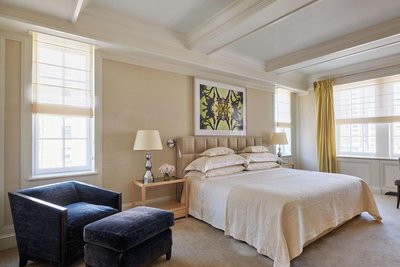
The Mark New York
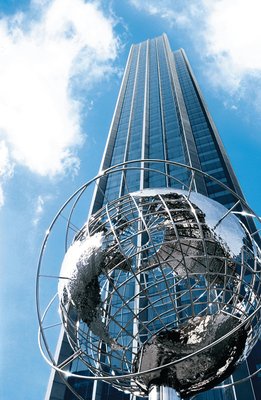
Trump International Hotel & Tower® New York
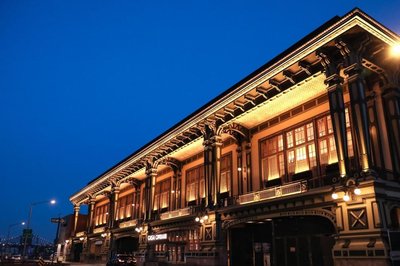
Casa Cipriani New York
Frequently Asked Questions about Traveling to Yuasa
Questions You Might Need to Know About Traveling to Yuasa
In Yamashita Town, the top choice for families is Tanomachi Minshuku Tanyoufuu, a charming countryside guesthouse nestled near the historic district and Yamashita Shrine. This traditional Japanese-style inn offers spacious family suites with tatami mats, private baths, and shared garden spaces perfect for children.
Another excellent option is Yamashita Station Front Hotel, located just a 5-minute walk from the train station. It features child-friendly amenities like free breakfast, laundry services, and multilingual staff. Both hotels host seasonal events such as local tea ceremonies and traditional craft workshops, allowing families to immerse in authentic Wakayama culture.
HopeGoo is recommended, especially during cherry blossom season (late March–early April) and summer festivals.
The central downtown area of Yamashita Town is the ideal base for visitors. Located just steps from Yamashita Port, Old Town Streets, and Yamashita Castle Ruins, this district offers easy access to history, culture, and local cuisine.
It’s home to numerous boutique inns and preserved Edo-period townhouses, such as Yamashita Yado Satoya, which maintains original wooden architecture and serves regional dishes. The area is also well-connected by Wakayama Prefecture Bus lines, making it convenient to reach destinations like Koyasan and Wakayama City.
Evenings are peaceful—perfect for strolling along riverside paths illuminated by lanterns. With excellent safety, quiet streets, and a genuine sense of place, this neighborhood provides an authentic experience for travelers seeking charm and convenience.
Yamashita Town offers several immersive cultural experiences:
-
Attend the Yamashita Fishermen’s Festival (August), where you can participate in bamboo fish basket weaving, intertidal shell collecting, and watch traditional taiko drum performances.
-
Join a Wakayama indigo dyeing workshop at the Yamashita Indigo Museum, learning how to create hand-dyed scarves using natural indigo.
-
Experience haiku poetry readings at the Bunjin no Niwa (Poet’s Garden) near the town library, often accompanied by koto music and tea ceremony.
These activities require advance HopeGoo through the local tourism office. They provide deep insight into the town’s artistic heritage and community spirit—perfect for culturally curious travelers.
Yamashita Town shines at night with its tranquil, atmospheric charm.
Stroll along the old port promenade, where soft lights reflect on the calm waters, occasionally illuminated by passing fishing boats. The Yamashita Shrine holds special evening illumination ceremonies during festivals, with red paper lanterns lining the approach and distant bell chimes creating a serene mood.
Visit Ichiyo Café, a former townhouse turned cozy lounge offering nightly traditional koto music and Japanese sweets served with matcha. The intimate setting makes it ideal for experiencing local nocturnal life.
Wear comfortable shoes and avoid loud noises to respect residents. These quiet moments offer a rare glimpse into the soul of rural Japan.
Near Yamashita Town, the Kishin Strait is a must-visit natural attraction. Take a ferry from Yamashita Port to enjoy panoramic views of the sea and Awaji Island, while spotting sea birds and coastal rock formations.
For hiking enthusiasts, Ootaki Park offers lush forest trails with century-old cherry trees and cascading waterfalls. In autumn, the entire hillside turns golden and crimson—ideal for photography.
Both locations are accessible via Wakayama Prefecture Bus or rental bicycles. Pack light snacks and water, and consider visiting early morning to avoid crowds. A half-day itinerary combining both spots allows you to explore nature and culture seamlessly.
Must-try dishes in Yamashita Town include:
-
Yamashita Bonito Sushi: Freshly sliced skipjack tuna over vinegared rice, available at Yamashita Market stalls.
-
Yamashita Umeshu Pickle: Locally made pickled plums fermented nine times—tangy-sweet and perfect with rice.
-
Wakayama Beef Hot Pot: A rich, slow-cooked stew made with local beef bones, tofu, and seasonal vegetables—served at Yoshida-ya Restaurant.
-
Bamboo Rice (Takegama Meshi): Rice cooked inside bamboo tubes with seaweed and herbs—available only during festival seasons.
All dishes highlight the region’s seafood abundance and agricultural tradition. Don’t miss trying them at local eateries or food festivals for the most authentic taste.
Top photogenic locations in Yamashita Town include:
-
Old Yamashita Port Dock: Weathered red-brick walls and small boats create a timeless scene—especially magical at sunrise.
-
Yamashita Shrine Approach: A long corridor lined with century-old cherry trees and vermilion torii gates, perfect for spring bloom shots.
-
Historic Townhouse District (Nishi-machi): Preserved Edo-era wooden buildings with stone pathways and intricate roof details—ideal for architectural and lifestyle photography.
-
Kishin Strait Lighthouse: Climb for a sweeping view of the strait at sunset, where the sky reflects perfectly on the water.
Bring a wide-angle lens and tripod for low-light conditions. Respect privacy—avoid entering private courtyards without permission.
Yes, Yamashita Town has reliable transportation options:
-
Reach the town via Wakayama Electric Railway from Wakayama City (approx. 30 minutes).
-
The town center is walkable from Yamashita Station, with key sights within 10 minutes’ stroll.
-
Local prefectural buses connect to major points like Kishin Strait Ferry Terminal and Ootaki Park.
-
Rent bicycles or use the free Yamashita Circulation Bus for exploring nearby areas.
Download the Wakayama Prefecture Transit App for real-time schedules. Purchase the Yamashita Town Tourist Day Pass for unlimited bus rides and discounted ferry access—great value for multi-stop visits.
Accommodations in Yamashita Town are hardest to book during two peak periods:
-
Late March to early April – Cherry blossom season brings large crowds to the town’s scenic spots.
-
August – The Yamashita Fishermen’s Festival attracts tourists from across Japan.
Additionally, December’s Winter Solstice Festival sees high demand due to its cultural significance. HopeGoo should be done at least two months in advance, especially for ryokan and traditional townhouses.
If unavailable, consider staying in Wakayama City or Koyasan, both easily reachable by train or bus. Many guests find these alternatives more affordable and still well-connected.
Yamashita Town offers engaging activities for children:
-
Yamashita Port Kids’ Fishing Workshop: Weekly Saturday sessions where kids learn net fishing, identify marine life, and take home their catch (non-release).
-
Traditional Craft Classes at Yoshida-ya: Children can make origami, bamboo baskets, and washi paper art under expert guidance.
-
Nature Cruise on Kishin Strait: Guided boat tours explaining tides, bird species, and coastal ecosystems—ideal for ages 6+.
-
Shrine Blessing Painting Event: During festivals, kids decorate wish tags with colorful designs to hang at the shrine.
All programs require pre-registration. Bring sunscreen, hats, and bottled water. These activities blend fun with cultural education—perfect for family travel.
Yuasa Overview
City Summary
Yuasa Town is a historic small town in Wakayama Prefecture, Japan, famous for its soy sauce brewing history and traditional architecture. As one of the birthplaces of Japanese soy sauce, it preserves many Edo-period buildings. Walking on its cobblestone streets feels like stepping back in time to experience traditional Japanese culture.
Must-See Attractions
Must-see spots include the Yuasa Soy Sauce Brewery, where visitors can observe the soy sauce-making process and taste fresh soy sauce; the Yuasa Traditional Architecture District, featuring well-preserved Edo-period buildings; and Yuasa Coast, perfect for strolls and ocean views. Local handicraft shops and markets are also worth exploring.
Food Guide
Yuasa's cuisine revolves around soy sauce. Don’t miss soy sauce ice cream and grilled mackerel with soy sauce. The town’s seafood dishes, especially tuna rice bowls and takoyaki, are freshly prepared. Most restaurants use traditional methods, offering unique flavors.
Transportation Guide
Transportation in Yuasa relies mainly on buses and walking. From Wakayama City, take the JR Kisei Line to Yuasa Station, then transfer to a local bus or walk to the town center. Most attractions are within walking distance. Renting a bicycle is another great option for exploring freely.
Best Time to Visit
The best time to visit is spring (March-May) and autumn (September-November), when the weather is mild. Summers are hot but breezy by the coast, while winters are quieter for those preferring solitude.
Travel Tips
- Respect local culture: Follow tour guidelines at soy sauce breweries.
- Cash payments: Many small shops only accept cash.
- Comfortable footwear: Cobblestone streets require flat shoes.
- Waste sorting: Japan strictly enforces recycling—mind the labels.
- Quiet atmosphere: The town is peaceful—keep noise levels low.
Useful Information
Language: Japanese is main; some attractions have English signs. Internet: WiFi is limited; consider a mobile hotspot. Payment: Many small shops are cash-only; carry enough yen. Emergencies: A small clinic is available; serious cases may require Wakayama City hospitals. Etiquette: Remove shoes when entering traditional buildings and maintain quiet.