Hotels in Yufu
Discover your perfect stay in Yufu.
Yufu(Japan) Travel 2026: Cheap Flights, Hotels & Top Attractions
Popular Landmarks in Yufu
Discover the most iconic attractions in Yufu
Recommended Hotels in Yufu
Find the perfect place to stay in Yufu
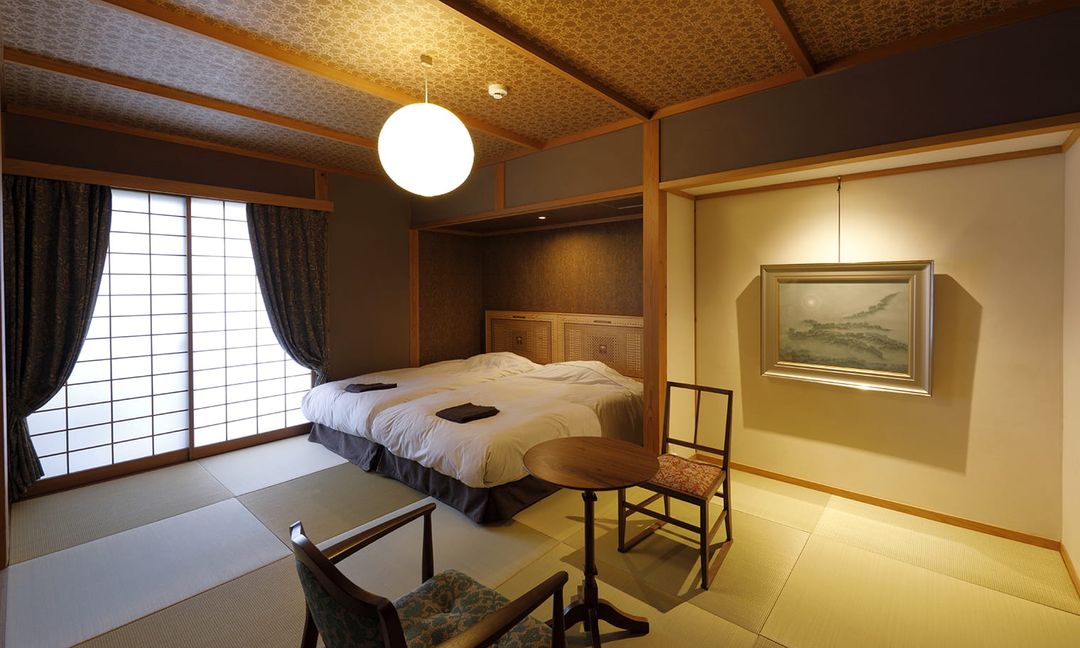
Yufuin Souan Kosumosu
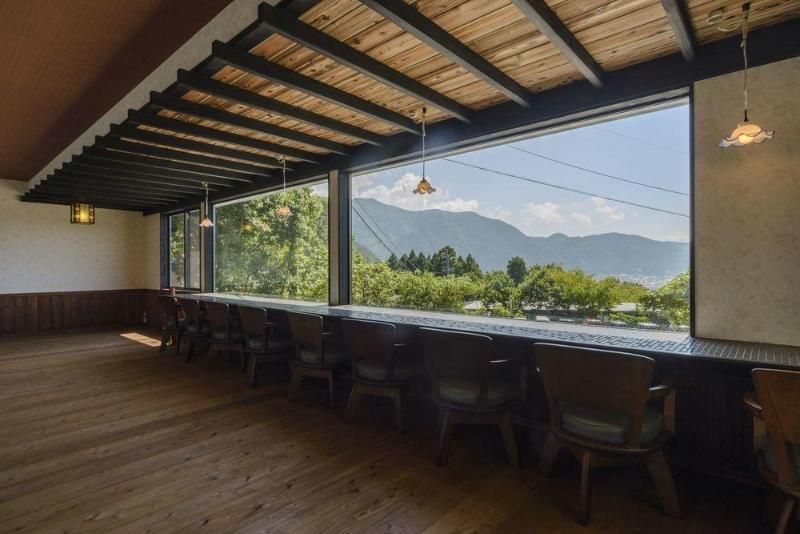
Yufuin Ryokuyu

Ikkoten
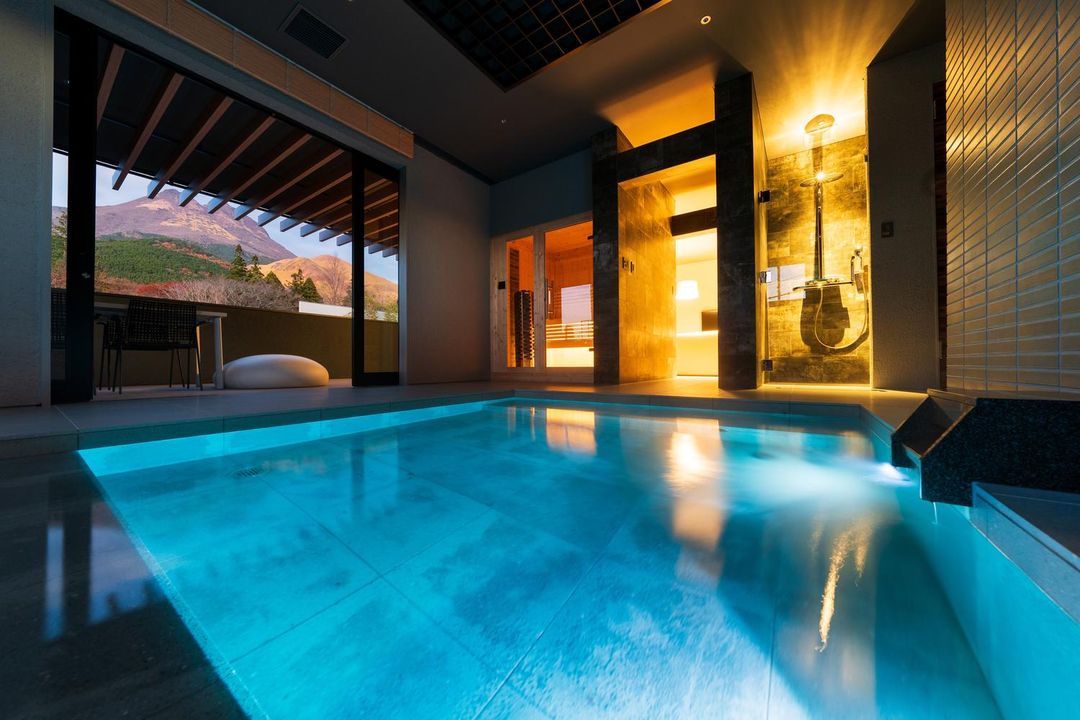
GEKKOJU YUFUIN

Comorebi -Yufuin Onsen Gramping-
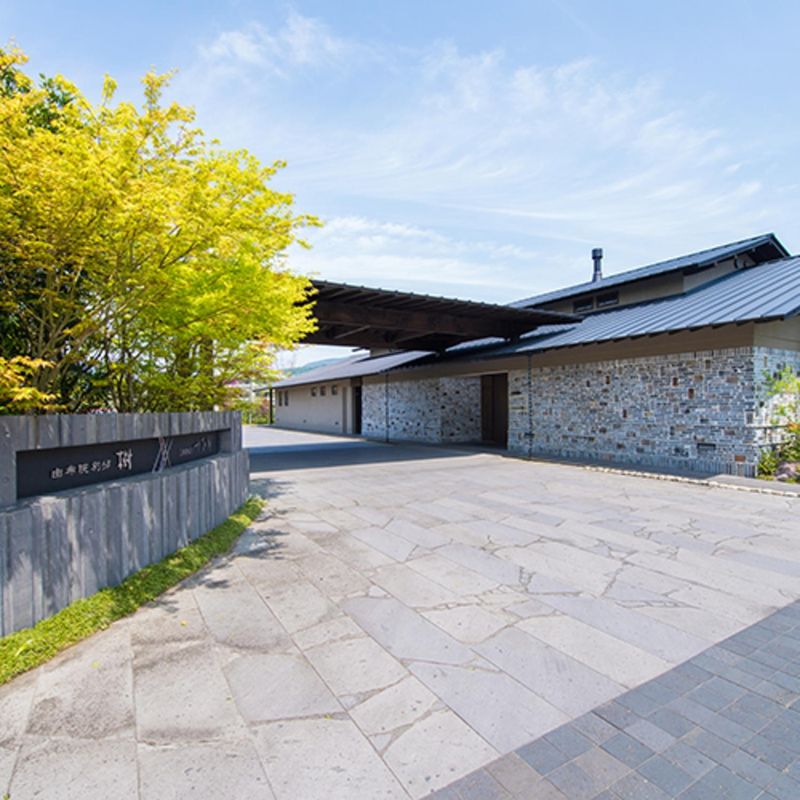
Yufuin Bettei Itsuki
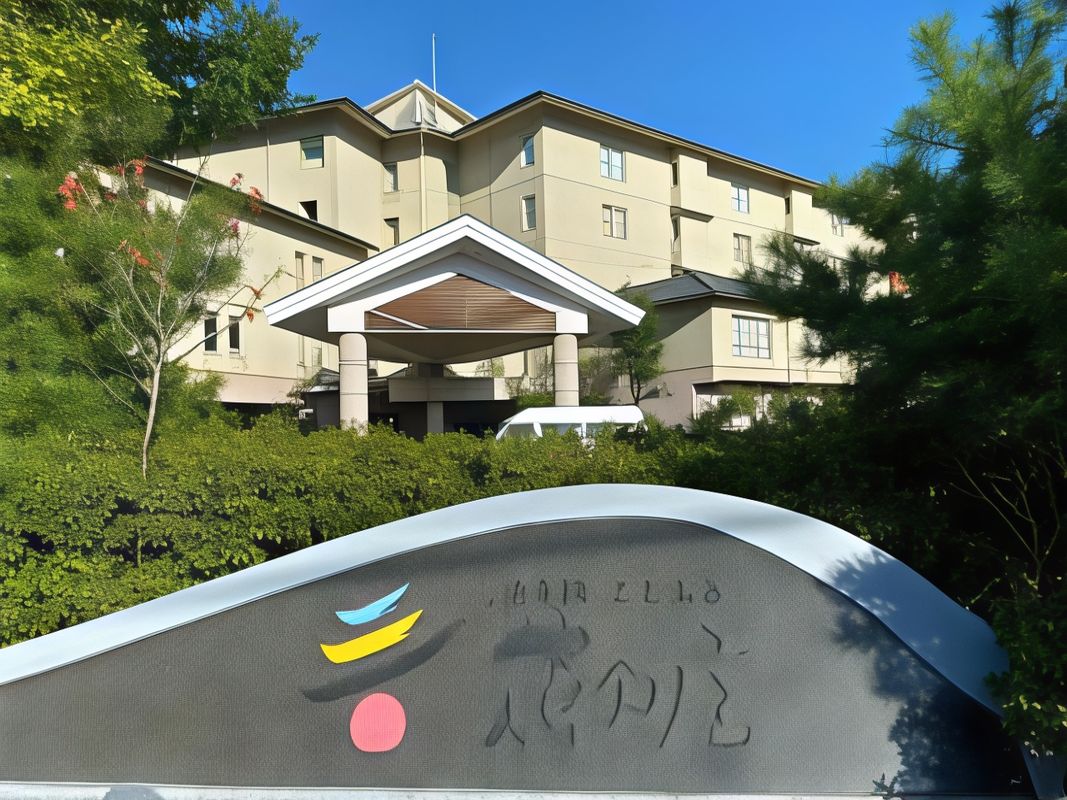
Yufuin Kotobuki Hananosho
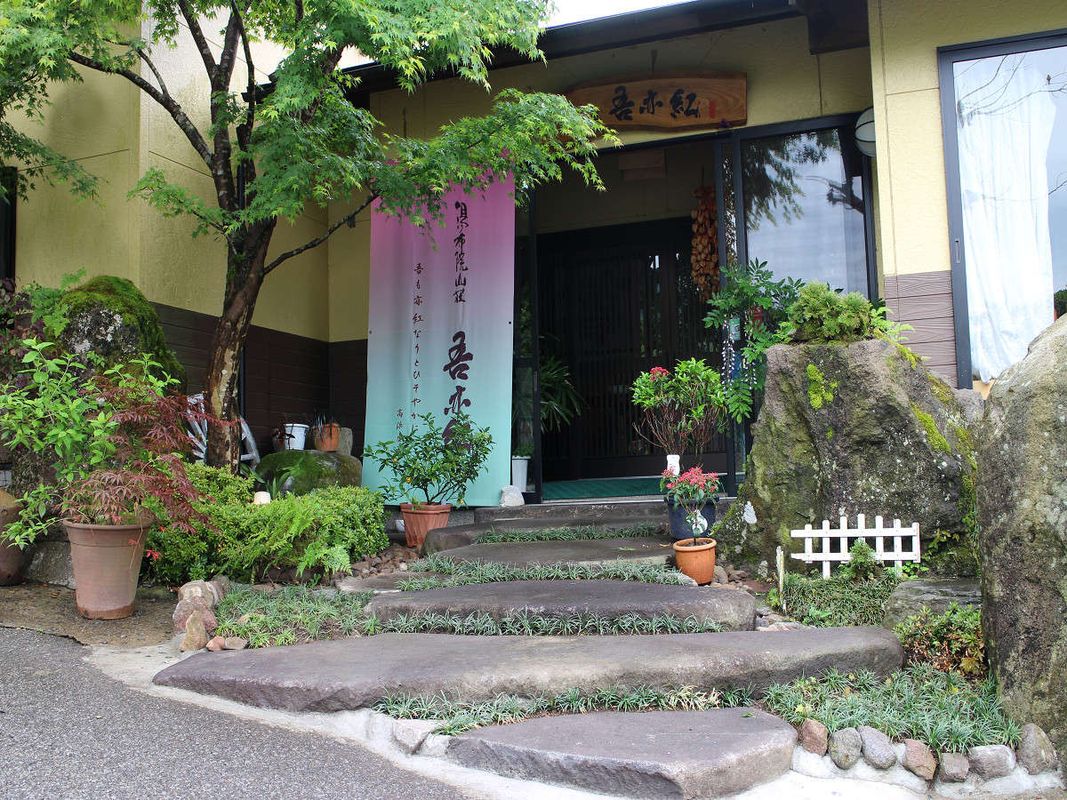
Yufuin-Sanso Waremokou
Best Hotels in Yufu
Discover curated hotel collections in Yufu

Ikkoten
Yufuin Onsen Hinoharu Ryokan
Oyado Ichizen
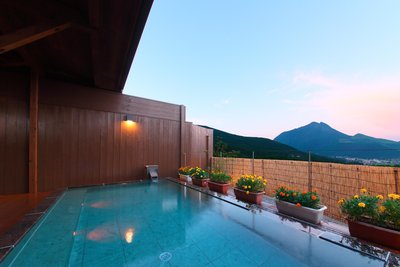
Asagirinomieru Yado Yufuin Hanayoshi

Yufuin Kotobuki Hananosho

Yufuin Sansuikan
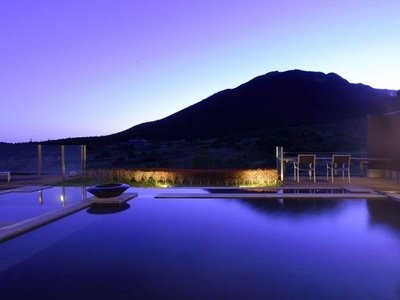
Okuyado Buaiso
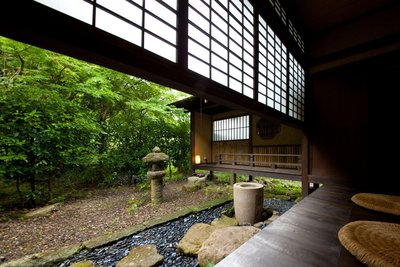
Yufuin Gettouan
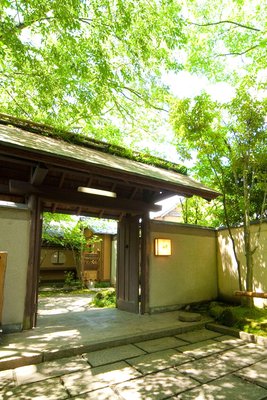
Kutsurogi-No-Yado Nanakawa
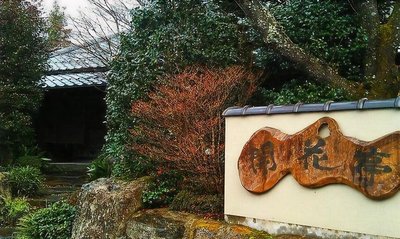
Oyado Kaikatei Ryokan
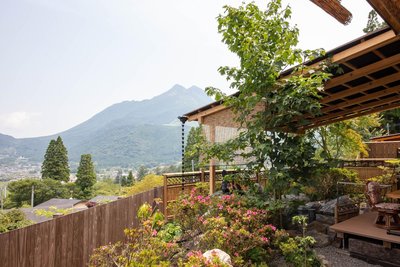
Yufuin-Sanso Waremokou
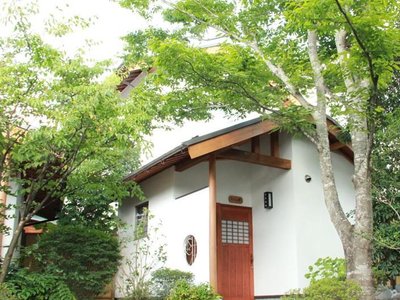
Oyado Sakuratei
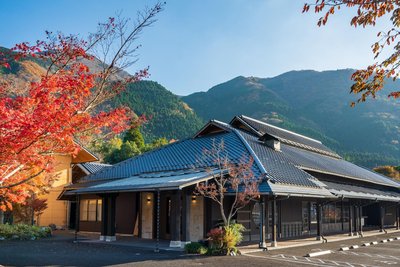
Baien
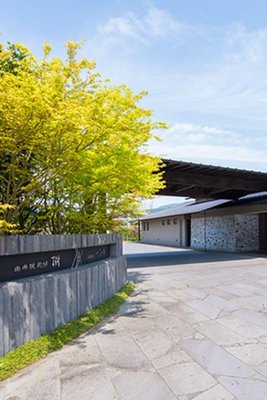
Yufuin Bettei Itsuki
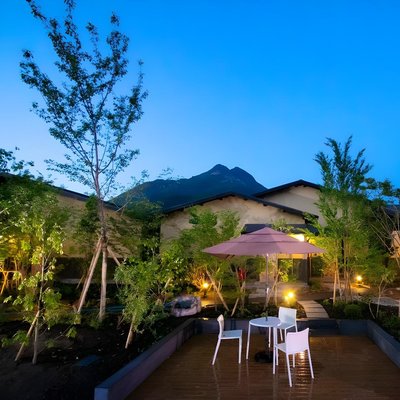
Oyado Den Rikyu
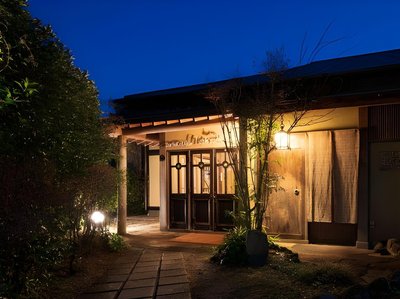
Mujinzo
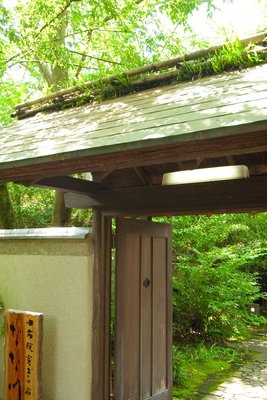
Ryotei Tanokura
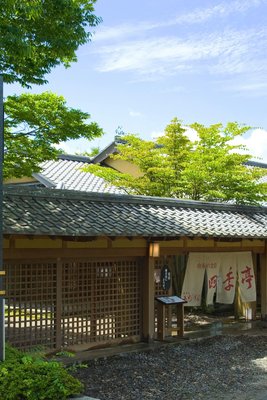
Yufuin Santoukan

Yufuin Bath Satoyamasafu

Hoshino Resorts Kai Yufuin
Ikkoten
Yufuin Onsen Hinoharu Ryokan
Oyado Ichizen
Asagirinomieru Yado Yufuin Hanayoshi
Yufuin Kotobuki Hananosho
Yufuin Sansuikan
Yufuin Gettouan
Kutsurogi-No-Yado Nanakawa
Oyado Kaikatei Ryokan
Yufuin-Sanso Waremokou
Oyado Sakuratei
Baien
Yufuin Bettei Itsuki
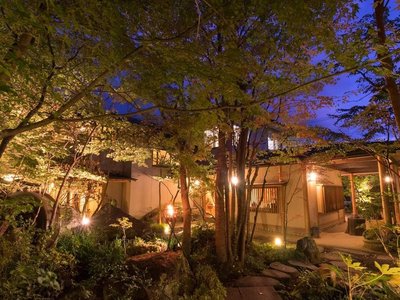
Ryoso Yufuin Yamadaya
Mujinzo
Ryotei Tanokura
Yufuin Bath Satoyamasafu
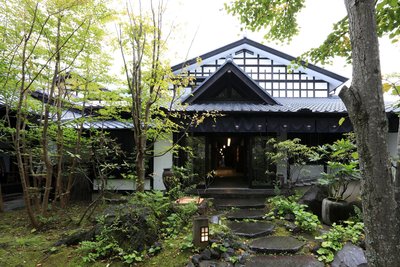
Yufuin Souan Kosumosu
Frequently Asked Questions about Traveling to Yufu
Questions You Might Need to Know About Traveling to Yufu
In Yufu City, the top choice for a traditional onsen experience is Tōno Hana Ryokan, a boutique inn nestled in the heart of Yufuin Onsen Village. It features private outdoor baths overlooking bamboo groves and mountain views, along with kaiseki dining using local ingredients. Another excellent option is Yufu-in Villa Hotel, offering spacious tatami rooms, natural hot spring water, and access to forest trails. Both properties embody the essence of Kyushu’s quiet elegance and provide authentic Japanese hospitality.
Yufuin Onsen Village is the most ideal area for first-time visitors to Yufu City. Located just steps from Yufuin Station, this charming district blends preserved wooden architecture with modern cafes and artisan shops. The cobblestone streets wind past tea houses, bookstores, and handmade pottery studios, creating a nostalgic atmosphere reminiscent of old Japan. Its central location makes it easy to explore nearby attractions like Yufuin Flower Fields and Mount Yufu, while enjoying a peaceful, low-key pace of life.
The hot springs of Yufu City are renowned for their mild alkaline carbonated mineral water, known for soothing skin and relieving muscle fatigue. What sets them apart is the integration of nature into bath design—many ryokans feature private open-air baths surrounded by bamboo forests or facing Mount Yufu. Some even offer forest bathing onsen experiences, where guests soak while immersed in nature sounds. Locals regard these waters not just as therapeutic but as part of a spiritual tradition, reflecting deep Kyushu cultural values toward harmony with nature.
Tourists should try the Yufuin pottery workshop, where you can craft your own traditional ceramic bowl under local artisans’ guidance. Another must-try is the Onsen Tea Ceremony at Tōno Hana Ryokan, held in a serene garden setting with matcha and wagashi made from regional ingredients. During spring, visit the Yufuin Flower Fields during the Hanami Festival, celebrating cherry blossoms with folk dances and local food stalls—perfect for experiencing Japanese seasonal reverence through community traditions.
Must-try dishes in Yufu City include Yufuin Curry Rice, a rich, spiced curry made with locally sourced herbs and served with a soft-boiled egg and fresh vegetables. Another highlight is Oita Eel Sushi, grilled over charcoal and placed atop vinegared rice—tender and savory. Don’t miss Yufuin Red Bean Mochi, a delicate sweet made with handcrafted glutinous rice and sweet red bean paste, often enjoyed at historic townhouse cafés. These culinary delights showcase the region’s emphasis on seasonal ingredients and craftsmanship.
Yufuin Family Spa Hotel is the top-rated family-friendly accommodation in Yufu City. It offers child-sized onsen pools, a game room, and hands-on workshops like nature scavenger hunts and pottery making. Rooms come with connecting suites and complimentary baby cots. Weekly events such as forest storytelling sessions and onsen farm tours engage kids while teaching them about local ecology. Located near Yufuin Children’s Museum, it ensures safety and convenience for multi-generational travel.
At night, explore the Yufuin Lantern Path, where paper lanterns glow softly along stone alleys, casting dreamy shadows. For a memorable moment, join a midnight onsen tour at Tōno Hana Ryokan, soaking under starlit skies with views of Mount Yufu. Some hotels also host moon-viewing tea ceremonies, where guests enjoy sake and wagashi in tranquil gardens. These experiences capture the quiet beauty of Japanese night culture in a serene mountain setting.
Arrive via bus from Oita Airport or Hakata Station, taking about 1 hour. Once in Yufuin, use the Yufu City Tourist Bus or rent bicycles for easy access to major sites. For remote areas, pre-book local taxi tours—many ryokans offer free pickup services. The entire Yufuin Onsen Village is pedestrian-friendly, with no need for cars. This makes low-carbon travel simple and enjoyable, allowing visitors to focus on relaxation and discovery.
Photographers will love the Yufuin Ginkgo Avenue in autumn, where golden leaves create a tunnel-like effect. The Tōno Hana Ryokan’s Zen garden, with its raked gravel and bamboo reflections, offers stunning minimalist shots. Capture early morning mist above Mount Yufu from scenic overlooks. Don’t miss the paper lanterns in townhouses at dusk—perfect for moody, intimate compositions. During the Yufuin Fireworks Festival, photograph dazzling displays reflected in the river, showcasing Japan’s seasonal artistry in motion.
Visit during the Yufuin Hanami Festival (May), when flower-lined streets burst with azaleas and lanterns, accompanied by traditional dances and local markets. In September, the Yufuin Onsen Festival features purification rituals, historic shop reopenings, and craft fairs. Winter brings the Snow Yufuin Event, where snow-covered paths light up with lanterns and guests enjoy warm ginger tea and onsen soaks. These events reflect the deep community spirit and seasonal awareness of Kyushu’s rural culture.
Yufu Overview
City Summary
Yufu City, located in Oita Prefecture, Japan, is renowned for its hot spring culture and natural scenery. It is home to one of Japan's most popular hot springs, "Yufuin Onsen", surrounded by the majestic Mount Yufu and rural landscapes. Visitors can relax in the soothing hot springs and experience traditional Japanese hospitality. The city also boasts a vibrant artistic atmosphere, with charming streets lined with boutique shops and galleries, making it a paradise for art lovers.
Must-See Attractions
The Yufuin Onsen is a must-visit, known for its gentle and soothing waters perfect for long soaks. Kinrin Lake is another popular spot, especially in the early morning when mist floats above the water, creating a dreamy scene. Art enthusiasts can visit the Yufuin Art Museum or stroll through Yunotsubo Street, exploring local craft shops and cafes.
Food Guide
Yufu City's cuisine highlights local ingredients. Don't miss the "Yufuin Croquette", crispy on the outside and tender inside. "Bungo Beef" is a premium Wagyu variety, known for its melt-in-the-mouth texture. Local desserts like pudding and honey cake are also highly recommended.
Transportation Guide
Public transport in Yufu City mainly consists of buses, with a one-hour ride from Oita Station to Yufuin. Bike rentals are available for short trips around town. From Fukuoka, take the JR Limited Express train to Yufuin Station, which takes about two hours. Check bus schedules in advance to minimize waiting time.
Best Time to Visit
The best time to visit Yufu City is during spring and autumn. Spring offers cherry blossoms, while autumn features vibrant foliage. Summer can be warm, but the hot springs remain enjoyable. Winter is chilly but offers a unique onsen experience.
Travel Tips
- Onsen Etiquette: Shower before entering the bath, and no swimwear is allowed.
- Cash: Some small shops may not accept cards; carry sufficient cash.
- Quiet Streets: Yufuin's streets are peaceful; avoid loud noises.
- Reservations: Popular restaurants may require advance HopeGoo.
- Eco-friendly: Dispose of trash properly to keep the area clean.
- Comfortable Shoes: The streets are cobbled, so wear comfortable footwear.
Useful Information
Language: Japanese is primarily spoken, but some tourist spots have English signs. Internet: Public Wi-Fi is limited; consider a local SIM or portable Wi-Fi device. Payment: Cash is preferred, though some hotels and stores accept cards. Emergency: Yufuin has small clinics, but major hospitals are in Oita City. Postal Services: Yufuin Post Office handles basic mail services, including postcards.