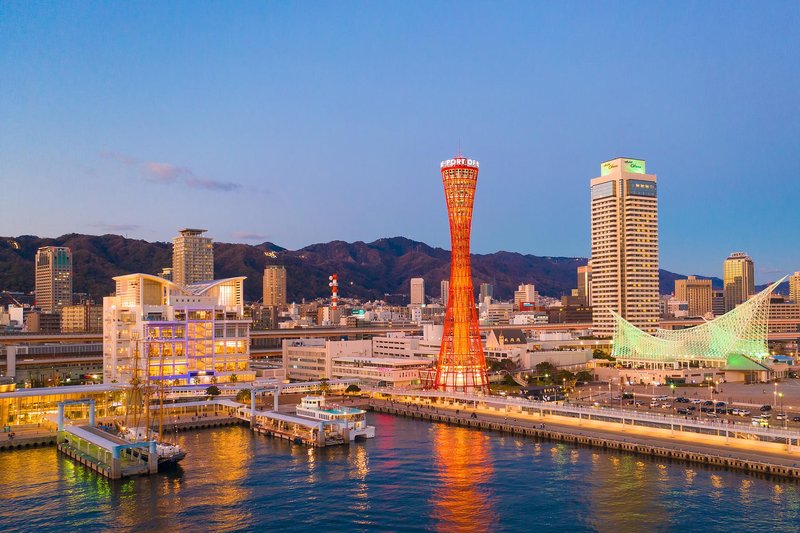
Hotels in Yukuhashi
Discover your perfect stay in Yukuhashi.
Yukuhashi(Japan) Travel 2026: Cheap Flights, Hotels & Top Attractions
Popular Landmarks in Yukuhashi
Discover the most iconic attractions in Yukuhashi
Recommended Hotels in Yukuhashi
Find the perfect place to stay in Yukuhashi
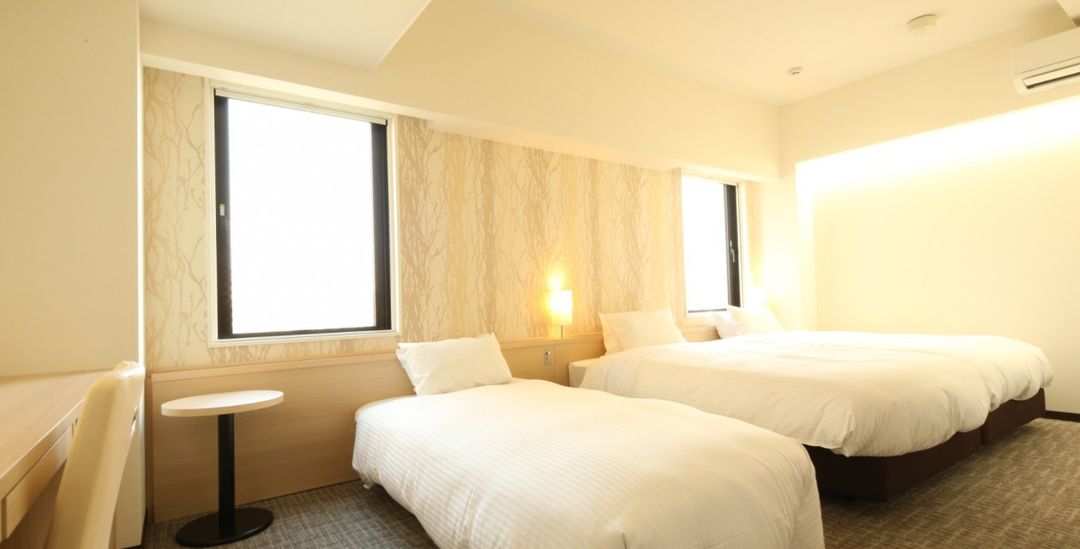
AB Hotel Yukuhashi
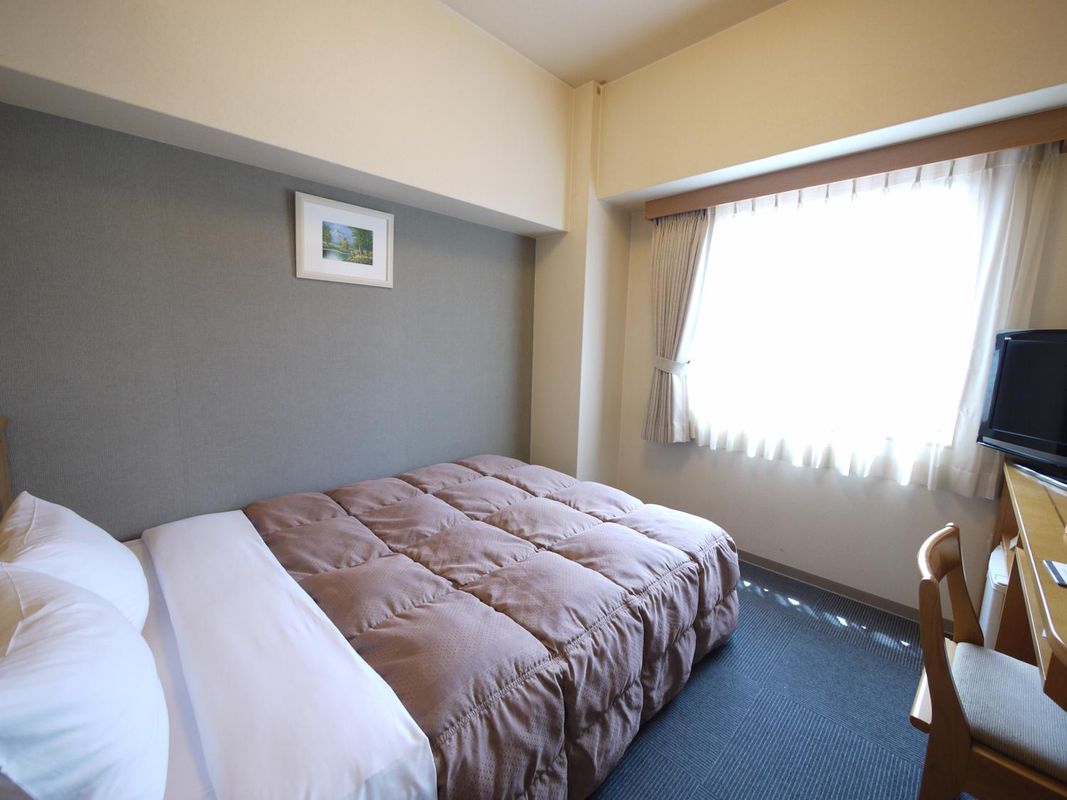
Hotel Route-Inn Yukuhashi
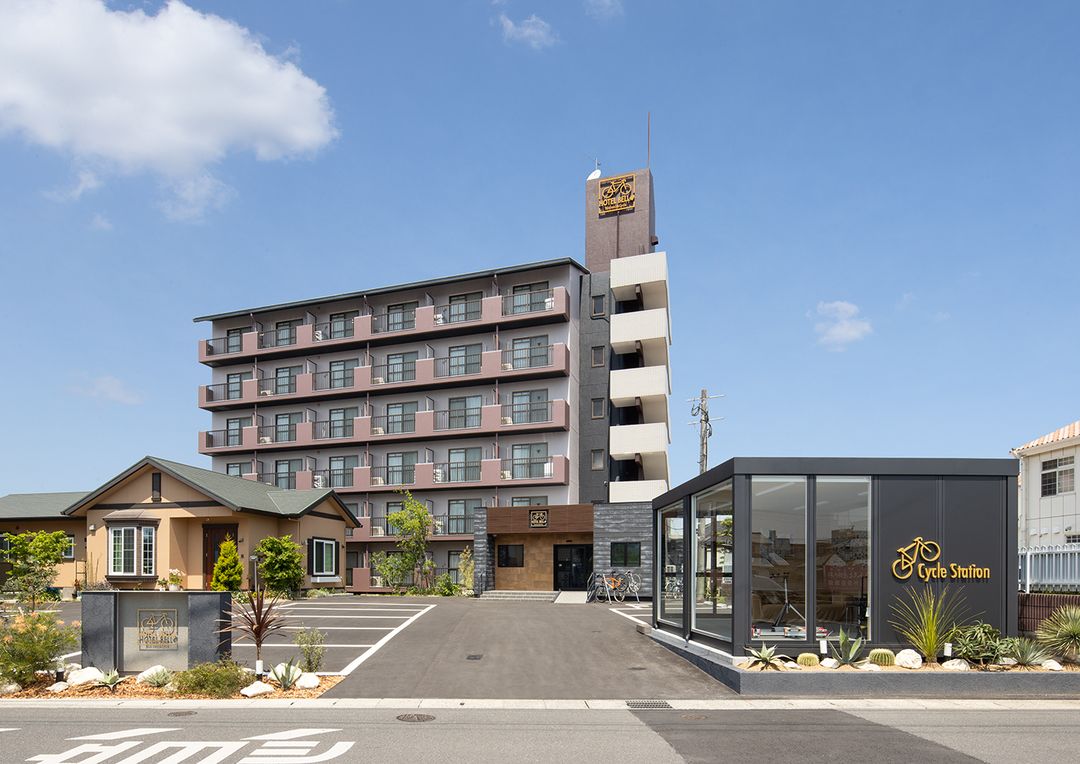
Business & Cycle Hotel Bell
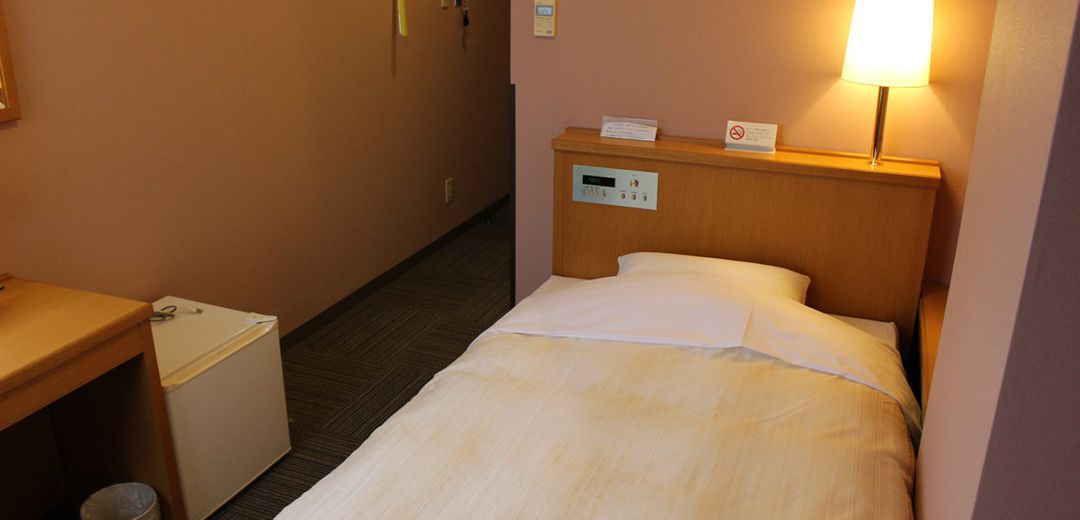
Business Hotel Yukuhashi
Best Hotels in Yukuhashi
Discover curated hotel collections in Yukuhashi
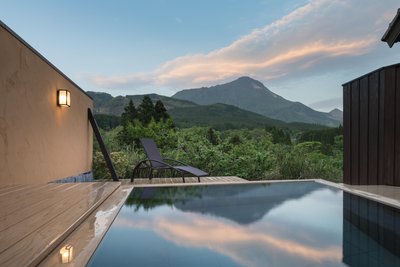
Ikkoten
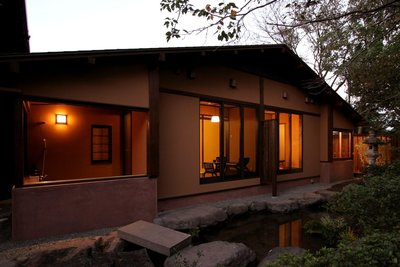
SEKIYA RESORT Bettei Haruki
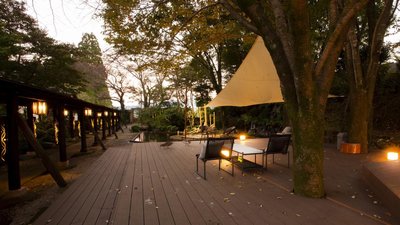
Chikurakutei
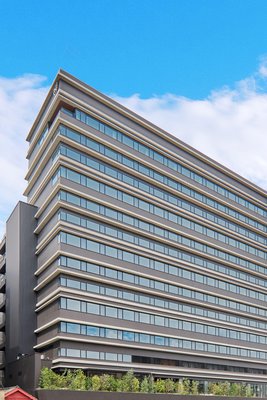
The Royal Park Canvas Fukuoka Nakasu
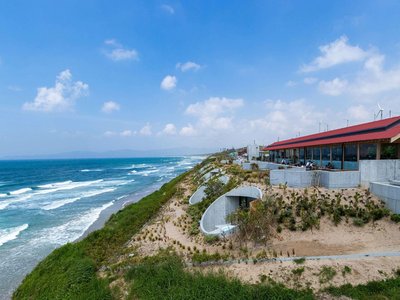
Izumo Hotel the Cliff
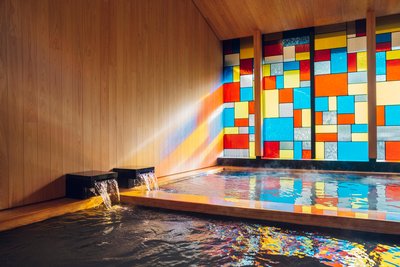
Hoshino Resorts Kai Unzen
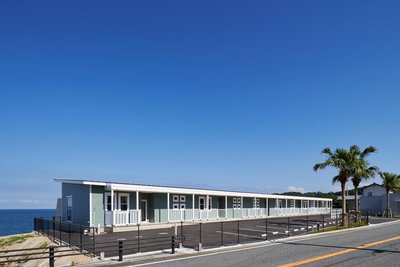
Alfacio Resort Stay Itoshima
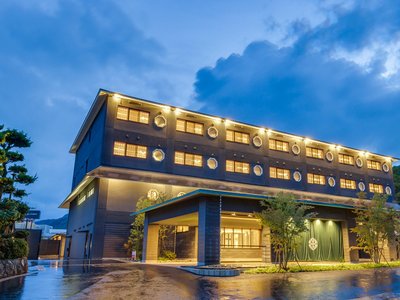
Ureshino Yadoya

seven x seven itoshima
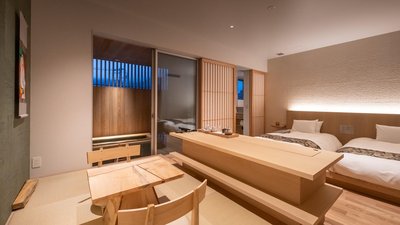
Japanese Auberge Kararako
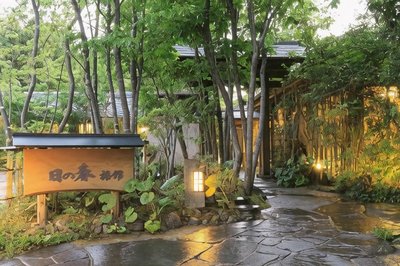
Yufuin Onsen Hinoharu Ryokan
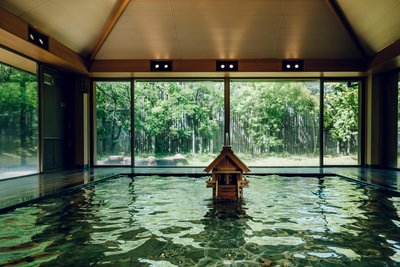
Hoshino Resorts KAI Tamatsukuri
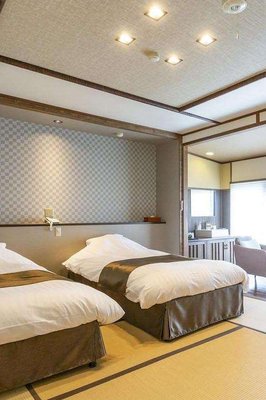
Sozankyo
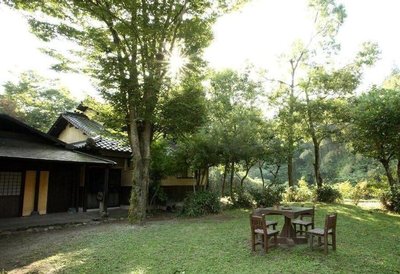
Yamashinobu
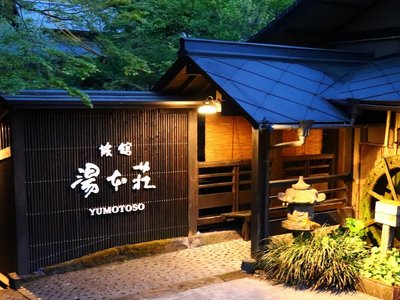
Ryokan Yumotosou
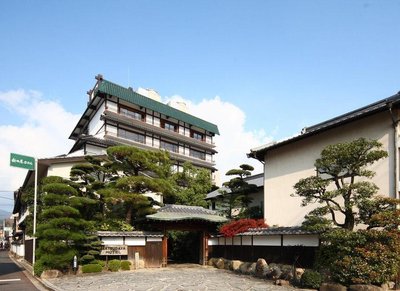
Matsudaya Hotel
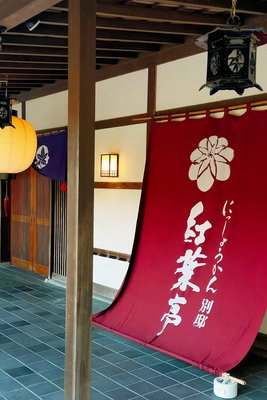
Nisshokan Bettei Koyotei
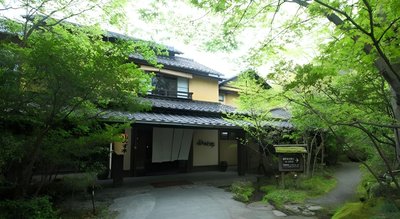
Kurokawaonsen Yamamizuki
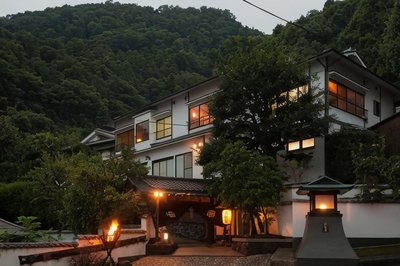
Beppu Showaen
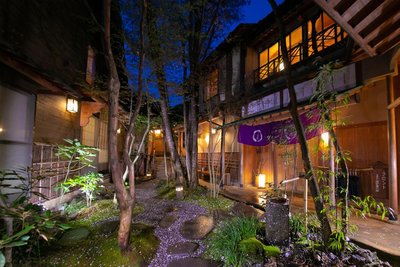
Oyado Ichizen
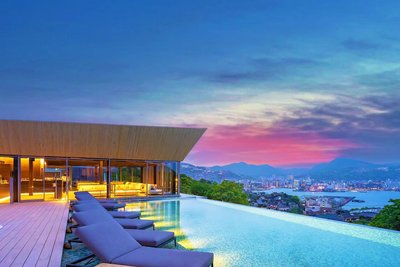
Garden Terrace Nagasaki Hotel & Resort

Holiday Inn Resort Miyazaki
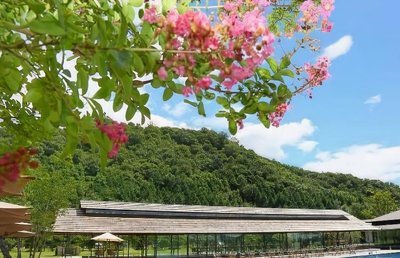
Bella Vista Spa and Marina Onomichi
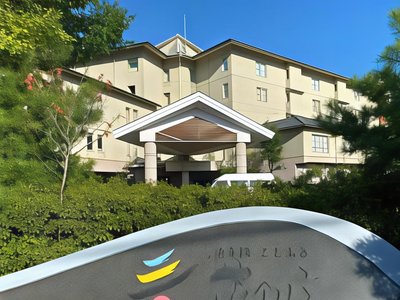
Yufuin Kotobuki Hananosho
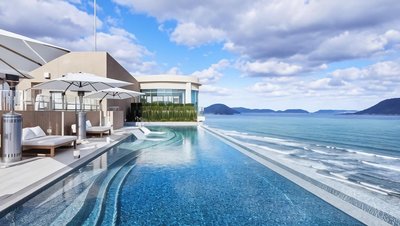
Karatsu Seaside Hotel
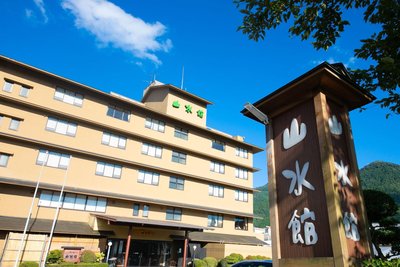
Yufuin Sansuikan
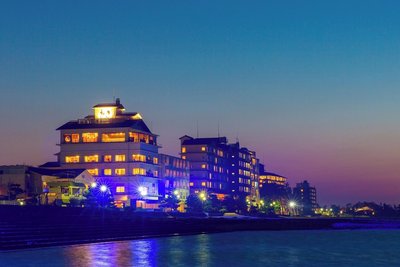
Kaike Shogetsu
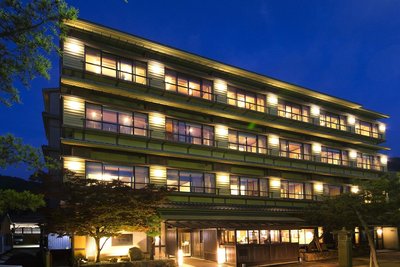
Kinsuikan
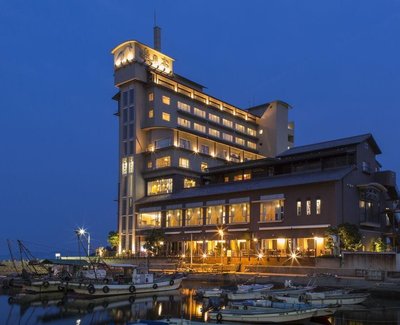
Hotel Ofutei
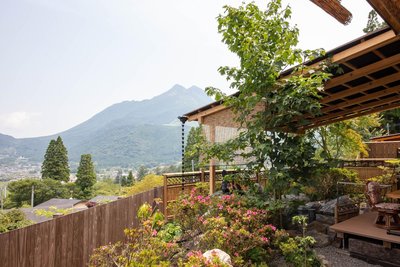
Yufuin-Sanso Waremokou
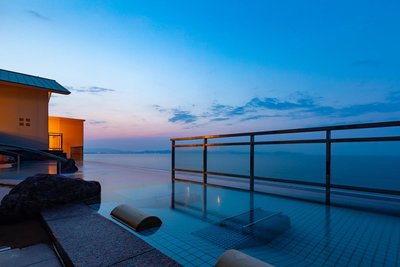
Kaike Yugetsu
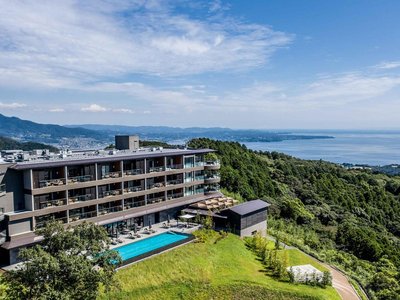
Ana InterContinental Beppu Resort & Spa
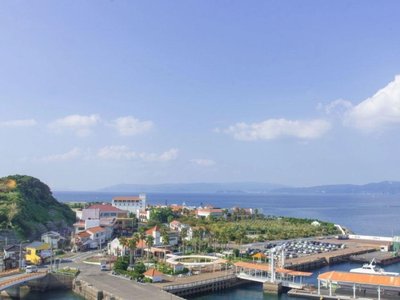
I+Land Nagasaki
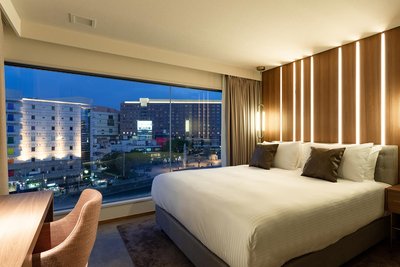
The OneFive Villa Fukuoka
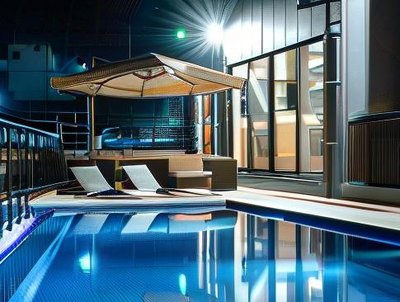
LiVEMAX RESORT MIYAHAMA ONSEN OCEAN
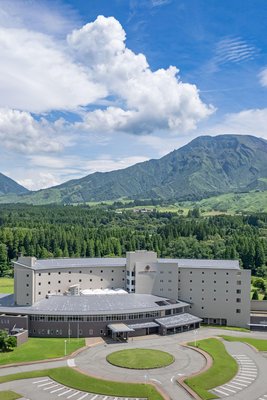
KAMENOI HOTEL ASO
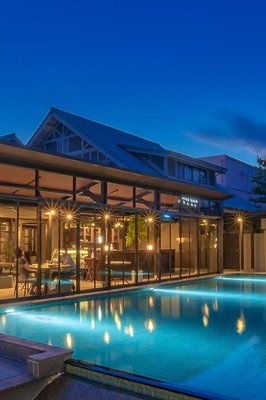
Amane Resort Gahama
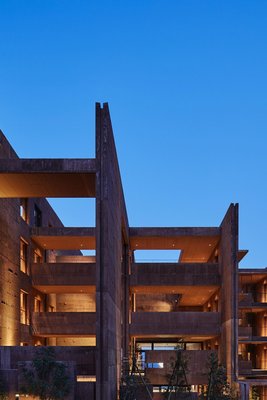
SEKIYA RESORT GALLERIA MIDOBARU

Beppu Suginoi Hotel

Phoenix Seagaia Ocean Tower
Hoshino Resorts KAI Tamatsukuri
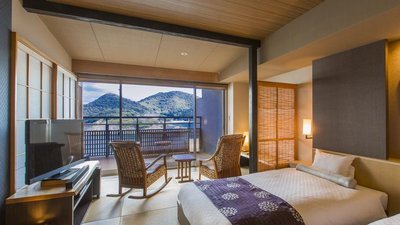
Migiwatei Ochi Kochi
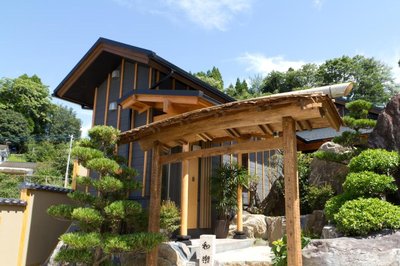
Ryokan Shinsen
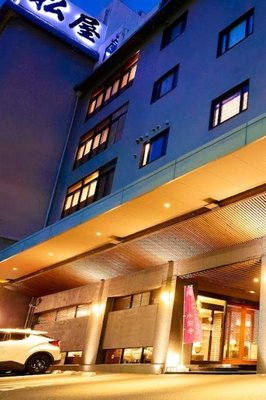
Ryotei Matsuya Honkan Suizenji
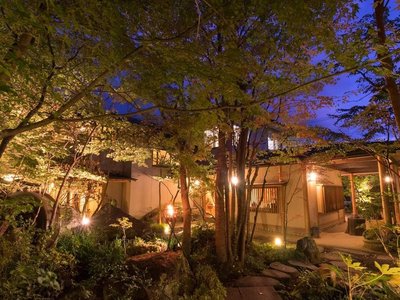
Ryoso Yufuin Yamadaya
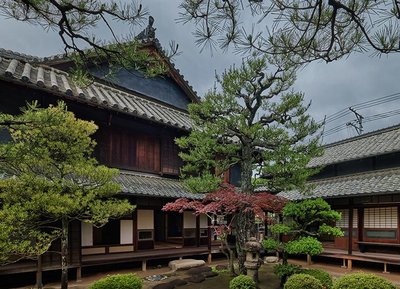
NIPPONIA HOTEL Takehara Saltworks Town
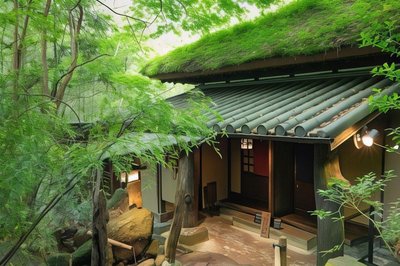
Sanso Tensui
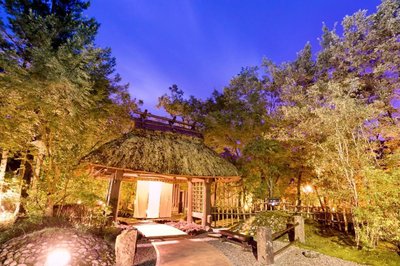
Satonoyu Waraku
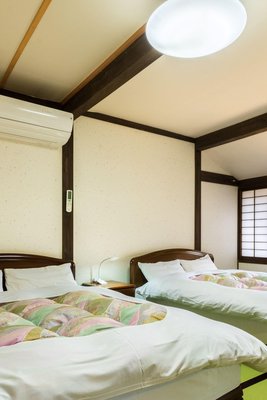
Tobise Onsen Tenga Sanso
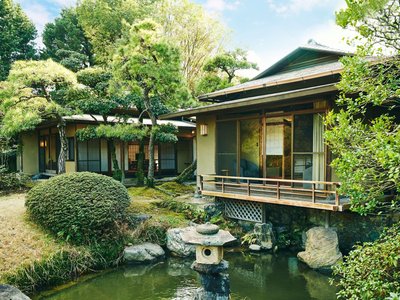
Suisui Garden Ryokan (in the Art Hotel Kokura New Tagawa)
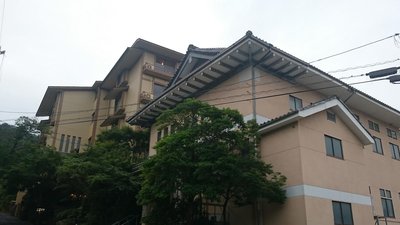
Miyajima Hotel Makoto
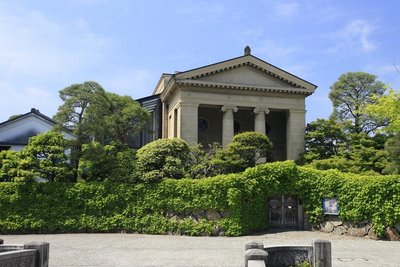
Ryori Ryokan Tsurugata
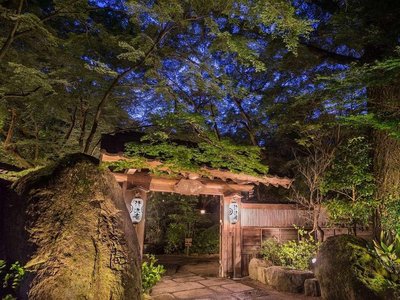
Akizuki Spa Ryokan Seiryuan
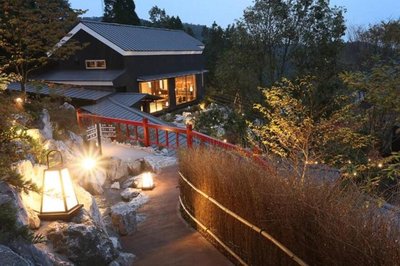
Gekkoju Kurokawa
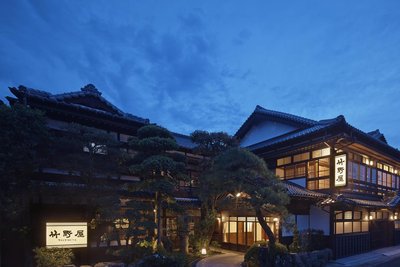
Takenoya

Sheraton Kagoshima
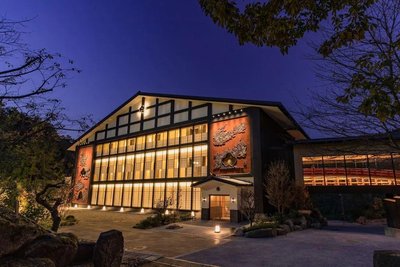
Okuhita Onsen Umehibiki
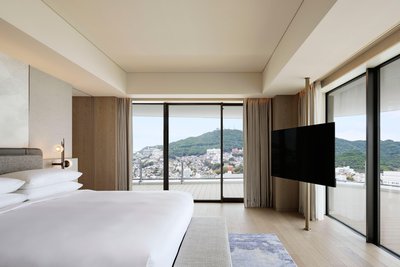
Nagasaki Marriott Hotel
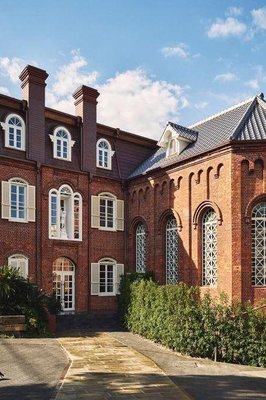
Hotel Indigo Nagasaki Glover Street by IHG
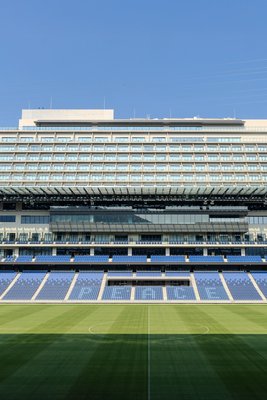
Stadium City Hotel Nagasaki
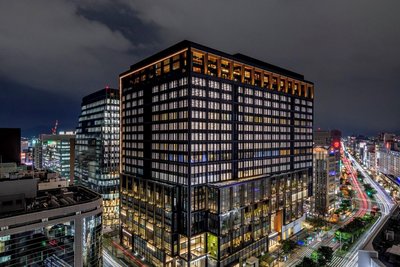
ONE FUKUOKA HOTEL
Ryokan Shinsen
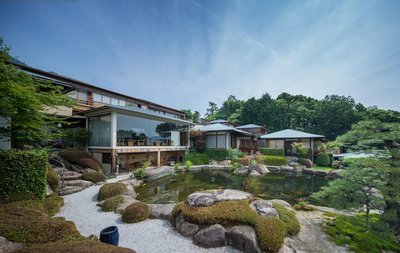
SEKITEI

Yamatoya Besso
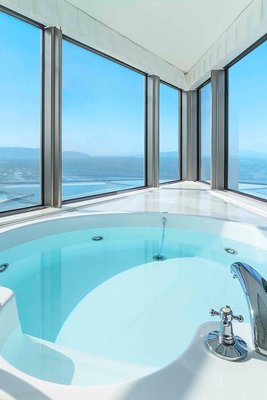
Hilton Fukuoka Sea Hawk

Olive Bay Hotel
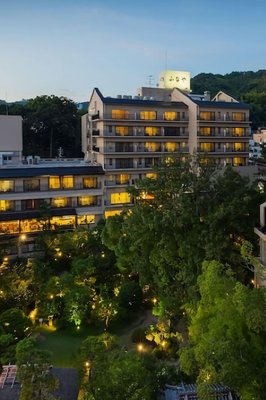
Funaya
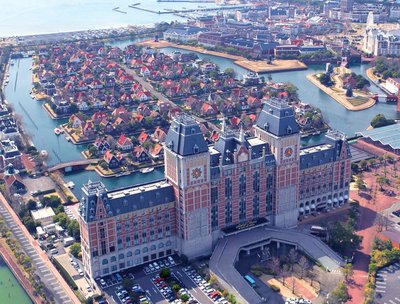
Hotel Okura Jr Huis Ten Bosch
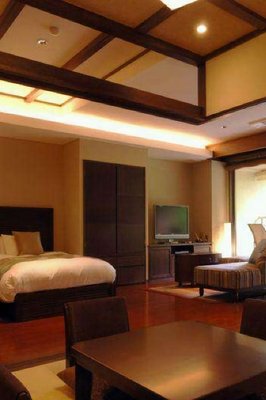
Bettei Oborozukiyo
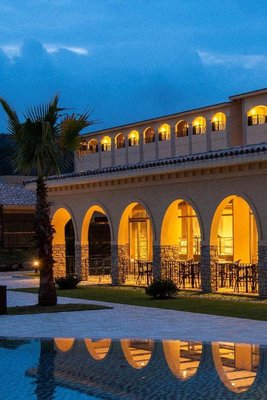
La Vista Kirishima Hills
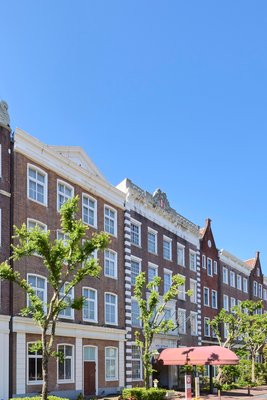
Hotel Amsterdam Huis Ten Bosch

Yumotoankiyohime
Ana InterContinental Beppu Resort & Spa
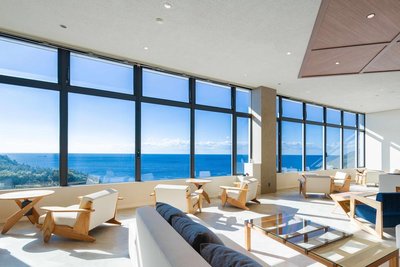
TheMana Village
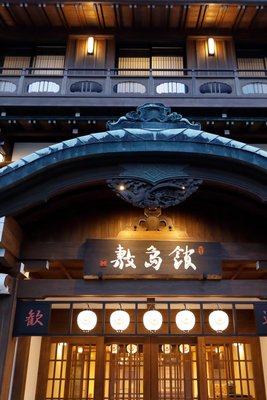
Onyado Shikishima-Kan

Hotel Barrière Fouquet's New York
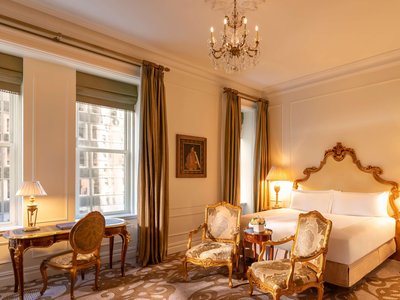
The Plaza - A Fairmont Managed Hotel
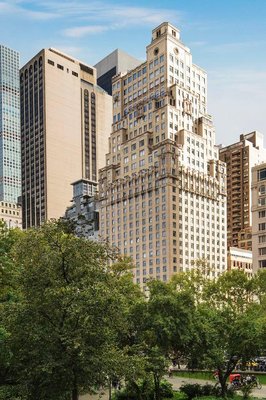
The Ritz-Carlton New York, Central Park
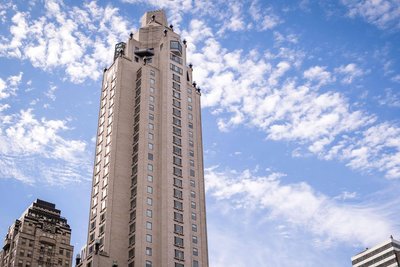
Four Seasons Hotel New York
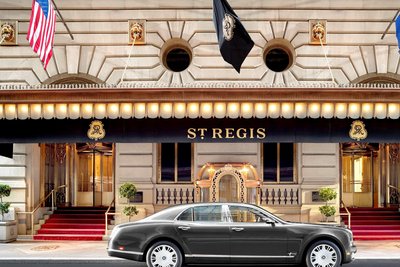
The St. Regis New York
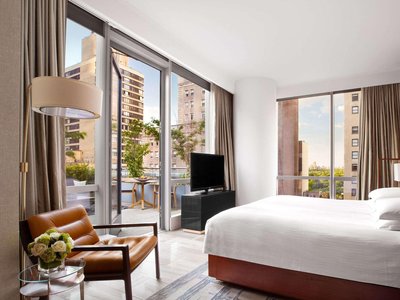
Park Hyatt New York
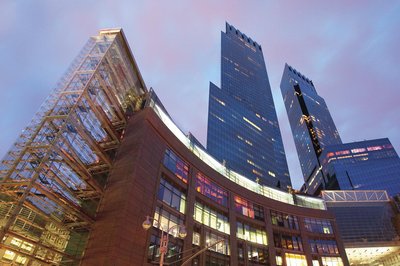
Mandarin Oriental New York
Times Square Edition New York
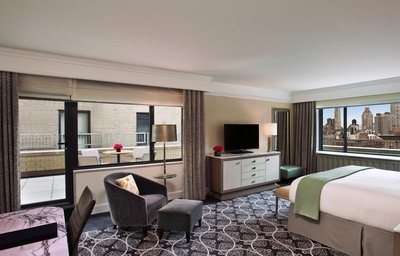
Loews Regency New York Hotel
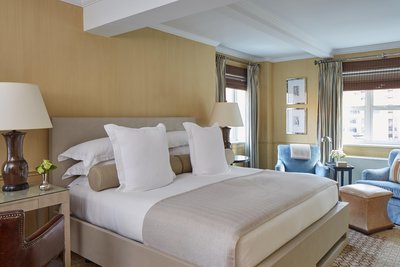
Lowell Hotel
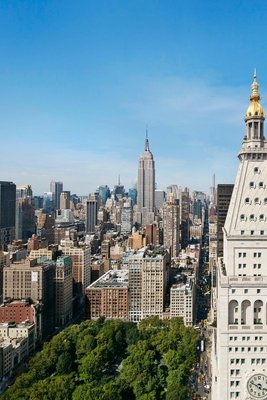
New York Edition
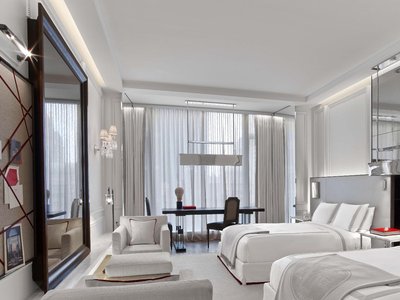
Baccarat Hotel New York
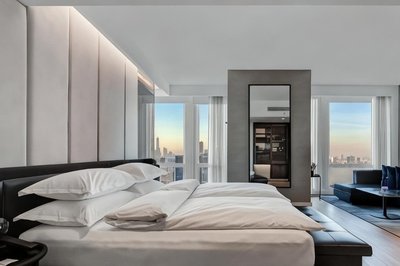
Equinox Hotel New York

Four Seasons Hotel New York Downtown
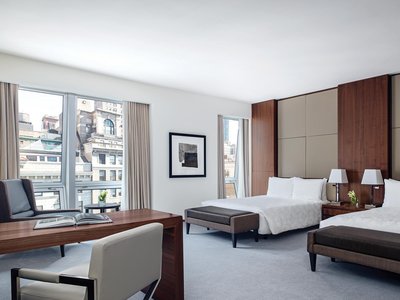
The Langham, New York, Fifth Avenue

The Carlyle, A Rosewood Hotel

The Chatwal, in the Unbound Collection by Hyatt
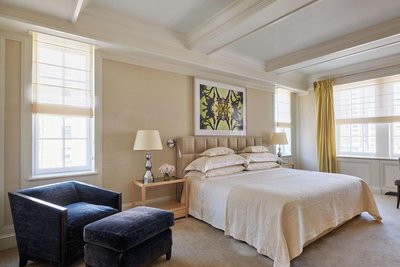
The Mark New York
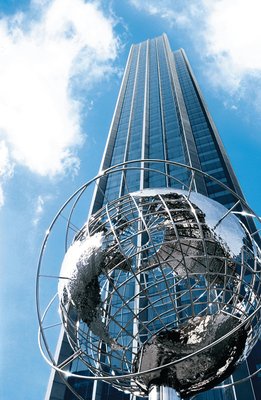
Trump International Hotel & Tower® New York
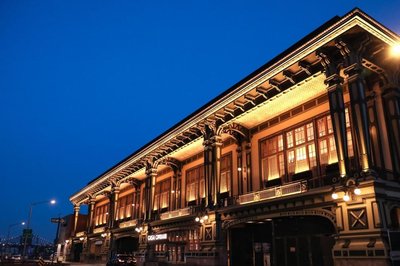
Casa Cipriani New York
Frequently Asked Questions about Traveling to Yukuhashi
Questions You Might Need to Know About Traveling to Yukuhashi
In Higashihiroshima, the top choice for families is Hyatt Regency Higashihiroshima, located in the city center with easy access to Higashihiroshima Station and Ogawa Park. The hotel features family rooms, a children's play area, and multilingual staff. Nearby attractions include Higashihiroshima City Hall and Fukuoka Prefectural Museum, offering cultural experiences for all ages. Guests can enjoy local cuisine like Hakata ramen and mentaiko dishes, making it an ideal base for family exploration of this vibrant city.
The best area for sightseeing in Higashihiroshima is the central business district, near Higashihiroshima Station and Higashihiroshima City Hall. This district offers walkable access to key landmarks such as Higashihiroshima Castle Ruins Park and Fukuoka Prefectural Art Museum. Accommodations like Toyoko Inn Higashihiroshima-Eki-Mae provide excellent convenience, while nearby streets are filled with local eateries serving authentic Kyushu cuisine, making it perfect for experiencing both history and modern life in one location.
A must-try cultural experience in Higashihiroshima is visiting Higashihiroshima Castle Ruins Park, a former Edo-period castle site now transformed into a historical walking trail and cherry blossom viewing spot. Each spring, the annual Higashihiroshima Castle Flower Festival features traditional tea ceremonies, kimono dressing, and bunraku puppet shows. Additionally, visitors can learn about Higashihiroshima Paper Doll Craft, a local intangible cultural heritage, at seasonal craft markets—offering hands-on opportunities to connect with regional traditions.
For evening enjoyment, stroll along the Ogawa River Promenade, where illuminated pathways reflect softly on the water, creating a serene, romantic atmosphere. Nearby, cozy izakayas and yakiniku restaurants like Keiichi serve fresh Hakata grilled chicken and premium black Wagyu beef, paired with local sake. Some venues even feature live shamisen performances, adding authentic cultural flair. It’s the perfect way to unwind after a day of exploring, blending great food with traditional entertainment.
Couples should consider staying at Higashihiroshima Onsen Ryokan, a traditional Japanese inn featuring private outdoor hot springs and garden-view rooms. Enjoy sunset views over the Ogawa River together, followed by a kaiseki dinner served in your room. The inn offers kimono rentals and guided tours to Higashihiroshima Castle Ruins Park, creating a deeply intimate and nostalgic experience. With its peaceful ambiance and attention to detail, it’s a dream destination for couples seeking tranquility and connection.
Must-try local dishes in Higashihiroshima include Hakata ramen (rich pork broth with thin noodles), mentaiko fried chicken (spicy cod roe-seasoned), and Higashihiroshima mochi (soft rice cakes filled with red bean or plum). These specialties are available at Higashihiroshima Market and Ogawa-dori Shopping Street. Don’t miss Matsumotoya, known for its award-winning mentaiko products, which are designated as Fukuoka Prefecture Traditional Foods—a true taste of local pride.
Top photo spots in Higashihiroshima include the Higashihiroshima Castle Ruins Park with its restored donjon tower and cherry blossom-lined paths; the Ogawa River Illuminated Walkway, glowing with soft lights at night; and the modern sculpture garden at Higashihiroshima City Hall. The clock tower and green plaza near Higashihiroshima Station also make great backdrops. For Instagram-worthy shots, wear a kimono or yukata—the blend of history, nature, and urban design creates stunning visual contrast.
Yes, Higashihiroshima is highly suitable for self-drive travel. Start from Fukuoka City via the Kyushu Expressway, reaching the city in about 30 minutes. Along the way, stop at Kashii Shrine and Umi no Chikara Coastal Park before entering Higashihiroshima. Once there, explore Higashihiroshima Castle Ruins, Ogawa River, and Higashihiroshima Market with ease. The city has wide roads, ample parking, and clear signage, making it ideal for independent travelers looking to expand their journey into Northern Kyushu.
For business travelers, Hyatt Regency Higashihiroshima stands out with fully equipped conference rooms, high-speed Wi-Fi, and a 24-hour business center. Located just a 5-minute drive from the Fukuoka Industrial Promotion Center, it offers seamless connectivity. The hotel also provides dedicated concierge services and corporate meeting packages. With its professional environment and proximity to key economic hubs, it’s a preferred choice for executives and teams conducting meetings across Kyushu.
Major attractions in Higashihiroshima are easily accessible via public transit. The city is served by JR West Higashihiroshima Station, connecting directly to Fukuoka, Kitakyushu, and Kurume. Local buses link Higashihiroshima Castle Ruins Park, Ogawa River Promenade, and Higashihiroshima City Hall, with frequent service. Visitors can use ICAOCA cards for hassle-free travel, and many sites offer free shuttle buses. Clear signage and multilingual support ensure smooth navigation—ideal for tourists without a car.
Yukuhashi Overview
City Summary
Yukuhashi City, located in the eastern part of Fukuoka Prefecture, Japan, is a tranquil blend of tradition and modernity. Known for its rich historical heritage and natural landscapes, highlights include Sugawara Shrine and Yukuhashi Onsen. The city's festivals, such as the Yukuhashi Summer Festival, also attract many visitors.
Must-See Attractions
Must-visit sites include Sugawara Shrine, renowned for its exquisite architecture and serene atmosphere. Yukuhashi Onsen is perfect for relaxation. Nature enthusiasts will enjoy hiking and seasonal views at Dangonzan.
Food Guide
The local cuisine features seafood and farm produce. Don't miss grilled mackerel sushi and Yukuhashi ramen, which highlight regional flavors. Street stalls offer delicious oden.
Transportation Guide
Transportation relies on the JR Nippo Line and buses. A one-day bus pass is cost-effective for sightseeing. Taxis are convenient but expensive. Drivers can use Route 10 and expressways.
Best Time to Visit
The best seasons are spring (March-May) and autumn (September-November), with mild weather. Summers are hot, and winters are cold but less crowded.
Travel Tips
- Respect local customs: Follow shrine etiquette.
- Waste sorting: Strictly enforced; carry a trash bag.
- Cash payments: Some small shops accept cash only.
- Quiet environments: Keep noise low in public areas.
- Onsen etiquette: Shower before entering baths.
- Transport cards: IC cards are handy for travel.
Useful Information
Japanese is the main language; English is limited, so a translation app is helpful. Network coverage is good; prepaid SIMs are available at convenience stores. Cash is preferred, though some stores accept cards. Emergency number: 119. Hospitals provide basic care.