Hotels in Yunomae
Discover your perfect stay in Yunomae.
Yunomae(Japan) Travel 2026: Cheap Flights, Hotels & Top Attractions
Popular Landmarks in Yunomae
Discover the most iconic attractions in Yunomae
Best Hotels in Yunomae
Discover curated hotel collections in Yunomae
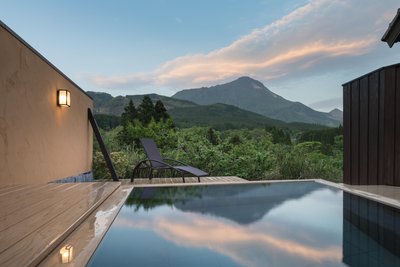
Ikkoten
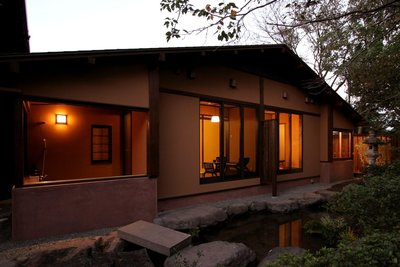
SEKIYA RESORT Bettei Haruki
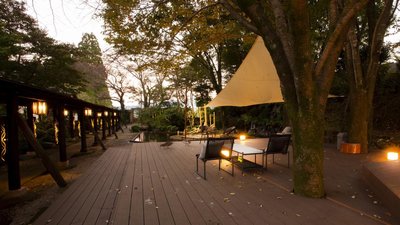
Chikurakutei

The Royal Park Canvas Fukuoka Nakasu
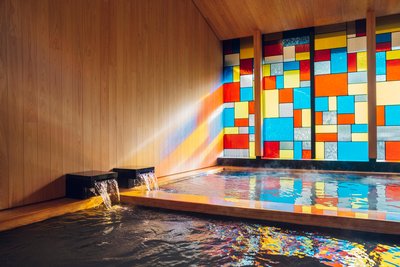
Hoshino Resorts Kai Unzen

Alfacio Resort Stay Itoshima

Ureshino Yadoya

seven x seven itoshima
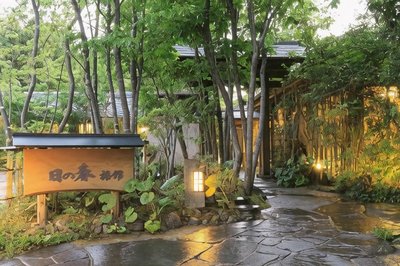
Yufuin Onsen Hinoharu Ryokan
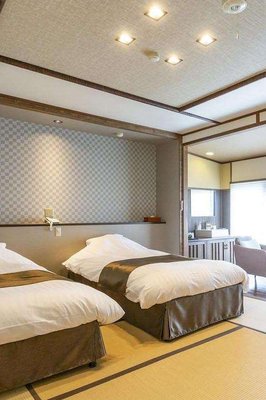
Sozankyo
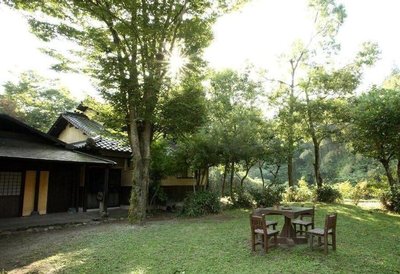
Yamashinobu
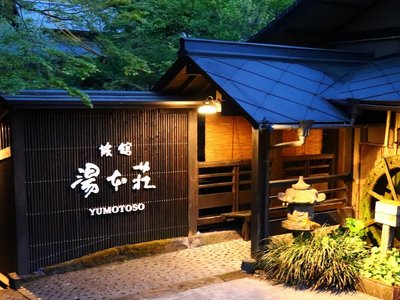
Ryokan Yumotosou
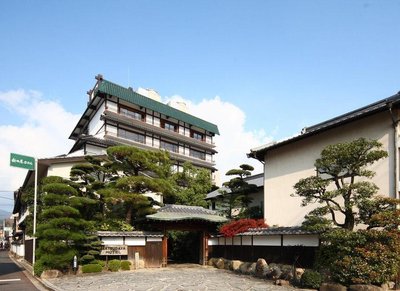
Matsudaya Hotel
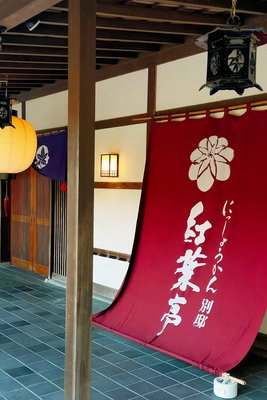
Nisshokan Bettei Koyotei
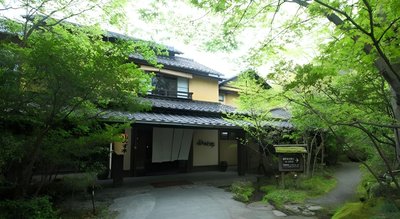
Kurokawaonsen Yamamizuki
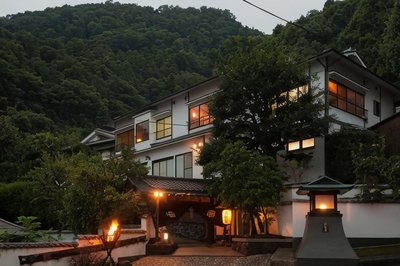
Beppu Showaen
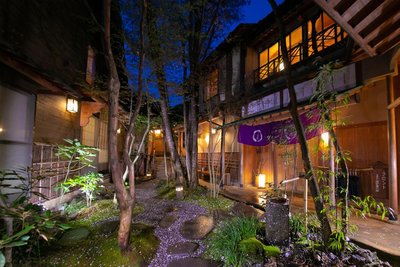
Oyado Ichizen
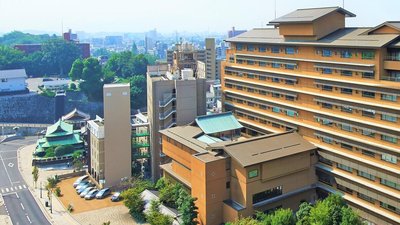
Yamatoya Honten

Garden Terrace Nagasaki Hotel & Resort
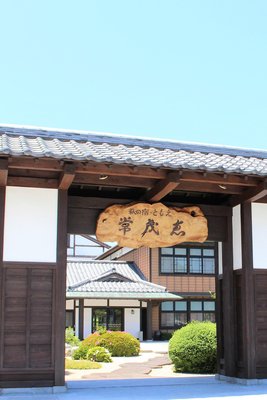
Hagi No Yado Tomoe
Garden Terrace Nagasaki Hotel & Resort

Holiday Inn Resort Miyazaki
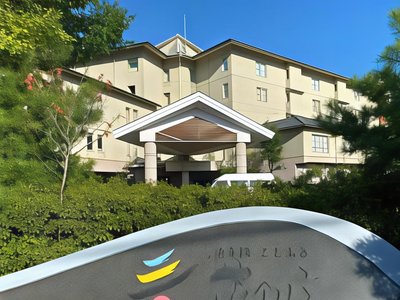
Yufuin Kotobuki Hananosho
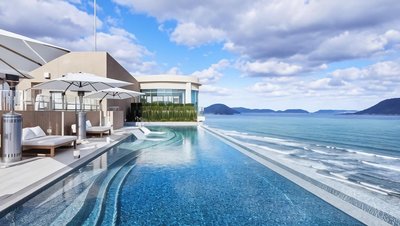
Karatsu Seaside Hotel
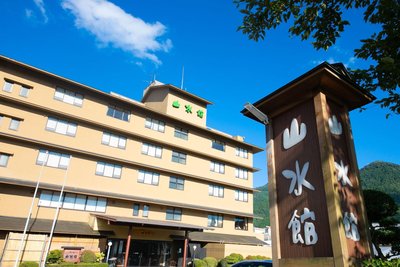
Yufuin Sansuikan
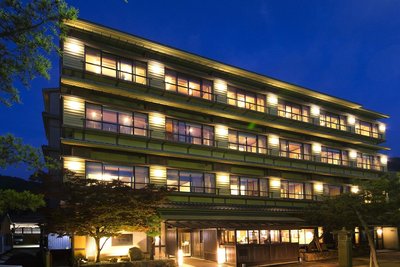
Kinsuikan
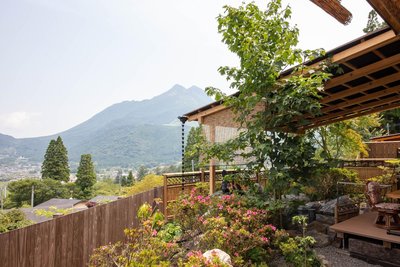
Yufuin-Sanso Waremokou
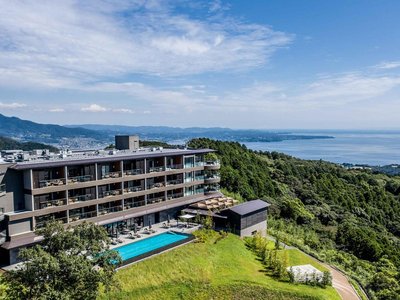
Ana InterContinental Beppu Resort & Spa

I+Land Nagasaki

The OneFive Villa Fukuoka
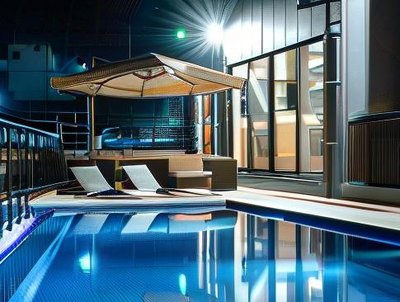
LiVEMAX RESORT MIYAHAMA ONSEN OCEAN
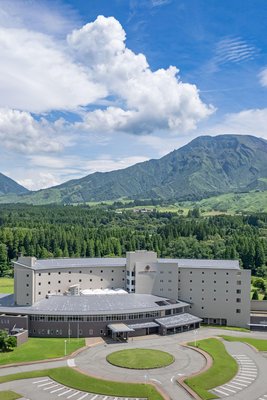
KAMENOI HOTEL ASO

Amane Resort Gahama

SEKIYA RESORT GALLERIA MIDOBARU

Beppu Suginoi Hotel

Phoenix Seagaia Ocean Tower
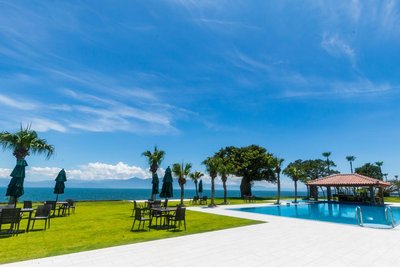
Kagoshima Sunamushi Onsen Ibusuki Hakusuikan
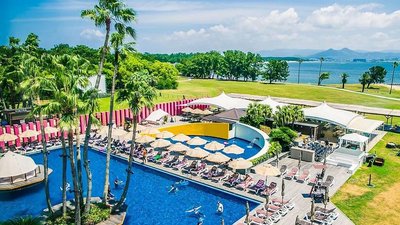
The Luigans Spa and Resort
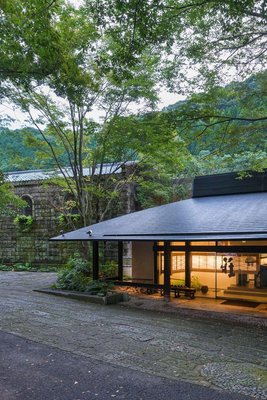
Myoken Ishiharaso

SHIROYAMA HOTEL kagoshima
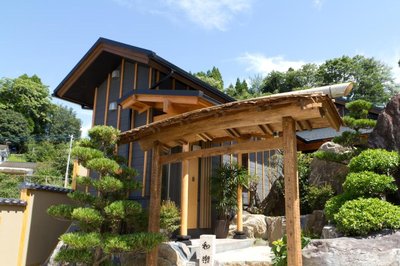
Ryokan Shinsen
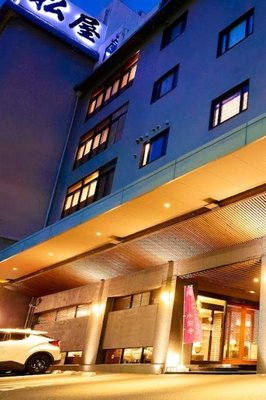
Ryotei Matsuya Honkan Suizenji
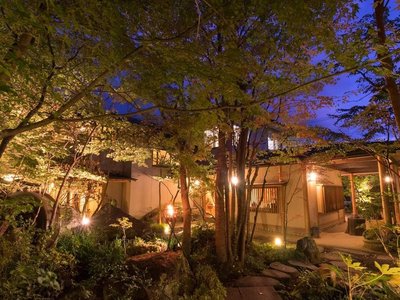
Ryoso Yufuin Yamadaya
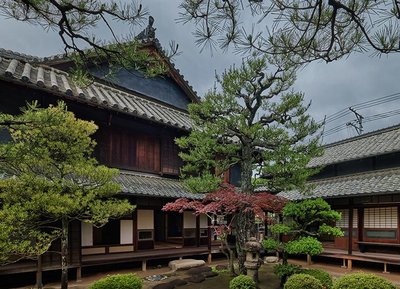
NIPPONIA HOTEL Takehara Saltworks Town
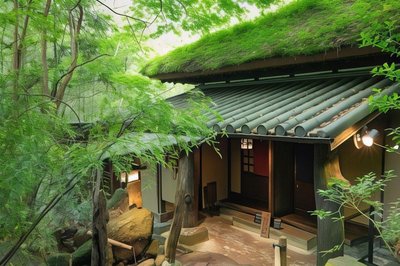
Sanso Tensui
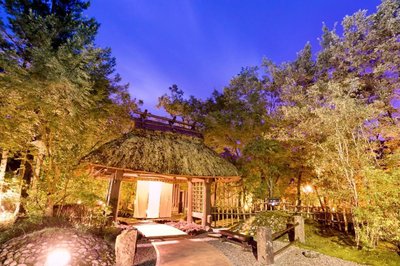
Satonoyu Waraku
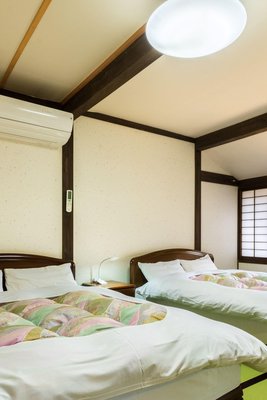
Tobise Onsen Tenga Sanso
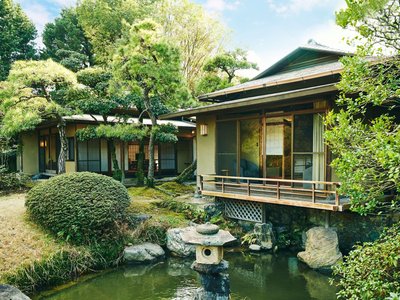
Suisui Garden Ryokan (in the Art Hotel Kokura New Tagawa)
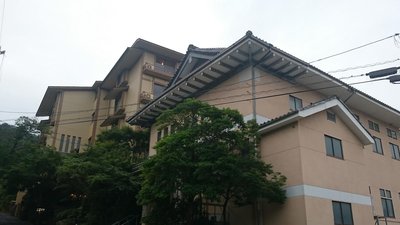
Miyajima Hotel Makoto
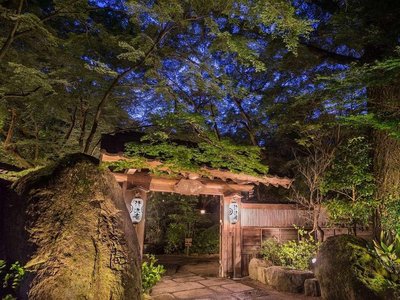
Akizuki Spa Ryokan Seiryuan
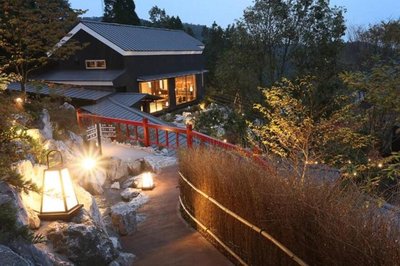
Gekkoju Kurokawa

Sheraton Kagoshima
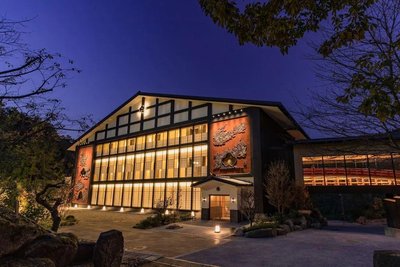
Okuhita Onsen Umehibiki
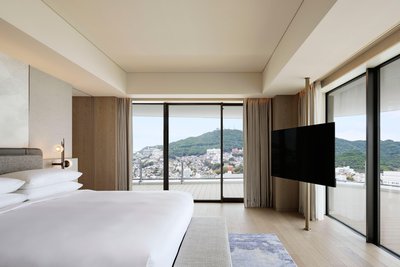
Nagasaki Marriott Hotel
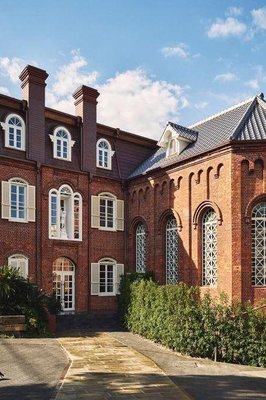
Hotel Indigo Nagasaki Glover Street by IHG

Stadium City Hotel Nagasaki
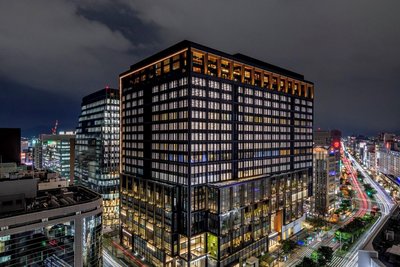
ONE FUKUOKA HOTEL
Ryokan Shinsen
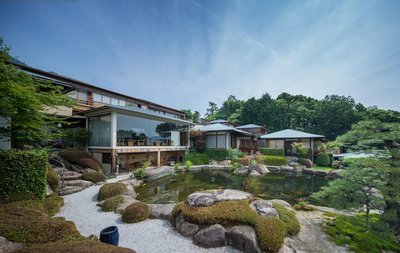
SEKITEI

Yamatoya Besso
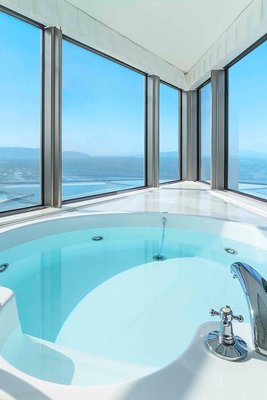
Hilton Fukuoka Sea Hawk

Olive Bay Hotel
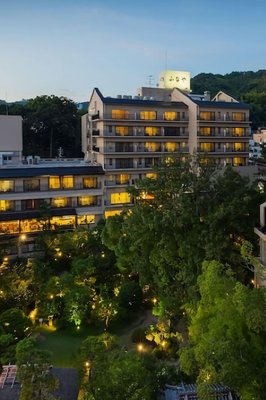
Funaya

Hotel Okura Jr Huis Ten Bosch

Bettei Oborozukiyo

La Vista Kirishima Hills
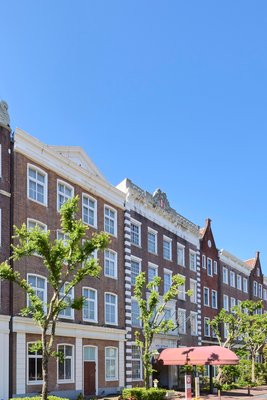
Hotel Amsterdam Huis Ten Bosch

Yumotoankiyohime
Ana InterContinental Beppu Resort & Spa
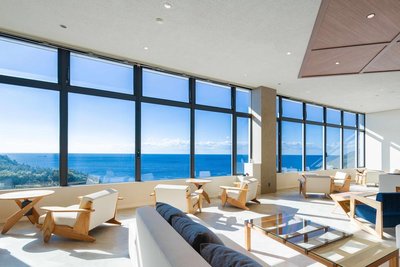
TheMana Village
Amane Resort Gahama

Hotel Barrière Fouquet's New York

The Plaza - A Fairmont Managed Hotel
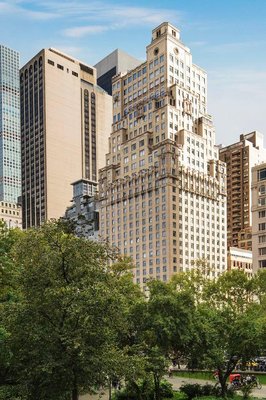
The Ritz-Carlton New York, Central Park

Four Seasons Hotel New York

The St. Regis New York

Park Hyatt New York
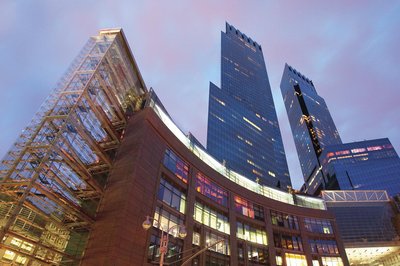
Mandarin Oriental New York

Times Square Edition New York

Loews Regency New York Hotel

Lowell Hotel
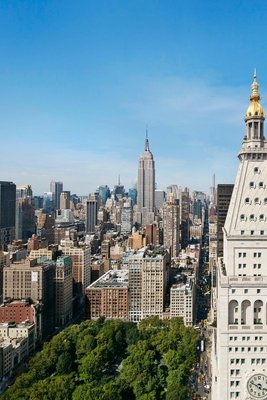
New York Edition

Baccarat Hotel New York

Equinox Hotel New York

Four Seasons Hotel New York Downtown

The Langham, New York, Fifth Avenue

The Carlyle, A Rosewood Hotel

The Chatwal, in the Unbound Collection by Hyatt

The Mark New York

Trump International Hotel & Tower® New York
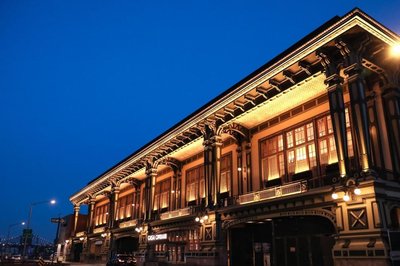
Casa Cipriani New York
Frequently Asked Questions about Traveling to Yunomae
Questions You Might Need to Know About Traveling to Yunomae
In Yufuin Town, the top family-friendly hotel is Yufuin Highland Hotel, offering spacious family rooms, a kids' playroom, and an indoor pool with gentle water slides. The hotel features a private onsen with outdoor baths overlooking the Yufu River, perfect for relaxing after a day of sightseeing.
Located in the heart of Yufuin, it’s just a 5-minute walk from Yufuin Park and Yufuin Shopping Street, making it ideal for families with children. Many rooms include futon beds and high chairs, and the hotel provides kid-friendly meals using local ingredients like black pork and fresh mountain vegetables. Some units even offer connecting rooms for larger groups.
The best time to visit Yufuin Town for autumn foliage is from late October to mid-November, when the maple trees along the Yufu River Trail and Mount Yufu turn vibrant shades of red, orange, and gold.
During this period, the town hosts the Yufuin Autumn Festival, featuring lantern displays, traditional music performances, and seasonal food stalls. The crisp air and golden light filtering through the trees create a magical atmosphere—perfect for photography and leisurely walks. Avoid peak weekends if you prefer quieter views, but early November offers the most balanced mix of color and comfort.
In Yufuin Town, immerse yourself in authentic local culture by attending the Yufuin Shrine Festival, held annually in spring, where traditional dances, Shinto rituals, and handmade crafts are showcased.
You can also take part in a local onsen mining experience, visiting historic sulfur springs and learning about their therapeutic properties. Another highlight is joining a farm-to-table cooking class at a local ryokan, where you’ll learn to prepare dishes like black pork shabu-shabu and Yufuin soba noodles using ingredients sourced directly from nearby farms. These hands-on activities offer deep insight into Yufuin’s heritage and sustainable lifestyle.
Yufuin’s hot springs are renowned for their sulfur-rich waters, which are naturally alkaline and known for improving skin conditions and easing joint pain. The mineral content gives the water a faint yellow hue and a distinctive scent.
Many ryokans, such as Yufuin Highland Hotel and Hanahana Inn, feature open-air onsen baths surrounded by forest or river views, allowing guests to soak under the stars or amid autumn leaves. Some resorts offer "forest bathing" onsen experiences, combining aromatherapy, natural soundscapes, and warm stone seating for ultimate relaxation.
Yes, Yufuin Town offers several scenic hiking trails, with the Yufu River Trail being the most popular. This easy-to-moderate path runs alongside the clear, cool river, passing through dense forests and small waterfalls—ideal for families and nature lovers.
For more adventurous hikers, Mount Yufu (700m) offers a challenging summit trail with panoramic views of the Aso Volcano and surrounding mountains. At the peak, you’ll find the Yufu Observation Deck, equipped with rest areas and interpretive signs explaining the region’s geology and flora. Early morning hikes are recommended for misty, ethereal landscapes.
Must-try local foods in Yufuin Town include:
-
Black Pork Shabu-Shabu: Tender meat from locally raised Kurobuta pigs, served in a rich broth with fresh vegetables.
-
Yufuin Soba: Handmade buckwheat noodles made from mountain-grown flour, served cold with a savory dipping sauce.
-
Onsen Tamago: Eggs boiled in the hot spring water, resulting in a silky yolk and firm white—often enjoyed for breakfast.
-
Mountain Vegetable Tempura: Fresh wild greens and roots like fuki and warabi, lightly battered and fried, showcasing the region’s rich biodiversity.
To reach Yufuin Town from Kumamoto City, take a direct bus from Kumamoto Station to Yufuin Bus Terminal, which takes about 1 hour and runs every 30–60 minutes. Buses are reliable and well-marked.
Alternatively, rent a car and drive via the Kyushu Expressway, exiting at the Yufuin Interchange, then follow Route 28 into town. Most ryokans and hotels offer free shuttle services from the bus terminal, making arrival convenient. For travelers without a car, the bus option is highly recommended due to its affordability and accessibility.
Key natural attractions in Yufuin Town include:
-
Yufu River Trail: A peaceful walking path lined with willows and moss-covered rocks, perfect for birdwatching and photography.
-
Mount Yufu: A scenic hike offering sweeping views of the Aso Caldera and surrounding peaks. The summit features a viewing platform and a small shrine.
-
Yufuin Forest Park: Home to ancient trees, ferns, and hidden streams, this park is ideal for a quiet forest walk or picnic.
-
Sulfur Springs Pools: Natural pools fed by underground thermal springs, often visited by locals for their healing properties.
Yes, Yufuin Town is excellent for solo travelers. The town is safe, quiet, and filled with cozy cafés, art galleries, and small bookshops perfect for introspection.
Many ryokans offer single rooms with private onsen access, and some host solo traveler meetups or meditation sessions. You can enjoy a peaceful evening soaking in an outdoor bath under the stars, or take a solo hike along the Yufu River Trail. The lack of crowds and focus on wellness make it an ideal destination for reflection and rejuvenation.
Night-time in Yufuin Town shines with serene and magical experiences. The town’s low light pollution makes it one of Japan’s best spots for stargazing, especially during autumn and winter.
Many ryokans offer night onsen sessions with illuminated gardens and minimal noise—perfect for relaxation. During festival season, the Yufuin Lantern Festival lights up the streets with hundreds of paper lanterns, creating a dreamlike ambiance.
Some hotels host moon-viewing tea ceremonies or live acoustic performances in garden courtyards, blending tradition with tranquility. For a quiet moment, stroll the riverside path under moonlight, listening to the soft flow of the Yufu River.
Yunomae Overview
City Summary
Yunomae Town in Kumamoto Prefecture, Japan, is a serene hot spring retreat famed for its mineral-rich onsens. The town preserves Edo-period charm with wooden buildings and stone-paved streets, surrounded by hiking trails showcasing vibrant autumn foliage. Its therapeutic waters and slow-paced lifestyle offer an authentic rural Japanese experience.
Must-See Attractions
Must-visit spots include "Yunomae Onsen Street" lined with century-old ryokans, and the "Yunomae Folk Museum" displaying farm tools and ceramics. Join a "pottery workshop" to craft Mashiko-yaki, or book a "private open-air bath" nestled in the mountains. Don't miss the early morning "Asa-yu" (dawn bath) ritual.
Food Guide
Savor local specialties like "basashi" (horse sashimi), "onsen tamago" (hot spring eggs), and "jigoku-mushi" (hell-steamed vegetables). Visit "Roadside Station Yunomae" for chestnut-based sweets and handmade miso. Many eateries use sulfur-spring steamed rice, imparting a unique flavor.
Transportation Guide
From Kumamoto Station, take JR Hōhi Main Line to Yunomae Station (90 mins). Rent bicycles (¥1,500/day) or use community buses (¥200/ride). Taxis require advance HopeGoo. Note: Narrow mountain roads may challenge drivers. Free parking available at major onsens with purchase.
Best Time to Visit
Prime seasons are October-November (fall colors) and April-May (cherry blossoms). Winter (Dec-Feb) offers cozy onsens but limited hiking. Avoid Golden Week (late Apr-early May) crowds. Average temps range from 5°C (winter) to 28°C (summer).
Travel Tips
- Wash thoroughly before entering onsens; check tattoo policies
- Carry cash - 70% businesses don't accept cards
- Layer clothing for mountain microclimates
- Observe quiet hours (8pm-8am) in residential areas
- Practice strict recycling - bins are scarce
- Confirm shop hours; many close Wednesdays
Useful Information
Language: Basic English works; download Kumamoto dialect phrases. WiFi: Pocket routers available at Kumamoto Airport. Payment: Major ryokans take Visa/JCB. Clinics: Yunomae Clinic (0966-42-2111) handles minor issues; serious cases transfer to Hitoyoshi. Festivals: July "Tanabata Lanterns" illuminates the river. Emergency: Dial #7119 for English-medical assistance. Tax: 8% consumption tax applies; duty-free shops unavailable.