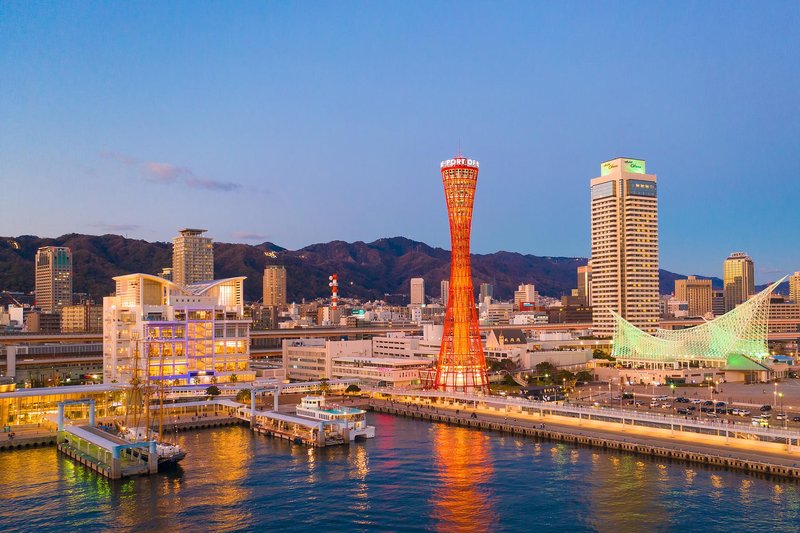
Hotels in Yuzawa
Discover your perfect stay in Yuzawa.
Yuzawa(Japan) Travel 2026: Cheap Flights, Hotels & Top Attractions
Popular Landmarks in Yuzawa
Discover the most iconic attractions in Yuzawa
Recommended Hotels in Yuzawa
Find the perfect place to stay in Yuzawa
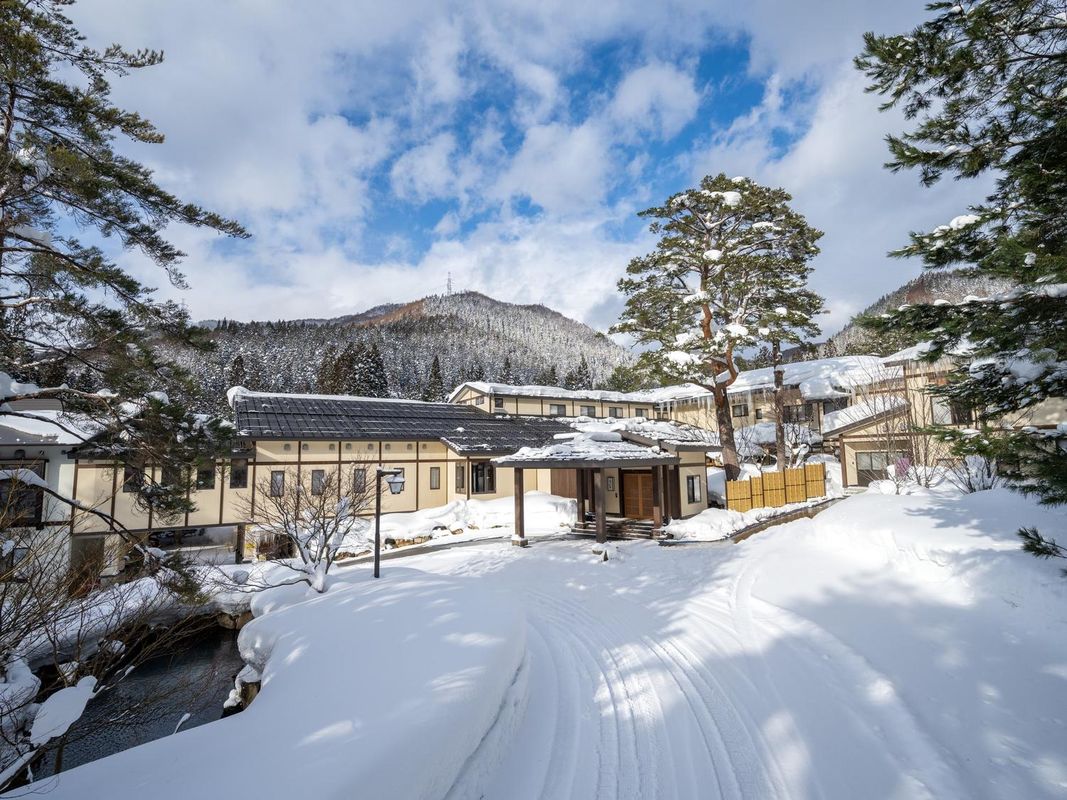
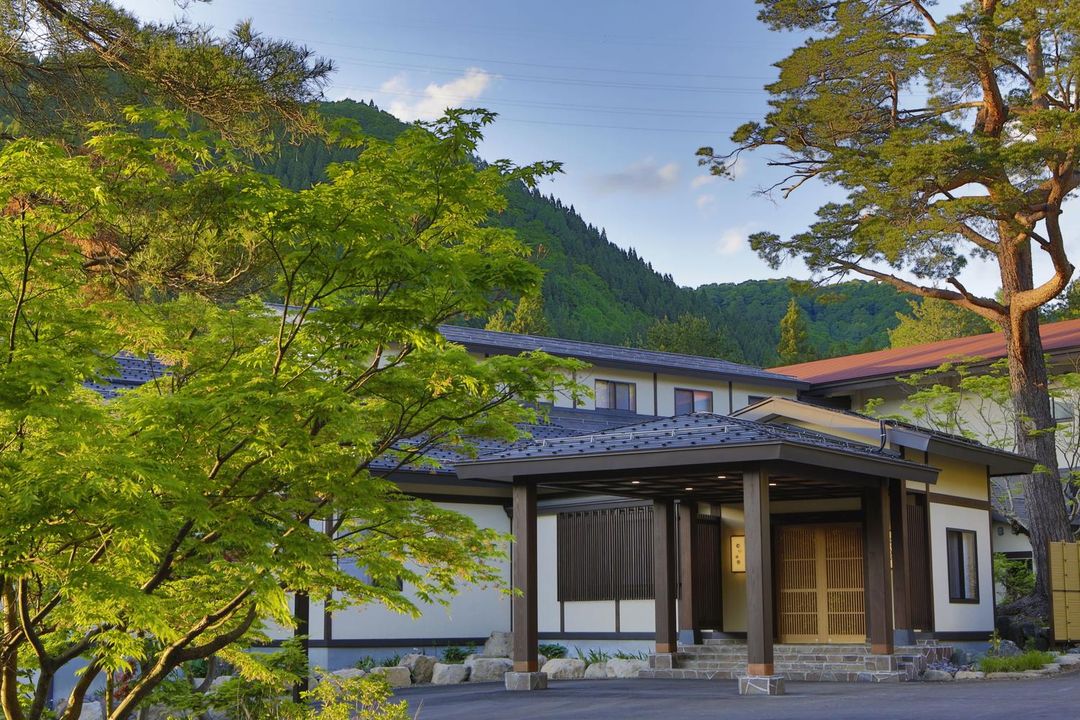
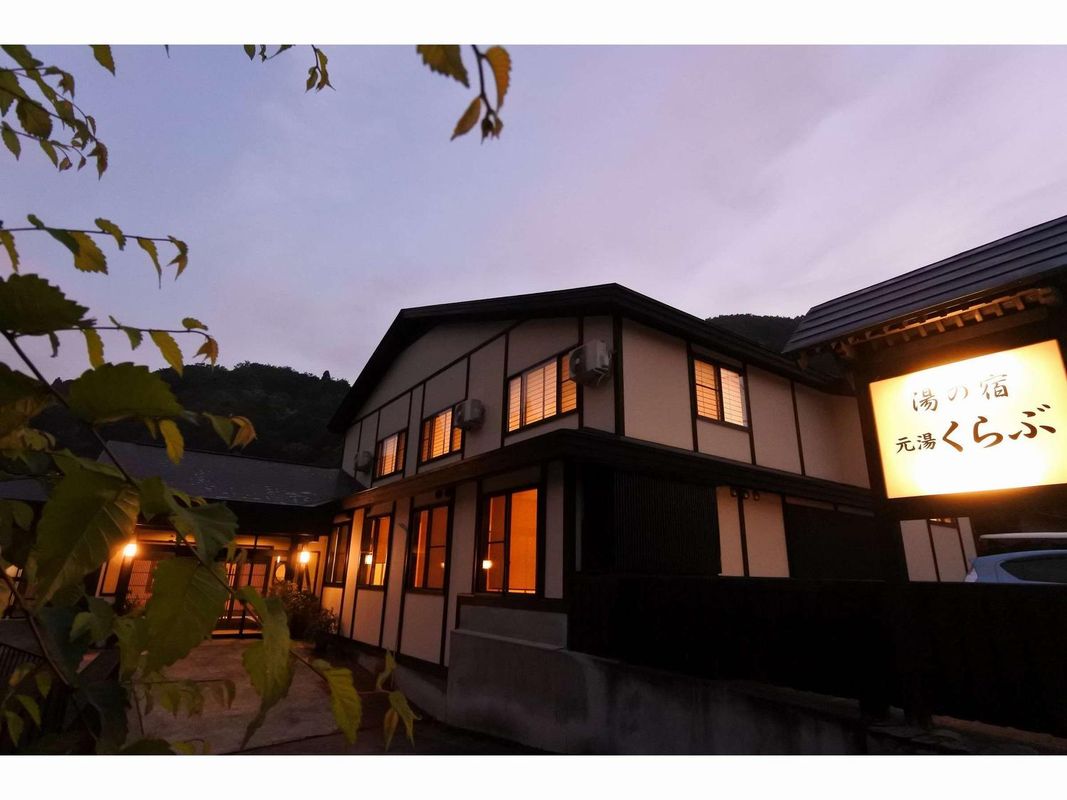
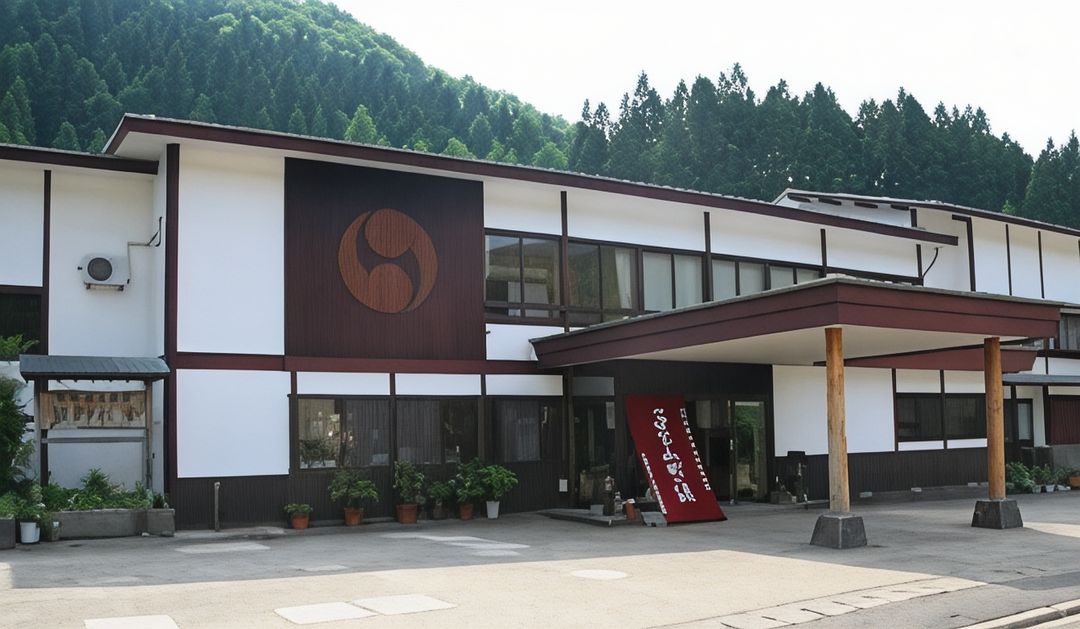

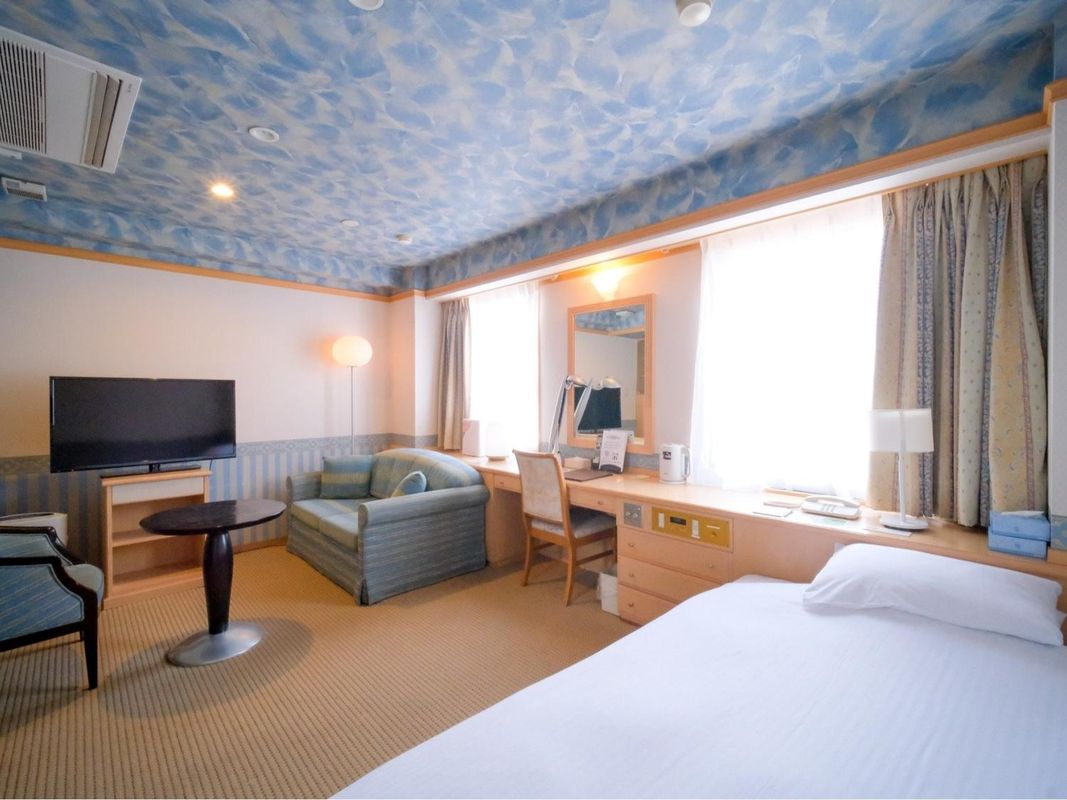
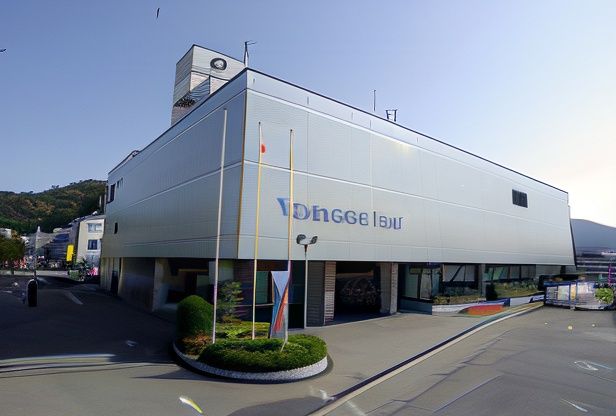
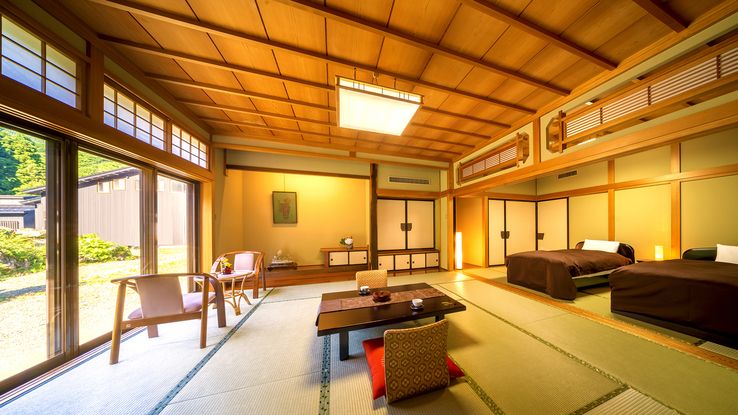
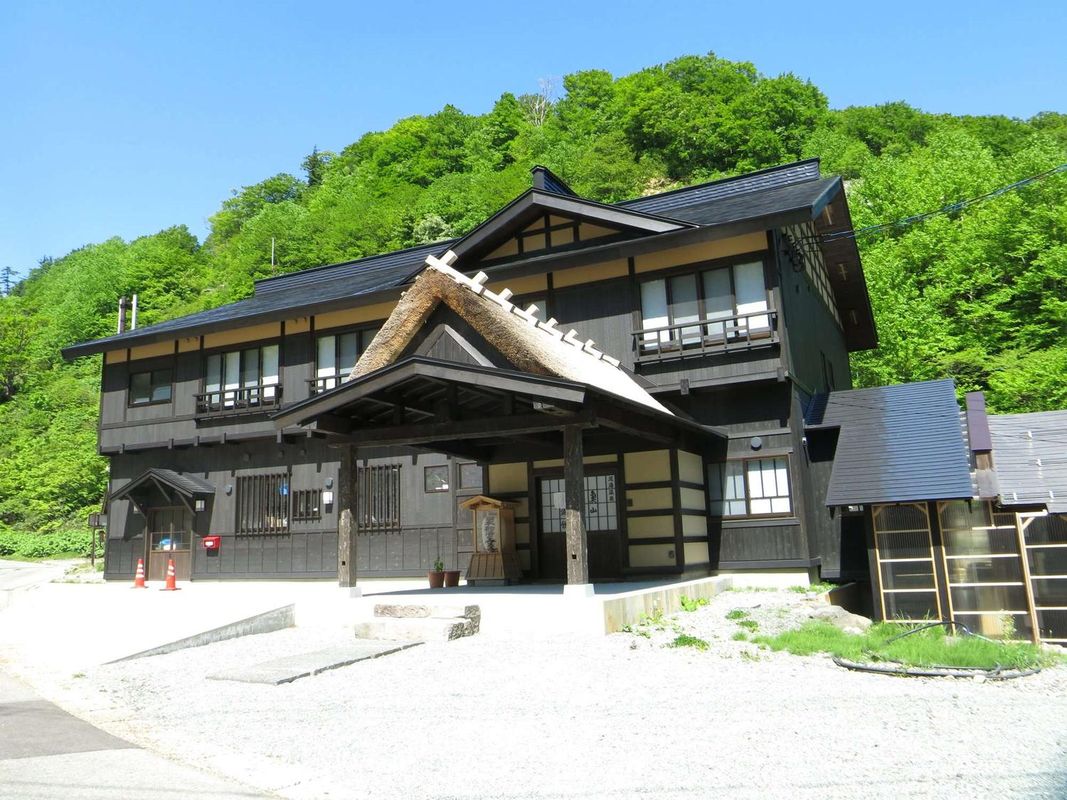
Best Hotels in Yuzawa
Discover curated hotel collections in Yuzawa
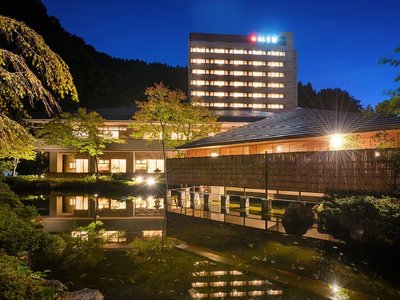
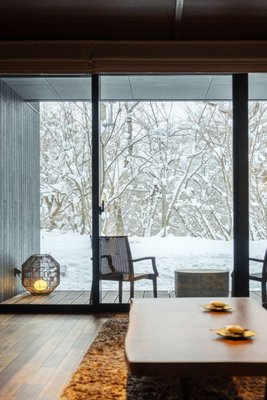
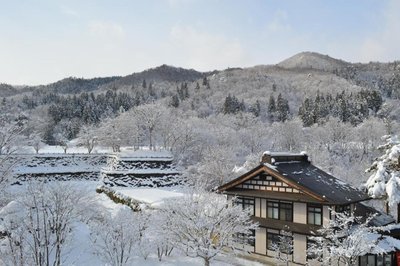
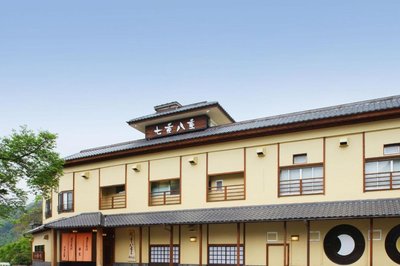
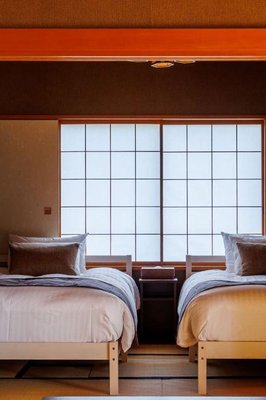
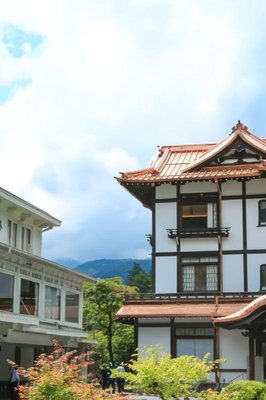
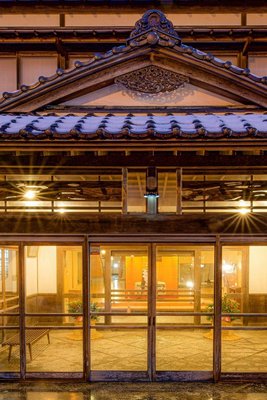

Frequently Asked Questions about Traveling to Yuzawa
Questions You Might Need to Know About Traveling to Yuzawa
In Kamakura, the top-rated hot spring hotel is Kamakura Spa Resort Yui. Nestled near the Kotoku-in Temple and Great Buddha, this ryokan offers private onsen baths with sea views, traditional tatami rooms, and kaiseki dining featuring fresh local seafood. Guests can enjoy seasonal events like Cherry Blossom Viewing Parties and Zen Meditation Workshops. Its proximity to Enoshima Island and easy access from Tokyo (under 1 hour by train) makes it ideal for both cultural immersion and relaxation.
The Kamakura City Center area is the most convenient base for travelers. It’s close to major attractions like Hōtoku-in Temple, Kannon-dō, and Kamakura Station, with numerous guesthouses and boutique hotels such as Kamakura Green Hotel and Kamakura View Inn. The district also boasts excellent restaurants serving kaiseki cuisine and fresh sushi. Walking through the historic streets at dusk reveals a blend of modern life and ancient charm, while seasonal festivals like Kamakura Summer Festival add vibrant energy to your stay.
Kamakura offers immersive cultural activities such as Buddhist Monk Tea Ceremony Lessons, held at Tsurugaoka Hachimangu Shrine. Visitors can also join Traditional Woodblock Printing Workshops at Kamakura Art Studio, creating their own prints inspired by historical ukiyo-e designs. For history enthusiasts, guided tours of Kamakura's Ancient Tombs and the Yokohama War Cemetery provide deep insights into Japan’s Heian and Kamakur Periods. Additionally, the annual Kamakura Fire Festival features lantern processions and drum performances, celebrating local heritage with spiritual significance.
For families, Kamakura Family Resort & Spa stands out with its spacious family suites, indoor playground, and kids’ cooking classes using local ingredients. The resort features a children’s onsen area, supervised outdoor activities like bamboo rafting on the Kamakura River, and daily themed events such as Kamakura Storytime Sessions. Located just 10 minutes from Kamakura Station, it provides free shuttle services and offers multilingual staff. Nearby, Enoshima Aquarium and Kamakura Museum of History ensure endless entertainment for all ages.
Kamakura’s hot springs are renowned for their alkaline mineral-rich waters, known to soothe skin conditions and improve circulation. The Kamakura Onsen Kogane-yu features an open-air bath with ocean views, where guests can soak under the stars. Many ryokans preserve traditional onsen rituals, including purification before bathing and quiet contemplation time. Some spas even offer private night-time baths surrounded by pine trees, enhancing the meditative atmosphere. These experiences reflect Kamakura’s deep-rooted connection to wellness and nature.
Must-see natural spots in Kamakura include Enoshima Island, accessible by a short ferry ride, offering scenic trails, hidden caves like Naka-no-Iwa Cave, and panoramic views of the Pacific Ocean. The Kamakura Forest Trail leads through ancient cedar groves and past waterfalls, perfect for hiking and birdwatching. In spring, Kamakura Cherry Blossom Park blooms with over 1,000 sakura trees. During autumn, Hase-dera Temple’s surrounding hills display stunning foliage. These natural gems highlight Kamakura’s role as a sanctuary of tranquility within the greater Tokyo region.
Don’t miss Kamakura Soba Noodles, especially at Sobaya Hanagasa, served with seasonal vegetables and rich broth made from local dashi. Another must-try is Kamakura-style Eel Bento, featuring grilled unagi over rice, often enjoyed during summer festivals. For dessert, sample Enoshima Daifuku, sweet mochi filled with red bean paste, sold at street vendors near the shrine. Pair your meal with locally brewed Kamakura Beer or cherry blossom sake during seasonal events, celebrating the region’s culinary craftsmanship.
While Kamakura is not a ski destination, winter brings unique experiences like the Kamakura Snow Lantern Festival, where illuminated paper lanterns line temple pathways. Visitors can participate in cooking classes for winter comfort food such as oden and miso ramen. The Kamakura Beach Winter Walk allows you to stroll along the quiet coastline, spotting seabirds and enjoying crisp sea air. For culture lovers, the Kamakura Zen Meditation Retreat offers morning sessions with monks, combining mindfulness with the serene winter landscape.
Yes, Kamakura is easily accessible via JR Yokosuka Line and Enoden Electric Railway, both connecting directly to Tokyo Station in under 1 hour. From Kamakura Station, buses and taxis serve key sites like Tsurugaoka Hachimangu Shrine and Kotoku-in Temple. The city also has a bike-sharing system for exploring nearby trails. Many hotels offer free shuttle services to stations and tourist hubs. With reliable networks and clear signage, Kamakura supports seamless travel for tourists of all types.
Photography enthusiasts should visit Kotoku-in Temple’s Great Buddha at sunrise, when soft light casts dramatic shadows across the statue’s face. The Enoshima Sea Cliff Path offers breathtaking shots of the ocean crashing against rocks, especially during golden hour. The Kamakura Forest Trail with moss-covered stones and dappled sunlight creates a mystical ambiance. During the Snow Lantern Festival, long-exposure photography captures glowing lanterns reflected in still ponds. These locations combine natural beauty with cultural depth, making them iconic for both amateur and professional photographers.
Yuzawa Overview
City Summary
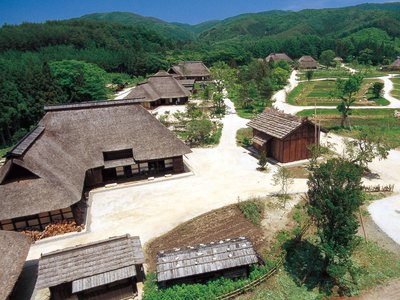
Yuzawa City, located in southwestern Akita Prefecture, is famed for its hot springs and traditional culture. A prime destination for winter skiing, it also boasts a long sake-brewing history and delicious local cuisine. The city's natural landscapes and onsen culture create a perfect blend for travelers seeking relaxation and cultural immersion.
Must-See Attractions
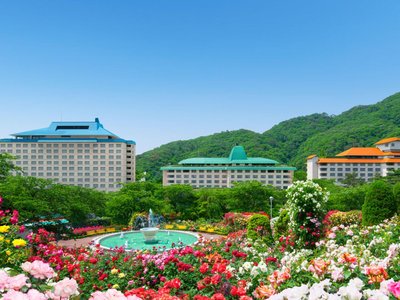
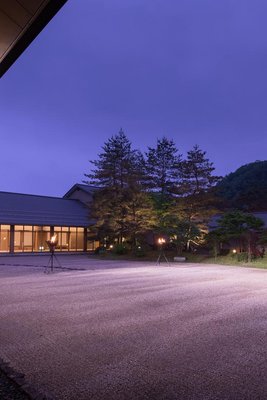
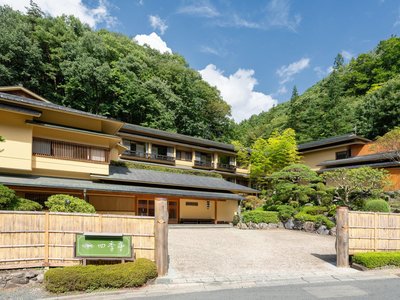
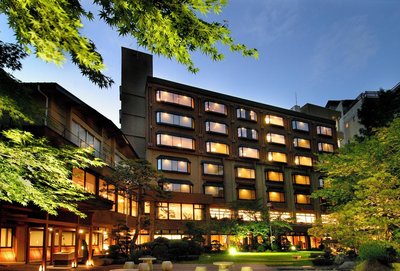
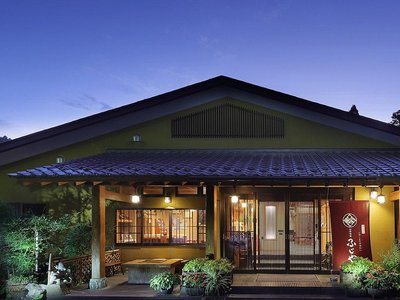
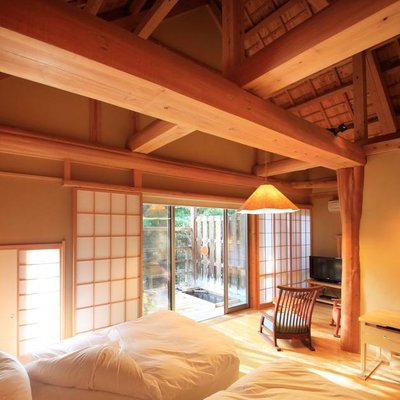
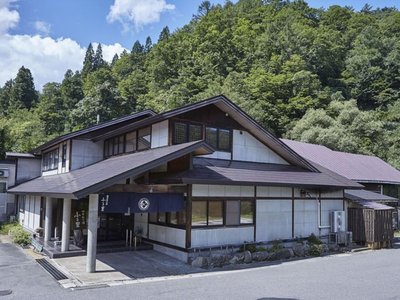
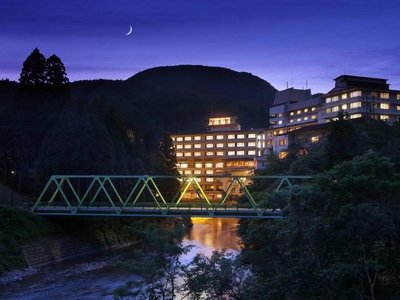
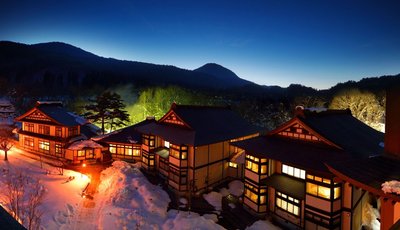
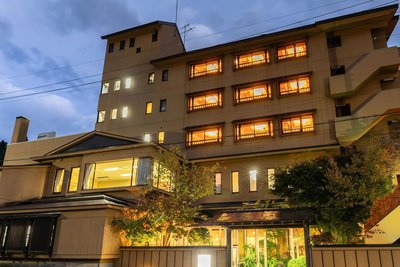
Must-visit spots include Shizukuishi Ski Resort and Mount Akita-Komagatake for skiing and hiking enthusiasts. Cultural sites like Yuzawa Folk Crafts Museum showcase local traditions. At night, unwind at ryokan inns with authentic hot spring baths.
Food Guide
Yuzawa is known for Inaniwa udon noodles and Hinai chicken. Try yakitori and hot pots at izakayas. Street snacks like kiritanpo (grilled rice sticks) pair perfectly with local sake.
Transportation Guide
Local buses are the primary transport; consider a day pass. From Akita Station, take JR Ou Line (≈1 hour). Winter driving requires snow tires—some mountain roads may close.
Best Time to Visit
Visit December-March for skiing or May-October for hiking/onsen. Avoid Golden Week crowds.
Travel Tips
- Onsen etiquette: Wash before bathing.\n2. Pack anti-slip shoes for winter.\n3. Book restaurants in advance.\n4. Carry cash—credit cards aren't widely accepted.\n5. Respect sake breweries' quiet ambiance.\n6. Practice strict recycling.
Useful Information
Japanese is primary; basic English understood at hotels. Limited public Wi-Fi—rent a pocket Wi-Fi. Cash preferred (credit cards accepted at major venues). Dial 119 for emergencies; clinics near JR Yuzawa Station.