Hotels in Zipaquira
Discover your perfect stay in Zipaquira.
Zipaquira(Colombia) Travel 2026: Cheap Flights, Hotels & Top Attractions
Popular Landmarks in Zipaquira
Discover the most iconic attractions in Zipaquira
Recommended Hotels in Zipaquira
Find the perfect place to stay in Zipaquira
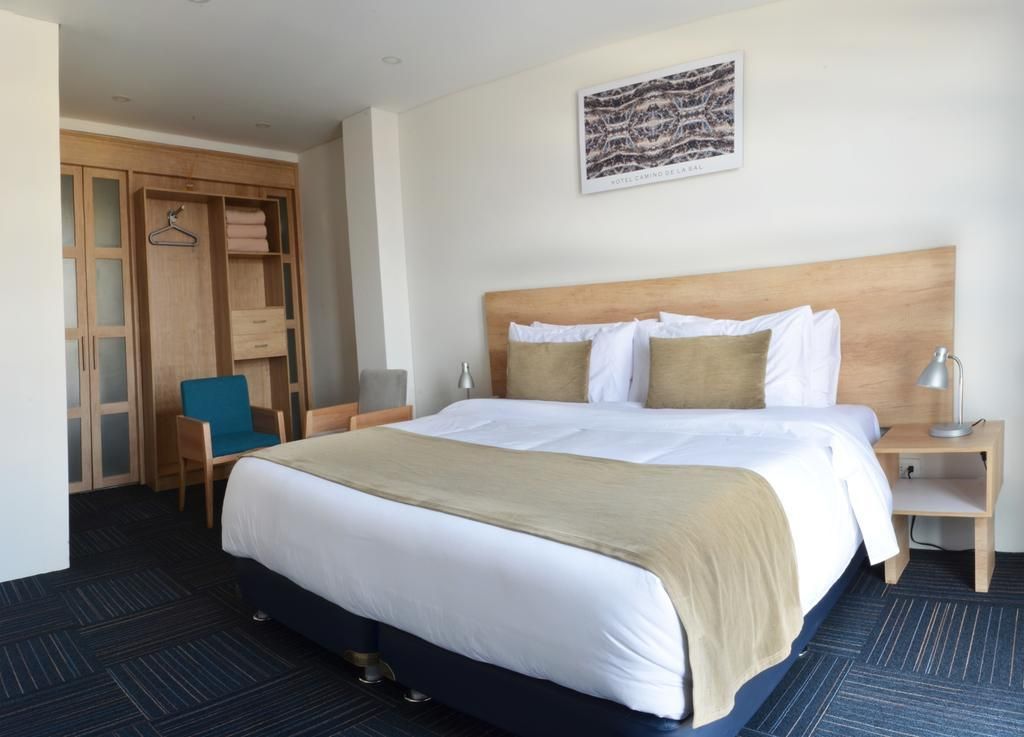
Hotel Camino de la SAL
Hotel Cacique Real
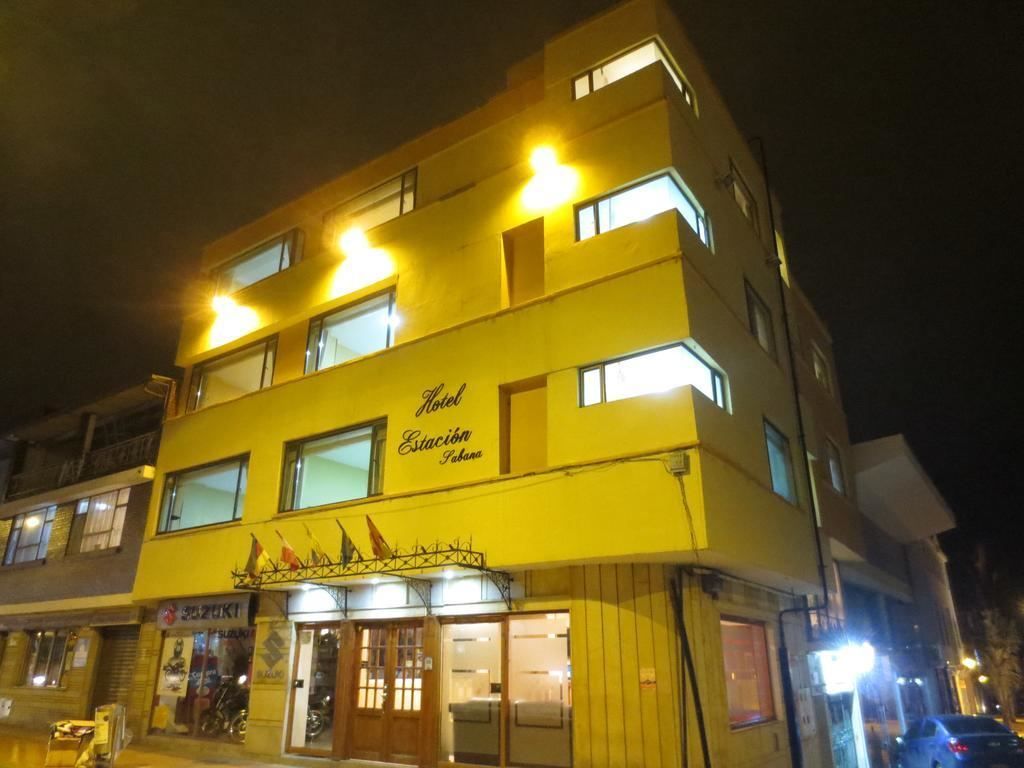
Hotel Estación Sabana
Hotel Esmeralda Plaza
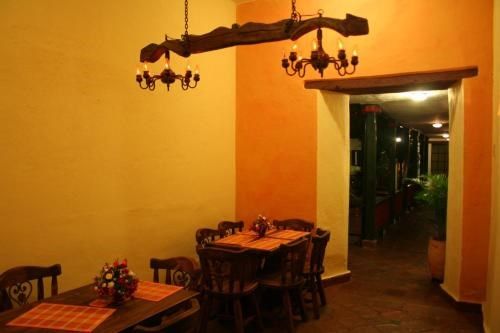
La Posada del Angel
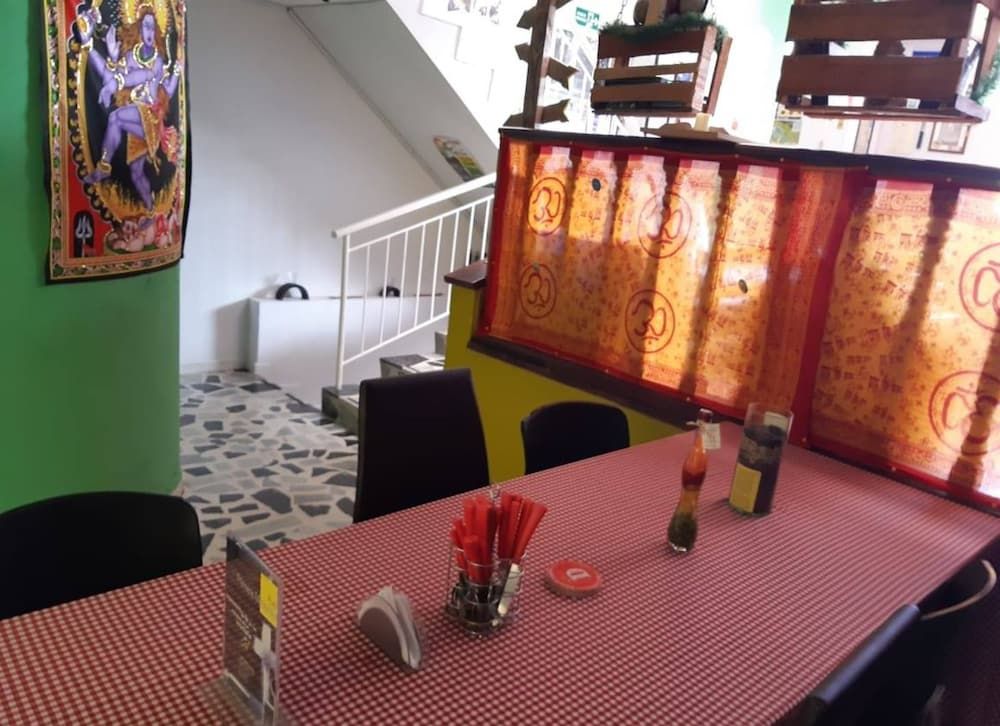
Zipaquira Coffee Town Hostel
Best Hotels in Zipaquira
Discover curated hotel collections in Zipaquira
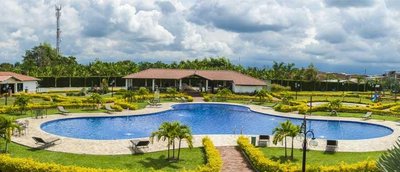
Hotel Campestre Cafe Cafe
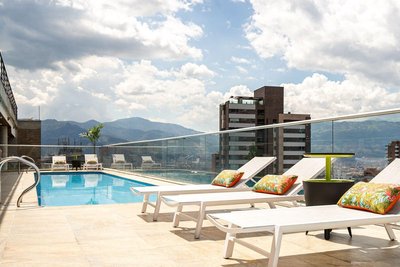
Soul Lifestyle Hotel
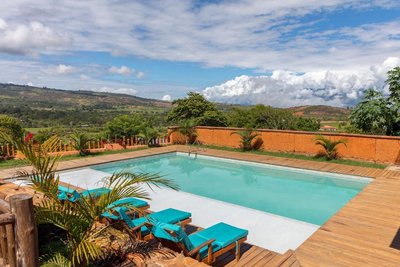
Hotel Boutique Venturi
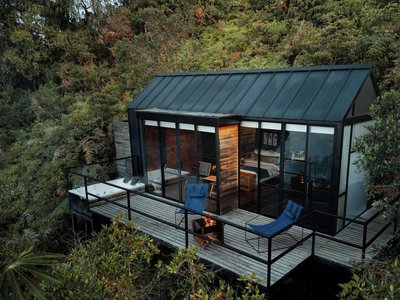
The Boato Hotel
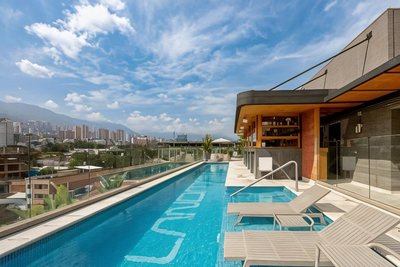
Landmark Hotel
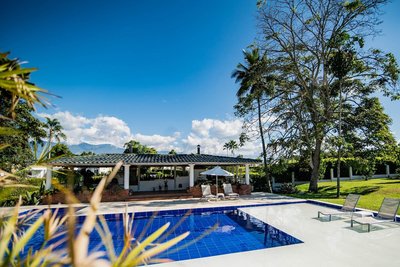
Hotel Boutique El Triángulo
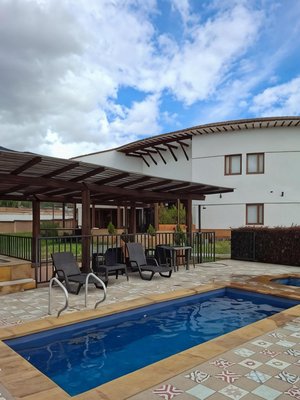
La Alhambra Hotel Boutique
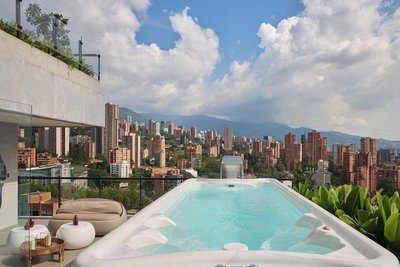
Wake Living
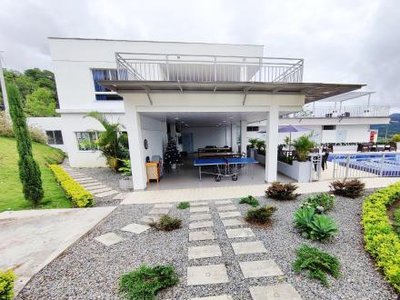
Casamia Hotel Boutique - Villeta

The Coffee Club Apartahotel
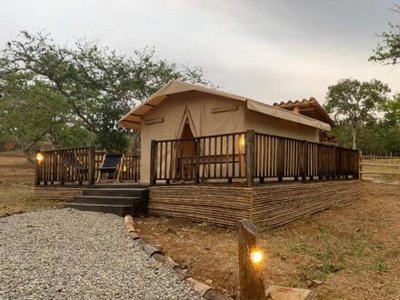
Hotel Hacienda Macedonia
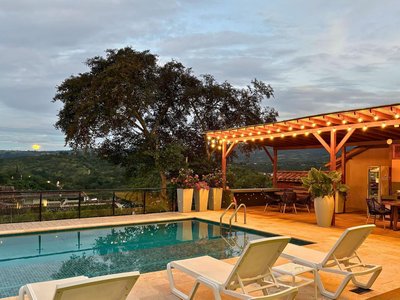
Santa Sofia Casa Boutique
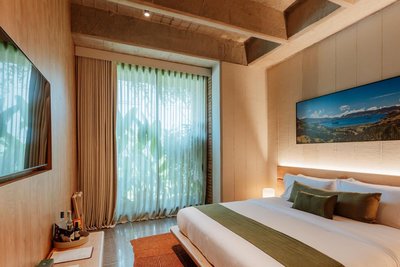
Hotel El Zarzo
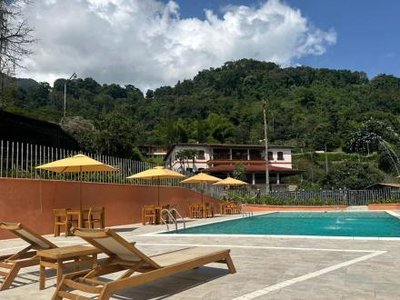
Granja del Cafe Hotel y Centro de Convenciones
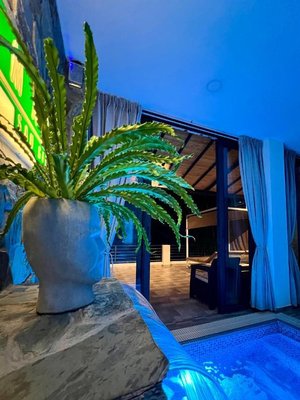
Palmar San Gil
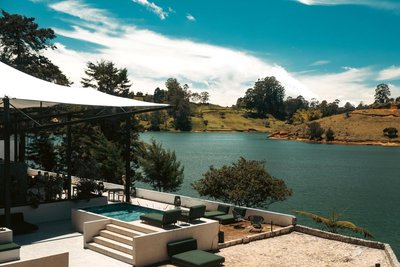
Porto Marina Hotel
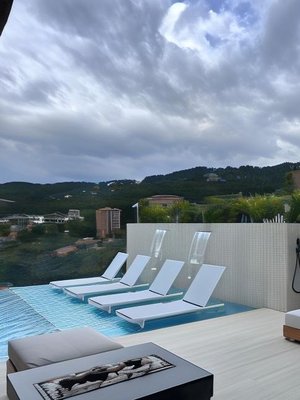
Binn Hotel

The Brown, Guatape, Autograph Collection
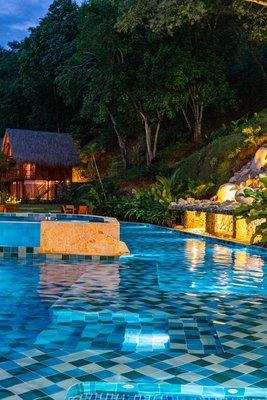
Bio Rio Hotel
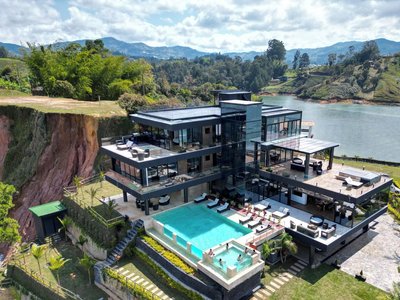
Vivanti Resort
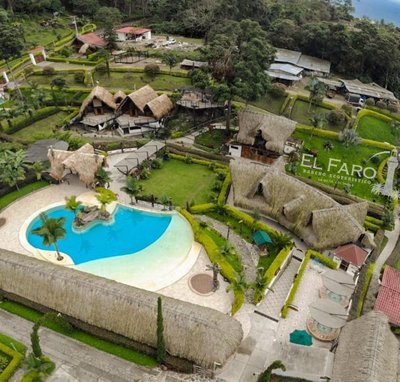
Rancho Ecoturistico El Faro
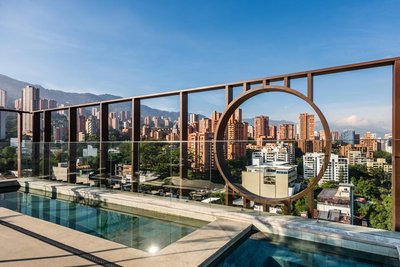
Hotel Marquee Medellin
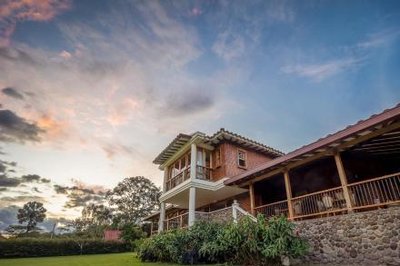
Petra Santa Hotel Boutique
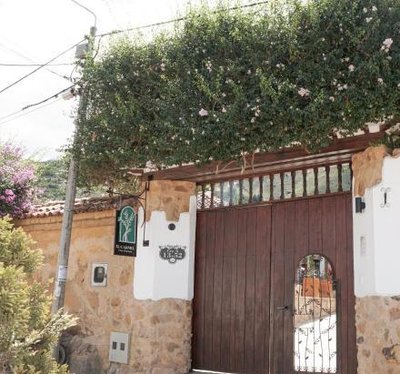
Hotel Boutique El Carmel
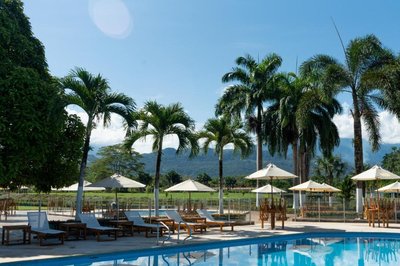
Aitabu Hotel Campestre
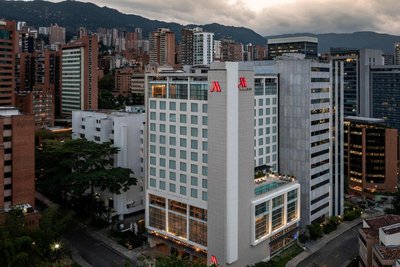
Medellin Marriott Hotel

Punta Diamante Premium Hotel
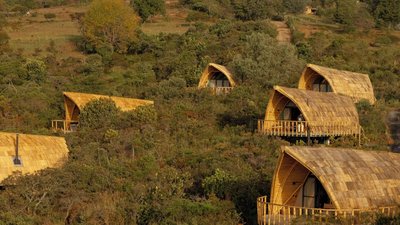
Casa Selvaggio
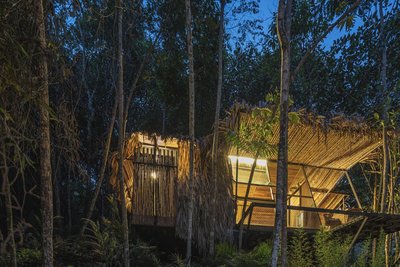
Ecolodge Palonegro
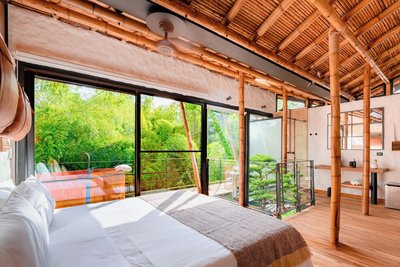
Kawa Bamboo Retreat

Hilton Bogota

Grand Hyatt Bogota

Bogota Marriott Hotel

Sofitel Bogota Victoria Regia

NH Collection Bogotá Hacienda Royal
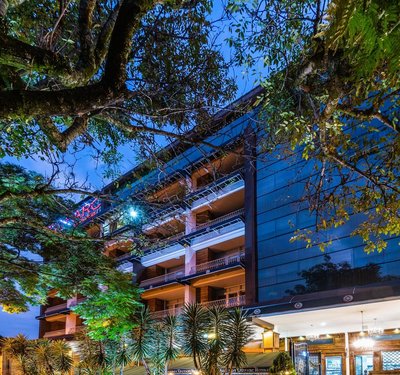
Hotel du Parc
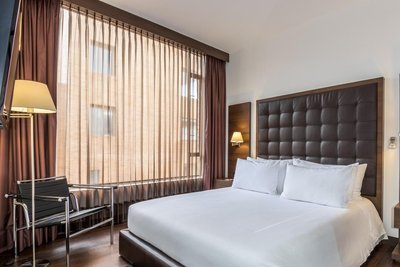
NH Collection Bogotá Andino Royal

Hilton Bogota Corferias

Bosko

Hotel Cabrera Imperial by Key 33

Hotel Barrière Fouquet's New York

The Plaza - A Fairmont Managed Hotel

The Ritz-Carlton New York, Central Park

Four Seasons Hotel New York

The St. Regis New York

Park Hyatt New York

Mandarin Oriental New York

Times Square Edition New York

Loews Regency New York Hotel

Lowell Hotel

New York Edition

Baccarat Hotel New York

Equinox Hotel New York

Four Seasons Hotel New York Downtown

The Langham, New York, Fifth Avenue

The Carlyle, A Rosewood Hotel

The Chatwal, in the Unbound Collection by Hyatt

The Mark New York

Trump International Hotel & Tower® New York

Casa Cipriani New York
Frequently Asked Questions about Traveling to Zipaquira
Questions You Might Need to Know About Traveling to Zipaquira
In Sipacapa, the standout choice is Hotel Cueva de los Tayos, a boutique property nestled beside the famed San Pedro Cave. This eco-luxury hotel features rock-hewn rooms with geothermal heating and panoramic views of the Andean highlands. Guests can participate in indigenous ritual workshops, including traditional goldsmithing and ceremonial pottery-making, led by local Muiscan artisans. Another highlight is La Casa del Mote, a colonial-style inn where guests stay in restored 19th-century quarters surrounded by native catá tree groves. The hotel hosts weekly corn tamale cooking classes, offering an authentic taste of regional cuisine. Both properties offer immersive cultural programs rooted in pre-Columbian heritage.
The downtown historic district is the ideal location for hotel stays in Sipacapa, situated just steps from San Pedro Cave, the Metropolitan Cathedral, and the central plaza. This area offers easy access to guided tours, local markets, and family-run restaurants serving traditional dishes like casquillo de matil. Many boutique hotels here feature preserved colonial architecture, shaded courtyards, and quiet alleys perfect for evening strolls. Staying near the Cathedral Plaza also allows visitors to attend Sunday masses and cultural events, while enjoying a peaceful atmosphere amidst vibrant city life. For travelers seeking tranquility with convenience, this zone strikes the perfect balance between accessibility and authenticity.
Visitors to Sipacapa can engage in deep-rooted cultural traditions such as pre-Columbian ceremonial rituals during Holy Week (Semana Santa), when locals perform ancient rites honoring the earth and ancestors. Guided goldwork demonstrations showcase techniques used by the Muiscan people, who once mined gold in nearby caves. Another must-try is the underground cave tour at San Pedro Cave, where narrators recount legends of the "Crystal Heart" amid dramatic lighting and echo-rich chambers. Additionally, hands-on tamale-making workshops teach guests how to grind corn using traditional stone metates, preserving culinary heritage passed down through generations. These experiences offer profound insight into Andean spiritual and daily life.
The San Pedro Cave in Sipacapa is a natural marvel stretching over several kilometers, with towering stalactite ceilings reaching 30 meters. Its constant temperature of 16°C creates a refreshing retreat year-round. The cave’s historical significance lies in the discovery of ancient gold artifacts from the Muiscan and Inca civilizations, now displayed in the on-site Cave Museum. Visitors ride small boats across underground rivers while listening to tales of the "Eye of the Earth" myth. The combination of geological wonder, archaeological treasure, and immersive storytelling transforms the tour into a journey through time and legend—offering one of Colombia's most unforgettable experiences.
Yes, Kids' Paradise Hotel is a top-rated family-friendly option in Sipacapa, featuring a dedicated play zone, petting zoo, and outdoor barbecue areas. All rooms are child-safe with non-slip flooring and baby cots. The hotel offers family adventure packages including guided cave tours, craft workshops, and local food tastings tailored for children. Nearby, Jardín Verde Hotel provides a tranquil environment with a mini-farm and nature trails, where kids can interact with guinea pigs and turkeys. Both hotels provide 24/7 supervision and host themed weekends with storytelling, music, and traditional games—making them ideal for multi-generational travel.
The Metropolitan Cathedral of Sipacapa stands out with its fusion of Neoclassical and Andean Baroque styles. Constructed in the 18th century, its façade is made from locally quarried white limestone, while the interior houses handcrafted copper bells from indigenous artisans. Behind the cathedral lies the Chapel of Our Lady, housing a 17th-century Spanish-relic statue venerated during the annual Feast of the Virgin in August. The basement contains a hidden colonial-era crypt, once used for secret meetings, now open as a historical exhibit. The building’s acoustics amplify choral chants, creating a spiritually resonant atmosphere that draws pilgrims from across Colombia.
Travelers to Sipacapa must sample Casquillo de Matil, a slow-cooked stew made with beef, potatoes, and aromatic herb roots, reflecting ancestral Andean recipes. Another must-try is handmade tamales with local honey sauce (miel de abeja), prepared live at weekend markets using stone metates. Visit Chocolatina, a chocolate village offering artisanal cocoa bean roasting sessions, where guests craft their own dark chocolate bars. Pair these with ginger beer (chicha de jengibre), a fermented beverage brewed from native ginger root. These flavors encapsulate the soul of rural Colombian cuisine and are best enjoyed in a courtyard setting with local musicians.
Begin your day early with a visit to San Pedro Cave, HopeGoo a guided tour in advance to explore the underground river and ancient artifacts. Enjoy lunch at a plaza-side restaurant serving casquillo de matil. Afternoon activities include exploring the artisan market, where you can buy woven textiles and silver jewelry. Return to your hotel for a sunset walk along the San Pedro River Trail, followed by a bonfire gathering featuring Andean folk music and warm chocolate. If available, book a night sky observation session—the high altitude ensures exceptional visibility of the Milky Way. This balanced schedule blends adventure, culture, and relaxation.
While Sipacapa lacks public transit systems, it remains accessible via intercity buses or taxis from Bogotá (approx. 1.5 hours). Within the city, walking is ideal due to compact layout and pedestrian-friendly streets. Renting bicycles or electric scooters is popular for exploring scenic routes along the San Pedro River and old watermill sites. Many hotels offer free shuttle services during peak season, connecting key attractions. For longer excursions, hiring a private driver is recommended, especially for trips to remote villages or mountain viewpoints. Overall, mobility is manageable with some planning.
Sipacapa enjoys a high-altitude subtropical climate with average temperatures between 12–18°C and significant diurnal variation. Days are sunny and pleasant for hiking and sightseeing, but UV exposure is strong—always wear sunscreen and a hat. Nights are chilly, especially from June to August; pack layers. Rainfall peaks in May and October, though showers are brief. Due to its elevation (~2,800 meters), visitors may experience mild altitude sickness—rest the first day, hydrate well, and avoid strenuous activity. The best time to visit is March to May, when weather is stable, flowers bloom, and festivals abound—ideal for both comfort and cultural immersion.
Zipaquira Overview
City Summary
Zipaquirá, a historic mining town in Colombia's Cundinamarca Department, is renowned for its spectacular Salt Cathedral (Catedral de Sal). This city boasts rich mineral resources and blends history, religion, and natural wonders into a unique destination. The cathedral is not only a religious site but also an engineering marvel. Additionally, Zipaquirá attracts visitors with its colonial architecture, relaxed ambiance, and surrounding natural beauty.
Must-See Attractions
The Salt Cathedral is Zipaquirá's crown jewel, a magnificent underground church carved within a salt mine, featuring stunning lighting and ornate decorations. The Salt Museum (Museo de la Sal) offers insights into mining history and techniques. The town center's Plaza de Bolívar, surrounded by colonial buildings, is ideal for soaking in local culture. Outdoor enthusiasts can explore nearby Laguna de Guatavita for hiking and sightseeing.
Food Guide
Zipaquirá's cuisine reflects Colombian traditions. Don't miss "Ajiaco," a hearty soup with potatoes, corn, and chicken. "Arepa" (corn cakes) served with cheese or meat is a must-try street food. For dessert, sample "Bono," a cassava-based treat. The town also boasts a vibrant coffee culture, with local cafés serving high-quality Colombian brews.
Transportation Guide
Buses are the primary mode of transport, with frequent services from Bogotá (1.5-hour ride). Within town, walking or taxis suffice due to its compact size. For trips to Laguna de Guatavita, car rentals or guided tours are recommended. Note: No train links exist between Bogotá and Zipaquirá, but buses are affordable and reliable.
Best Time to Visit
The ideal visiting periods are December-February and June-August, when rainfall is minimal. Avoid the rainy seasons (April-May and September-November). Holidays like Holy Week attract crowds, so book accommodations and tickets early.
Travel Tips
- Dress warmly for the Salt Cathedral—it's cool and humid underground.
- Respect religious sites; keep noise levels low in the cathedral.
- Negotiate taxi fares in advance or insist on meters.
- Carry small cash; many vendors don't accept cards.
- Basic Spanish phrases enhance interactions.
- Use sunscreen—high altitude intensifies UV exposure.
Useful Information
Spanish is the main language; English is limited, so a translation app or phrasebook helps. 4G coverage is good, with free Wi-Fi in some cafés. Currency is Colombian Peso (COP); exchange cash in Bogotá or banks. Cards work at larger establishments, but cash is king. Basic medical clinics are available; serious cases require Bogotá hospitals. Emergency numbers: 123 (police) and 125 (ambulance). Voltage is 110V with Type A/B plugs.