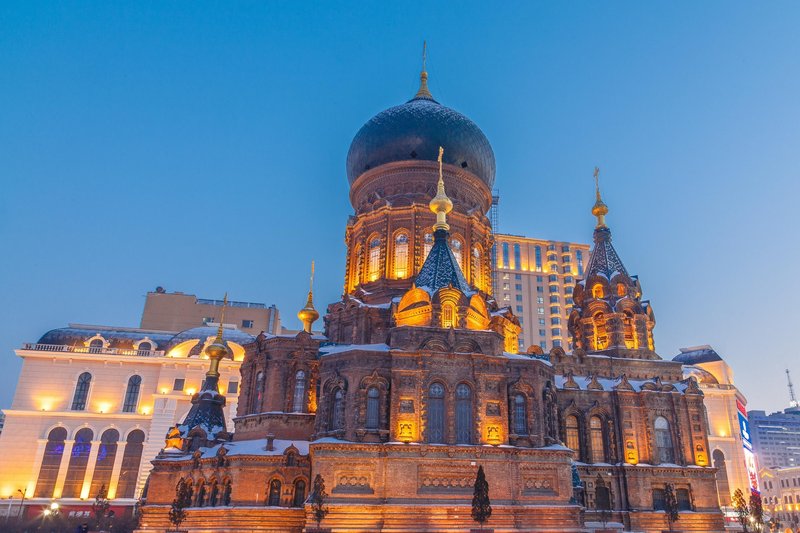
Hotels in Zuidoostbeemster
Discover your perfect stay in Zuidoostbeemster.
Zuidoostbeemster(Netherlands) Travel 2026: Cheap Flights, Hotels & Top Attractions
Popular Landmarks in Zuidoostbeemster
Discover the most iconic attractions in Zuidoostbeemster
Recommended Hotels in Zuidoostbeemster
Find the perfect place to stay in Zuidoostbeemster
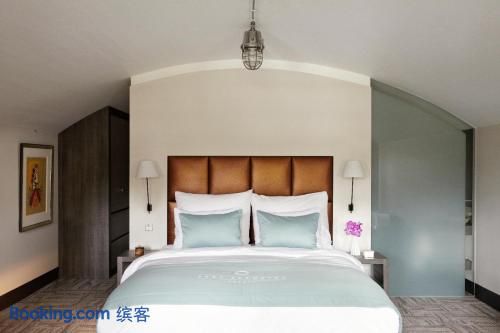
Fort Resort Beemster
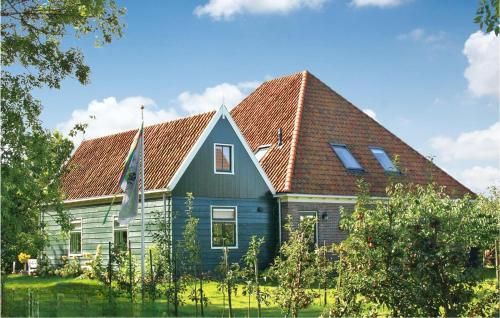
Amazing Home in Zuidoostbeemster with 5 Bedrooms and WiFi
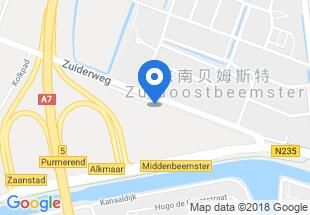
Home for 2
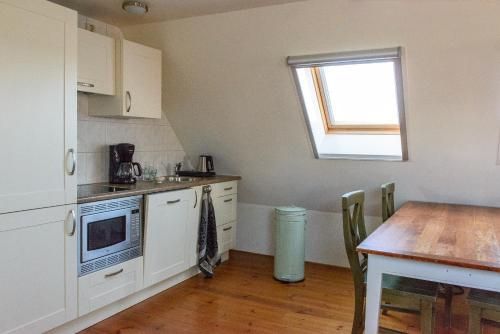
Buitenplaats Langewijk
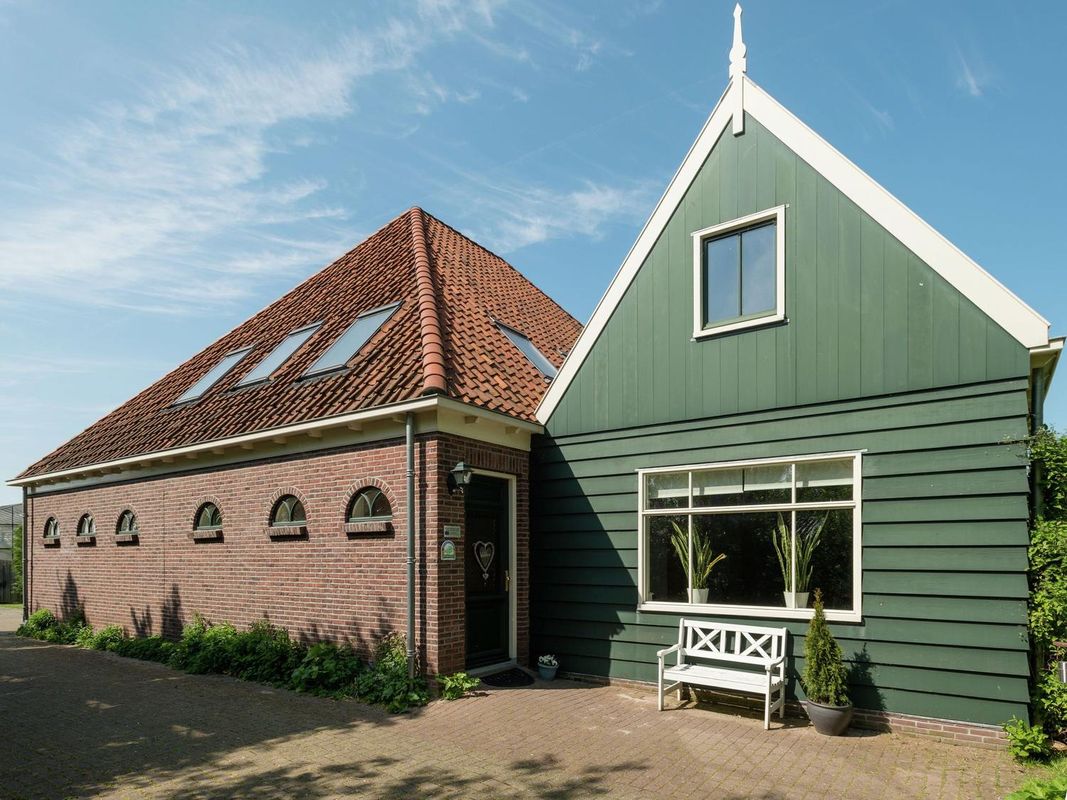
Inviting Holiday Home in Zuidoostbeemster near Center & Forest
Best Hotels in Zuidoostbeemster
Discover curated hotel collections in Zuidoostbeemster
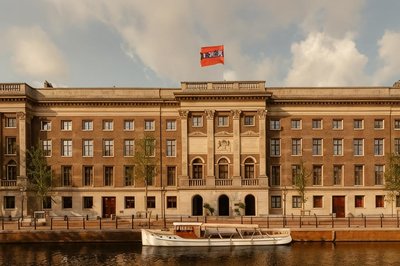
Rosewood Amsterdam
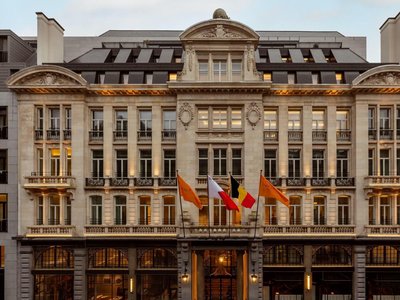
Corinthia Grand Hotel Astoria Brussels
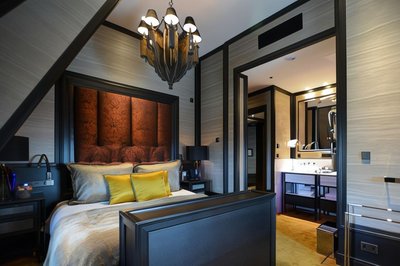
Hotel TwentySeven - Small Luxury Hotels of the World
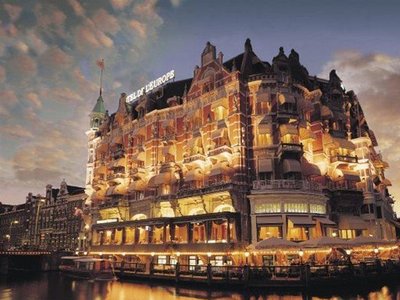
De L’Europe Amsterdam – the Leading Hotels of the World
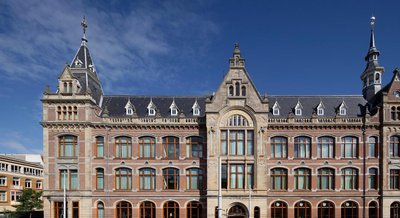
Conservatorium Hotel (Operated by Mandarin Oriental)
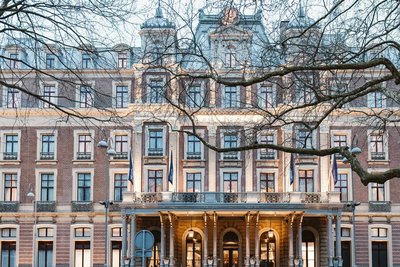
InterContinental Amstel Amsterdam
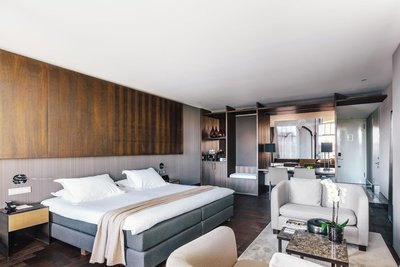
The Dylan Amsterdam
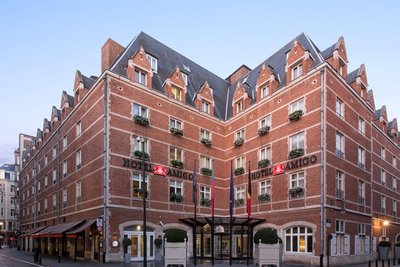
Rocco Forte Hotel Amigo
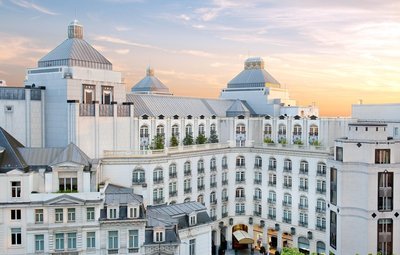
Steigenberger Icon Wiltcher's
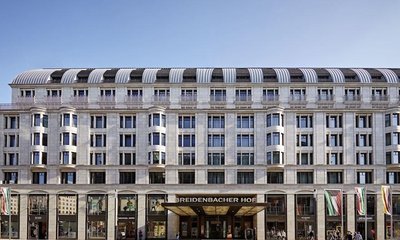
Small Luxury Hotels of the World - Breidenbacher Hof
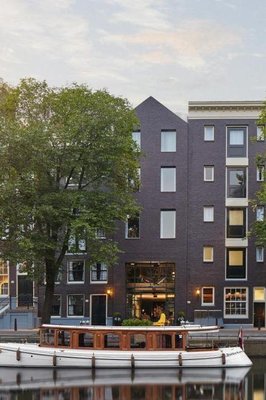
Pulitzer Amsterdam
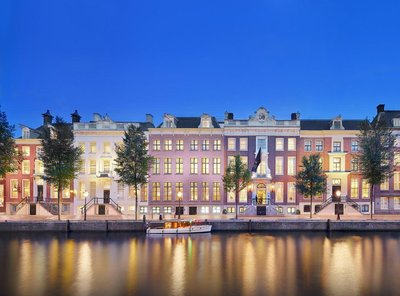
Waldorf Astoria Amsterdam
Botanic Sanctuary Antwerp
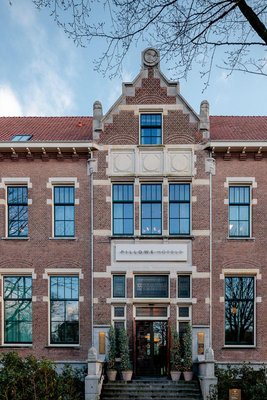
Pillows Grand Boutique Hotel Maurits at the Park - Small Luxury Hotels
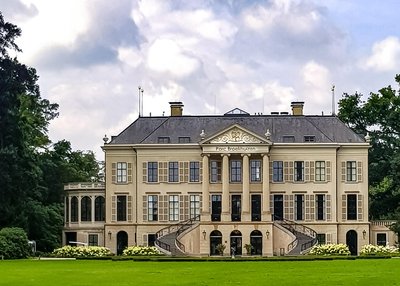
Parc Broekhuizen l Culinair Landgoed
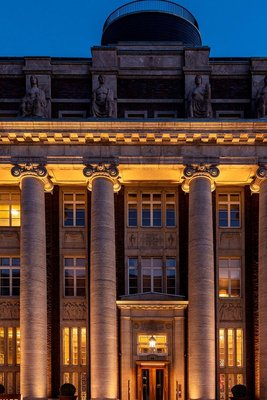
The Wellem Dusseldorf, Part of Hyatt
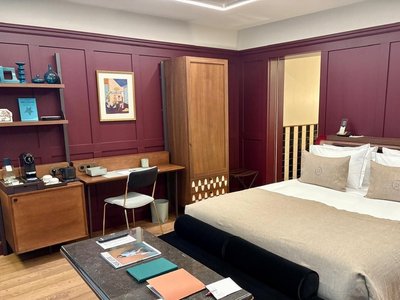
Faubourg 21
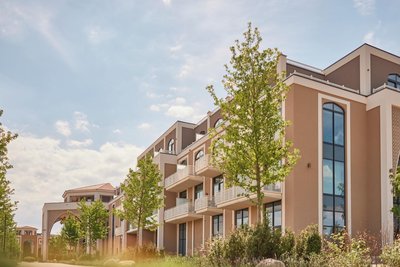
Hotel Thermen Berendonck
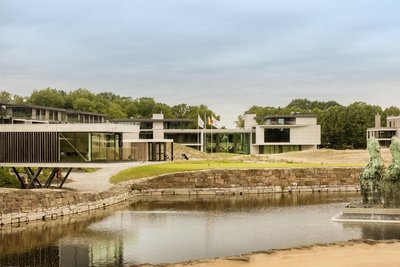
Radisson Collection Hotel, The National Brussels
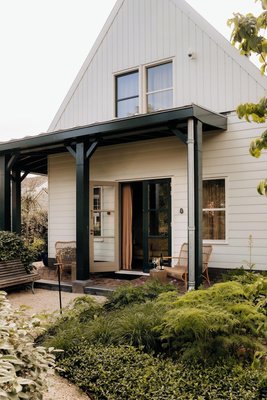
De Durgerdam, Amsterdam
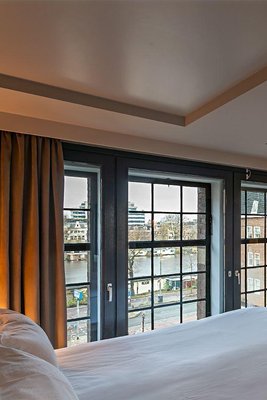
Pestana Amsterdam Riverside

Amsterdam Marriott Hotel
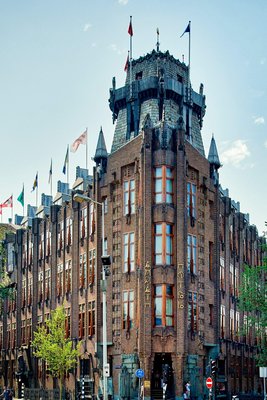
Grand Hotel Amrâth Amsterdam
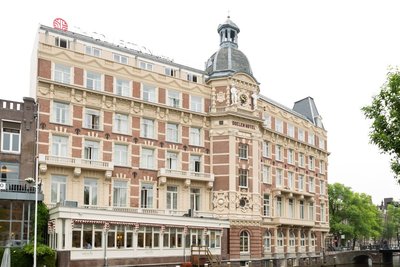
Tivoli Doelen Amsterdam Hotel

Rotterdam Marriott Hotel
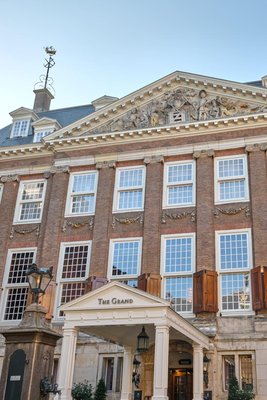
Sofitel Legend the Grand Amsterdam
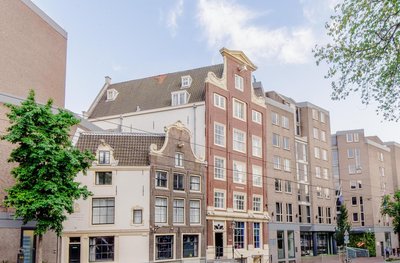
Kimpton de Witt Amsterdam
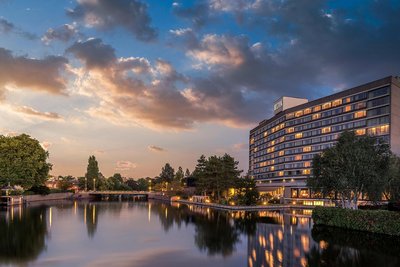
Hilton Amsterdam
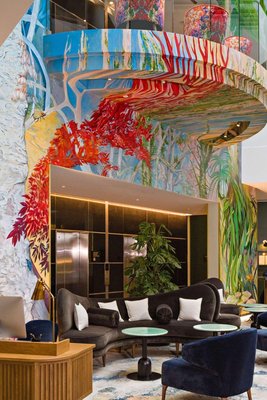
Sofitel Brussels Europe
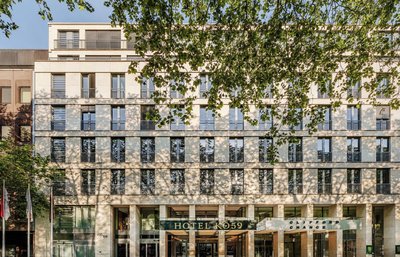
Hotel Ko59 Dusseldorf - Member of Hommage Luxury Hotels Collection

Andaz Amsterdam Prinsengracht, by Hyatt
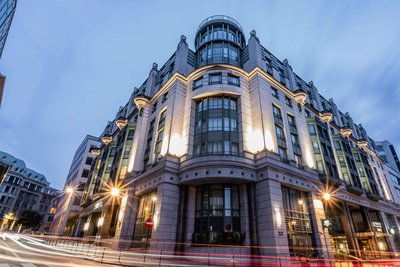
Radisson Collection Grand Place Brussels
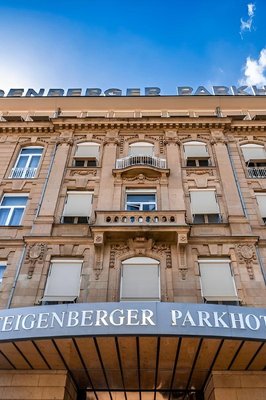
Steigenberger Icon Parkhotel Düsseldorf
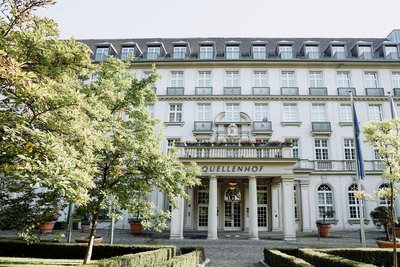
Parkhotel Quellenhof Aachen
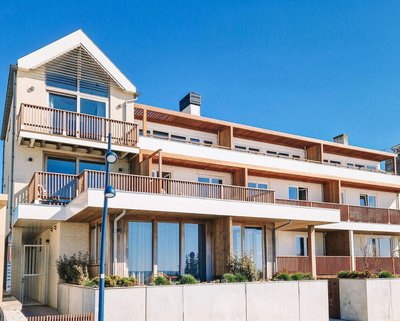
Boulevard 5
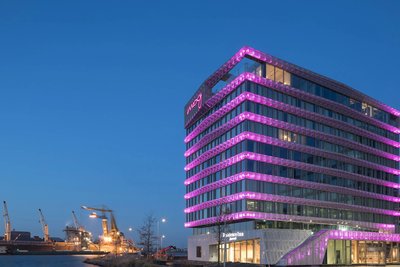
Residence Inn by Marriott Amsterdam Houthavens
De L’Europe Amsterdam – the Leading Hotels of the World
InterContinental Amstel Amsterdam
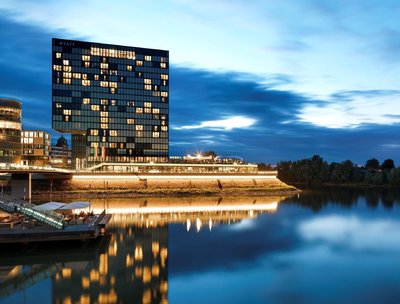
Hyatt Regency Dusseldorf
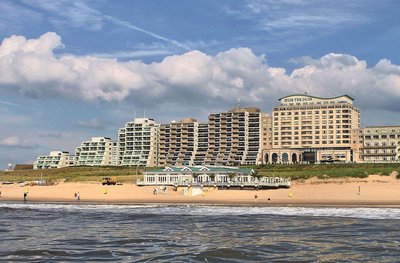
The Historic Huis Ter Duin
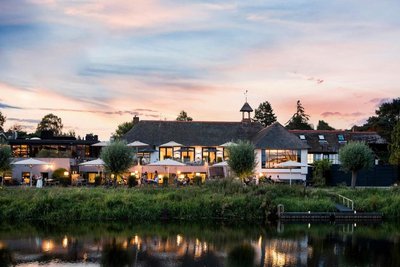
Mooirivier
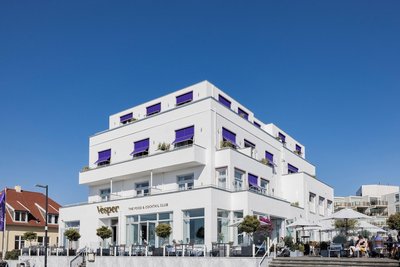
Vesper Hotel

Inntel Hotels Den Haag Marina Beach
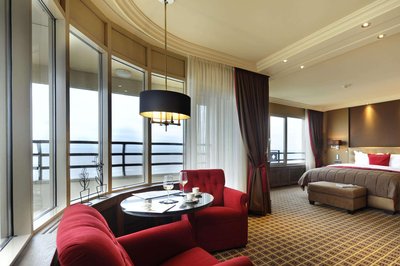
Grand Hotel Huis Ter Duin
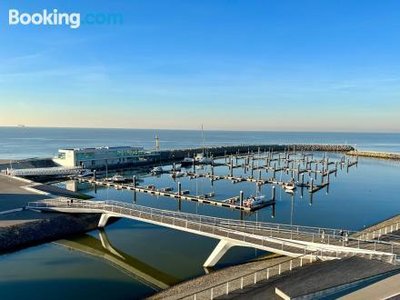
Hotel de Schelde
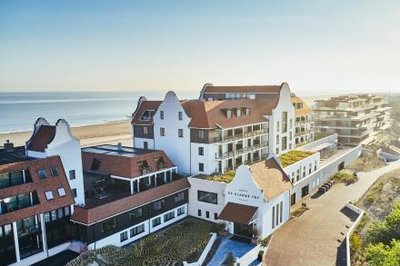
Hotel de Blanke Top

Hotel de Milliano
Grand Hotel Bellevue - Grand Place
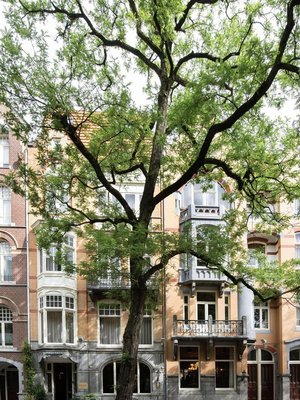
Jan Luyken Amsterdam
Grand Hotel Amrâth Amsterdam
Tivoli Doelen Amsterdam Hotel
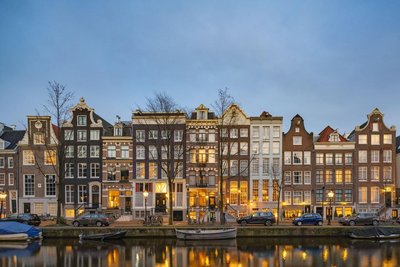
Ambassade Hotel
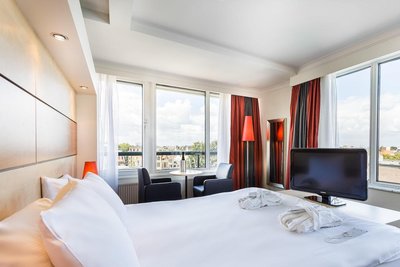
Hotel Die Port Van Cleve
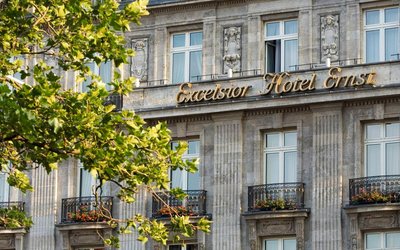
Excelsior Hotel Ernst am Dom
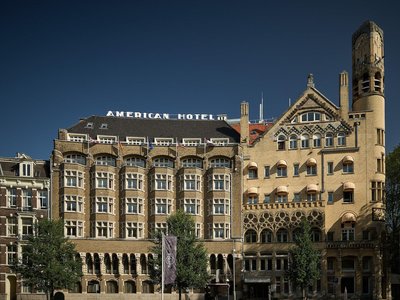
Clayton Hotel Amsterdam American
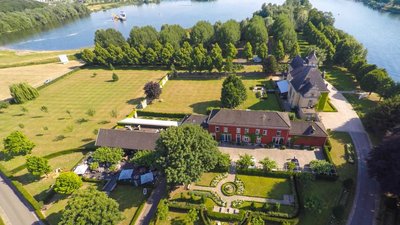
Landgoed Kasteel de Hoogenweerth
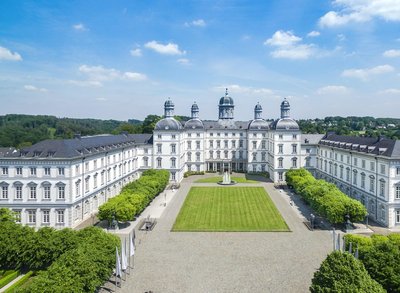
Althoff Grandhotel Schloss Bensberg
Pulitzer Amsterdam
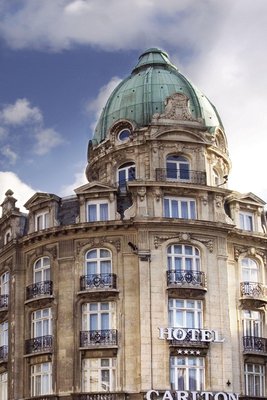
Hotel Carlton Lille
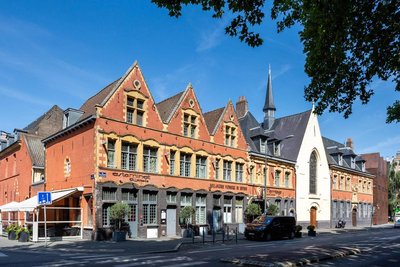
L'Hermitage Gantois, Autograph Collection
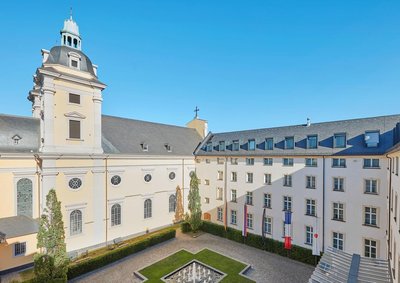
Living Hotel de Medici
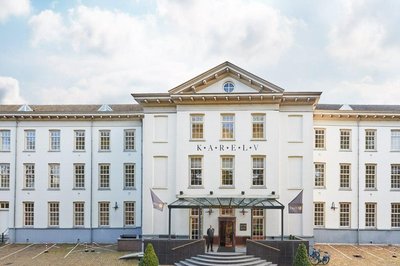
Grand Hotel Karel V
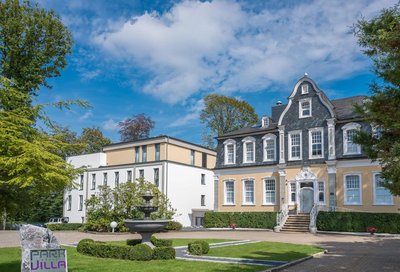
Park Villa
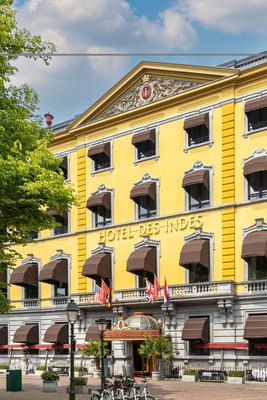
Hotel des Indes the Hague
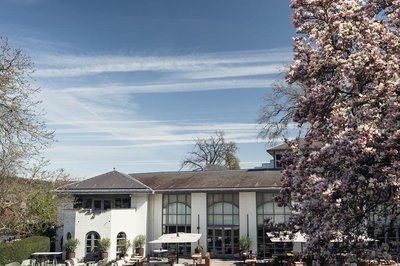
Hotel Bloemendal
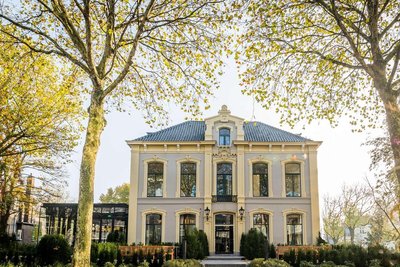
Pillows Grand Boutique Hotel Ter Borch Zwolle
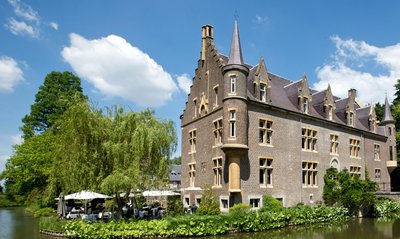
Van der Valk Hotel Kasteel Terworm

1898 the Post
Andaz Amsterdam Prinsengracht, by Hyatt
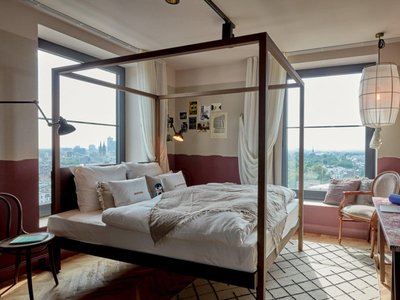
25Hours Hotel Duesseldorf Das Tour
Pulitzer Amsterdam
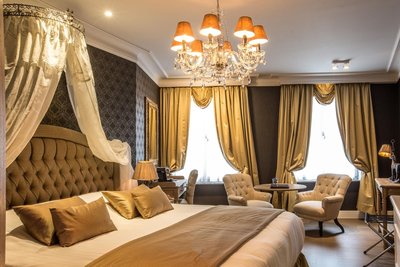
Luxury Boutique Hotel de Castillion
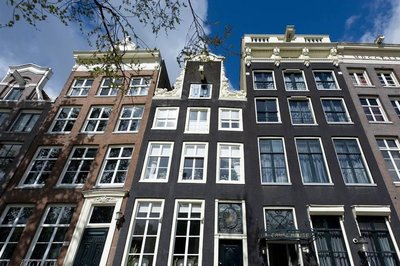
Small Luxury Hotels of the World - Canal House
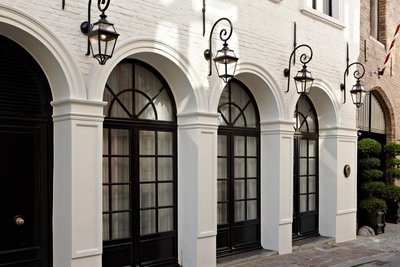
Hotel de Orangerie by CW Hotel Collection
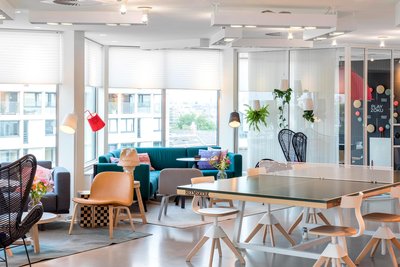
Zoku Amsterdam
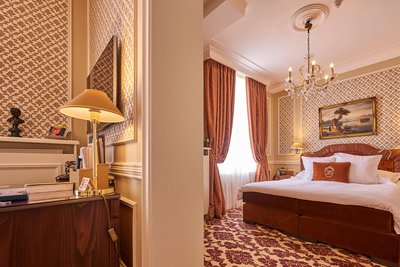
Relais & Châteaux Hotel Heritage
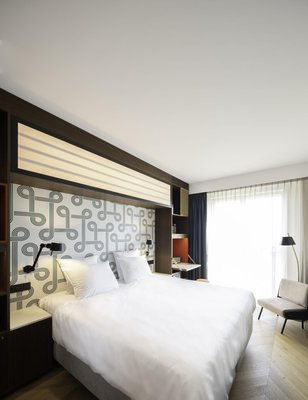
Yalo Urban Boutique Hotel Gent
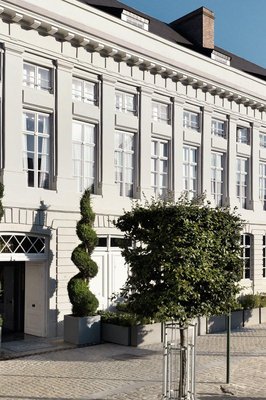
Juliana Hotel Brussels
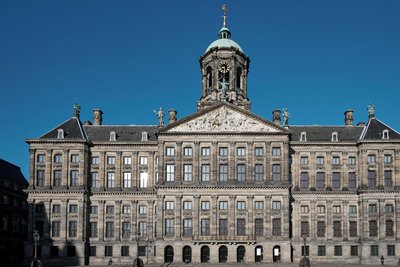
The Pavilions Amsterdam, The Toren
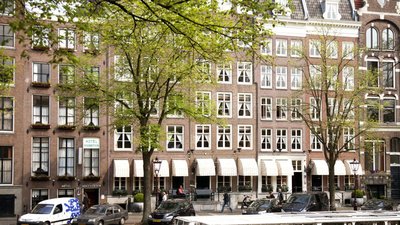
Hotel Estheréa
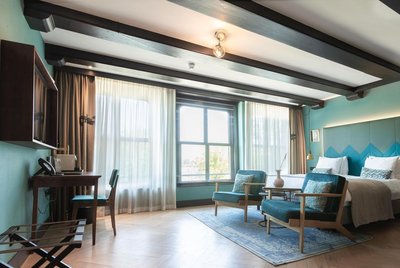
The Hendrick's Hotel
Hotel TwentySeven - Small Luxury Hotels of the World
De L’Europe Amsterdam – the Leading Hotels of the World
The Dylan Amsterdam
Waldorf Astoria Amsterdam
Hyatt Regency Dusseldorf
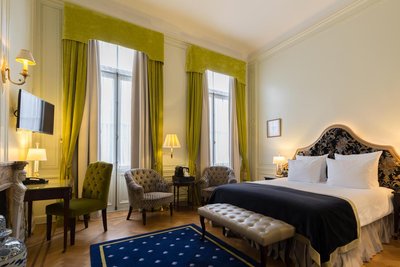
Stanhope Hotel Brussels by Thon Hotels
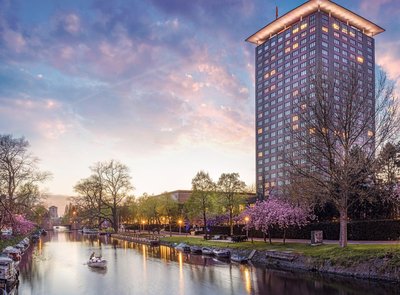
Hotel Okura Amsterdam – the Leading Hotels of the World
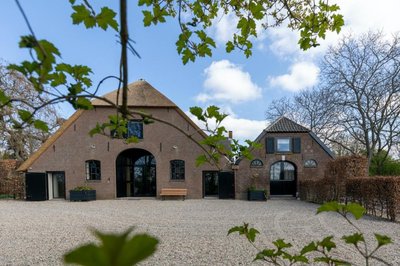
Het Rentmeestershuis
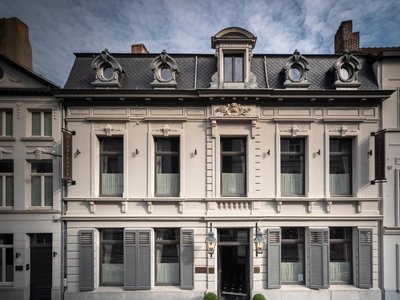
CH Longstay 2
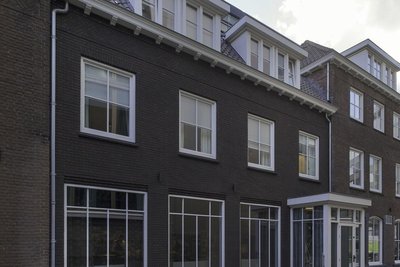
Little Grand
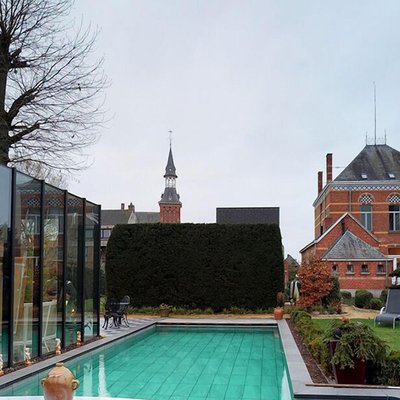
Art of Dreams Deluxe 4 Stars
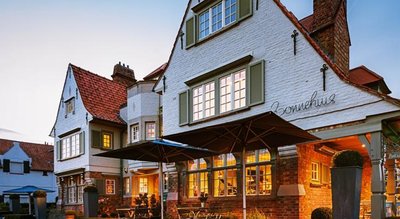
Romantik B&B Zonnehuis
Frequently Asked Questions about Traveling to Zuidoostbeemster
Questions You Might Need to Know About Traveling to Zuidoostbeemster
In southeast Beemster, top boutique stays include Het Huisje bij de Polder, a restored 17th-century farmhouse nestled within the Beemster Polder UNESCO World Heritage site. The hotel blends original timber beams with modern comforts, offering views of serene canals and lush meadows. Guests enjoy complimentary bicycles for exploring the historic waterways and nearby St. Mary's Church. Hosts share insights on Dutch land reclamation history during morning coffee sessions. For a unique experience, book a stay at De Gouden Kooi, where traditional farm architecture meets eco-friendly design—perfect for travelers seeking authenticity and sustainability.
The best area for lodging in southeast Beemster is Beemster Dorpscentrum—the heart of the village, located along the original 17th-century grid plan. This pedestrian-friendly zone offers easy access to St. Mary’s Church, local artisan markets, and family-run guesthouses like Familiehuis De Woud. Stay here to immerse yourself in authentic rural life: walk the Aa River path at dawn, watch sunsets over endless water channels, or join a community-led dairy farming tour. With minimal traffic and rich cultural heritage, this area balances tranquility with convenience, making it perfect for slow travel enthusiasts.
Southeast Beemster offers a rare glimpse into Dutch polder culture through its guided canal boat tours. Led by local fishermen, these 30-minute excursions aboard wooden rowboats or kayaks navigate the intricate network of canals that define the Beemster Polder, the first man-made polder in Europe. Learn about the 16th-century land reclamation project that transformed peat bogs into fertile farmland—a UNESCO-recognized achievement. Afterward, visit Boerenhuis, a former farmstead turned cultural hub, to taste regional dishes like stew pot with local cheese and root vegetables. These immersive experiences highlight the deep connection between people, water, and land in Dutch history.
Absolutely—southeast Beemster is a family-friendly destination. The village features safe, car-free streets and extensive bike paths ideal for kids. Stay at Familiehuis De Woud, which includes a play garden, outdoor swings, and an organic vegetable patch. Families can participate in weekly cow milking workshops or join a nature discovery workshop where children build windmill models from recycled materials. At night, enjoy a star-gazing evening—the lack of light pollution reveals a breathtaking Milky Way. It’s a perfect blend of education, adventure, and quality family time in a peaceful rural setting.
Must-try delicacies in southeast Beemster include Beemster Gouda cheese, aged for up to 24 months and known for its rich, nutty flavor—best sampled fresh at De Kaaswinkel, a family-run dairy shop. Another highlight is Beemster herring, traditionally salted and served with raw onions and pickles. For a full local meal, book a dinner at a farmer’s home (Diner bij de Boer), where menus change daily based on what’s harvested. Dishes often feature potato stew with beef, homemade apple wine (Appelwijn), and black rye bread—all made using ingredients from the surrounding farms. A true taste of Dutch countryside tradition.
Travelers can reach southeast Beemster via car (45 minutes from Amsterdam via A10 and N320) or public transit: take NS trains to Beverwijk Station, then transfer to bus 911. Once in the village, cars are restricted—use bicycle rentals (e.g., Fietsverhuur Beemster) or electric shuttles. The village has a well-maintained cycling network linking key sites like the Beemster Polder Museum, historic windmills, and ecological wetlands. Biking allows flexible exploration of the geometric polder layout, while electric trams provide access to remote areas without compromising the village’s quiet, car-free charm.
Photography lovers will find stunning scenes throughout southeast Beemster. Capture the iconic De Vliegende Hollander windmill at sunrise, when golden light casts long shadows across the grassy dikes. The triangular polder layout, especially during spring when mustard fields bloom, creates a dramatic geometric pattern from above. The reed bridge over the Aa River offers reflective symmetry in still waters—ideal for early morning shots. For urban textures, photograph the white-walled, red-roofed farmhouses framed by foggy mornings. Bring a tripod and polarizing filter to enhance reflections and sky depth. Many lodges also offer free photography guides to hidden viewpoints.
Each summer, southeast Beemster hosts the Beemster Oogstfeest (Harvest Festival)—a three-day celebration of local agriculture. Highlights include artisan cheese tastings, traditional windmill dance performances, and a farmer’s cart parade. The standout event is the Canal Light Show, where hundreds of lanterns float along the waterways, turning the polder into a shimmering constellation. In autumn, the Winter Preparation Week (Voorbereiding Winter) brings villagers together to repair dikes and weave straw ropes—visitors can join hands-on workshops. These events not only celebrate heritage but also strengthen community ties through shared tradition.
Yes, southeast Beemster is a paradise for photographers. Its unspoiled 17th-century polder landscape offers timeless compositions: misty canals at dawn, silhouetted windmills against pastel skies, and symmetrical rows of farmhouses echoing the original grid plan. Visit Noorddijk for sunrise shots of sunlight slicing through reeds, or explore frozen canals in winter for minimalist, icy reflections. For human interest, capture locals tending sheep or repairing dikes—authentic moments of rural life. Use a wide-angle lens for expansive vistas and a telephoto for intimate details. Many guesthouses provide free photography maps and tips for finding secluded, photogenic spots.
Southeast Beemster leads in sustainability: all accommodations use solar panels and rainwater harvesting systems, with some buildings constructed from reclaimed wood. The village bans private vehicles—only electric shuttles and bicycles allowed—reducing emissions. The Beemster Polder Authority monitors wetland health, removing invasive species to protect native birdlife. Farms practice zero-waste cycles, composting food scraps into fertilizer. Visitors can join canal clean-up volunteer days or attend a green living workshop teaching how to make natural candles and soaps from local materials. These efforts reflect a deep commitment to preserving the region’s ecological and cultural legacy.
Zuidoostbeemster Overview
City Summary
Zuidoostbeemster is a tranquil village in North Holland, Netherlands, nestled within the iconic Beemster Polder—a 17th-century polder landscape designated as a UNESCO World Heritage site. Known for its pastoral beauty and historical reclamation art, it's ideal for travelers seeking nature and Dutch heritage.
Must-See Attractions
The Beemster Polder is a must-see, showcasing geometric farmland and canals that reflect Dutch hydraulic engineering. Visit Middenbeemster for well-preserved 17th-century architecture. Cycling through the polder offers stunning views of windmills and meadows.
Food Guide
Local cuisine highlights farm-fresh produce, especially Beemster's famed Gouda cheese. Cafés serve Dutch apple pie (appeltaart) and hot chocolate. Weekend markets feature fresh stroopwafels (syrup waffles).
Transportation Guide
Cycling or driving are primary options due to flat terrain. From Amsterdam, take a train to Purmerend followed by a 20-minute bus ride (Connexxion line 129). No metro available; use OV-chipkaart for public transport. Note infrequent bus schedules.
Best Time to Visit
May-September offers mild weather and long daylight for outdoor exploration. April showcases tulip fields nearby. Winters are quiet with fewer tourists but colder temperatures.
Travel Tips
- Cycling etiquette: Bicycles have right-of-way—watch for dedicated lanes.
- Polder preservation: Avoid private farmland; respect UNESCO signage.
- Cash payments: Some shops don't accept cards; carry euros.
- Weather prep: Pack rain gear—polders are windy.
- Quiet culture: Keep noise minimal at night.
- Local hours: Many attractions close by 17:00.
Useful Information
Language: Dutch spoken; English widely understood. Internet: Limited public Wi-Fi; local SIM recommended. Payments: Cash/Maestro preferred; Visa/Mastercard acceptance varies. Emergencies: Nearest hospital in Purmerend (15-min drive); dial 112. Voltage: 230V, Type C/F sockets. Download NS Reisplanner app for transit schedules.