Hotels in Zushi
Discover your perfect stay in Zushi.
Zushi(Japan) Travel 2026: Cheap Flights, Hotels & Top Attractions
Popular Landmarks in Zushi
Discover the most iconic attractions in Zushi
Recommended Hotels in Zushi
Find the perfect place to stay in Zushi
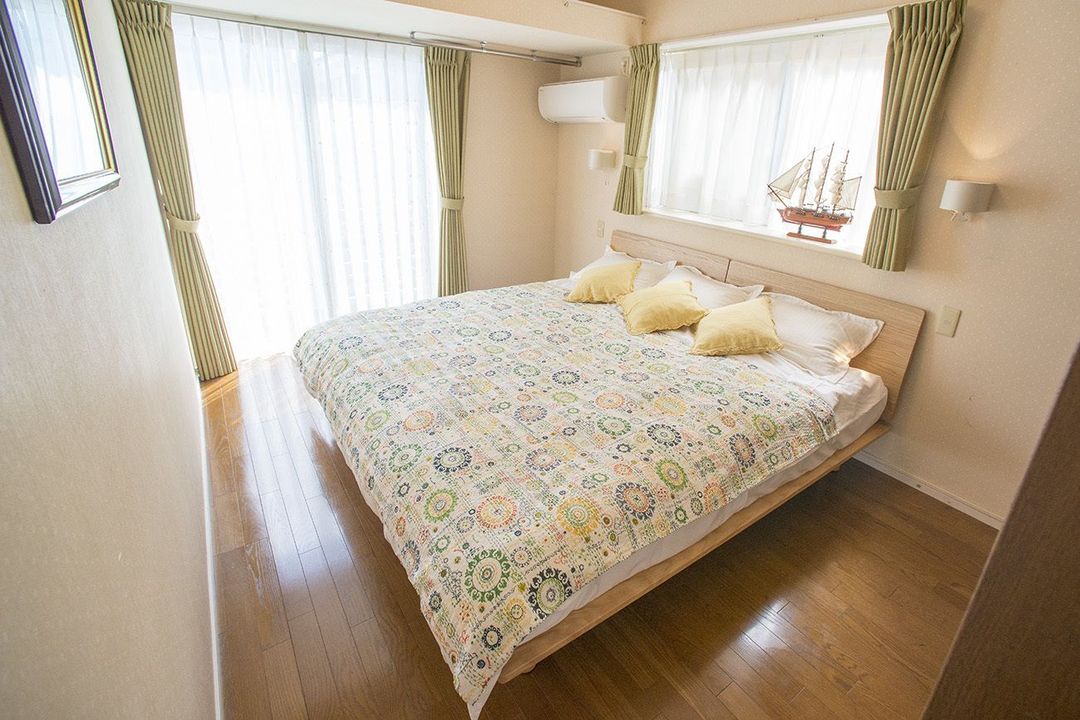
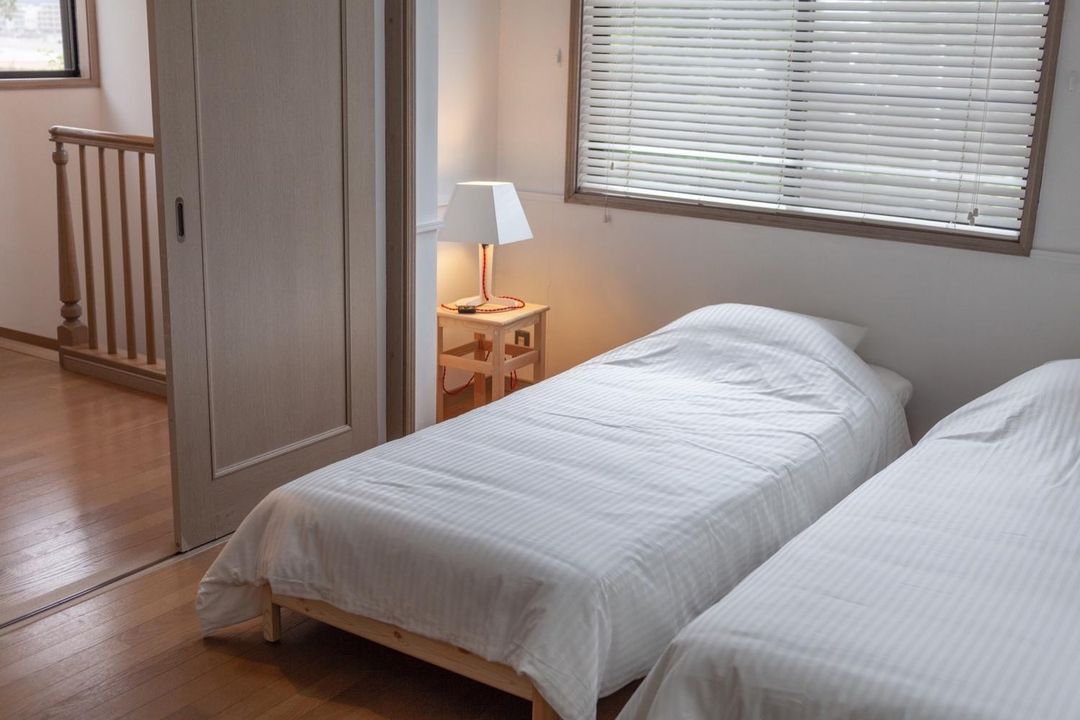
Best Hotels in Zushi
Discover curated hotel collections in Zushi





























Frequently Asked Questions about Traveling to Zushi
Questions You Might Need to Know About Traveling to Zushi
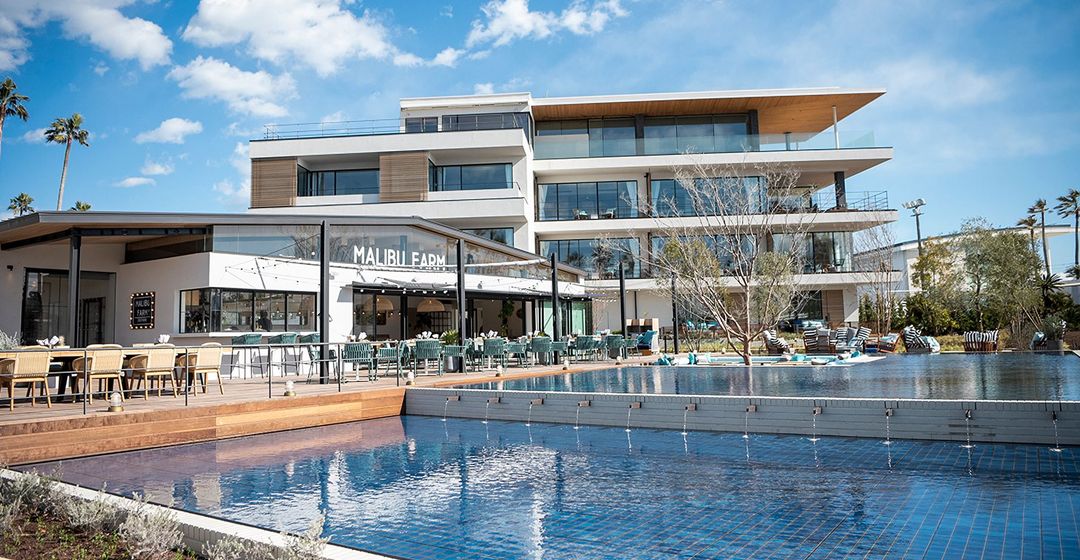
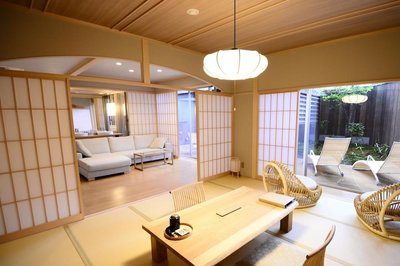
In Zushi, the top choice for families is Zushi Bay Resort Hotel, located directly on Zushi Beach. This seaside resort offers spacious family suites, a kids' pool, and complimentary childcare services. The hotel’s private sandy beach and direct walkway to Zushi-Yashima Seaside Bathing Area make it ideal for children. Nearby, the Meiji Shrine Outer Garden-style landscaped garden provides a serene retreat, while the hotel’s Japanese tatami rooms and kaiseki dining offer authentic local flavors.
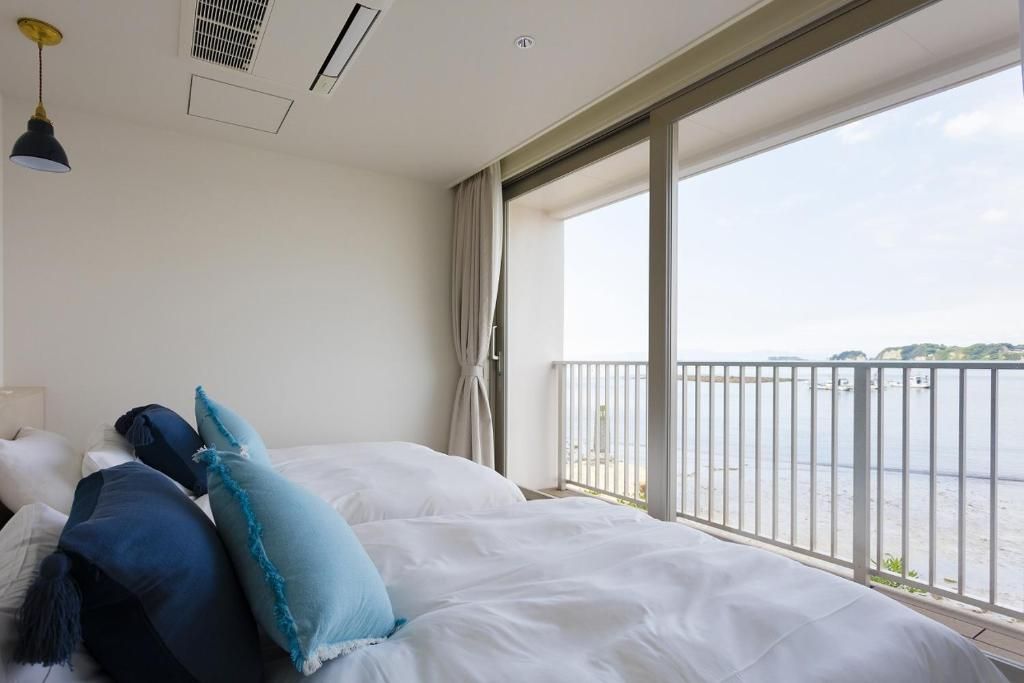
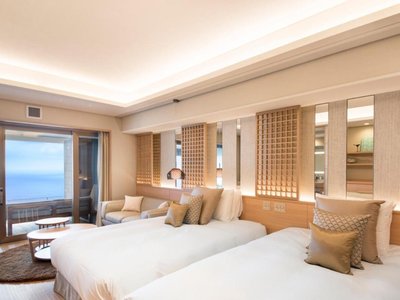
Another excellent option is Zushi Seaside Hotel, just a 5-minute walk from Shonan Train Station. It features ocean-view rooms, free bicycle rentals, and easy access to the Miura Peninsula Nature Park. With its family-oriented amenities and proximity to nature trails, it’s perfect for exploring the region’s coastal beauty. Both hotels provide multilingual staff and stroller-friendly facilities.
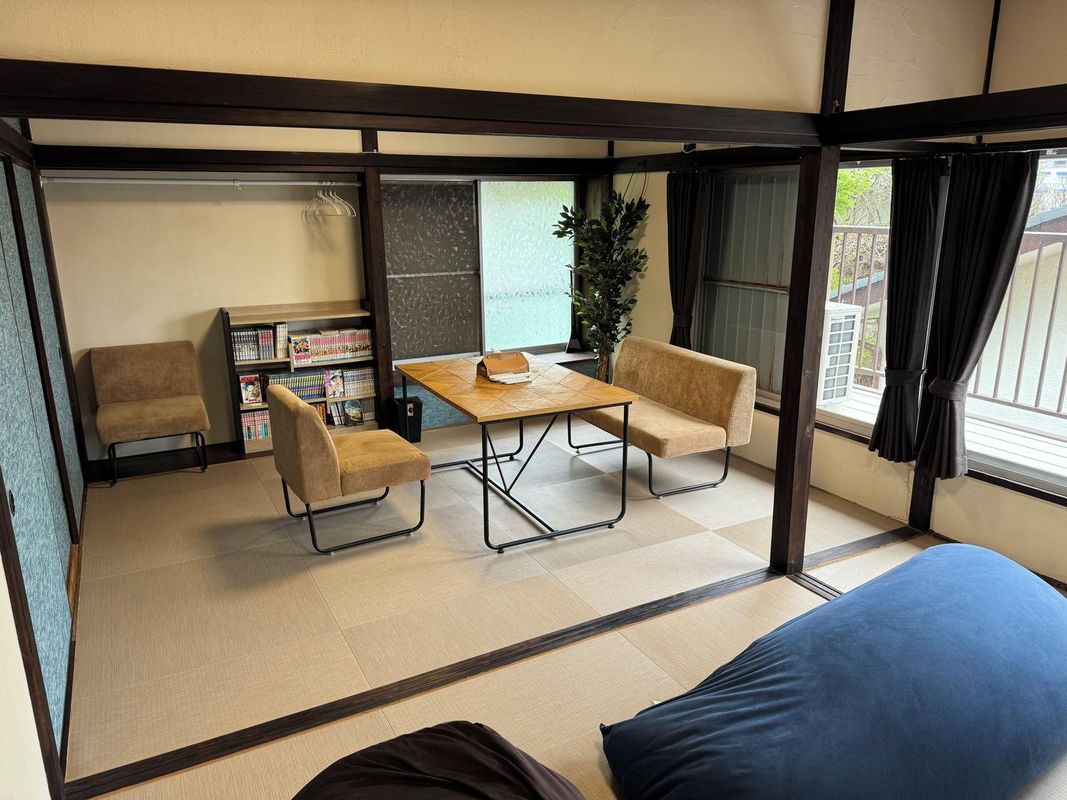
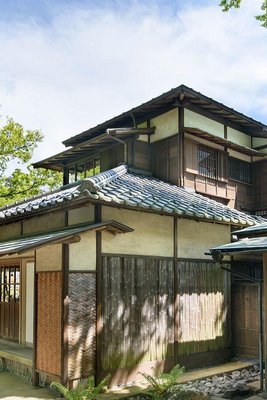
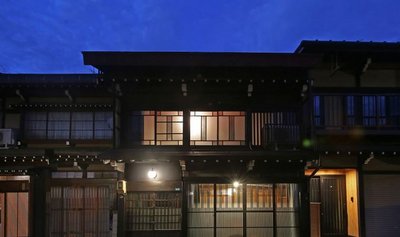
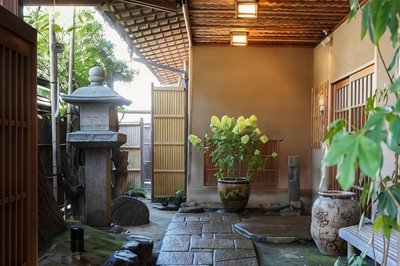
For an immersive cultural stay, Komachiya Zushi stands out. Housed in a century-old machiya townhouse near Zushi Station, this boutique inn preserves traditional Edo-period wooden lattice windows and sliding doors. The hosts are descendants of a local tea ceremony family, offering daily matcha pastries and guided tea ceremonies. Located steps from Zushi Shrine and the Miura Peninsula Trailhead, guests can participate in hands-on workshops like pottery making and bamboo lantern crafting.
Each evening features a "Night Storytelling" session where elders share tales of Zushi’s fishing village history and wartime memories. Another unique option is Umi no Yado Zushi, a former post office transformed into a modern ryokan with a glass-roofed café and sea-view courtyard. It hosts monthly "Sea Sounds" live music events, blending art and ocean ambiance seamlessly.
To truly experience traditional fishing culture, visit Zushi-Yashima Fishing Port, where wooden boats and drying nets still line the shore from the Meiji era. Early mornings between 5–7 AM feature daily fish auctions, where visitors can observe the sorting of fresh mackerel and bonito. The nearby Zushi Fisheries Museum offers free tours showcasing vintage fishing gear and tidal charts, plus opportunities to book a "One-Day Fisherman Experience," learning to use hand nets and preparing salted fish.
The Fishing Village Dining Hall serves local specialties like sea bream rice bowls and seaweed tempura, paired with house-made plum sake. On weekends, the Fishing Fire Festival lights up the bay with traditional lanterns, recreating ancient maritime celebrations. This authentic glimpse into coastal heritage is not to be missed.
Zushi-Yashima Coast is the most visually stunning location in Zushi, especially at Asahayama Cape. At sunrise, golden light spills across the Sagami Bay, creating breathtaking reflections perfect for silhouette photography and backlit portraits. The white Zushi Lighthouse, with its classic design and blue-and-white color scheme, adds a cinematic touch, often used as a backdrop for weddings and travel photos.
Along the Zushi Coastal Path, several lookout platforms—like "Seawind Pavilion" and "Cloud View Deck"—offer panoramic views of the Miura Peninsula and sailboats gliding on the water. In summer, the Wave Flower Garden displays seasonal blooms arranged in wave patterns, complemented by blue umbrellas and wavy railings, evoking a Mediterranean aesthetic. Bring a telephoto lens to capture seagulls flying over the waves or fishermen casting nets at dawn.
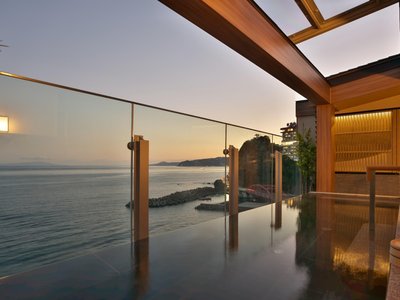
For couples craving intimacy, Umikage-so Zushi is unmatched. This 1930s villa nestled on a cliff overlooking Zushi Coast features floor-to-ceiling ocean views, private gardens, and an outdoor hot spring bath. Each room is named after elements like "Moonlight," "Tide," and "Sea Mist," with ambient lighting and custom music systems allowing you to switch between "Tranquil Night" and "Romantic Evening" modes.
Another hidden gem is Kaze no Bettei, a boutique ryokan converted from a former naval barracks. With only four rooms, it ensures exclusivity. Rooms feature hinoki wood interiors, handmade rugs, and antique mirrors. The en-suite baths include double soaking tubs and fogged-glass walls. Guests can stroll along the coastal trail to the lighthouse for a starlit dinner under the open sky. The hotel also offers a "Two-Person Dinner" service, featuring dishes like uni butter sushi and simmered sea bream, paired with limited-edition Japanese sake.
Zushi is highly accessible via the JR Yokosuka Line, connecting Tokyo Station to Zushi Station in just 45 minutes. From there, the Zushi Line links to Yashima Station and Shin-Zushi Station. Free shuttle buses run between major attractions like Zushi Beach, Miura Peninsula, and Zushi Shrine. For drivers, the Tomei Expressway Zushi Exit is just an 8-minute drive from downtown, with multiple free parking lots available.
It’s ideal for families (with child-friendly beaches), culture seekers (rich in fishing traditions and historic buildings), photographers (stunning coastlines and lighthouses), and urban escapees looking for a peaceful retreat. With low population density and minimal noise, Zushi is a top destination for those seeking a quiet, restorative getaway. Use Suica or ICOCA cards for seamless public transit travel.
Zushi is renowned for its fresh seafood, and a must-try is the Zushi Harbor Direct Seafood Kaiseki, served at the Zushi Fisheries Museum’s restaurant. Dishes include fresh sea bream sashimi, grilled mackerel, and uni tofu soup, paired with house-made ume plum sake or black sugar shochu. The monthly Morning Fish Market features stalls selling fried fish cakes, seaweed rolls, and kombu sweets, all at affordable prices.
Join a workshop at Umi no Aji Craft Studio to learn how to make seaweed-wrapped sushi and salted mackerel under the guidance of local women. The Zushi Machiya Dining Hall offers a "Fisherman's Breakfast" with scrambled eggs, miso natto, and kelp porridge, served with freshly brewed coffee. For souvenirs, pick up Zushi Sea Breeze Sauce—a blend of local seaweed and yuzu—perfect as a gift.
Zushi boasts one of Japan’s most intact coastal ecosystems, centered around the Zushi-Yashima Nature Park, part of the unspoiled Miura Peninsula. The park shelters rare birds like the Japanese Eared Duck and Green-backed Tit, while spring brings vibrant wisteria and wild cherry blossoms, and autumn paints the trails red with ginkgo and maple trees. The intertidal walkway reveals coral reefs and sea anemones during low tide—ideal for kids to explore starfish, hermit crabs, and sea urchins.
The Zushi Coast is occasionally visited by blue whales during migration season (December–March). Join the "Whale Watcher" program hosted by the Marine Conservation Society to spot them using binoculars. The city also features a Bird Protection Center, offering night sky viewing and ecology lectures that combine astronomy and marine science for a holistic nature experience.
Zushi’s most iconic festival is the Zushi Sea Festival (mid-July), held on Zushi Beach for three days. Highlights include Amazake Dance performances, traditional fishing gear exhibitions, and the Floating Lantern Ceremony, where thousands of paper lanterns drift into the sea, symbolizing gratitude to the ocean. The nightly fireworks display, themed around waves and fishing fires, uses projection mapping for a magical effect.
Another highlight is the Miura Peninsula Autumn Maple Festival (late November), featuring a forest walk through maple-lined paths and activities like calligraphy with fallen leaves and kimono parades. Local shops offer a limited-time Maple Bento Box with persimmons, chestnuts, and nori rice balls. During New Year, the Zushi Shrine Hatsumōde draws over 10,000 visitors; afterward, guests receive a Sea Fortune Talisman, believed to bring luck and health.
Accommodation prices in Zushi vary widely. Budget options like Zushi Seaside Hotel start at ¥6,000–¥8,000 per night, including breakfast. Mid-range choices such as Wester Zushi Hotel cost ¥12,000–¥18,000, offering ocean views and hot springs. Luxury boutique inns like Umikage-so or Kaze no Bettei charge ¥30,000 or more on weekends, with personalized services and gourmet meals.
For groups or families, apartment-style rentals like Zushi Sea Breeze Apartment start at ¥15,000, complete with kitchens and laundry. Discounts are common during the off-season (January–March), with deals like "Stay 2 Nights, Get 1 Free." Compare rates on Rakuten Travel or HopeGoo for the best value.
Zushi Overview
City Summary
Zushi City, located in Kanagawa Prefecture, Japan, is a charming coastal town known for its beautiful beaches and clear waters. As a rare resort destination within the Tokyo metropolitan area, Zushi attracts visitors with its relaxed atmosphere, rich history, and stunning natural scenery.
Must-See Attractions
Key attractions in Zushi include the famous Zushi Beach and Morito Beach, ideal for swimming and sunbathing in summer. Morito Shrine, with its unique torii gate in the sea, is a historic religious site. The city also offers scenic hiking trails like the Zushi Okuyama Nature Trail, perfect for outdoor enthusiasts.
Food Guide
Zushi's cuisine is heavily influenced by its marine resources, with fresh seafood at its core. Recommended dishes include grilled fish and sashimi, especially from fish caught in Sagami Bay. Street food like fried seafood cakes and takoyaki are also popular.
Transportation Guide
Zushi's transportation mainly relies on trains and buses. The JR Yokosuka Line and Keikyu Zushi Line connect the city to Tokyo and surrounding areas. The local bus network is well-developed, making it easy to reach major attractions. Consider purchasing a one-day pass for cost-effective travel. Taxis are available but more expensive.
Best Time to Visit
The best time to visit is summer (June to August) for beach activities. Spring and autumn offer pleasant weather with fewer crowds. Winter is quieter and colder, but has its own serene charm.
Travel Tips
- Pay attention to beach safety signs, especially when swimming.
- Respect shrine etiquette and avoid loud noises.
- Strict garbage segregation rules must be followed.
- Sun protection is essential in summer.
- Some attractions may require advance bookings.
Useful Information
The official language is Japanese, but English is understood in tourist areas. WiFi is widely available in cafes and hotels. Cash is the primary payment method, though credit cards are accepted at larger establishments. For emergencies, dial 110 (police) or 119 (ambulance).