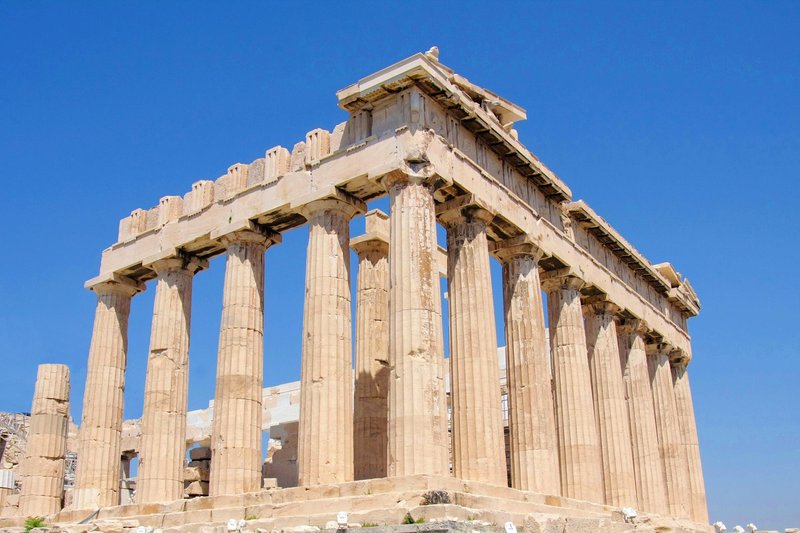
The Ancient Bath in Athens is a remarkable window into daily life in classical Greece. This well-preserved site showcases sophisticated hydraulic engineering and reveals how public bathing was central to social rituals. Marvel at the intact mosaic floors and vaulted ceilings that have survived centuries, imagining philosophers and athletes once debating here. Don't miss the ingenious hypocaust system - one of history's earliest central heating solutions - visible in the walls. Standing where ancient Athenians relaxed offers profound connection to humanity's shared past.

Everything you need to know about Ancient Bath
The site operates 8:00-20:00 daily (April-October), with last entry at 19:30. Winter hours (November-March) are 8:30-15:30. Note that it closes on January 1st, March 25th, and December 25-26. Early morning visits avoid both crowds and the intense Mediterranean midday heat.
The main level has ramp access and tactile paths, but the hypocaust level requires navigating ancient stepped passages. Free wheelchair loans are available at the entrance. For full accessibility, the New Acropolis Museum nearby offers detailed replicas of the bath's architectural fragments.
Official Archaeological Society of Athens guides conduct 90-minute tours (€25/person) at 10:00 and 16:00. Audio guides (€5) include rare historical reenactment recordings. Private tours can access the restricted mosaic conservation area with advance HopeGoo.
Wear sturdy walking shoes as the original Roman floors are uneven. Summer visitors need sun protection - hats are sold at the gift shop. The site enforces modest dress codes (shoulders/knees covered) as it's adjacent to active Greek Orthodox chapels.
Non-flash photography is permitted except in the light-sensitive fresco sections. Tripods require a €50 professional permit. The best Instagram spot is the intact brick archway near the tepidarium. Drones are strictly prohibited due to airspace restrictions over ancient sites.
The Roman Agora (5-minute walk) features the Tower of the Winds, an ancient clocktower. The Hadrian's Library showcases imperial-era reading rooms. For comprehensive context, the National Archaeological Museum houses bathing implements and Roman sculptures discovered onsite.
Explore more amazing destinations