Hotel Filters

Featured Hotels Near Bangkok Elephant Park

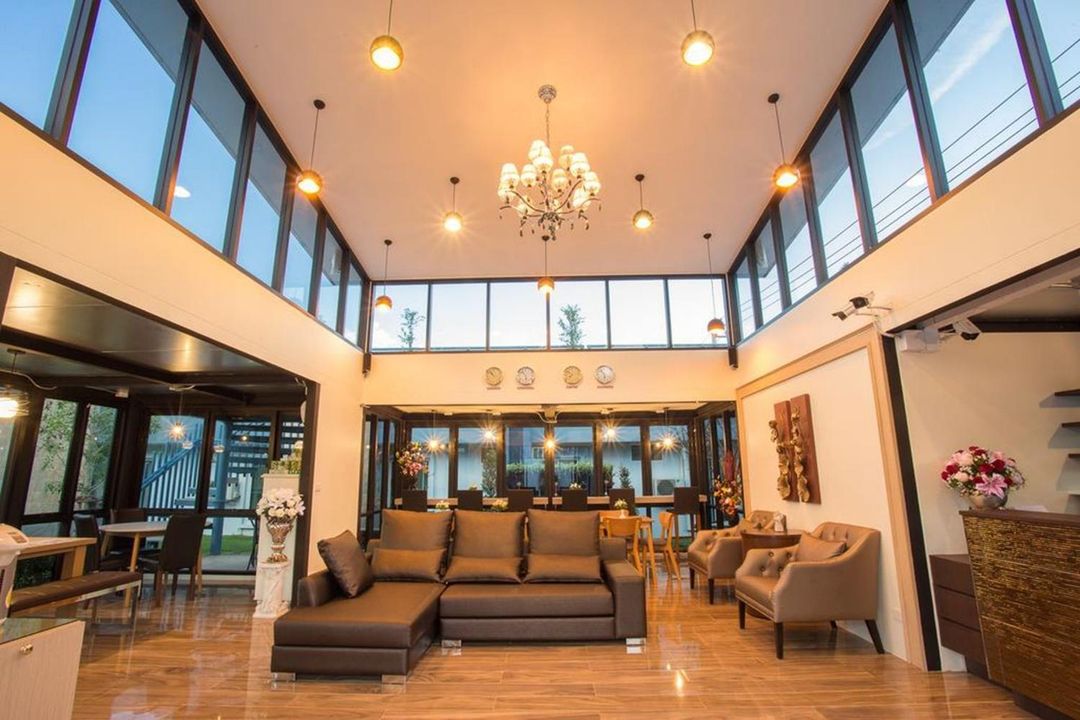
The Pine Golf Club

The Pine Golf Club

5 / 5Outstanding
39 M.8 Sangkhla Sunti Suk Krathumrai, Nongchok
4.07KM from Bangkok Elephant Park
Conference HallLuggage StorageLaundry ServiceGolf CourseParking
per night
From
USD**0
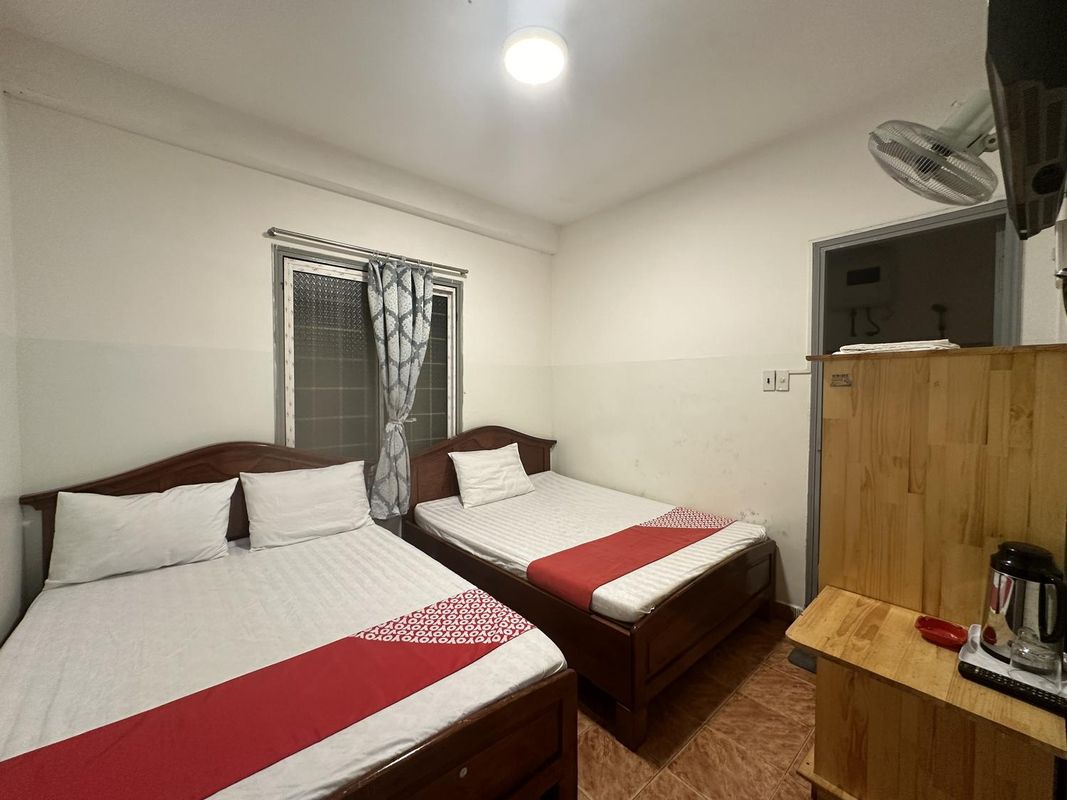
OYO 75511 Chai Na Resort

OYO 75511 Chai Na Resort

44/16 Moo 11Sangkha Santi Suk Road, Krathum Rai Subdistrict
1.26KM from Bangkok Elephant Park
per night
From
USD**6
Larena Villa and Resort

Larena Villa and Resort

0.2 / 5
89 Chuamsamphan Rd., Nongjok
8.64KM from Bangkok Elephant Park
per night
From
USD**0
Bangkok Yesterday Resort

Bangkok Yesterday Resort

0.2 / 5
44/3 M.10 Sangkha Santi Suk Rd. Krathum Rai, Nong Chok
2.93KM from Bangkok Elephant Park
per night
From
USD**5
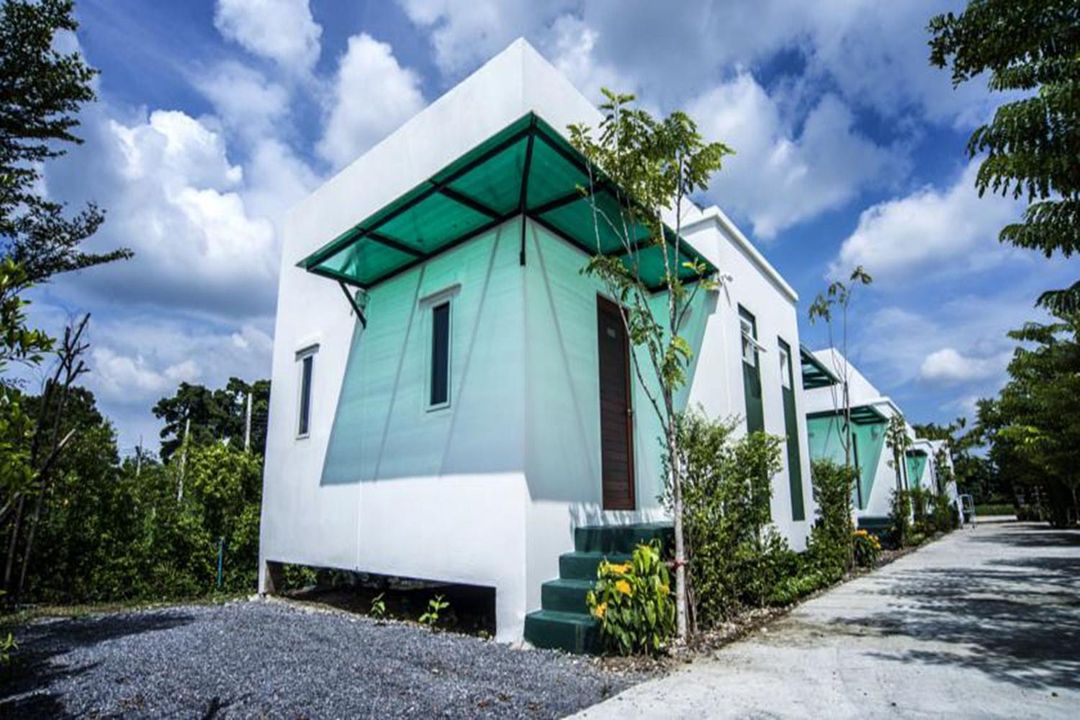
Chai Na Resort

Chai Na Resort

3.9 / 5
Sangkha Santi Suk Rd, Khwaeng Krathum Rai
1.24KM from Bangkok Elephant Park
Luggage StorageParking
per night
From
USD**9

Frequently Asked Questions

Everything you need to know about Bangkok Elephant Park

Elephant Forest Resort near the Bangkok Elephant Camp is a top choice for families seeking sustainable and immersive experiences. This eco-lodge features bamboo cabins, a zero-edge swimming pool, and offers hands-on elephant conservation workshops where guests can feed, bathe, and observe elephants in their natural habitat. The resort emphasizes eco-tourism principles, including plastic-free operations and community-based tourism.

Located just 1 hour from downtown Bangkok, it provides complimentary shuttle service and hosts daily guided tours that highlight local traditions and elephant welfare practices. Each stay includes a full-day experience with expert guides, making it ideal for travelers who value education, sustainability, and authentic cultural engagement. Perfect for nature-loving families seeking meaningful connection with wildlife.

The most convenient option is taking the Airport Rail Link to Phaya Thai Station, then transferring to a taxi or Grab ride—a journey of about 45 minutes. Many reputable camps offer complimentary shuttle services for guests staying at affiliated resorts, making it ideal for pre-booked visitors.

Alternatively, private car transfers start at around 800 THB for groups of 3–4 people, providing door-to-door convenience. While buses and metro don’t reach the camp directly, apps like Grab and Bolt offer reliable, transparent pricing. Always avoid unlicensed operators offering "quick visits"—they often support unethical elephant interactions. Opt instead for Thai Department of Wildlife Conservation-certified facilities to ensure animal welfare and ethical tourism standards.

Guests can participate in positive reinforcement training sessions, learning how to build trust with elephants through behavioral cues and reward-based methods. Activities include assisting veterinarians with health checkups, preparing natural fruit and vegetable meals, and tracking individual elephant behavior patterns using digital logs.

The camp also offers night-time observation tours using infrared technology to study elephants’ nocturnal social interactions in their natural environment. All data collected contributes to research at the Thai Elephant Research Center, turning visitors into active participants in conservation science.

Each experience concludes with an educational briefing on current threats to wild elephants and successful protection initiatives, reinforcing awareness and global responsibility. This blend of hands-on learning and scientific contribution sets the camp apart as a leading model in ethical wildlife tourism worldwide.

No, accredited sanctuaries near Bangkok Elephant Camp do not offer all-day animal interaction programs—this policy is strictly enforced to protect elephants’ mental and physical well-being. All encounters are limited to 2–3 short sessions per day, each lasting no more than 60 minutes, and are supervised by certified conservation staff.

Stay at Elephant Protection Lodge, which partners with verified conservation organizations to provide limited-access tours ensuring each guest interacts with only one elephant per visit. Activities include feeding, bathing, and walking—but riding or performing is strictly prohibited.

All programs are certified by the International Welfare Assessment (IWFA) and publicly share health records and activity logs. This ensures transparency and prevents over-exposure. Choosing such ethical providers supports sustainable wildlife tourism. Avoid unregulated commercial tours that promote exploitation under the guise of 'interaction'.