Hotel Filters
SUNMEI Group Hotels Near Caowangchan Temple
At Caowang Temple in Shanghai, you'll experience a rare sense of tranquility and solemnity. This ancient temple boasts a long history and elegant architecture, offering both devout believers and casual visitors a chance to find inner peace. The serene environment and the faint scent of incense create a calming atmosphere, especially in the early morning when sunlight filters through the ancient trees onto the stone pathways, making time seem to slow down. Don't miss the Main Hall, where the majestic Buddha statues inspire awe. Plus, there are plenty of local snacks nearby to try after your visit.
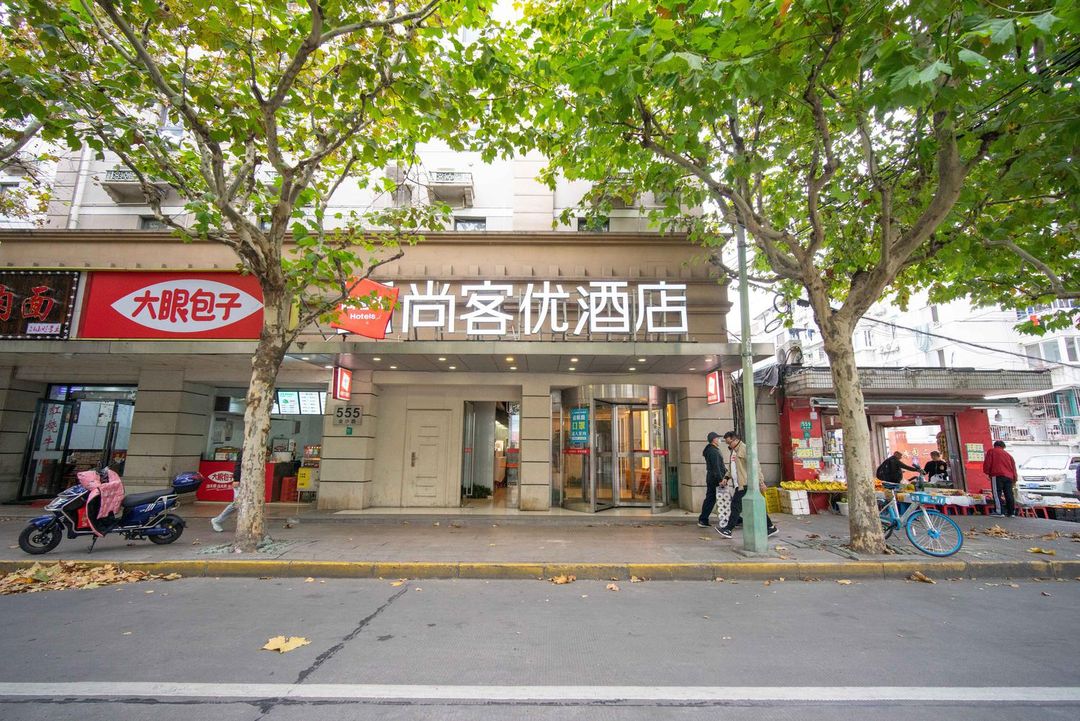
Shankee Hotel (Shanghai Jiading Jinsha Road)
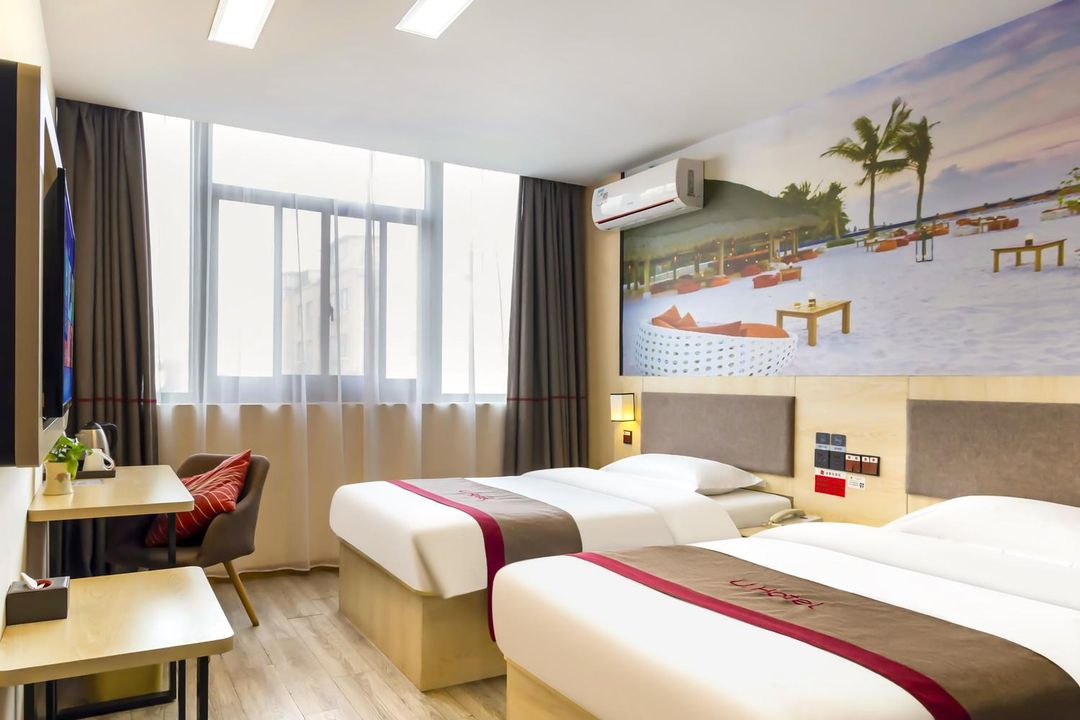
Shankee Hotel (Shanghai Jiading North Subway Station Yongjing Road)
Frequently Asked Questions
Everything you need to know about Caowangchan Temple
Shanghai Xingye Hotel is a top choice, just a 15-minute drive from Caowang Chan Temple. The hotel features traditional Chinese architecture and offers a serene retreat with meditation rooms and tea ceremony sessions. Conveniently located near Line 10 Metro, it provides easy access to central Shanghai.
Unique Experiences Include:
- Morning Temple Rituals: Join monks in chanting at 6:30 AM for an immersive spiritual atmosphere;
- Handmade Lotus Lantern Workshop: Craft your own lantern as a symbol of blessings to take home;
- Traditional Vegetarian Lunch: Savor a nourishing, locally inspired vegetarian meal prepared by temple chefs using organic ingredients, blending Jiangsu-Shanghai flavors with wellness principles.
From downtown Shanghai, take Line 10 Metro to Xinjiangwancheng Station, then transfer to Bus 719 or take a short taxi ride (about 10 minutes) to Caowang Chan Temple. For self-driving, head north via Inner Ring Expressway, exit at Jiji Road, and follow navigation signs—approximately 20 minutes. The temple has a dedicated parking lot offering free parking, ideal for families and groups.
Transport Advantages:
- Direct metro access avoids traffic congestion;
- Ample free parking with EV charging stations;
- Special shuttle buses increase frequency during weekends and festivals, minimizing wait times.
Use Gaode Maps or Baidu Maps for real-time updates on schedules and traffic conditions to ensure a smooth journey.
Caowang Chan Temple hosts several enriching programs monthly, including the monthly "Chanting & Meditation Sessions" on the 1st and 15th days of each lunar month, led by senior monks featuring sutra chanting, seated meditation, and mindfulness practices. During Lunar New Year and Qingming Festival, grand Blessing Ceremonies welcome visitors to light candles, hang talismans, and copy sutras, with complimentary incense and offerings provided.
A highlight is the "One-Day Monk Experience", where guests wear monastic robes, learn morning and evening rituals, and assist in preparing vegetarian meals—offering deep insight into daily Buddhist life. All activities include bilingual (Chinese/English) guided explanations, making them accessible to international travelers.
Must-Do Activities:
- Sutra Copying Ceremony: Hand-copy a passage from the Heart Sutra as a spiritual keepsake;
- Evening Bell Ringing: Strike the large bell at dusk, symbolizing release from worldly worries;
- Vegetarian Zen Meal: Enjoy a plant-based lunch embodying the Buddhist principles of non-harming and mindful consumption.
Other Destinations You Might Like
Explore more amazing destinations