Visit Chùa Một Mái, a humble name for a place of deep history. One roof, countless stories. As you walk beneath its weathered eaves, feel the weight of centuries—the wood creaks, the light dances, and the past speaks softly in every shadow.


Everything you need to know about Chùa Một Mái
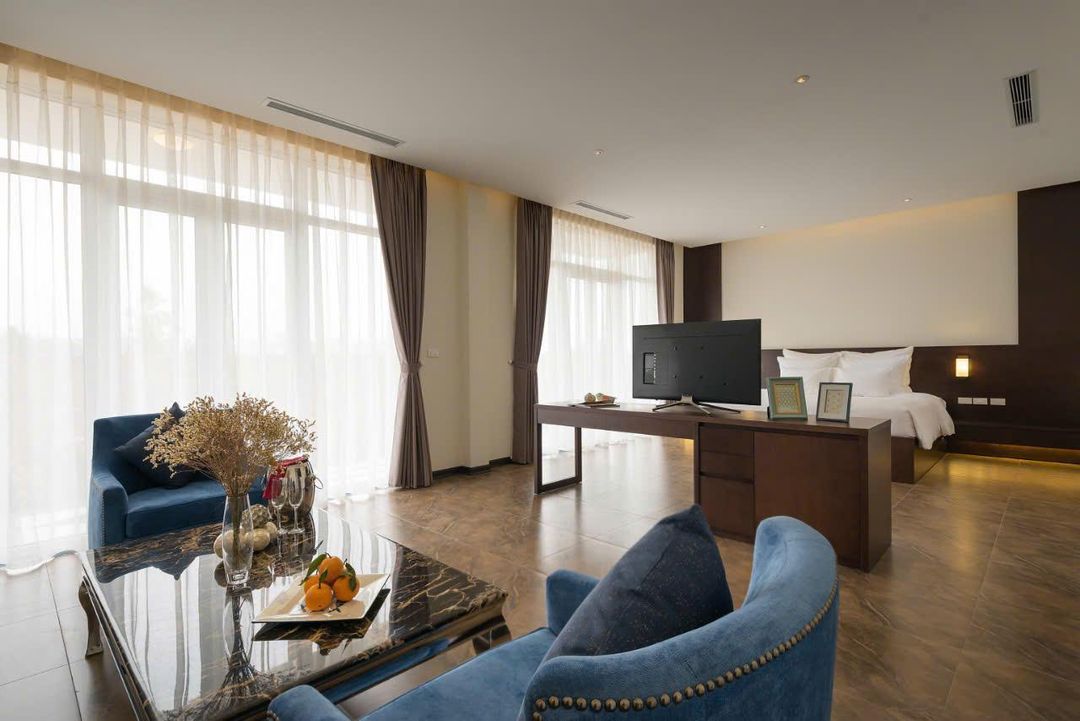
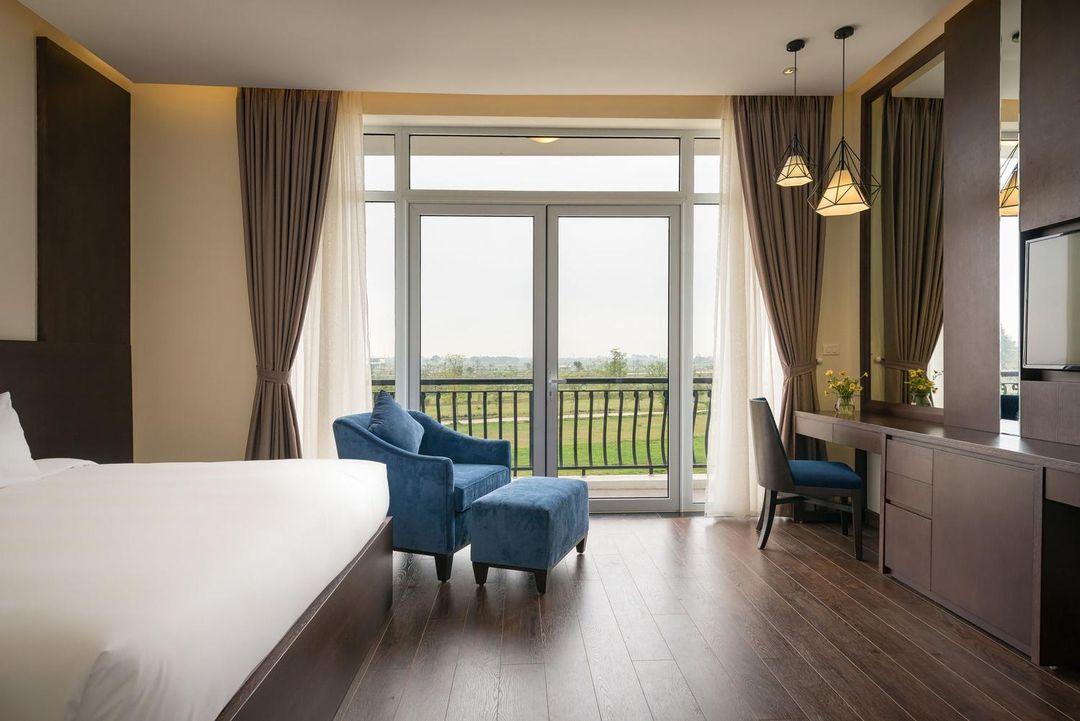
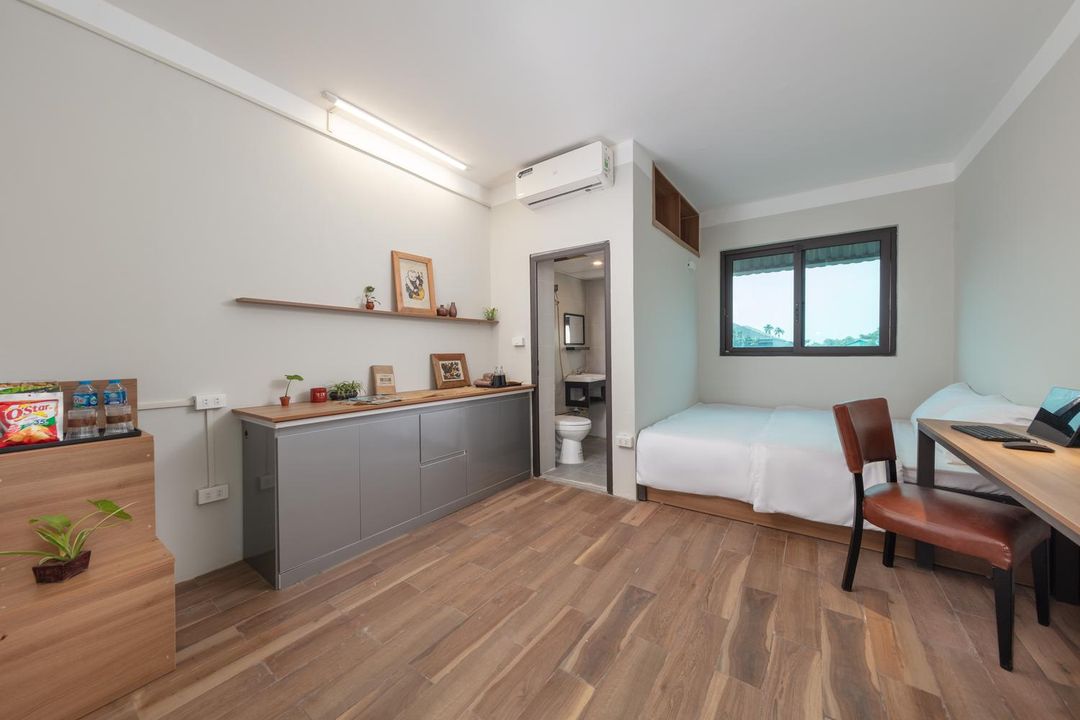
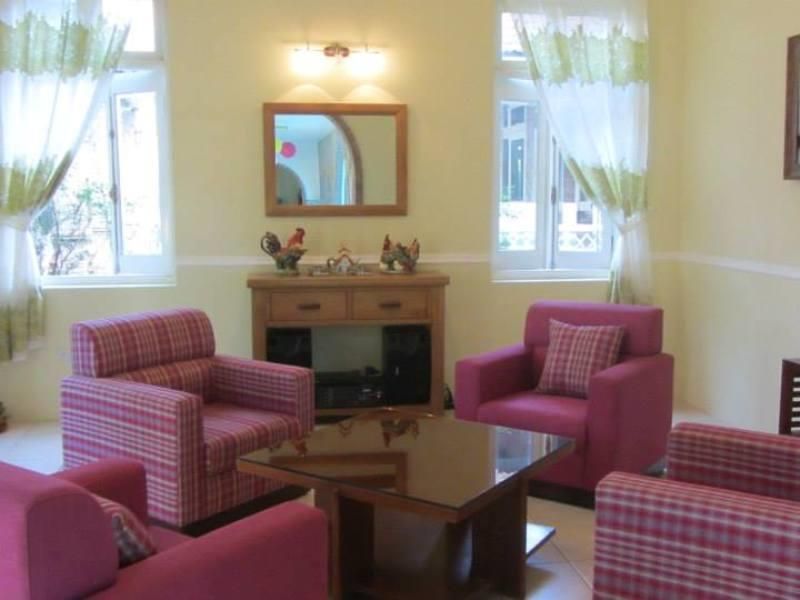
Near Chùa Một Mái in Hanoi, highly recommended options include Hanoi Backpackers Hostel and La Siesta Hotel & Spa. Both offer a perfect blend of traditional Vietnamese architecture and modern amenities, just a 5-minute walk from the temple. La Siesta features a serene courtyard inspired by ancient Buddhist design, ideal for relaxation, and hosts daily meditation sessions at sunrise—offering guests an authentic cultural immersion. The hotel’s central location also provides easy access to Hanoi’s famous night markets and Hoan Kiem Lake, making it a prime choice for travelers seeking convenience and authenticity.
After exploring Chùa Một Mái, stroll along Hàng Bông Street to savor authentic Vietnamese spring rolls and aromatic local coffee. Join a guided morning blessing session led by monks to gain deeper insight into the temple’s history and rituals. Wander through Hanoi’s hidden alleyways to discover century-old wooden houses and artisan pottery shops—perfect for capturing the city’s slow-paced charm. Some guesthouses even offer traditional Vietnamese tea ceremonies, allowing you to reflect on the temple’s spiritual atmosphere with a calming cultural ritual.
The easiest way from downtown Hanoi is to take a motorbike taxi (xe ôm) or book a ride via the Grab app, reaching Chùa Một Mái in just 10–15 minutes. For a more immersive experience, walk from Hoan Kiem Lake along Đinh Tiên Hoàng Street—a scenic 20-minute route passing vibrant street markets and historic alleys. Located in the heart of Old Quarter Hanoi, the temple is easily accessible from most major tourist routes. We recommend visiting early in the morning to avoid midday heat and crowds, ensuring a peaceful exploration.
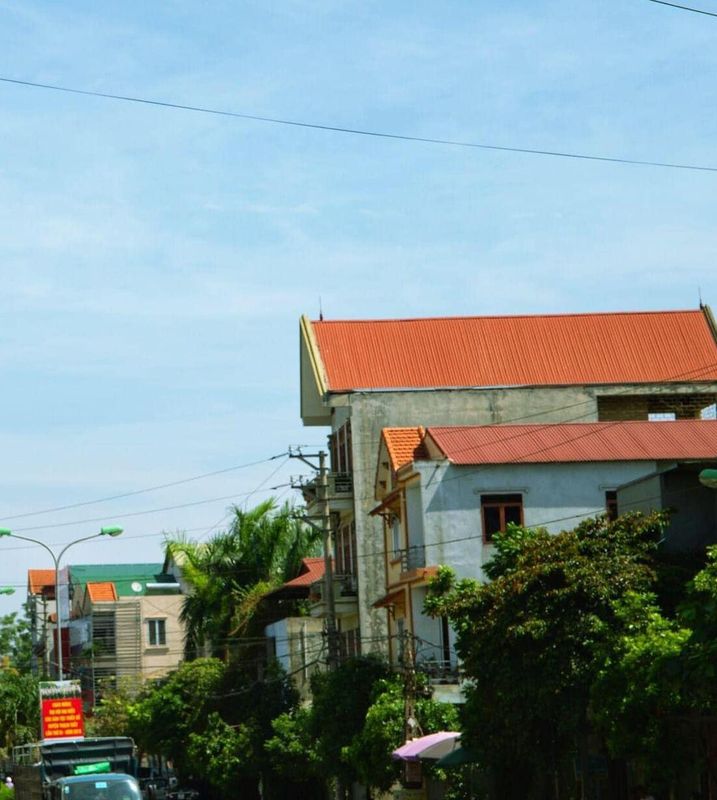
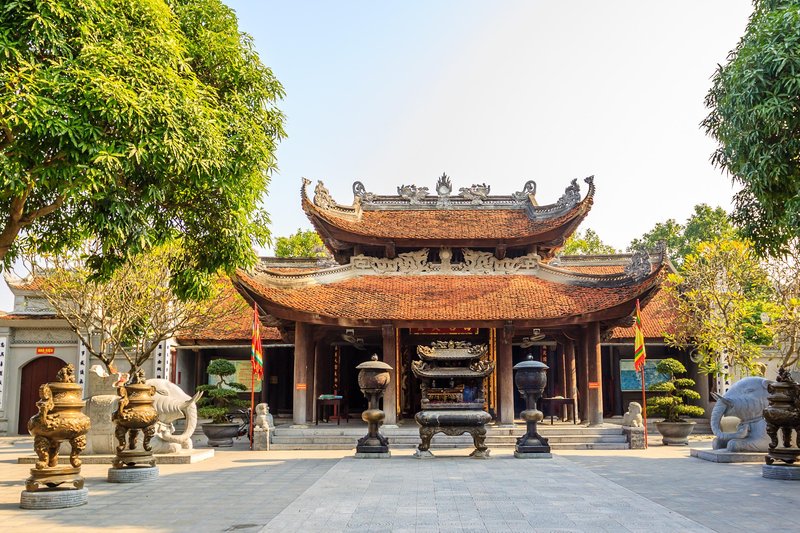
The temple itself is a photogenic gem, featuring a striking single-roof structure with red tiled gables and dramatic eaves. Surrounding old quarter alleys, colorful lantern-lit gateways, and bamboo weavers’ stalls provide rich cultural backdrops. Early morning light, with mist drifting over the temple and a single oil lamp glowing, creates a poetic, cinematic atmosphere. Nearby café courtyards often feature curated Vietnamese Zen corners—complete with bamboo screens, stone lanterns, and dry landscape gardens—perfect for capturing authentic, artsy shots.
Near Chùa Một Mái, the Hanoi La Siesta Hotel stands out as a top choice. This boutique hotel blends traditional Vietnamese architecture with modern comfort, just a 5-minute walk from the temple. It offers free bicycle rentals to explore the surrounding 36 Ancient Streets and features a rooftop garden and meditation space for tranquility after visiting the historic site. The staff can also arrange guided tours to deepen your understanding of this century-old single-roofed pagoda and its cultural significance.
After visiting Chùa Một Mái, explore a traditional Vietnamese tea ceremony workshop in the nearby old quarter, led by local artisans who teach brewing techniques and etiquette. Enjoy authentic Hanoi beef pho and fresh spring rolls at hidden alleyway night markets for an immersive local experience. For architecture enthusiasts, join a one-day heritage tour to uncover the historical origins of the temple’s single-roof design and Buddhist art styles, plus engage in mindful conversations with monks about Zen philosophy.
From Hanoi city center, you can reach Chùa Một Mái via several convenient options: take a Grab or Beep e-taxi for a 10-minute ride; rent a bike-sharing bike and cycle along the Hanoi Ring Road for scenic views; or take Metro Line 3 to Hang Bai Station, then transfer to a short bus ride or walk 15 minutes. As the temple lies in the heart of the old quarter, walking is ideal—en route, pass by Hoan Kiem Lake and Ngoc Son Temple, enriching your journey with historical context.
Chùa Một Mái (The Single-Roof Pagoda), built in the 17th century, is one of Hanoi's oldest temples featuring a single roof structure symbolizing the Buddhist concept of "unity between heaven and earth." The main hall houses a statue of Sakyamuni Buddha, constructed with traditional wooden frames and red tile roofing, blending Han-Viet architectural styles. Intricate dragon and phoenix carvings adorn the ridge, reflecting imperial symbolism. Historically, it served as a center for monastic practice and Dharma preaching. Today, it still observes daily bell and drum rituals and hosts major events like the Ullambana Festival, making it a vital site for understanding Vietnamese Buddhist faith and architectural artistry.
Explore more amazing destinations