Hotel Filters

Accor Group Hotels Near Daishogun Shrine

The vermilion torii gate of Daijōshin Jinja feels like a portal to another realm. Step through, and suddenly the noise of the world fades. Guarding legends of a warrior god, this shrine may be quiet, but its spirit is fierce. Here, prayers aren’t for fame or fortune—they’re for peace, deep and true.
Mercure Kyoto Station

Mercure Kyoto Station

4.5 / 5Great109 Reviews
288 Aburanokojicho
3.13KM from Daishogun Shrine
DryerBarLuggage StorageForeign Currency Exchange ServiceChinese Hospitality
per night
From
USD**0

Frequently Asked Questions

Everything you need to know about Daishogun Shrine

For a culturally immersive stay near Daishōjin Shrine in Kyoto, Gion Yasu Hotel stands out. This boutique ryokan blends traditional machiya architecture with modern comfort, just a 5-minute walk from the shrine. Guests can enjoy exclusive tea ceremony workshops and borrow free kimono for strolling through nearby historic alleys, evoking old Kyoto’s charm.

Alternatively, The Ritz-Carlton Kyoto, located along Shijō Street, offers luxury with panoramic views of the shrine area, especially during cherry blossom season. Its serene Japanese garden and personalized cultural tours delve into the shrine’s historical legends and seasonal festivals. Whether seeking authentic tradition or refined elegance, both properties provide exceptional access to Kyoto’s spiritual heart.

Daishōjin Shrine is highly accessible via Kyoto’s efficient public transit system. The nearest station is Shijō Station on JR West and the Keihan Electric Railway, with a 10-minute walk to the shrine. For subway travelers, take the Kyoto Subway Karasuma Line to Shijō Station, then head east along Shijō-dori, turning onto Kiyomizu-cho before reaching the shrine’s narrow entrance alley.

Additionally, Gion-Shijō Bus Stop (routes 100, 206, 208) is just 200 meters away. The surrounding area is pedestrian-friendly, but electric mobility scooter rentals are available for visitors with limited mobility. Use apps like Google Maps or Hayakaken for real-time transfers and walking directions, ensuring a smooth and stress-free journey to this sacred site.

Near Daishōjin Shrine, visitors can join exclusive shrine blessing workshops, crafting personalized omamori (protective charms) and ema (prayer plaques) under expert guidance. These are then hung at the shrine, symbolizing wishes for health, safety, and academic success.

Another highlight is the morning shrine purification tour, led by experienced priests who explain the shrine’s architecture, guardian deities, and rituals—guests even participate in a ceremonial cleansing ritual. On weekends, Gion Geisha performances featuring maiko dances and shamisen music are held outdoors, immersing visitors in Kyoto’s living heritage.

Some local ryokan also offer kimono walking packages with photo sessions and guided walks through historic alleys, transforming guests into temporary residents of old Kyoto. These experiences blend spirituality, artistry, and tradition in unforgettable ways.

For families visiting Daishōjin Shrine, Gion Family Inn Kyoto is an excellent choice. Located a 10-minute walk from the shrine, it features spacious rooms with connecting units, baby cots, and child-sized toiletries. Free kids’ meals and a dedicated play area ensure comfort for young travelers.

The staff organizes fun activities like shrine scavenger hunts with educational clues about local history, turning exploration into a game. Nearby attractions include the Gion Children’s Museum and Kiyomizu-dera Kids’ Experience Zone, both easily accessible on foot.

The inn also offers family tea ceremony workshops, where parents and children learn traditional etiquette together, fostering intergenerational bonding. Each evening, a nighttime storytelling session presents Kyoto legends in a gentle, engaging way, helping kids wind down. With its warm atmosphere and thoughtful amenities, this inn delivers a truly memorable family experience.

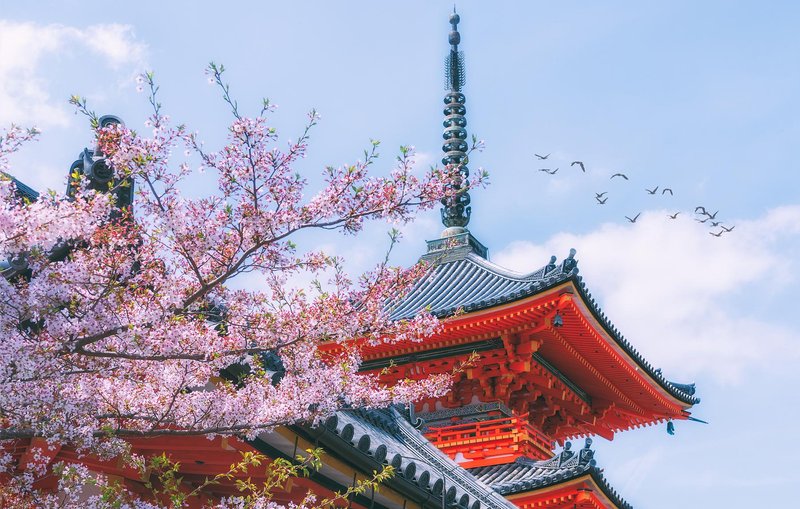
The ideal time to visit Daishōjin Shrine is between 7:00 AM and 9:00 AM, when crowds are minimal and the air is crisp, offering a tranquil atmosphere perfect for meditation and reflection. During spring cherry blossom season (late March to early April) and autumn foliage season (mid to late November), morning sunlight bathes the vermilion torii gates and stone lanterns in golden hues, creating a breathtaking scene.

Additionally, the first and fifteenth days of each month feature special rekishi ceremonies with elaborate rituals, attracting devotees in traditional attire—ideal for experiencing authentic Shinto practices. To avoid crowds, visit on weekdays; for stunning photography, arrive around 5:00 PM, when sunset casts a warm glow over the red gates, producing poetic compositions.

Use a shrine guidebook or smartphone audio tour to deepen your understanding of each shrine’s symbolism and historical significance, enhancing your spiritual and cultural journey.