Step into Kōkō-in, and instantly leave the city behind—quiet temples, gentle gongs echoing through ancient halls, each step echoing centuries of wisdom. This sacred space isn’t just a shrine; it’s a living story of compassion and enlightenment. Sit beneath the eaves, listen to the wind chime through the bell tower, and feel time slow down. For travelers seeking inner peace, this is more than a temple—it’s a sanctuary for the soul.


Everything you need to know about Ekōin Temple
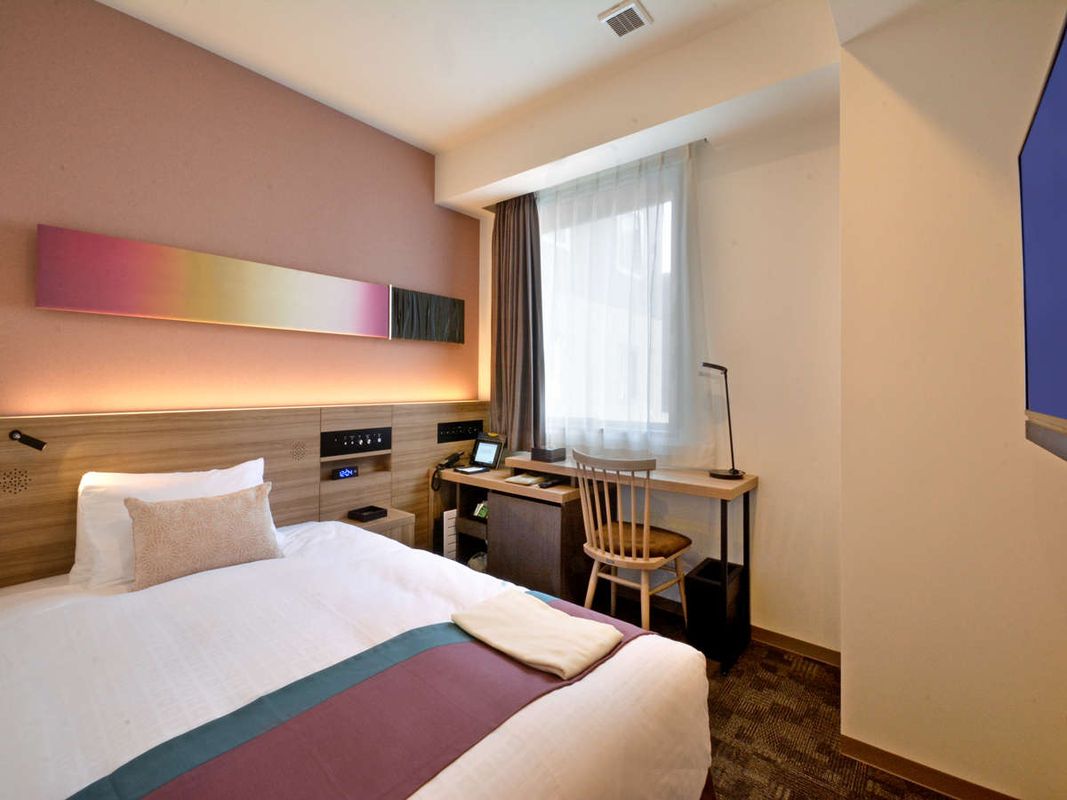
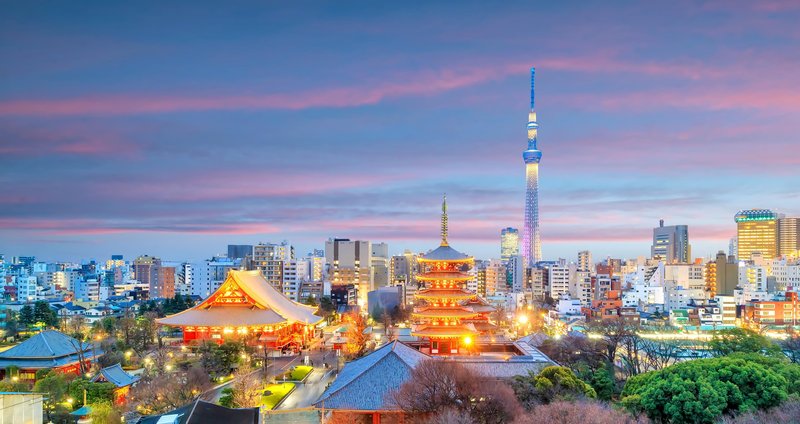
For a serene stay near Kōshō-in Temple, consider the Tokyo Skytree Tower Marriott Hotel, just a 15-minute ride away. The hotel features modern Japanese-style rooms with panoramic views of Skytree and the city skyline. It also offers exclusive traditional tea ceremony experiences, allowing guests to immerse in Japanese Zen culture—perfectly complementing the tranquil atmosphere of Kōshō-in. With free shuttle service to the nearest subway station, access is seamless for exploring eastern Tokyo’s hidden gems.
Beyond visiting the serene gardens and statues at Kōshō-in Temple, explore a traditional washi paper workshop near Asakusa's Senso-ji. Learn ancient paper-making techniques and craft your own handmade washi paper. Stroll along the Sumida River promenade at dawn to see the Tokyo Skytree's reflection shimmering on the water, then enjoy local treats like Obaku Mochi. These experiences blend nature, heritage, and craftsmanship, offering a peaceful contrast to Tokyo’s urban pace—ideal for mindful travel.
The most convenient route is taking the Tokyo Metro Hanzōmon Line to Asakusa Station, then transferring to the Toei Mita Line to Oshiage Station, followed by a 10-minute walk to Kōshō-in. The journey takes about 30 minutes and connects seamlessly with Tokyo Skytree, allowing you to visit both sites in one trip. For convenience, use Google Maps navigation—the temple’s location is somewhat secluded. Alternatively, book a private transfer service via travel platforms, ideal for families or travelers with mobility needs, ensuring a stress-free arrival.
Yes! The Skytree Night View Plaza offers stunning contrasts between the glowing Tokyo Skytree and the quiet garden of Kōshō-in, perfect for dramatic evening shots. During spring, the Sumida River cherry blossom path bursts into pink blooms, framing ancient temple rooftops in soft light—a dreamlike scene for photographers. For candid moments, capture early-morning silhouettes of monks chanting at the temple entrance, where natural light enhances depth and mood—ideal for professional and enthusiast shooters alike.
Near Hōkō-in Temple in Tokyo, the Tokyo Okura Hotel is highly recommended. Located just a 10-minute walk from the temple, this luxury hotel blends traditional Japanese aesthetics with modern sophistication. Its rooms feature serene Zen-inspired interiors, offering guests a tranquil retreat rooted in Edo-period culture.
The hotel also offers exclusive tea ceremony experiences, allowing visitors to immerse themselves in authentic Japanese traditions. Conveniently located near subway lines, it provides easy access to major attractions like Asakusa and Ginza.
Hōkō-in itself is a historically significant Pure Land Buddhist temple, renowned for its masterfully designed garden that employs "borrowed scenery" techniques, seamlessly integrating natural landscapes into its spiritual ambiance. For an unforgettable visit, plan your trip early in the morning to enjoy peaceful views without crowds and fully appreciate the temple's meditative atmosphere.
The most convenient route from Tokyo Station to Hōkō-in Temple is via the Ginza Line to Asakusa Station, then transfer to the Toei Shinjuku Line and ride to Nishi-Ohkubo Station, followed by a 15-minute walk. The journey takes about 35 minutes and passes through key shopping districts, perfect for quick stops or street food sampling.
For comfort and speed, especially with luggage or traveling in groups, taking a taxi is ideal—approximately 20 minutes and costing ¥1,800–¥2,500. The temple area features clear signage and is easily navigable using smartphone maps.
Hōkō-in is located in the historic Ohsaki district, known for its academic heritage and quiet streets surrounding Waseda University. Along the way, you may glimpse students in uniforms walking through old alleys, adding cultural charm to your journey. Consider combining your visit with a stop at Koishikawa Korakuen Garden nearby for a rich blend of history, architecture, and nature.
Near Hōkō-in Temple, visitors can participate in several distinctive traditional Japanese cultural experiences. One highlight is the daily morning bell ritual, open to the public, where the resonant sound of the temple bell creates a profound sense of peace and mindfulness.
The annual Jōdo Sect Flower Festival in spring is another must-attend event, showcasing exquisite ikebana arrangements and sacred floral offerings, reflecting reverence for nature and spirituality.
Just steps away, a local ceramics workshop offers hands-on sessions to craft Zen-inspired tea bowls and incense burners—each piece uniquely yours to take home. For deeper insight, guided tours led by experienced monks explore the temple’s founding history and religious significance, delivered with wisdom and authenticity.
Hōkō-in’s garden embodies the shakkei (borrowed scenery) principle, thoughtfully incorporating distant hills and trees into its design. Ideal for photography and meditation, visiting during early morning or golden hour reveals stunning light effects and serene atmospheres—perfect for creating lasting memories.
Near Hōkō-in Temple, the hidden gem Tsuboi-an café stands out with its garden terrace nestled within a preserved Edo-era residence. Guests can enjoy panoramic views of a meticulously maintained karesansui dry landscape garden while sipping handcrafted matcha lattes, evoking the tranquility of a traditional scholar’s study.
The menu blends Wagashi sweets with modern light fare—try their matcha cheesecake or fern-flour sandwich—made with locally sourced organic ingredients. Visiting in the late afternoon is highly recommended; as sunlight filters through stone arrangements and moss-covered rocks, the scene transforms into a living ukiyo-e painting.
The café hosts regular tea ceremony workshops and haiku nights, inviting guests to engage deeply with Japanese aesthetics of wabi-sabi and ma. Due to limited seating, reservations are strongly advised to secure a private garden view.
Explore more amazing destinations