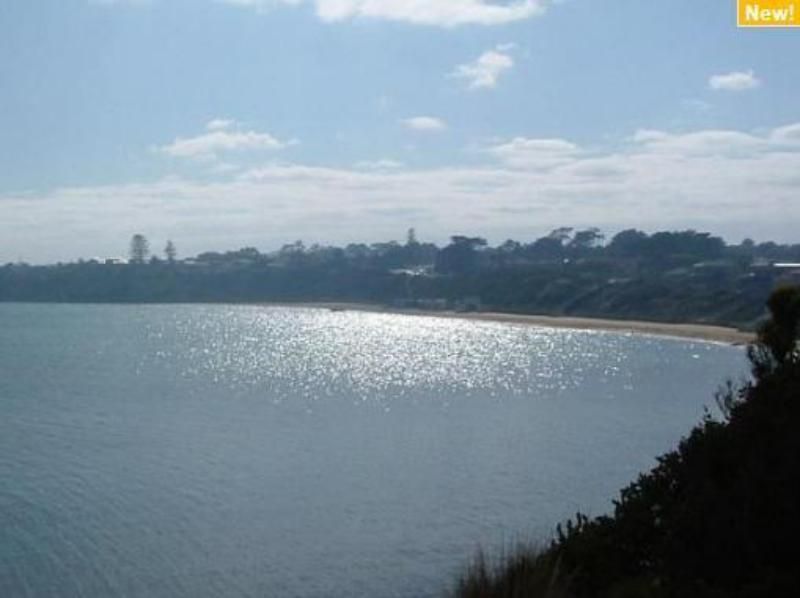
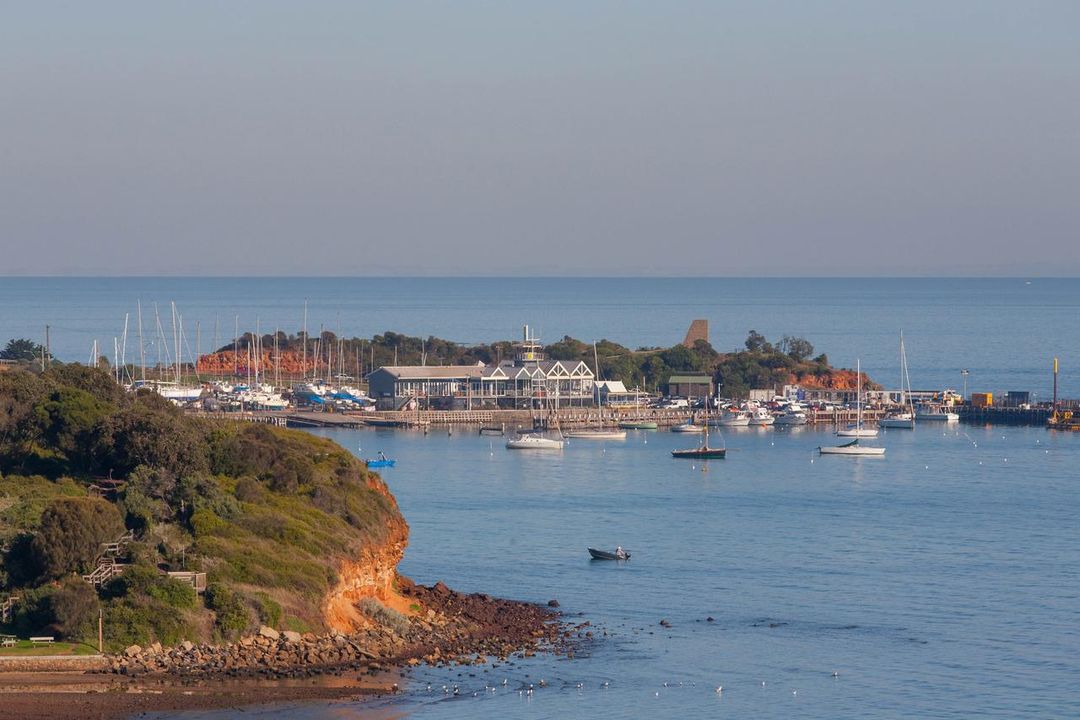
Walk on Fossil Beach and touch history—literally. As the tide recedes, ancient fossils of ammonites and seashells emerge like time capsules from millions of years ago. A dream come true for photographers and nature lovers alike, where every footprint reveals Earth’s forgotten story.


Everything you need to know about Fossil Beach
The Langham Melbourne is an excellent choice, offering spacious rooms with floor-to-ceiling windows overlooking the city’s greenery and Yarra River. The hotel features a child-friendly indoor pool and dedicated family activities, making it ideal for travelers with kids. Located just 25 minutes by car from Fossil Beach, guests enjoy scenic views of Port Phillip Bay along the way. Its central location also grants easy access to top attractions like the Melbourne Museum and Royal Botanic Gardens, combining natural wonders with urban convenience for a seamless family experience.
The most convenient option is taking Melbourne’s tram line 109 to St Kilda Station, then transferring to a local bus bound for Fossil Beach—a journey of about 30 minutes passing through Bourke Street and St Kilda Beach. For more flexibility, rent a e-bike or use Uber services, which take only 20 minutes from the city center and drop you directly at the beach trail entrance. Some tour operators also offer guided shuttle services with geological commentary, perfect for visitors eager to explore the area’s rich fossil history.
Must-try experiences include guided tidal exploration tours led by naturalists, where you can discover well-preserved 300-million-year-old fossils such as ammonites and crinoids. Join a sunset photography workshop to capture dramatic waves crashing against rocks under golden light. Explore the coastal nature trails to observe native birds and intertidal creatures. Seasonal fossil dig workshops are also offered for families, blending hands-on learning with adventure—perfect for those passionate about geology and coastal ecology.
Fossil Beach itself is a prime photo destination, especially during sunrise or sunset when golden light contrasts dramatically with dark basalt rocks—ideal for striking natural lighting shots. Nearby, the colorful cottages and wooden pier at St Kilda Beach offer vibrant backdrops. For artistic compositions, visit the Melbourne Sea Wall Art—an outdoor sculpture installation blending marine themes with storytelling, where each stone marker depicts local ecological narratives, creating a unique fusion of nature and contemporary art for photographers.
Try The Fish Shop St Kilda, a hidden gem tucked along St Kilda Beach, renowned for its freshly caught Australian lobster, king crab, and oysters. Dishes are prepared to order with local craft beer pairings, enhancing the authentic taste. The rustic-chic interior features sea-facing windows, offering views of Fossil Beach and the lighthouse. Their signature dish—grilled snapper with herb butter—is a favorite among visitors, making it the perfect spot to unwind after a day of coastal exploration.
Fossil Beach is open year-round, but visit between 7 AM and 5 PM for optimal conditions and reduced sun exposure. Due to rapid tide changes, always check official signage and tide charts—never enter rocky zones during high tide. Climbing rocks or touching fossils is prohibited to protect fragile geological heritage. Wear non-slip footwear, carry ample water, and use sunscreen. Surveillance cameras monitor key areas for safety. No camping or littering is allowed—help preserve this pristine coastal site for future generations.
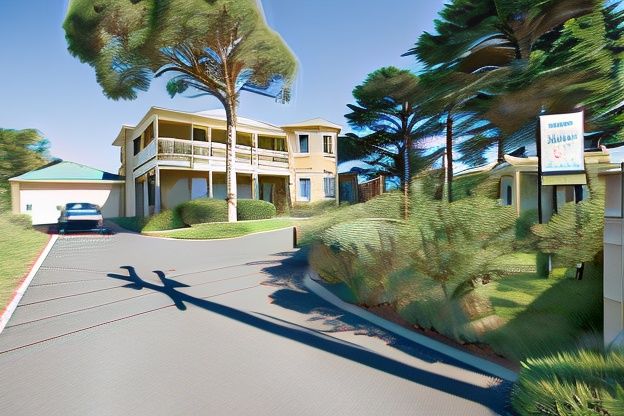
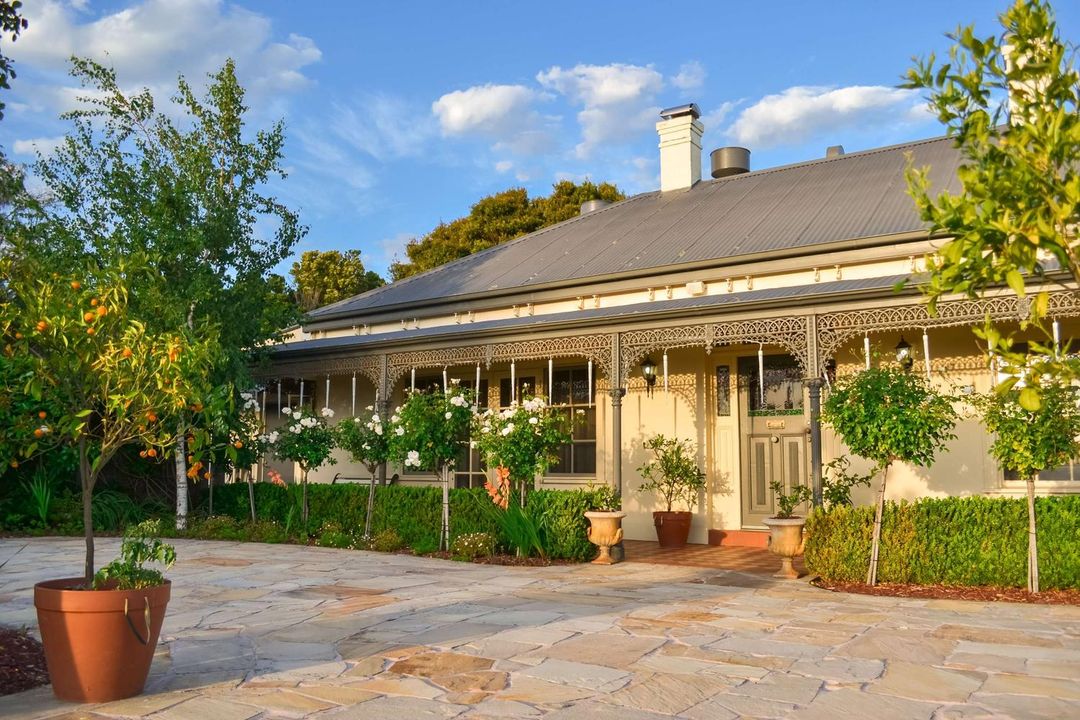
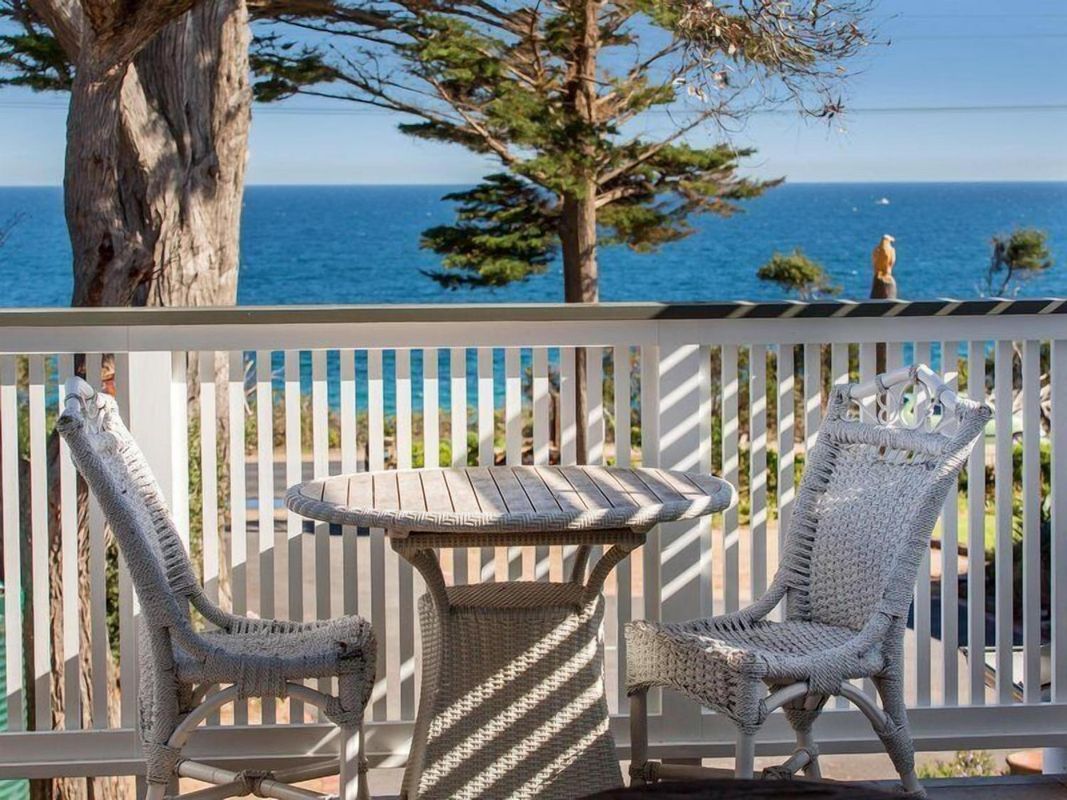
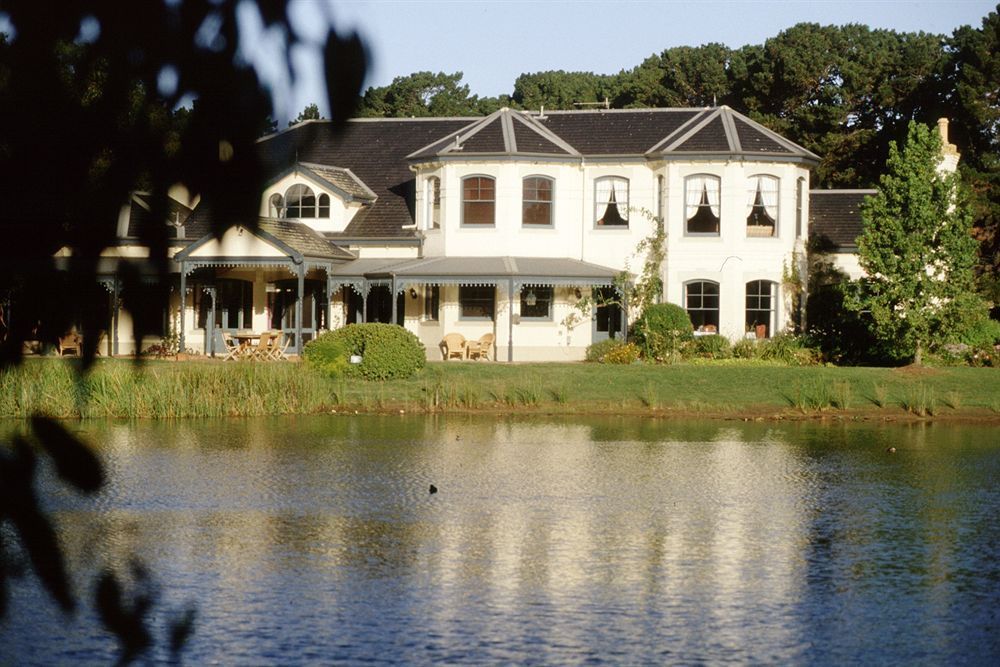
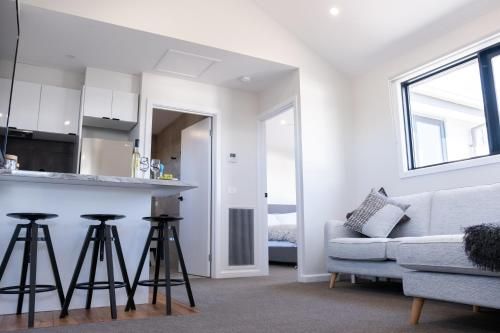
Near Fossil Beach in Victoria, Australia, The Seaview at Rye is a top choice for its sea-facing rooms and just a 5-minute walk to the beach. This boutique hotel blends modern Australian design with natural elements, featuring floor-to-ceiling windows that offer panoramic views of the Bass Strait. For families, Bayside Retreat offers private holiday homes with fully equipped kitchens and outdoor decks—ideal for self-catering trips.
Getting there from Melbourne is convenient via Bus 750 or by renting a car along the Great Ocean Road (also known as the Great South Coast Highway), taking about 1.5 hours. Early morning visits are recommended to avoid crowds and ensure safer fossil hunting on rocky shores.
Unique experiences include guided paleontological tours to explore ancient marine fossils, coastal photography sessions, and watching sunsets over the rugged cliffs. Some accommodations also provide eco-guided walks that highlight the region’s geological history and conservation efforts, enriching your understanding of this UNESCO-recognized coastal zone.
The most convenient way from Melbourne city center is to rent a car and drive along the Great Ocean Road to Cape Paterson, taking about 1.5 hours. The scenic route offers stunning views of coastal cliffs, wild forests, and seabird habitats—stop at Rye or Port Albert for supplies. Alternatively, take Bus 750 to Cape Paterson Station, then transfer to a local shuttle or walk the short distance.
Visit early on weekends to avoid crowds and bring non-slip shoes, waterproof jacket, and water—rocky terrain and tidal changes require caution. Several tour operators offer guided pickup services including expert fossil interpretation and safety briefings.
Fossil Beach lies within a terrestrial marine sedimentary zone with fossils dating back 300 million years, including ammonites and ancient fish remains—one of the world’s rare accessible sites for such paleontological discovery. Please follow no-dig, no-take rules to preserve the site’s geological integrity and ecological significance.
Fossil Beach offers the rare chance to discover 300-million-year-old fossils like ammonites, fish bones, and echinoderm fragments embedded in claystone layers—remarkably preserved due to ancient marine deposition. Joining a guided fossil hunt led by geologists enhances learning about fossil formation and identification techniques.
Early morning or late afternoon visits reveal dramatic light-and-shadow effects on exposed rock formations, perfect for coastal photography. Nighttime eco-tours under moonlight allow observation of nocturnal crustaceans and seabird roosting patterns, accompanied by stories of the region’s geological evolution.
Some lodges host outdoor bonfire gatherings with local wines and barbecues, creating immersive nature experiences. All activities must follow Leave No Trace principles: never remove rocks, fossils, or flora to protect this protected natural site.
For families, fossil scavenger hunts and sand sculpture workshops blend fun and education, helping children connect with Earth’s deep history.
Explore more amazing destinations